Wine isn't dying. The industry just keeps failing the people who already love it.
That's the argument Caroline Lamb, 29-year-old Detroit-based wine professional, distribution insider, and contributor to the Business of Drinks podcast, has been making with increasing force, and it deserves a louder room than it's been getting. When Wine Spectator senior editor Alison Napjus published Are We Winning the Wine War (Gen) Z? earlier this month, the trade's response was predictable: wine has become too intimidating, too complex, too elitist. Strip the labels. Swap the tasting notes for infographics. Teach young people how to order without embarrassment. Lamb read the piece and called it what it is, a diagnosis built on the wrong data, applied to the wrong problem.
She is right. And the industry's refusal to see it is the actual crisis.
The Death-of-Wine Story Is Built on Bad Math
Yes, SVB's annual wine report shows a volume dip among younger consumers. No, it does not show that Gen Z has decided wine is not for them. Those are different findings, and treating them as the same thing is how you end up with the wrong solution.
Here is the number the trade keeps burying: Gen Z spends the same percentage of its income on wine as previous generations did at the same age. Napjus cites this herself, then pivots away from it as though it were a minor footnote. Lamb stops there and does not let it go. If proportional spend is stable while absolute volume falls, the variable that changed is purchasing power, not enthusiasm. Post-pandemic inflation, tariff pressure on European imports, and rising production costs have gutted the sub-$15 discovery tier that historically brought young drinkers into the category. When the floor for a recommendable bottle shifts from $12 to $20, casual experimentation becomes a considered expense for anyone carrying student debt or renting in a city where wages have not kept pace with housing costs.
There is also this, from Wine Australia: Gen Z wine drinking in Australia rose from 29 percent in 2021 to 35 percent in 2025. That is not a generation walking away from wine. And IWSR data shows that 54 percent of 18-to-34-year-olds are likely to choose a premium drink, with the strongest premiumization trend in wine sitting squarely in the $15-to-$24.99 range. Young consumers are not fleeing complexity. They are upgrading when they can afford to. The industry's problem is not demand. It is that it has spent years making the on-ramp unnecessarily hostile, and then blaming the people who chose a different road.
The Real Villain: An Industry That Mistakes Mystique for Value
The wine industry has a gatekeeping problem. Full stop.
Not the kind that lives on labels or in tasting notes, those are symptoms. The deeper problem is an institutional reflex that treats complexity as a membership test rather than an invitation. The demystification agenda Napjus advocates, strip information off labels, simplify the vocabulary, lower the bar of entry, is gatekeeping in reverse. It assumes young people cannot handle the real thing, so the solution is to hand them a simplified version of it. That is condescension dressed up as outreach.
Lamb has spent her adult life in the rooms where young consumers either convert to wine or don't. Her floor-level read from distribution in Detroit, a mid-market city where economic pressure on young consumers is visible and immediate, not theoretical, is that the ones who walk away are not intimidated. They are doing the math and deciding it does not pencil out. The industry responds by redesigning the label. The problem was the price.
The sub-$15 bottle was never a serious wine. But it was a low-stakes way in, a chance to try a Grüner Veltliner or a Côtes du Rhône without treating the experiment like a splurge. Tariff pressure, rising production costs, and retailer margin compression have thinned that tier considerably. For a 24-year-old paying significant rent and carrying student loans, the gap between a $12 bottle and a $20 bottle is not academic. It is the difference between trying something new and defaulting to a cocktail, where the price-to-pleasure ratio feels easier to trust.
Stripping information off labels does not make a $22 bottle cheaper. Teaching someone to order confidently from a wine list does not lower the cost of a by-the-glass pour at a mid-range restaurant. Structural problems do not yield to communications campaigns.
And then there is the assumption baked into the entire demystification project, that young people find wine's depth off-putting. The young people she encounters who engage with wine do so with the same appetite for complexity that draws them to specialty coffee, natural fermentation, or single-origin chocolate. Depth is not the obstacle. It is the attraction. The industry keeps apologizing for having it.
Proof That Wine Is Thriving, When the Industry Gets Out of Its Own Way
The damning evidence against the gatekeeping thesis is not a report. It is what happens when wine stops treating itself as a subject to be taught and starts behaving like something people actually want to be part of.

Consider Tom Gilbey. He has around 680,000 Instagram followers, with an audience weighted heavily toward the under-30s. He went viral for running the London Marathon while stopping to taste wine at each mile. That is not a stunt designed by a marketing department. It is one person who loves wine doing something genuinely fun with it, and hundreds of thousands of young people responding. The industry did not manufacture that moment. It happened in spite of the industry's usual approach.

Pilar Brito built her following, 10 percent aged 18 to 24, 42 percent aged 25 to 34, 31 percent aged 35 to 44, by framing wine not as expertise to be conquered but as an expression of personal identity, as native to who you are as your taste in fashion or interior design. She grew her audience sharply when she began making content for young professionals who wanted to feel confident navigating a wine list at a business dinner. She did not simplify wine. She gave people a reason to care. Attention followed.
Lamb interviewed Brito for Business of Drinks, and the takeaway is direct: 83 percent of Brito's audience is Gen Z or Millennial. That is not a generation rejecting wine. That is a generation waiting for wine to speak to them like adults.
Wineries that have done this work are already seeing it pay off. Vina Robles in California launched a "Rookie Club" alongside trivia nights and meet-the-winemaker events aimed squarely at younger consumers, and built a pipeline of engaged regulars who trade up as their palates and their paychecks develop. Chateau Ste. Michelle built audience loyalty through a summer concert series that put wine in an environment where young people already wanted to be. Neither approach involved dumbing wine down. Both involved meeting people where they actually are.
Lamb's friend Kaira, a mid-twenties corporate attorney, runs a monthly wine club, organizes trips to wine regions with friends, and writes about wine on Instagram and Substack because she loves it. She came to wine through her mother. She is now the person shaping the wine choices of at least twenty of her peers. She has never worked in the industry. The industry has no relationship with her and is not trying to build one.
And then there is Napjus's own stepdaughter, who is pursuing a WSET Level 3 certification, a credential that demands real commitment and carries genuine trade respect. Napjus mentions this almost in passing, before returning to the family members who do not drink wine regularly. Lamb does the math differently: if one in four young people in your immediate orbit is pursuing a professional wine qualification without being paid to do so, you do not have a demand problem. You have an attention problem. The industry is so fixated on the 75 percent who are indifferent that it keeps missing the tens of millions already evangelizing the category for free.
NielsenIQ data makes the word-of-mouth economy explicit: 28 percent of Gen Z say they rely on the opinions and suggestions of family and friends when making a beverage alcohol purchase, more than any other factor, including social media. The Kairas, the Pilars, and the Tom Gilbeys of the world are the industry's most effective distribution channel. They are operating entirely outside any formal trade relationship. That is the industry's failure, not theirs.
Lamb also shared the Wine Spectator piece with Seb, a 29-year-old non-industry wine enthusiast in England she met through a genuinely geeky wine Discord channel. His response lands cleanly: "The same people who buy organic veg, rare cheeses, and heirloom tomatoes at farmers markets should be all over wine." He is right. The consumer who seeks out a Comté aged 24 months or a heritage-breed pork chop from a specific farm is not afraid of complexity. They are drawn to provenance, craft, and the story behind what they eat and drink. Wine is that product. The industry keeps apologizing for being it.
What the Wine Industry Must Actually Do
The corrective is not complicated. It starts with an honest diagnosis.
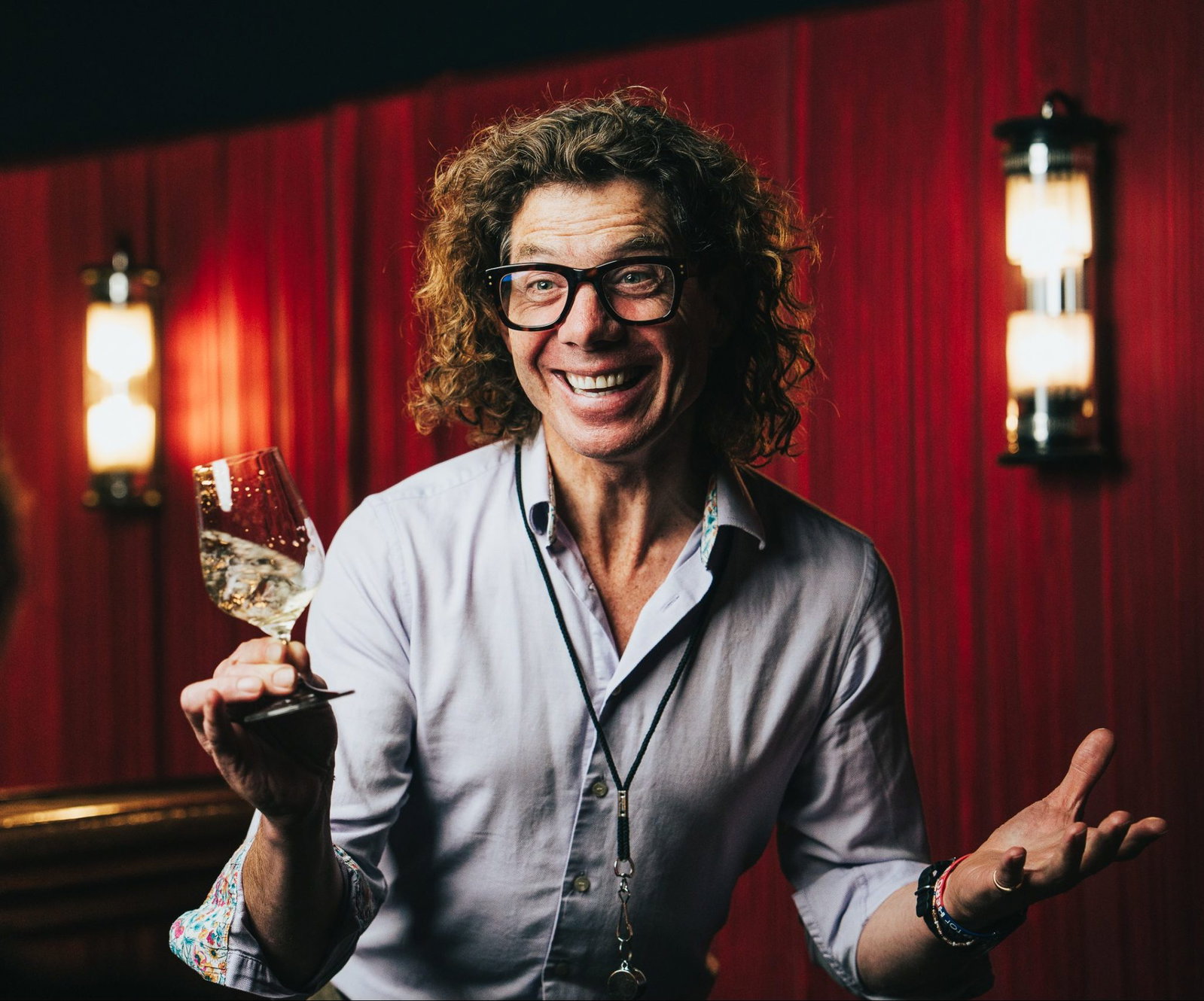
If the real barrier for Gen Z wine drinkers is economic, the solutions that matter are economic: maintaining a genuine entry-level tier at accessible price points, resisting the urge to premiumize every category, and finding ways to absorb tariff and production cost increases rather than passing them entirely to the consumer least able to absorb them. A 23-year-old who has a good experience with a $14 Picpoul or a $16 Mencía becomes, over a decade, the collector buying a case of 2022 Barolo. That pipeline does not build itself, and it does not build on condescension.
The second shift is relational. Producers and retailers who find ways to support, supply, and occasionally acknowledge the Kairas and Sebs and Tom Gilbeys of the world, the amateur enthusiasts running wine clubs, writing Substacks, and dragging their friends to regional tastings, are investing in the distribution channel that actually works for this generation. Those people are operating outside any formal trade relationship by default. That is a choice the industry has made, not a law of nature.
The third shift is tonal. Stop treating young people as a problem to be solved. The WSET Level 3 stepdaughter is not an anomaly to be mentioned and moved past. The Discord channel where Lamb met Seb is not a curiosity. These are the proof points. The wine industry has spent years trying to make itself legible to people who do not care about it. The more productive question is what it owes to the people who already do, the ones spending their proportional share of income on wine, pursuing professional qualifications, building audiences, and running informal wine education operations out of sheer enthusiasm.
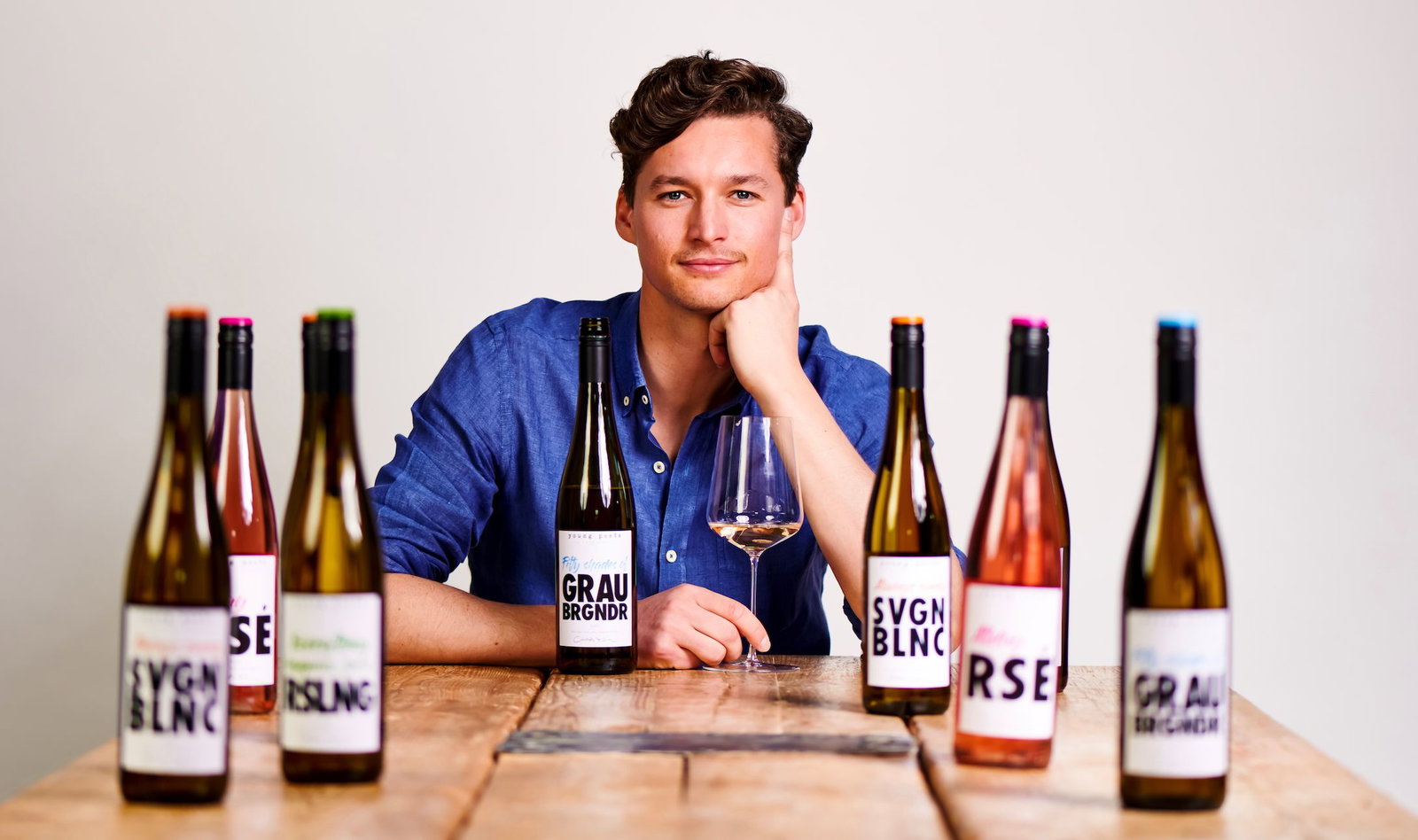
Wine is not dying. Gen Z wine consumption in Australia is up six points in four years. More than half of 18-to-34-year-olds are actively choosing premium drinks. The $15-to-$25 tier is the fastest-growing segment in the category. Young people are not walking away from wine, they are waiting for the industry to stop walking away from them.
The SVB report is right that the industry faces a long-term volume problem if it cannot convert Gen Z into lifelong wine drinkers. But volume follows value, and value follows genuine engagement. The industry is not losing a demand war. It is losing a PR war of its own making, one fought against people who were never the enemy and have been doing the industry's work for free this entire time.
Notice them. Supply them. Get out of their way.
Get the App
Keep the guide close to the booking moment.
Take the shortlist into the En Primeur Club app for concierge access, saved places, and the next step after discovery.
Get Exclusive AccessMore from the editors