← Guides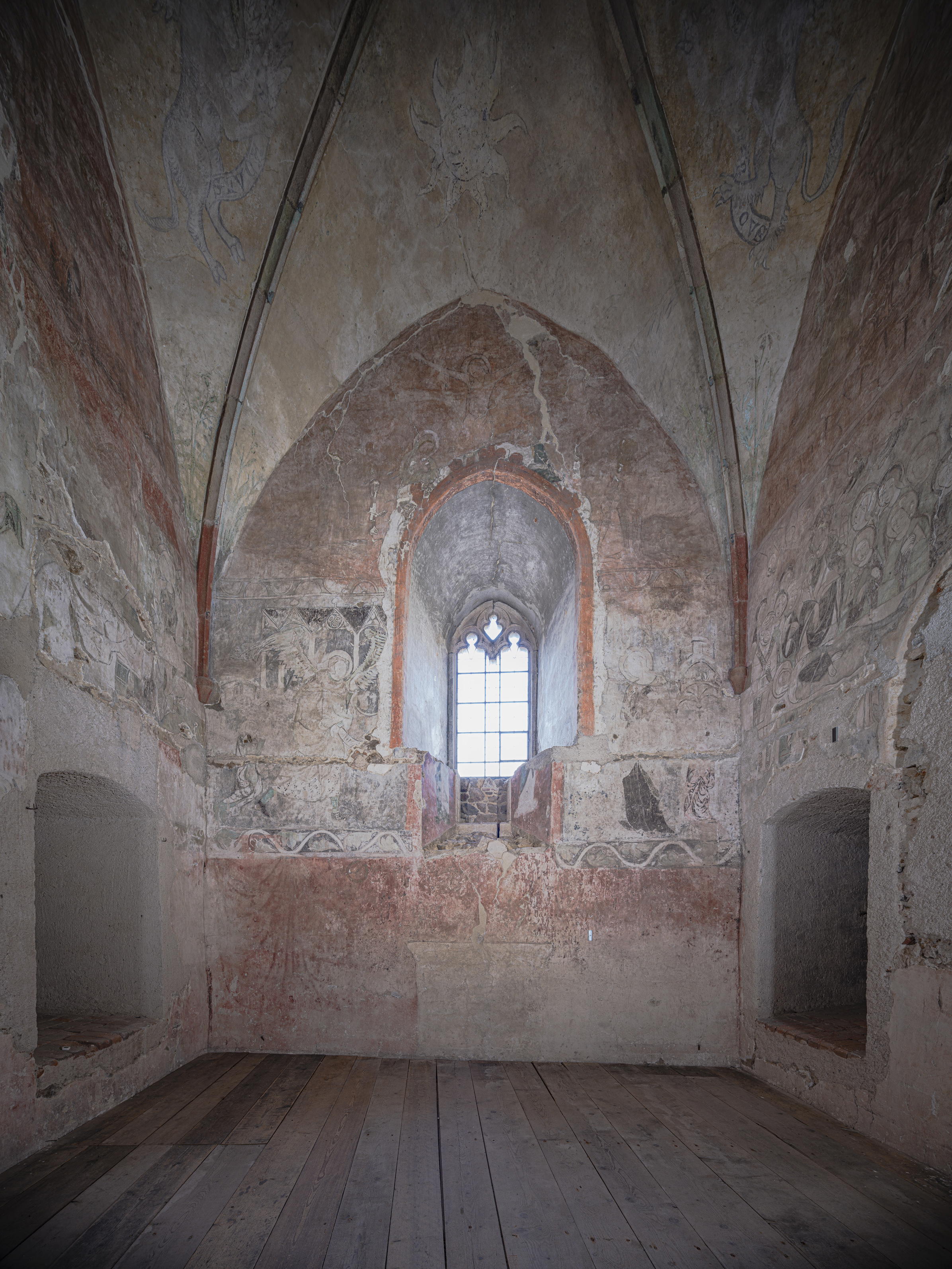
Eight bottles of 1892 and 1896 Château d'Yquem, hidden at Bečov Castle during WWII, have resurfaced 'impressively fresh'. The collection now numbers 136 bottles of wine and cognacs.
Eight bottles of 1892 and 1896 Château d'Yquem, hidden at Bečov Castle during WWII, have resurfaced 'impressively fresh'. The collection now numbers 136 bottles of wine and cognacs.
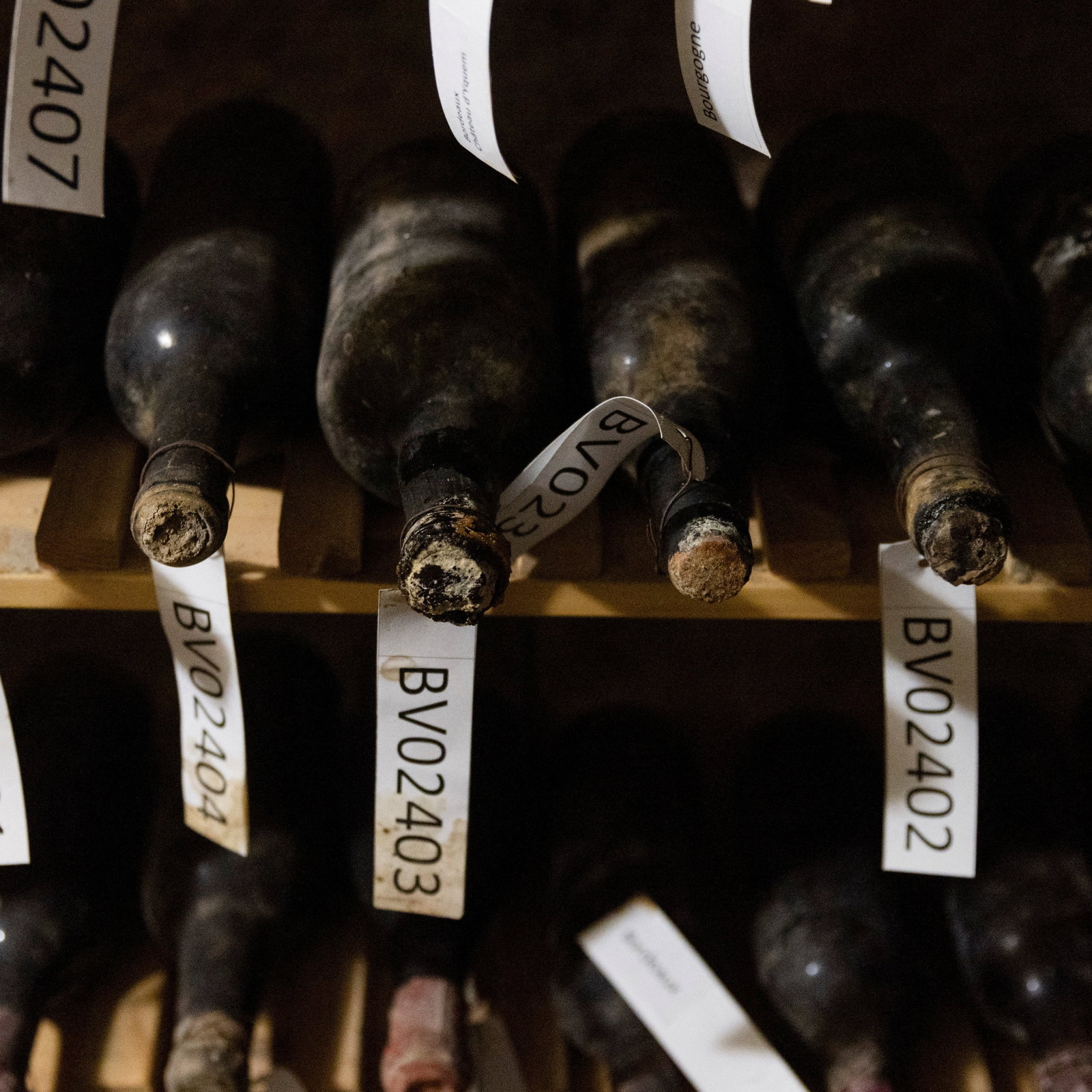
Workers at Bečov Castle in the Czech Republic uncovered a wartime cache of wine. The collection now comprises 136 bottles of wine and cognacs, after three additional bottles found near the castle in 2011 were added, including eight bottles of 1892 Château d'Yquem and the 1896 vintage, still sealed, still alive after more than a century underground. Château d'Yquem's own cellar master flew in to taste them. His verdict: impressively fresh.
The cache at Bečov Castle is one of the more dramatic cellar finds in recent memory, not because of its size, but because of what survived and how. The 136 bottles include an 1899 Pedro Ximenez Sherry, an 1892 Port, unspecified Cognac, and, most arrestingly, eight bottles of Château d'Yquem spanning two 19th-century vintages. They had been hidden at the castle for decades, sealed off from the world by stone and circumstance.
Bečov Castle sits in the Karlovy Vary region of western Bohemia, a Gothic and Baroque complex with a history layered enough to absorb even this kind of revelation without much surprise. The Beaufort-Spontin family, established within the highest ranks of Austro-Hungarian nobility, purchased the castle in 1813. The estate passed through generations until the chaos of the Second World War forced a sudden departure, and the wine went underground with it.
The road back to daylight took 42 years of effort by the family. According to Reuters, the Beaufort-Spontins contacted American businessman Danny Douglas in 1984 to help retrieve the collection. Progress was anything but linear. In 1985, Communist secret police are thought to have uncovered the bottles at the castle alongside the Reliquary of St. Maurus, but while the police removed the holy relic and transported it to Prague, they left the wine exactly where it was. It was not until around 2016 that the collection was formally rediscovered and the process of assessment and preservation could begin.
Eight bottles of Château d'Yquem, spanning the 1892 and 1896 vintages, represent an effectively irreplaceable cache. Both vintages are over 130 years old. The estate is the only property in Bordeaux classified as Premier Cru Supérieur, a category of one, and its 19th-century bottles, when they surface at auction with clean provenance, command prices that reflect both rarity and the estate's unbroken reputation for longevity. The 1892 and 1896 vintages almost never appear on the market at all.
What makes the Bečov discovery genuinely instructive, beyond the romance of the story, is what Château d'Yquem's own team found when they tasted the wine. Cellar master Toni El Khawand confirmed that the estate assessed the bottles carefully: "We tasted a small quantity to be sure that, aromatically and in terms of balance on the palate and overall perception, the wine corresponded to a Château d'Yquem of that age," said Toni El Khawand.1 The wine passed that test, and then some. El Khawand described it as ", fresh, with an almost acidic freshness", a quality he attributed partly to d'Yquem's high residual sugar, which acts as a natural preservative across extreme timescales.
For collectors and wine historians, that tasting note carries weight precisely because it comes from the estate itself. This is not a merchant's optimistic assessment of a bottle pulled from an anonymous cellar. It is Château d'Yquem's cellar master, tasting his own wine, confirming that the 1892 Château d'Yquem still reads as d'Yquem, aromatically coherent, balanced on the palate, alive.
When the collection was rediscovered circa 2016, Château d'Yquem became involved almost immediately. The estate reportedly used a Coravin device to extract a sample from the bottles without disturbing the original corks, a technique that allows assessment of a wine's condition while leaving the seal intact. Having confirmed the wine's quality and provenance, the team then moved to recork and recapsulate the surviving bottles.
Eight bottles containing varying amounts of wine were taken to France. They returned as five full bottles and three completely empty; wine that did not fit the five full bottles was poured into two new smaller bottles and five new vials. The five full bottles of 1892 and 1896 Château d'Yquem, authenticated by the estate and recorked in France, are the bottles that came back full.
El Khawand described the experience of opening a bottle this old as something beyond a routine tasting. He called it "a magical experience" and told AFP: "What we're doing when we open it is unveiling a time capsule. We pull out this cork that has sealed the liquid off from its surroundings and, in a way, from the passage of time. It is a memory, ultimately, a liquid memory, to be sure, but it is a memory of all those who came before us, of the work that was done." Preservation work on the broader collection of 136 bottles of wine and cognacs has continued since 2016. The collection is held in a depository that is not open to the public; the castle is working on a visitor exhibition.
The Beaufort-Spontin family's decision to conceal their wine collection at the castle was not an act of eccentricity. It was calculation under pressure. As suspicions of Nazi collaboration closed in around the family during the Second World War, they fled to Austria, but not before hiding what they could not carry. The castle, cold, thick-walled, and underground, became an improvised vault.
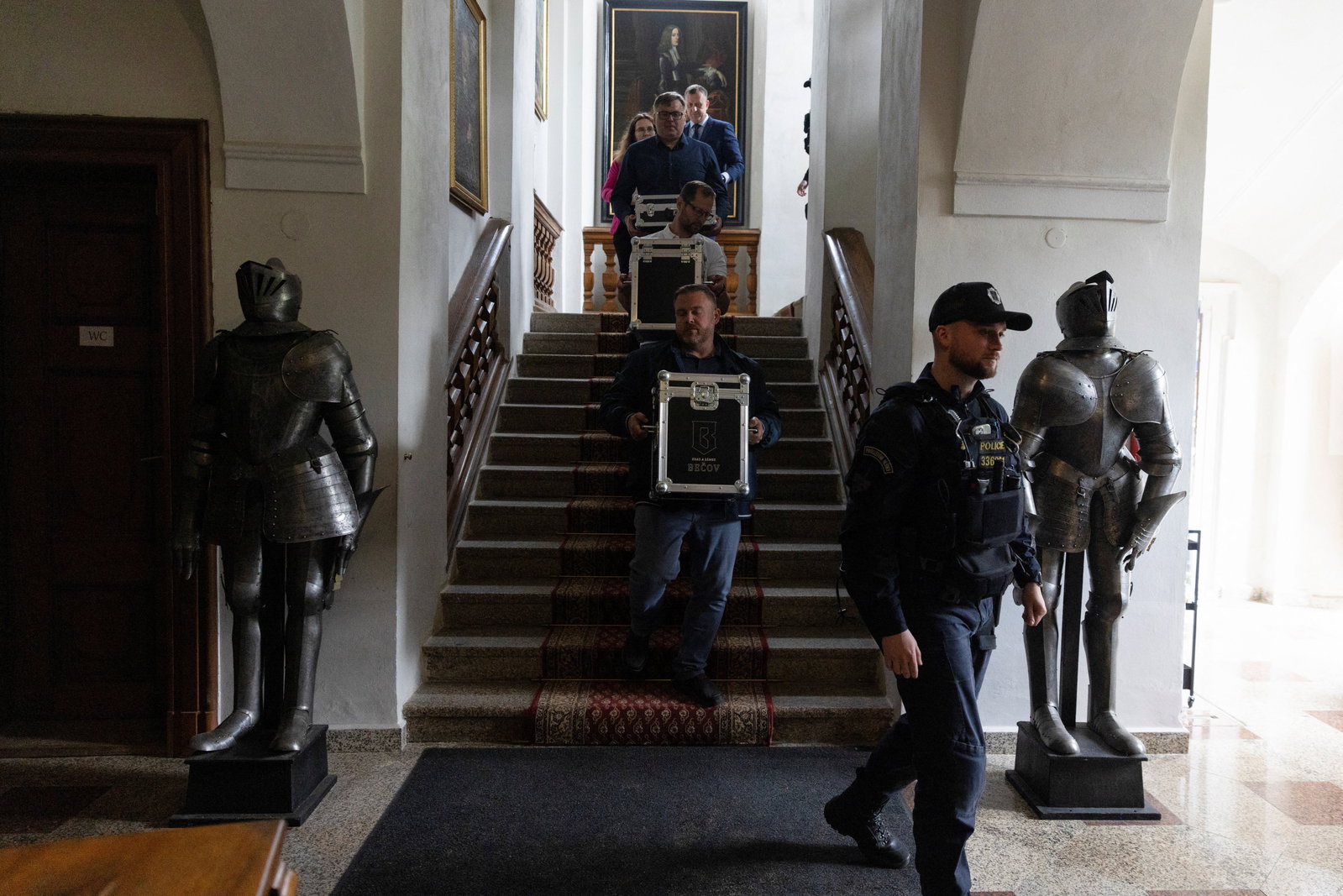
Bečov Castle was already a place where irreplaceable things were kept. The Reliquary of St. Maurus was also concealed at the castle during the war. When Communist secret police eventually found both the reliquary and the wine cache in 1985, they took the relic to Prague and left the bottles where they lay. Whether that decision reflected indifference to wine or a lack of understanding of what they had found, the result was the same: the 1892 Château d'Yquem and its companions remained undisturbed for another three decades.
After the war, the castle was confiscated by the Communists, repurposed as a school, and eventually became the home of a local historical institute. The Beaufort-Spontin family's attempt to reclaim their hidden wine, reaching out to Danny Douglas in 1984, stretched across four decades before the collection finally came to light. That timeline, from concealment in the 1940s to formal rediscovery in 2016, spans the better part of a century.
The survival of the 1892 Château d'Yquem is not simply a matter of luck. El Khawand was precise about the conditions that made it possible. The castle at Bečov provided what he called "good conditions of conservation", humid, cold, with thick walls maintaining constant moisture and temperature, and the additional insulation of being underground. Those four variables, humidity, cold, stability, and depth, are the same ones that define the professional wine storage anywhere. The Beaufort-Spontins, whether by design or fortune, chose well.
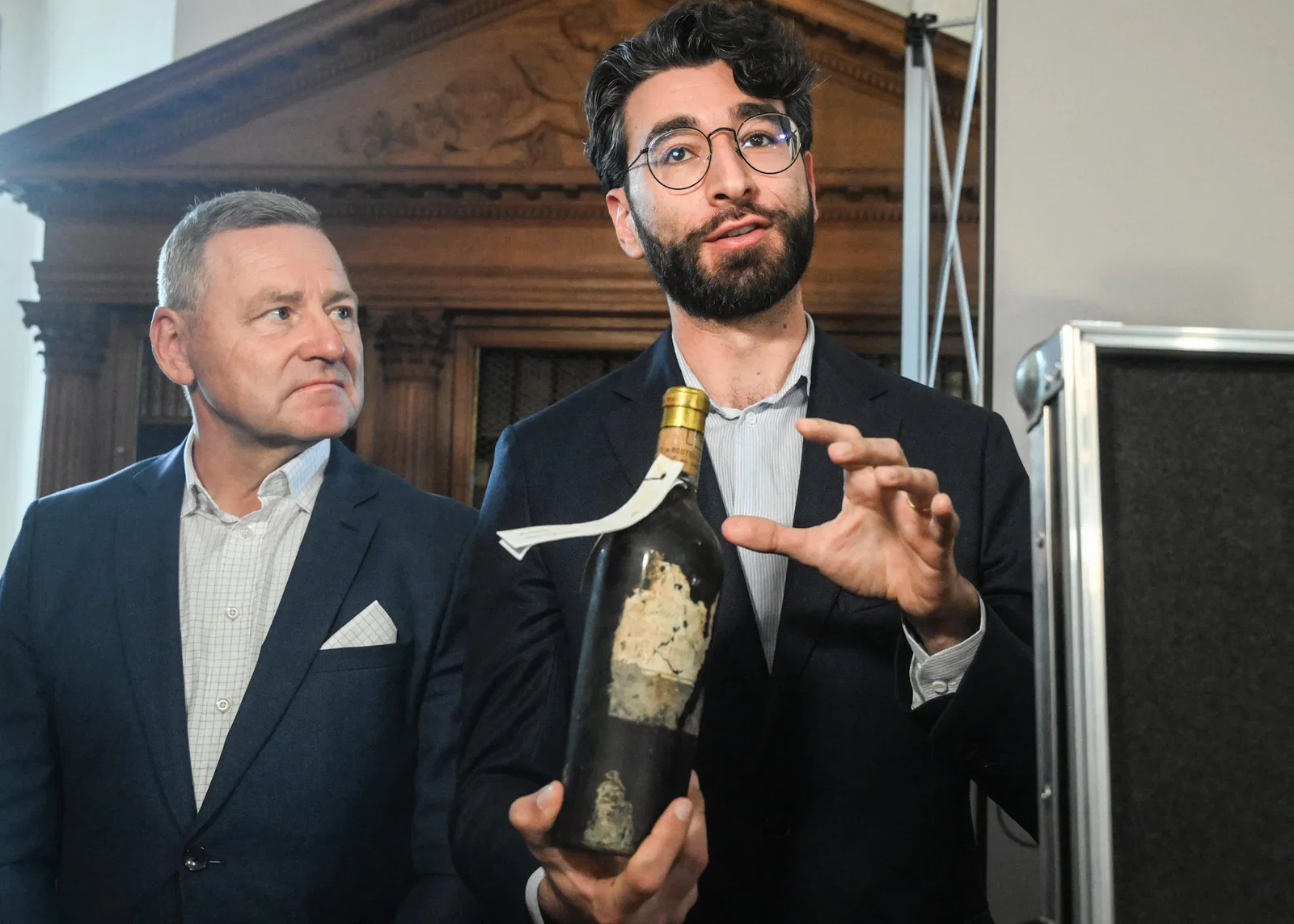
The high sugar content of d'Yquem did the rest. Sauternes, produced from botrytis-affected grapes, carries residual sugar levels that no dry wine can match, and that sugar functions as a preservative, inhibiting the oxidative processes that would otherwise degrade a wine across decades. The combination of ideal storage and extreme sugar concentration is what allowed a bottle sealed in the 1890s to present, in El Khawand's words, with "an almost acidic freshness" more than a century later.
It also explains why d'Yquem is the wine collectors reach for when they want to lay something down for the long term. The Bečov discovery extends that data point back to the 1890s, and does so with the estate's own authentication behind it, a detail that no auction catalogue can manufacture.
For anyone tracking the secondary market for old Sauternes, the Bečov find raises questions that go beyond the romance of the story. The original estimate was up to 30 million Czech koruna; the castle manager now estimates 100 million koruna after recorking. Provenance for the five surviving bottles is, in one sense, polished: the estate itself authenticated and recorked them.
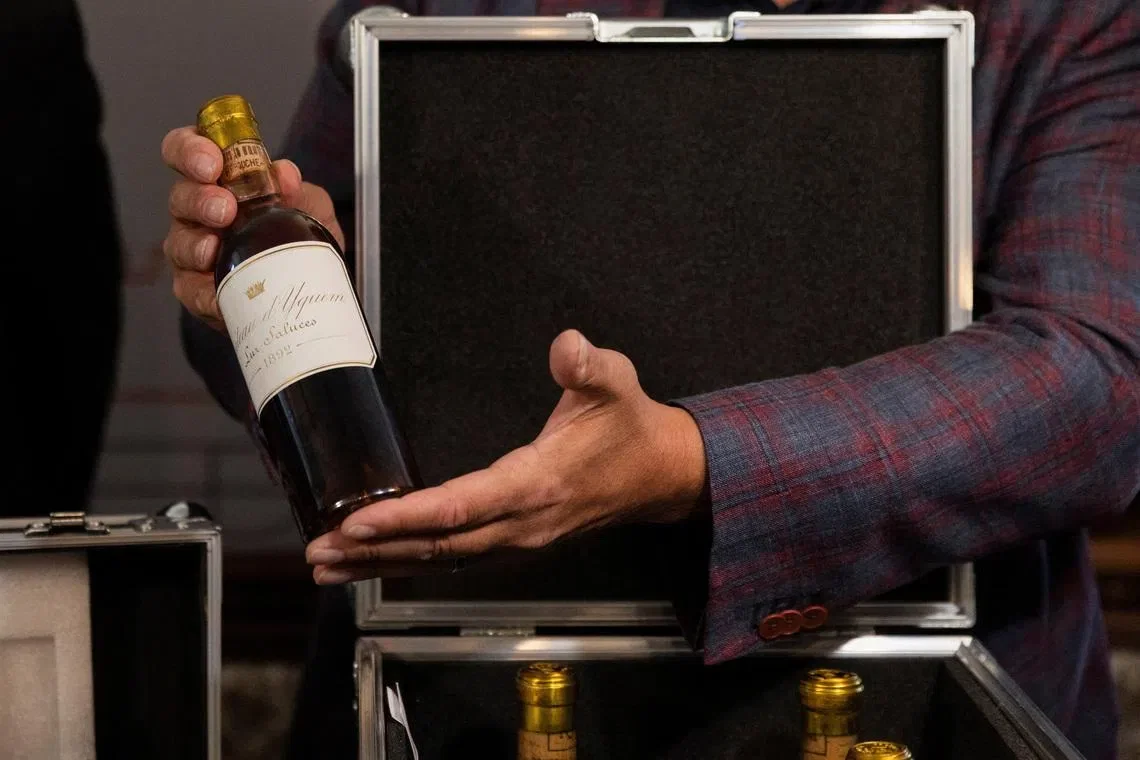
In another sense, the wartime concealment and the decades of Communist-era uncertainty create a chain of custody that would need careful documentation.
Mgr. Kateřina Nývltová, depository staff at Bečov Castle, has indicated that the fundraising campaign currently underway would enable more thorough analysis of the remaining wines, analysis that would strengthen the documentary record for any future disposition of the bottles.
"If we raise the money, we will definitely want to do a more thorough analysis of the wines," Nyvltova said. "And if we can recondition the rest, we'll definitely go for it." That suggests the five surviving d'Yquem bottles are not the end of the story, the broader collection of 136 bottles of wine and cognacs, including the 1899 Pedro Ximenez Sherry and the 1892 Port, still awaits fuller examination.
The collection is currently stored in a depository that is not open to the public. The castle is working on a visitor exhibition, and a public fundraiser has been launched for that purpose at zamek-becov.cz. The Karlovy Vary region of western Bohemia is already worth the journey for its castle circuit and spa towns, and Bečov is open to visitors. What is already certain is that the 1892 Château d'Yquem found at Bečov Castle survived two world wars, Communist confiscation, and decades of institutional indifference, and arrived in the 21st century still tasting, by the estate's own account, like itself.
Get the App
Take the shortlist into the En Primeur Club app for concierge access, saved places, and the next step after discovery.
Get Exclusive AccessMore from the editors