Restaurant Konoba Kod Marinka
Konoba Kod Marinka sits in the village of Goranci on the outskirts of Mostar, operating in the konoba tradition that defines rural Herzegovinian hospitality. The format is direct: locally sourced ingredients, open-fire cooking, and a setting that rewards the short drive out of the old city. For visitors who have already covered the Stari Most circuit, this is where Mostar's domestic dining character surfaces.
Pearl is the En Primeur Club membership app — saves, bookings, and concierge access live there. Same editors, same standards.
- Address
- CP8R+93X, Goranci 88000, Bosnia & Herzegovina
- Phone
- +38763406408
- Directions
- Get directions
 Saves & bookings on Pearl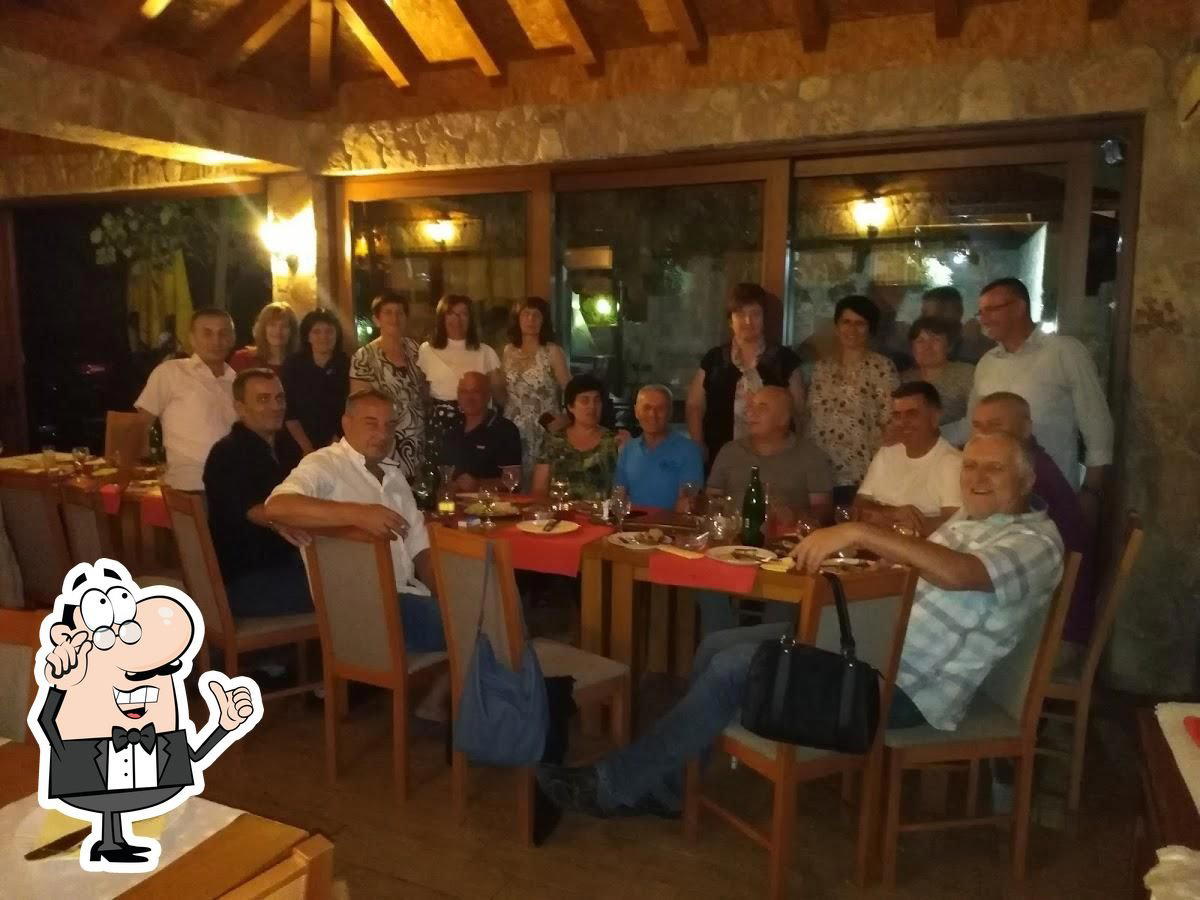
Outside the Old City: Where Herzegovinian Konoba Culture Holds Its Ground
The road out of Mostar toward Goranci carries you past the tourist concentration around Stari Most and into a quieter register of the region. Villages along this corridor have maintained the konoba format for generations: family-run rooms, wood-fire hearths, locally raised meat, and a pace set by the kitchen rather than the clock. Konoba Kod Marinka sits within this tradition, positioned in Goranci roughly on the edge of the greater Mostar municipality, and it draws the kind of crowd that already knows to look beyond the old city's restaurant row.
The konoba as a format deserves some unpacking for visitors arriving from more codified dining markets. In Bosnia and Herzegovina, and across the broader western Balkans, a konoba is not simply a rustic restaurant. It carries an expectation of directness: what's available reflects what was sourced or raised that week, cooking methods lean on fire and slow heat, and the relationship between guest and kitchen is closer to a farmhouse meal than a structured service sequence. That informality is the point, not a limitation. Herzegovinian konoba culture specifically emphasises lamb and veal cooked under a peka, the cast-iron bell covered in embers that is the region's most characteristic cooking vessel, alongside river fish where geography allows and garden vegetables that arrive simply dressed.
The Goranci Setting and What It Signals
Goranci is not a destination that appears in most Mostar itineraries written for international visitors, which is precisely what makes a konoba like Kod Marinka function as a reliable signal of domestic preference. Restaurants that survive and build reputation in villages outside the tourist circuit do so on return trade from local families and regional visitors who have options. The location tells you something about the kitchen's confidence in its own product.
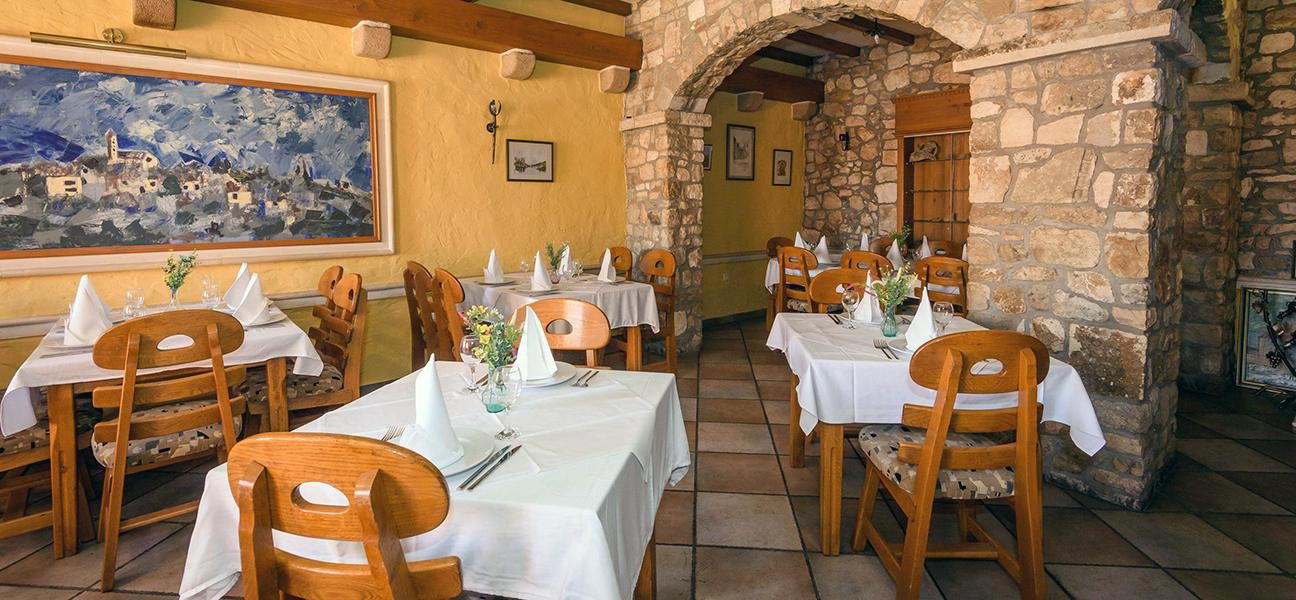
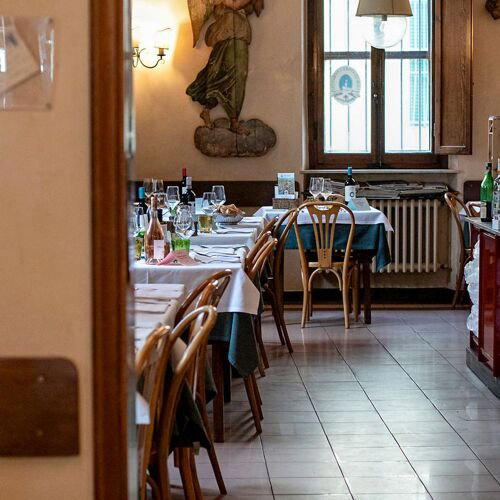
The physical environment approaching a konoba of this type tends to follow a pattern familiar across Herzegovina: stone surfaces, outdoor seating where the climate allows, and a simplicity of presentation that would read as considered minimalism if it were applied by a designer in a capital city. Here it is simply the way things are built and run in this part of the country. The setting is not staged for photographs; it is functional, and that functionality is itself a kind of honesty about what the format offers.
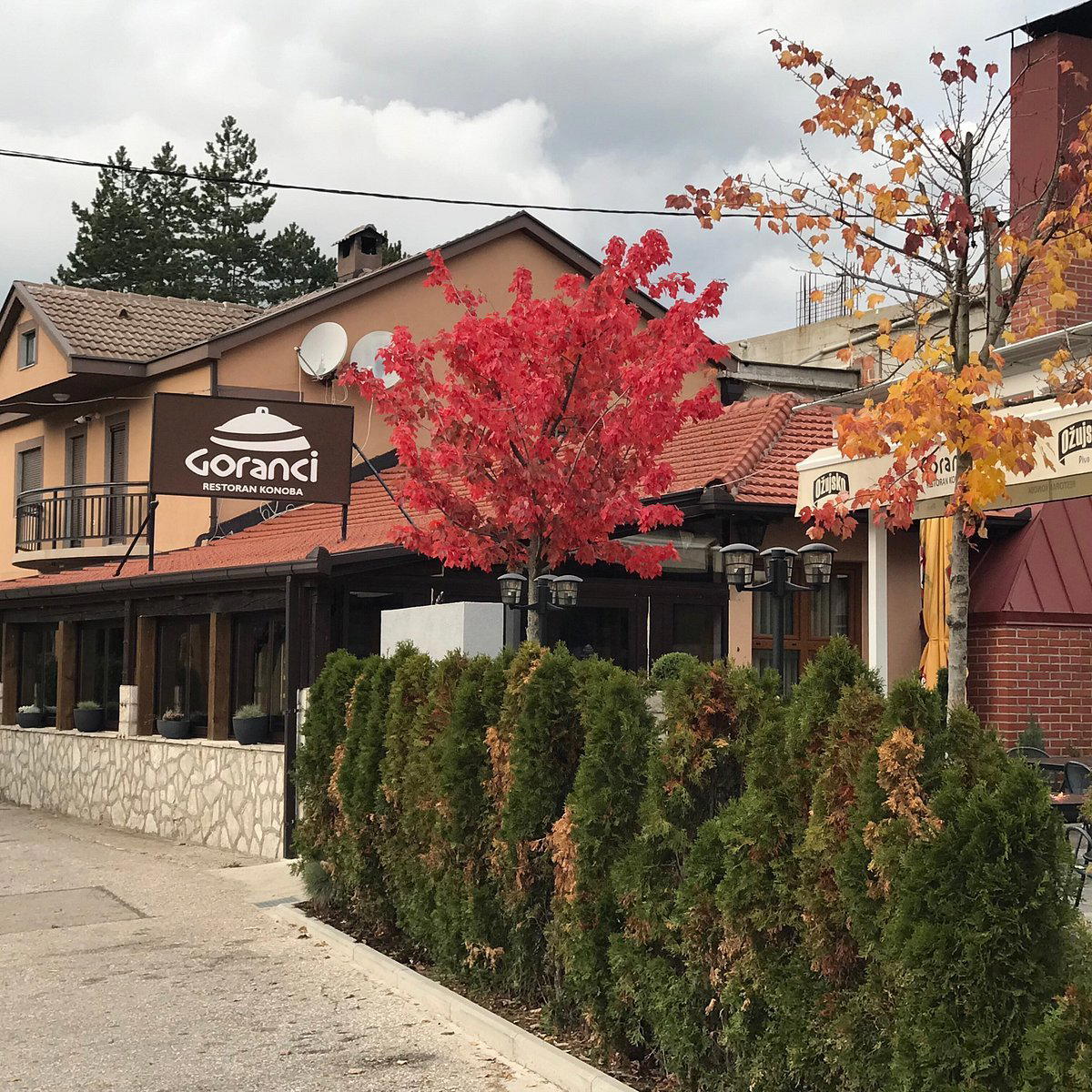
For reference within Mostar's broader dining geography, the old city's most recognised konoba-style address is Šadrvan, which occupies a different position: higher visibility, heavier foot traffic, and an inevitably more tourist-oriented clientele. Restaurant Goranci operates in the same village corridor and offers another point of comparison for visitors assessing what the area's informal dining circuit looks like. The two together represent a local dining cluster that sits apart from the Stari Most concentration.
Herzegovinian Cooking at Its Most Direct
The culinary tradition that konobas like Kod Marinka represent is one of the Balkans' less-exported but most coherent regional food cultures. Herzegovinian cooking is shaped by a semi-arid, limestone plateau geography that favours lamb over pork, produces herbs like wild sage and rosemary in abundance, and has historically relied on wood fire as the primary heat source. The result is a cuisine of long cooking times and few ingredients, where technique is measured in patience rather than complexity.
Peka-cooked meat is the format's centrepiece: lamb or veal sealed under the bell and left to cook slowly in its own steam and fat for two or more hours. The dish requires advance notice in virtually every konoba that offers it, which is a practical consideration worth knowing before arrival. River trout, where it appears, is typically grilled whole over open flame. Vegetable accompaniments are seasonal and minimal. The bread, often a flatbread baked directly on the hearth, arrives as a vehicle for the cooking juices rather than as a separate course.
This is a different register from the grilled-meat format of urban Bosnian restaurants, where ćevapi and mixed platters dominate. The konoba tradition belongs to a slower, more rural rhythm, and understanding that distinction helps set expectations correctly for visitors arriving from cities. For a broader map of how Bosnian dining varies by region and format, Cakum-Pakum in Sarajevo represents the urban Bosnian end of the spectrum, while properties like Konoba ROGIĆ in Trn show how the format extends across the country's rural geography.
Planning a Visit: What to Know Before You Go
Goranci is a short drive from central Mostar, accessible by car or taxi from the old city. The address listed places the restaurant at the CP8R+93X plus code coordinate in Goranci, which maps reliably in standard navigation applications. Given the rural location, personal transport or a pre-arranged taxi is the practical approach; the village is not on a regular bus route from the city centre.
Bookings are walk-in friendly, and the restaurant’s opening hours are Monday closed, Tuesday through Sunday 9 AM to 11 PM. The practical advice that applies to most Herzegovinian konobas in village settings applies here: arrive at lunch rather than late evening, consider contacting the venue in advance if you intend to order peka dishes (which require preparation time), and carry local currency as card acceptance cannot be assumed at properties of this type.
The price tier is moderate, with an estimated spend of about $15 per person. As a general category reference, village konobas in the Mostar area operate at a significant discount to equivalent-quality dining in Western European markets, and at a modest premium to urban fast-casual formats within Bosnia and Herzegovina itself. The value proposition at this tier is typically strong relative to the cooking quality delivered.
For visitors building a broader Mostar itinerary, the full Mostar restaurants guide covers the city's dining range from the old city circuit through to village and suburban addresses. Elsewhere in the region, Bistro Stari Grad in Metkovic and Grill Kostro in Posusje represent comparable informal dining in neighbouring towns across the Herzegovina border into Croatia and inland Herzegovina respectively. For those extending travel across Bosnia, Kazamat in Banja Luka and Nešković in Foca offer further reference points for the country's informal dining circuit.
Budget and Context
Comparable venues nearby, for context on price, style, and recognition.
| Venue | Cuisine | Price | Notes |
|---|---|---|---|
| Restaurant Konoba Kod MarinkaThis venue — the venue you are viewing | Goranci, Traditional Bosnian Grill | $$ | Not listed |
| Restaurant Goranci | Not listed | $$ | Goranci, Traditional Herzegovinian Mediterranean |
| Šadrvan | Old Town, Traditional Bosnian | $$ | Not listed |
| "Garden" Restaurant | Not listed | $$ | Pale, Italian & Mediterranean Traditional |
| Buregdžinica ASDŽ | Not listed | $ | Baščaršija, Traditional Bosnian Pita & Specialties |
| Caffe Restaurant Soho | Not listed | $$ | Istocno Sarajevo, Italian-Asian-Mexican Fusion |
At a Glance
- Rustic
- Cozy
- Casual Hangout
- Family
- Historic Building
- Local Sourcing
Current opening hours
- Monday
- Closed
- Tuesday
- 9 AM–11 PM
- Wednesday
- 9 AM–11 PM
- Thursday
- 9 AM–11 PM
- Friday
- 9 AM–11 PM
- Saturday
- 9 AM–11 PM
- Sunday
- 9 AM–11 PM
Hours can change for holidays and private events. Last verified .
Urig (cozy and authentic) atmosphere with clean setting as per guest reviews.