Vino Milas

Falstaff Winery - Listed
Vino Milas is a small Herzegovinian wine producer in Ljubuški, founded in 2018 and shaped around local memory, old-vine imagery, and regional varieties. The portfolio points toward a grounded reading of place: Žilavka and Blatina carry the local argument, while Merlot Reserve and Merlot Barrique give the range a more familiar international frame.

Pearl is the En Primeur Club membership app — saves, bookings, and concierge access live there. Same editors, same standards.
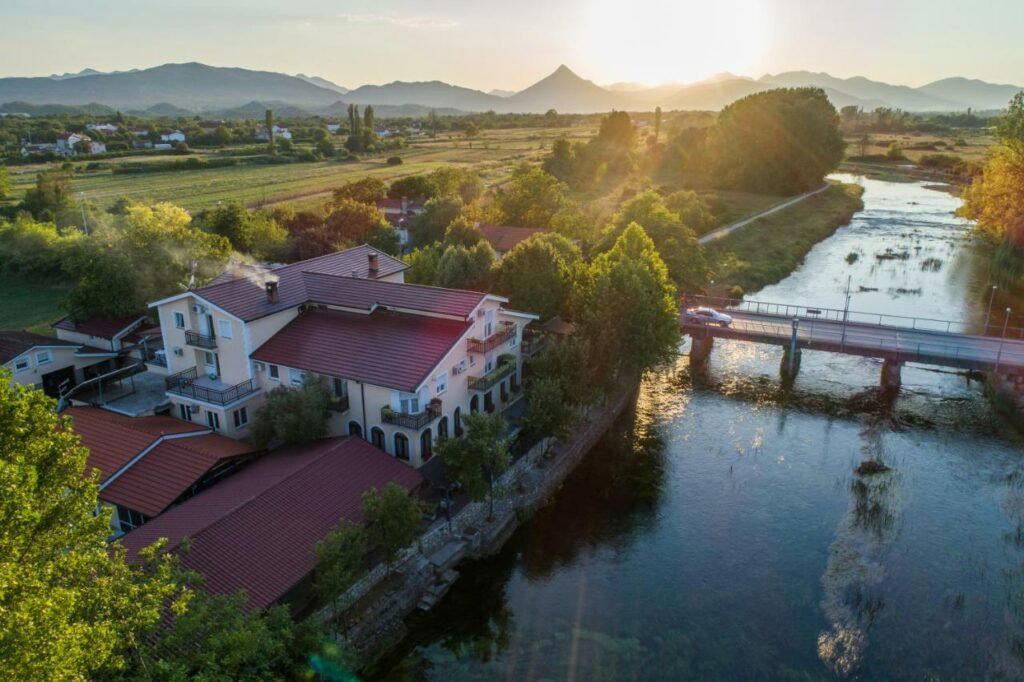
Vino Milas in Ljubuski is best understood through a narrow but distinctive set of signals: a traditional, heritage-focused identity; a narrative tied to old vineyards and the cultural history of Humac and Ljubuški; and a brand position built around craftsmanship and local identity. That is enough to give the venue a clear editorial shape, but not enough to support claims about a detailed menu, a specific drinks list, named grape varieties, cellar techniques, awards, opening hours, reservations, or a formal hospitality format. For planning purposes, it should be treated as a quiet, rustic, classic local address with a hidden-gem character rather than as a venue defined by spectacle or heavily documented service details.
The appeal is therefore less about confirmed particulars and more about the way Vino Milas presents place. Its public identity points toward old vineyards, inheritance, and the cultural memory of Humac and Ljubuški. Those themes matter because they give the venue a stronger sense of context than a generic stop with no local vocabulary. The available facts support a reading of Vino Milas as traditional and heritage-led: a venue where craftsmanship and local identity are the central ideas, and where the atmosphere is expected to feel quiet and classic rather than flashy.
Heritage, old vineyards and Ljubuški identity frame the argument
The strongest point about Vino Milas is its connection to local heritage. The brand’s narrative is tied to old vineyards and to the cultural history of Humac and Ljubuški, which gives the venue a rooted identity within the area. That does not justify inventing a technical profile, a list of varieties, a founding year, or a named production philosophy. It does, however, support a clear and useful description: Vino Milas is presented as a place where tradition is part of the core identity rather than a decorative afterthought.
For travellers, that distinction is helpful. Some venues are best judged by awards, published ratings, chef names, tasting menus, or highly specific service formats. Vino Milas should not be framed that way unless those details are confirmed by reliable information. The picture is quieter: rustic, classic, heritage-focused, and closely associated with Ljubuški’s local cultural landscape. Visitors looking for a polished, fully documented luxury experience may find the available public facts too limited; visitors interested in a local venue with a strong sense of place may find that restraint part of the appeal.
The Humac and Ljubuški references are especially important because they keep the description local without turning it into an unsupported travel essay. It is fair to say that Vino Milas draws on the area’s cultural memory and old-vineyard associations. It is not fair to add claims about specific landmarks as part of the venue setting, a particular building, a vineyard tour, a tasting structure, or named products. The honest editorial approach is to keep the focus on identity: craftsmanship, heritage, local roots, and a quiet traditional mood.
A quiet, traditional profile rather than a trophy-led story
That should not be treated as a flaw, but it does change how the venue should be presented. Vino Milas is better described through atmosphere and positioning than through external accolades. The grounded language is simple: it is a $$ venue in Ljubuski with a rustic, classic, quiet, hidden-gem character and a heritage-focused narrative tied to old vineyards and local identity.
That profile can be valuable precisely because it is not built around obvious luxury cues. A traditional venue does not need to be described with invented seat counts, elaborate menus, reservation rules, or a named beverage program to sound worthwhile. In fact, adding those details would make the guide less useful. The more reliable reading is that Vino Milas offers a sense of local continuity and craft, with the tone of a quieter address rather than a heavily branded destination.
When comparing it with other dining or hospitality options in Ljubuski, keep the comparison general. Vino Milas is not being positioned here against a list of named rivals or as part of a ranked local hierarchy. It is simply one Ljubuski venue with a traditional, heritage-forward identity. That makes it suitable for travellers who prefer places with a local narrative and a calm atmosphere, especially those who want to understand how older vineyard associations and regional cultural memory can shape the personality of a venue.
How to place it inside a Ljubuški itinerary
For itinerary planning, Vino Milas works well as a heritage-minded stop in Ljubuski rather than as a venue with a fully specified public service model.
The price level is listed as $$, which places it in a moderate range, but that should not be converted into exact prices or menu expectations. The better planning cue is atmospheric: traditional, rustic, classic, quiet, and somewhat hidden-gem in feel. Those descriptors suggest a place to approach with patience and interest in local identity, not with expectations shaped by a high-gloss destination restaurant or a trophy-led cellar.
The editorial verdict is cautiously positive. Vino Milas has a clear, grounded identity: Ljubuski, old vineyards, Humac and Ljubuški cultural memory, craftsmanship, and local tradition. The guide should not overstate what is known, but the facts are enough to make the venue legible. It is for visitors who value a sense of place over exhaustive published details, and who are comfortable confirming practical arrangements before they go.
Recognition history
Dated appearances from independent guides and award organizations, with the underlying list record or original source where available.
Falstaff Winery - Listed
Falstaff
Continue exploring
More in Ljubuski
Wineries in Ljubuski
All wineries in Ljubuski →
Bars in Ljubuski
Browse all →
Restaurants in Ljubuski
Browse all →
Details
- Rustic
- Classic
- Quiet
- Wine Education
- Special Occasion
- Solo Exploration
- Group Outing
- Estate Grounds
- Historic Building
- Private Tasting
- Vineyard
- Žilavka
- Blatina
- Merlot
- Trnjak
- Still White
- Still Red
- Winery Tasting
Traditional and heritage-focused, with a narrative tied to old vineyards and the cultural history of Humac/Ljubuški; the brand positions itself around craftsmanship and local identity.