
Star Wine List
Housed in a 1990-built structure that reads architecturally older than its years, Vintage Kitchen on Lakkegata 55 sits inside Oslo's Grünerløkka neighbourhood with a wine-forward program built around vintage-focused selections. The room itself is part of the story, a deliberate contrast to the area's newer openings, and an appropriate setting for milestone meals that deserve a bottle with some age behind it.

Pearl is the En Primeur Club membership app — saves, bookings, and concierge access live there. Same editors, same standards.
- Address
- Lakkegata 55, 0187 Oslo, Norway
- Phone
- +47 46 74 60 44
- Hours
- Mon ClosedTue–Fri 11 AM–12 AMSat 12 PM–12 AMSun Closed
- Website
- vintagekitchen.no
- Directions
- Get directions
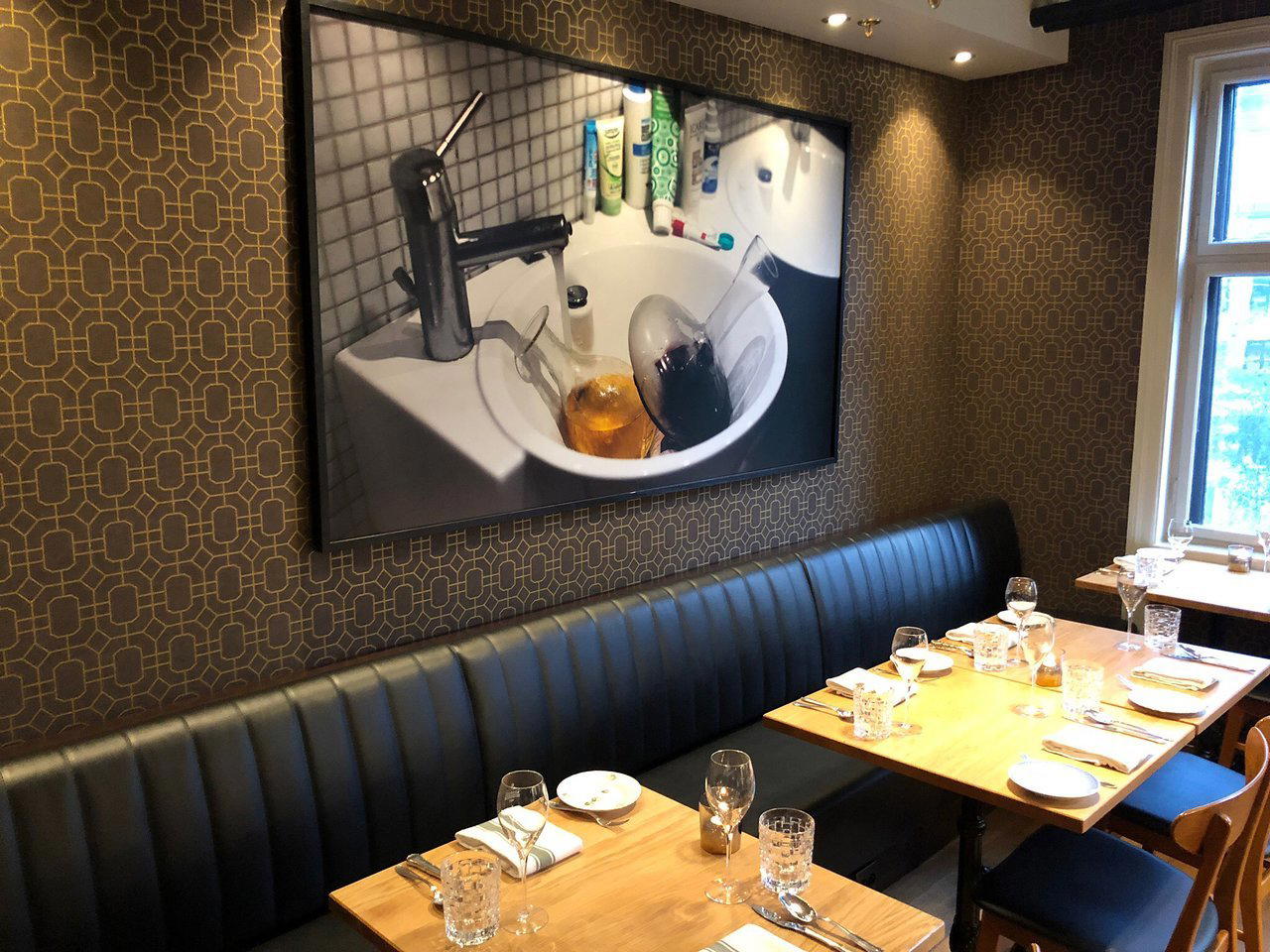
A Room That Earns Its Name
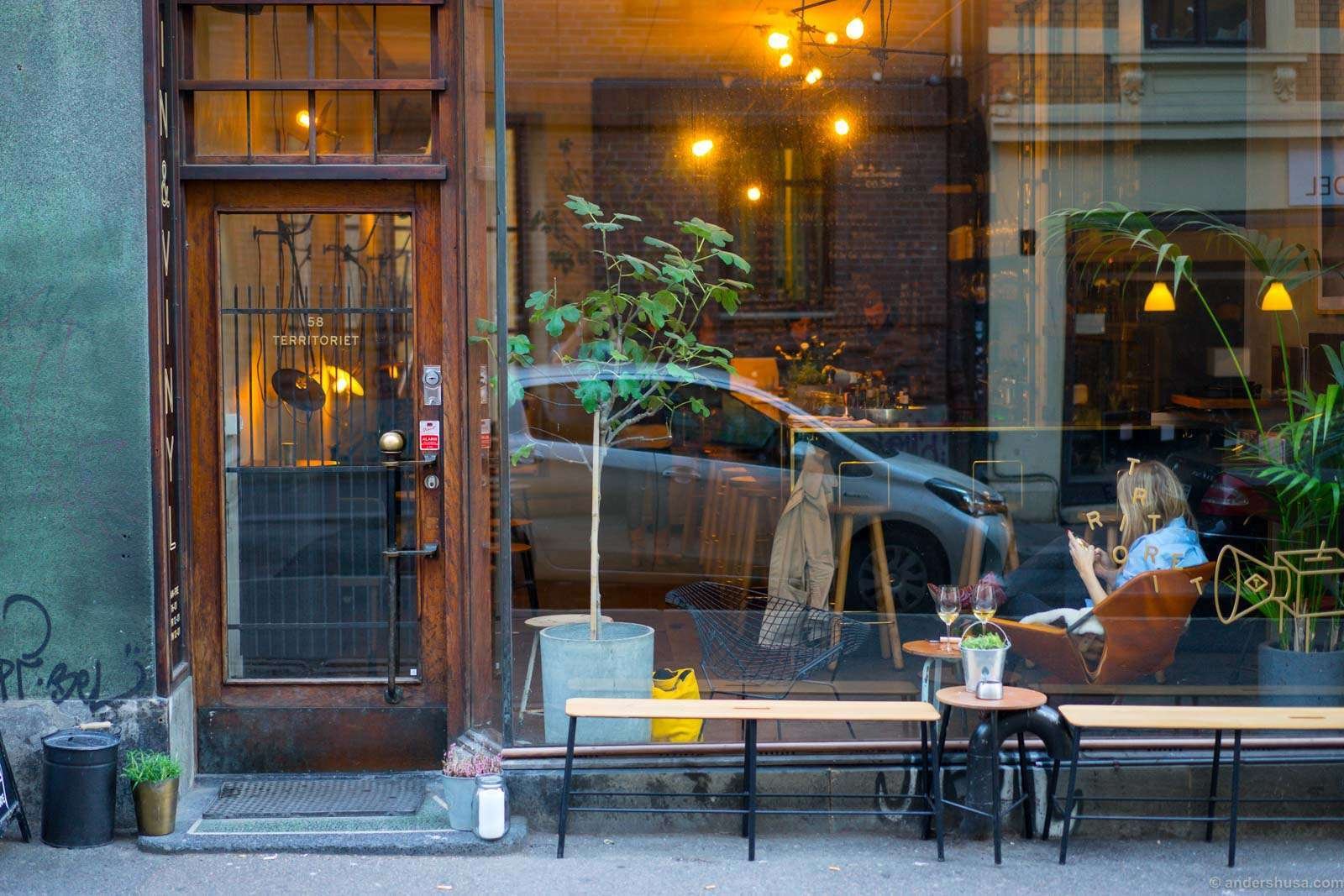
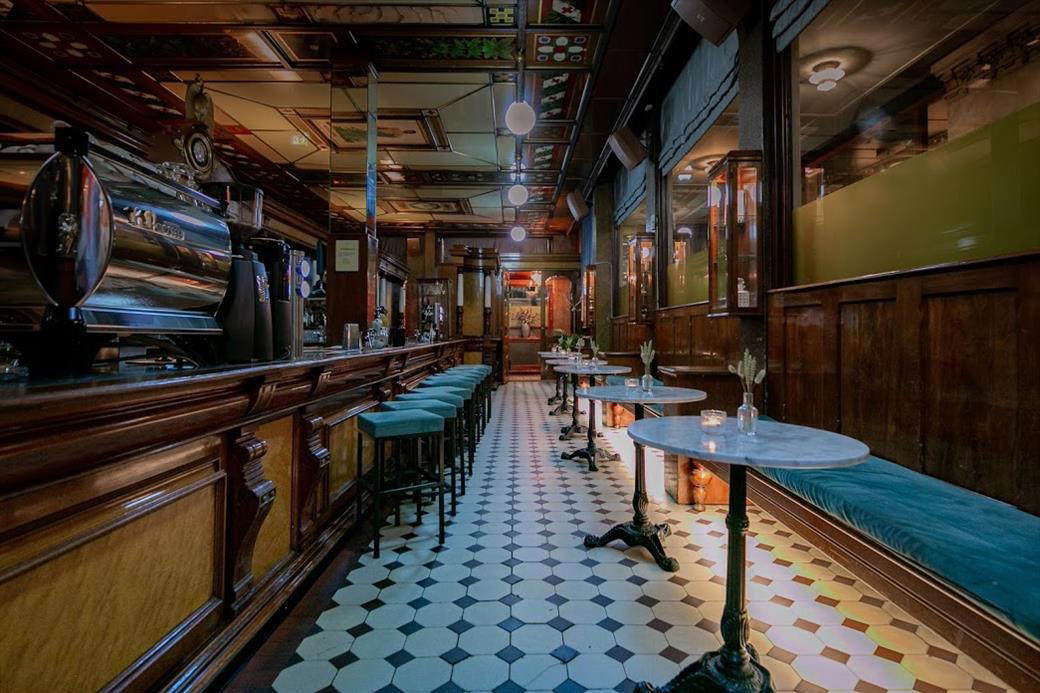
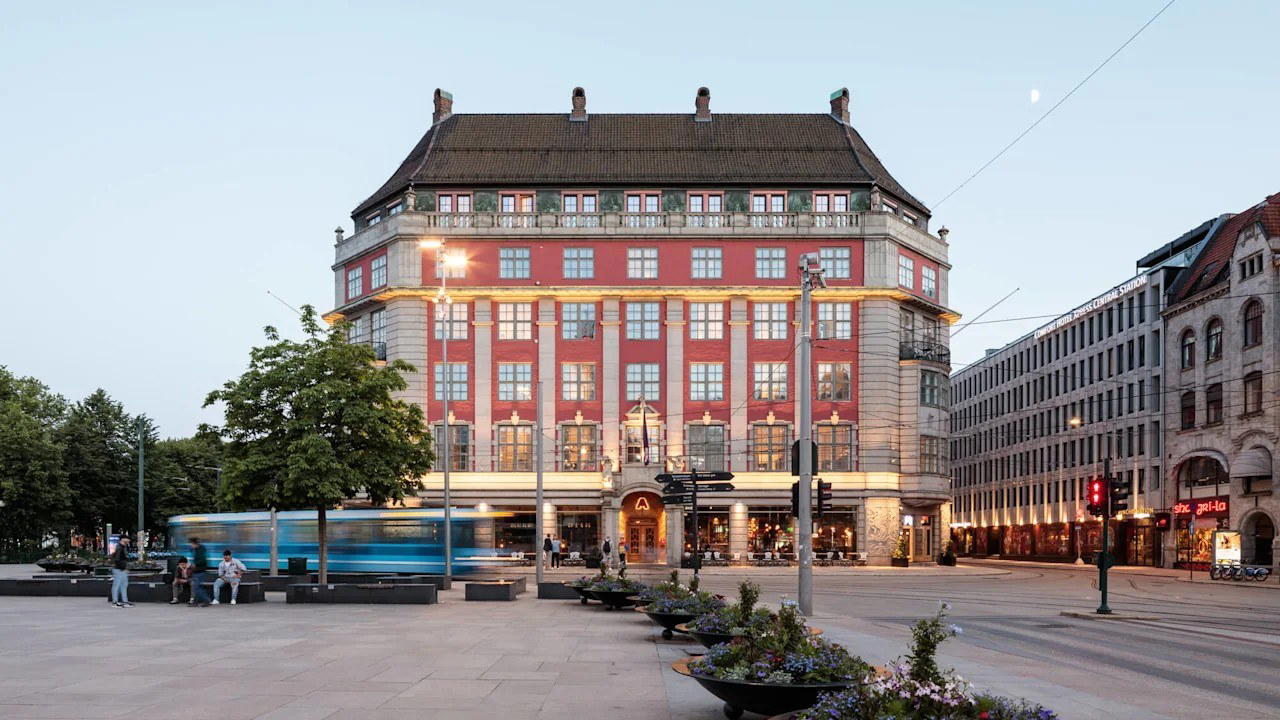
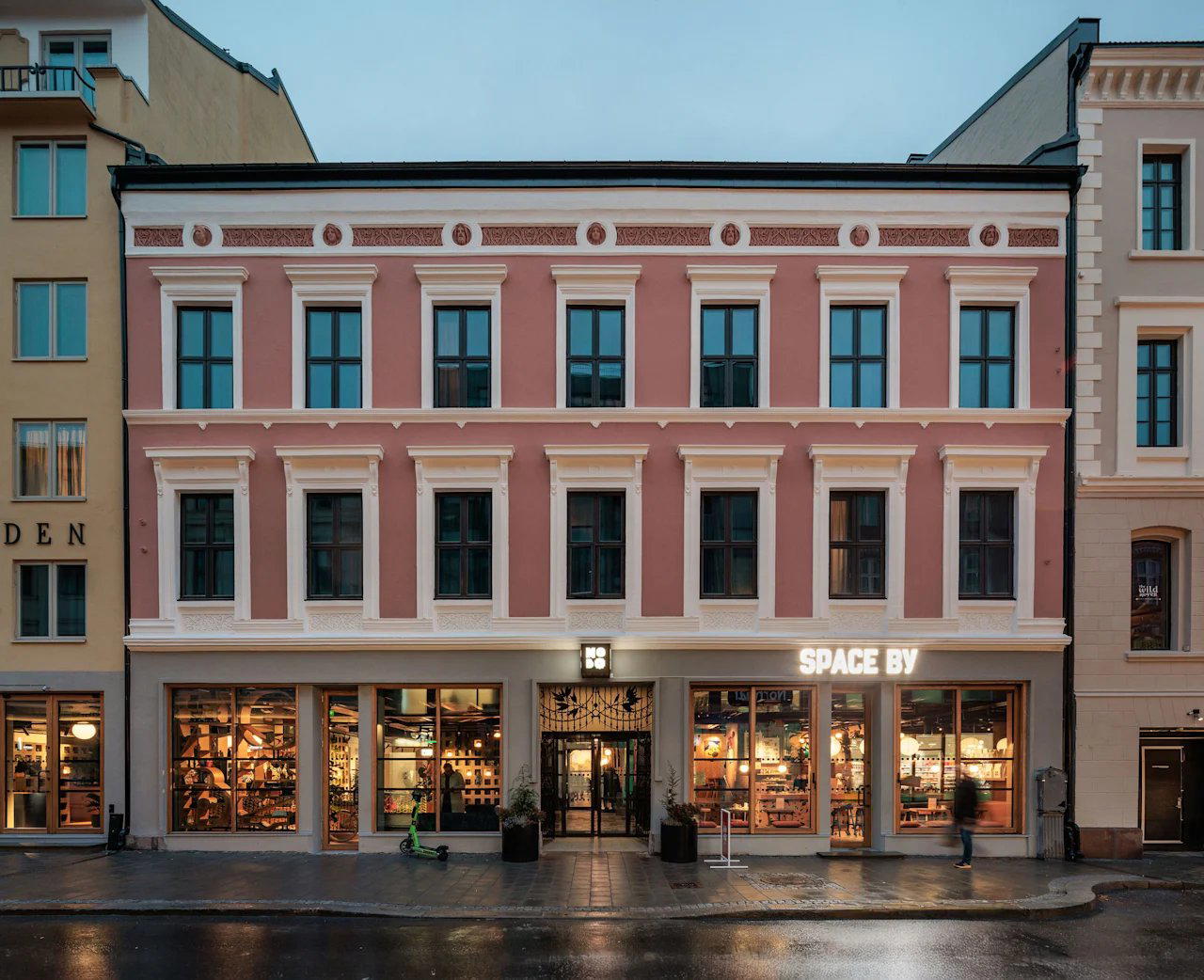
Walking along Lakkegata in Grünerløkka, you pass the usual Oslo mix: repurposed industrial facades, contemporary fit-outs, the occasional converted warehouse. Vintage Kitchen, at number 55, registers differently. The building dates to 1990 but carries a bearing that reads older, its architecture sitting in deliberate contrast to the modernist interventions that have reshaped this stretch of the neighbourhood over the past decade. That tension, between something that looks rooted and a street in constant revision, sets the tone before you step inside.
The name carries a double meaning the room reinforces. Wine, specifically bottles with age and provenance, anchors the program. But the house itself functions as a second vintage, a structure that communicates continuity in an area that has largely moved on from its working-class origins into something self-consciously contemporary. For Oslo's wine bar tier, where most operators have opted for stripped-back interiors and natural-light minimalism, this physical identity marks Vintage Kitchen as occupying a distinct position.
Oslo's Wine Bar Moment, and Where Vintage Kitchen Sits
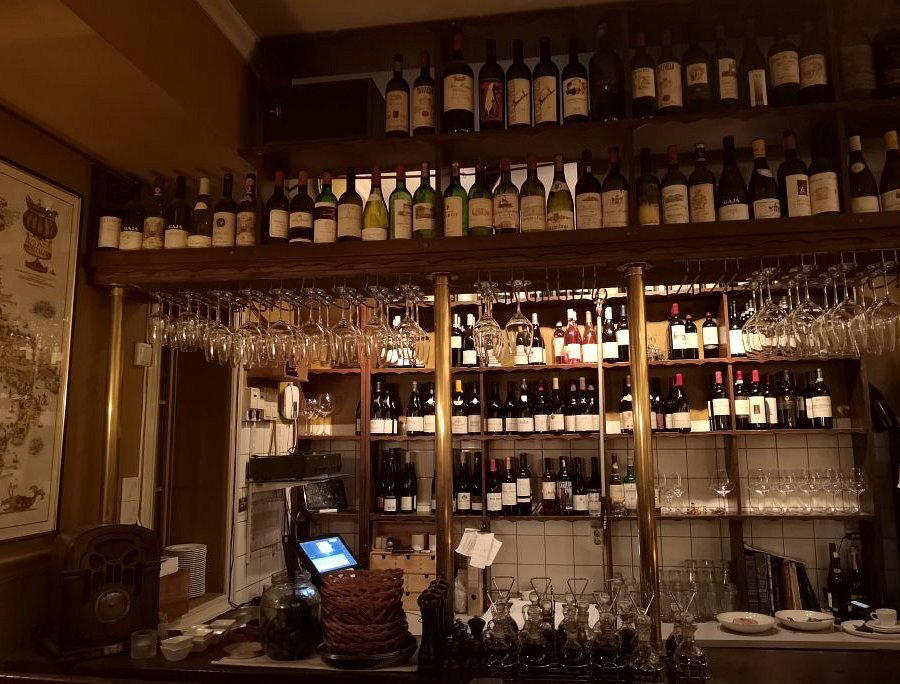
Norway's wine culture has undergone a significant restructuring over the past fifteen years. The state monopoly system, Vinmonopolet, controls retail sales, which has historically concentrated wine knowledge inside restaurant and bar programs rather than home cellars. That dynamic has pushed Oslo's serious wine venues toward curation as a primary offering: the list is the product, and the staff knowledge that unlocks it is the service model.
Within that context, Oslo now sustains a range of wine-focused addresses across different registers. Himkok operates at the craft spirits and fermentation intersection, with a program that incorporates Norwegian produce into its drinks architecture. Arakataka and Bukken Vinbar each represent the more contemporary, natural-wine-adjacent end of the Oslo scene. Svanen offers its own angle on the neighbourhood bar format. Vintage Kitchen's emphasis on the vintage as a concept — age, specificity, the bottle's own biography — places it in a different conversation, one oriented toward classic production and bottles that have had time to develop.
This is relevant for occasion dining specifically. The Oslo market for celebratory meals has historically pulled toward tasting menu restaurants, where the format structures the evening. Wine bars have had to earn their place in that category by demonstrating that a bottle-forward evening can carry the same weight as a kitchen-driven one. Venues that succeed at this tend to do so by combining physical environments that feel appropriate for a significant occasion with lists that justify ordering something serious.
The Occasion Case
Milestone meals have a logic of their own. The food matters, but the memory tends to crystallise around specifics: the year on the label, the room's particular light, whether the evening felt deliberate or incidental. Wine-bar formats are well suited to this when the list has genuine depth, because the bottle itself becomes the shared object of attention rather than a supporting element to the kitchen's output.
Vintage Kitchen's orientation toward bottles with age and character makes it a reasonable candidate for occasions that call for something to mark. Anniversaries, significant birthdays, the kind of dinner where the bill is secondary to the weight of the evening, these map onto a venue where the wine program is doing primary editorial work, not just providing accompaniment. The 1990 building, architecturally out of step with its surroundings in a way that feels considered rather than accidental, reinforces that the visit is unlikely to feel routine.
For comparison, the Norwegian wine bar scene beyond Oslo suggests that vintage-focused programs tend to work leading when the physical setting supports extended conversation rather than throughput. Blomster og Vin in Trondheim, Dråpen Vinbar in Bergen, and Amtmandens in Tromsø each operate within their own city's constraints, but the shared logic is that a serious bottle rewards a room designed for unhurried time. Smaller, more remote venues like Huset i Gato in Mosjøen, Køl Bar & Bistro in Molde, and Kork Vinbar & Scene in Rørvik demonstrate how wine-bar culture has distributed itself across the Norwegian coast, each adapting the format to local conditions. The comparison is useful because it situates Vintage Kitchen not as a local anomaly but as the Oslo expression of a format that has found traction across the country.
Grünerløkka as a Setting for This Kind of Evening
The neighbourhood context matters for planning. Grünerløkka is accessible from central Oslo by tram and sits close enough to the Akerselva riverway that a pre-dinner walk is a practical option, particularly in the longer daylight hours of late spring and summer. The area has enough density of bars and restaurants that an evening can extend beyond a single stop, though a venue with a serious wine list tends to reward staying rather than moving on quickly.
Lakkegata itself runs through a section of Grünerløkka that has retained some of its original character: residential buildings, independent retail, fewer of the high-turnover hospitality formats that have taken hold on the more trafficked streets closer to Torggata. That setting suits an occasion dinner better than a high-traffic thoroughfare would, since the approach and departure both feel less pressured.
For visitors building a broader Oslo evening around a wine-focused dinner, our full Oslo restaurants guide covers the wider field, including venues across different price points and formats. International visitors noting that the Vinmonopolet system shapes what's available in retail may find that restaurant and bar lists offer access to bottles that are difficult to source elsewhere; this is one reason that Oslo's serious wine venues have developed the depth they have.
Planning a Visit
Vintage Kitchen is located at Lakkegata 55, 0187 Oslo. Given the venue's occasion-dining suitability, booking ahead rather than walking in is advisable, particularly for weekend evenings or dates with specific significance. The Grünerløkka area is well served by Oslo's tram network, with several routes running along nearby arterials, making it accessible from both the city centre and eastern residential districts without requiring a taxi.
For those comparing Oslo's wine bar options before committing to a specific evening, the distinction between Vintage Kitchen's vintage-oriented program and the more contemporary natural-wine registers at other addresses is worth considering in advance. The choice between them depends largely on whether the occasion calls for classic production with age, or for something from the newer wave of low-intervention European producers that has dominated Oslo's wine conversation over the past several years. Both are well represented in the city; the decision is a matter of what the evening is for. Internationally, comparable vintage-focus wine bar formats can be found in cities like Honolulu, where venues such as Bar Leather Apron demonstrate how spirits-and-wine programs built around depth rather than novelty operate in very different geographic contexts.
What It’s Closest To
Comparable venues nearby, for context on price, style, and recognition.
| Venue | Cuisine | Price | Awards | Notes |
|---|---|---|---|---|
| Vintage KitchenThis venue — the venue you are viewing | wine_bar | Not listed | Star Wine List | Not listed |
| Bukken Vinbar | wine_bar | $50–100 | Star Wine List · Falstaff Wine Bar - Listed | Homans Byen |
| Liminal | Bar | $50–100 | Star Wine List | Torshov |
| Mathallen Oslo | beer_bar | Not listed | Not listed | Fredensborg |
| Klink. | pub | $20–30 | Star Wine List | Fredensborg |
Recognition history
Dated appearances from independent guides and award organizations, with the underlying list record or original source where available.
Star Wine List
Star Wine List
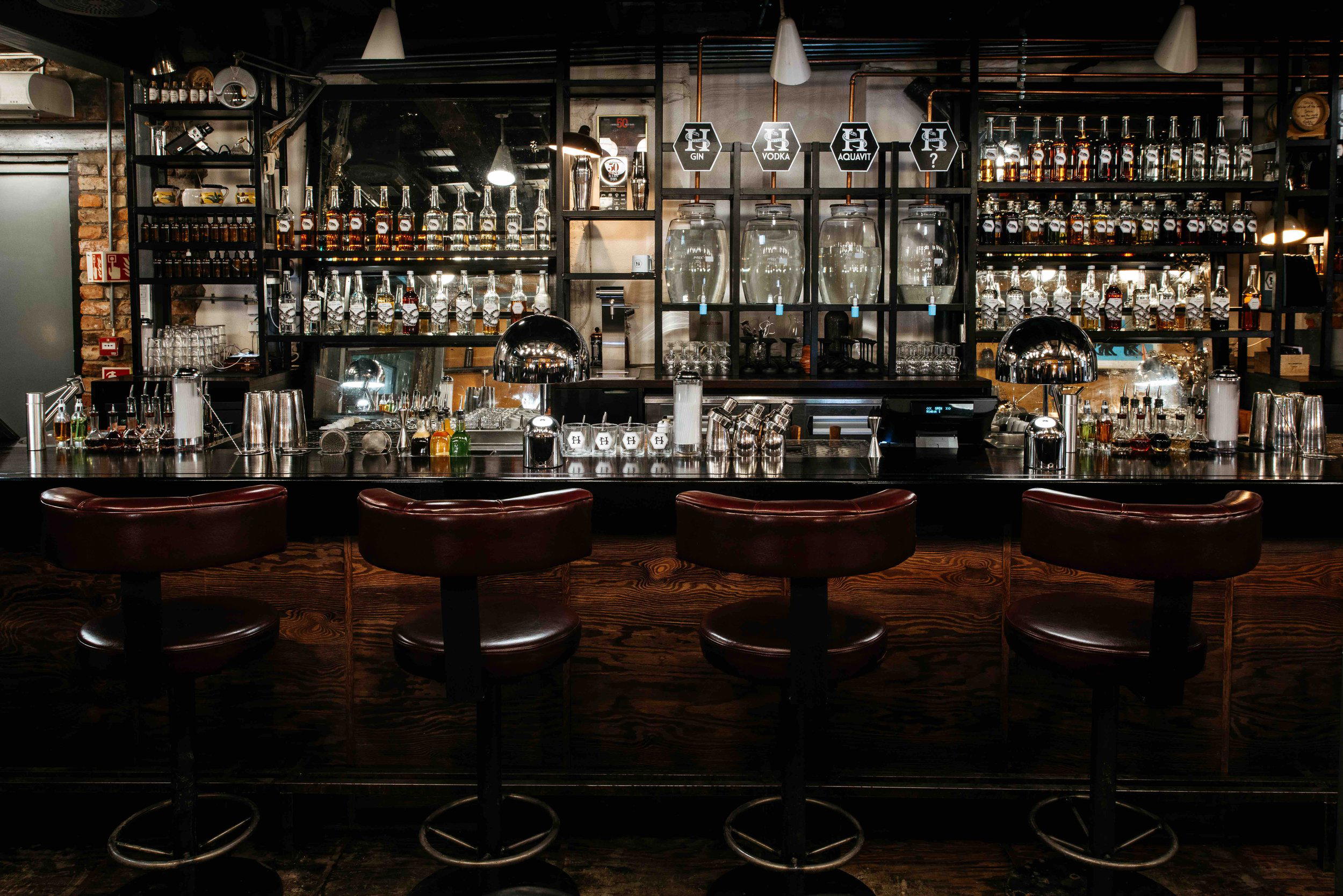
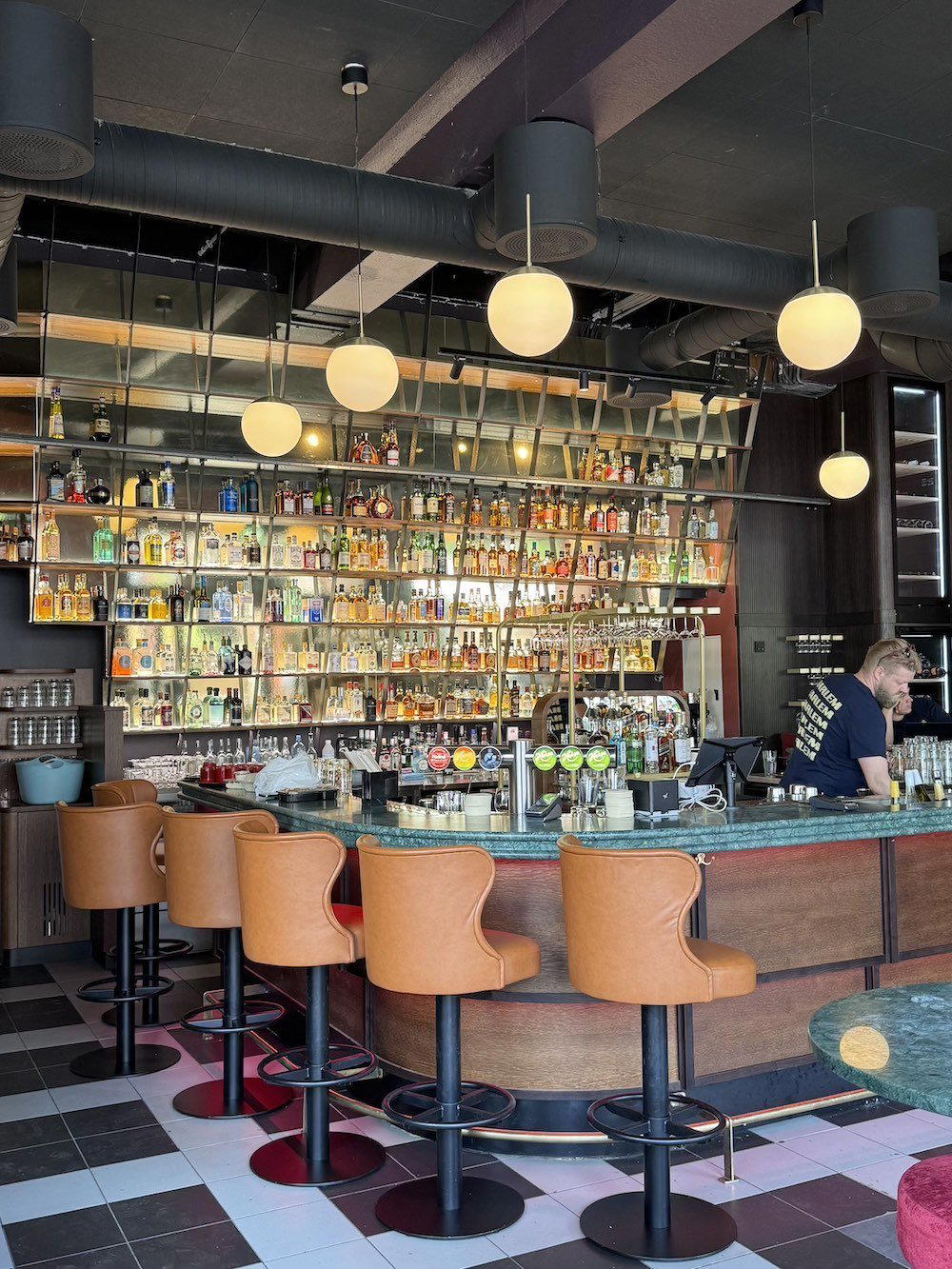
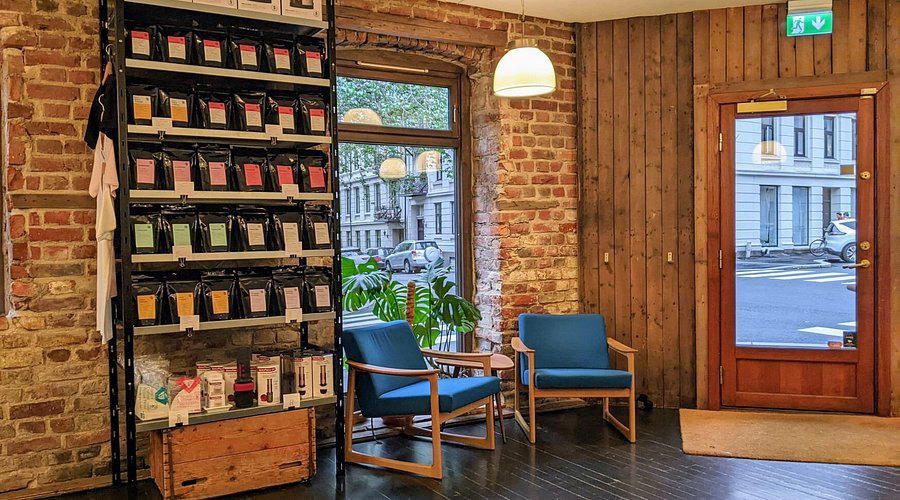
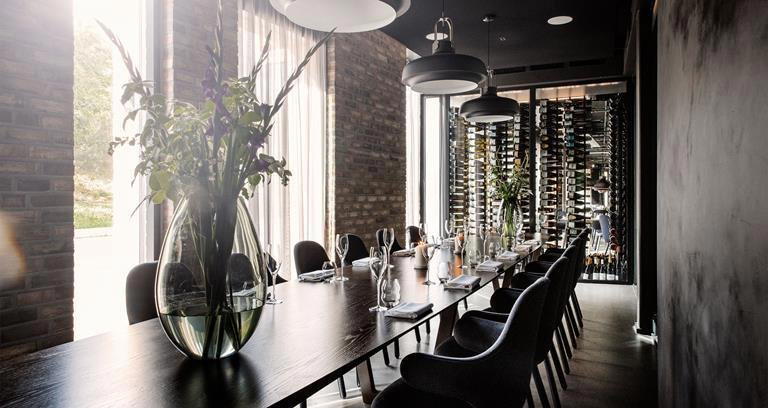
Details
- Cozy
- Elegant
- Intimate
- Classic
- Date Night
- Special Occasion
- Historic Building
- Seated Bar
- Lounge Seating
- Conventional Wine
Current opening hours
- Monday
- Closed
- Tuesday
- 11 AM–12 AM
- Wednesday
- 11 AM–12 AM
- Thursday
- 11 AM–12 AM
- Friday
- 11 AM–12 AM
- Saturday
- 12 PM–12 AM
- Sunday
- Closed
Hours can change for holidays and private events. Last verified .
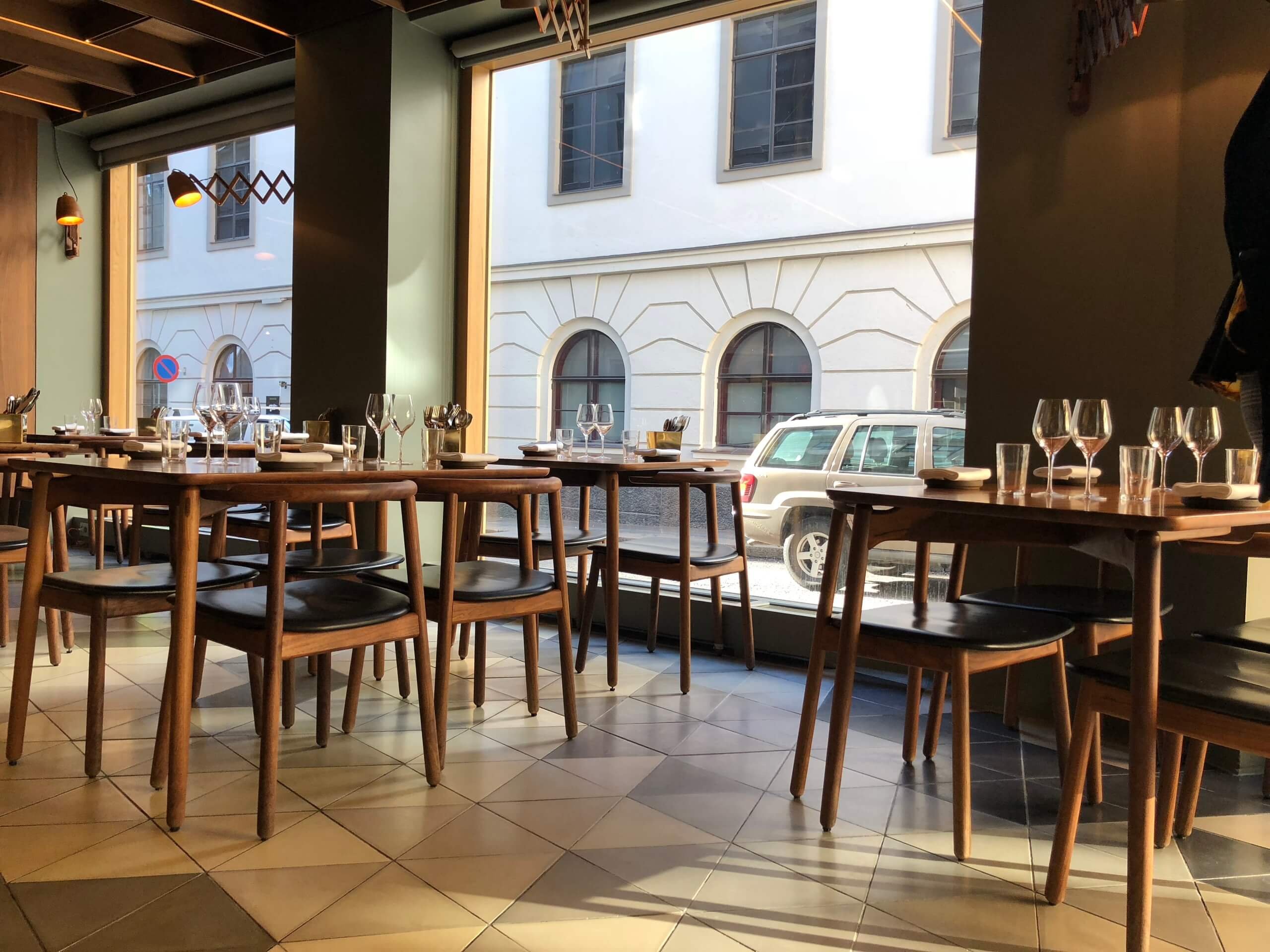
Cozy and stylish atmosphere in an old house with warm, home-like feel and attentive service.