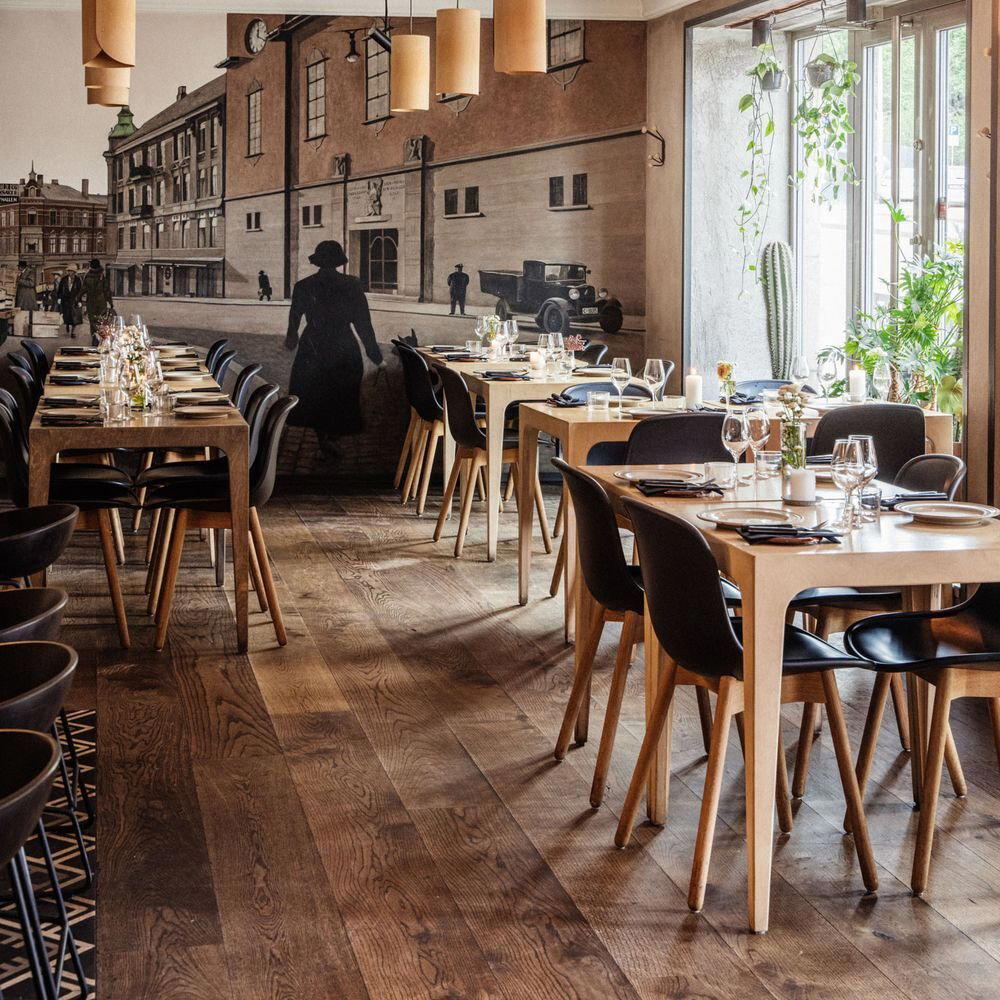
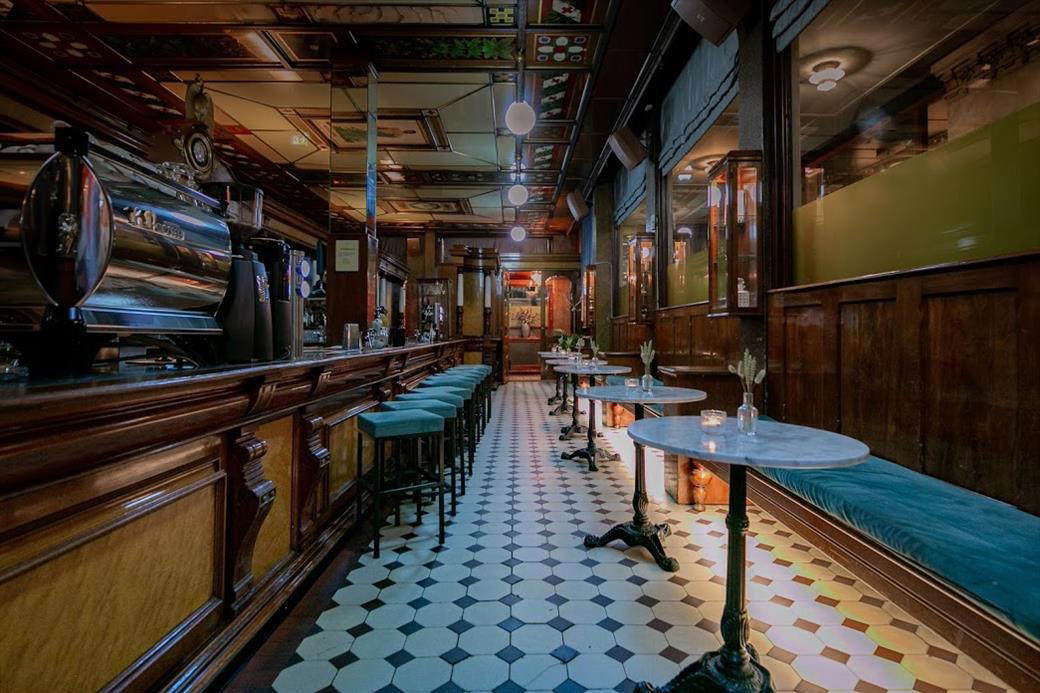
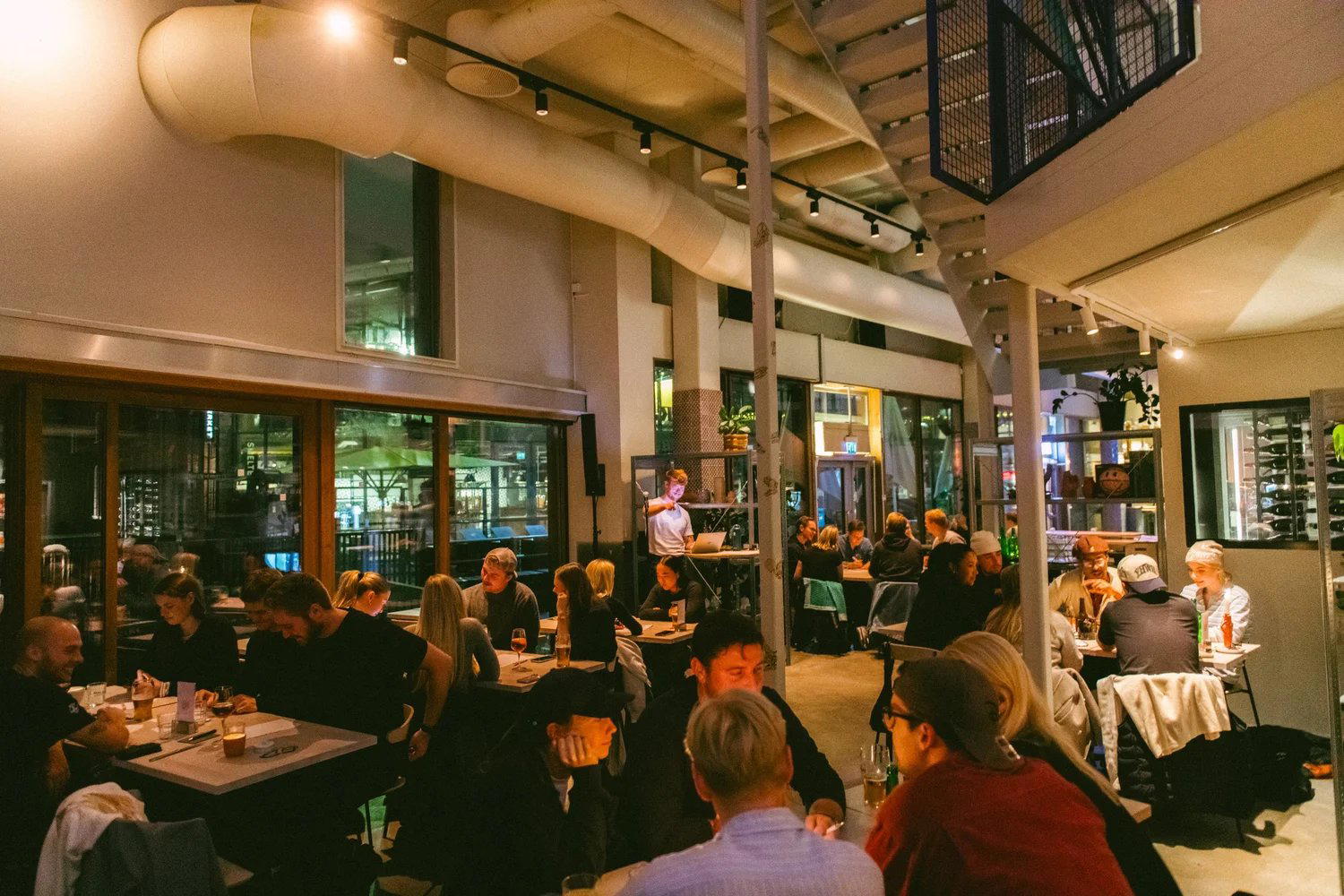
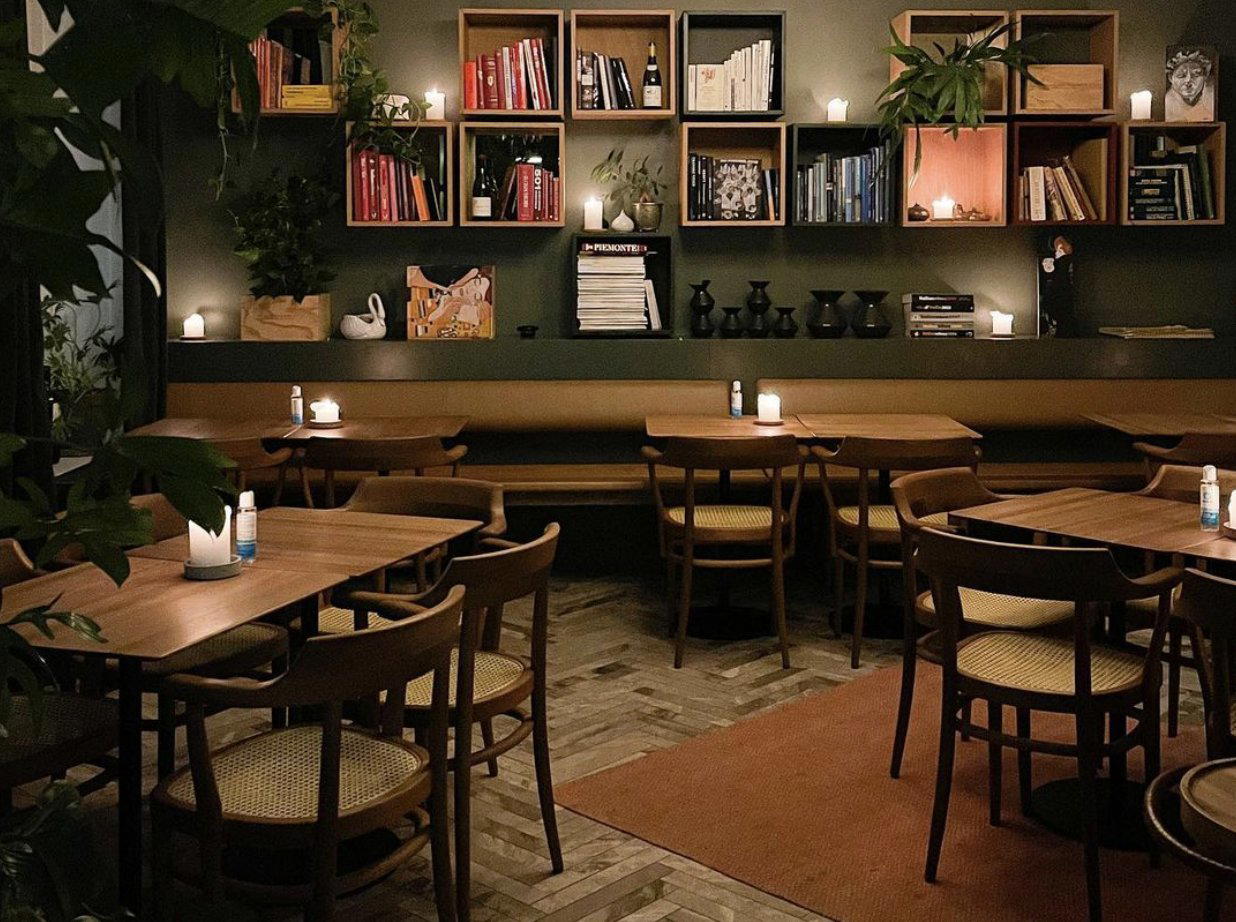
Nektar Vinbar has been a fixture in Oslo's natural wine scene since opening in 2019, drawing a loyal crowd to its compact Fredensborgveien address with a format built around low-intervention pours and small plates. Reservations fill quickly at this Grünerløkka-adjacent spot, which has earned a reputation as one of the city's most consistent after-work and late-evening stops for wine-led dining.

A Cottage in the Current
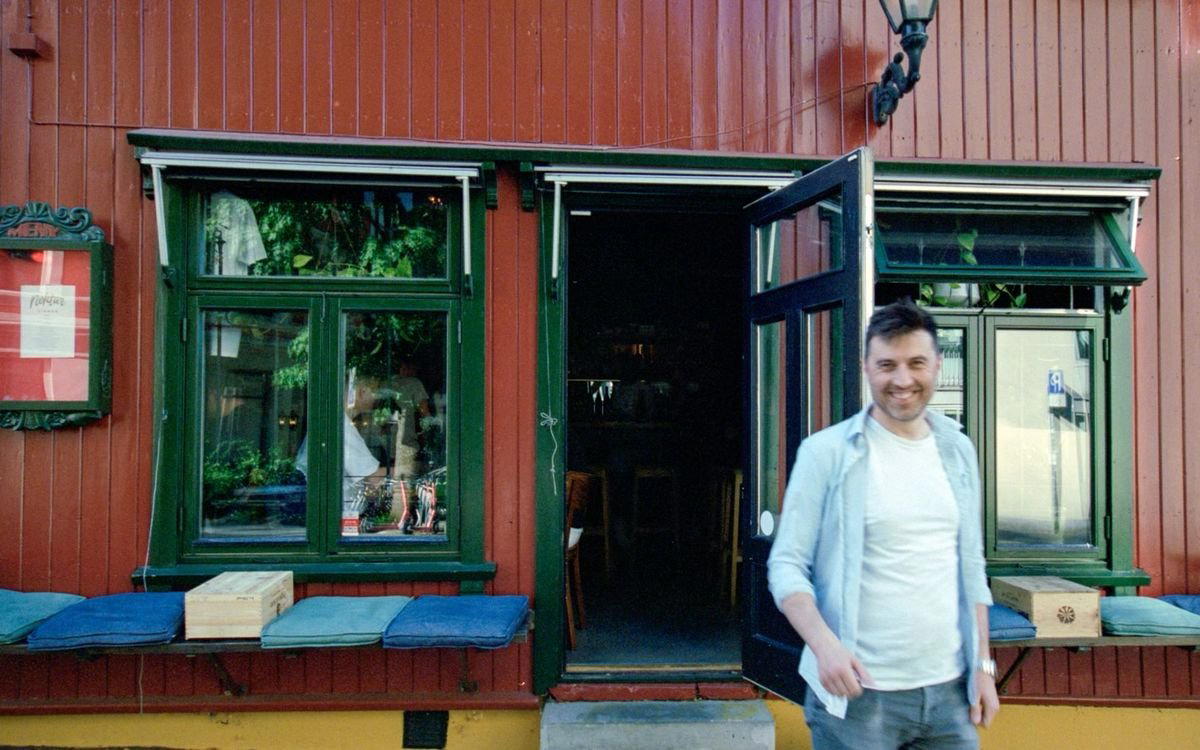
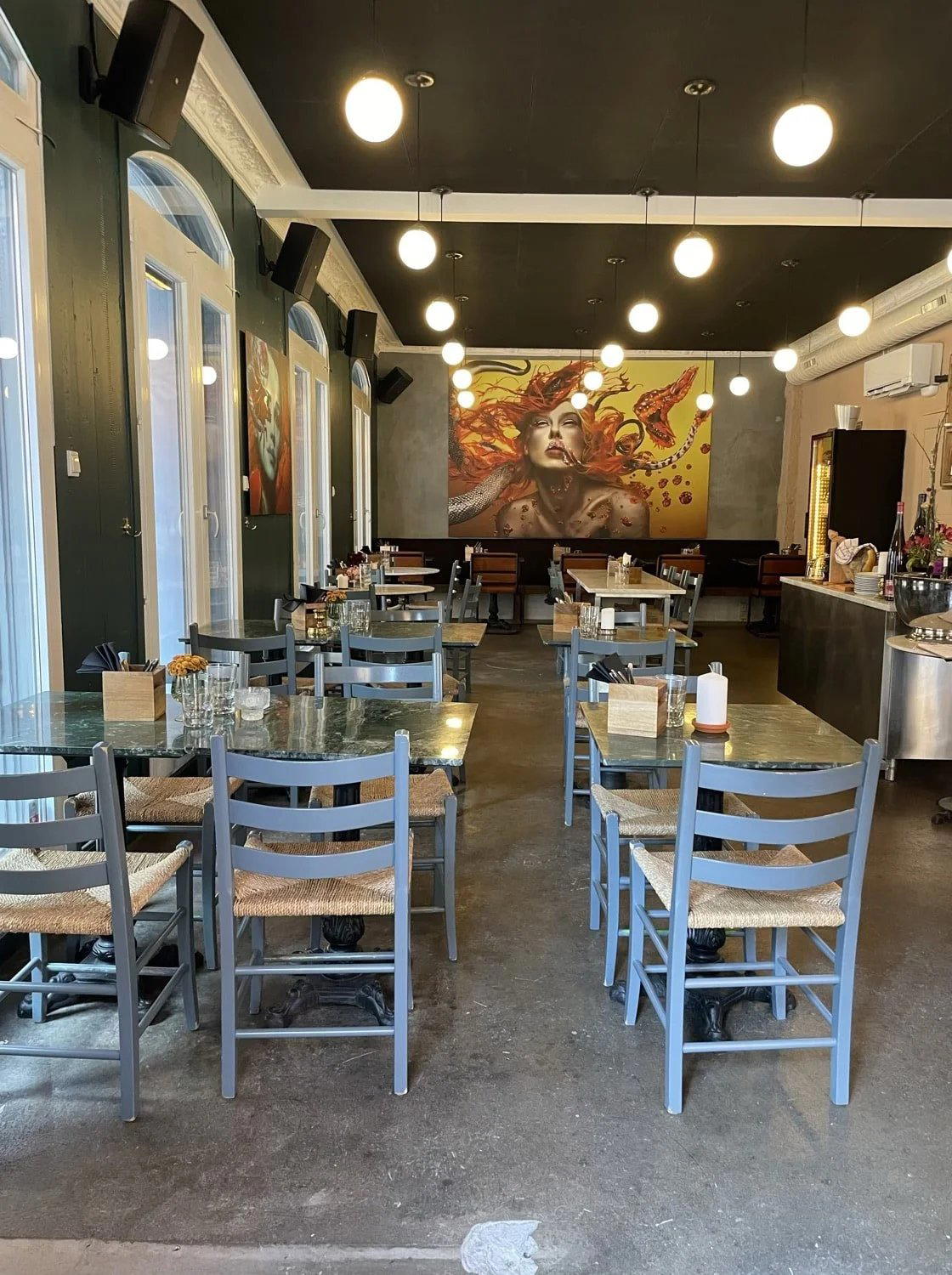
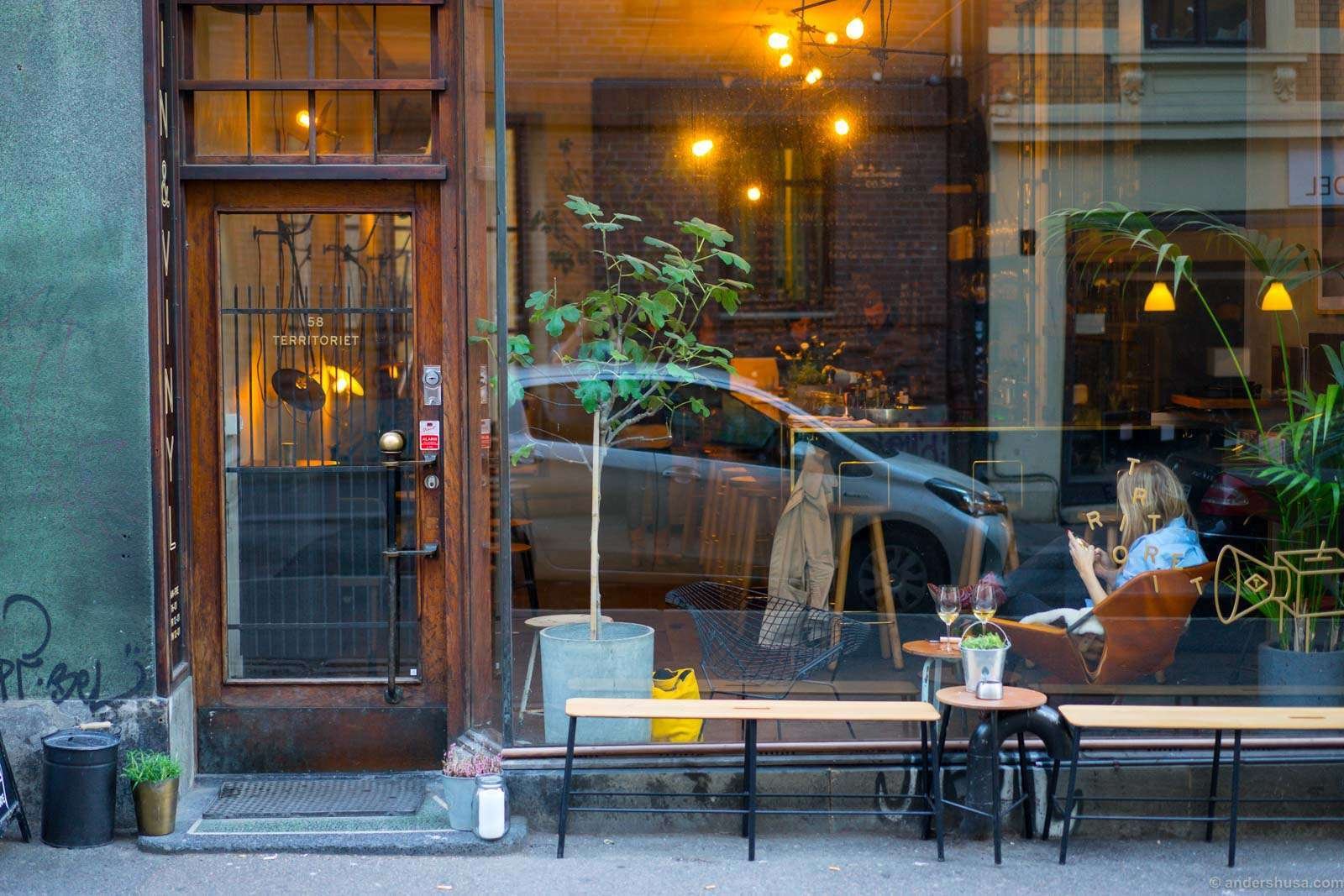
Fredensborgveien runs through the northern edge of Oslo's inner city, a street that sits between the design-conscious blocks of Grünerløkka and the quieter residential stretch leading toward Sagene. It is not a destination strip in the way that Torggata or Youngstorget are, which makes the energy that gathers around Nektar Vinbar each evening more telling than any award citation. Since opening in 2019, this small wine bar has built the kind of consistent crowd that takes most Oslo venues several years longer to accumulate. The physical format — compact, cottage-like, warm — is part of what makes it work. Small bars in Scandinavian cities tend to perform leading when the room itself signals intention, and Nektar's size enforces a level of curation that larger venues struggle to replicate.
The Natural Wine Format and What It Demands
Oslo's wine bar scene has split over the past decade into two recognisable camps: bottles-and-charcuterie formats that lean on producer names and vintage depth, and lower-intervention, producer-story-led bars that treat the glass as a conversation starter. Nektar belongs firmly to the second cohort. The natural and low-intervention wine format that has taken hold across European cities , from Paris's 11th arrondissement to London's Bermondsey , arrived in Oslo with particular force in the late 2010s, and Nektar was among the venues that helped define what that looked like in a Norwegian context.
The sourcing logic behind this kind of bar is specific. Natural wine lists require ongoing producer relationships rather than distributor catalogues. The wines that appear on these menus are typically made in small quantities, often from single vineyards, and they arrive in Oslo through import channels that prioritise farming practice and minimal cellar intervention over commercial consistency. This means the list changes with availability rather than by season, and returning visitors will encounter a different selection from one month to the next. For a bar of Nektar's scale, that volatility is a feature rather than a problem: it keeps the regulars engaged and gives staff genuine material to discuss.
This approach to sourcing sits within a broader Oslo pattern. The city's serious wine bars , including Bukken Vinbar and Arakataka , have moved away from prestige-label thinking toward lists built around growers and regions that reward curiosity rather than recognition. Nektar occupies a specific niche within that movement: a neighbourhood format rather than a destination bar, which means the selection tends toward the approachable end of the natural spectrum rather than the aggressively experimental. That calibration makes it useful for guests who are interested in low-intervention wine but not yet committed to skin-contact orange pours and volatile acidity as a nightly routine.
Small Plates as a Supporting Architecture
The food at wine bars of this type functions as scaffolding for the drinking rather than as an independent draw. That is not a criticism , it is a design choice, and one that the format demands. Natural wine at this price tier and volume works leading alongside food that is simple in composition but precise in sourcing: charcuterie from producers who treat the same farming principles as the winemakers, cheese selections that reflect regional character, and small vegetable or bread dishes where the ingredient does most of the work.
Across Scandinavian wine bars, the sourcing chain for food has become as scrutinised as that for wine. Producers supplying Oslo's serious wine venues increasingly overlap with those supplying its farm-to-table restaurants , a network of Norwegian and Nordic small-scale farmers whose output appears across multiple venue types. At Nektar's scale, this kind of sourcing is both more achievable and more meaningful than it would be at a high-volume restaurant, because the quantities involved are small enough to maintain genuine supplier relationships rather than transactional ones.
How Nektar Sits in Oslo's Broader Bar Scene
Oslo has developed a bar and wine bar culture that is more varied than its Scandinavian reputation for restraint might suggest. Himkok operates at the high-volume craft cocktail end, with a distillery-forward program that places it in a different competitive set entirely. Svanen sits at the neighbourhood pub end of the spectrum. Nektar occupies the middle tier of the natural wine bar category , more focused than a general wine list, less theatrically curated than Oslo's most concept-driven wine destinations.
That positioning has served it well. The bar's reputation, established within its first few years of operation, rests on consistency of atmosphere and selection rather than on any single high-profile moment. In a city where the dining and drinking scene refreshes quickly , new openings in Grünerløkka and Vulkan draw attention regularly , venues that build a loyal local following tend to prove more durable than those chasing trend cycles. Nektar appears to have chosen the former path deliberately.
For comparison points beyond Oslo, the natural wine cottage format that Nektar represents can be traced through similar venues in other Nordic cities: Blomster og Vin in Trondheim occupies a comparable niche, and Amtmandens in Tromsø demonstrates how the format travels to northern Norwegian contexts. Internationally, the small producer-led bar model that Nektar follows has strong parallels with venues like Bar Leather Apron in Honolulu, which similarly built its reputation on selection depth and consistent atmosphere rather than scale.
Planning a Visit
Nektar Vinbar is located at Fredensborgveien 42 in the 0177 postal district of Oslo, accessible on foot from the Grünerløkka area in around ten minutes and from Oslo city centre in fifteen to twenty. The bar has been described as consistently busy since 2019, and reservations are advised for evening visits, particularly on weekends. The venue's compact format means walk-in capacity is limited; arriving before the post-work rush , roughly between 17:00 and 18:00 on weekdays , gives the leading chance of a seat without prior booking. For broader planning across Oslo, EP Club's full Oslo bars guide, Oslo restaurants guide, Oslo hotels guide, Oslo wineries guide, and Oslo experiences guide cover the full range of options across the city.
Frequently Asked Questions
In Context: Similar Options
A small comparison set for context, based on the venues we track.
| Venue | Cuisine | Price | Awards | Notes |
|---|---|---|---|---|
| Nektar Vinbar | It's always pumping at the little cottage Nektar, it appears. This small re… | This venue | ||
| Himkok | World's 50 Best | |||
| Svanen | World's 50 Best | |||
| Arakataka | ||||
| Bukken Vinbar | ||||
| Fat City |
Need a Table?
Our members enjoy priority alerts and concierge-led booking support for the world's most difficult bars and lounges.
Get Exclusive Access