A nineteenth-century Florentine palazzo on Viale Machiavelli, Villa Cora operates at the upper end of the city's luxury hotel tier, where grand architecture and formal service traditions converge. The property sits within Florence's Oltrarno hill district, close to Boboli and Piazzale Michelangelo, placing it outside the historic centre's density while remaining minutes from it. For travellers prioritising space, quiet, and period character over central-city convenience, the address makes a coherent case.
Pearl is the En Primeur Club membership app — saves, bookings, and concierge access live there. Same editors, same standards.
- Address
- Viale Machiavelli, 18, 50125 Firenze FI, Italy
- Phone
- +39 055 228790
- Website
- villacora.it
- Directions
- Get directions
 Saves & bookings on Pearl
Where the Oltrarno Hillside Meets Palazzo Formality
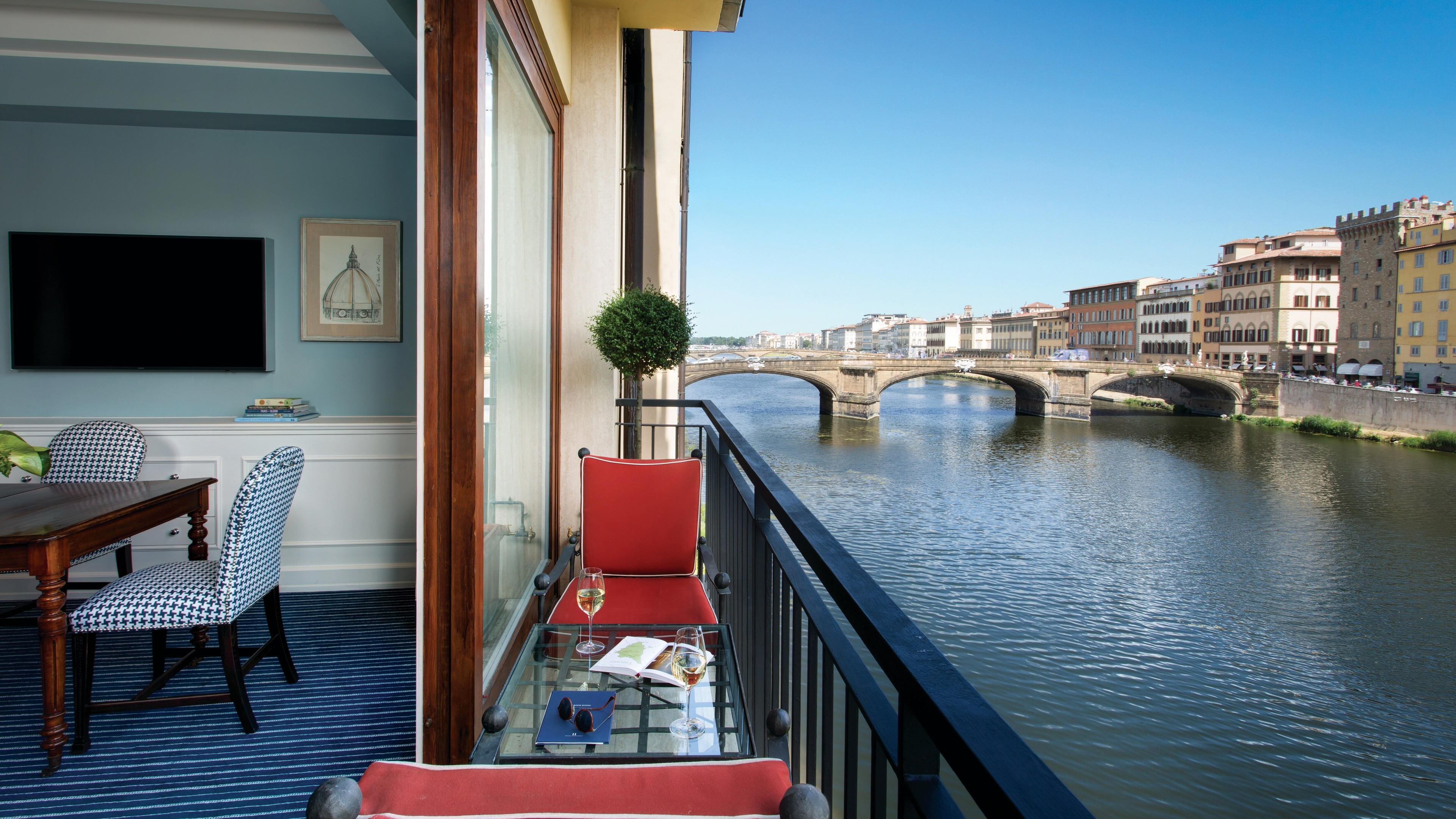
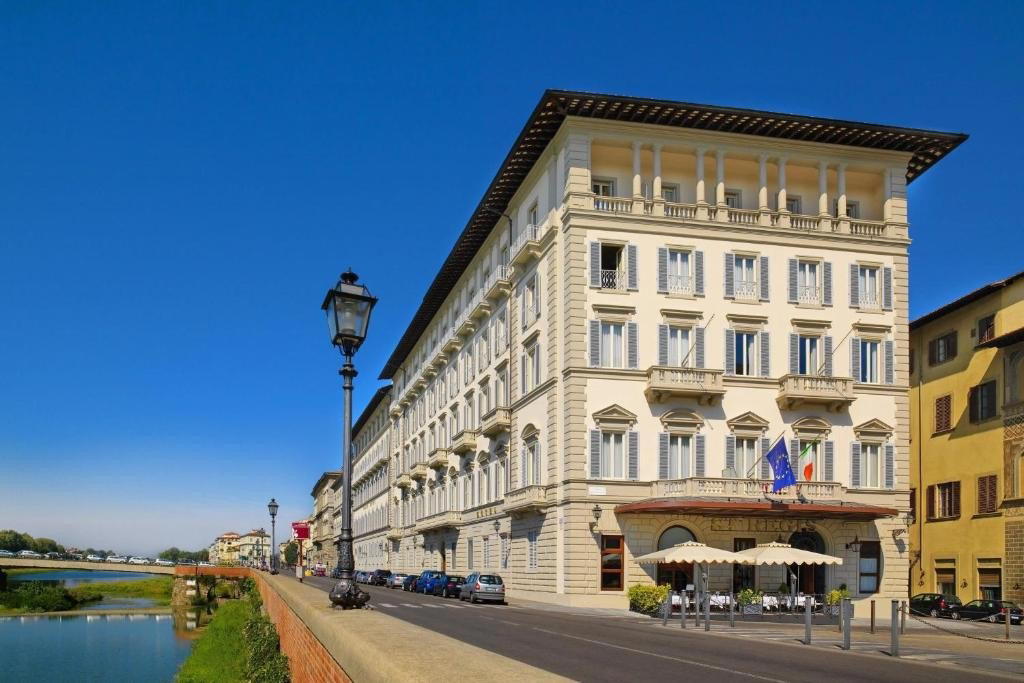
Florence's luxury hotel market divides, roughly, into two camps: properties inside or immediately beside the historic centre, trading on proximity to the Duomo and Uffizi, and a smaller cohort of grand villa conversions on the surrounding hillsides. Villa Cora, at Viale Machiavelli 18 in the 50125 postcode, belongs to the second group. The address places it on one of Florence's most deliberate civic avenues, a wide, tree-lined boulevard that connects the Porta Romana to Piazzale Michelangelo, designed in the nineteenth century as a formal promenade rather than a traffic artery. Approaching the property from that avenue, the shift in register from the city's compressed medieval grid to something more expansive and ceremonial is immediate. The palazzo itself is a product of the post-Unification decades, when wealthy patrons built or renovated on the Oltrarno hills in a style that borrowed heavily from Renaissance precedent while accommodating the social rituals of a later era.
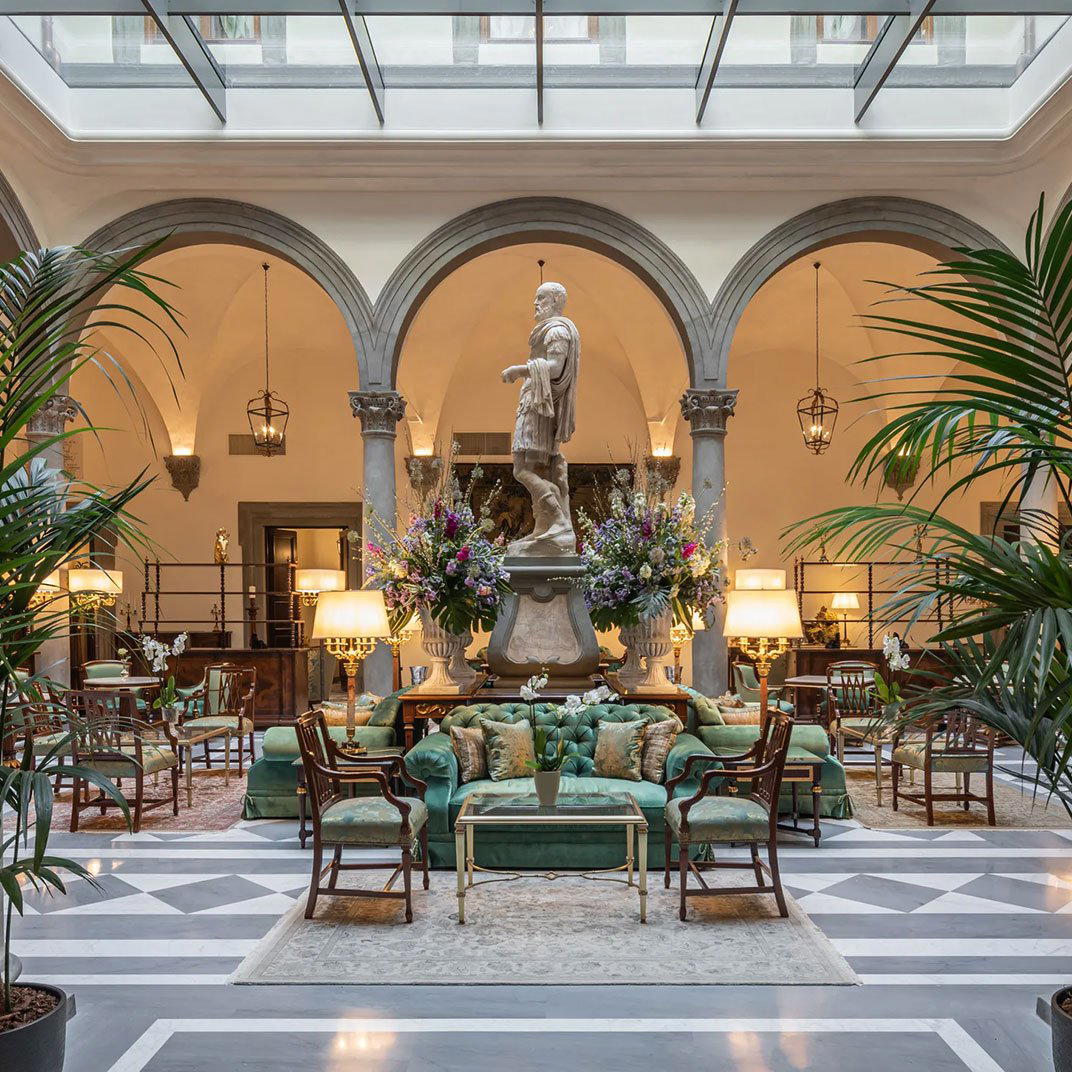
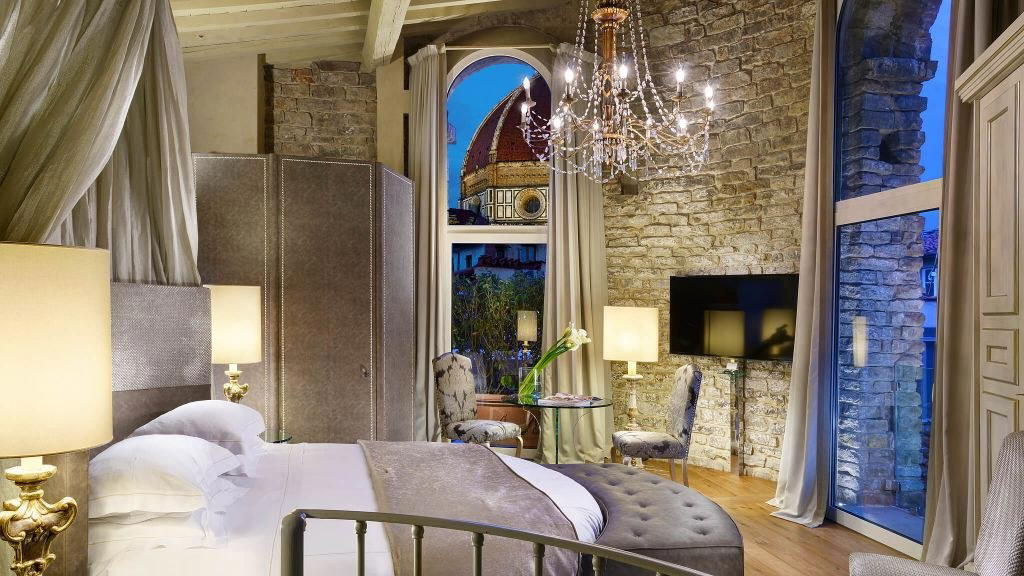
That architectural context matters because it shapes everything about how the property functions today. Grand villas of this type were built around reception sequences: a sequence of spaces calibrated to impress before you arrived at any private room. The entrance hall, the principal salons, the garden terraces, these were designed to be inhabited collectively, not just passed through. A hotel occupying such a building either fights that logic or leans into it. Villa Cora leans in, which means the public spaces carry most of the atmospheric weight, and the experience of staying there is as much about moving through those rooms as it is about the rooms themselves.
The Case for the Oltrarno Position
Florence's historic centre is walkable and dense, which is simultaneously its appeal and its limitation for certain categories of traveller. The Oltrarno hill position trades that density for quiet, for garden access, and for a different relationship with the city. Boboli Gardens, one of Italy's most significant formal garden complexes, is reachable on foot. Piazzale Michelangelo, the panoramic terrace that appears in most aerial photography of Florence, is similarly close. The historic centre is accessible in under fifteen minutes by taxi or a moderate walk downhill.
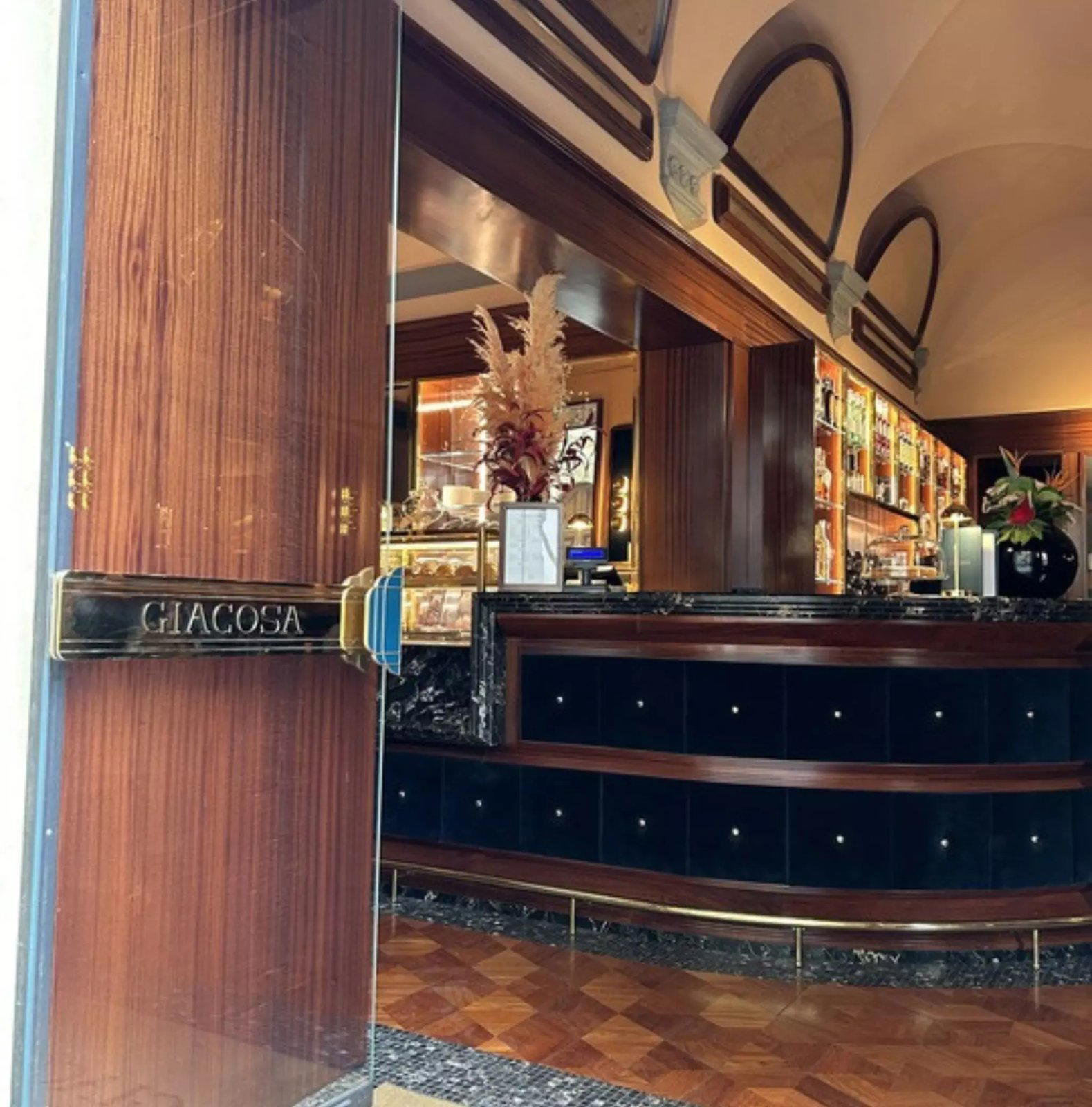
For travellers whose itinerary centres on museum density and frequent central movement, a hillside address introduces friction. For those whose pace is slower, longer meals, afternoon garden visits, mornings with no fixed agenda, the separation becomes an advantage. The Oltrarno in general has shifted over the past decade toward a more considered dining and drinking scene, with wine bars and smaller trattorias filling the streets between Santo Spirito and the Porta Romana that reward deliberate exploration rather than passing tourist traffic. Venues like BABAE and Locale Firenze represent the more contemporary end of that neighbourhood evolution, while the broader Florence bar scene, documented in our full Florence restaurants guide, continues to deepen.
Service Architecture and the Team Dynamic
Grand palazzo hotels of Villa Cora's type present a specific operational challenge: maintaining the atmosphere of a private residence while running the systems of a hotel. The tension is real, and how a property manages it tends to determine whether the formality reads as warmth or as stiffness. The service model at properties in this tier typically involves a high staff-to-guest ratio, with front-of-house teams trained to interpret rather than just execute. In a building where the rooms vary significantly by position, aspect, and period detail, the concierge and front desk functions carry more weight than they would in a standardised modern property. Knowing which rooms face the garden versus the avenue, which salons catch afternoon light, and which service moments matter to a particular guest type is knowledge that accumulates through tenure and communication between departments.
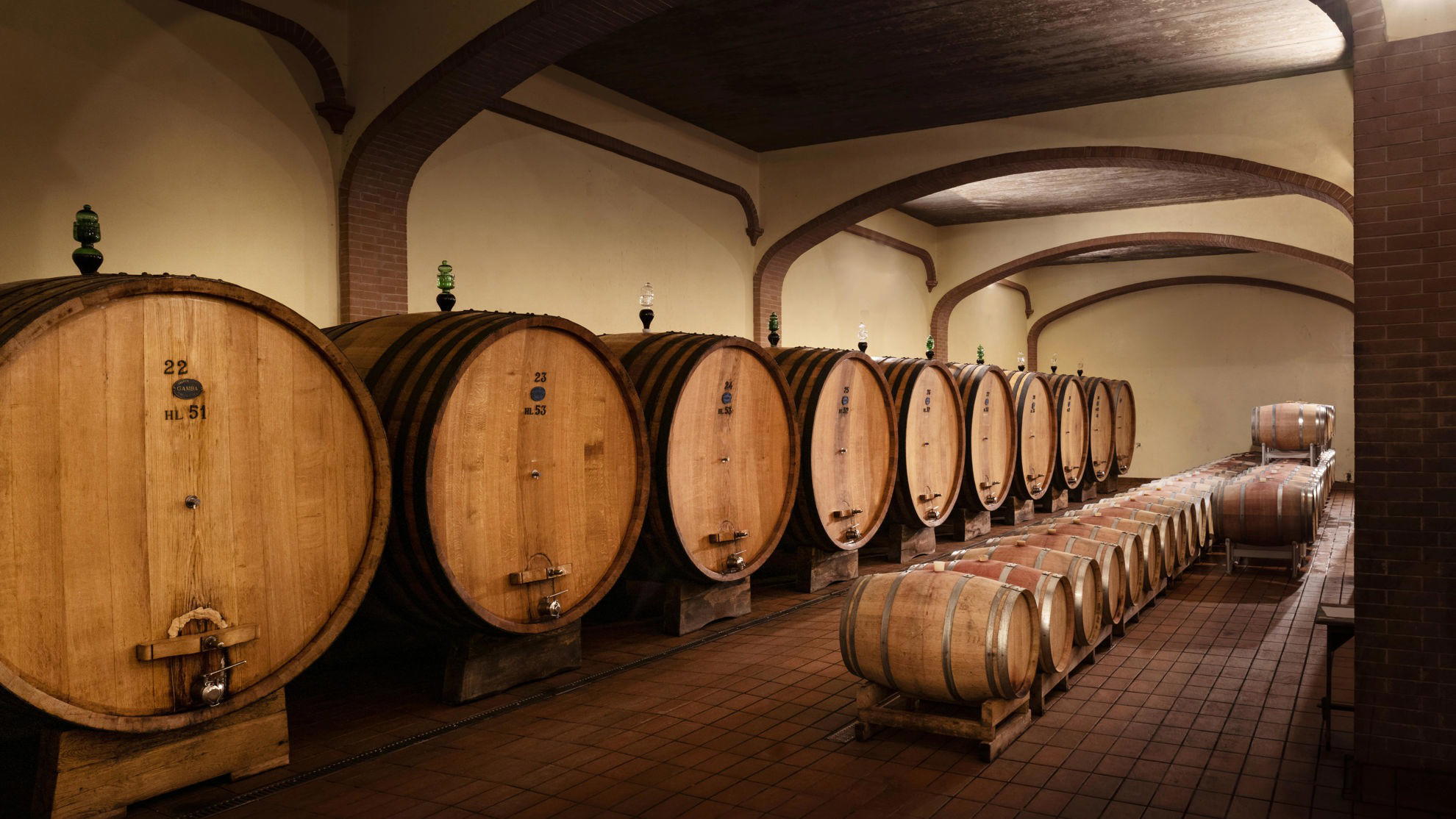
The food and beverage team at this tier of Florentine hotel operates in a city with serious culinary reference points. Florence's restaurant scene is more conservative than Milan's or Rome's, rooted in Tuscan tradition and resistant to the kind of rapid format turnover that characterises those larger cities. The wine dimension is especially consequential: Tuscany's premium appellations, from Chianti Classico Riserva and Gran Selezione to Brunello di Montalcino and Bolgheri, give a hotel sommelier in Florence access to a regional cellar of genuine depth. The coordination between kitchen and cellar in a property of this type, and between the sommelier and the front-of-house team in reading a table's preferences, is where the experience either coheres or fragments. For context on how the collaborative service model plays out at the sharper end of Italy's bar and hospitality scene, 1930 in Milan and Drink Kong in Rome offer useful reference points from different cities and formats.
Florence's Grand Hotel Tier in Comparative Context
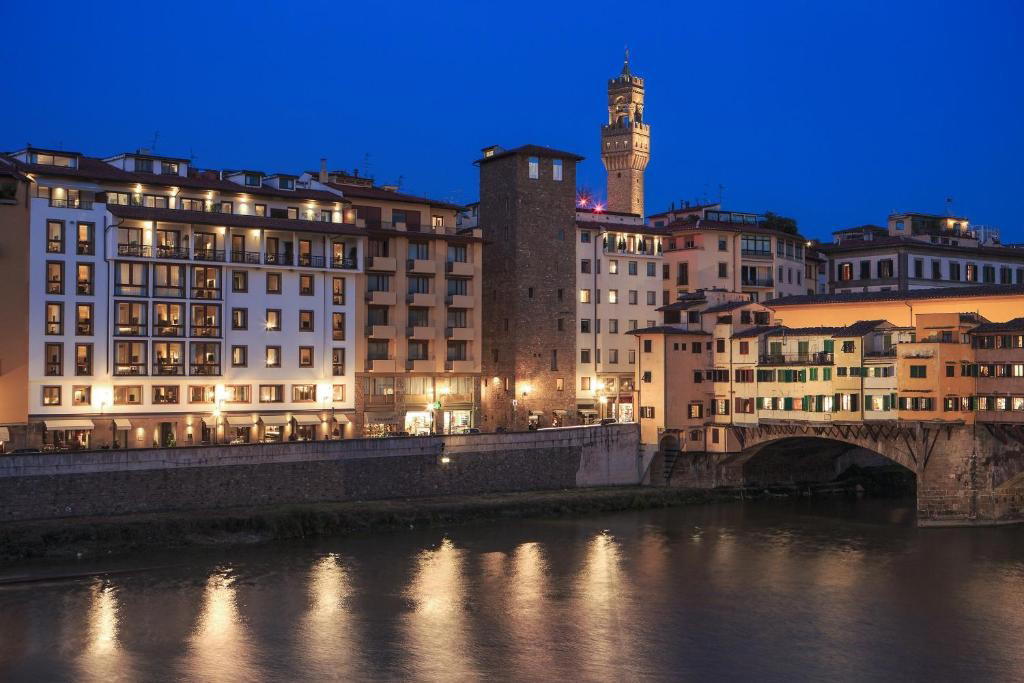
Within Florence specifically, the upper hotel tier clusters around a handful of historic addresses. The city does not have the same density of design-led boutique properties that Lisbon or Porto have developed in recent years; the dominant format at the premium end remains the converted palazzo or historic building, and competition is between addresses rather than concepts. In that context, the Viale Machiavelli position is a meaningful differentiator. Most of Florence's grand hotel addresses sit either on the Arno or inside the historic centre; the hillside villa format is a smaller subset, and the garden and privacy dimensions it offers represent a genuine categorical difference rather than a marginal one.
Across Italy's broader hospitality scene, the distinction between city-centre scale properties and smaller, character-driven alternatives has sharpened. Al Covino in Venice and L'Antiquario in Naples illustrate how distinct local identities can anchor a hospitality experience outside the major chain format. Further afield, Lost and Found in Nicosia and Bar Leather Apron in Honolulu show how the premium independent format scales across different cultural contexts. The thread connecting them is specificity: each address makes a coherent argument for why that particular place, in that particular city, produces something that a standardised property cannot replicate.
Planning Your Stay
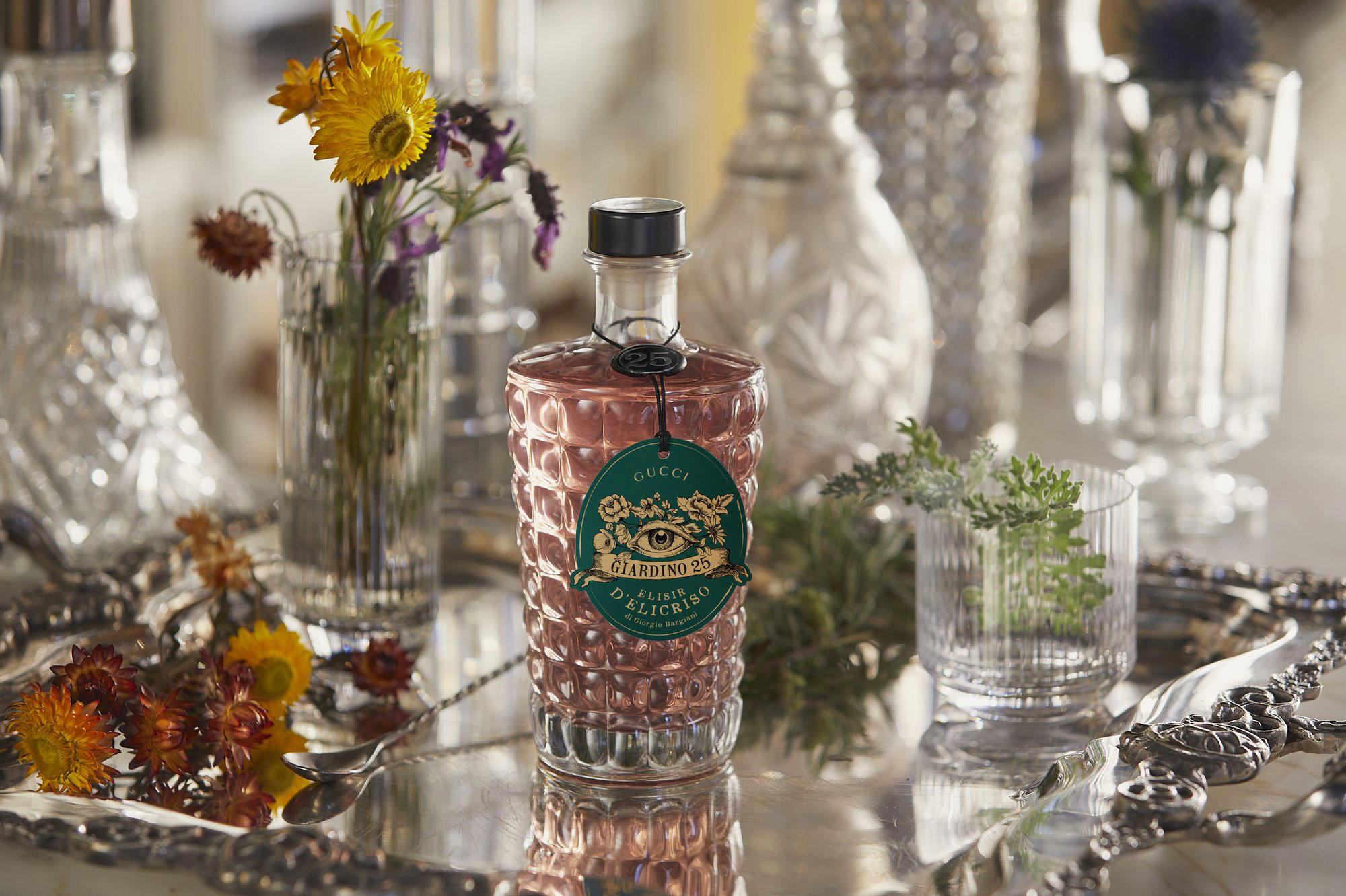
Viale Machiavelli 18 is the address to note for any arrival logistics. Florence's Santa Maria Novella station, the principal rail hub, is approximately twenty minutes by taxi from the hillside position. For travellers arriving by car, the Oltrarno approach via Porta Romana is especially direct. The spring and early autumn months, April through June and September through October, represent the periods when Florence's climate and visitor volumes align most favourably; July and August bring heat and crowd density that the hilltop garden position partially offsets but does not eliminate. Florence's bar scene offers several options for pre- or post-dinner drinks worth pairing with a stay in this area, including the Atrium Bar and Gucci Giardino in the centre, or the Enoteca Storica Faccioli in Bologna as a reference point for the kind of serious wine-focused format that the Tuscan-Emilian corridor supports. Booking through the hotel directly is advisable for properties at this address tier, where room selection and pre-arrival communication with the concierge team materially affects the experience.
Booking and Cost Snapshot
Comparable venues nearby, for context on price, style, and recognition.
| Venue | Cuisine | Price | Notes |
|---|---|---|---|
| Villa CoraThis venue — the venue you are viewing | Not listed | $$$$ | Not listed |
| Hotel Lungarno | Not listed | $$$$ | Santo Spirito, hotel_bar |
| Atrium Bar | Not listed | $$$$ | Le Cure, hotel_bar |
| Caffe Paszkowski | Santo Spirito, lounge | $$$ | Not listed |
| Manifattura Tabacchi | Not listed | $$ | Le Cascine, cocktail_bar |
| Caffè Scudieri Firenze | Not listed | $$ | Santo Spirito, cocktail_bar |
Continue exploring
More in Florence
Bars in Florence
Browse all →
Restaurants in Florence
Browse all →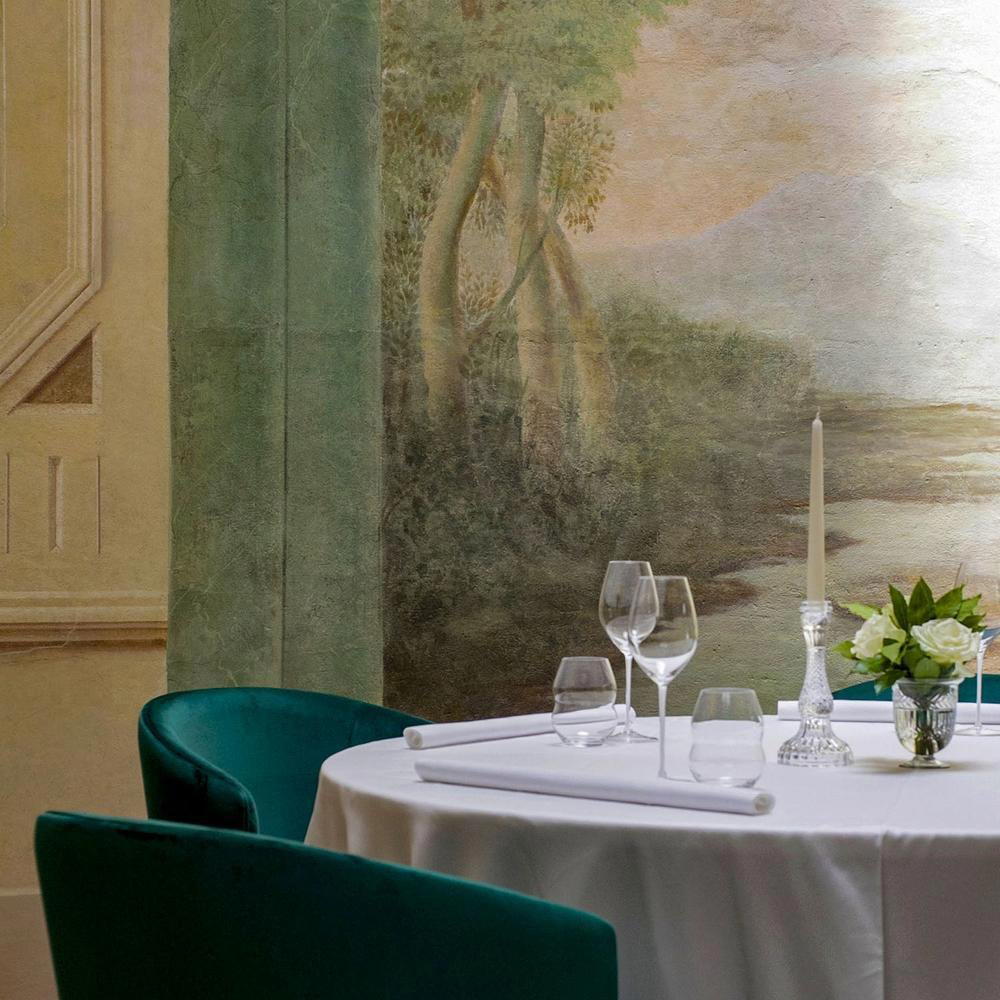
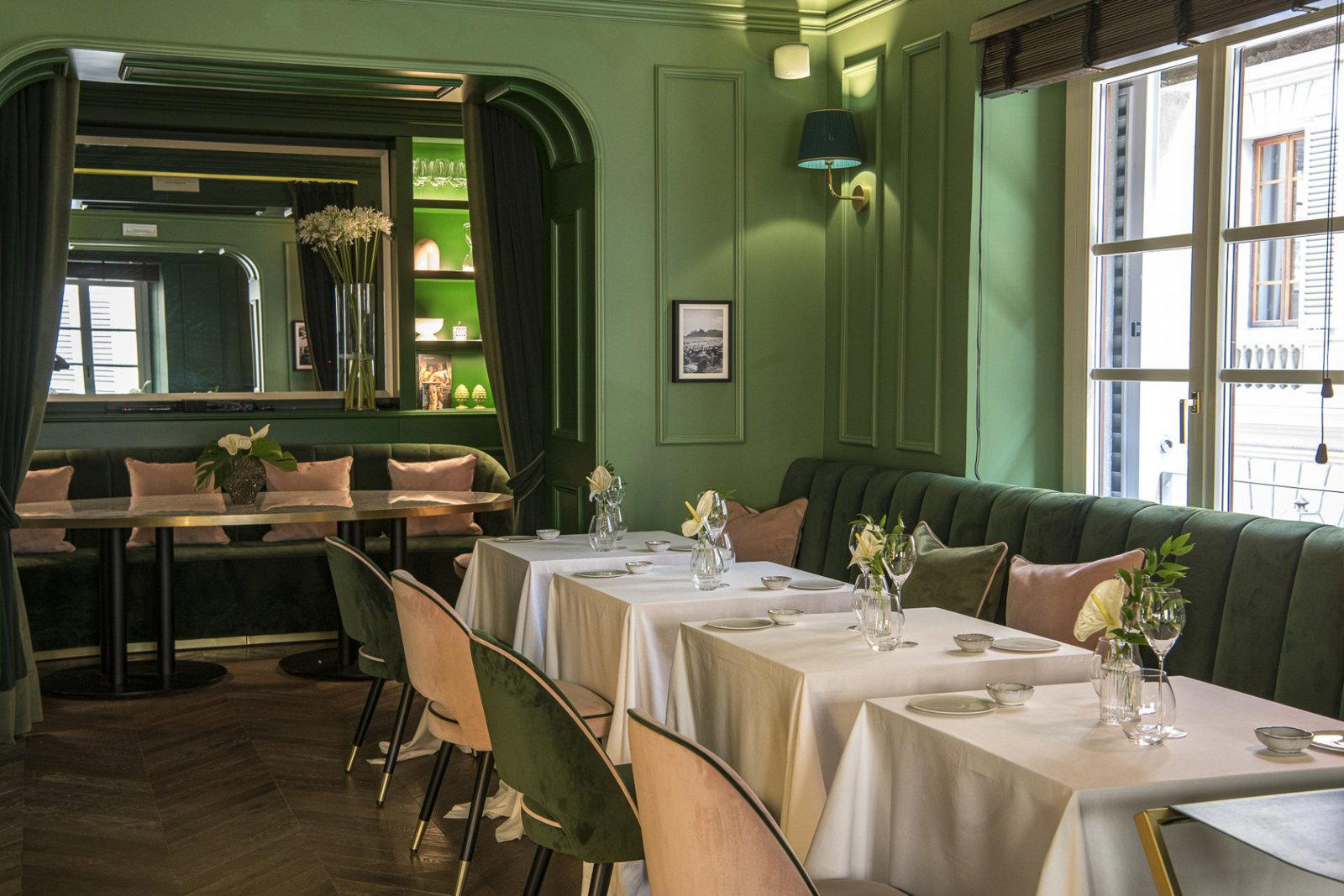
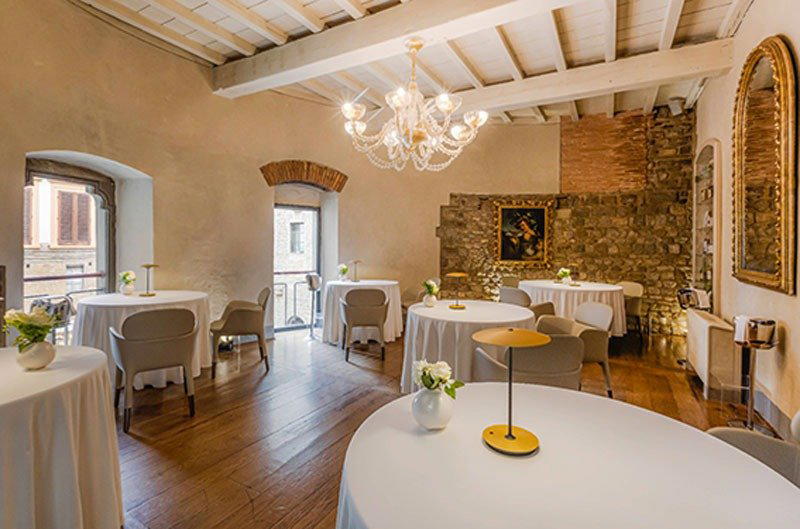
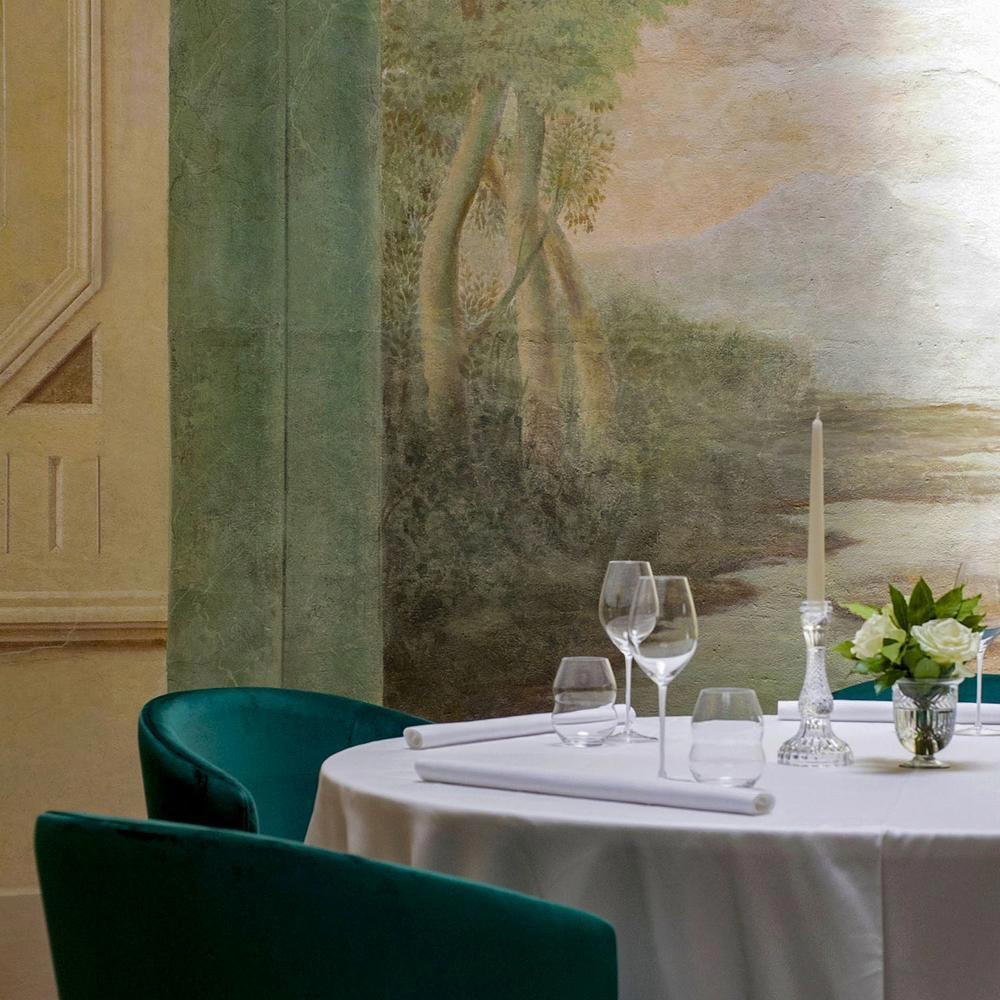
Hotels in Florence
Browse all →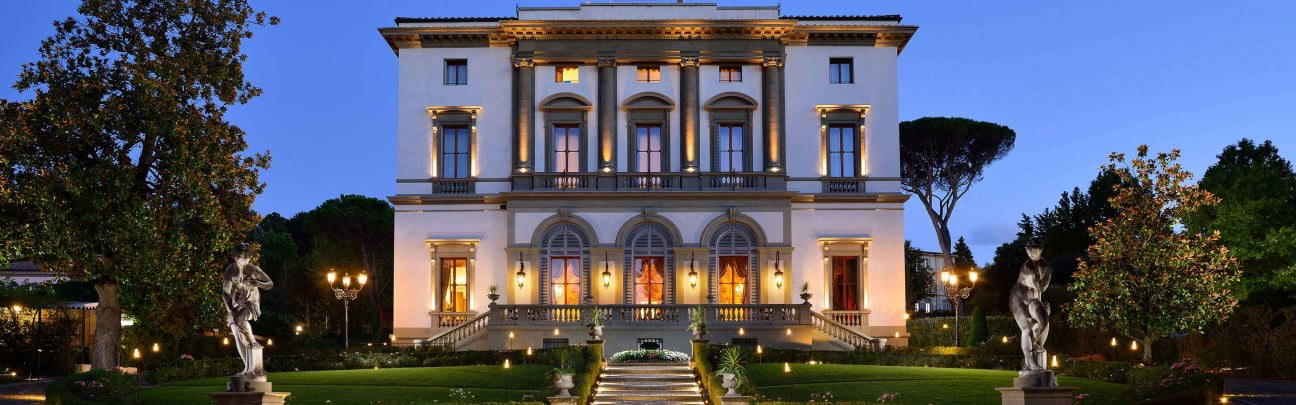

At a Glance
- Ornate
- Elegant
- Romantic
- Classic
- Scenic
- Sophisticated
- Special Occasion
- Date Night
- Celebration
- Private Event
- Hotel Bar
- Garden
- Terrace
- Historic Building
- Design Destination
- Lounge Seating
- Outdoor Terrace
- Private Rooms
- Craft Cocktails
- Classic Cocktails
- Garden
Timeless and aristocratic, with 19th-century opulence, historic halls, lush garden surroundings, and an elegant luxury-hotel atmosphere.