Thyme Bar

Pinnacle Guide 1 Pin
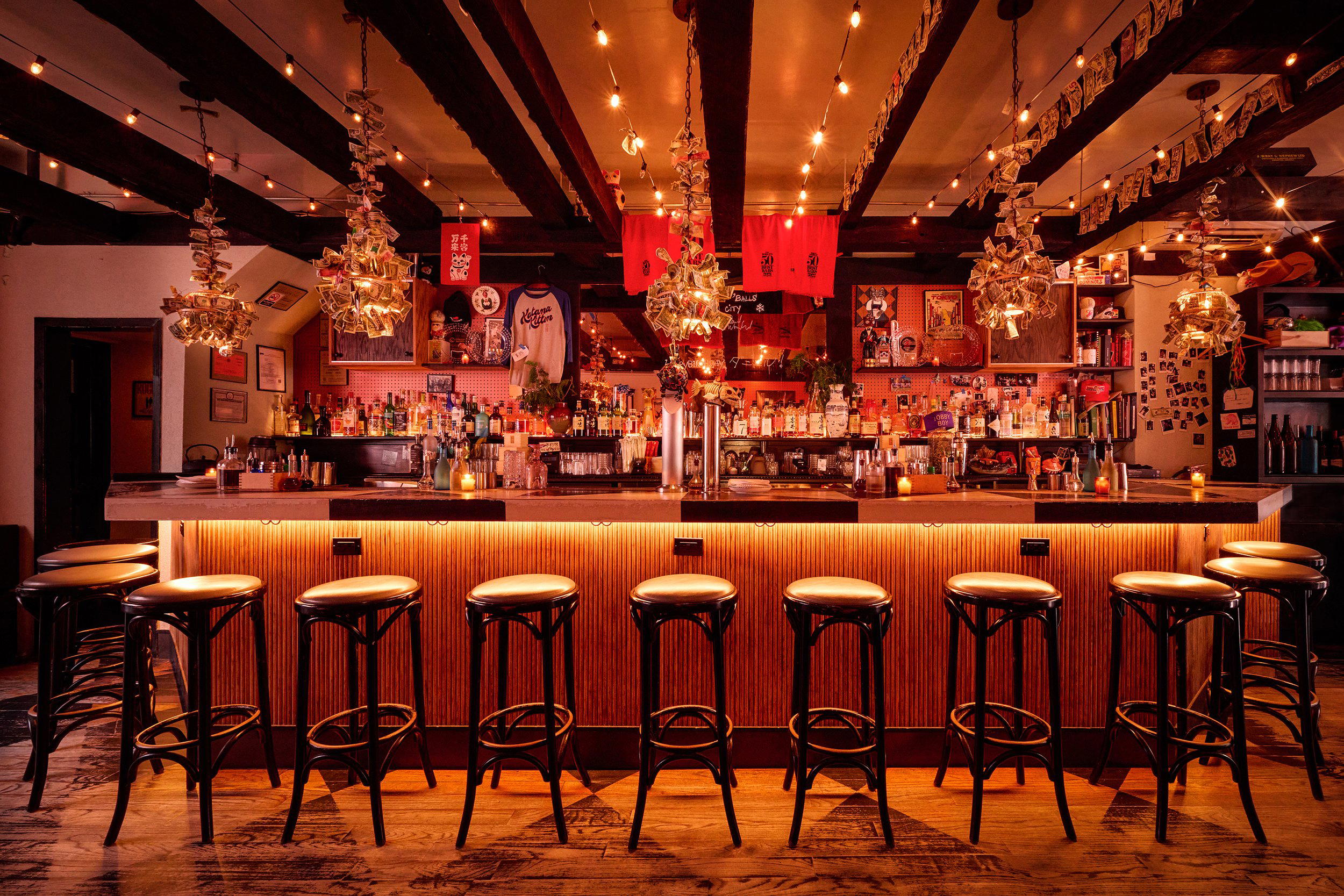
Hidden beneath Chanson New York in a pre-war Flatiron cellar, Thyme Bar operates in the niche tier of New York drinking where experiential tasting menus and culinary cocktails define the format. The subterranean setting and structured approach place it among the city's more considered beverage programs, well removed from the high-volume bar scene above ground.

Pearl is the En Primeur Club membership app, where members save venues, book tables and use the concierge.
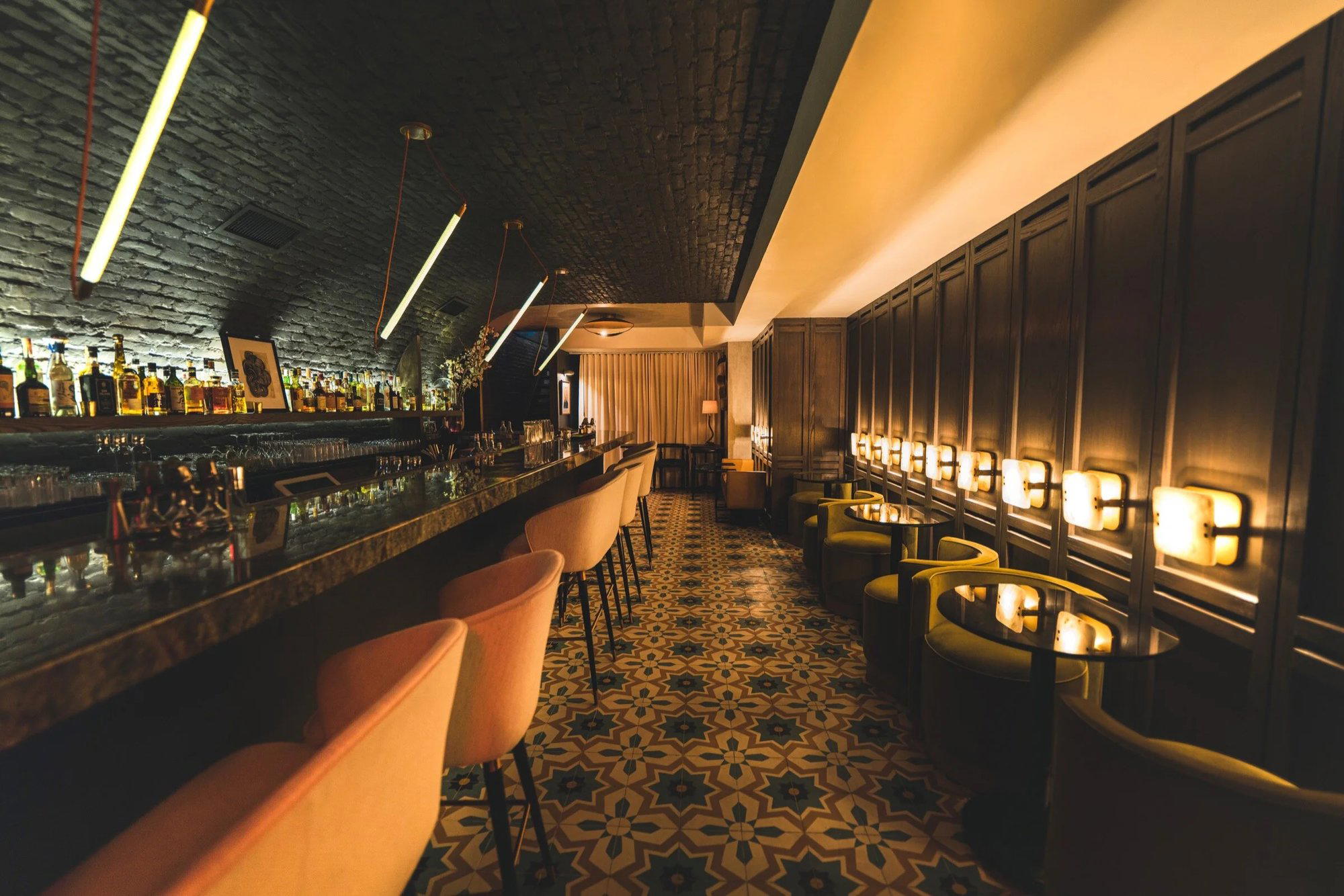
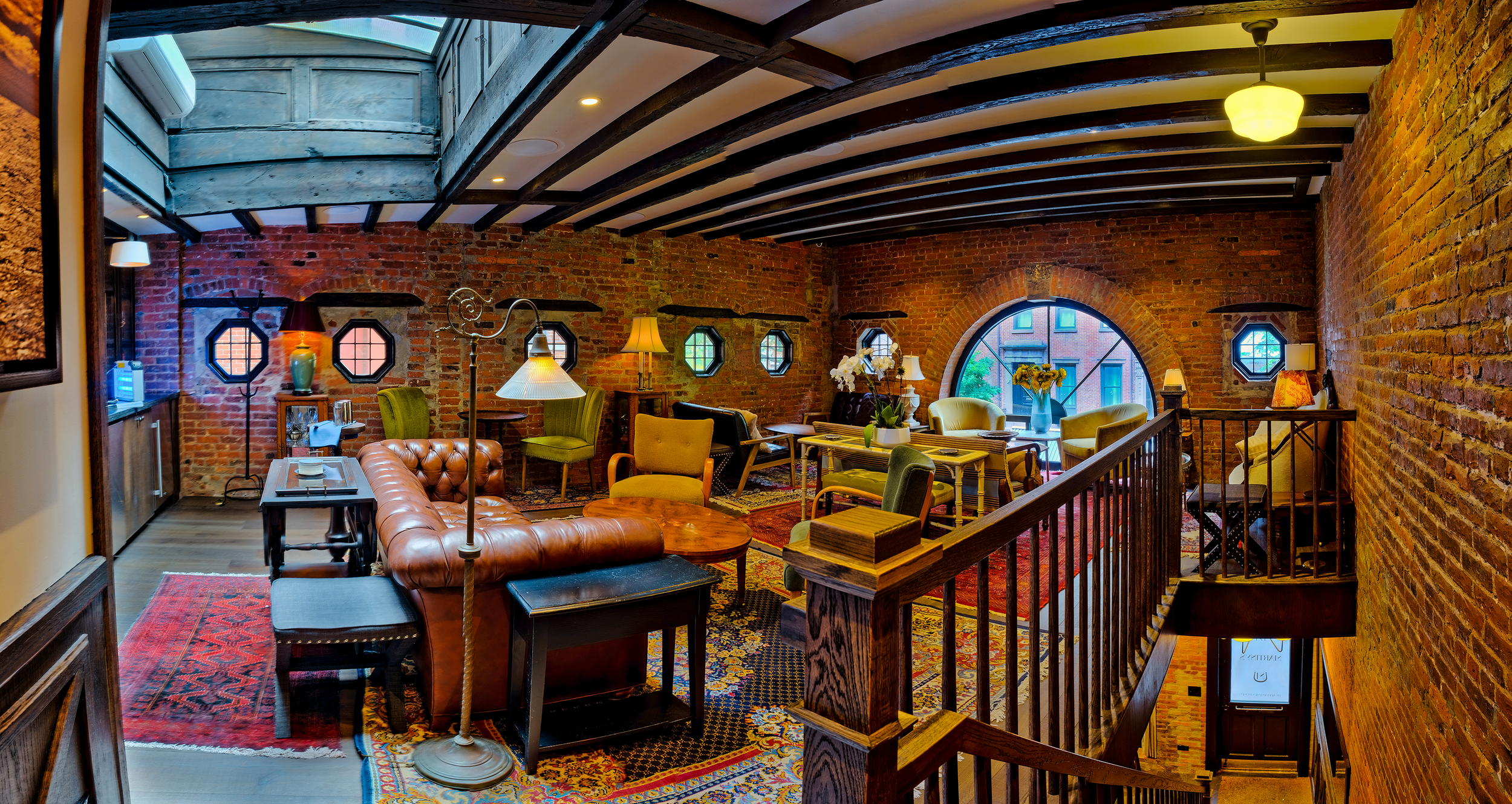
Pre-war cellars are rare real estate in the New York bar scene, and the ones that survive tend to define the format choices of whatever program inhabits them. Thyme Bar, occupying the cellar level of Chanson New York at 20 W 23rd Street in the Flatiron district, belongs to a specific tier of the city's drinking culture: low-capacity, format-driven, experiential. The room sets the terms before any drink arrives.
A Format That the Room Demands
New York has moved steadily away from the open-door, high-turnover bar model in its more serious drinking establishments. The shift is visible across a generation of programs that have adopted structured formats, fixed seatings, and menus with a throughline rather than a list. Thyme Bar sits inside that movement. Its experiential tasting menu format places it closer to the dining-room side of the bar spectrum than to a neighbourhood cocktail lounge, and the cellar architecture enforces that logic: you are not dropping in, you are arriving for something specific.
That positioning aligns Thyme Bar with a cohort of American bars where the boundary between kitchen and bar program has dissolved. Venues like Kumiko in Chicago and Jewel of the South in New Orleans operate in the same register, pairing culinary precision with beverage craft in a way that demands sustained attention from the guest. Allegory in Washington, D.C. and Bar Leather Apron in Honolulu represent the same format discipline applied to different cities and different ingredient libraries. The common thread is intentionality: nothing on the menu arrives without editorial purpose.
Culinary Cocktails as a Serious Category
The phrase "culinary cocktails" has been stretched thin by menus that simply add a garnish of fresh herb and call the result innovative. What the term implies at its more serious end is a genuine exchange between kitchen technique and bar craft: reductions, infusions, fermented components, savory elements, and a sequencing logic borrowed from tasting menus rather than à la carte ordering. When the format works, drinks arrive with context, and the guest understands each glass in relation to what preceded it.
New York has a handful of programs that take this seriously. Amor y Amargo has built its entire identity around the bitter end of the flavor spectrum, creating a drinks list that functions almost like a taxonomy of amaro and bitters culture. Attaboy NYC operates on guest-led improvisation, a different methodology but the same underlying commitment to craft over volume. Superbueno applies a culinary lens to Latin American spirits with a clarity of concept that sits in the same conversation. What links these programs is a refusal to treat the drink as incidental. Thyme Bar's stated culinary cocktail format places it in that company, with the tasting menu structure providing an additional layer of sequencing discipline that most cocktail bars do not attempt.
The Flatiron Cellar Context
The Flatiron district has a particular character in New York's hospitality geography. It sits between the density of Midtown and the more neighborhood-coded blocks of Chelsea and Gramercy, drawing a clientele that skews toward after-work professionals and destination-seekers rather than local regulars. The subterranean location under Chanson New York creates a venue-within-a-venue dynamic that is more common in London and Paris than in New York, where zoning and real estate logic tend to push premium bar programs to street level or above. A cellar bar in this context implies deliberate separation from the street, a decision to create an environment that exists apart from the ambient noise of the neighborhood.
That separation has historically been a condition of the city's most sustained cocktail programs. Angel's Share, accessed through a restaurant in the East Village, built decades of reputation on exactly this kind of concealed entry logic. The format rewards guests who are seeking the experience specifically, and it self-selects against casual drop-ins. For a tasting menu format, that self-selection is not incidental. It is the business model.
New York's premium bar tier in 2024 is more varied than at any previous point. There are spirit-specialist programs, bitter-focused menus, hospitality-led neighborhood anchors, and technically driven experimental formats. Thyme Bar occupies a distinct position within this range: a structured, experiential program in a characterful architectural setting, attached to an established dining venue, operating at a scale that makes the experience inherently limited-access. Comparable programs in other cities include ABV in San Francisco, which brings a similar level of beverage seriousness to a different coastal market, and Julep in Houston, where a defined conceptual identity drives the program rather than a broad-appeal list. Internationally, The Parlour in Frankfurt on the Main represents the same archetype: a deliberate, format-led bar that positions itself through quality and concept rather than volume or visibility.
For a broader orientation to drinking and dining in the city, the EP Club New York City guide maps the full range of programs across neighborhoods and price tiers.
What the Recognition Signals
The editorial framing around Thyme Bar consistently returns to the experiential tasting menu format and culinary cocktail identity. In a city where bar programs are abundant and competition for critical attention is high, the venues that sustain a defined concept over time tend to accumulate recognition precisely because they are legible. A program with a clear format is easier for critics and guests to assess, return to, and recommend. The cellar location under Chanson New York also provides institutional scaffolding: the parent venue's reputation lends context and a degree of initial credibility that a standalone program would have to build from scratch.
That combination of format clarity, architectural specificity, and institutional attachment is what places Thyme Bar in a conversation about the more serious end of New York's bar culture, regardless of the metrics that attach to any individual season.
Know Before You Go
- Address: 20 W 23rd St Cellar, New York, NY 10010
- Location: Cellar level beneath Chanson New York, Flatiron district
- Format: Experiential tasting menus with culinary cocktails
- Access: Entry through Chanson New York at street level
- Price range:; tasting menu formats in this tier of New York bar programming typically price at a premium relative to à la carte
How It Stacks Up
Comparable venues nearby, for context on price, style, and recognition.
| Venue | Cuisine | Price | Awards | Notes |
|---|---|---|---|---|
| Thyme BarThis venue (the venue you are viewing) | speakeasy | $20–30 | Pinnacle Guide 1 Pin | Not listed |
| Kees | cocktail_bar | $50–100 | Star Wine List | West Village |
| Bar 7 | cocktail_bar | Not listed | Not listed | Lower East Side |
| Bistango | wine_bar | $50–100 | Not listed | East Midtown-Turtle Bay |
| Metrograph | lounge | $50–100 | Not listed | Chinatown-Two Bridges |
Recognition history
Dated appearances from independent guides and award organizations, with the underlying list record or original source where available.
Pinnacle Guide 1 Pin
Pinnacle Guide
Continue exploring
More in New York City
Bars in New York City
All bars in New York City →
Restaurants in New York City
All restaurants in New York City →




Thyme Bar
The drinks
- Craft cocktails
Signature drinks: Primrose & Rye, Chatpata Fizz, Gynoecium Old Fashioned, The Bloomist Cloche.
Details
- Intimate
- Trendy
- Date Night
- Casual Hangout
- Speakeasy
- Seated Bar
- Lounge Seating
- Booth Seating
- Craft Cocktails
Current opening hours
- Monday
- 5–11 PM
- Tuesday
- 5 PM–1 AM
- Wednesday
- 5 PM–1 AM
- Thursday
- 5 PM–1 AM
- Friday
- 5 PM–2 AM
- Saturday
- 5 PM–2 AM
- Sunday
- 5 PM–12 AM
Hours can change for holidays and private events. Last verified .
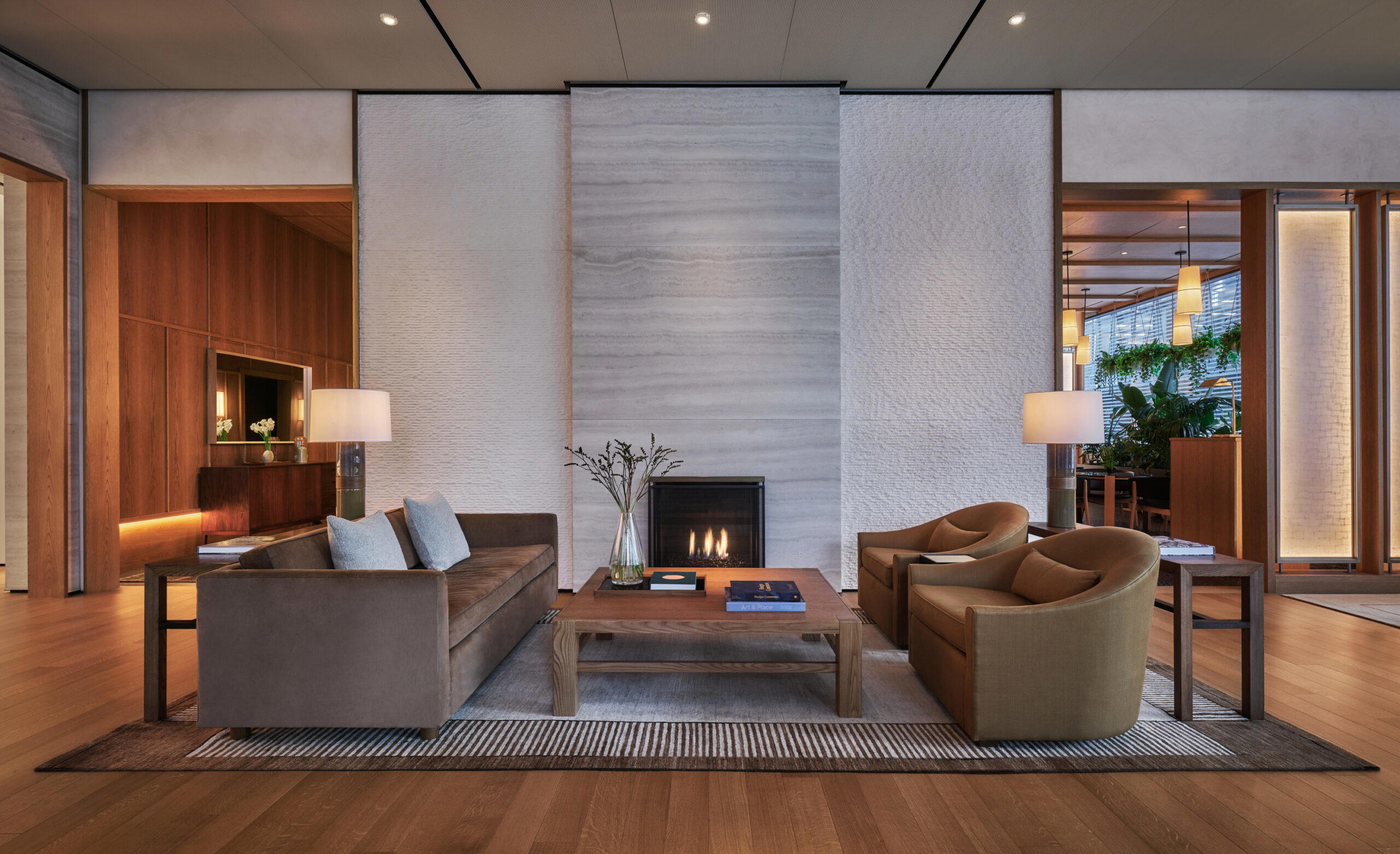
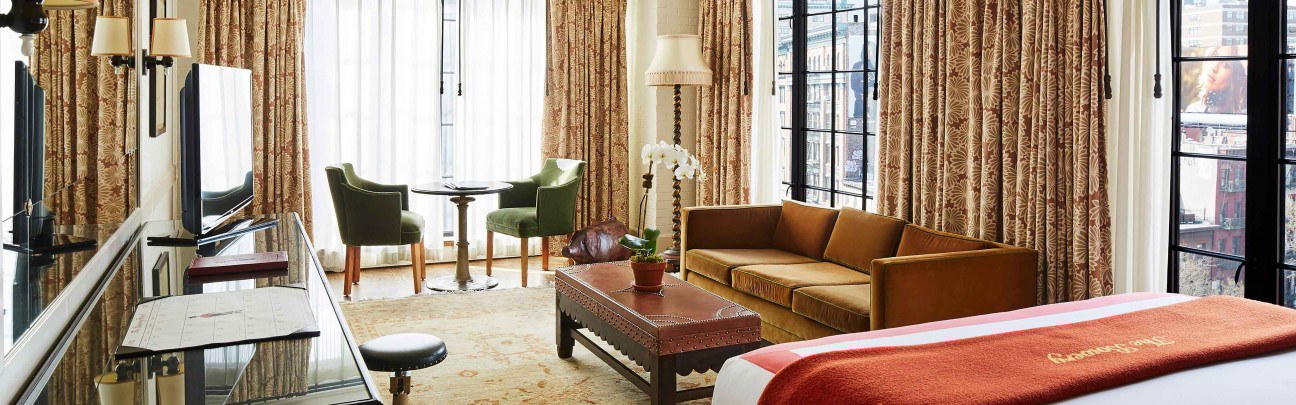
Intimate underground speakeasy lounge with plush seating and creative, visually dramatic drink presentations.