The Winemakers Club


A Farringdon wine bar that began as an importer of serious Italian producers, The Winemakers Club carries that sourcing rigour directly to the glass. The cellar-like setting on Farringdon Street draws a crowd that knows what it's ordering, and the list reflects a commitment to growers who farm with intention. Few wine bars in the City fringe manage this depth of producer relationships.
Pearl is the En Primeur Club membership app — saves, bookings, and concierge access live there. Same editors, same standards.
- Address
- 41a Farringdon St, London EC4A 4AN, United Kingdom
- Phone
- +44 20 7236 2936
- Website
- thewinemakersclub.co.uk
- Directions
- Get directions
 Saves & bookings on Pearl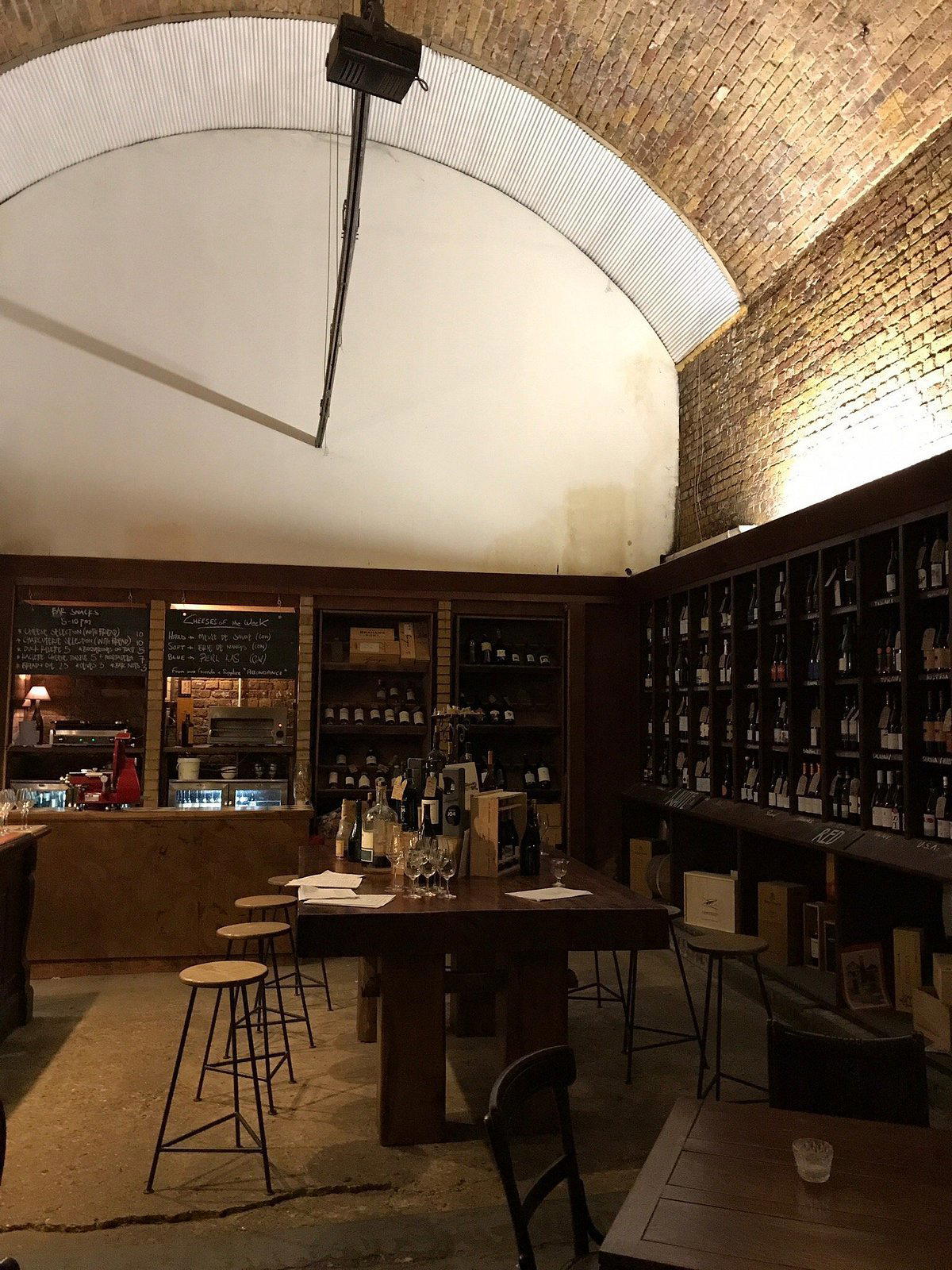
Below Street Level, Above the Noise
Farringdon sits at an odd but useful intersection in London's drinking geography: close enough to the City for after-work trade, far enough from it to attract the kind of drinker who actually wants to talk about what's in the glass. The Winemakers Club occupies a space on Farringdon Street that feels deliberately removed from the surface, the kind of address where the descent to the bar signals a change of pace. London has many wine bars trading on atmosphere alone, but the places that hold their ground over time tend to have a sourcing rationale that survives the first visit.
From Import Trade to the Bar Floor
The Winemakers Club began as a wine importer, with direct relationships to Italian producers that included names like Sesti, an estate in Montalcino with clear biodynamic commitments and a farming approach rooted in low-intervention viticulture. The Winemakers Club began as a wine importer, with direct relationships to Italian producers that included names like Sesti, an estate in Montalcino with clear biodynamic commitments and a farming approach rooted in low-intervention viticulture. That importer origin matters because it changes the structure of the list: rather than buying from distributors at arm's length, the bar built its cellar from relationships that were already editorially curated at the source. In sustainability terms, this is the meaningful difference between a wine bar that lists natural wine as a category and one that can trace the provenance of what it pours to specific growers and specific farming decisions.
The bar sits in that tradition: its list is the downstream result of import decisions made before the natural wine conversation reached its current commercial peak in London.
The Sustainability Thread, Pulled Through
What matters more, practically, is the specificity of sourcing relationships and the transparency of the supply chain between grower and glass. What matters more, practically, is the specificity of sourcing relationships and the transparency of the supply chain between grower and glass. A bar that imports directly from estates with documented farming commitments is operating at a different level of traceability than one that curates a list from a distributor catalogue, however well-selected.
Italian wine in particular has seen a generational shift in this direction, with producers in regions like Brunello, Barolo, and the Veneto increasingly farming organically or biodynamically, often without seeking certification, and communicating those decisions directly to the importers they choose to work with. A bar with roots in that import trade has structural access to that conversation in a way that a conventional retail buyer does not. The list at the bar reflects this access, with depth in Italian producers whose farming credentials are part of the reason they were selected in the first place.
Where It Sits in the City Fringe Drinking Scene
London's wine bar tier has diversified considerably. At the leading end, bars like those around Soho and the West End compete on cellar depth and by-the-glass programs running to several hundred references. The City fringe, covering Farringdon, Clerkenwell, and Barbican, has developed its own character: more regular trade, less tourist flow, and a clientele that tends toward genuine category interest rather than occasion drinking. The bar operates in this environment without the high-volume throughput that drives list conservatism in busier locations. That lower-turnover model allows for more considered pours and less pressure to default to broadly commercial labels.
In cocktail terms, bars like 69 Colebrooke Row, A Bar with Shapes For a Name, and Academy have built reputations on technical specificity rather than breadth. The bar occupies an analogous position in wine: a narrow, well-reasoned list over a sprawling one. Amaro similarly signals a category-specific approach in its focus on Italian digestifs, which makes it a natural companion recommendation in the same neighbourhood.
Outside London, comparable producer-focused wine bars exist in cities with strong independent bar cultures. Bramble in Edinburgh and Schofield's in Manchester demonstrate that the philosophy of sourcing-led curation is not exclusive to the capital. Further afield, Merchant Hotel in Belfast, Mojo Leeds, and Horseshoe Bar Glasgow each represent a different expression of bar culture rooted in genuine category commitment. Internationally, Bar Leather Apron in Honolulu and L'Atelier Du Vin in Brighton show how the producer-relationship model translates across geographies.
Who This Bar Works For
The bar is not a casual drop-in for someone who wants a glass of something easy. The list rewards some degree of prior engagement with Italian wine or at least an openness to being guided toward producers most London bars would not carry. For the drinker who already knows why Sesti matters in the context of Montalcino, the bar functions as a direct connection to bottles that require importer relationships to access at all. For the curious drinker without that background, the specificity of the list is itself a form of education.
The atmosphere does a lot of the work. A below-ground setting in an EC4 building removes you from the Farringdon Street rhythm almost immediately. The trade that built the bar's identity as an importer gives the room a working credibility that distinguishes it from wine bars designed primarily as hospitality experiences. See our full London restaurants and bars guide for broader context on where this fits in the city's drinking map.
Planning Your Visit
Location: 41a Farringdon Street, London EC4A 4AN, a short walk from Farringdon station on the Elizabeth, Circle, and Metropolitan lines. Reservations are recommended. Budget: about $35 per person. Timing: Mon to Fri, 11 AM to 11 PM; Sat, 5 PM to 11 PM; Sun, closed.
Reputation Context
Comparable venues nearby, for context on price, style, and recognition.
| Venue | Cuisine | Price | Notes |
|---|---|---|---|
| The Winemakers ClubThis venue — the venue you are viewing | wine_bar | $$ | Not listed |
| The Anchor & Hope | pub | $$ | Waterloo |
| The Hero | pub | $$ | Little Venice |
| The Eagle | pub | $$ | Clerkenwell |
| The Princess Royal | pub | $$ | Westbourne |
| Canton Arms | pub | $$ | Stockwell |
Recognition history
Dated appearances from independent guides and award organizations, with the underlying list record or original source where available.
Falstaff Wine Bar - 96 Falstaff Points
Falstaff
Star Wine List
Star Wine List
Continue exploring
More in London
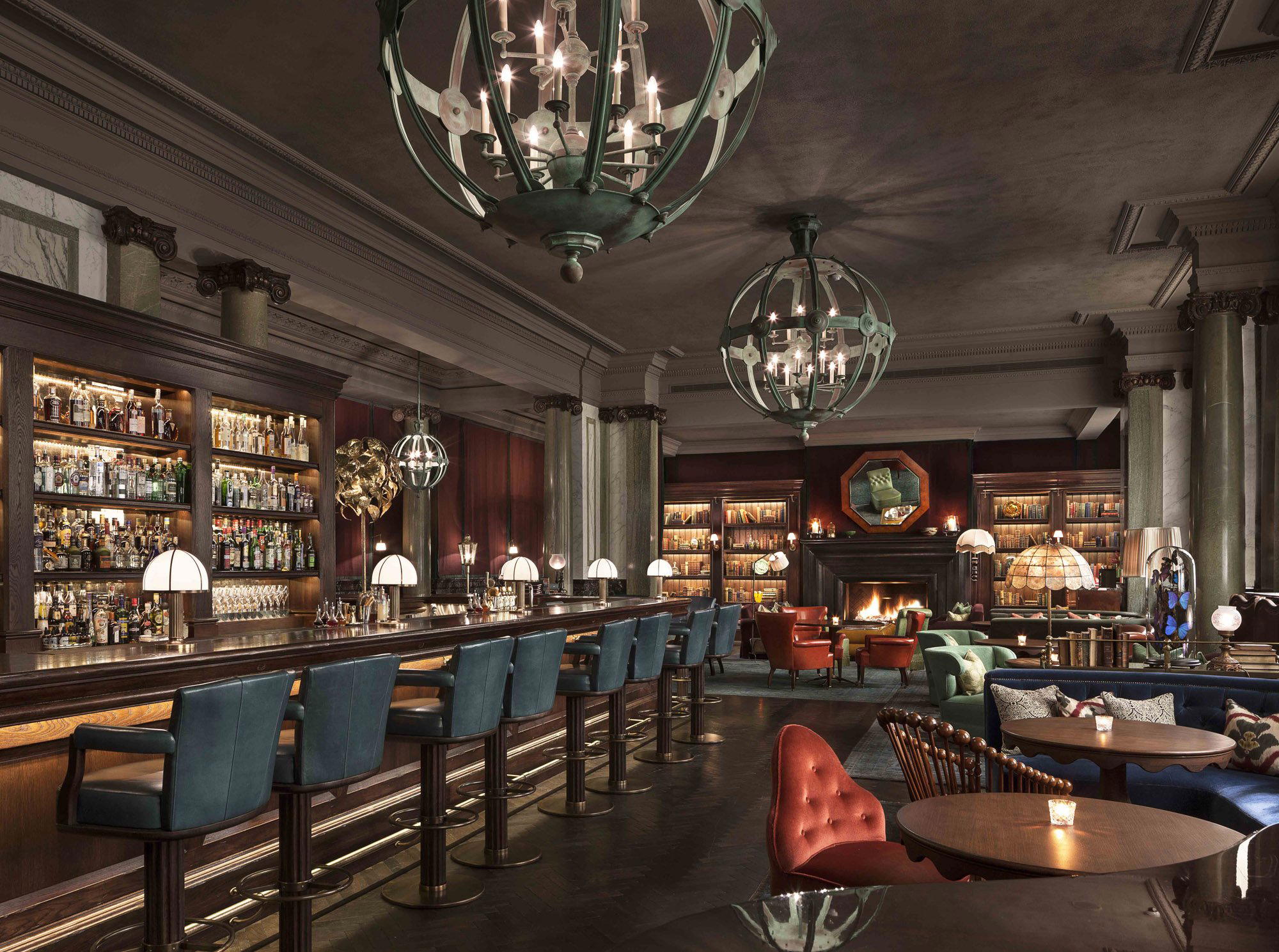
Bars in London
Browse all →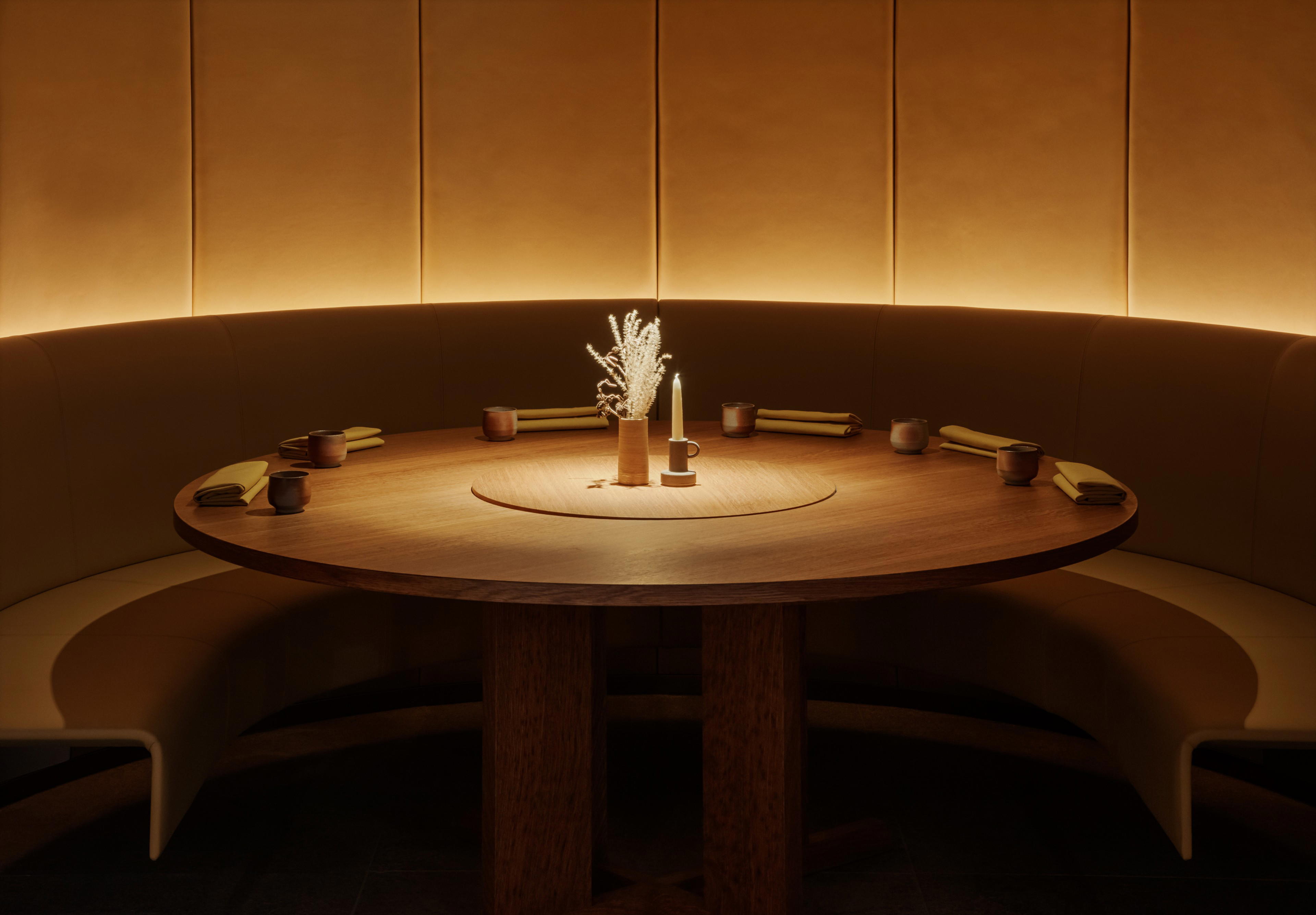
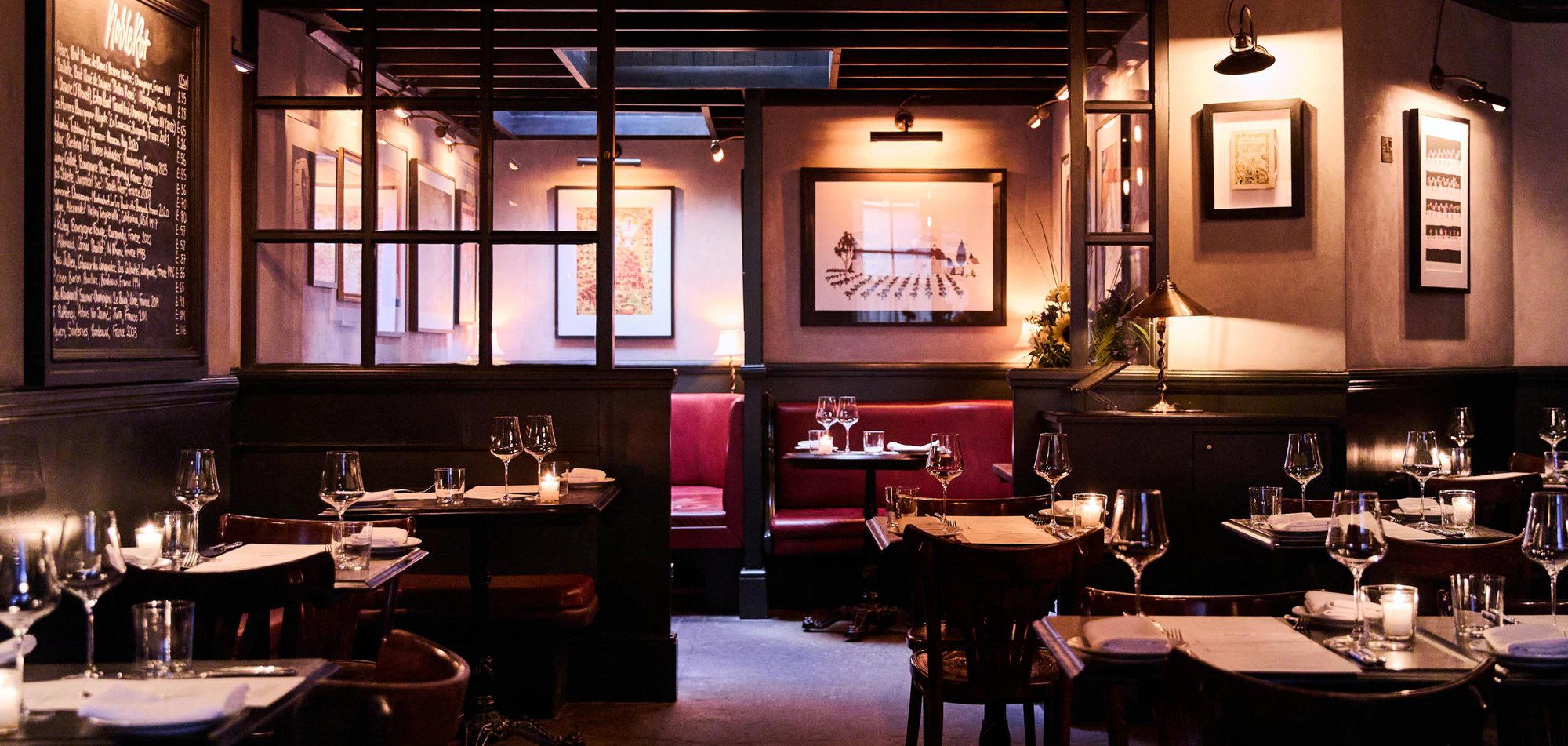
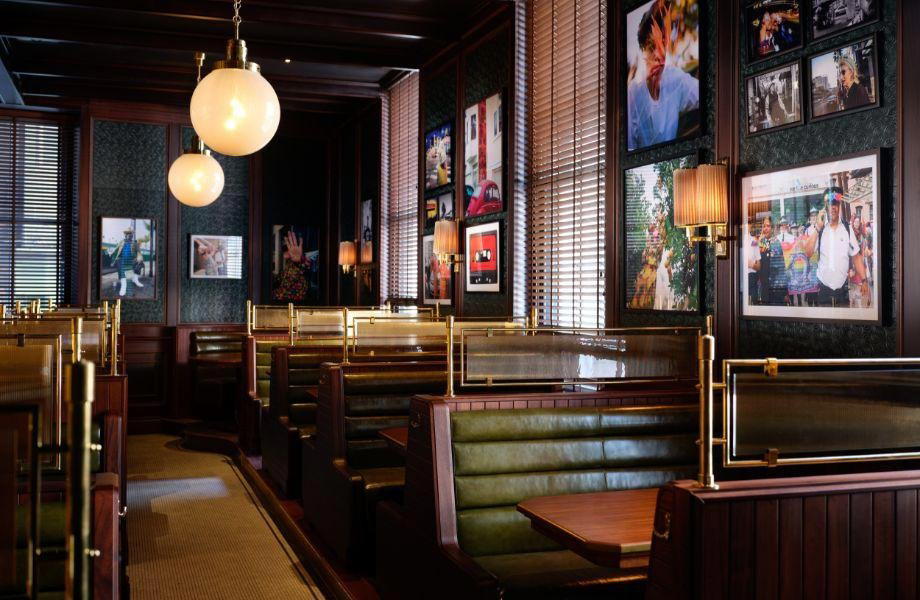
Restaurants in London
Browse all →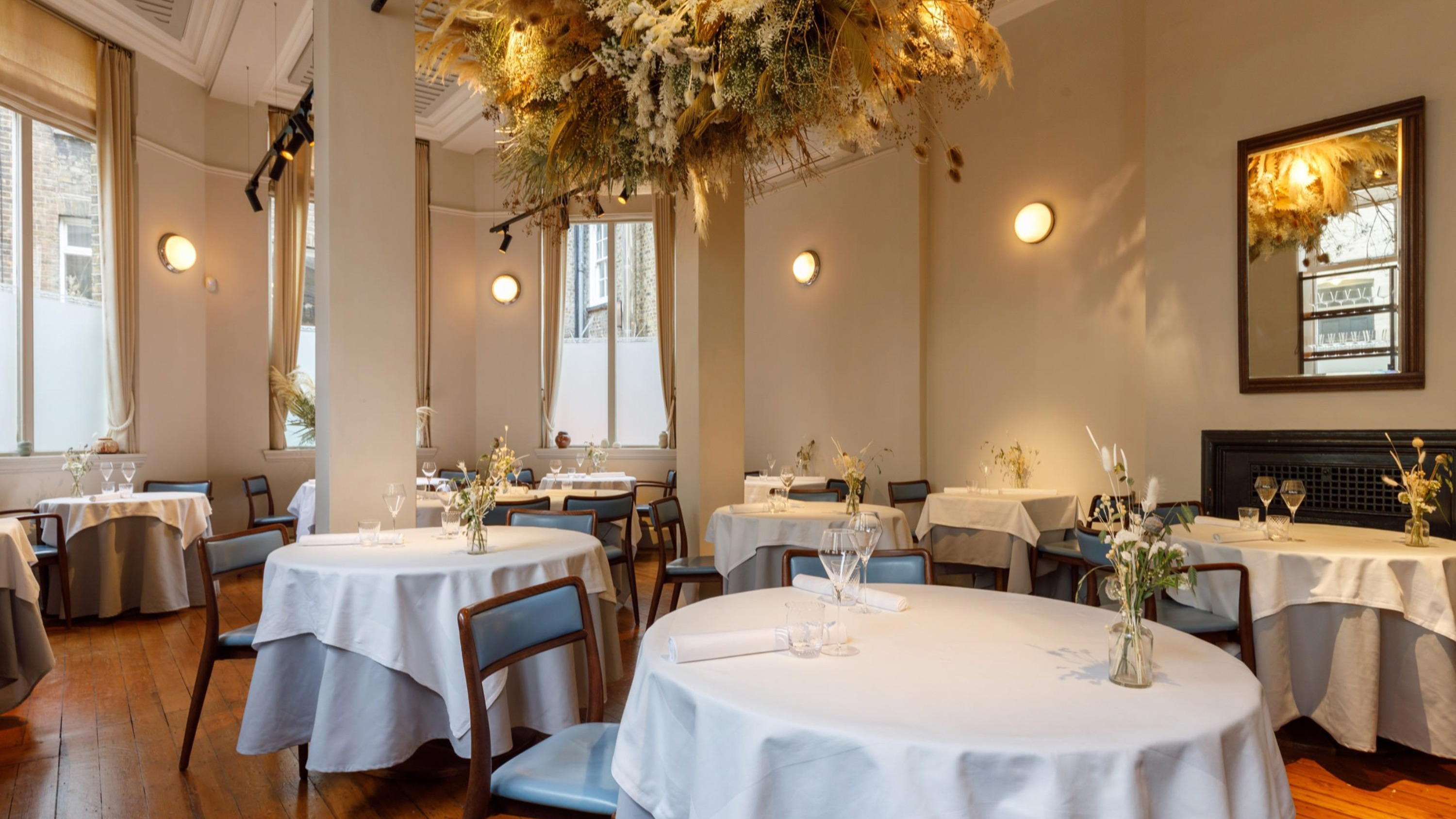
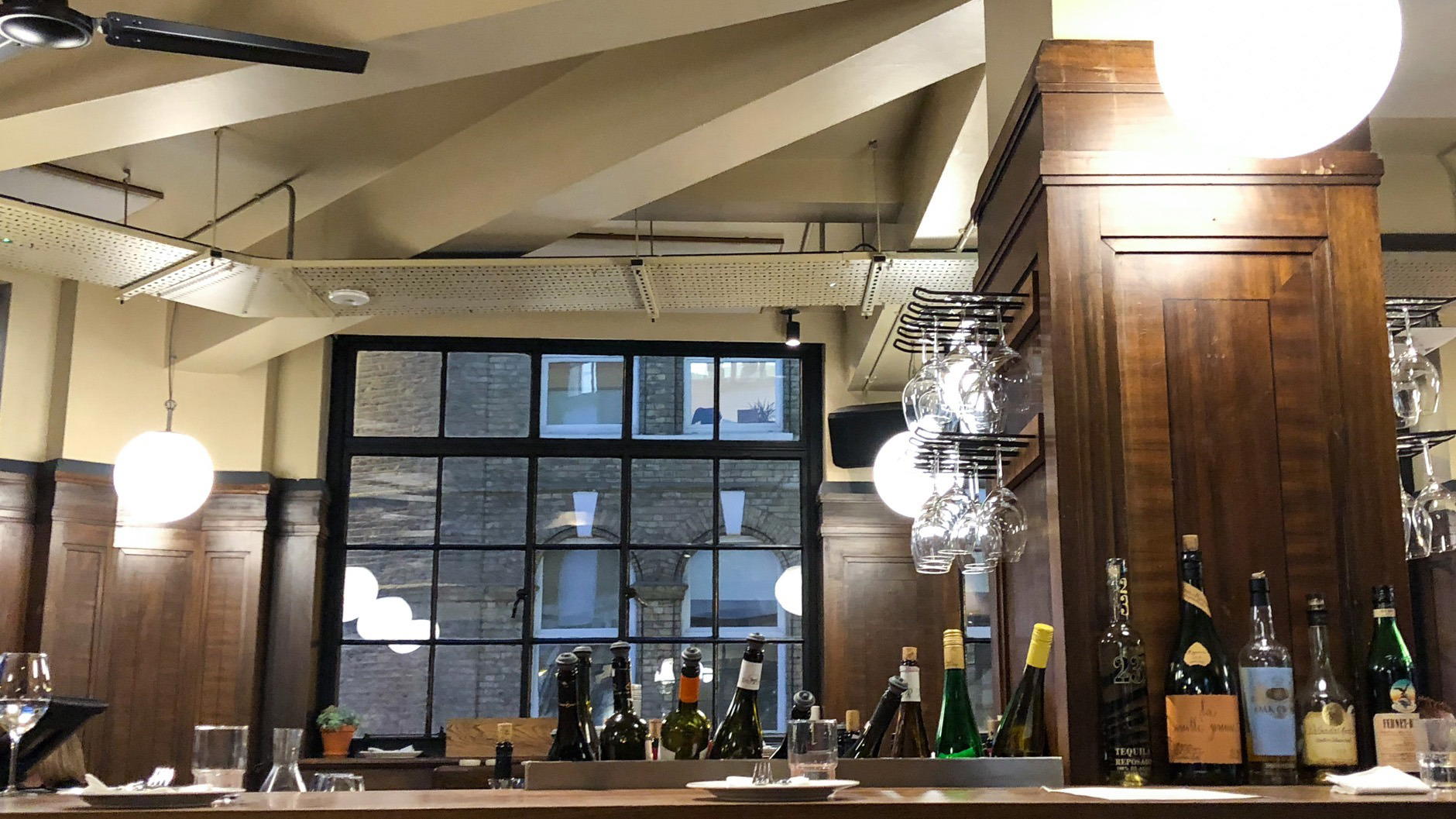
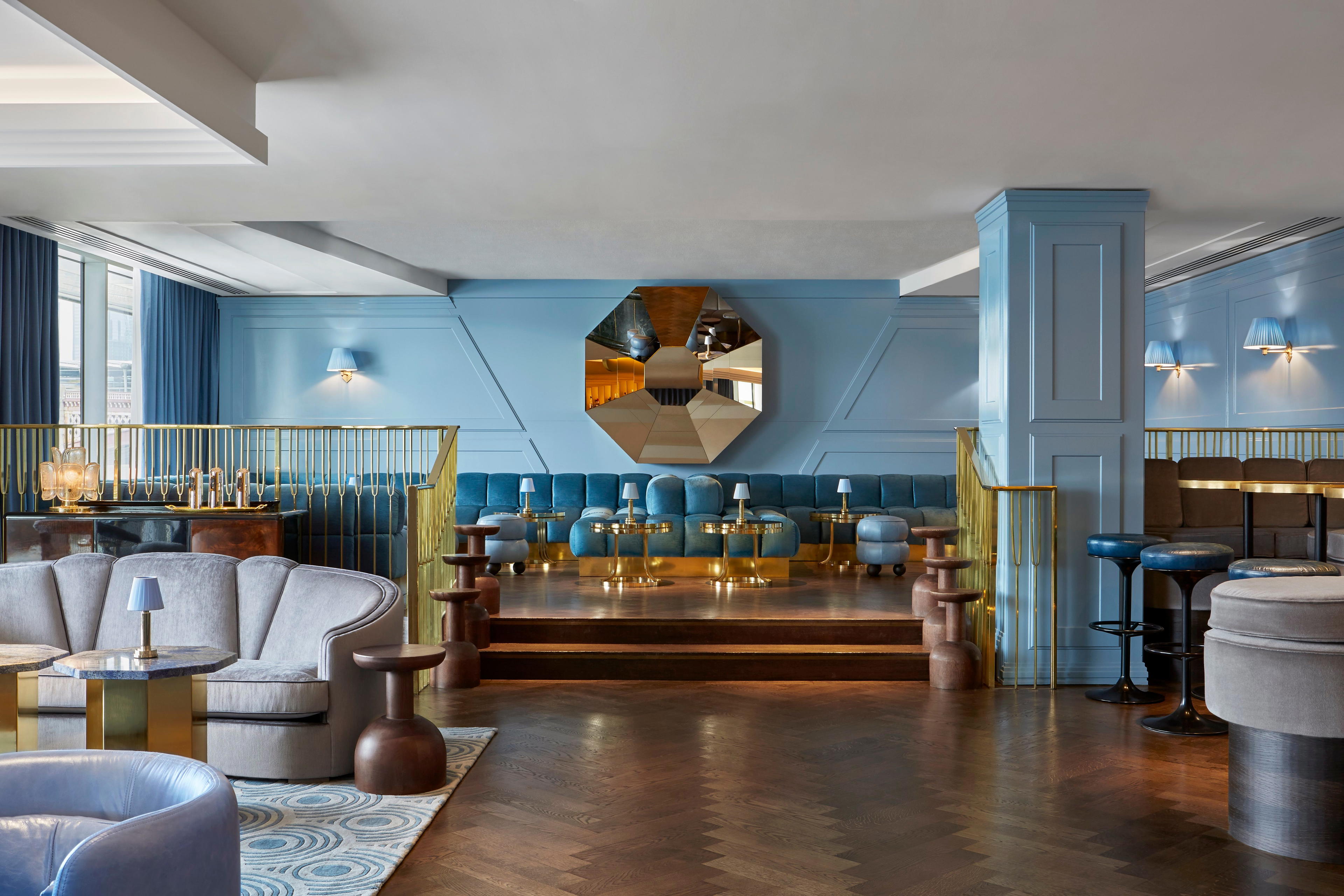
Hotels in London
Browse all →

At a Glance
- Romantic
- Intimate
- Cozy
- Rustic
- Classic
- Date Night
- Casual Hangout
- Group Outing
- After Work
- Historic Building
- Standalone
- Courtyard
- Seated Bar
- Lounge Seating
- Outdoor Terrace
- Private Rooms
- Natural Wine
- Conventional Wine
Current opening hours
- Monday
- 11 AM–11 PM
- Tuesday
- 11 AM–11 PM
- Wednesday
- 11 AM–11 PM
- Thursday
- 11 AM–11 PM
- Friday
- 11 AM–11 PM
- Saturday
- 5–11 PM
- Sunday
- Closed
Hours can change for holidays and private events. Last verified .
Moody, candlelit cellar-like atmosphere with exposed brick, intimate and relaxed vibe reminiscent of a wine cave; described as having sex appeal with a slightly mysterious, film-noir quality.