On Boulevard Paul Peytral in Marseille's 6th arrondissement, Sarment occupies a corner of the city where wine-bar culture has quietly displaced the old café habit. The address sits within walking distance of the Préfecture quarter, where an after-work crowd accustomed to serious bottles sets the tone. It is a place where the glass matters more than the spectacle.
- Address
- 22 Bd Paul Peytral, 13006 Marseille, France
- Directions
- Get directions
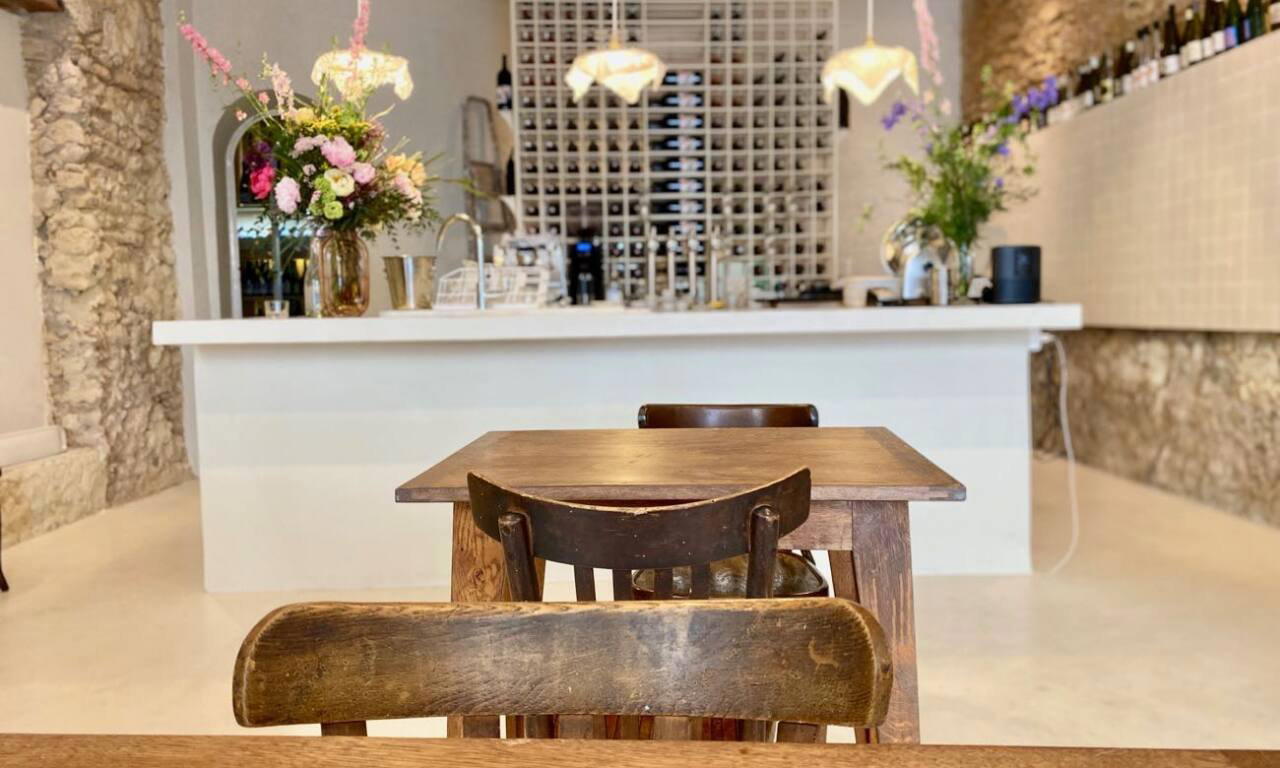
The Room Before the Wine
Boulevard Paul Peytral runs through the 6th arrondissement in a way that signals civic weight rather than tourist traffic. The street connects administrative Marseille to residential Marseille, and the bars and wine caves along it tend to attract people who live and work in the neighbourhood rather than people who have arrived from elsewhere to photograph it. Sarment at number 22 is part of that pattern. The address is a room that earns its regulars through consistency of atmosphere and selection.
Wine bars of this type, common in Lyon and Bordeaux but less established in Marseille's traditionally café-heavy drinking culture, occupy a specific social function. They sit between the formal restaurant and the casual corner bar, offering the depth of a serious cellar without the ceremony of a tasting menu. The physical environment does the work of making that position legible: wooden surfaces, bottles on display as furniture rather than as product, lighting calibrated to conversation rather than to performance. Its location and local reputation place it in that category.
Where Sarment Sits in Marseille's Drinking Scene
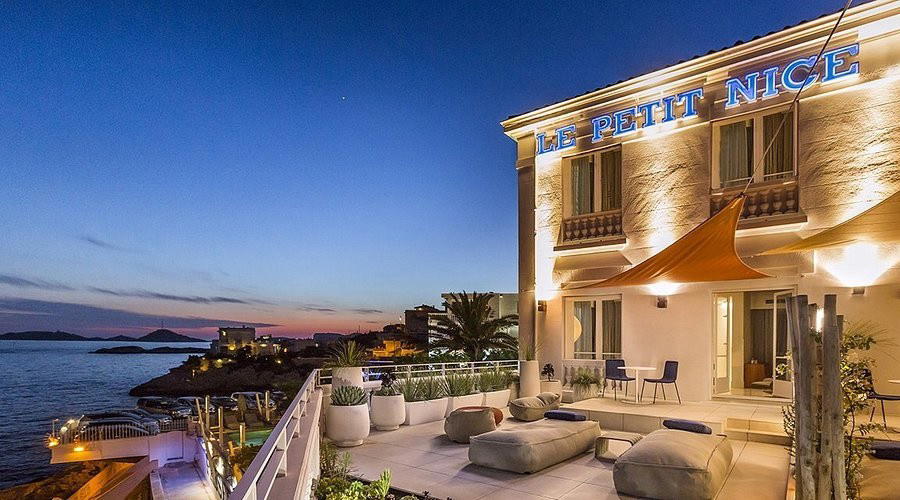
Marseille's bar and wine scene has diversified considerably over the past decade. Cocktail bars like CopperBay Marseille have imported a technically precise drinks culture, while neighbourhood anchors like Le Bar de la Plaine maintain a more relaxed, community-facing character. At the higher end, Le Petit Nice Passedat operates within a Relais and Châteaux framework where the bar is an extension of a three-Michelin-starred hotel experience. The Champ De Mars occupies a different register again.
Sarment fits into a tier that prioritises the bottle over the cocktail shaker, the producer over the brand, and the conversation over the sound system. In French cities with mature wine cultures, this tier tends to attract a clientele that reads labels the way others read menus, and treats the cave à manger format as one efficient way to drink well without formality. Marseille has been slower to develop that format than cities like Lyon, where the concept of a serious wine bar is decades old, but the 6th arrondissement has the socioeconomic profile and the appetite to support it.
The Physical Logic of the Address
The 6th arrondissement is one of Marseille's wealthiest and most residential districts, bounded by the Préfecture to the east and the Castellane square to the south. It is not Cours Julien, where bars and restaurants cluster for a younger, louder crowd, nor is it the Vieux-Port, where tourist proximity shapes every menu and price point. Boulevard Paul Peytral sits in a quieter register, which gives a wine bar room to function as a neighbourhood institution rather than a pit stop.
That geography matters for understanding the atmosphere. A room on this street operates in the early evening rather than the late night, fills with people who have just finished work nearby, and empties at a reasonable hour because its clientele has dinner plans or lives ten minutes away on foot. The pace is unhurried, the volume of conversation lower than in a cocktail bar or a bar à tapas targeting a younger demographic.
What Wine Bars in This Register Typically Offer
Across French cities, wine bars in this tier tend to share certain structural features. The list favours small producers, natural or low-intervention wines, and regional selections that reward familiarity with French appellations. Food is present but secondary: cheese plates, charcuterie, anchovies, a hot dish or two. The ambience is built from the combination of warm lighting, wood, and the sound of bottles being opened at the counter rather than from any designed theatrical element.
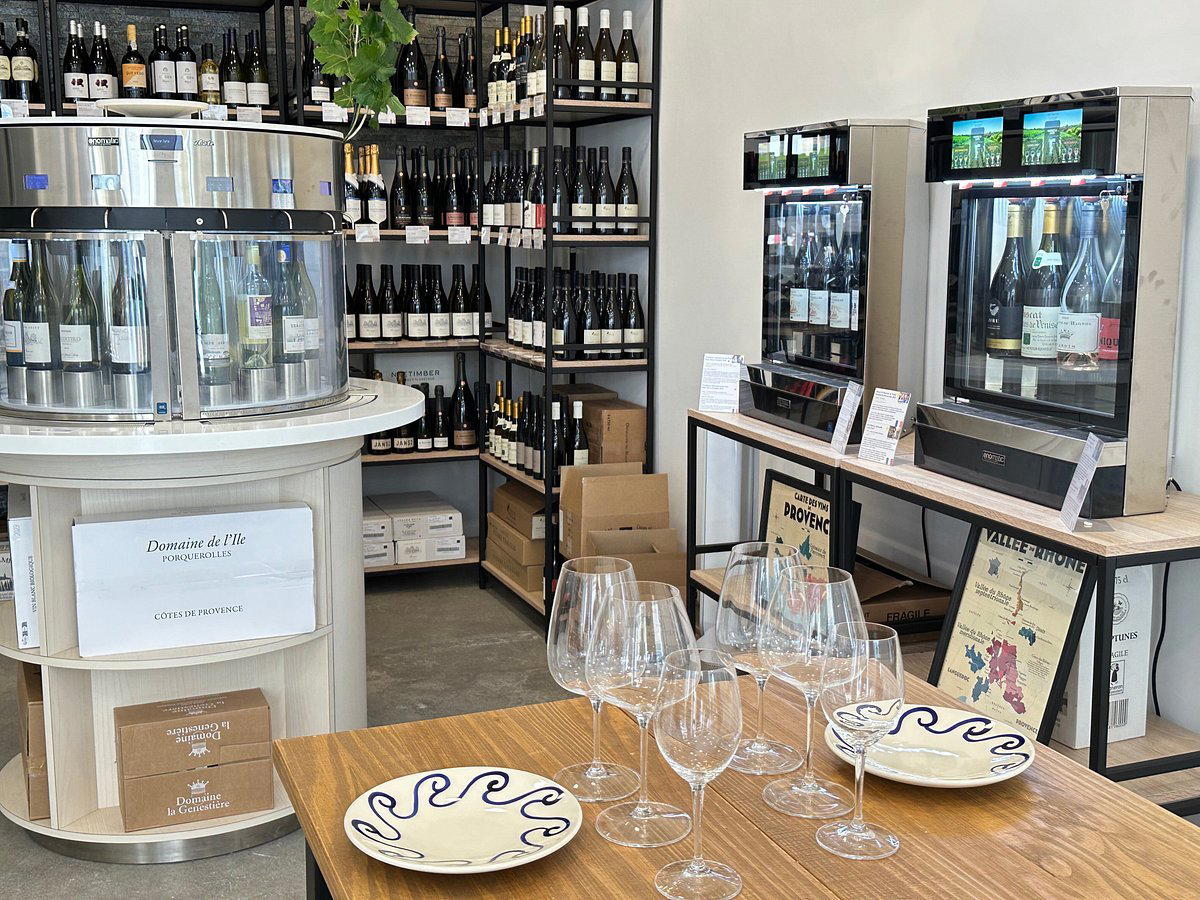
This format has proven durable in cities like Paris, where Bar Nouveau represents one expression of the serious wine-bar model, and in southern cities where the connection to regional production is more direct. In Marseille, proximity to Provence, the Rhône Valley, and Corsica gives a wine list drawn from southern French producers a depth that a bar in Paris would have to work harder to justify. If Sarment's selection reflects its geography, Provençal and Rhône bottles likely anchor the list, with Corsican whites offering the kind of regional specificity that rewards guests willing to move beyond the familiar.
For comparison, wine-focused bars in other French cities worth understanding alongside Sarment include Coté vin in Toulouse, La Maison M. in Lyon, and Bar Casa Bordeaux in Bordeaux. Each operates within the same broad category but reflects the regional wine culture around it. Sarment's Marseille positioning gives it access to a production geography that neither Lyon nor Bordeaux can replicate.
Outside France, the cave à manger model has parallels in cities where a serious drinks culture co-exists with an informal dining habit. Bar Leather Apron in Honolulu and Papa Doble in Montpellier operate in different categories, while Au Brasseur in Strasbourg demonstrates how a drinks-led room can anchor itself through production identity rather than menu complexity.
Planning Your Visit
Sarment is at 22 Boulevard Paul Peytral, in the 6th arrondissement, accessible on foot from the Préfecture area and a short distance from the Castellane metro station. The 6th arrondissement is well served by Marseille's metro and by taxi; the street itself has limited pedestrian traffic at night, so the experience of arriving is quieter than at Vieux-Port bars.
Style and Standing
Comparable venues nearby, for context on price, style, and recognition.
| Venue | Cuisine | Price | Awards | Notes |
|---|---|---|---|---|
| SarmentThis venue — the venue you are viewing | wine_bar | $$ | Not listed | Not listed |
| The Champ De Mars | pub | $ | Not listed | Notre Dame Du Mont |
| Le Bar de la Plaine | pub | $$ | Not listed | Le Camas |
| CopperBay Marseille | cocktail_bar | $$$ | Not listed | Palais De Justice |
| Le Petit Nice Passedat - Hôtel 5 étoiles Relais & Châteaux à Marseille | hotel_bar | $$$$ | Michelin 3 Star | Endoume |
Continue exploring
More in Marseille
Bars in Marseille
Browse all →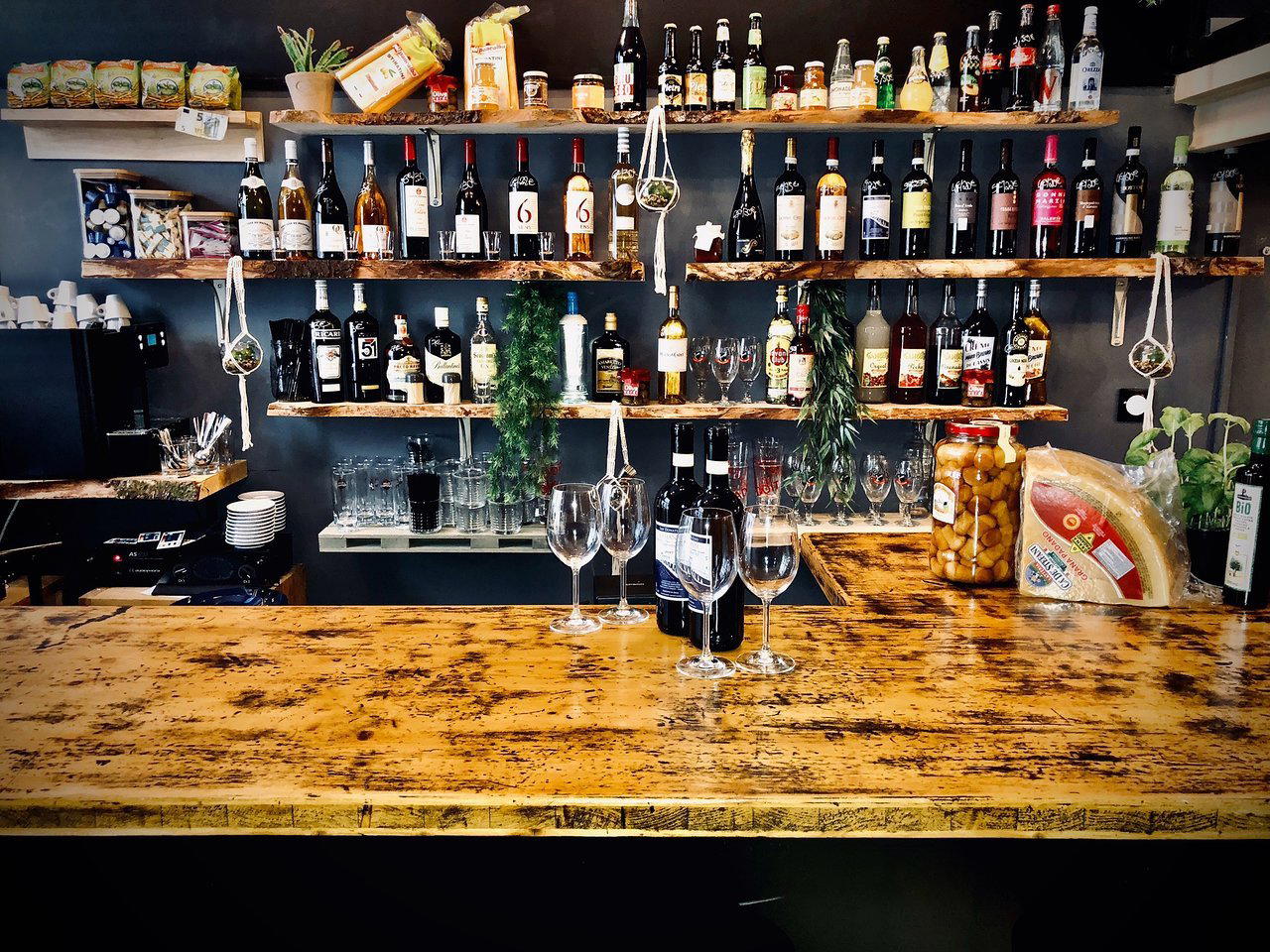
Restaurants in Marseille
Browse all →
Hotels in Marseille
Browse all →
At a Glance
- Trendy
- Cozy
- Modern
- Date Night
- Casual Hangout
- Standalone
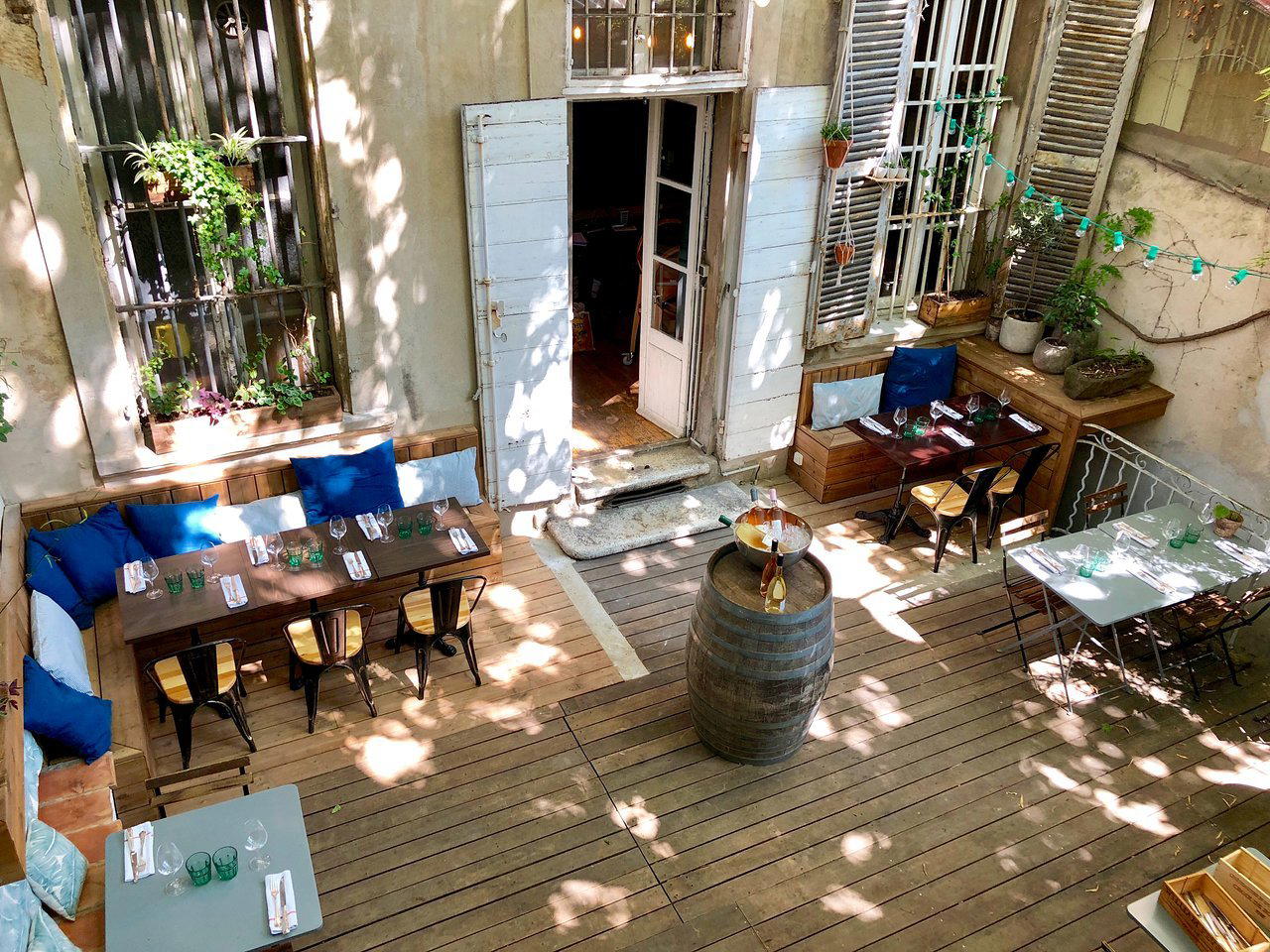
- Outdoor Terrace
- Lounge Seating
- Natural Wine
Low-lit with doily lamps, warm inviting atmosphere, contemporary soundtrack, and deliberately unfinished interiors.