Szechuan House
The cooking draws on a tradition built around doubanjiang, dried chilies, and Sichuan peppercorn, ingredients that demand precision, not just tolerance for spice. For suburban Maryland, that kind of specificity is notable.

Pearl is the En Primeur Club membership app, where members save venues, book tables and use the concierge.

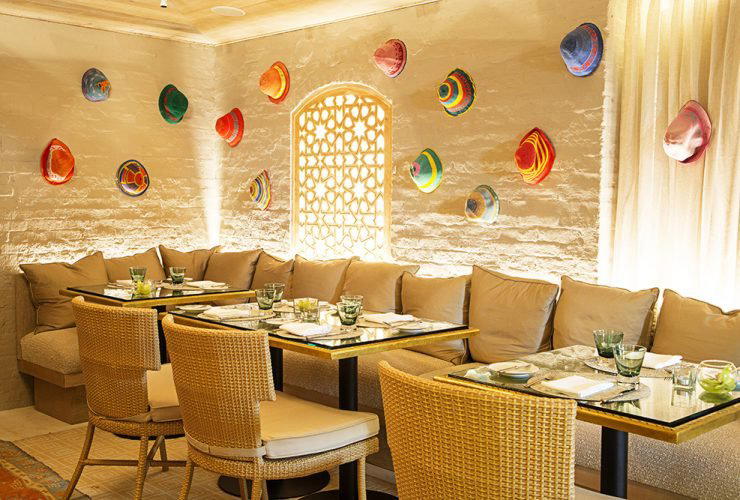
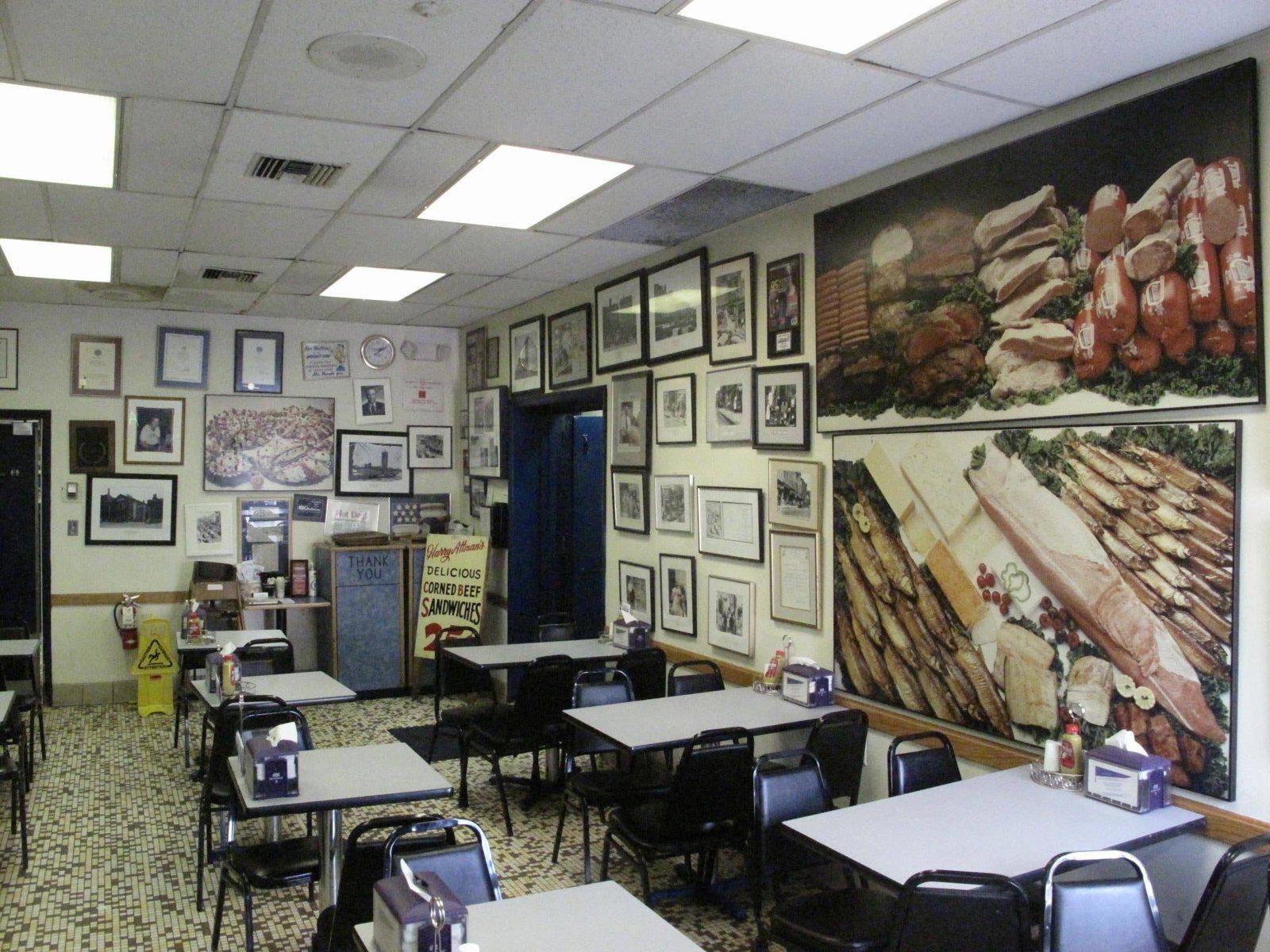
The physical setting on York Road is a strip-mall address, which in this part of Maryland is simply the format that independent restaurants occupy. The surrounding context, parking-forward, low-signage, tucked between other retail, means the restaurant's reputation travels by word of mouth and repeat custom rather than foot traffic or passerby curiosity. That dynamic is common across serious regional Chinese restaurants in American suburbs: the room rarely announces itself, and the cooking does the work instead.
The Sichuan Tradition This Kitchen Works Within
To understand what a Sichuan restaurant is doing, it helps to know what the cuisine actually demands. Sichuan cooking is one of China's eight recognized culinary traditions, and it is the one most defined by contrast rather than harmony. The characteristic sensation is mala, the compound effect of ma (the numbing, almost citrusy tingle of Sichuan peppercorn) and la (the penetrating heat of dried chilies). Neither element works without the other; a dish heavy on chili but light on peppercorn is simply spicy. The mala combination creates a physiological response that is genuinely different from other spice traditions, and cooking to that standard requires sourcing the right peppercorn and using it correctly, lightly toasted, not burned, added at the right stage.
Beyond mala, authentic Sichuan technique involves a repertoire of flavor profiles that Chinese culinary taxonomy names precisely: yuxiang (fish-fragrant, a sweet-sour-spicy combination with no actual fish), huajiao (flower pepper, pure peppercorn-forward), guaiwei (strange flavor, a seven-element balance). Restaurants working in this tradition are navigating a complex flavor system, not just turning up the heat dial. That technical depth is what separates serious Sichuan kitchens from generic Chinese-American establishments, and it is the standard against which a place like Szechuan House should be read.
Drinks in the Sichuan Context
The cocktail conversation around Sichuan cuisine has become genuinely interesting in the last decade, as bartenders at destination bars across the United States have begun treating Sichuan peppercorn as a serious cocktail ingredient rather than a novelty. At places like Kumiko in Chicago and Bar Leather Apron in Honolulu, the approach to building drinks around assertive, numbing flavors has become part of a broader technical conversation about how cocktails can work alongside high-impact food. The same logic applies at Allegory in Washington, D.C., where herbaceous and spice-forward builds are constructed to hold their own against food with strong flavor profiles. Cold Tsingtao and other lager-style beers are the traditional pairing for a reason: carbonation and low bitterness cut through numbing peppercorn without competing with it. Chinese baijiu, the grain spirit that is the default table drink across Sichuan, is the other traditional answer, its intensity is calibrated to match the food rather than contrast it. For those interested in how ambitious bartenders handle the pairing challenge at a higher technical level, programs at Jewel of the South in New Orleans, Julep in Houston, and Superbueno in New York City each demonstrate how bartenders build around strong flavor anchors without letting the drink disappear. The principle translates even when the execution is simpler: at a Sichuan table, what you drink should survive the food, not surrender to it.
For those tracking how this conversation develops across different markets, ABV in San Francisco, Bitter and Twisted in Phoenix, Canon in Seattle, Bar Kaiju in Miami, and The Parlour in Frankfurt each represent how seriously the broader bar world has taken the challenge of pairing technique with high-intensity cuisines.
Szechuan House in the Baltimore County Context
Baltimore County's Chinese restaurant scene has historically clustered around Cantonese and Americanized formats, with the more specific regional Chinese cooking concentrated in areas with larger immigrant communities, notably around Rockville and the greater D.C. corridor to the south. That self-selection tends to produce a more engaged regular clientele: people who know what they are ordering and return for specific dishes rather than general Chinese-food occasions.enprimeurclub. The strip-mall format means parking is direct. Current hours, pricing, and booking arrangements are best confirmed directly with the restaurant before visiting, as this information was not available at time of publication.
Fast Comparison
| Venue | Cuisine | Price | Awards |
|---|---|---|---|
| Szechuan HouseThis venue (the venue you are viewing) | Not listed | $10–20 | Not listed |
| Julep | Not listed | Not listed | World's 50 Best |
| Kumiko | Not listed | Not listed | World's 50 Best |
| ABV | Cocktail Bar | $20–30 | World's 50 Best #39 · Eater Cocktail Bar Guide |
| Bisous | Not listed | $20–30 | World's 50 Best #30 · James Beard Award Semi Finalist |
| Canon | Not listed | Not listed | World's 50 Best |
Continue exploring
More in Timonium
Bars in Timonium
All bars in Timonium →
Restaurants in Timonium
All restaurants in Timonium →
Details
- Casual Hangout
- Group Outing
- Seated Bar
Current opening hours
- Monday
- 10:30 AM–9:30 PM
- Tuesday
- 10:30 AM–9:30 PM
- Wednesday
- 10:30 AM–9:30 PM
- Thursday
- 10:30 AM–9:30 PM
- Friday
- 10:30 AM–9:30 PM
- Saturday
- 10:30 AM–9:30 PM
- Sunday
- 10:30 AM–9:30 PM
Hours can change for holidays and private events. Hours as of .
Casual Chinese restaurant atmosphere with standard seating and complimentary hot tea.