Suya Joint
Suya Joint sits on Dudley Street in Roxbury, bringing West African grilling tradition into a Boston neighborhood that has long anchored the city's African and Caribbean communities. The format centers on suya, the spiced, skewered meat preparation ubiquitous across Nigeria and the broader Sahel region, served in a setting that reads as neighborhood fixture rather than destination restaurant. For Boston diners looking beyond the downtown dining corridor, it represents a direct line to a culinary tradition rarely given a dedicated platform in the city.
 Discover on Pearl
Pearl is the En Primeur Club membership app — saves, bookings, and concierge access live there. Same editors, same standards.
- Address
- 185 Dudley St, Boston, MA 02119
- Phone
- +1 857 351 3717
- Website
- suyajoint.com
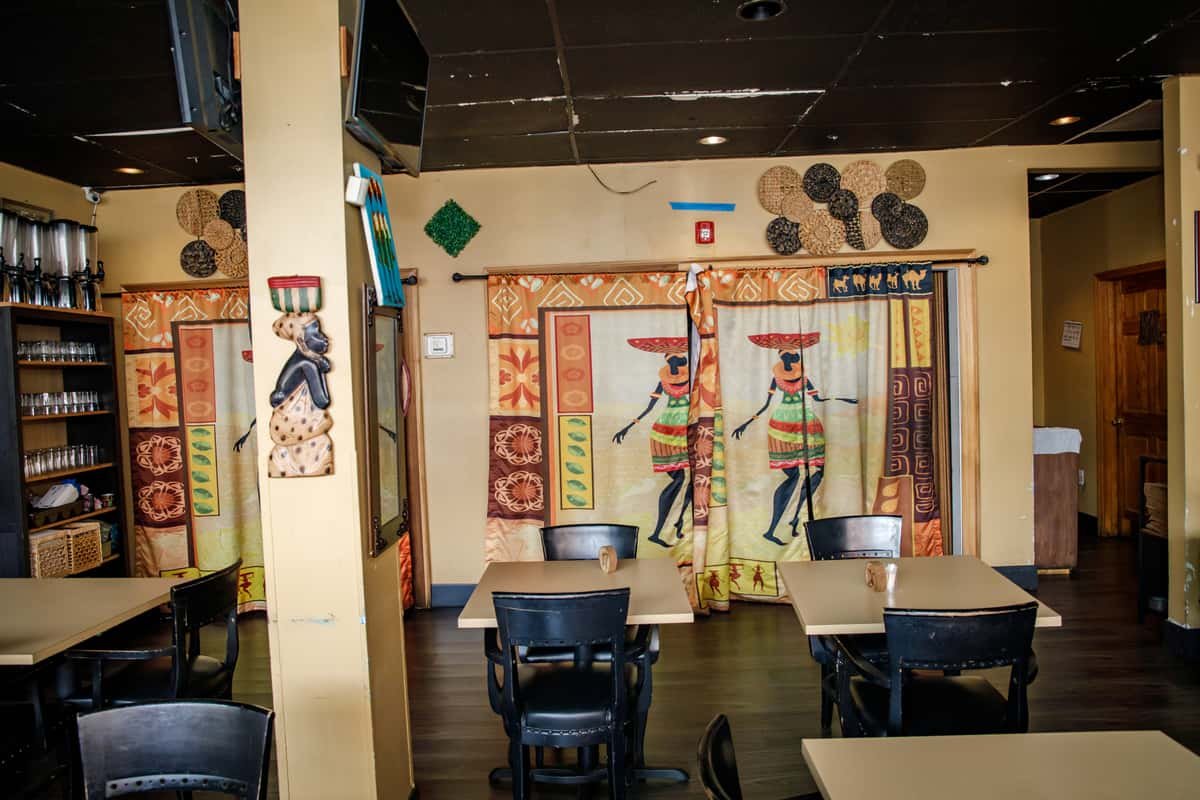
Roxbury and the West African Table
Boston's dining geography has always been uneven. The concentration of press attention and destination traffic flows predictably toward the South End, the Seaport, and downtown, leaving neighborhoods like Roxbury underrepresented despite housing some of the city's most rooted food. Suya Joint, at 185 Dudley Street, sits inside that gap. Dudley Street, now formally renamed Nubian Square, has served as the commercial and cultural center of Boston's Black community for decades, and the food that has emerged from that corridor reflects West African, Caribbean, and Cape Verdean influences that rarely surface in mainstream dining coverage.
Suya itself is not a recent invention dressed up for a contemporary audience. The preparation, a dry-spiced skewered meat cooked over open flame and built around a groundnut-based spice blend called yaji, has roots across northern Nigeria and travels through Hausa cooking traditions that predate any current restaurant trend by centuries. Where Nigerian barbecue has gained visibility in London and increasingly in New York, Boston's engagement with the format has been quieter and more community-facing. Suya Joint represents the kind of operation that exists primarily because a neighborhood needs it to exist, not because a demographic shift made it commercially viable for an outside operator.
The Shift Toward Neighborhood Anchors
American dining over the past decade has seen two parallel conversations: one about the rise of chef-driven fine dining and tasting menus, and another, less amplified, about the durability of neighborhood-specific, culturally specific spots that operate outside the approval economy of awards and press. The second category is harder to track because it rarely generates the data points editorial platforms use as shorthand for quality. What it generates instead is repeat clientele, community function, and a kind of institutional knowledge that sits with the people who eat there regularly rather than with critics who visit once.
Suya Joint fits that second category. The Dudley Street address places it in a part of Boston where the food is not primarily aimed at the tourist or the expense-account diner. That positioning suggests the price register, the format, and the expectation of the room before you arrive. Venues operating in that register in Boston, think of the contrast with something like the technically driven cocktail program at Equal Measure or the polish of Abe & Louie's, are playing a completely different game, and should be assessed on those terms.
Suya as a Format: What the Tradition Demands
Understanding what makes suya preparation demanding is useful context before visiting. The yaji spice blend is not a generic marinade; it typically combines ground roasted groundnuts with a layered mix of ginger, paprika, garlic, and additional aromatics that vary by region and cook. The spicing is applied to thinly sliced or skewered meat, most commonly beef, though chicken and offal versions are widespread, and the cook relies on direct flame to create the char and crust that defines the texture. The process tolerates no shortcut at the heat stage; underdone suya loses its defining quality, and the spice blend needs high heat to bloom properly. In street contexts across Lagos and Kano, suya is typically sold in the evening, from roadside grills, wrapped in newspaper with raw onion and fresh tomato as the standard accompaniment.
The Boston context necessarily adapts that format, but the core preparation logic remains the reference point. That continuity with a specific regional tradition places Suya Joint in a different conversation than, say, a generically pan-African menu or a fusion format that uses West African spicing as one element among many. The specificity is the point.
Where Suya Joint Sits in Boston's Wider Scene
Boston has developed genuine depth in certain dining categories over the past several years. The cocktail bar scene, for instance, has produced programs sophisticated enough to benchmark against national peers, Asta and Baleia both operate at a level of technical and conceptual ambition that holds up against venues like Kumiko in Chicago or Bar Leather Apron in Honolulu. Across American cities, spirit-forward programs such as Jewel of the South in New Orleans, Julep in Houston, Superbueno in New York City, ABV in San Francisco, and The Parlour in Frankfurt represent the international tier that Boston's better cocktail venues are increasingly referenced alongside.
But the awards-tracked, cocktail-bar side of the city's scene tells only a partial story. The neighborhoods north and south of downtown carry food traditions that the recognition economy largely ignores. Suya Joint is one data point in that larger, underreported picture. For readers building a fuller understanding of what Boston actually eats, Roxbury and the Dudley Street corridor belong in the itinerary alongside the South End and the Seaport.
Planning Your Visit
185 Dudley Street is accessible from downtown Boston by the MBTA Silver Line, which runs directly through Nubian Square, making the neighborhood direct to reach without a car. The venue's hours and walk-in-friendly policy make planning straightforward. The surrounding Nubian Square area has additional food and retail options if timing proves difficult, and the neighborhood repays broader exploration. Visitors expecting the physical environment and service register of a downtown Boston restaurant should recalibrate; the value here is in the food itself and in the specificity of the tradition it carries.
Cuisine-First Comparison
Comparable venues nearby, for context on price, style, and recognition.
| Venue | Cuisine | Price | Awards | Notes |
|---|---|---|---|---|
| Suya JointThis venue — the venue you are viewing | lounge | $$ | , | |
| Buttermilk & Bourbon - Back Bay | cocktail_bar | $$ | , | Back Bay |
| Trillium - Fort Point | beer_bar | $$ | , | Fort Point |
| Shore Leave | tiki_bar | $$ | , | South End |
| Shōjō Boston | cocktail_bar | $$ | , | Chinatown |
| Vee Vee | beer_bar | $$ | , | Pondside |


At a Glance
- Lively
- Energetic
- Group Outing
- Casual Hangout
- Standalone
- Communal Tables
- Punch
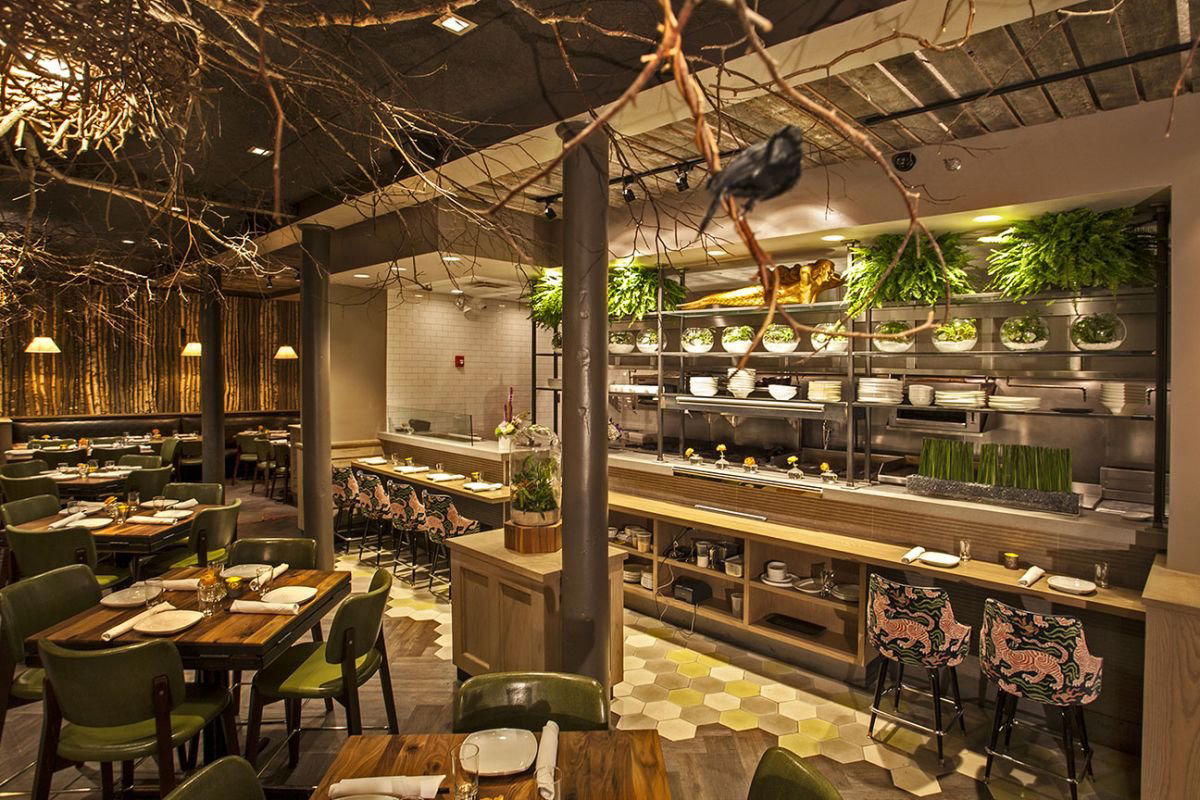
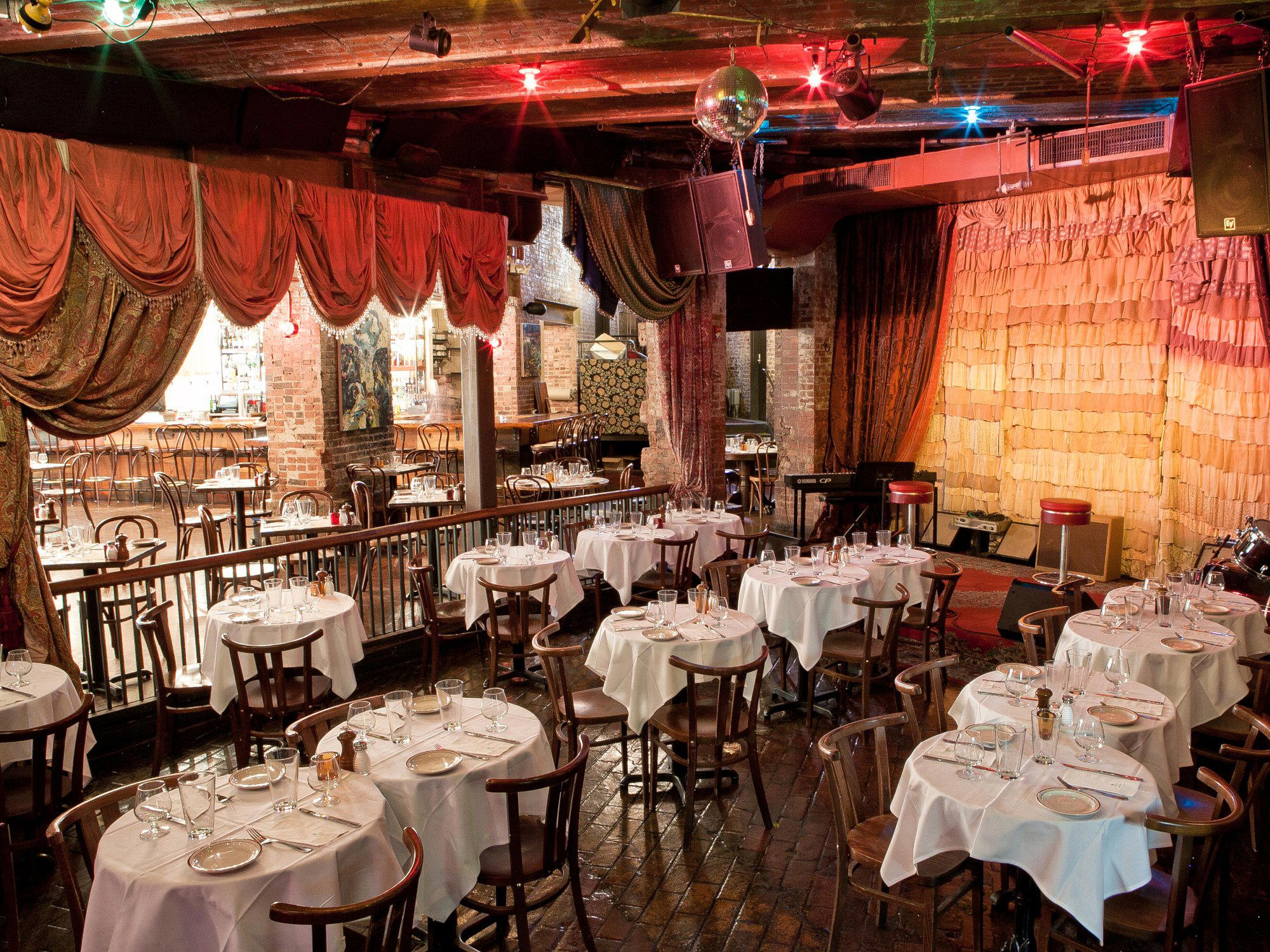
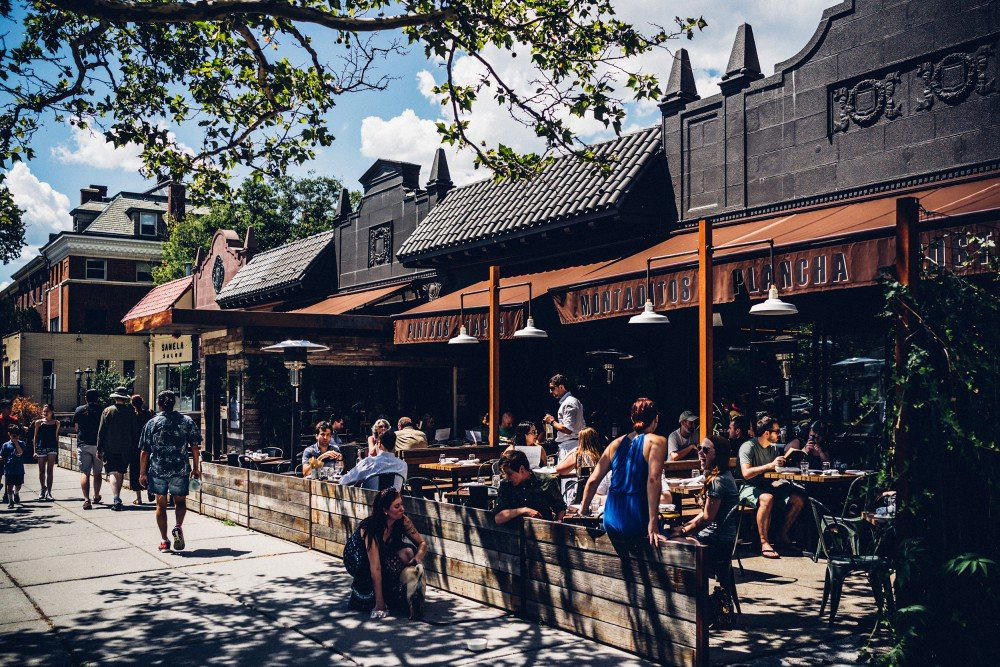
Buzzing with radiance, bright orange walls, and vibrant music creating a lively and welcoming atmosphere.[3]