Skin Contact
Skin Contact occupies a narrow slot on Orchard Street in Manhattan's Lower East Side, where the natural and orange wine movement found one of its earliest New York footholds. The bar's low-lit, close-quarters format is calibrated for conversation over the glass rather than spectacle — a format that has helped define the neighbourhood's post-craft-cocktail drinking culture.

Pearl is the En Primeur Club membership app — saves, bookings, and concierge access live there. Same editors, same standards.
- Address
- 76 Orchard St, New York, NY 10002
- Phone
- (212) 933-9398
- Hours
- Mon–Fri 5 PM–12 AMSat–Sun 3 PM–12 AM
- Website
- skincontact.nyc
- Directions
- Get directions
- Booking
- Book on OpenTable
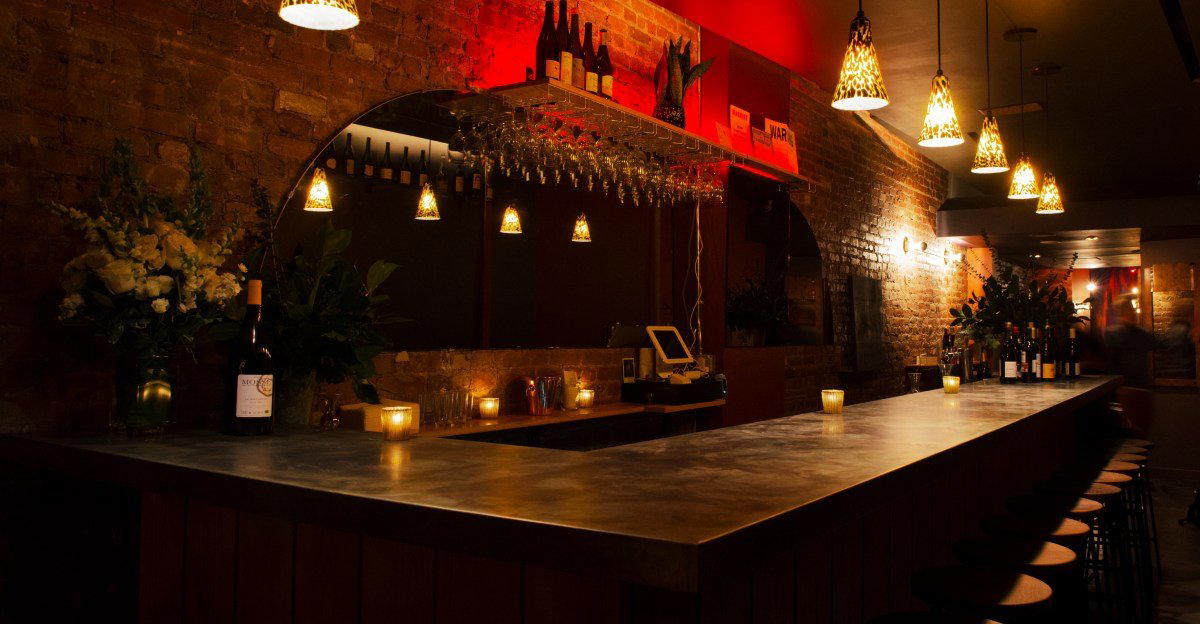
The Lower East Side and the Wine Bar That Helped Define a Shift
The natural wine bar as a format arrived in New York gradually, then all at once. Through the early 2010s, a small number of operators on the Lower East Side began treating wine as the cocktail crowd had treated spirits: with obsessive sourcing specificity, narrow lists, and a deliberate rejection of the approachable-for-everyone model. Skin Contact, at 76 Orchard Street, emerged inside that movement as one of the neighbourhood's cleaner expressions of it. The name itself signals the editorial position: skin-contact, or orange, wine occupies a polarising space in contemporary wine culture, and a bar that puts it in the title is not hedging toward the middle market.
The Lower East Side has long functioned as the laboratory end of New York's drinking scene. While Midtown and the West Village attract the more polished, high-ticket operations, Orchard Street and its adjacent blocks have repeatedly incubated formats that later spread uptown. The shift from ironic dive bars to serious small-production wine programs happened here before it registered elsewhere in the city.
What the Room Actually Feels Like
Physical format at Skin Contact is a deliberate constraint. The space on Orchard Street is narrow, with the kind of compressed footprint that forces a particular social dynamic: you are close to the people next to you, you can hear what the person behind the bar is recommending, and there is no ambient spectacle to retreat into. This is not the high-ceiling, exposed-brick bar designed to photograph well. The lighting runs dim and warm, the kind of level that makes the wine in the glass glow amber when held up but doesn't perform for an audience.
That physical compression is, in a specific sense, the product. The bar-forward, low-capacity format that has defined serious drinking rooms in New York — from Attaboy NYC on Eldridge Street to Angel's Share in the East Village — operates on the premise that scarcity and intimacy produce better encounters with the drink. Skin Contact applies that logic to wine rather than cocktails. The result is a room where the conversation about what's in the glass is not optional background noise but the actual structure of the visit.
Compared to the louder, more theatrical end of the Lower East Side's bar scene, the atmosphere here sits closer to a specialist wine shop where you happen to be allowed to drink on the premises. That framing is not a criticism. It describes a distinct format with a distinct audience, one that has proven sustainable on a street where formats cycle through quickly. In the same way that Superbueno built its identity around a very specific point of view on Latin spirits, Skin Contact holds its lane on oxidative, low-intervention, and skin-contact wines without softening the premise for broader appeal.
The Wine Program as Editorial Argument
Orange wine remains one of the more contested categories in contemporary wine culture. The argument against it, that the extended skin maceration produces wines that are too tannic, too cloudy, and too variable to sit alongside conventional whites in a serious list, has real weight. The argument for it, and the one that the bar's name stakes out, is that those same qualities produce textural and aromatic complexity unavailable in conventionally made whites. A bar built around that argument is not trying to convert skeptics. It is a specialist venue for people already curious or already convinced.
The small, wine-focused rooms that have emerged in Chicago, San Francisco, and beyond share the same structural logic: low capacity, high sourcing specificity, a list that changes frequently as allocations arrive and run out. Kumiko in Chicago operates with comparable list discipline on the cocktail side, as does ABV in San Francisco on a broader drinks program. The common thread is curatorial seriousness expressed through a small, deliberately edited selection rather than a comprehensive offering.
The natural wine movement's New York cohort has also benefited from sustained producer relationships with European importers, particularly those working with Georgian, Slovenian, French Jura, and Italian orange wine producers whose allocations to the US market remain small. A bar on Orchard Street that has built those relationships over years occupies a different sourcing position than a restaurant that adds a couple of orange wines to a conventional list as a gesture toward trend. That sourcing depth is the infrastructure behind what appears in the glass.
Where It Sits in the New York Drinking Map
For visitors building a serious Lower East Side drinking evening, Skin Contact fits a specific slot: post-dinner, unhurried, and leading approached with a willingness to take a recommendation rather than arrive with a fixed order. The format rewards that kind of openness. The compressed space means the person behind the bar is present in the conversation in a way that larger rooms don't produce. That dynamic is consistent with what the broader serious bar culture in New York has learned from the cocktail era: that the leading small rooms function as much through the knowledge exchange across the bar as through the liquid itself.
For context on how this fits into the wider city, see our full New York City restaurants and bars guide. Those looking to extend the evening into cocktail territory have options close by, including Attaboy NYC on Eldridge Street. Internationally, the small-format specialist wine bar model has parallels in venues like The Parlour in Frankfurt on the Main, which applies similar curatorial logic to a European context, and the deliberate, knowledge-led service model that characterises Bar Leather Apron in Honolulu and Jewel of the South in New Orleans. The format travels, even if the specific list does not. Julep in Houston and Allegory in Washington, D.C. round out the picture of how American specialist bars, each with a distinct product focus, have converged on the same service philosophy.
Skin Contact is at 76 Orchard Street, Lower East Side, Manhattan. Booking details and current hours should be confirmed directly with the venue, as the format and capacity make walk-in availability variable by night and season.
Standing Among Peers
| Venue | Cuisine | Price | Awards |
|---|---|---|---|
| Skin ContactThis venue — the venue you are viewing | Not listed | $30–50 | Not listed |
| The Long Island Bar | Not listed | $30–50 | World's 50 Best #64 · Top 500 Bars Best Bars #367 |
| Dirty French | Not listed | Not listed | World's Best Steaks 50 Best #32 · Star Wine List |
| Superbueno | Not listed | $30–50 | World's 50 Best #9 · Top 500 Bars Best Bars #35 |
| Amor y Amargo | Not listed | $20–30 | World's 50 Best #23 |
| Angel's Share | Wine Bar | $20–30 | World's 50 Best #31 · Top 500 Bars Best Bars #200 |
Continue exploring
More in New York City
Bars in New York City
Browse all →

Restaurants in New York City
Browse all →
Hotels in New York City
Browse all →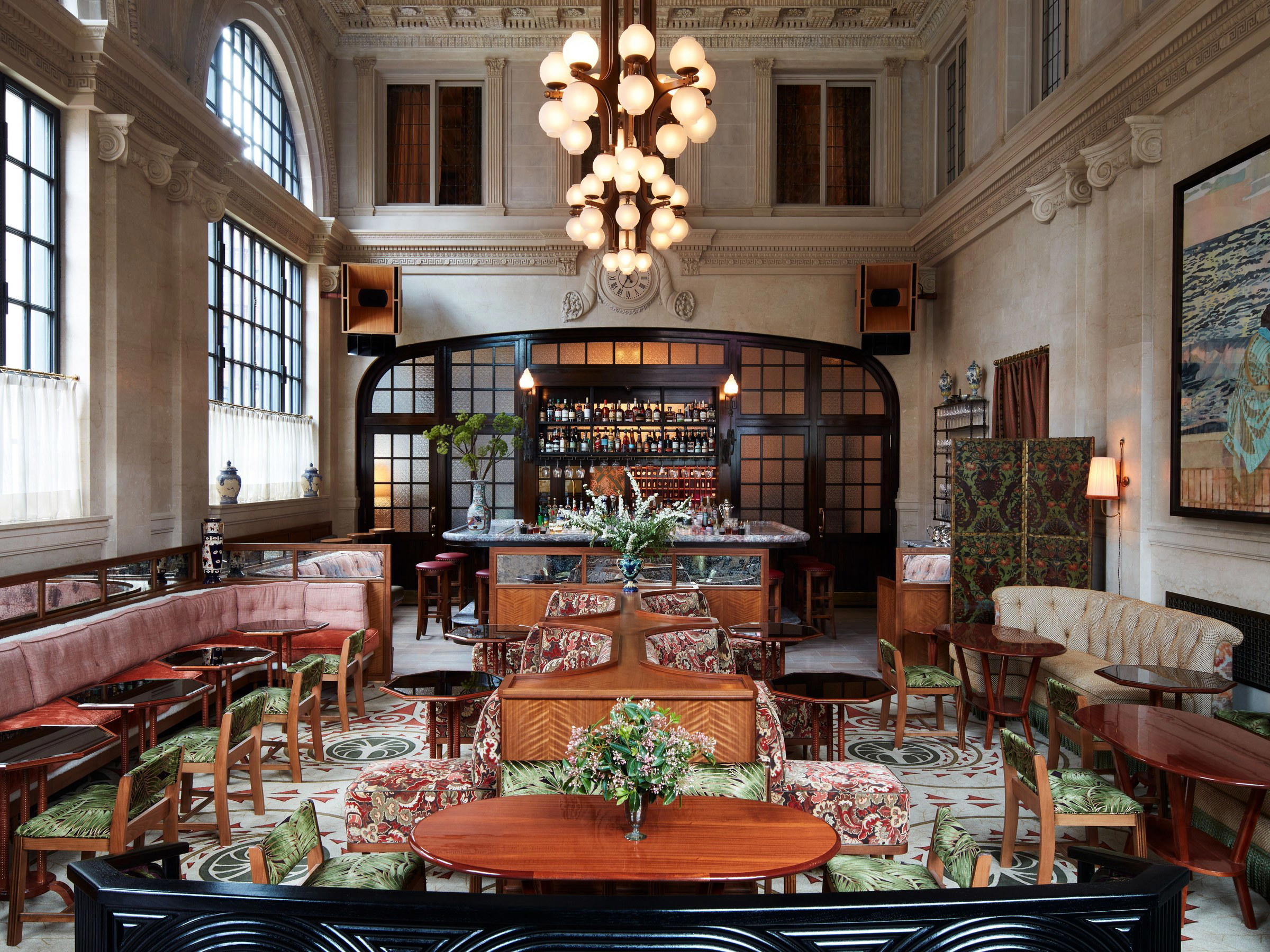






Skin Contact
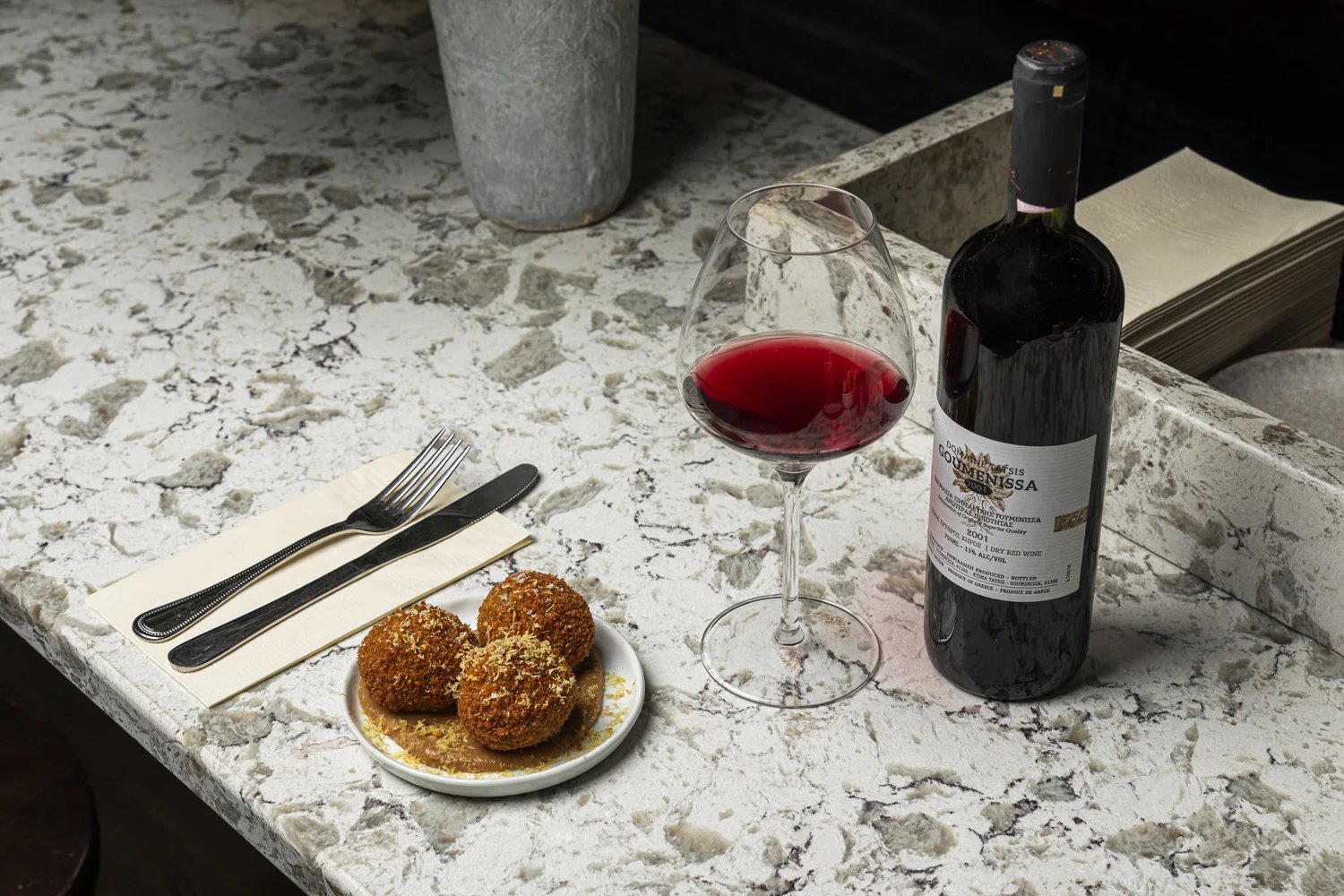
The wine
- Wine program
- Curated wine list
- Natural wine
Details
- Intimate
- Trendy
- Cozy
- Date Night
- Casual Hangout
- Standalone
- Seated Bar
- Natural Wine
Current opening hours
- Monday
- 5 PM–12 AM
- Tuesday
- 5 PM–12 AM
- Wednesday
- 5 PM–12 AM
- Thursday
- 5 PM–12 AM
- Friday
- 5 PM–12 AM
- Saturday
- 3 PM–12 AM
- Sunday
- 3 PM–12 AM
Hours can change for holidays and private events. Last verified .
Cozy with a relaxed Lower East Side vibe and moderate noise level.