Japan Village
Japan Village on Brooklyn's Third Avenue anchors a sprawling Japanese food hall format that has become a reference point for how Japanese culinary culture translates to New York's outer boroughs. From prepared foods and grocery to sit-down dining, the space operates as a cross between a depachika and a neighborhood market, making it one of Brooklyn's more considered entry points into Japanese food traditions.
Pearl is the En Primeur Club membership app — saves, bookings, and concierge access live there. Same editors, same standards.
- Address
- 934 3rd Ave, Brooklyn, NY 11232
- Phone
- +1 347 584 4578
- Website
- japanvillage.com
- Directions
- Get directions
 Saves & bookings on Pearl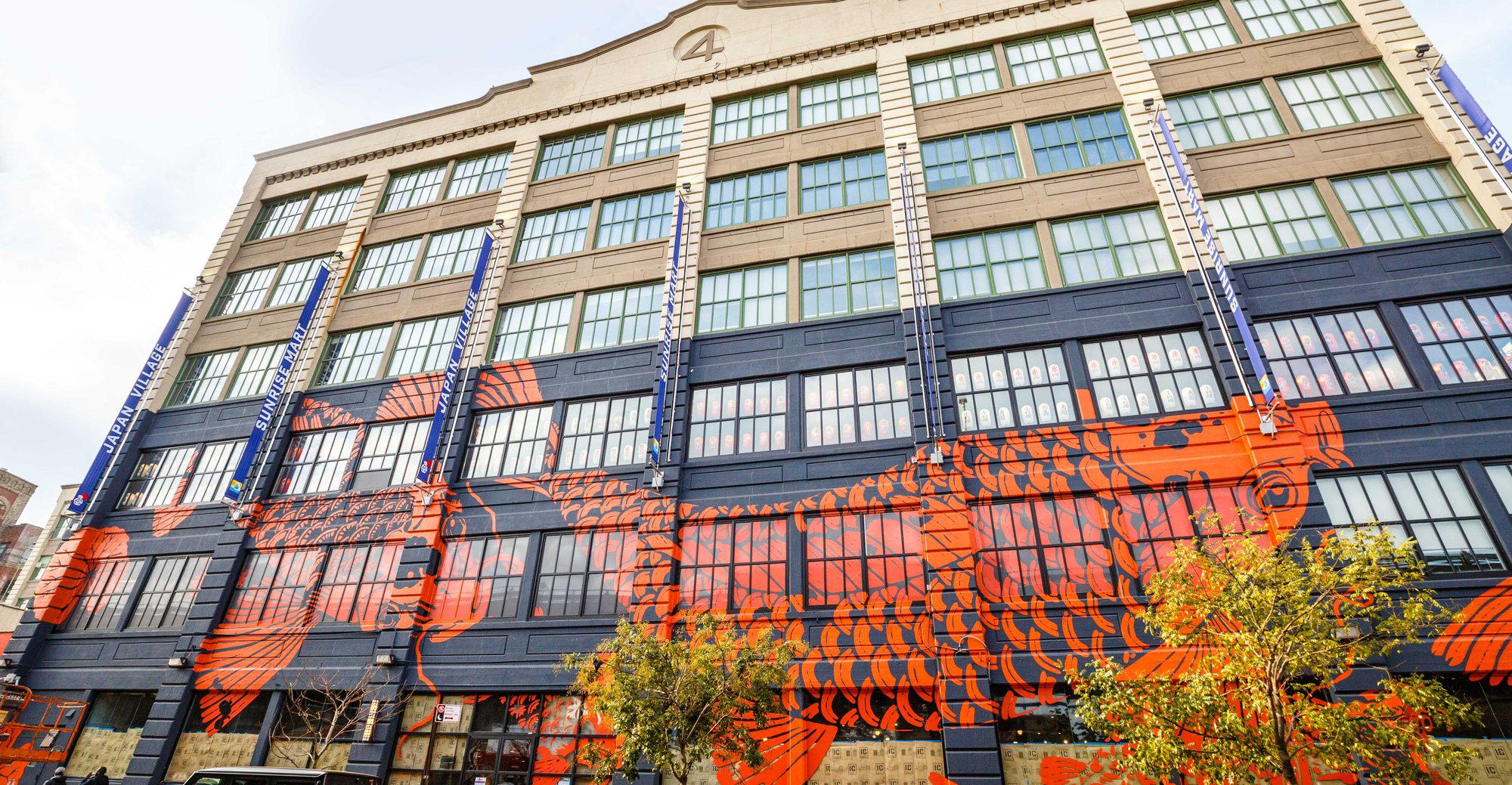
Where Brooklyn Meets the Japanese Food Hall Tradition
The depachika — the basement food hall found beneath major Japanese department stores — is one of the more disciplined retail formats in the world. Vendors are curated, not aggregated. The relationship between prepared food, packaged goods, and fresh produce follows a logic that treats food shopping as a complete cultural act rather than a series of transactions. Japan Village, at 934 Third Avenue in Brooklyn's Industry City complex, imports that format into a New York context with enough fidelity that it reads as a genuine structural translation rather than a theme park approximation.
The scale helps. The space is large enough to separate its functions clearly: grocery, prepared foods, sit-down dining, and specialty retail occupy distinct zones rather than bleeding into one another. That separation matters because it preserves the ritual character of the Japanese food hall, the sense that each zone has its own pace and its own etiquette, and that moving between them is part of the experience rather than incidental to it.
The Ritual of Eating Here
Japanese food culture places unusually high value on the choreography of eating: how food is presented, in what order it is consumed, and the relationship between the diner and the person preparing or serving. Even in a food hall setting, these rhythms tend to reassert themselves. Counter seating, where it exists, creates the same directional attention you find at an omakase counter, the cook is visible, the process is legible, and the interaction has a defined beginning and end.
At Japan Village, the prepared food stations reward deliberate browsing rather than a single-pass grab. The rhythm here is closer to a Japanese konbini or market than to an American food court: items are arranged with care, portions are considered, and the expectation is that the visitor will take time to look before deciding. For diners accustomed to the pacing of New York's faster food formats, that slight deceleration is the adjustment the space requires, and, for those willing to make it, the payoff in quality tends to follow.
This etiquette extends to the grocery side. Japanese food retail at this level typically involves a higher ratio of specialist and imported products than a general Asian grocery, with an emphasis on specific regional producers, particular grades of staple ingredients (different rice varieties, multiple grades of soy, seasonal pickles), and packaged goods that don't appear in mainstream supermarkets. Navigating that selection thoughtfully, rather than treating it as an undifferentiated wall of product, is part of what separates a visit to Japan Village from a routine grocery run.
The Industry City Context
Third Avenue in Sunset Park, where Industry City sits, has become a corridor for food-forward retail in Brooklyn. The larger complex houses a mix of maker spaces, design studios, and food vendors that has gradually attracted a consistent visitor base from across the borough and beyond. Japan Village benefits from that foot traffic while also drawing its own audience: Japanese expatriates, food-focused Brooklyn residents, and visitors who treat the space as a destination rather than a convenience stop.
That dual audience shapes the offer. A space that serves primarily a local expatriate community tends toward familiar staples and regional products from specific Japanese prefectures. A space angling toward food tourism tends toward broader, more accessible formats. Japan Village holds a middle position, the grocery is serious enough to satisfy specialist demand, while the prepared food and dining components are accessible enough for first-time visitors to find immediate footholds. That calibration is harder to achieve than it looks, and most food halls in New York don't manage it as cleanly.
For context on how New York's broader drinking and dining scene maps to similar questions of cultural translation and editorial rigor, see our full New York City restaurants guide. The city's bar scene raises analogous questions about authenticity and format discipline: Angel's Share in the East Village has long operated as a reference-point Japanese-influenced cocktail bar, while Attaboy NYC and Amor y Amargo represent New York's more technically rigorous cocktail formats, useful peer comparisons for understanding what disciplined curation looks like across categories.
Elsewhere in the US, venues like Kumiko in Chicago and Bar Leather Apron in Honolulu demonstrate how Japanese aesthetic principles, restraint, precision, studied informality, translate into the bar format. Jewel of the South in New Orleans, Julep in Houston, ABV in San Francisco, Allegory in Washington, D.C., Superbueno, and The Parlour in Frankfurt each illustrate, in their own category, what it means to run a format with genuine curatorial intent, the same quality that makes a food hall worth treating as a destination.
What to Know Before You Go
Industry City is accessible from the 36th Street stop on the D, N, and R subway lines in Sunset Park, Brooklyn. The walk from the station to the Third Avenue entrance is under ten minutes. Weekend afternoons draw the largest crowds, particularly for prepared food stations; a weekday visit provides more room to browse the grocery and specialty retail sections at pace.
| Venue | Format | Location | Booking Required |
|---|---|---|---|
| Japan Village | Food hall / grocery / dining | Industry City, Brooklyn | No (walk-in) |
| Angel's Share | Japanese-influenced cocktail bar | East Village, Manhattan | No (walk-in, may queue) |
| Dirty French | Sit-down restaurant | Lower East Side, Manhattan | Recommended |
| The Long Island Bar | Neighborhood bar and grill | Cobble Hill, Brooklyn | No (walk-in) |
Fast Comparison
| Venue | Cuisine |
|---|---|
| Japan VillageThis venue — the venue you are viewing | This venue |
| The Long Island Bar | World's 50 Best |
| Superbueno | World's 50 Best |
| Amor y Amargo | World's 50 Best |
| Angel's Share | World's 50 Best |
Continue exploring
More in New York City
Bars in New York City
Browse all →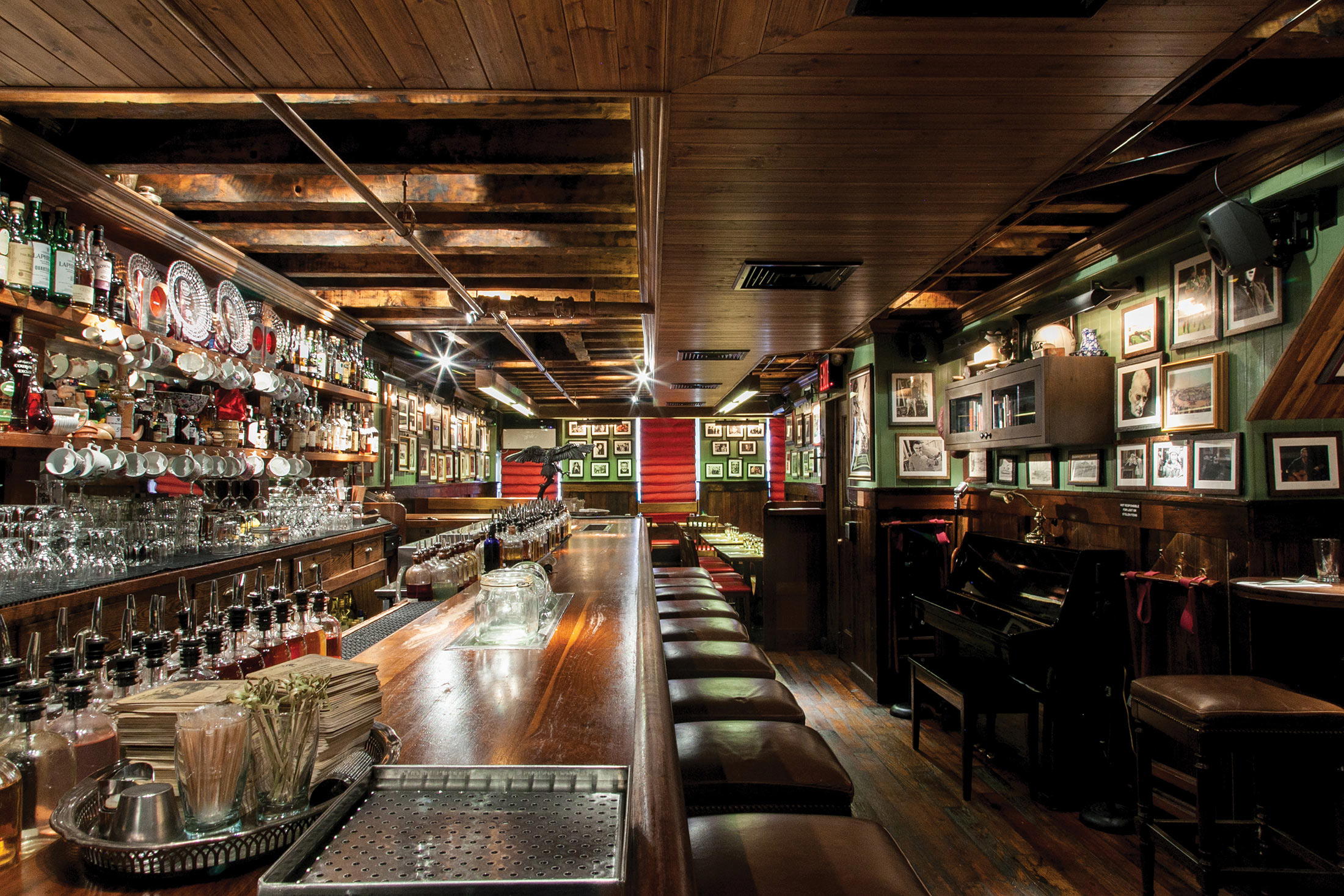
Restaurants in New York City
Browse all →
Hotels in New York City
Browse all →




At a Glance
- Lively
- Trendy
- Energetic
- Casual Hangout
- Group Outing
- Seated Bar
- Lounge Seating
- Sake
- Craft Cocktails
Energetic and harmonious blend of contemporary and traditional Japanese elements with lively karaoke sessions and cultural workshops.
Know Before You Go
- Getting there
- 934 3rd Ave, Brooklyn, NY 11232