SHOKUNIN
SHOKUNIN brings a Japanese-inflected bar and food program to Haven Avenue in Rancho Cucamonga, occupying a space where the drinks list and the kitchen work in deliberate conversation. The name itself, Japanese for artisan or craftsperson, signals an orientation toward technique over volume. For the Inland Empire, that positioning places it in a narrow tier of venues where precision at the bar extends to what arrives on the plate.

Pearl is the En Primeur Club membership app, where members save venues, book tables and use the concierge.
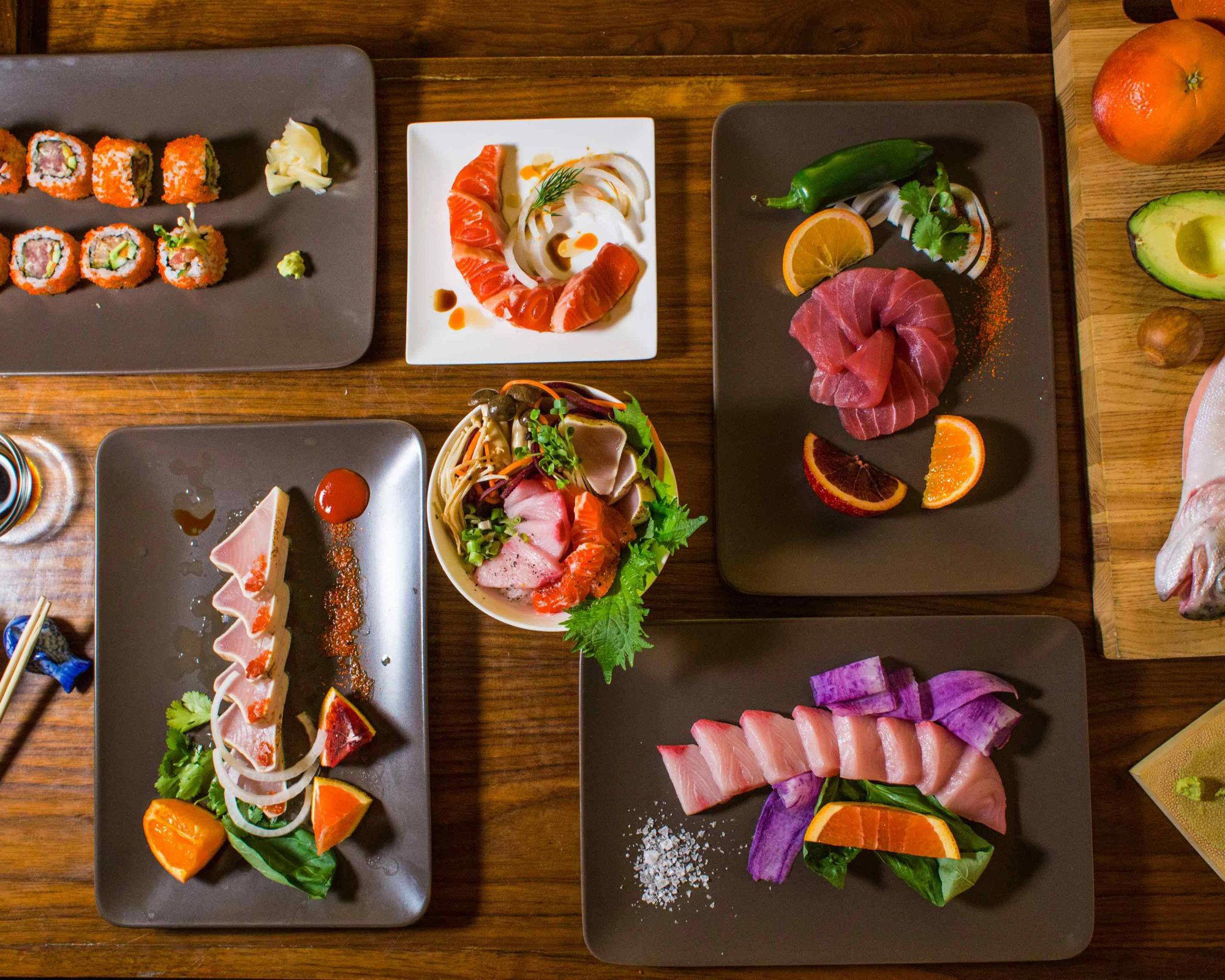
Craft on Haven Avenue: How SHOKUNIN Fits Into the Rancho Cucamonga Bar Scene
Haven Avenue in Rancho Cucamonga is not a bar district in the way that downtown Los Angeles or the Arts District reads to a first-time visitor. It is a mixed-use corridor where strip-mall addresses sit alongside newer retail formats, and where the occasional serious operator opens quietly without the neighborhood scaffolding that would make them immediately legible. SHOKUNIN, at 8443 Haven Ave, falls into that category: a venue whose name announces craft ambitions in a setting that does not announce much at all from the outside. That gap between exterior and interior register is, increasingly, a marker of Inland Empire venues worth paying attention to.
The word shokunin carries specific weight in Japanese culinary culture. It does not translate cleanly as chef or bartender, it describes a person whose entire orientation is toward the mastery of a single discipline, often over decades. Applying that framing to a bar program in Southern California's Inland Empire is a deliberate positioning move.
The Pairing Logic: When the Kitchen Answers the Bar
Across the broader craft cocktail movement in the United States, the venues that have sustained critical attention longest are rarely those with the most elaborate drinks lists in isolation. The programs that hold Kumiko in Chicago, Bar Leather Apron in Honolulu, Jewel of the South in New Orleans, tend to be those where the food program was designed alongside the drinks rather than retrofitted to them. The pairing logic matters: when both the kitchen and the bar share a flavor vocabulary, the experience of moving between a glass and a plate becomes coherent rather than coincidental.
SHOKUNIN's name implies exactly this kind of alignment. A Japanese-inflected aesthetic, if followed through, suggests umami-forward preparations at the kitchen, lower-intervention spirits or sake-adjacent builds at the bar, and a preference for restraint over accumulation. Whether that plays out in the specific format, small plates, counter service, full table service, is the kind of detail that only the room itself resolves. What the name establishes is an editorial intent: the bar food programme exists to extend and complement what is in the glass, not to fill space on a laminated card.
For comparison, venues elsewhere operating in this mode tend to segment their menus deliberately. ABV in San Francisco built a reputation on treating bar snacks with the same sourcing attention as the cocktail program. Superbueno in New York City uses a Latin-inflected bar-food pairing to anchor its drinks identity. Julep in Houston roots its southern spirits program in complementary kitchen output. The operational logic is the same across all of them: the kitchen provides anchor, the bar provides direction, and the menu as a whole becomes the argument.
Rancho Cucamonga's Drinking Scene: Where SHOKUNIN Sits
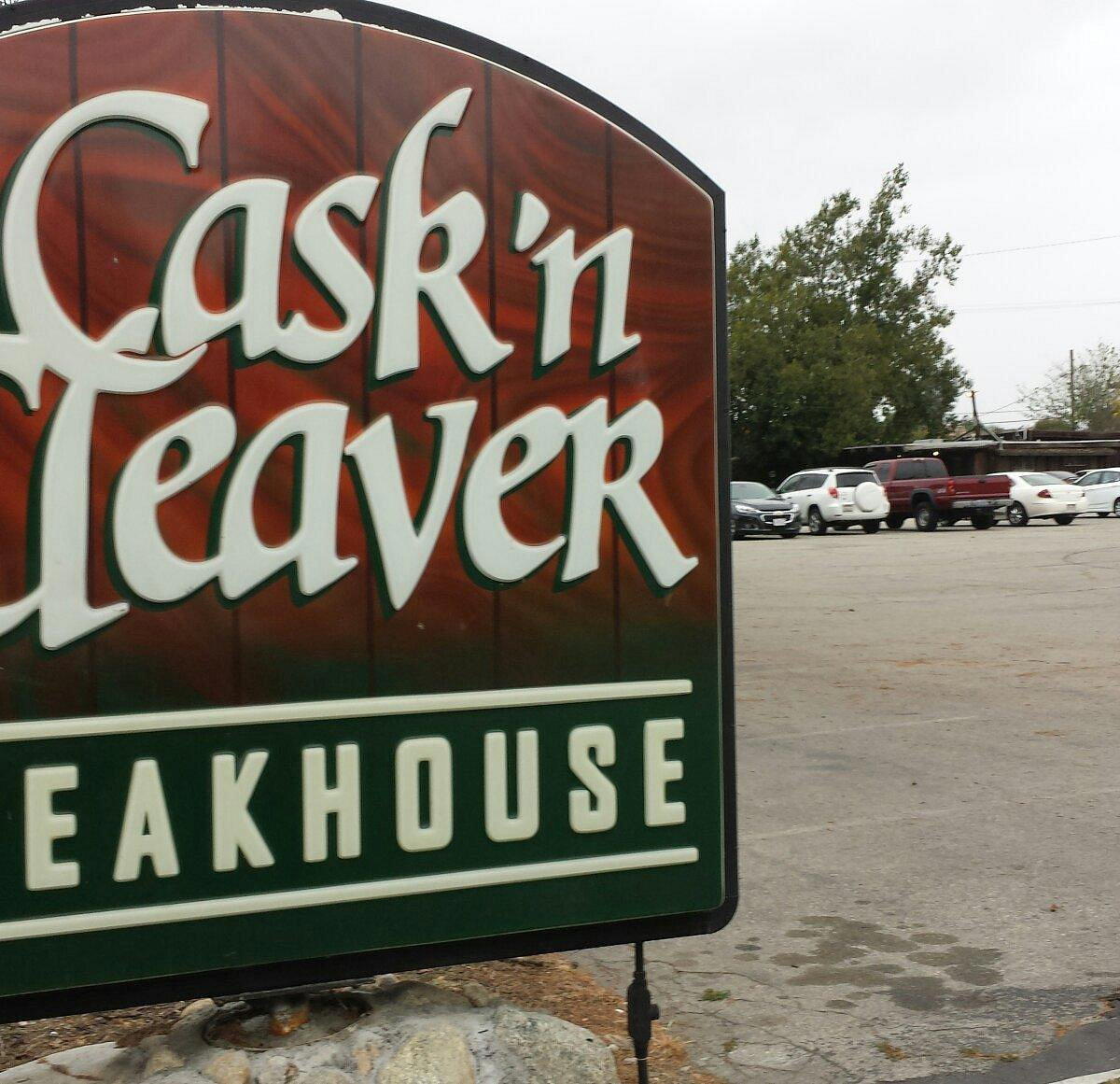
The Inland Empire has a more layered drinking culture than its reputation as a commuter suburb suggests. Joseph Filippi Winery and Vineyards represents a historical thread that goes back to the region's pre-Prohibition viticulture, Rancho Cucamonga had commercial vineyards before most of Napa. Hamilton Family Brewery anchors the craft beer tier. Cask 'n Cleaver and Durango Cocina and Rooftop cover the casual dining-with-drinks format that dominates the city's eating-out economy.
SHOKUNIN's positioning sits at an angle to all of them. It is not a brewery, not a winery-adjacent tasting room, and not a casual rooftop-drinks format. That is a strategic position: it signals to a specific audience rather than competing for the broadest possible foot traffic.
For visitors arriving from outside the area, the Haven Avenue address is accessible by the 10 or 15 freeways, placing it within reach of both the San Gabriel Valley and the broader San Bernardino County corridor. It is the kind of stop that rewards planning rather than impulse, a venue you drive to with a specific intention rather than stumble into. See our full Rancho Cucamonga restaurants guide for broader context on the city's eating and drinking options.
Seasonal Timing and the Case for a Deliberate Visit
Southern California's Inland Empire runs hotter and drier through summer than coastal Los Angeles, and that temperature differential shifts how bar programs read across the year. The period from late October through early March, when evening temperatures drop and the Santa Ana wind patterns settle, is when the enclosed, technique-led bar format reads most naturally. A counter-style drinks program with umami-forward kitchen pairings sits differently on a cold Tuesday evening in November than it does at peak summer. Operators in the craft cocktail space who understand this tend to adjust their menus seasonally, bringing warmer-spirit builds and richer kitchen preparations into winter rotations.
If SHOKUNIN's program follows that logic, and the name suggests an operator attentive enough to that kind of calibration, the autumn-to-winter window is when the pairing intent would be most legible. Internationally, this is the pattern: The Parlour in Frankfurt uses the city's colder months to run richer, spirit-forward menus that would feel out of register in July. The seasonal alignment between kitchen and bar is not incidental, it is how a coherent program demonstrates that it was designed rather than assembled.
Planning a Visit to SHOKUNIN
SHOKUNIN is located at 8443 Haven Ave, Suite 155, Rancho Cucamonga, CA 91730, a suite number that signals a multi-unit retail or dining complex rather than a standalone building, which is standard for the area's commercial development pattern. Given the venue's positioning and likely format, a reservation or at minimum a call ahead during peak weekend evenings would be the prudent approach for anyone arriving from a distance.
Comparable Options
| Venue | Cuisine | Price |
|---|---|---|
| SHOKUNINThis venue (the venue you are viewing) | This venue | $50–100 |
| Durango Cocina & Rooftop | Not listed | $50–100 |
| Cask 'n Cleaver | Not listed | $30–50 |
| Hamilton Family Brewery | Not listed | $20–30 |
| Rowdy's Brew Co. | Not listed | $20–30 |
Continue exploring
More in Rancho Cucamonga
Bars in Rancho Cucamonga
All bars in Rancho Cucamonga →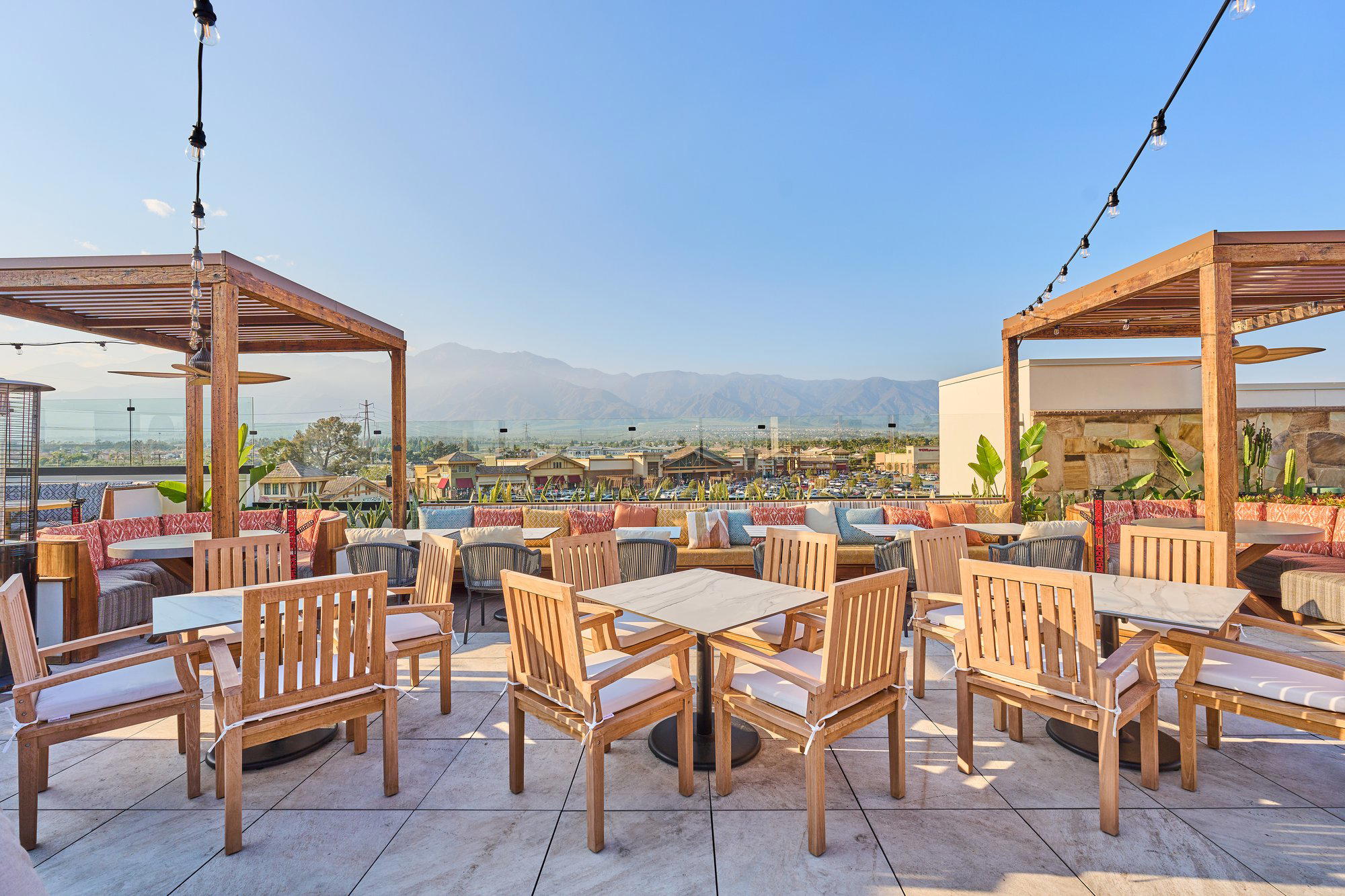
Restaurants in Rancho Cucamonga
All restaurants in Rancho Cucamonga →
Hotels in Rancho Cucamonga
All hotels in Rancho Cucamonga →
Wineries in Rancho Cucamonga
Browse all →
Details
- Modern
- Intimate
- Trendy
- Date Night
- Special Occasion
- Design Destination
- Seated Bar
- Counter Only
- Sake
Current opening hours
- Monday
- 11 AM–9 PM
- Tuesday
- 11 AM–9 PM
- Wednesday
- 11 AM–9 PM
- Thursday
- 11 AM–9 PM
- Friday
- 11 AM–9:30 PM
- Saturday
- 11 AM–9:30 PM
- Sunday
- 11 AM–9 PM
Hours can change for holidays and private events. Hours as of .
Moderate noise with friendly chef interaction in a small seating area