Glen Ivy Hot Springs
Glen Ivy Hot Springs in Temescal Valley occupies a different tier from day spas and resort wellness centers: a dedicated mineral spring complex whose grounds have drawn visitors from the greater Los Angeles and Inland Empire regions for decades. The design layers outdoor pools, clay baths, and shaded grotto spaces across a site that reads more like a landscape installation than a typical spa campus.

Pearl is the En Primeur Club membership app, where members save venues, book tables and use the concierge.
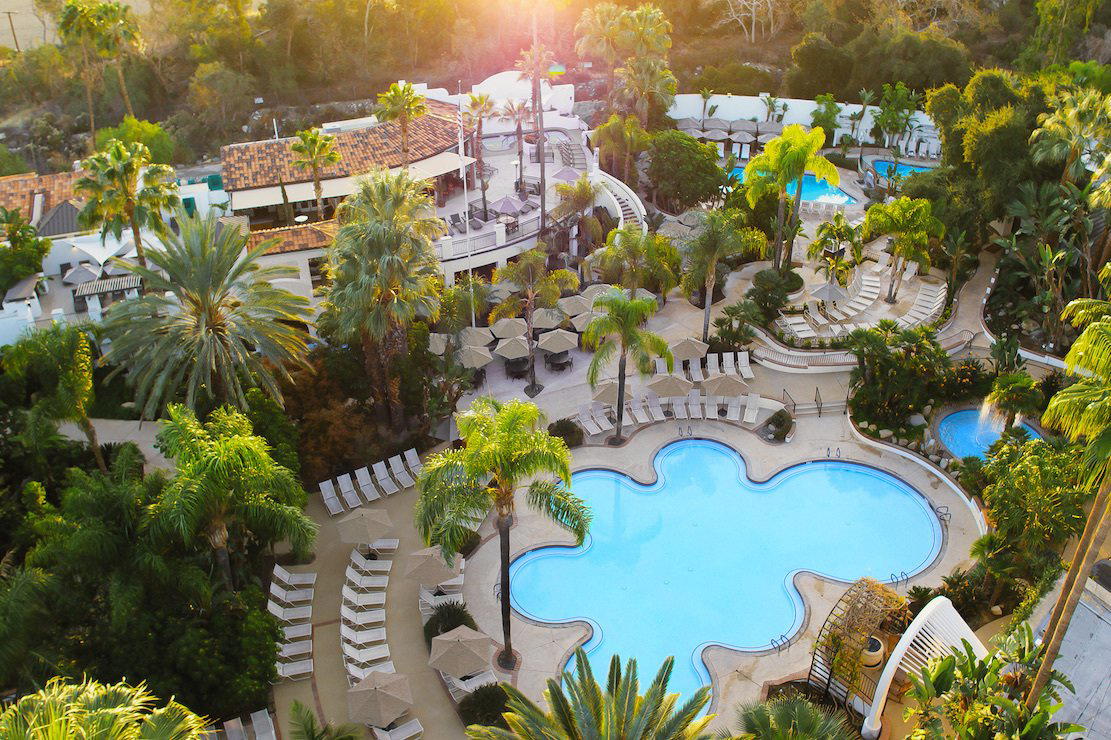
A Landscape Designed Around Heat and Mineral Water
Southern California's wellness infrastructure splits into two broad categories: the resort spa appended to a luxury hotel, and the dedicated thermal spring destination that exists entirely on its own terms. Glen Ivy Hot Springs belongs firmly to the second group. Located at 25000 Glen Ivy Rd in Temescal Valley, roughly an hour southeast of central Los Angeles and within reach of the broader Inland Empire, the property occupies a site where the organizing logic is the land itself: the springs, the mineral content of the water, the natural topography, and the California sun that makes open-air bathing viable for most of the year. Compare this with the wellness programming at properties like Canyon Ranch Tucson in Tucson or the destination spa formats found at Bernardus Lodge & Spa in Carmel Valley, and Glen Ivy reads as something architecturally and philosophically distinct: less curated resort amenity, more purposefully-built immersion in geothermal geology.
How the Grounds Work as a Physical Experience
The spatial grammar of Glen Ivy is sequential rather than centralized. Guests move between distinct zones, each with a different thermal profile, surface material, and sensory quality. The layout was developed over decades, the property's history as a public bathing destination stretches back well into the twentieth century, which means the grounds carry the layered quality of spaces that have been modified and refined through long use rather than conceived whole in a single design moment. That history distinguishes it from newer luxury wellness developments like Ambiente, A Landscape Hotel in Sedona or the resort-integrated spa experiences at Amangiri in Canyon Point, where the design language is resolved from opening day. At Glen Ivy, the accumulated additions create a different kind of depth.
The most-discussed zone is Club Mud, a dedicated red-clay bath area where guests apply mineral-rich clay to the skin and allow it to dry in open air before rinsing. This is not an amenity invented for Instagram, though it performs well there. Clay bathing traditions are documented across thermal spring cultures globally, from the volcanic mud baths of Vulcano in Sicily to the natural clay pools of the Azores. Glen Ivy's version is specifically Southern California in character: outdoor, communal, informal, with a looseness to the format that reflects the region's relationship with wellness as something accessible and social rather than hushed and private.
Placing Glen Ivy in the California Wellness Geography
California's thermal spring destinations cluster across distinct geographic bands. The northern clusters sit in Napa and Sonoma counties, often attached to wine-country hotel properties like Auberge du Soleil in Napa or the farm-integrated experience at SingleThread Farm Inn in Healdsburg. The central coast has its own mineral spring tradition. Glen Ivy anchors the Southern California end of this geography, serving a visitor base that includes day-trippers from Los Angeles, Orange County, and the Riverside area, but also guests who pair it with overnight stays at nearby properties.
For travelers coming from Los Angeles specifically, Glen Ivy occupies a different positioning from the city's hotel spa circuit. Properties like Hotel Bel-Air in Los Angeles deliver wellness as part of a broader luxury hotel experience; Glen Ivy delivers it as the entire point of the visit. That distinction shapes how the space is used and what kind of day it produces. There is no check-in desk to pass through on the way to another destination. The thermal circuit is the destination. For readers who want to compare across wildly different formats, properties like Little Palm Island Resort & Spa in Little Torch Key or Kona Village, A Rosewood Resort in Kailua Kona illustrate how deeply the format varies when wellness is embedded within resort architecture rather than standing alone.
The Architecture of a Day Visit
Glen Ivy operates as a day-use facility, which structures the experience differently from overnight wellness destinations such as Blackberry Farm in Walland or Post Ranch Inn in Big Sur. A full visit typically moves through several pool types at different temperatures, progresses through the clay zone, and incorporates any booked treatment services. The property is large enough that it does not feel congested even at moderate capacity, though weekend visits during peak Southern California weather draw larger crowds than weekday visits in shoulder months. Arriving mid-week in spring or early fall positions visitors for the quieter, more deliberate use of the space that the grounds reward. Those planning from further afield can use our full Temescal Valley restaurants guide to map dining options around the visit.
The physical reach of the property, with its multiple pool circuits and outdoor clay area, means that Glen Ivy functions as a full-day commitment rather than a two-hour add-on. That duration is part of its appeal: the experience scales with the time invested. Compare the logic with the curated, time-bounded wellness formats at properties like Four Seasons at The Surf Club in Surfside, where spa access exists alongside beach, pool, and dining programming. Glen Ivy's offer is narrower and more focused for it.
Planning Your Visit
Glen Ivy Hot Springs is located at 25000 Glen Ivy Rd, Temescal Valley, CA 92883. The property is accessible by car from Los Angeles in approximately one hour under normal freeway conditions; the Inland Empire makes it closer to a 30-to-45-minute drive for guests based in the Riverside-Corona corridor. Visitors planning a broader California wellness itinerary might consider pairing Glen Ivy with a night at a property further into the interior, such as Sage Lodge in Pray or, within California's own range, the dramatically different landscape-wellness format at Amangani in Jackson Hole for those extending the trip north. For guests approaching from the East Coast looking to contrast formats, the focused urban wellness positioning of Aman New York in New York City or the historic property energy at The Fifth Avenue Hotel in New York City and Raffles Boston in Boston illustrates how differently the category can operate when stripped of landscape and geothermal context.
| Venue | Cuisine | Price | Awards |
|---|---|---|---|
| Glen Ivy Hot SpringsThis venue (the venue you are viewing) | This venue | Not listed | Not listed |
| Aman New York | Michelin 3 Key, World's 50 Best | Not listed | 3 Michelin Keys · World's 50 Best #87 |
| Amangiri | Michelin 3 Key, World's 50 Best | $1,000–1,500 | 3 Michelin Keys · World's 50 Best #45 |
| Hotel Bel-Air | Michelin 3 Key, World's 50 Best | $750–1,000 | 3 Michelin Keys · World's 50 Best #57 |
| The Beverly Hills Hotel | Michelin 3 Key, World's 50 Best | Not listed | 3 Michelin Keys · World's 50 Best #65 |
| The Carlyle, A Rosewood Hotel | Michelin 2 Key, World's 50 Best | $1,500–2,500 | 2 Michelin Keys · World's 50 Best #64 |
Continue exploring
More in Temescal Valley
Hotels in Temescal Valley
All hotels in Temescal Valley →
Bars in Temescal Valley
Browse all →

Restaurants in Temescal Valley
All restaurants in Temescal Valley →

Wineries in Temescal Valley
Browse all →
Details
- Scenic
- Relaxed
- Well Known
- Wellness Retreat
- Weekend Escape
- Destination Spa
- Infinity Pool
- Pool
- Spa
- Mountain
- Garden
Current opening hours
- Monday
- 9:30 AM–5 PM
- Tuesday
- 9:30 AM–5 PM
- Wednesday
- 9:30 AM–5 PM
- Thursday
- 9:30 AM–5 PM
- Friday
- 9:30 AM–5 PM
- Saturday
- 9:30 AM–5 PM
- Sunday
- 9:30 AM–5 PM
Hours can change for holidays and private events. Hours as of .
Peaceful outdoor oasis with lush landscaping, mineral pools, and Mediterranean-style architecture creating tranquil nooks even on busy days.