Joseph Filippi Winery & Vineyards
One of the Inland Empire's longest-standing family wineries, Joseph Filippi Winery & Vineyards operates from a working estate on Base Line Road in Rancho Cucamonga, a corridor that once anchored California's pre-Prohibition wine country. The tasting room sits within a region that predates Napa's modern reputation, making it a reference point for anyone tracing California's deeper viticultural history. Rancho Cucamonga regulars treat it as a counterpoint to the area's newer craft beverage scene.
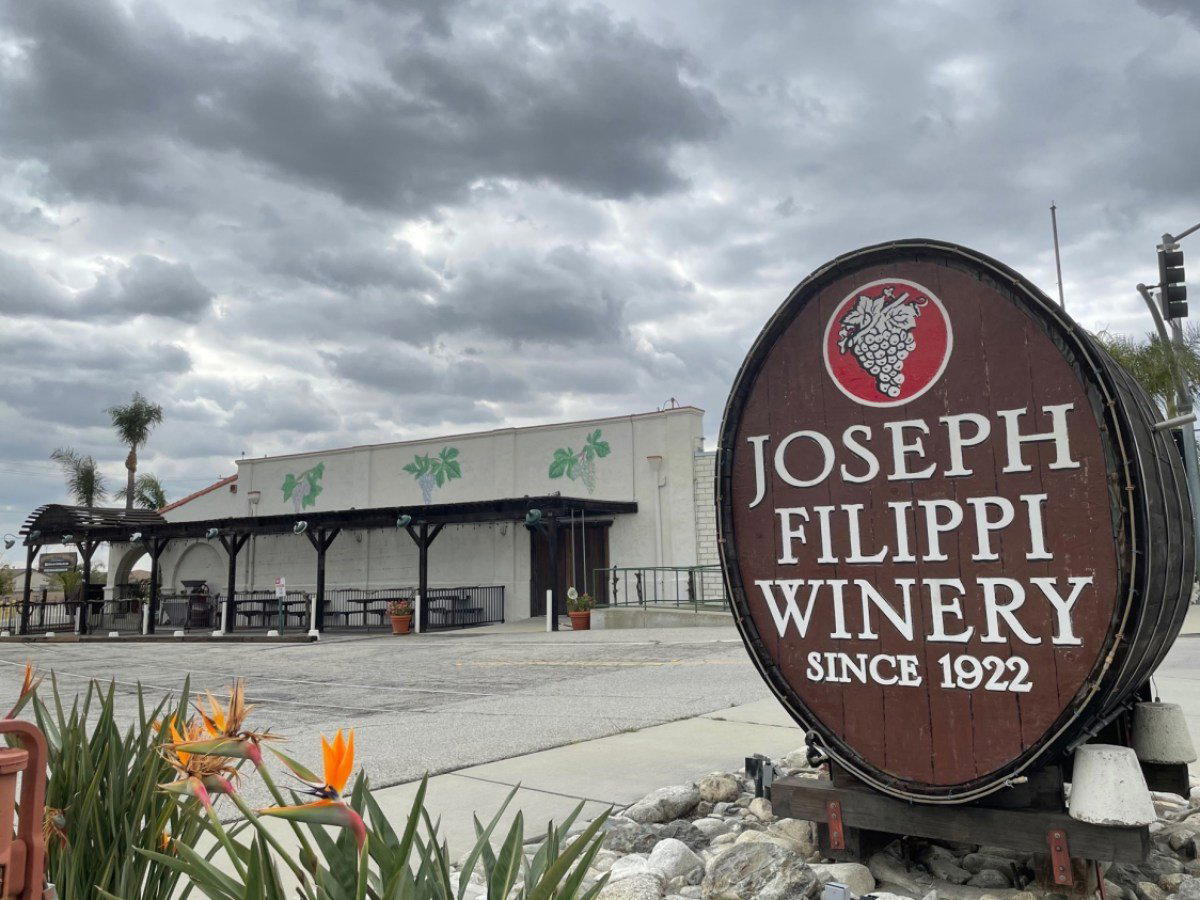
Wine Country Before Napa Got the Credit
Most visitors arriving at 12467 Base Line Road in Rancho Cucamonga are not expecting to encounter a piece of California's pre-Prohibition wine history. The Inland Empire is more commonly associated with suburban sprawl and freeway interchange than with grape-growing tradition, but that reading misses something significant. The foothill corridor running along the base of the San Gabriel Mountains was producing commercial wine before most of Napa Valley's current flagship estates existed. The Filippi family has been part of that continuity for generations, and the winery sits on land that carries the kind of agricultural weight that newer California wine regions have to fabricate through branding.
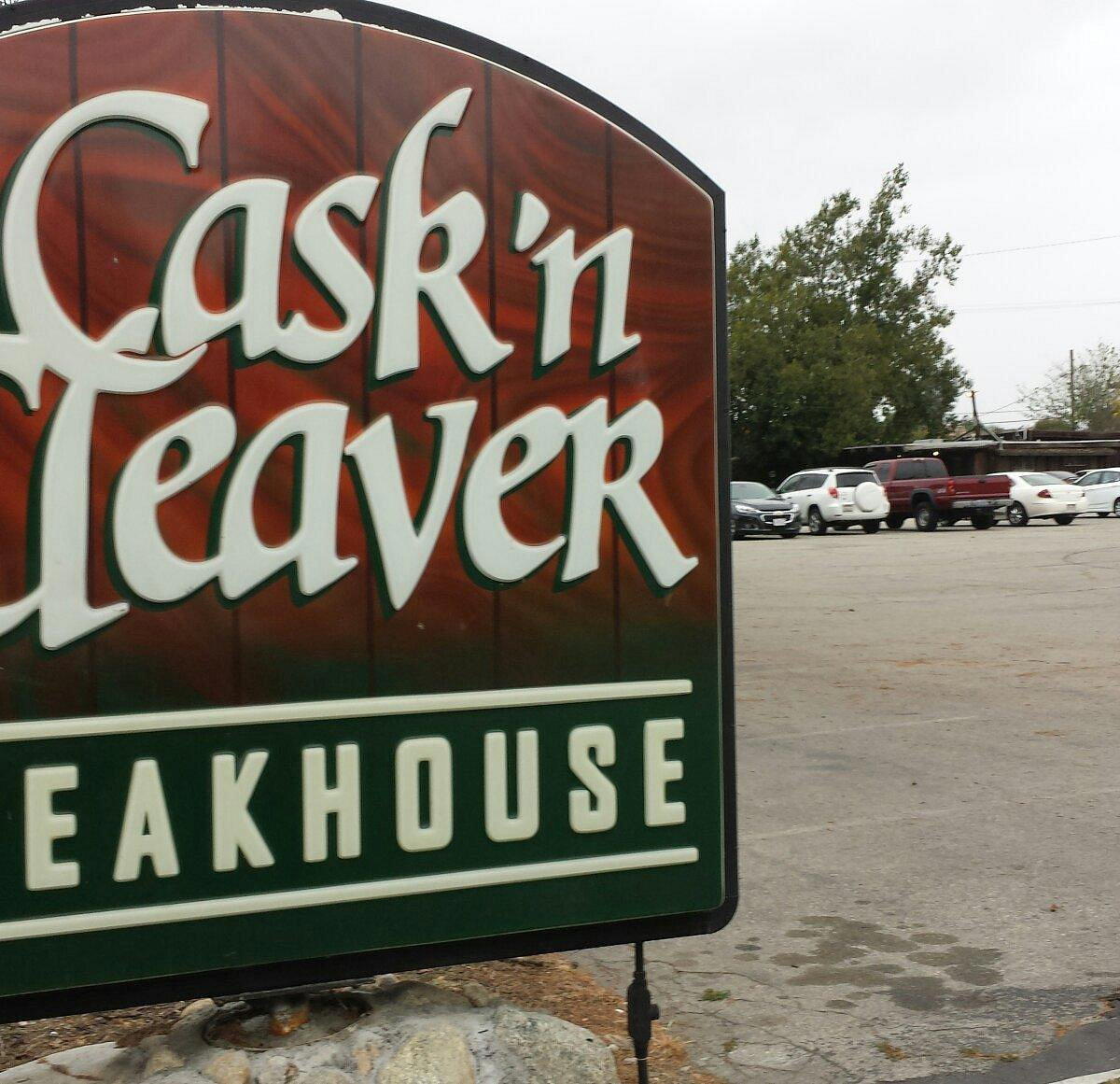
That history matters when you place Joseph Filippi Winery against the current Rancho Cucamonga beverage scene. The city now has a working craft beer infrastructure Hamilton Family Brewery and Rowdy's Brew Co. represent the newer, hop-forward tier, alongside cocktail-focused rooms like Durango Cocina & Rooftop and classic steakhouse bar culture at Cask 'n Cleaver. Joseph Filippi occupies a different position entirely: it is the oldest category in the room, predating all of it, and that age functions as its most distinct credential.
The Craft Behind the Pour
California's family winery model has bifurcated sharply over the past two decades. On one side sit the allocation-list Cabernet houses targeting collectors and national press. On the other, estate operations that prioritize volume, accessibility, and a tasting room culture rooted in community rather than competition placement. Joseph Filippi belongs to the second category, and that positioning shapes everything from the format of a visit to the register at which the wines pitch themselves.
The craft conversation in wine is often dominated by intervention-light winemaking and small-batch production signals. What distinguishes long-standing estate operations like this one is something different: continuity of place. The winery draws on vineyard land in a region where the water table, soil composition, and climate have been understood over decades rather than guessed at on a newly acquired parcel. That accumulated knowledge functions the way training lineage does at a serious cocktail bar. You are not paying for novelty; you are paying for a relationship between producer and terroir that takes time to develop.
For context, the craft philosophy that drives operations like Bar Leather Apron in Honolulu or Kumiko in Chicago, where depth of ingredient knowledge and careful sourcing are treated as foundational disciplines, applies just as readily to estate winemaking. The difference is that in a winery context, the ingredient is the land itself, and the craft is measured across vintages rather than cocktail menus.
Inland Empire Wine, in Context
California wine criticism has historically underweighted the Inland Empire. The narrative concentration on Napa, Sonoma, and more recently Paso Robles and the Santa Ynez Valley has left the San Bernardino County foothill region largely off the editorial map. This is partly a function of wine media's proximity bias toward coastal geography, and partly a reflection of the region's shift from agricultural to suburban land use over the second half of the twentieth century.
What remains is a smaller, more concentrated version of what once existed. The wineries that survived, and Joseph Filippi is among them, did so by maintaining a direct relationship with their local audience rather than chasing national distribution or critical scores. That model has trade-offs: the wines are less likely to appear on restaurant lists in Los Angeles and less likely to generate the kind of press coverage that drives destination visits from outside the region. But it also produces a tasting room culture that is less performative and more functional, oriented toward people who are buying wine to drink rather than to cellar or trade.
Among California craft beverage destinations that have built their reputations on a specific sense of place and community rootedness, the comparison set includes producers operating well outside the premium press circuit. The hospitality register more closely resembles the approachable, neighborhood-bar ethos of spots like ABV in San Francisco or Superbueno in New York City than it does the curated tasting experience format of a Napa allocation house. The common thread is that the person behind the counter is there to explain and share, not to position product.
Who This Visit is For
The tasting room model at a working family winery like Joseph Filippi is well suited to visitors who want to understand what the Inland Empire's wine history actually looks like, rather than what California wine marketing says it should look like. The address, 12467 Base Line Road, places it along the historic corridor that once defined the region's agricultural identity, and a visit reads differently when you arrive with that frame in mind.
For day-trip visitors from Los Angeles or the broader Inland Empire looking to build a full afternoon around craft beverage stops, Joseph Filippi works well as an anchor alongside Rancho Cucamonga's newer offerings. The fuller picture of the local scene is mapped in our full Rancho Cucamonga restaurants guide, which covers the range from casual brewery formats to the dining-room-and-bar combinations that have expanded the city's hospitality options in recent years.
The comparison to craft bars outside California is instructive. Places like Jewel of the South in New Orleans, Julep in Houston, or The Parlour in Frankfurt on the Main have all built their credibility on a deep knowledge of regional tradition translated into accessible hospitality. That is the operating principle here too, applied to a wine estate rather than a cocktail program.
Planning a Visit
Joseph Filippi Winery & Vineyards is located at 12467 Base Line Road in Rancho Cucamonga, California 91739. Visitors should check current hours and tasting formats directly before making the drive, as estate winery schedules vary seasonally and with private event bookings. The location is accessible from the 210 freeway and sits close enough to other Rancho Cucamonga craft beverage destinations to make a multi-stop afternoon practical.
A Lean Comparison
A quick peer reference to anchor this venue in its category.
| Venue | Price |
|---|---|
| Joseph Filippi Winery & VineyardsThis venue (the venue you are viewing) | Not listed |
| Durango Cocina & Rooftop | $50–100 |
| Cask 'n Cleaver | $30–50 |
| Hamilton Family Brewery | $20–30 |
| Rowdy's Brew Co. | $20–30 |
| SHOKUNIN | $50–100 |
Continue exploring
More in Rancho Cucamonga
Bars in Rancho Cucamonga
All bars in Rancho Cucamonga →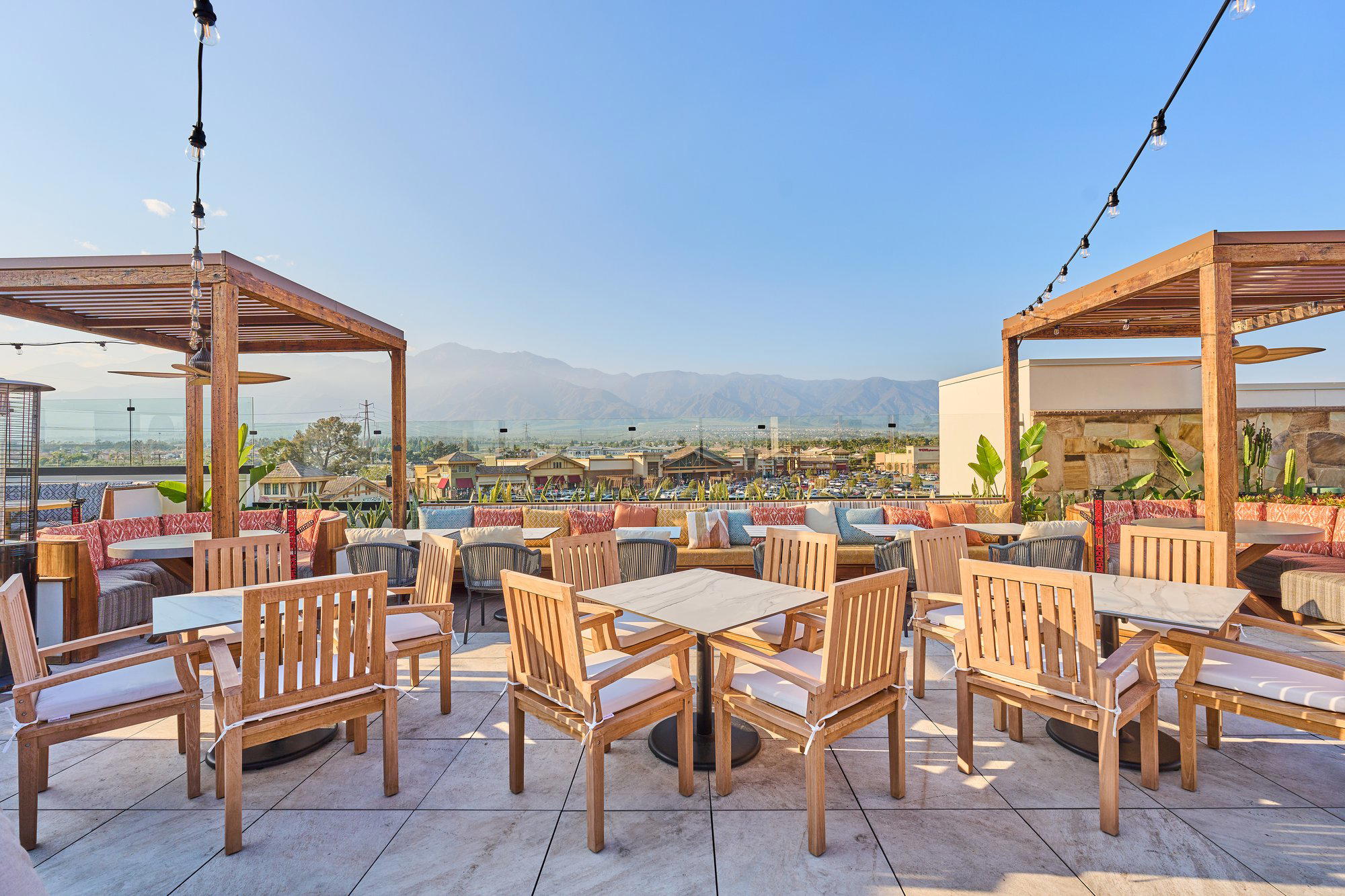
Restaurants in Rancho Cucamonga
All restaurants in Rancho Cucamonga →
Hotels in Rancho Cucamonga
All hotels in Rancho Cucamonga →
Wineries in Rancho Cucamonga
Browse all →
Details
- Rustic
- Classic
- Scenic
- Date Night
- Casual Hangout
- Special Occasion
- Historic Building
- Lounge Seating
- Outdoor Terrace
- Conventional Wine
- Vineyard
- Garden
Tranquil atmosphere with charming boutique-style setting and far-reaching vineyard views.