Sekai Omakase
Sekai Omakase sits on West Houston Street in SoHo, placing it at the intersection of downtown Manhattan's appetite for counter-format Japanese dining and a neighbourhood that has steadily absorbed some of the city's most considered restaurants. The omakase format here positions it within a competitive tier where the chef-to-guest ratio, not the room size, is the primary value proposition.
Pearl is the En Primeur Club membership app — saves, bookings, and concierge access live there. Same editors, same standards.
- Address
- 96 W Houston St, New York, NY 10012
- Phone
- +1 646 895 4341
- Website
- sekaiomakase.com
- Directions
- Get directions
 Saves & bookings on Pearl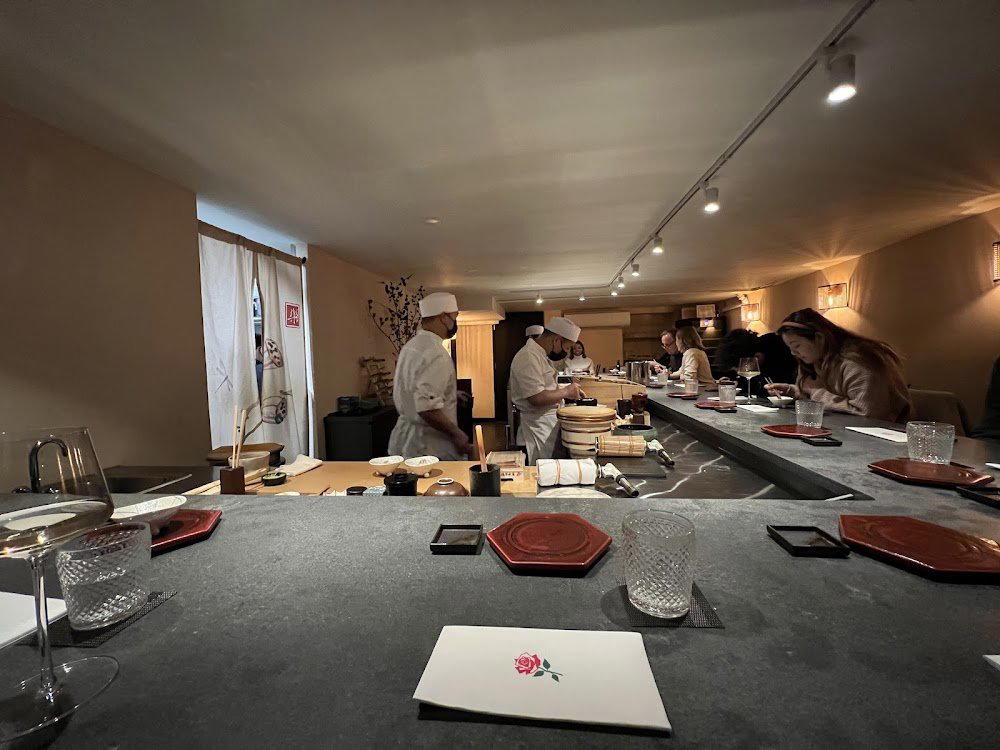
Counter Culture: What Omakase Means on the SoHo Side of Manhattan
The omakase format arrived in New York decades ago as a rarefied transplant, confined largely to Midtown expense-account corridors and a handful of east-side counters with Japanese-born chefs and clientele to match. What has shifted since is geography and expectation. Downtown Manhattan, SoHo in particular, has become a serious address for counter-format Japanese dining, where the neighbourhood's existing density of design-conscious, internationally-travelled residents has created demand for intimate, chef-driven formats that trade on precision over spectacle. Sekai Omakase, at 96 W Houston Street, lands squarely in that current.
West Houston is a transitional street in the leading sense: it marks the southern edge of the Village and the northern threshold of SoHo proper, which means it draws foot traffic from two neighbourhoods rather than one. Restaurants here do not rely on the deep tourist currents of Spring or Prince Streets. The audience is more local, more repeat, and in the case of counter-format dining, often more committed to the ritual of the meal itself.
The Architecture of an Omakase Evening
In Japanese dining tradition, omakase literally translates to "I leave it to you", a transfer of editorial control from the guest to the chef. What that produces in practice is a sequenced tasting format where the pacing, the temperature contrast, the fish selection, and the transition from lighter to richer courses are all decisions made at the counter rather than from a menu. The format rewards attentiveness in both directions: a skilled chef reads how quickly a guest is eating, what is generating visible engagement, and adjusts accordingly. A guest who understands the format arrives unhurried.
In New York's upper-tier omakase rooms, that evening typically unfolds across somewhere between ten and twenty courses, with the shari (seasoned sushi rice) maintained at body temperature and nigiri served individually rather than in sets. The visual register is deliberately spare: clean檜 (hinoki) wood counters, minimal garnish, the fish as its own argument. Sound levels in well-run omakase rooms tend toward low ambient conversation rather than the ambient noise of a full dining room, which makes the counter experience categorically different from the open-kitchen formats that have proliferated across lower Manhattan over the same period.
Where Sekai Sits in New York's Omakase Tier
New York's omakase market has stratified considerably over the past decade. At the upper end, counters with Michelin recognition and significant alumni lineage from major Japanese houses command prices that place them in direct comparison with Tokyo's own upper-tier counters rather than with the city's broader sushi scene. Below that, a mid-tier has emerged where the format is intact, the sequencing, the counter, the chef-driven selection, but the price point sits in a range accessible to guests who are not on a corporate dining budget. Sekai Omakase occupies an address consistent with that mid-to-upper tier geography: SoHo and the streets immediately surrounding it have been the location of choice for omakase operators who are building recognition rather than trading on an already-established name.
For context on how specialised counter formats position themselves in competitive city dining markets, it is worth noting that the bars and dining rooms that earn sustained attention in cities like New York tend to share an emphasis on format discipline over volume. The same logic applies across categories: Kumiko in Chicago built its reputation on a structured, course-driven approach to cocktails rather than a broad menu, and Bar Leather Apron in Honolulu operates with a similar commitment to limited seating and deliberate service pacing. The principle that low capacity plus format discipline generates a different class of experience runs through all of these.
The Sensory Logic of the Counter
Omakase's sensory appeal is built on compression. Everything that arrives in front of a guest is the result of decisions made that morning at the fish market, calibrated to what is in peak condition on that specific day. The room temperature, the warmth of the rice, the knife work visible from the counter: these are not theatrical additions but functional elements of a tradition where technique is the display. The smell of a well-kept omakase counter is clean rather than oceanic, properly handled fish at peak freshness carries almost no odour, which is itself a form of quality signal.
What the format lacks in the ambient energy of a larger dining room, it compensates for in concentration. Guests at a twelve-seat counter are not background participants in a larger scene. The experience is bilateral in a way that a conventional restaurant rarely achieves.
Drinking Around the Counter
SoHo and the surrounding blocks offer a strong supporting cast for guests looking to extend an omakase evening into cocktails. Angel's Share, the East Village bar that has operated quietly above a Japanese restaurant for decades, remains the reference point for Japanese-influenced cocktail culture in New York, its understated format and dedication to craft have made it an enduring presence in the city's bar scene. Downtown, Amor y Amargo runs an amaro-focused program that pairs well with the clean, fat-forward flavours of a post-omakase palate. Attaboy NYC on Eldridge Street operates on a no-menu basis that mirrors the omakase logic: you describe what you want and the bartender decides. Superbueno on Avenue A offers a different kind of exit ramp, a tight, high-energy bar with a Latin drinking culture that provides useful tonal contrast after the concentrated stillness of a counter meal.
Further afield for reference: Jewel of the South in New Orleans, Julep in Houston, ABV in San Francisco, Allegory in Washington, D.C., and The Parlour in Frankfurt on the Main each demonstrate how format-driven bars in their respective cities have built reputations on restraint and specificity rather than volume.
Planning Your Visit
Sekai Omakase is a counter-style bar at 96 W Houston St, New York, NY 10012, with reservations essential and a typical price of about $108 per person.
Cuisine Context
Comparable venues nearby, for context on price, style, and recognition.
| Venue | Cuisine | Price | Notes |
|---|---|---|---|
| Sekai OmakaseThis venue — the venue you are viewing | sake_bar | $$$$ | Not listed |
| Tamarind Tribeca | lounge | $$$$ | Tribeca-Civic Center |
| Hatsu Omakase | Bar | $$$$ | East Village |
| Kochi - Korean Fine Dining | lounge | $$$$ | Hell's Kitchen |
| Clement | cocktail_bar | $$$$ | Midtown-Times Square |
| La Grenouille | lounge | $$$$ | Midtown-Times Square |
Continue exploring
More in New York City
Bars in New York City
Browse all →
Restaurants in New York City
Browse all →
Hotels in New York City
Browse all →





At a Glance
- Intimate
- Elegant
- Modern
- Date Night
- Special Occasion
- Standalone
- Counter Only
- Sake
Current opening hours
- Monday
- Closed
- Tuesday
- 5–10 PM
- Wednesday
- 5–10 PM
- Thursday
- 5–10 PM
- Friday
- 5–10 PM
- Saturday
- 5–10 PM
- Sunday
- 5–10 PM
Hours can change for holidays and private events. Last verified .
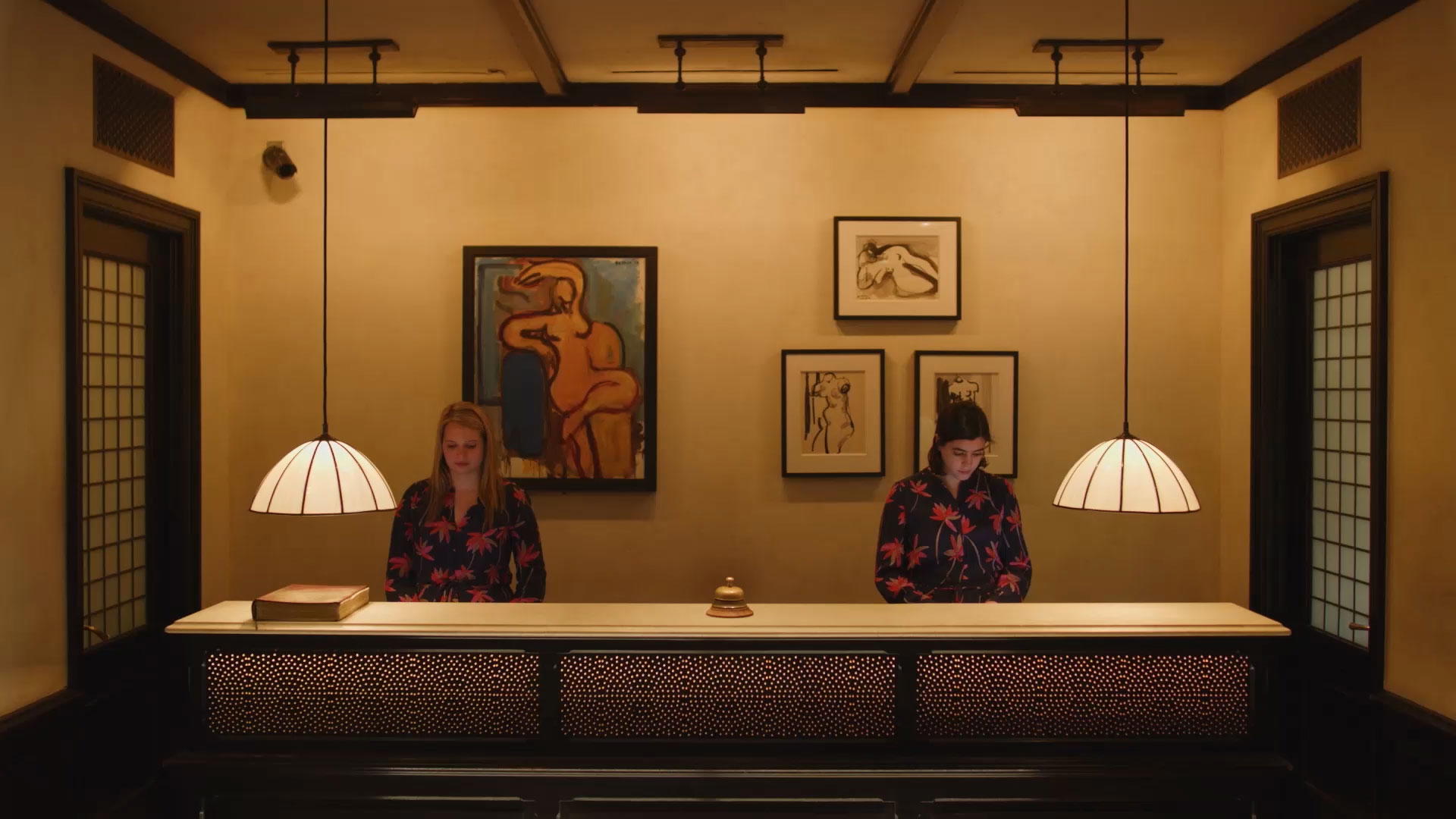
Dim and unassuming basement setting with an intimate sushi bar atmosphere.