Samurai Sombrero
A South 4th Avenue address that fuses Japanese and Mexican culinary traditions in one of Tucson's most creatively charged dining corridors. Samurai Sombrero sits in a neighbourhood known for independent operators and low-pretension ambition, making it a reliable target for meals that mark a moment without the formality of a special-occasion institution.
Pearl is the En Primeur Club membership app — saves, bookings, and concierge access live there. Same editors, same standards.
- Address
- 1439 S 4th Ave, Tucson, AZ 85713
- Phone
- +1 520 201 0116
- Website
- samuraisombrero.com
- Directions
- Get directions
 Saves & bookings on Pearl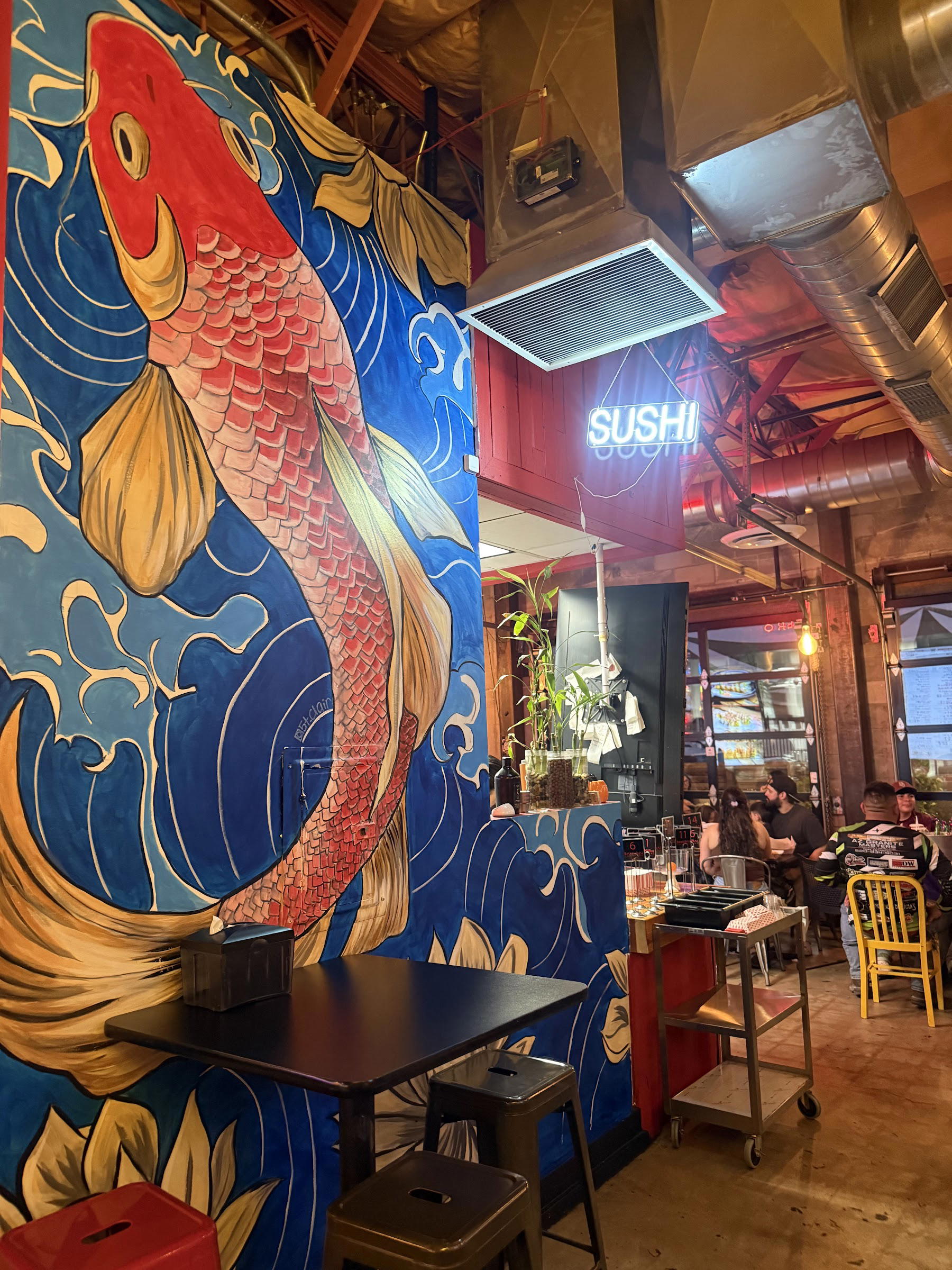
South 4th Avenue and the Tradition of the Unexpected Meal
There is a particular kind of restaurant that every city needs but rarely produces cleanly: the place that makes you feel, walking in, that you are about to eat something no existing category quite prepared you for. South 4th Avenue in Tucson has long harboured that kind of operator. The address alone places it in conversation with Tucson's most character-rich dining corridor, a stretch where the built environment is low-key and the cooking ambitions are frequently anything but.
Arriving on 4th Avenue, the visual register is distinctly un-corporate: modest storefronts, hand-painted signage, the occasional courtyard. This is not the environment that signals tasting menus and white tablecloths. It signals something more interesting for a certain kind of diner: a place where the room does not carry the meal, the food does. That shift in expectation is exactly the right frame for Samurai Sombrero, whose name already announces a cross-cultural premise and invites curiosity before a single dish lands on the table.
When Fusion Is a Statement, Not a Shortcut
The pairing of Japanese and Mexican culinary vocabularies has a longer and more serious history than its casual deployments might suggest. Both traditions share a deep commitment to technique applied to relatively simple ingredient sets, a respect for fermentation and salt-cure, and an aesthetic preference for precision over excess. When those systems genuinely intersect rather than merely coexist on a menu, the results tend to be more coherent than the concept sounds on paper. Tucson, positioned at the geographic and cultural hinge between the American Southwest and the northern reaches of Mexican culinary tradition, is a more logical home for that synthesis than many cities further north.
Arizona's dining scene has matured considerably over the past decade, moving from a landscape where fusion concepts read as novelty toward one where the leading independent operators treat cross-cultural cooking as a legitimate mode of expression. In that context, Samurai Sombrero occupies a specific niche: the kind of place that serious eaters return to because the premise rewards repeat visits and the menu presumably evolves as the kitchen gains confidence in its own logic. Comparable creative-fusion operators in other American cities have demonstrated that this model sustains loyalty when the cooking is disciplined; cities like Honolulu, where Bar Leather Apron has built a following on technical commitment, or Chicago, where Kumiko has shown how a clear conceptual through-line creates a distinct identity in a crowded market.
The Occasion Meal on 4th Avenue
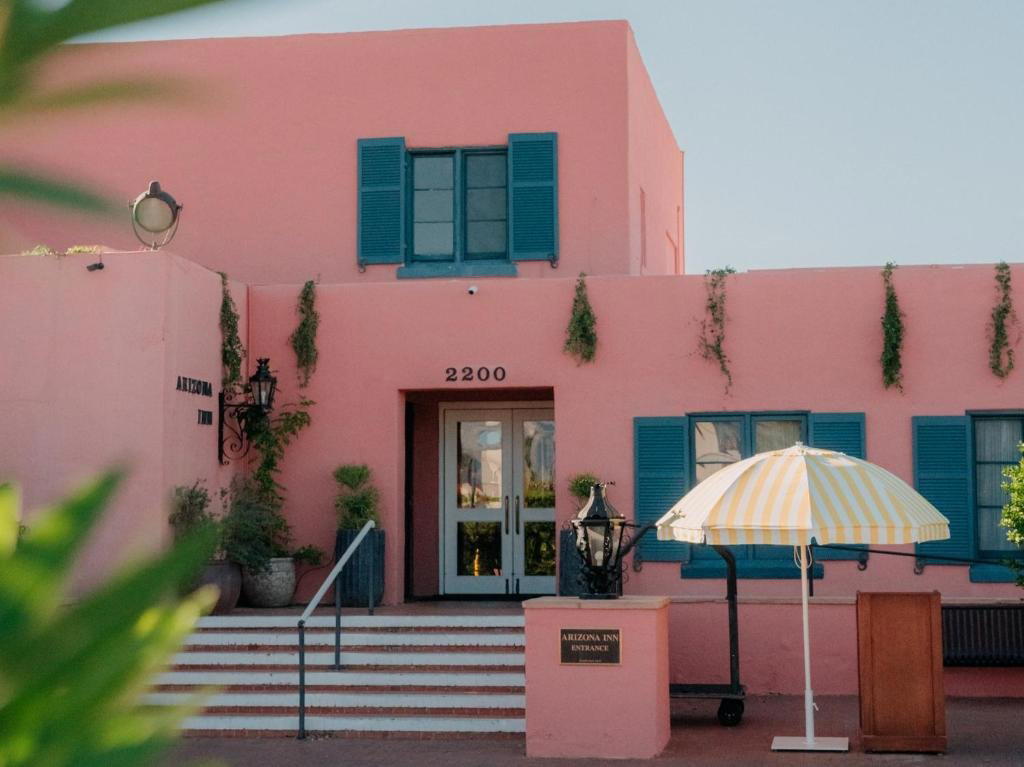
Tucson has a constellation of options for the meal that needs to mean something. The Arizona Inn anchors the formal end of that spectrum, offering a historic setting that almost does the work of the occasion for you. At the other extreme, places like Barrio Brewing Co and Barrio Viejo serve the kind of sociable, lower-stakes gatherings where the group matters more than the menu. Samurai Sombrero sits in the middle register: specific enough in its concept to feel like a destination choice rather than a default, accessible enough in its neighbourhood positioning to avoid the pressure that comes with formal dining rooms.
That middle register is, in practice, where most milestone meals actually happen. Birthdays, graduations, the quiet dinner that marks a decision rather than a date on the calendar: these tend to land at restaurants that feel chosen rather than obligatory. A concept-driven independent on a street with genuine character delivers that quality of intentionality in a way that a hotel restaurant or a generic special-occasion destination cannot. The meal has a story attached to it before the food arrives, and the food is expected to add to that story rather than simply justify the category.
For Tucson diners researching this kind of occasion meal, the 4th Avenue corridor offers useful comparisons. Bar Crisol/Exo represents the neighbourhood's commitment to craft-driven concepts with genuine beverage depth. The bar extends that independent operator tradition into the food-led category, making the street a reasonable destination for a full evening rather than a single stop.
How Tucson Fits the Broader American Creative-Dining Pattern
The cities producing particularly interesting cross-cultural independent restaurants right now tend to share a few characteristics: strong local food cultures that pre-date the current fine-dining wave, demographic complexity that creates genuine demand for hybrid menus, and real estate economics that allow independent operators to take risks without the overhead that forces conservatism. Tucson checks all three. The city's dining culture runs deep and does not necessarily surface in the venues with particularly visible national profiles.
That pattern maps onto how operators in comparably positioned cities have built followings. In New Orleans, Jewel of the South has used a specific historical tradition as its conceptual anchor. In Houston, Julep built a program around a regional identity that felt both specific and inclusive. In New York, Superbueno demonstrated that Latin-inflected concepts can hold their own in among the more competitive dining markets in the world. In San Francisco, ABV turned a neighborhood-bar premise into a destination through quality discipline. And in Frankfurt, The Parlour showed that transatlantic cultural synthesis can produce something genuinely coherent when the execution matches the ambition. The bar operates within that same logic: a specific cultural proposition, a neighbourhood identity, and a premise that rewards visitors who show up with genuine curiosity.
Planning Your Visit
The bar is located at 1439 S 4th Ave, Tucson, AZ 85713. South 4th Avenue is accessible by car with street parking available along the corridor, and the strip is bikeable from central Tucson. It is walk-in friendly and open Tuesday through Sunday from 11 AM to 9 PM, with Monday closed. Given that the occasion-dining sweet spot for this kind of concept tends to fill midweek as well as on weekends, arriving with advance planning rather than a same-night impulse is the more reliable approach.
Price and Recognition
Comparable venues nearby, for context on price, style, and recognition.
| Venue | Cuisine | Price | Notes |
|---|---|---|---|
| Samurai SombreroThis venue — the venue you are viewing | East Side, Bar | $$ | Not listed |
| Locale Neighborhood Italian Restaurant | Not listed | $$ | midtown, wine_bar |
| Red Garter Saloon Bar & Grill | Not listed | $$ | Midtown, sports_bar |
| Blue Willow Restaurant & Gift Shop | Campbell Avenue, lounge | $$ | Not listed |
| Kingfisher | Central Tucson, lounge | $$ | Not listed |
| Owls Club | Not listed | $$ | Armory Park, cocktail_bar |
At a Glance
- Trendy
- Lively
- Casual Hangout
- Communal Tables
Current opening hours
- Monday
- Closed
- Tuesday
- 11 AM–9 PM
- Wednesday
- 11 AM–9 PM
- Thursday
- 11 AM–9 PM
- Friday
- 11 AM–9 PM
- Saturday
- 11 AM–9 PM
- Sunday
- 11 AM–9 PM
Hours can change for holidays and private events. Last verified .
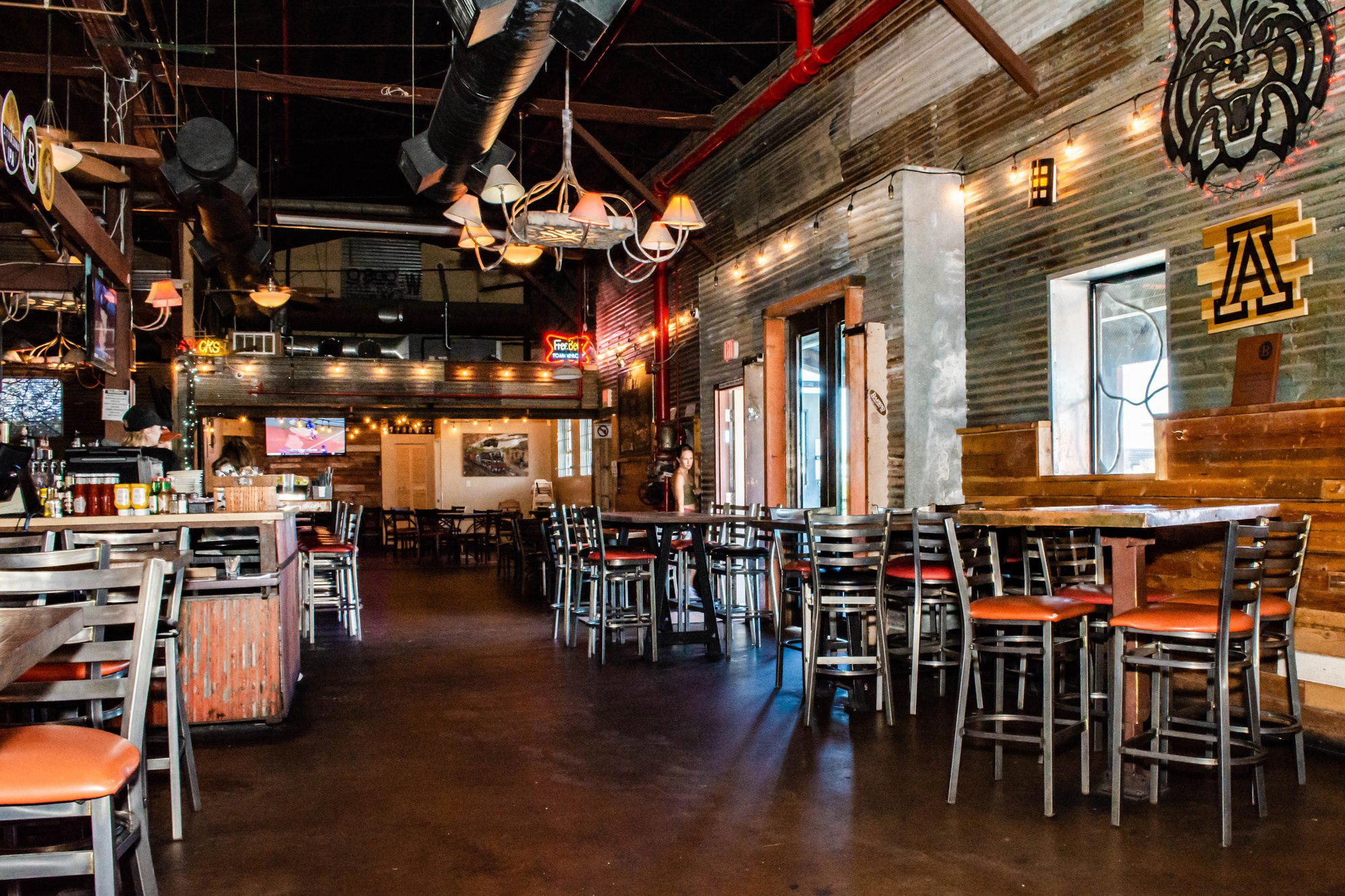
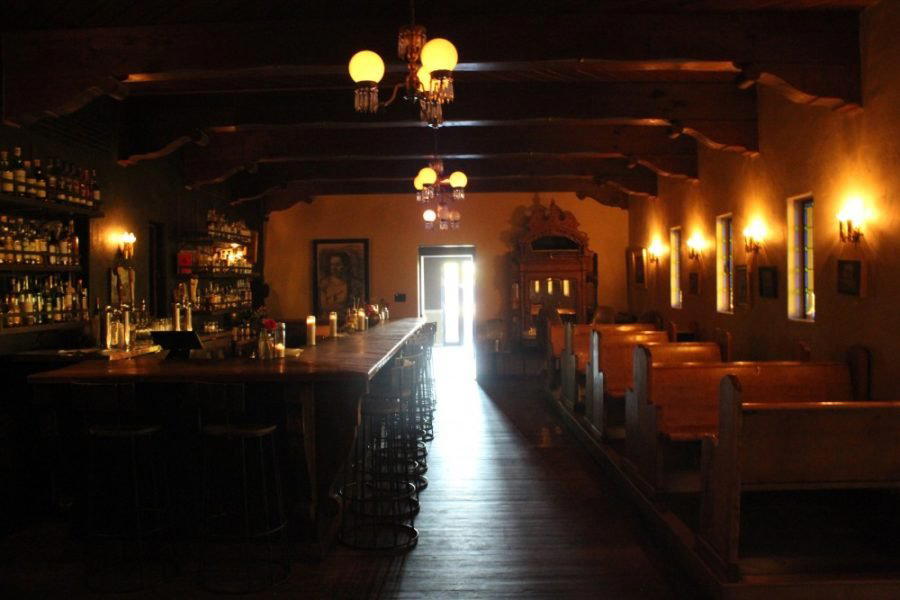
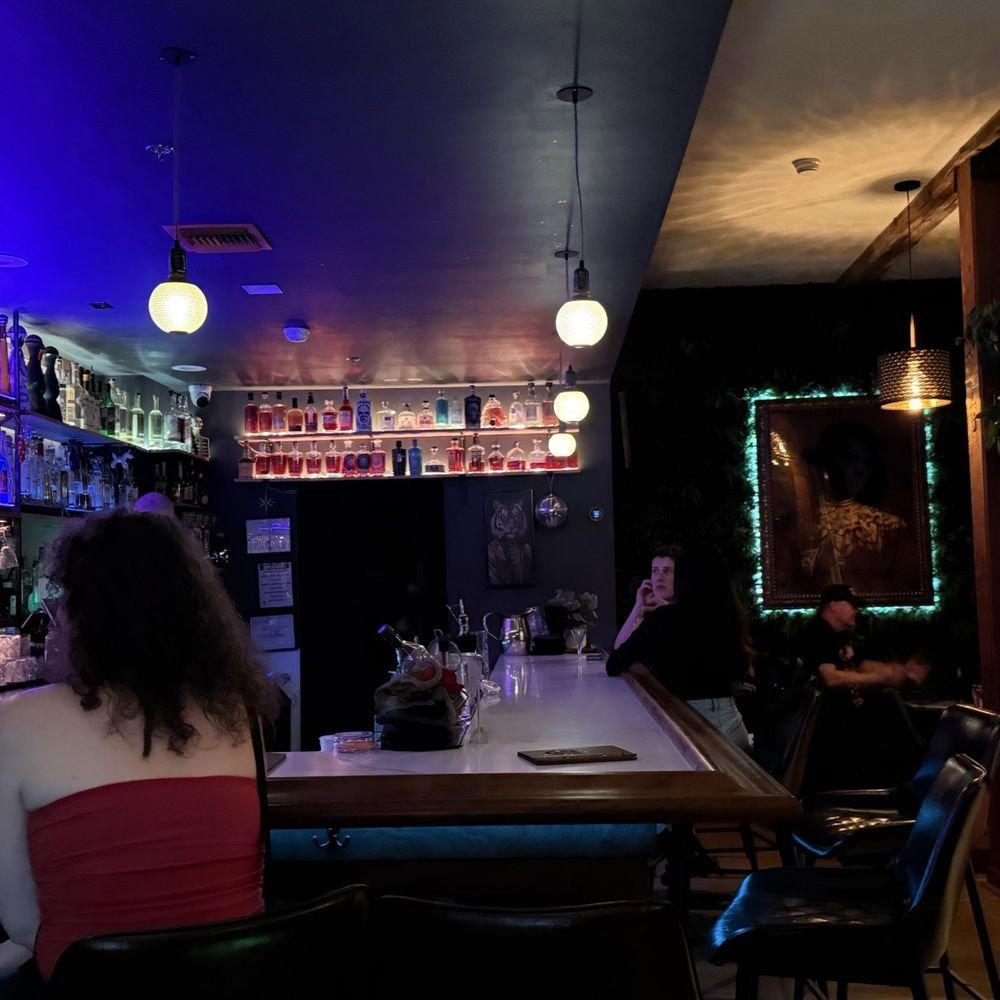
Casual food hall atmosphere with open seating and family-friendly energy.