Mi Nidito Restaurant
Mi Nidito Restaurant on South 4th Avenue is one of South Tucson's most recognized Mexican dining addresses, drawing locals and visitors alike to a corner of the city where family-style cooking and neighborhood character have defined the block for decades. The room carries the kind of accumulated history that chain restaurants cannot manufacture. For anyone tracing the Mexican-American food culture of the Sonoran borderlands, this address belongs on the itinerary.
Pearl is the En Primeur Club membership app — saves, bookings, and concierge access live there. Same editors, same standards.
- Address
- 1813 S 4th Ave, Tucson, AZ 85713
- Phone
- +1 520 622 5081
- Website
- miniditorestaurant.com
- Directions
- Get directions
 Saves & bookings on Pearl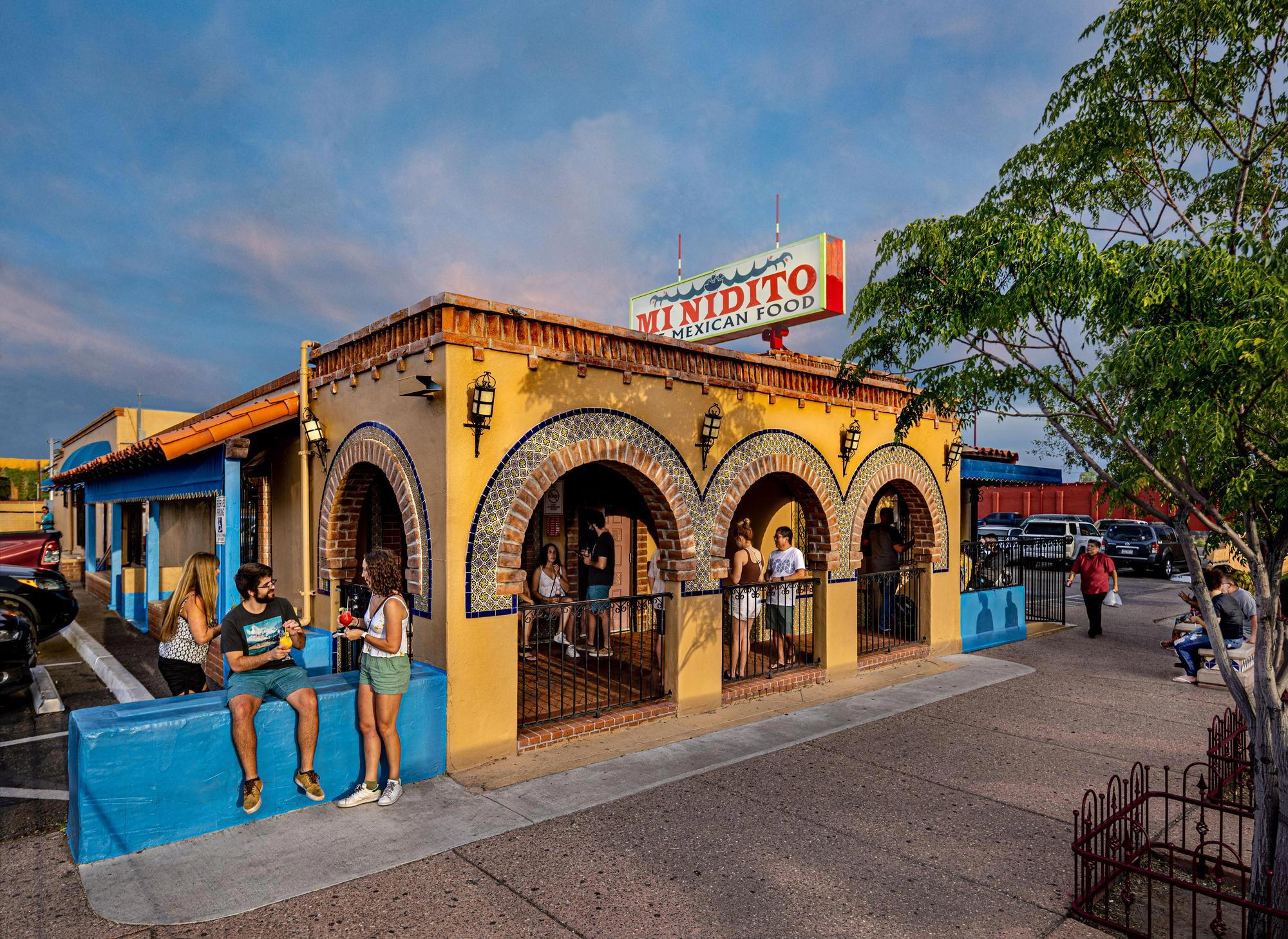
South Tucson's 4th Avenue and What the Street Says About the City
South Tucson operates as an independent municipality within greater Tucson, and that legal fact carries cultural weight. The city's roughly one square mile has long functioned as a center of Mexican-American civic and culinary life in southern Arizona, and South 4th Avenue is its main commercial spine. Restaurants here are not positioned for tourist foot traffic in the way downtown Tucson venues might be. They earn their standing through neighborhood loyalty, decades of consistency, and the kind of word-of-mouth that moves across generations rather than across social media feeds. Mi Nidito Restaurant, at 1813 S 4th Ave, sits squarely within that tradition.
The Sonoran food tradition that defines this stretch of 4th Avenue is distinct from the Tex-Mex register that dominates much of American Mexican dining. Sonoran cooking draws from the border region shared by Arizona and the Mexican state of Sonora, with an emphasis on flour tortillas made from wheat grown in the region, beef from ranching country, red and green chile sauces built on dried chiles rather than fresh, and dishes like carne seca and chimichangas that carry specific geographic lineage. Understanding that culinary geography is the starting point for understanding what South Tucson's restaurant scene represents at its most grounded.
Approaching the Room
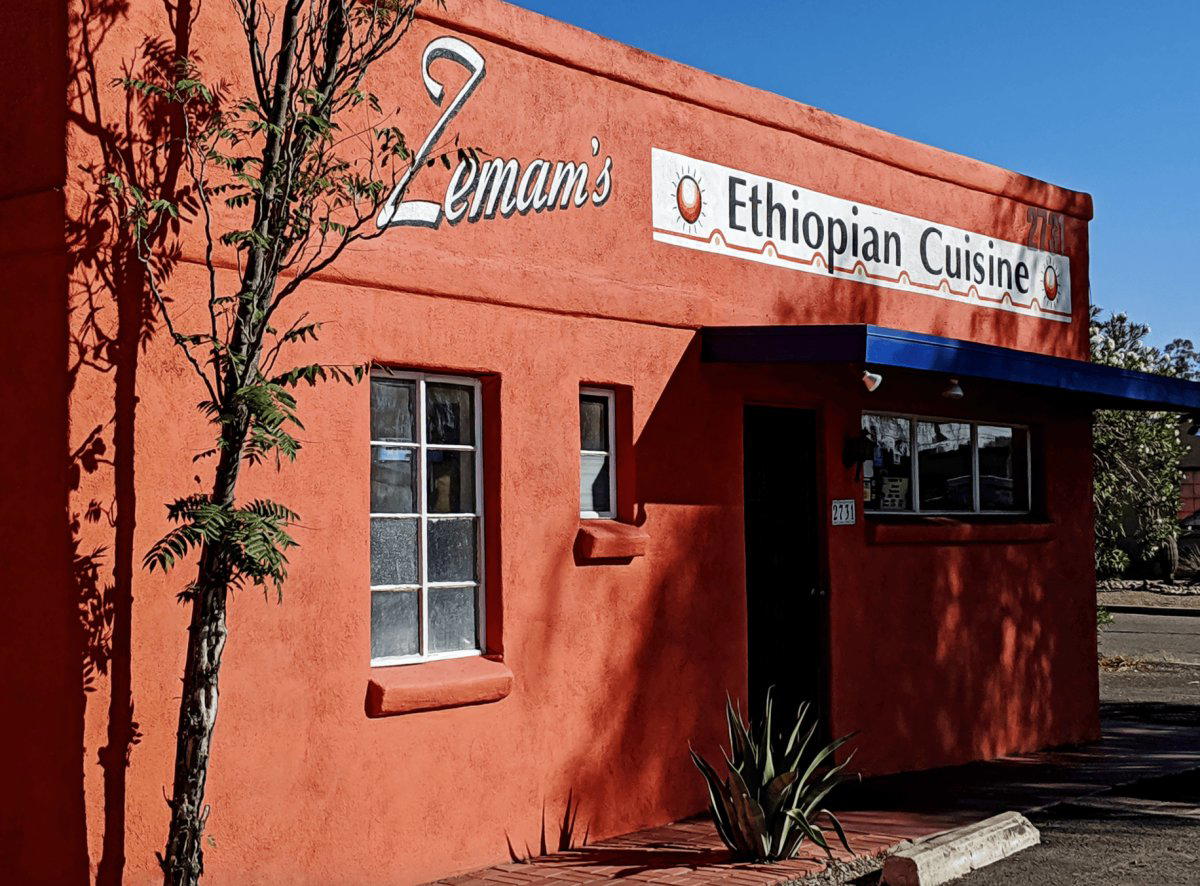
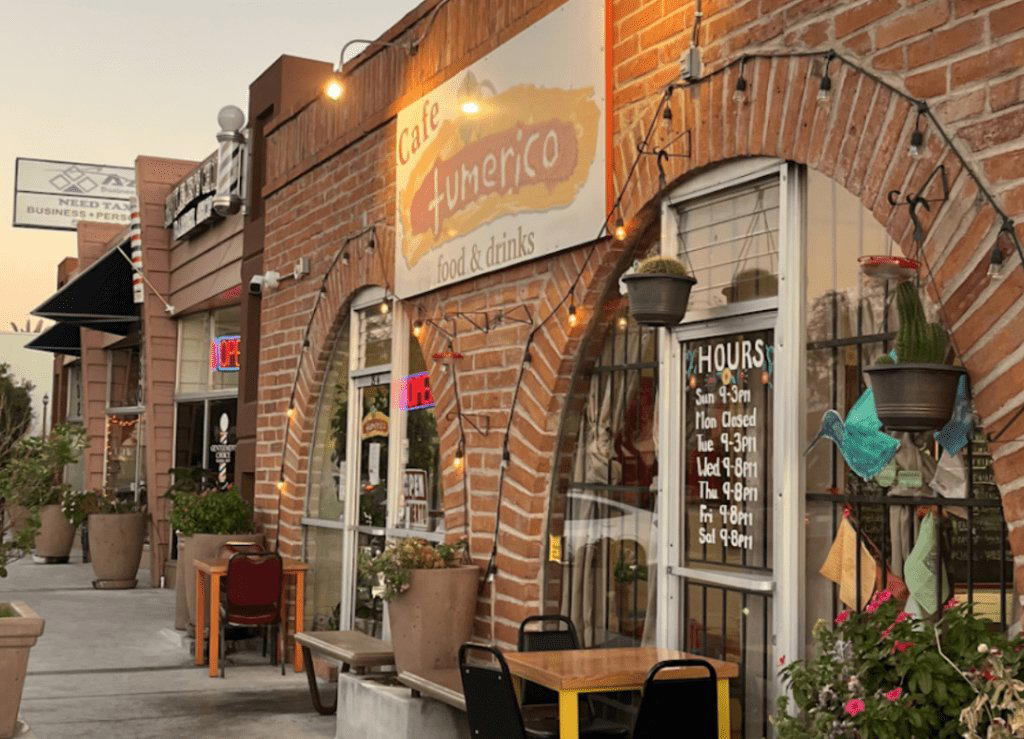
The physical experience of arriving at a long-standing South Tucson restaurant is different from pulling up to a polished Scottsdale dining room or a downtown Phoenix concept. The architecture tends toward the unpretentious: painted facades, hand-lettered signage, dining rooms that have absorbed the color and wear of decades of service. These are spaces where the décor accumulates rather than gets curated, where a signed photograph or a framed news clipping on the wall functions as a genuine record rather than a design choice. That layer of accumulated history is part of the draw for the food-literate traveler who has grown tired of rooms designed to look lived-in rather than actually living.
Regulars at places like Mi Nidito navigate a room that has its own internal logic: which tables seat large parties, when the wait is longest, which dishes are the reliable anchors of the menu. That kind of institutional knowledge, held by the staff and passed between longtime customers, is exactly what gets lost when a neighborhood dining institution closes. It is also what makes these rooms worth seeking out before the next visit becomes unavailable.
The Drink Program in Context
Sonoran-border Mexican restaurants occupy a different position on the cocktail spectrum than the technically ambitious bar programs found at venues like Kumiko in Chicago, Bar Leather Apron in Honolulu, or Jewel of the South in New Orleans. The American cocktail bar scene has moved steadily toward clarified preparations, house-made ferments, and ingredient-forward technique, as seen at ABV in San Francisco, Allegory in Washington, D.C., and Bitter and Twisted in Phoenix. Neighborhood Mexican restaurants in South Tucson operate in a different register entirely, one where the margarita functions as the canonical house drink and is judged on its own terms: the balance of lime and salt, the quality of the tequila poured, and whether the kitchen's salsa lands on the table before the drink is half-finished.
Within that register, a well-built margarita at a South Tucson institution is not a lesser category of cocktail craft. It is a different discipline, one oriented around consistency, crowd scale, and the specific pleasure of a cold, properly sour drink alongside a plate of enchiladas or a chimichanga. The margarita at a room like this is contextual: it is designed to accompany food, to cut through the fat and chile heat of the cuisine it serves. That is a culinary function that the more elaborately constructed cocktails at Superbueno in New York City, Julep in Houston, or Bar Next Door in Los Angeles are solving for a different diner in a different setting.
For travelers calibrated to venues like Bar Kaiju in Miami or The Parlour in Frankfurt, arriving at Mi Nidito expecting a curated spirits program would be a category error. The more productive frame is asking how the drink list serves the food and the room. In South Tucson's established Mexican restaurants, the answer is usually direct: cold, strong, and timed to the pace of a long family meal.
Why South Tucson Holds a Different Culinary Position Than the Rest of the Metro
Greater Tucson has seen the same wave of chef-driven restaurants, farm-to-table concepts, and food-hall formats that arrived in most mid-size American cities over the past fifteen years. South Tucson, by contrast, has remained largely insulated from that wave, not because it lacks quality, but because its restaurant economy is built on different foundations: neighborhood loyalty over destination dining, price accessibility over premium positioning, and cooking traditions that predate the current cycle of culinary trends by generations.
That insulation is precisely what gives the area its editorial interest. When food media cycles through new openings every few weeks, the restaurants that have been serving the same community for thirty or forty years become the more revealing data points about what a city actually eats, as opposed to what it performs eating. South Tucson's 4th Avenue corridor is that kind of data point for anyone trying to understand how Mexican-American food culture has held its ground in the borderlands Southwest.
For a fuller map of where Mi Nidito sits within the local dining picture, our full South Tucson restaurants guide covers the broader 4th Avenue corridor alongside the neighborhood context that shapes how each address is leading understood.
Planning a Visit
South Tucson's established restaurants draw consistent local traffic, and weekends tend to compress wait times significantly. Arriving earlier in the dinner service, or opting for a weekday lunch, is the practical adjustment most worth making. The address at 1813 S 4th Ave is direct to reach by car from central Tucson, placing it within easy range of downtown hotels and the University of Arizona area.
Continue exploring
More in South Tucson
Bars in South Tucson
Browse all →
Restaurants in South Tucson
Browse all →
At a Glance
- Cozy
- Classic
- Well Known
- Casual Hangout
- Group Outing
- Historic Building
Current opening hours
- Monday
- Closed
- Tuesday
- Closed
- Wednesday
- 11 AM–9:30 PM
- Thursday
- 11 AM–9:30 PM
- Friday
- 11 AM–11:30 PM
- Saturday
- 11 AM–11:30 PM
- Sunday
- 11 AM–9:30 PM
Hours can change for holidays and private events. Last verified .
Cozy and lively with colorful murals, traditional Mexican décor, and comfortable seating creating a warm, inviting, family-friendly environment.
Know Before You Go
- Getting there
- 1813 S 4th Ave, Tucson, AZ 85713