5 Points Market & Restaurant
Beloved neighborhood market-restaurant serving a simply dialed-in, locally sourced burger, often with beef from Arizona ranches. Recently refreshed and operating daily, it’s been spotlighted by Tucson Foodie and admired for its community ethos.
Pearl is the En Primeur Club membership app — saves, bookings, and concierge access live there. Same editors, same standards.
- Address
- 756 S Stone Ave, Tucson, AZ 85701
- Phone
- +1 520 623 3888
- Website
- 5pointstucson.com
- Directions
- Get directions
 Saves & bookings on Pearl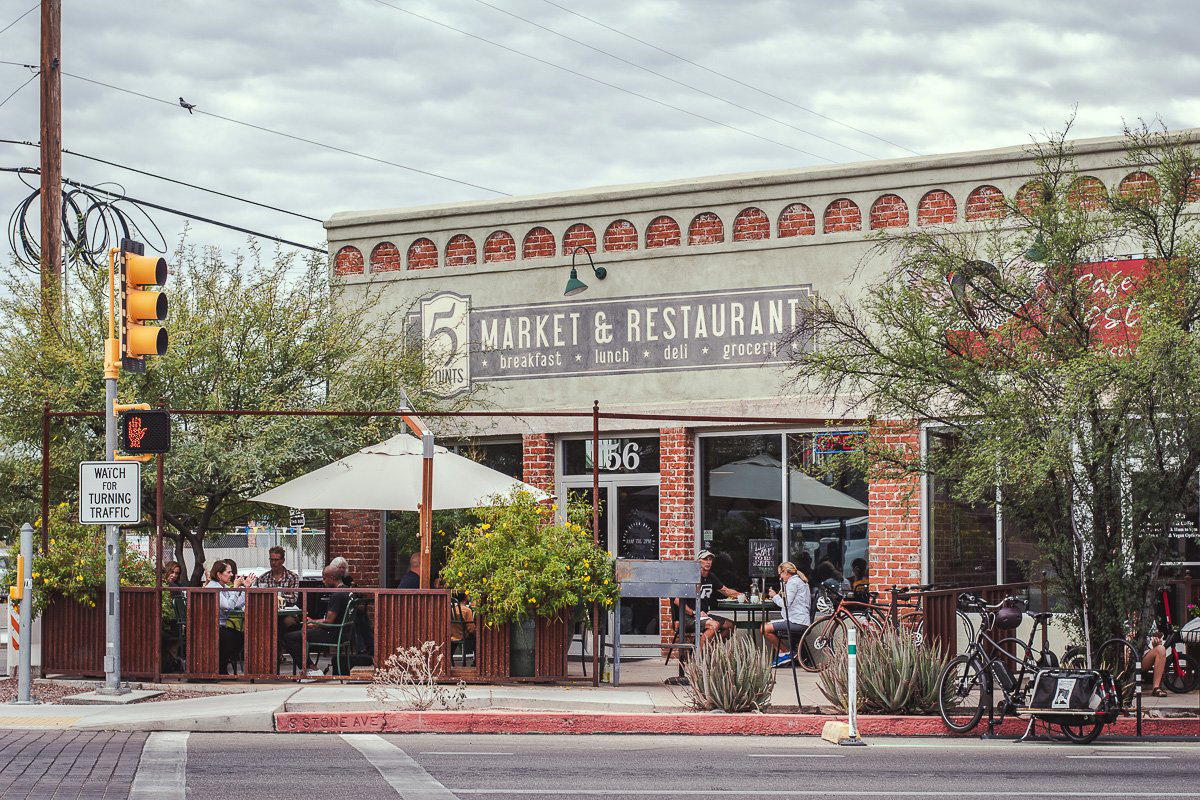
Where the Barrio Meets the Breakfast Counter
Stone Avenue, running south from downtown Tucson toward the old Barrio districts, has a particular texture in the early morning: low light on adobe walls, the smell of roasting chiles carrying through open doors, a neighborhood that still functions as a neighborhood rather than a dining destination. At 756 S Stone Ave, 5 Points Market and Restaurant occupies that stretch with the kind of unhurried physicality that comes from being genuinely rooted in a place. The building sits at 756 S Stone Ave in Tucson, and the name is a direct reference to that geography, five streets converging in a part of the city that predates the chain-restaurant sprawl of the east side.
Reinvention as Local Standard
Tucson's relationship with its own food culture has shifted substantially over the past decade. The city's 2015 designation as a UNESCO City of Gastronomy reframed how both locals and outside observers read the dining scene. What had long functioned as a collection of neighborhood spots and family-run operations was suddenly legible to a wider audience as something worth serious attention. That context matters when thinking about 5 Points, because the market-and-restaurant format it represents has evolved alongside that shift rather than being created by it.
The hybrid model, part retail market, part sit-down restaurant, was already a functioning format in Tucson's older neighborhoods before farm-to-table rhetoric gave it a new vocabulary. What changed is the degree to which that format is now read as intentional rather than incidental. Spots like 5 Points operate at the intersection of community provisioning and informal dining, and Tucson's gastronomic profile has made that intersection more visible to travelers arriving from cities where the same format commands considerably higher prices.
For a direct sense of how this neighborhood-anchor model compares across American cities, the contrast with venues like ABV in San Francisco is instructive: both operate in areas undergoing slow gentrification pressure, both lean into a local-first identity, but the price architecture and format expectations differ substantially.
The Market Component and What It Signals
A market attached to a restaurant is not a neutral design decision. It implies a supply-chain philosophy, a relationship with producers, and a willingness to blur the line between retail and hospitality in ways that most standalone restaurants avoid. In Tucson, where Sonoran food traditions depend on specific ingredients, dried chiles, fresh tortillas, heritage grains from the surrounding desert, the market component at a place like 5 Points functions as both a statement and a practical service. Visitors who eat here and want to replicate something at home have access to the raw materials.
This approach places 5 Points in a cohort of American market-restaurants that have become anchors for food-curious visitors rather than just neighborhood conveniences. The format has precedent in places where the drink program and the retail offering are treated as extensions of the same logic. Programs at venues like Kumiko in Chicago and Jewel of the South in New Orleans demonstrate how seriously American hospitality operations now take the relationship between their beverage offering and a coherent point of view, even in formats far removed from fine dining.
Tucson's South Side and the Neighborhood Frame
The address places 5 Points firmly outside the tourist circulation of Fourth Avenue and the University District. South Stone Avenue runs through a part of Tucson where the built environment is older and the foot traffic is more local. That positioning is not incidental. Restaurants that operate in this part of the city draw a different customer mix than those anchored to visitor infrastructure, and they are often held to a different standard by the community they serve. A missed tortilla matters here in a way it might not on a more tourist-facing street.
The Barrio districts nearby, including the historic Barrio Viejo, shape what counts as authentic in this part of the city. For visitors arriving from elsewhere in Arizona or from further afield, 5 Points sits close enough to those roots to carry some of that cultural weight while remaining accessible as a first point of entry. The Barrio Viejo bar scene and the broader south-side food corridor are worth reading together with a visit here.
Drink Culture and the Morning Hours
Tucson's bar and coffee culture is related to its food reputation. The city has developed a range of thoughtful drink programs in recent years, from the fermentation-focused work at Bar Crisol/Exo to the local brewing tradition represented by Barrio Brewing Co. A market-restaurant format like 5 Points has an opportunity to sit at the intersection of the morning coffee crowd and the midday food visitor without requiring either group to compromise. For comparison, bars like Julep in Houston and Bar Leather Apron in Honolulu demonstrate how a clearly defined drink identity reinforces a venue's overall positioning, even in markets where the competition is intense.
At venues operating in the market-restaurant format, the drink selection tends to reflect the same sourcing logic as the food: local, producer-connected, and specific in ways that chain operations cannot replicate. Whether that takes the form of a carefully chosen espresso program, a rotating selection of regional wines, or a short list of craft beers from Sonoran producers, the logic is the same. The retail component makes those choices legible in a way a menu alone cannot.
Planning a Visit
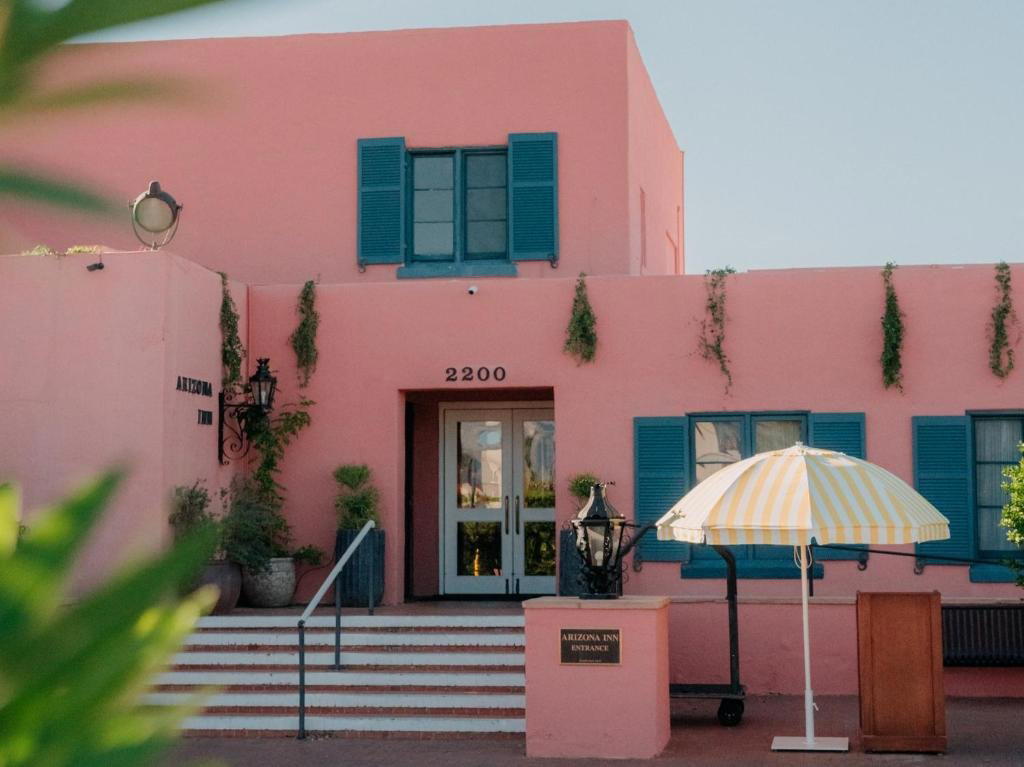
5 Points Market and Restaurant is located at 756 S Stone Ave in Tucson, within a short drive of the downtown core and the historic Barrio districts. For visitors building a broader Tucson itinerary, the neighborhood context rewards exploring on foot before or after a meal. Those looking for a more formal evening option might cross-reference with the Arizona Inn, which occupies a different register of the Tucson hospitality spectrum entirely.
A Credentials Check
Comparable venues nearby, for context on price, style, and recognition.
| Venue | Cuisine | Price | Notes |
|---|---|---|---|
| 5 Points Market & RestaurantThis venue — the venue you are viewing | Dining | $$ | Not listed |
| Time Market | American Woodfire Pizza & Market Fare | $$ | West University |
| Penca | Modern Central Mexican | $$ | Downtown Tucson |
| Reilly Craft Pizza and Drink | Modern Italian Craft Pizza | $$ | Downtown Tucson |
| Mama Louisa's Italian Restaurant | Traditional Italian-American Trattoria | $$ | Southeast Tucson |
| 5 Points Market & Restaurant | Farm-to-Table American Brunch & Dinner | $$ | Barrio Viejo |
At a Glance
- Rustic
- Cozy
- Trendy
- Brunch
- Casual Hangout
- Historic Building
Current opening hours
- Monday
- 9 AM–2 PM, 5–9 PM
- Tuesday
- Closed
- Wednesday
- Closed
- Thursday
- 9 AM–2 PM, 5–9 PM
- Friday
- 9 AM–2 PM, 5–9 PM
- Saturday
- 9 AM–2 PM, 5–9 PM
- Sunday
- 9 AM–2 PM, 5–9 PM
Hours can change for holidays and private events. Last verified .
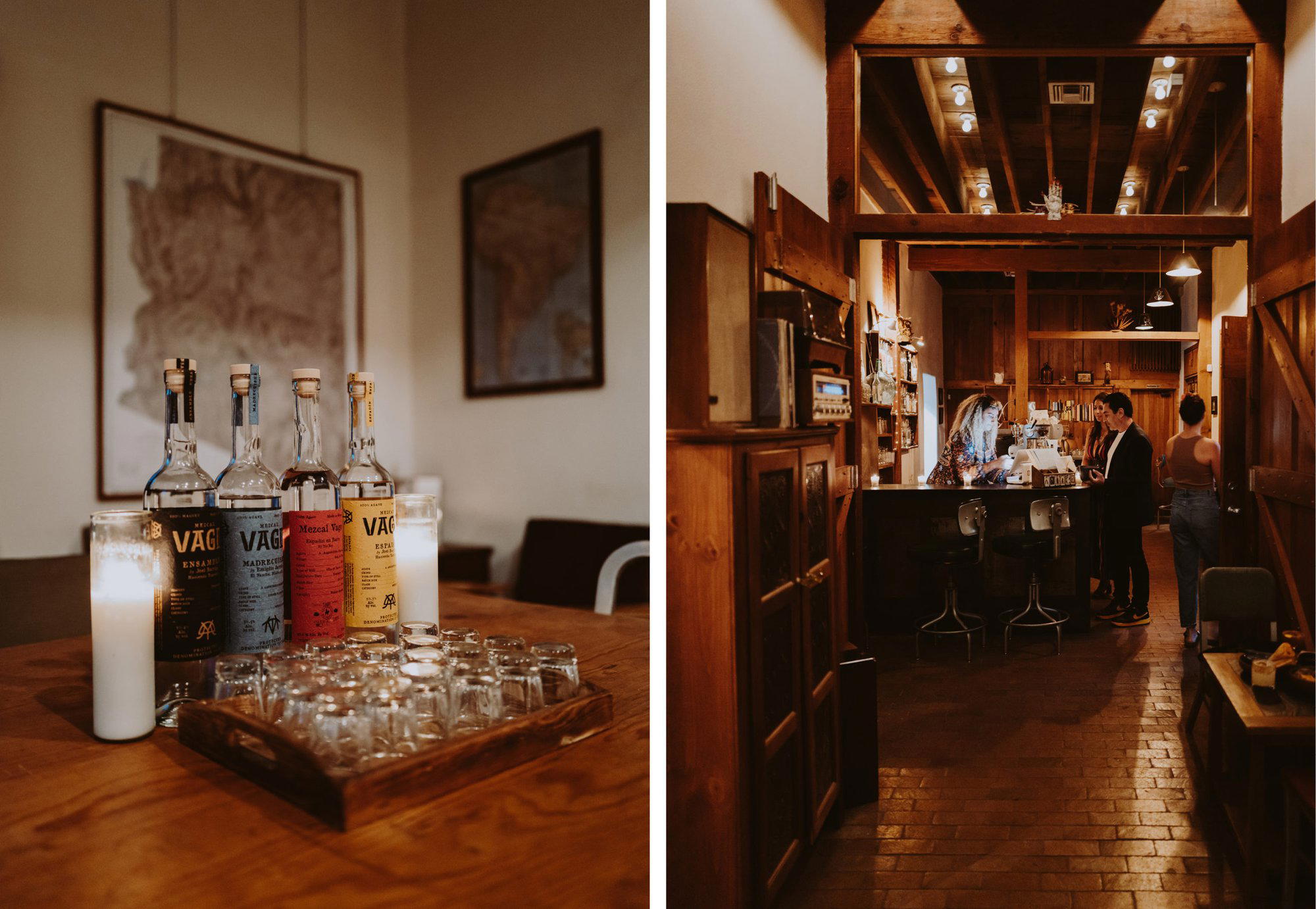
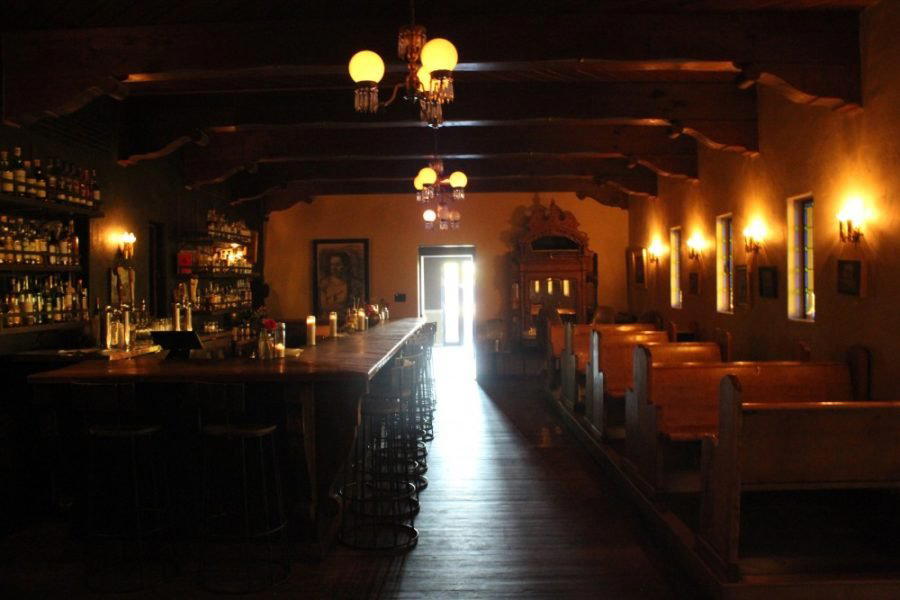
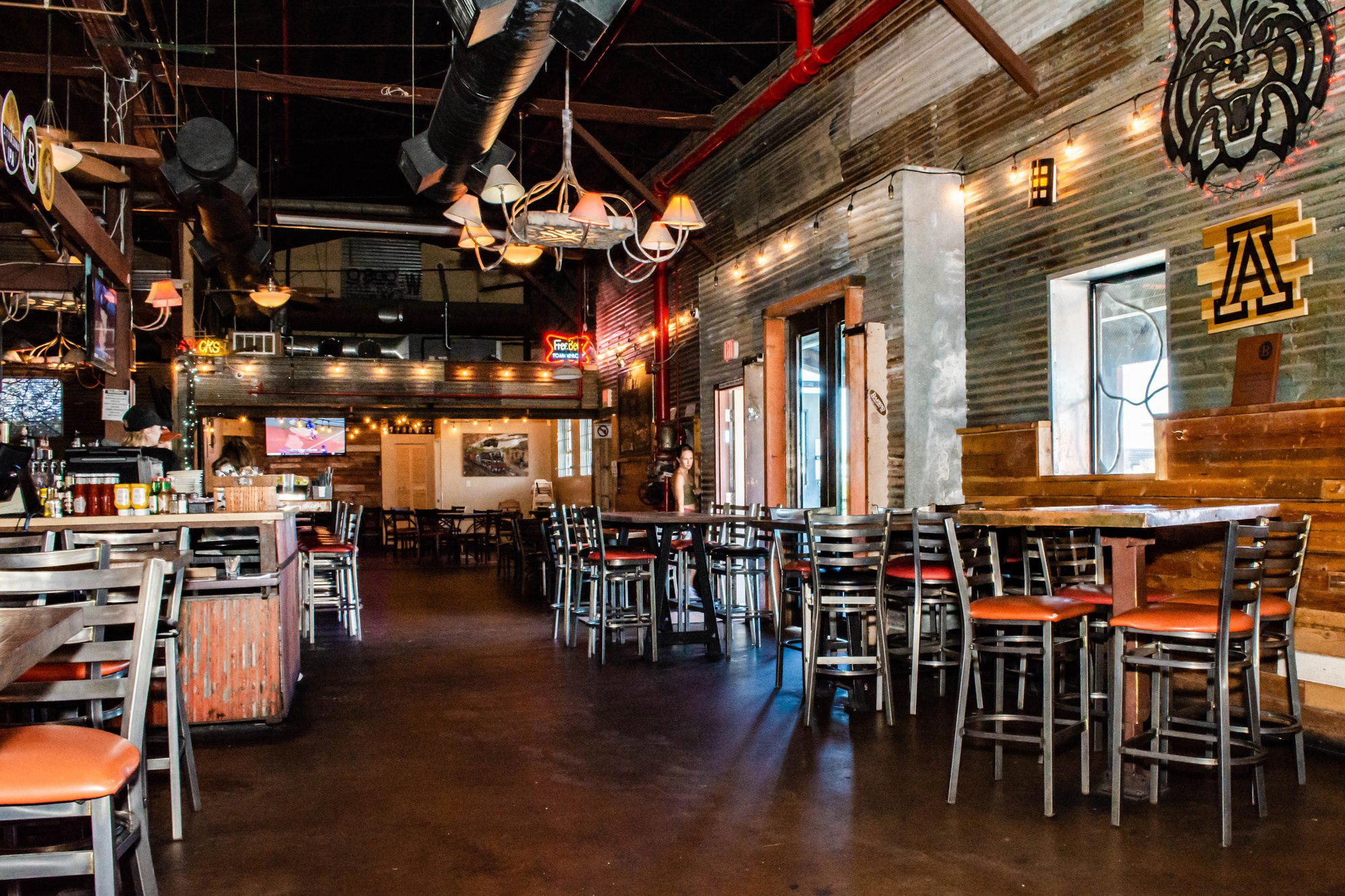
Warmly decorated interior with wood accents, open space, and a welcoming rustic market feel.