The Downtown Clifton
The Downtown Clifton occupies a converted historic property at 485 S Stone Ave in central Tucson, positioning it within the city's growing cohort of adaptive-reuse hospitality projects. Its location in the urban core places it close to Tucson's arts district and walkable dining corridor, making it a practical base for travelers who prefer street-level access to the city over resort-distance seclusion.
Pearl is the En Primeur Club membership app — saves, bookings, and concierge access live there. Same editors, same standards.
- Address
- 485 S Stone Ave, Tucson, AZ 85701
- Website
- downtowntucsonhotel.com
- Directions
- Get directions
 Saves & bookings on Pearl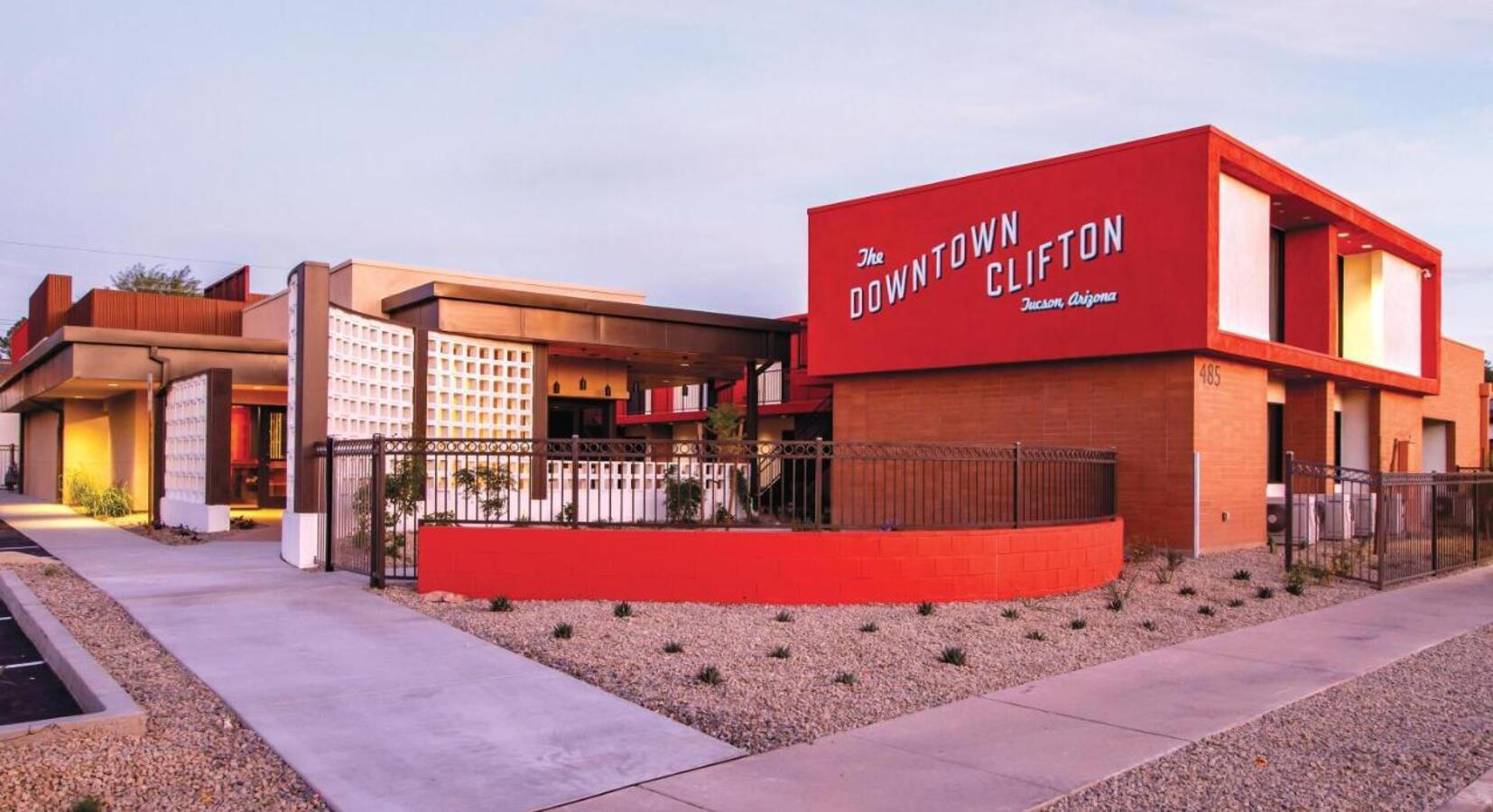
Tucson's Urban Core and the Case for Downtown Hospitality
Tucson's accommodation market has long been weighted toward the resort perimeter: properties like Canyon Ranch Tucson, Miraval Arizona Resort & Spa, and The Ritz-Carlton, Dove Mountain sit at varying distances from the city center, each anchored to desert terrain and wellness programming. That model works for a specific traveler, one who wants the Sonoran landscape as their primary context. But a counter-movement has been building in American mid-size cities, where adaptive-reuse projects bring hospitality back into the urban fabric. The Downtown Clifton, at 485 S Stone Ave, is a 3-star hotel in Tucson.
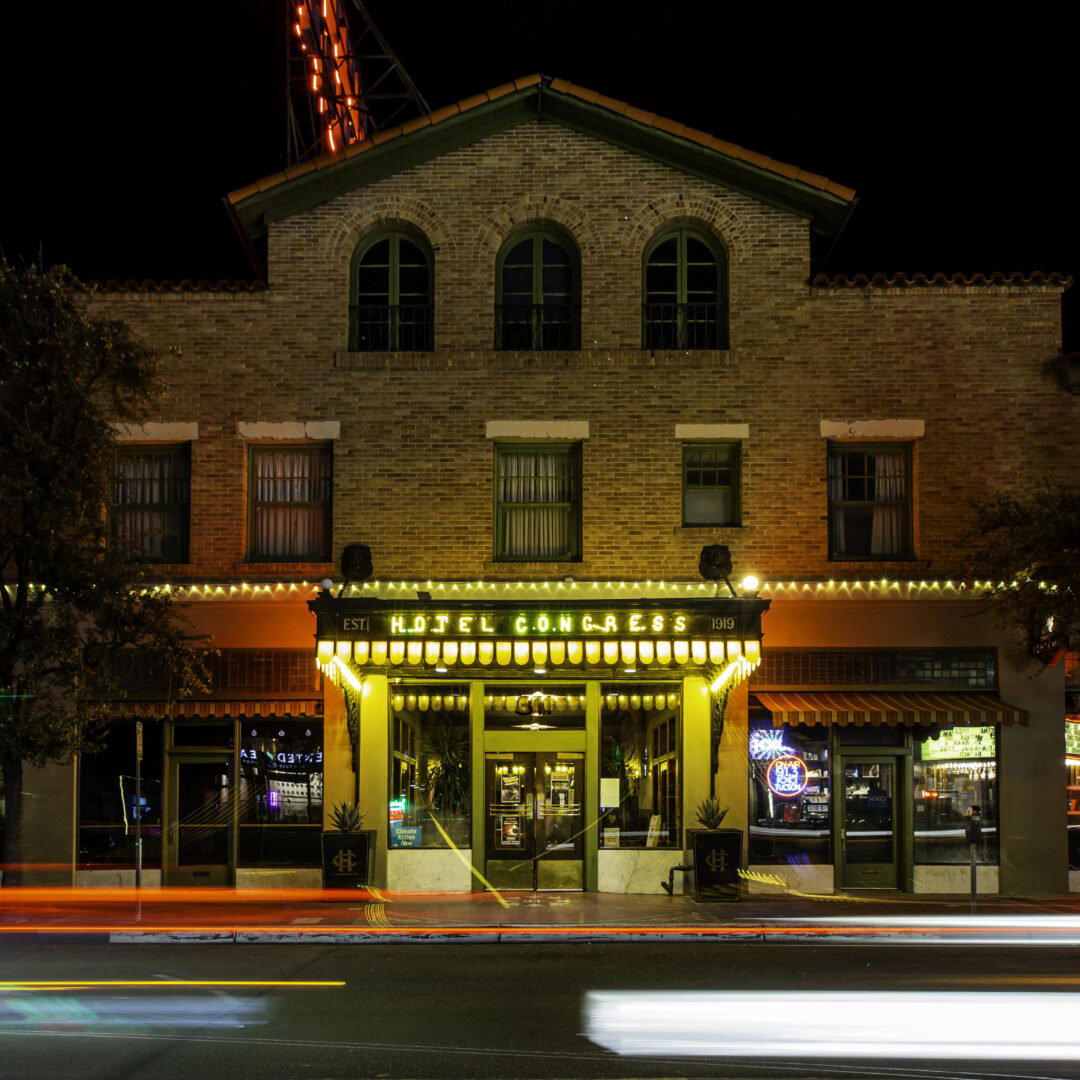
The broader pattern is familiar from other American cities where independent operators have taken on historic commercial or residential buildings and repositioned them as small-footprint hotels. Properties like Troutbeck in Amenia or Hotel Congress, the latter being Tucson's most historically documented downtown property, demonstrate how a building's physical history can anchor a hospitality identity more credibly than any branding exercise. The Downtown Clifton belongs to this lineage, though its specific programming and current operational details are not detailed here.
Stone Avenue and What Downtown Tucson Looks Like on the Ground
Stone Avenue runs through the western edge of Tucson's urban core, a few blocks from the Barrio Viejo historic district and within walking distance of Congress Street's concentrated dining and bar activity. This position is meaningful. Tucson received UNESCO Creative City of Gastronomy designation in 2015, the first American city to earn that distinction, and the bulk of the restaurants that qualified that case are concentrated in and around the downtown corridor. Staying on Stone Avenue means the city's food culture is pedestrian-accessible, not a drive away.
That walkability changes the character of a stay. At resort-distance properties like Hacienda Del Sol Guest Ranch Resort or Ventana Canyon Club and Lodge, the terrain itself is the draw and the property acts as a self-contained destination. Downtown places a traveler inside the city's daily rhythm instead, the produce markets, the street-level murals, the neighborhood breakfast spots that don't appear in resort dining rooms. For travelers who want Tucson rather than a Tucson backdrop, the urban address matters.
Adaptive Reuse as Environmental Logic
The sustainability case for adaptive-reuse hospitality projects is structural, not cosmetic. Converting an existing building avoids the embodied carbon of new construction, preserves the materials and craftsmanship already embedded in a structure, and typically requires a smaller site footprint than ground-up resort development. In the American Southwest, where water use and land disturbance are particularly acute environmental concerns, that logic carries extra weight. Resort-scale properties require significant landscaping, pool infrastructure, and site preparation in a desert context. A downtown conversion, operating within an existing building envelope, sidesteps much of that.
This is the broader trend that properties like 1 Hotel San Francisco and Post Ranch Inn in Big Sur represent from different angles, one through material sourcing and urban density, the other through site-sensitive construction on environmentally sensitive land. The Downtown Clifton, by occupying an existing structure in a walkable urban zone, participates in the same logic at a more modest scale. The environmental argument for downtown hospitality in a city like Tucson is not incidental. It is structural to what this category of property represents.
Community impact follows a similar logic. Downtown hotels generate foot traffic for surrounding independent businesses, support local tax bases, and create employment within walking distance of existing transit. In Tucson, where the downtown revitalization effort has been sustained but uneven, properties that anchor the urban core contribute to the commercial ecosystem that makes the neighborhood viable for residents and visitors alike.
Positioning Within Tucson's Accommodation Spectrum
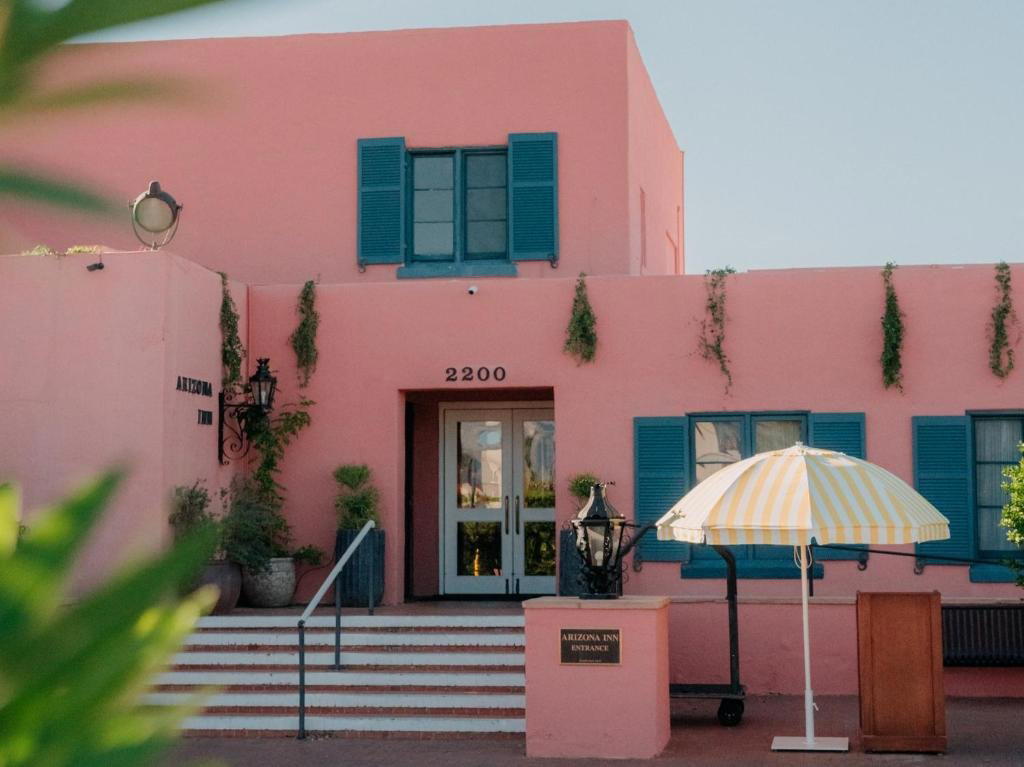
Tucson's premium accommodation options span a wide range of formats. At the furthest end from the urban core, WHITE STALLION RANCH offers a working dude ranch experience where the physical remoteness is the point. Arizona Inn occupies a middle ground, historic, set in mature grounds, but still within the city. The Downtown Clifton operates at the opposite end of this spectrum: urban, street-level, and oriented toward the city as a living destination rather than a retreat from it.
This is not a value judgment about which format is preferable. It is a description of what different travelers are optimizing for. If the goal is landscape immersion and programmed wellness, the resort corridor delivers that in a way no downtown property can match. If the goal is proximity to Tucson's food culture, arts scene, and historic neighborhoods, the urban address is the asset. The hotel speaks to the second category.
For comparison outside Tucson, travelers who have appreciated the urban-adaptive model at properties like Raffles Boston or The Fifth Avenue Hotel in New York City, both of which use historic building bones as a hospitality asset, will recognize the underlying sensibility at play in a downtown Tucson conversion project. Scale and market differ; the instinct toward preserved character over fabricated atmosphere is the same.
Travelers who want the desert landscape as primary context should consider Amangiri in Canyon Point for a more complete Southwestern desert immersion, or examine our full Tucson restaurants guide to understand the dining geography before selecting an accommodation base.
Planning a Stay: What to Verify Directly
The hotel has 30 rooms and a 3-star rating. It does mean that travelers should treat a visit inquiry as the first step: contact the property directly at 485 S Stone Ave, Tucson, AZ 85701 to confirm current availability, rate structure, and any seasonal programming that may affect timing.
Tucson's shoulder seasons, spring (March through May) and fall (October through November), generally offer one favorable combination of weather and accommodation availability across the city. Summer heat in the Sonoran Desert is significant enough to affect how much of Tucson's outdoor and street-level appeal is accessible. The monsoon season (roughly July through September) brings dramatic afternoon weather that can be atmospheric but logistically variable. Spring and fall align leading with the walkable downtown experience that the Stone Avenue address implies.
For travelers building a broader Southwest itinerary, the downtown location integrates well with arrival through Tucson International Airport, which sits south of the city center and connects to Stone Avenue without highway complexity. Its urban positioning places it within Tucson's central grid.
Booking and Cost Snapshot
Comparable venues nearby, for context on price, style, and recognition.
| Venue | Cuisine | Price | Awards | Notes |
|---|---|---|---|---|
| The Downtown CliftonThis venue — the venue you are viewing | Armory Park, neighborhood boutique hotel | $$ | 3-Star | Not listed |
| Hotel Congress | Not listed | $$ | 3-Star | downtown, Eclectic urban historic boutique with Southwest deco-inspired vintage rooms. |
| Arizona Inn | Not listed | $$$$ | 4-Star | midtown, Historic Spanish Colonial Revival resort with casita-style accommodations |
| Ventana Canyon Club and Lodge | Not listed | $$$$ | 4-Star | Catalina Foothills, Intimate mountain lodge with exclusive club access and spacious suites |
| Hacienda Del Sol Guest Ranch Resort | Not listed | $$$$ | 4-Star | Catalina Foothills, Historic Southwestern ranch resort with Spanish Mission architecture and modern enhancements. |
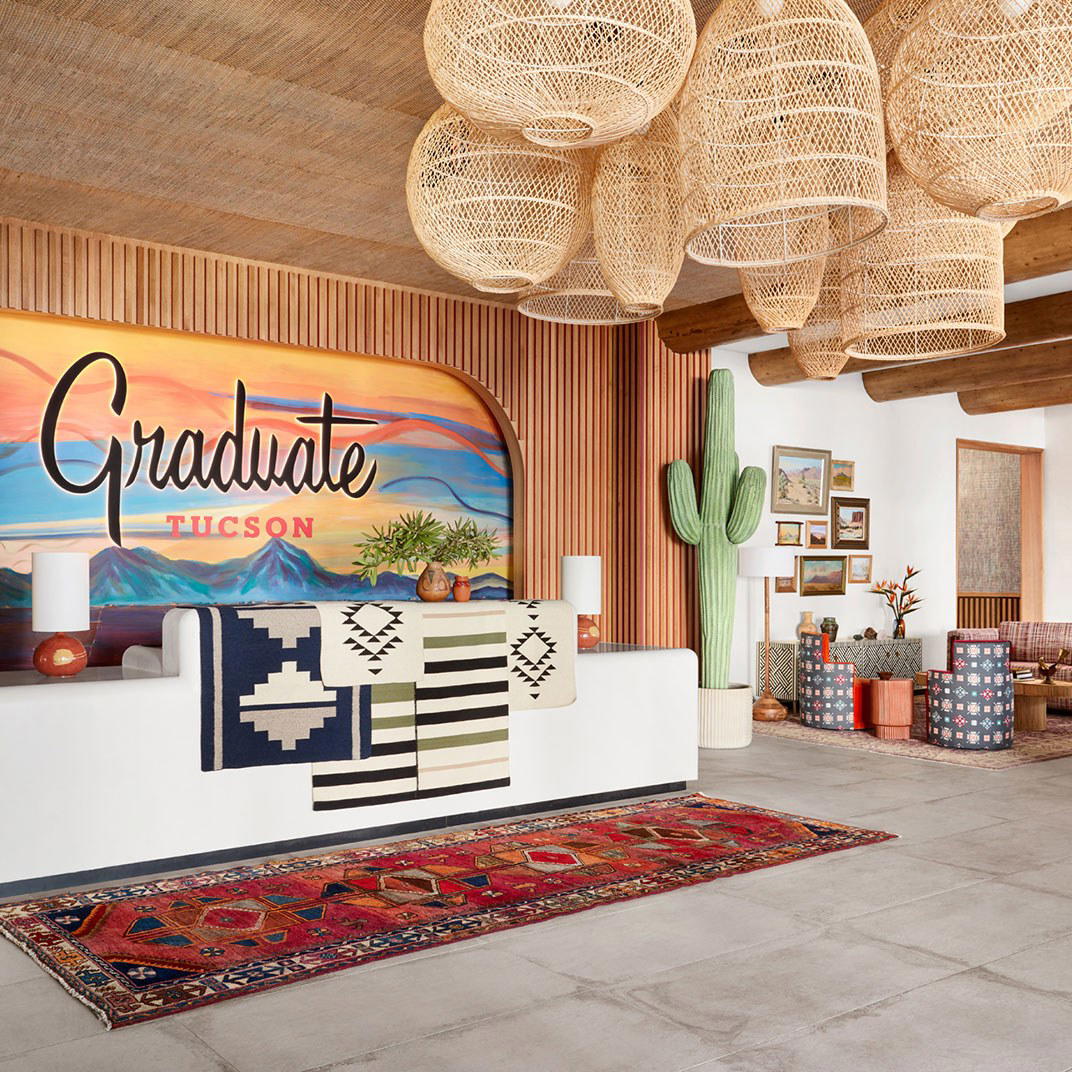
| Graduate by Hilton Tucson | Not listed | $$$ | 4-Star | University of Arizona, University-themed boutique with nostalgic Wildcat traditions and local legends. |

At a Glance
- Retro
- Cozy
- Trendy
- Modern
- Weekend Escape
- Historic Building
- Wi Fi
- Concierge
- Room Service
- Laundry Service
- Wi Fi
- Concierge
- Room Service
- Laundry Service
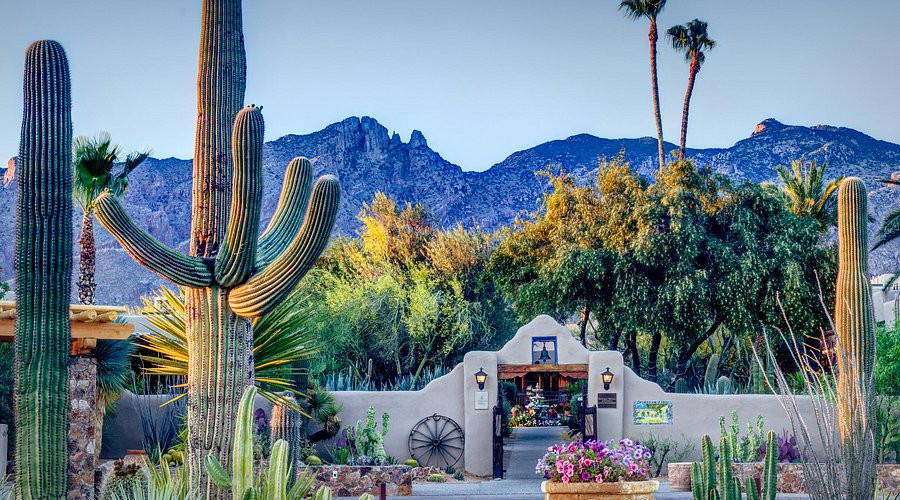
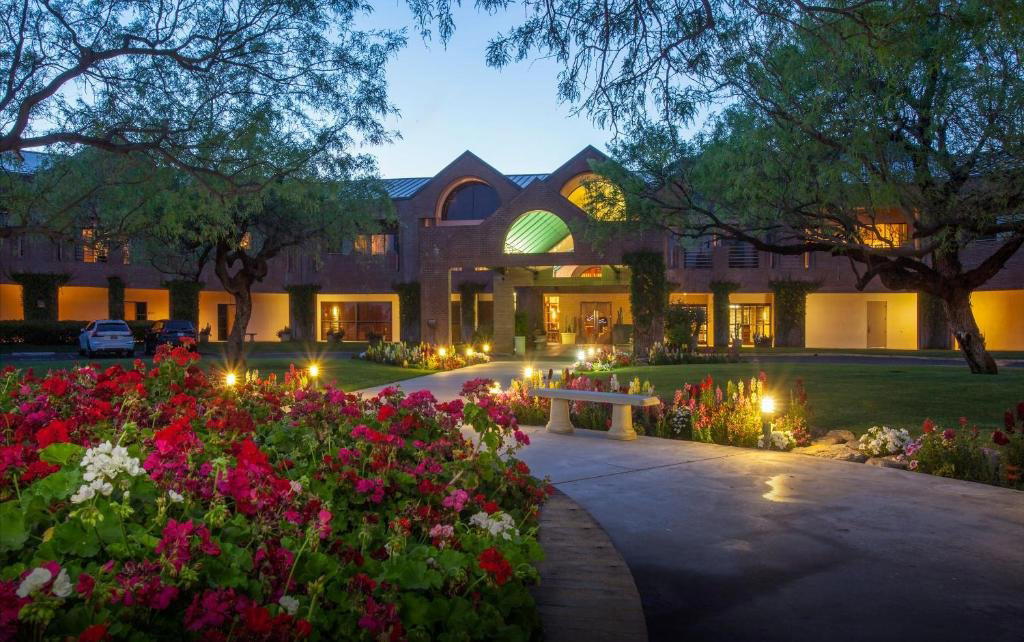
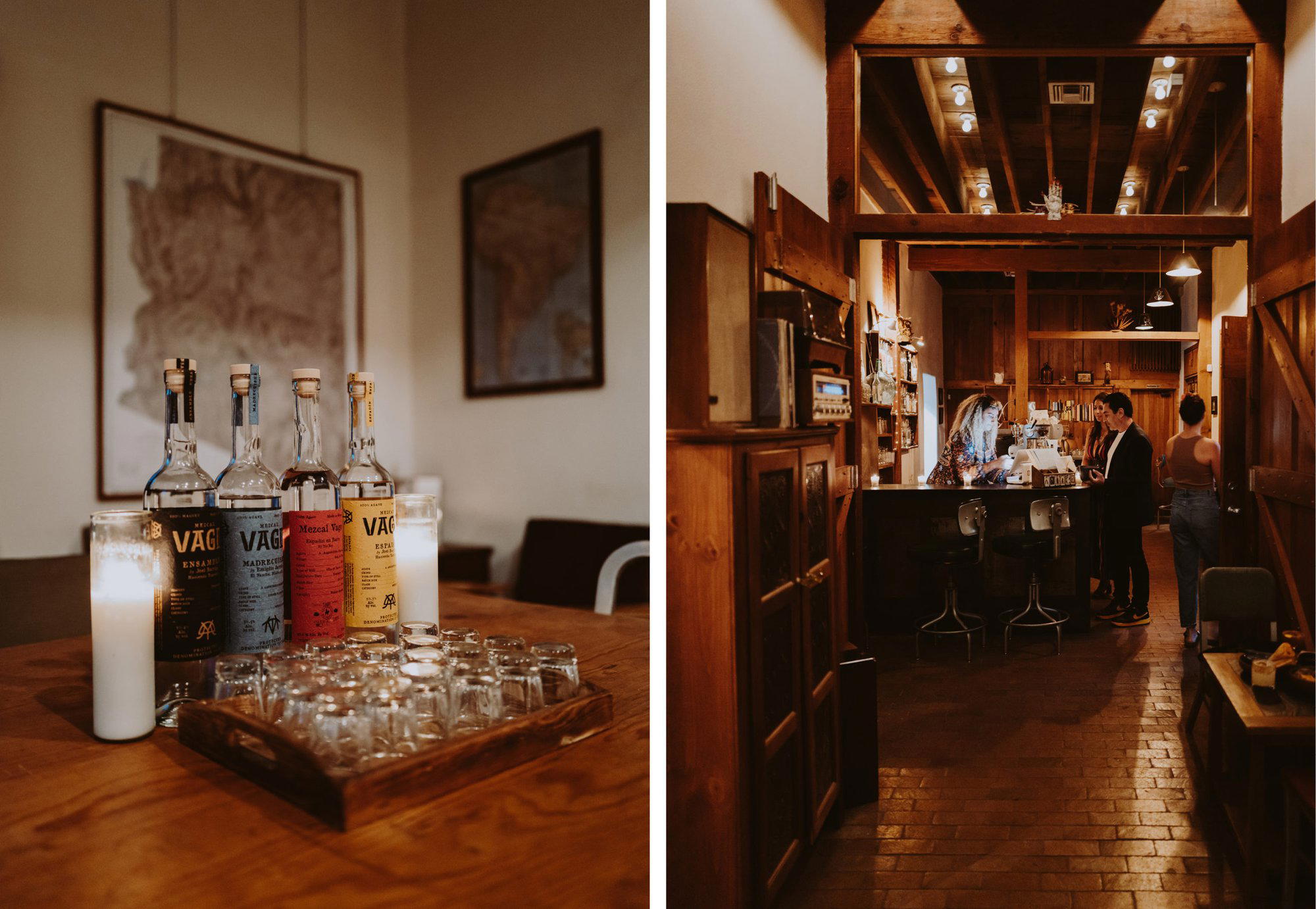
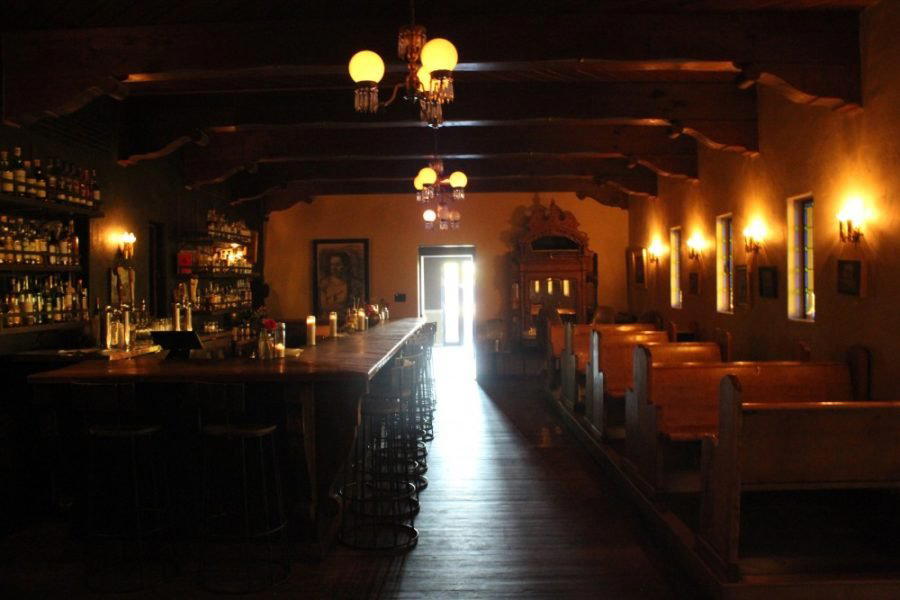
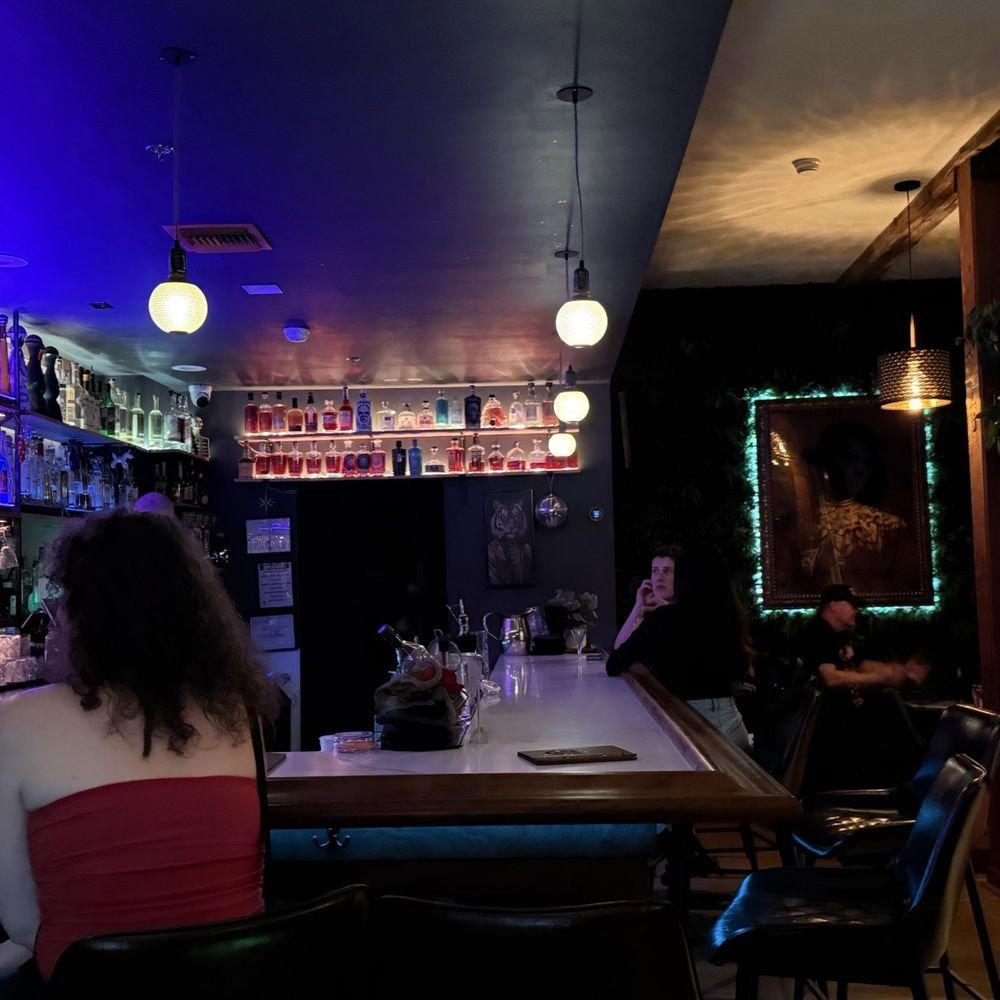
Funky retro decor with hip atmosphere, locally sourced furniture, and a welcoming neighborhood bar vibe.