Google: 4.5 · 1,216 reviews
5 Points Market & Restaurant
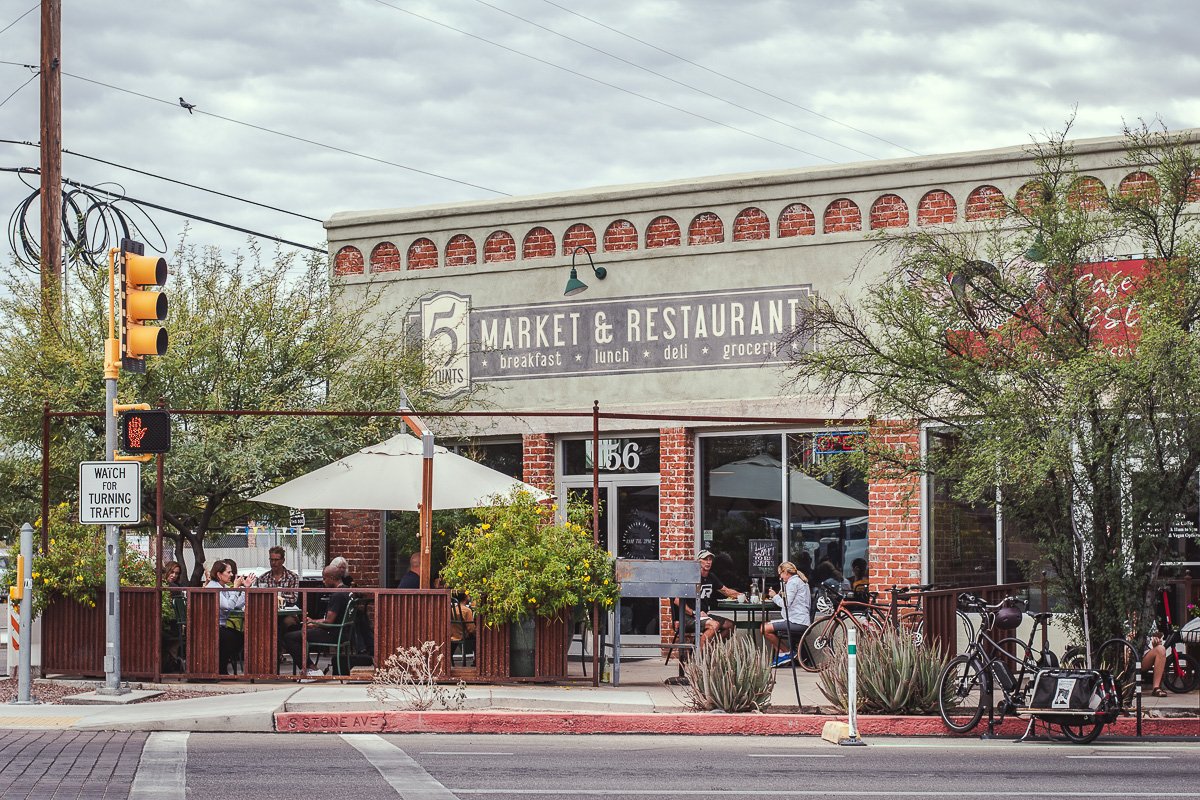
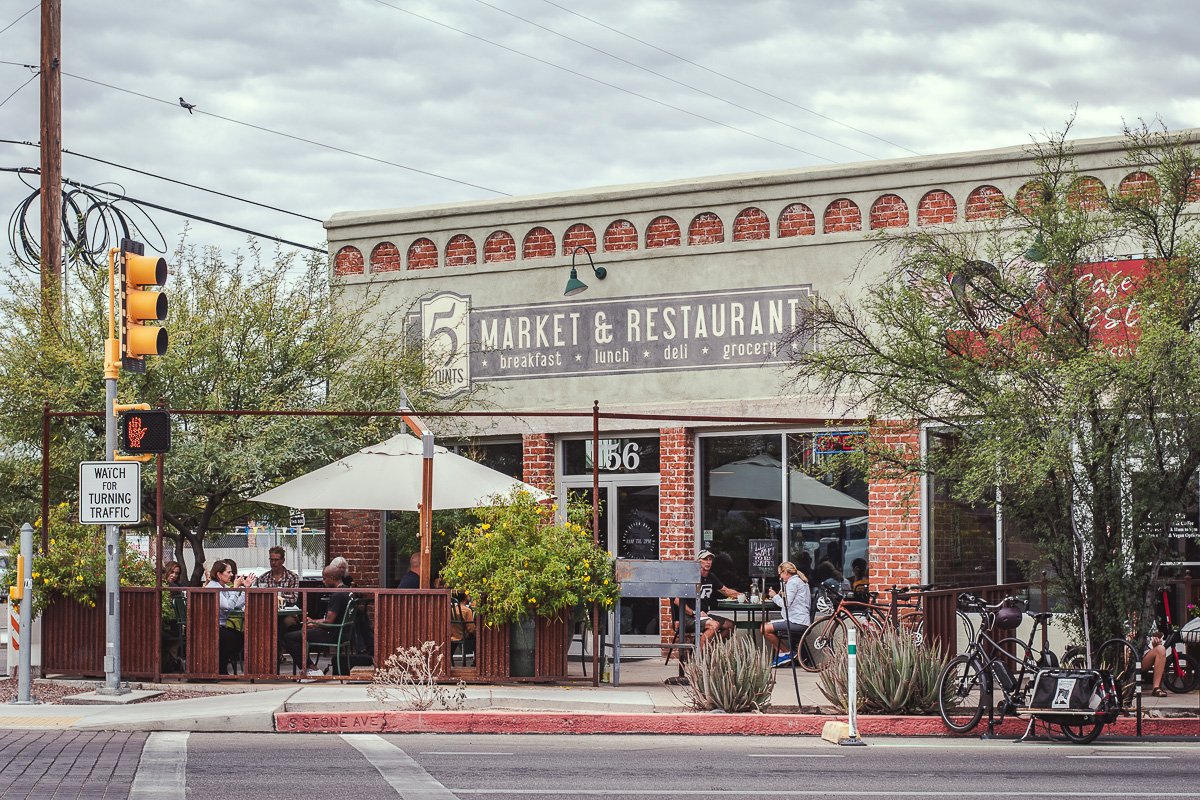
At the corner of South Stone Avenue, 5 Points Market & Restaurant operates as both neighborhood grocer and sit-down dining room, a format that positions it as a reference point for Tucson's market-to-table scene. The kitchen draws on the Sonoran Desert's indigenous and borderland pantry, translating local ingredients through technique that reads as studied rather than casual. It sits within a broader Tucson dining shift toward sourcing-led, mid-register restaurants with genuine culinary ambition.
 Discover on Pearl
Pearl is the En Primeur Club membership app — saves, bookings, and concierge access live there. Same editors, same standards.
Where the Pantry Meets the Plate in South Tucson
The corner of South Stone Avenue and West 22nd Street is not a glamorous address by any conventional measure. The building is low-slung, the neighborhood transitional, and the signage modest enough that a first-time visitor might drive past. That friction is, in part, the point. Tucson's most compelling food addresses have rarely been the ones that announce themselves loudest, and 5 Points Market & Restaurant fits a pattern visible across the city's more serious dining rooms: substance located slightly off the obvious path, in spaces that prioritize the plate over the presentation of arrival.
The dual-format model — retail market and full-service restaurant occupying the same footprint — is a structural statement about how this kitchen thinks about food. It is not a novelty format imported from a coastal city; it reflects a Sonoran borderland tradition in which the distinctions between larder, table, and community gathering place have always been more permeable than in cuisines shaped by European formal dining conventions. That tradition now has a counterpart in serious dining contexts across the American Southwest, from Phoenix to Santa Fe, as kitchens increasingly frame sourcing transparency as a culinary value rather than a marketing posture.
The Sonoran Pantry as Primary Ingredient Source
Editorial angle that makes 5 Points legible within Tucson's broader dining narrative is the intersection of indigenous and regional products with applied culinary technique. The Sonoran Desert is one of the more biodiverse arid environments on the continent, and its edible flora , tepary beans, mesquite, cholla buds, prickly pear, saguaro fruit , constitute a pantry that most American kitchens either ignore or treat as garnish. The more serious use of these ingredients, as structural components of a dish rather than decorative gestures toward place, represents the sharper edge of what Tucson's kitchens have been developing since the city received UNESCO Creative City of Gastronomy designation in 2015, the first American city to do so.
That designation created a framework, and a certain amount of competitive pressure, for restaurants to engage with local food heritage in ways that could withstand external scrutiny. The response across the city has not been uniform. Some kitchens have leaned into Sonoran heritage through Mexican-American borderland cooking , BOCA by Chef Maria Mazon and AMELIAS MEXICAN KITCHEN are relevant points of reference in that register. Others have approached the same pantry through contemporary American technique, treating Sonoran ingredients as the raw material for a cuisine that is neither strictly Mexican nor strictly Anglo-American. 5 Points occupies territory in the latter camp, where the market-sourced, technique-applied model creates a different kind of credibility.
Technique Over Terrain: The Global Method, Local Material Equation
Across American fine and near-fine dining, the most analytically interesting kitchens are those that apply rigorous, internationally trained technique to hyper-local ingredient sets. The logic runs from Blue Hill at Stone Barns in Tarrytown, where Dan Barber's farm-kitchen relationship became a reference point for American ingredient-led cooking, through Single Thread Farm in Healdsburg, where Japanese kaiseki structure meets Northern California produce. The exercise is more technically demanding than it appears: local ingredients often behave differently from the standardized commodity products that culinary training programs use as reference points, and working with them requires both adaptability and a willingness to let the ingredient set constrain the menu rather than the reverse.
In Tucson, that constraint is particularly pointed. The desert growing season is inverted relative to most American agricultural calendars, with the most active production occurring in cooler months and a significant slowdown during the extreme heat of June and July. Kitchens that take local sourcing seriously must plan around that rhythm rather than supplementing their way through the lean periods with produce trucked in from California. The market component of 5 Points creates both a mechanism and an accountability structure for that kind of sourcing discipline , what is available on the retail shelves tends to reflect what is available in the kitchen.
The Tucson Context: A City Dining Scene with Genuine Range
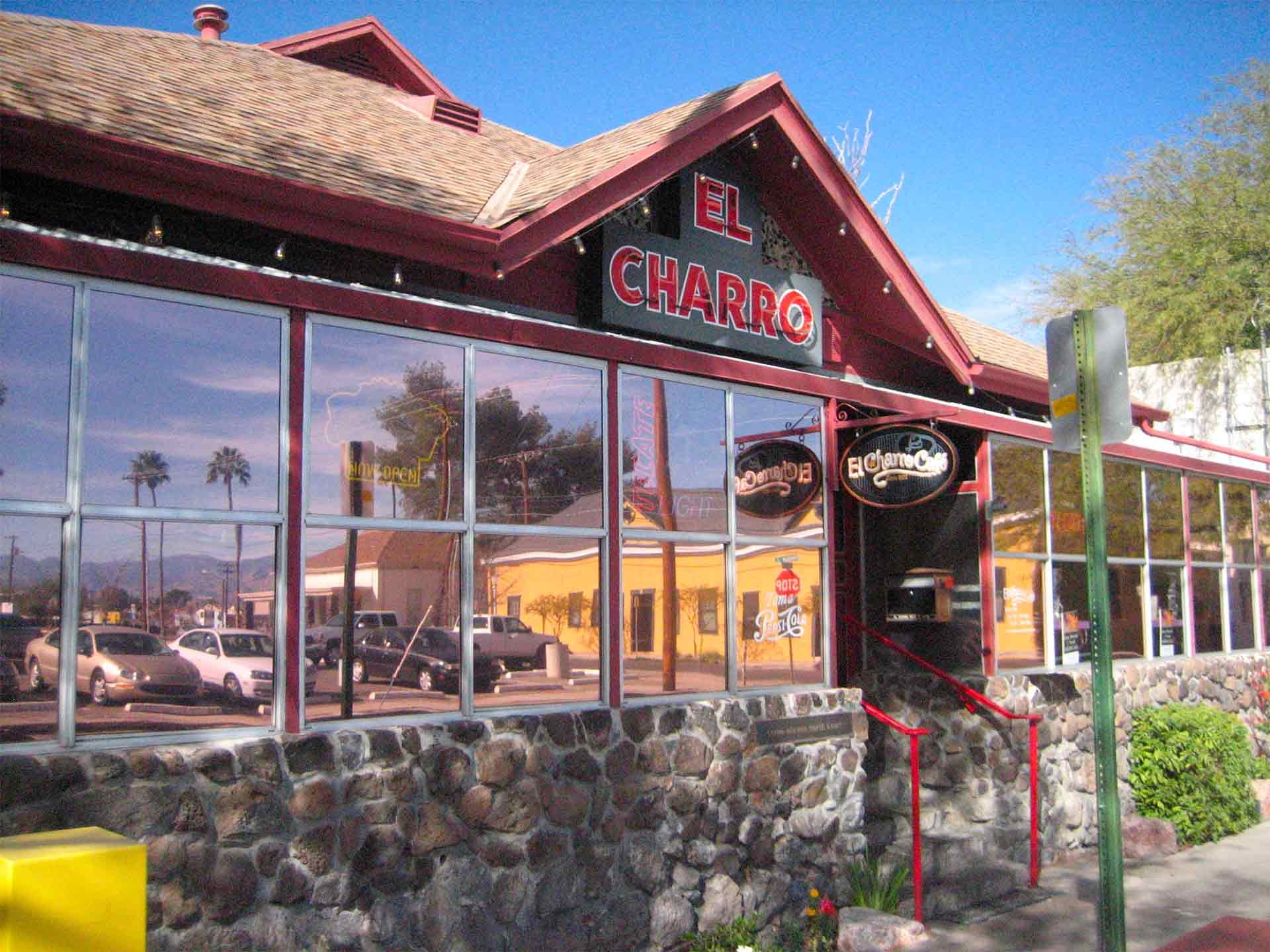
Tucson in the mid-2020s has a dining scene that punches beyond its population size, partly because of the UNESCO designation and partly because of a critical mass of independent operators who have collectively raised the floor on what a mid-range meal in the city can deliver. The comparison peer set for 5 Points is not the white-tablecloth steakhouse tier , Charro Steak & Del Rey and PY Steakhouse operate in a separate register, with different price architecture and a different relationship to occasion dining. Nor is it the specialty beverage or counter-service tier, where Barista del Barrio and Cafe Desta are doing their own version of ingredient-led, community-rooted hospitality.
5 Points sits in the middle band: casual enough in format that walk-ins are a reasonable prospect outside peak hours, considered enough in its sourcing that it belongs in the same conversation as Tucson's more ambitious kitchens. For visitors arriving from cities where the ingredient-led, market-adjacent model is more established , the demographic that has spent time at Lazy Bear in San Francisco or Providence in Los Angeles , the 5 Points format will read as coherent and deliberate rather than aspirational. For a Tucson-first audience, it functions as the kind of neighborhood anchor that earns repeat visits because the menu moves with the season rather than against it.
The practical geography of the address is worth noting. South Stone Avenue runs from downtown Tucson southward and represents one of the city's more interesting commercial corridors for independent operators. The location at 756 S Stone Ave places the restaurant within the zone that defines Tucson's emerging food identity most clearly: not the tourist-facing Fourth Avenue strip, not the suburban restaurant park model, but a neighborhood-embedded format with an assumed local audience as its primary reference point.
Planning a Visit
For visitors building a Tucson itinerary, the market-restaurant format at 5 Points creates flexibility that purely sit-down operations don't offer. The retail component allows for a lighter engagement , picking up regional pantry items, local preserves, or prepared foods , without the commitment of a full meal, which is useful for travelers with variable schedules. The full restaurant experience rewards advance planning, particularly during the October through April period when Tucson's climate draws visitors and the local growing season produces the most interesting ingredient range. Summer visits are feasible but the menu's sourcing-led character is most evident in cooler months, when desert agriculture is at its most active. For a fuller map of where 5 Points sits within the city's broader dining range, our full Tucson restaurants guide covers the scene across price points and cuisine types.
Peers Worth Knowing
A quick look at comparable venues, using the data we have on file.
| Venue | Cuisine | Price | Notes |
|---|---|---|---|
| 5 Points Market & Restaurant | This venue | ||
| CORE Kitchen & Wine Bar | American Southwestern | American Southwestern | |
| PY Steakhouse | American Steakhouse | American Steakhouse | |
| Feast | |||
| Penelope Pizza | |||
| Cielos |

At a Glance
- Cozy
- Rustic
- Hidden Gem
- Bohemian
- Brunch
- Casual Hangout
- Solo
- Family
- Group Dining
- Historic Building
- Standalone
- Open Kitchen
- Natural Wine
- Craft Cocktails
- Farm To Table
- Organic
- Natural Wine
- Local Sourcing
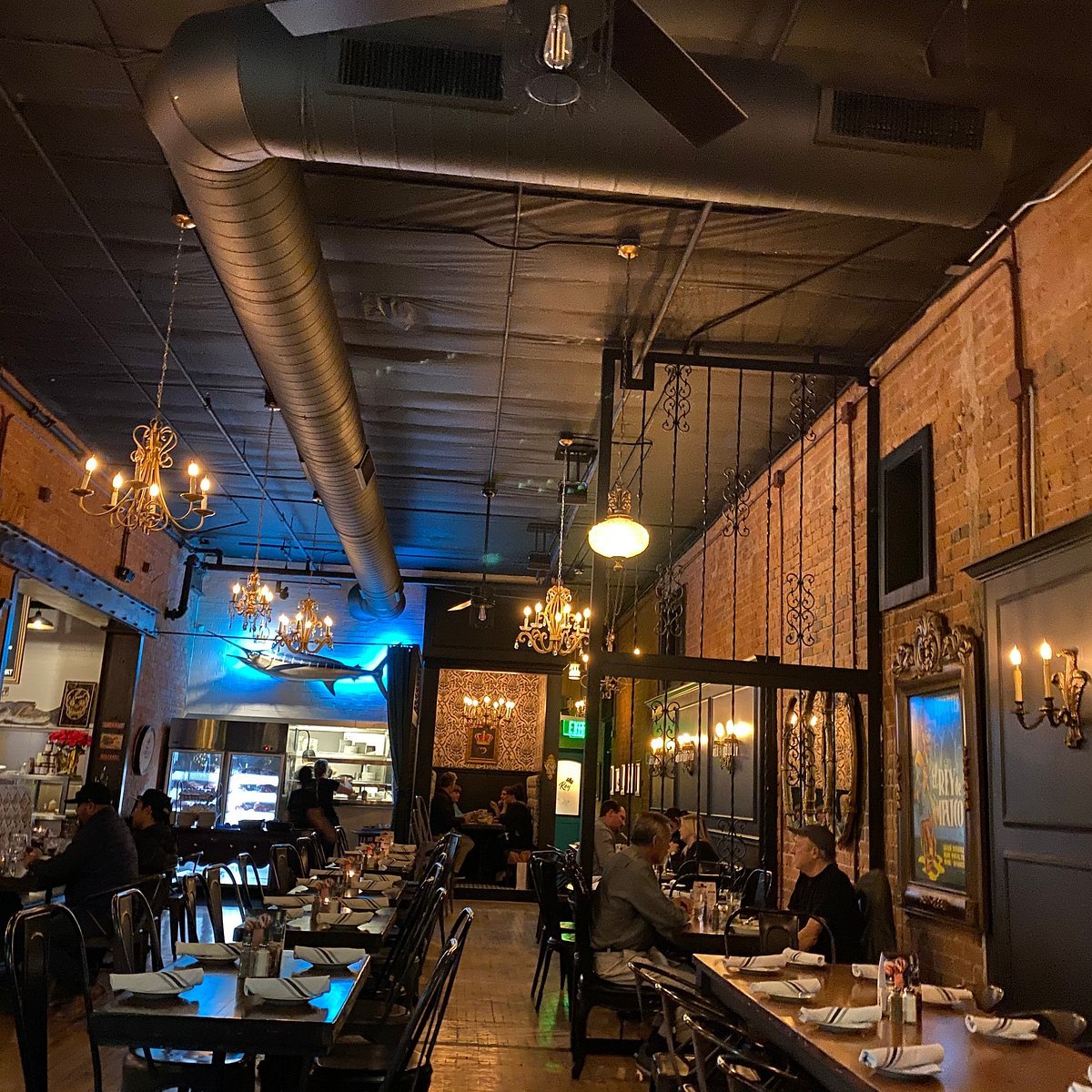
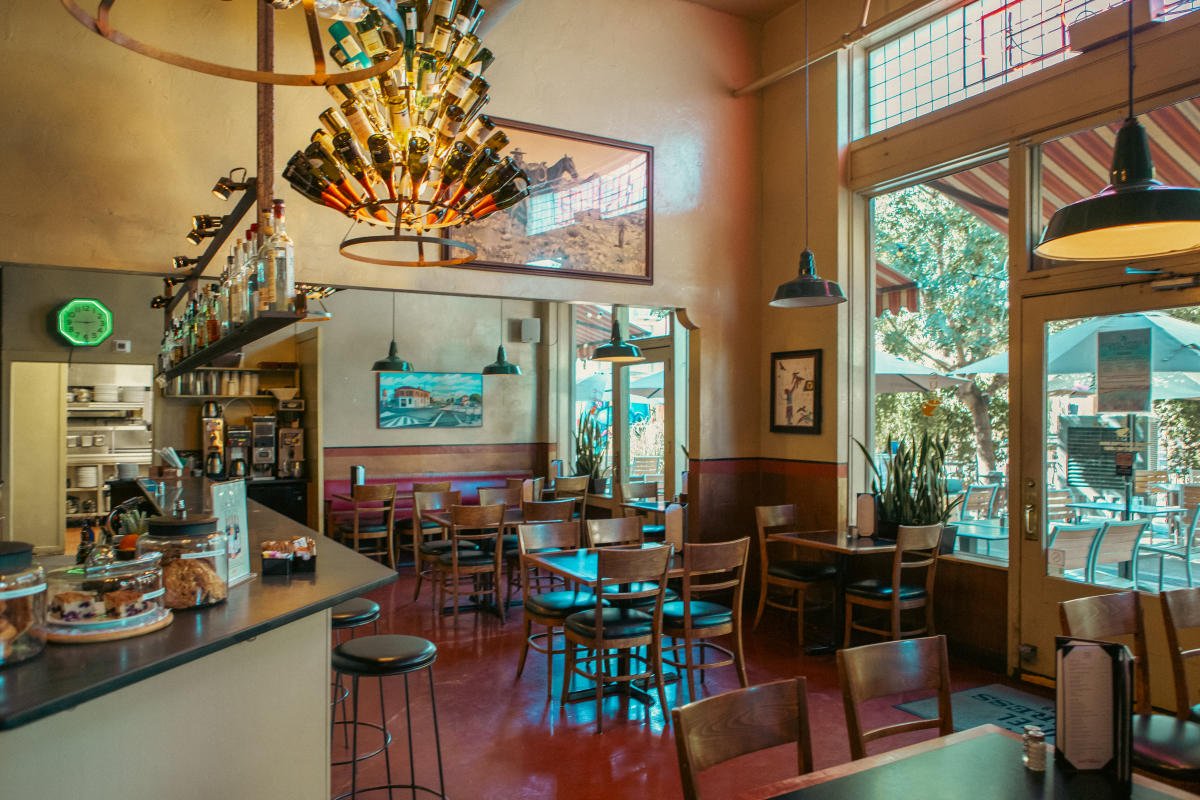
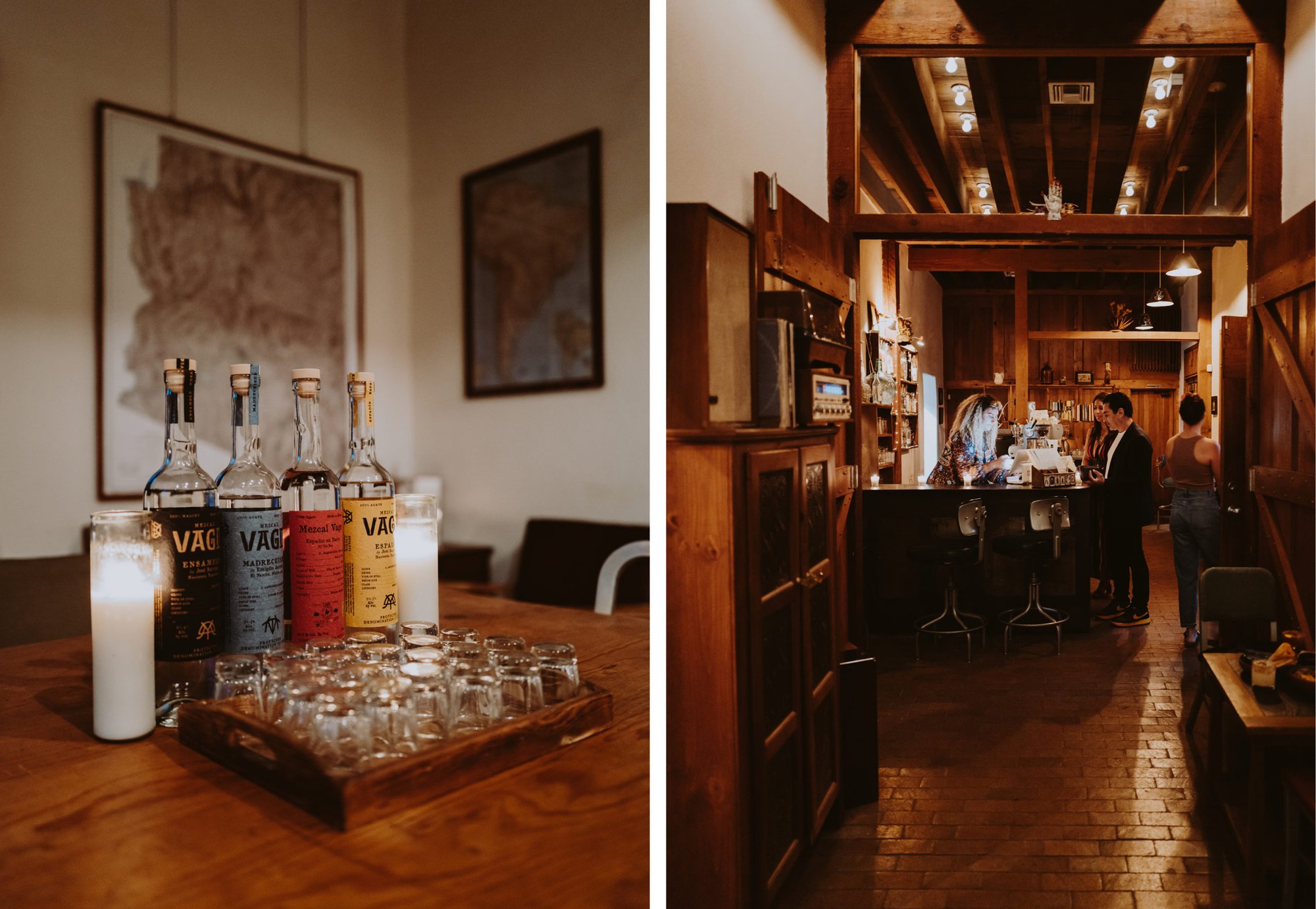
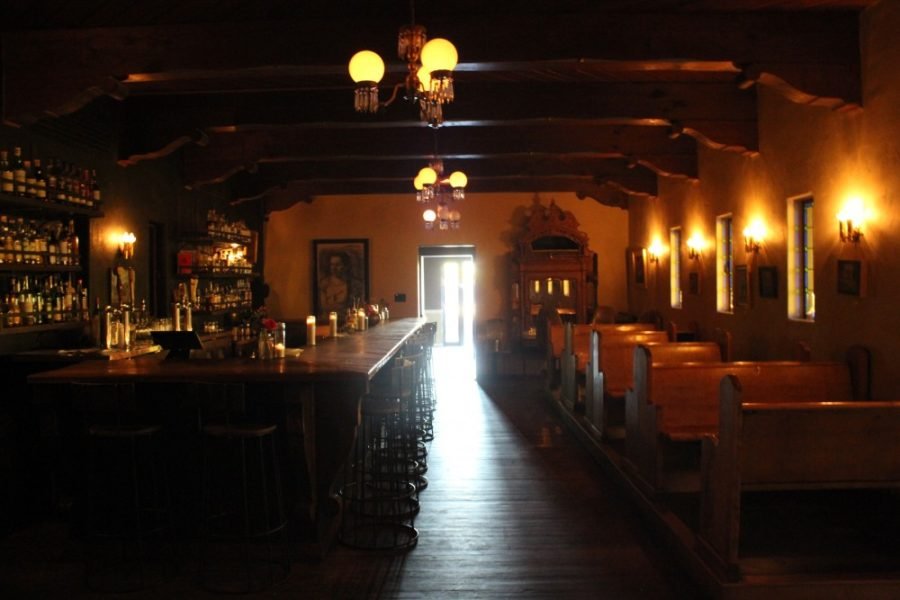
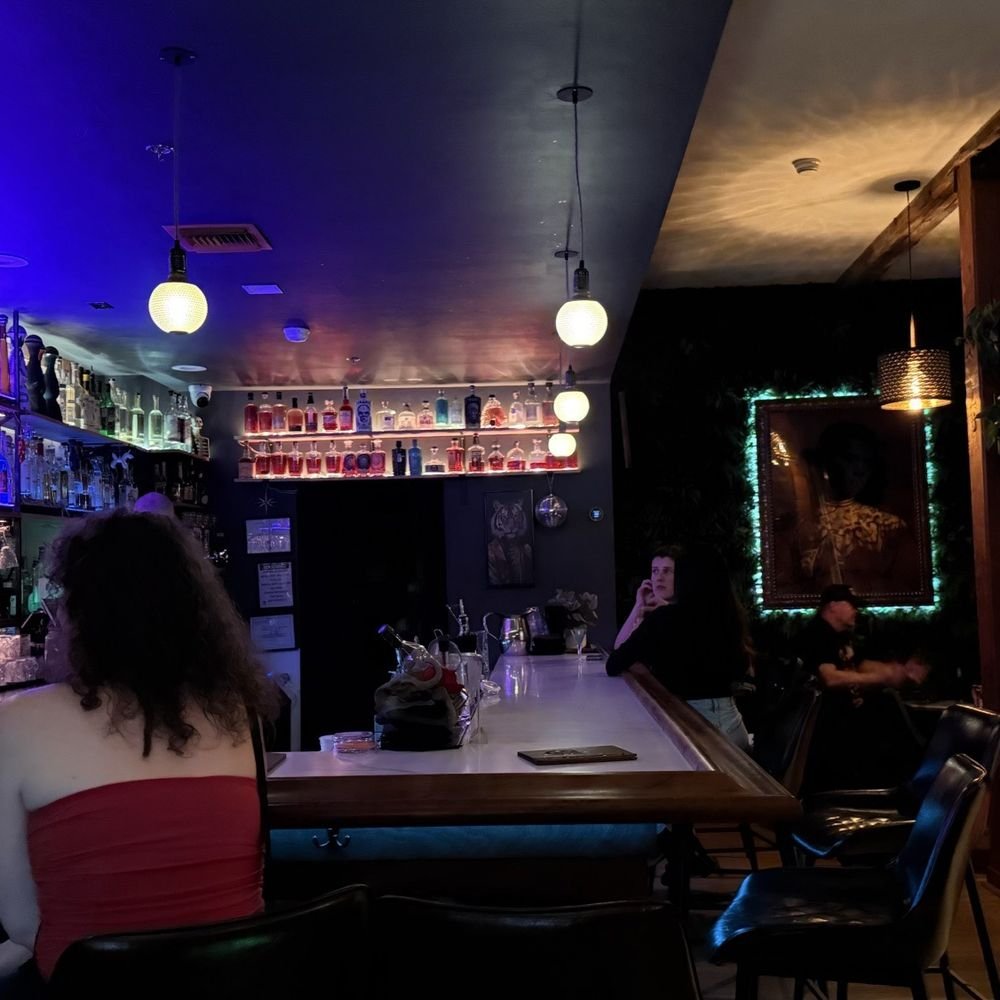
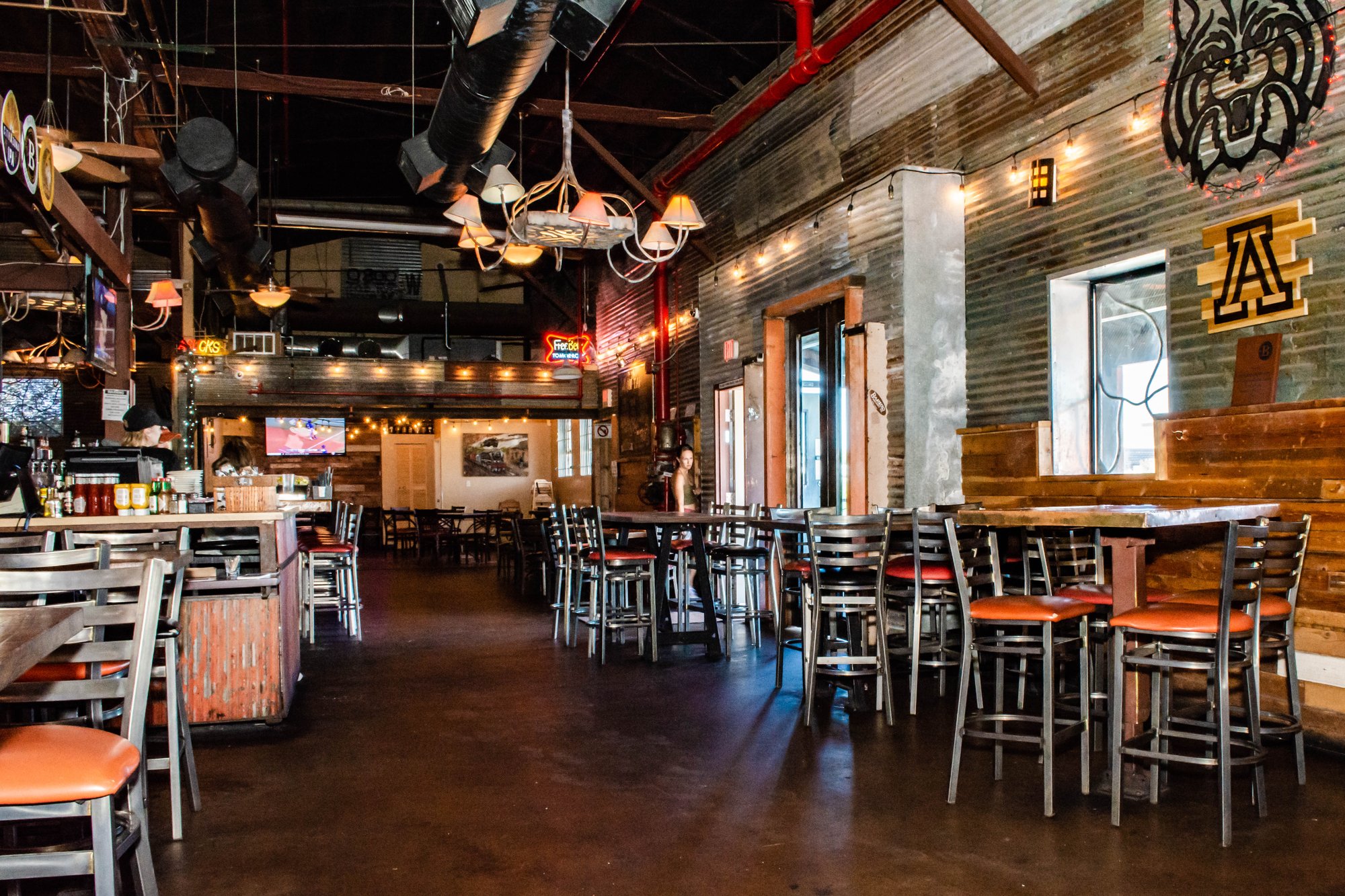
Warm and welcoming with a fresh, relaxed feel; bright and airy with natural light; casual yet refined atmosphere in a historic setting with both indoor and outdoor seating options.