Cafe Desta
Cafe Desta brings East African dining to Tucson's South Side, occupying a modest address at 758 S Stone Ave that has quietly become a reference point for Ethiopian and Eritrean cuisine in southern Arizona. The kitchen draws on the communal dining traditions of the Horn of Africa, where shared platters and fermented injera bread define the table rather than individual plates. It sits in a city whose food identity is shaped as much by its border-region diversity as by its UNESCO Creative City of Gastronomy designation.
Pearl is the En Primeur Club membership app — saves, bookings, and concierge access live there. Same editors, same standards.
- Address
- 758 S Stone Ave, Tucson, AZ 85701
- Phone
- +1 520 370 7000
- Website
- destacafe.com
- Directions
- Get directions
 Saves & bookings on Pearl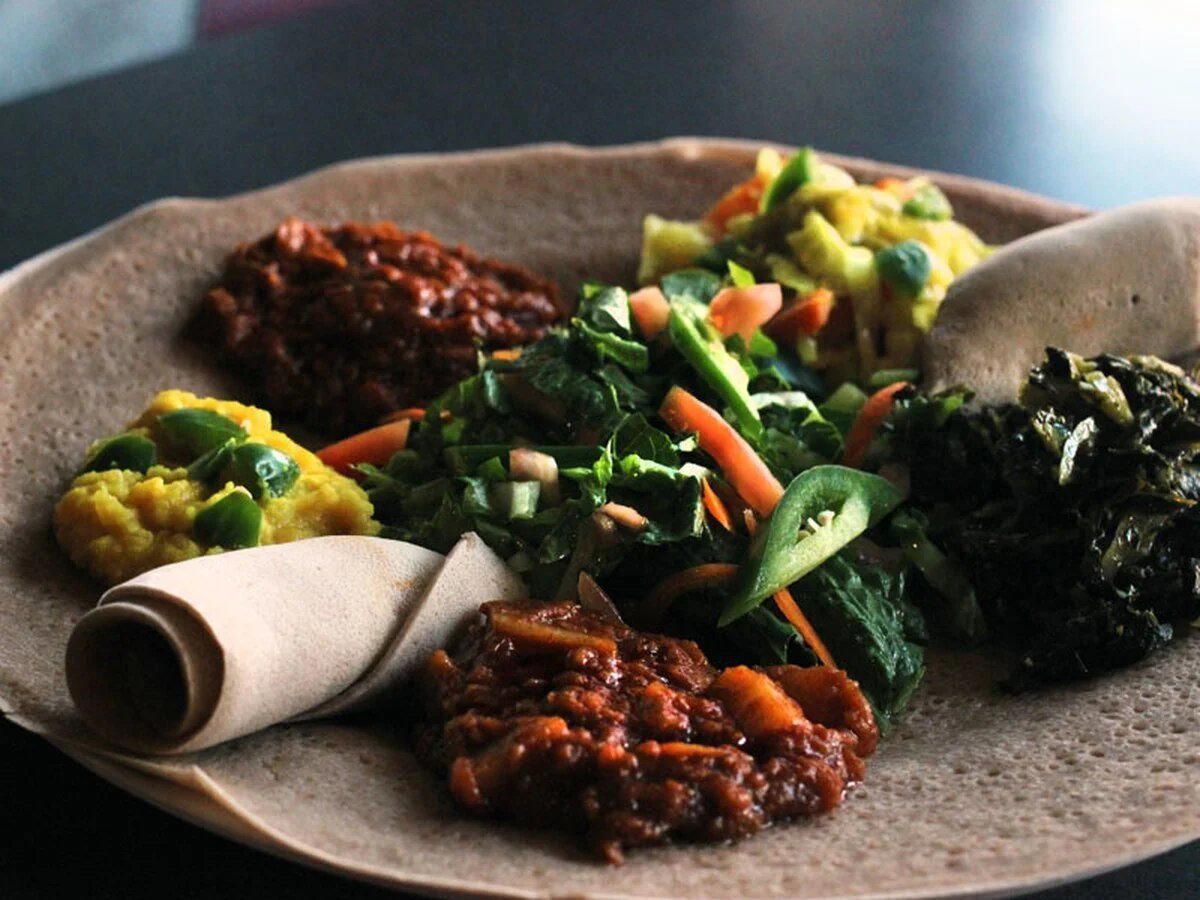
Where South Tucson Meets the Horn of Africa
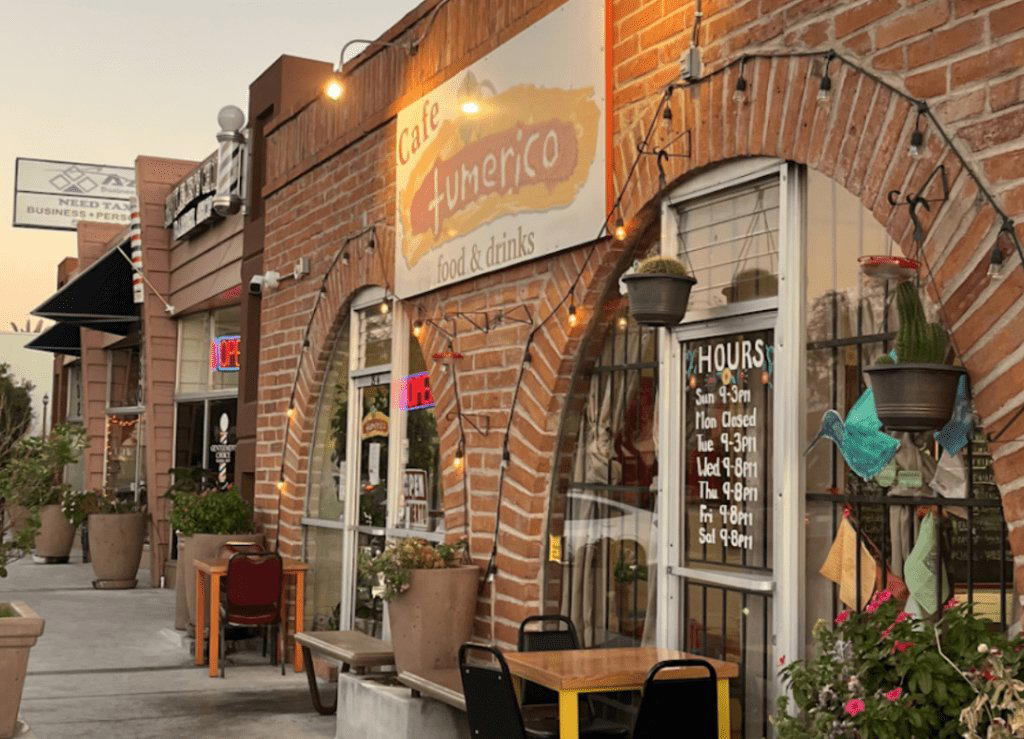
Stone Avenue runs south from downtown Tucson through a stretch of the city that has long been shaped by immigrant communities, independent operators, and food cultures that rarely surface in the glossier end of the dining press. It is a corridor where Sonoran Mexican traditions sit alongside newer arrivals, and where the category of "Tucson dining" becomes genuinely harder to reduce to a single regional identity. Cafe Desta is a traditional Ethiopian restaurant in Tucson, Arizona, at 758 S Stone Ave. It occupies this context deliberately. The address places it among the South Side's working-block storefronts, a neighborhood register that sets expectations accurately: this is a kitchen oriented around the food, not the room.
Ethiopian and Eritrean restaurants in the United States tend to cluster in cities with established East African diaspora populations, Washington D.C. Minneapolis, Los Angeles. Tucson's East African dining scene is smaller in scale, which makes Cafe Desta a notable local reference point. For many visitors and residents, it offers an introduction to a dining tradition shaped by communal eating and long fermentation.
The Dining Tradition Behind the Menu
To understand what Cafe Desta is doing, it helps to understand what Ethiopian and Eritrean cuisine actually is, and what it isn't. This is not a cuisine that organizes itself around individual plates, protein centerpieces, or the European service structure that most American diners take as default. The foundational unit is the shared platter: injera, a fermented teff flatbread with a sour, spongy character, laid across a large tray and topped with a range of stews, legume preparations, and spiced vegetables. You eat with your hands. You share from the same surface. The meal is architecturally communal in a way that goes beyond the trendy "sharing plates" format of contemporary American restaurants, it is how the cuisine was always designed to be eaten.
Injera itself is worth a moment. Teff, the grain that produces it, is native to the Horn of Africa and has been cultivated in Ethiopia for thousands of years. The fermentation process that gives injera its characteristic tang typically takes two to three days, and the bread functions simultaneously as plate, utensil, and starch component of the meal. Kitchens that take this seriously maintain a fermentation rhythm that shapes the entire operation. It is the kind of process that resists the shortcuts common in higher-volume, lower-commitment versions of the cuisine.
The spice architecture of Ethiopian and Eritrean cooking is equally specific. Berbere, a blend that can include chili, fenugreek, coriander, and a range of other aromatics, forms the backbone of many stewed preparations. Niter kibbeh, a spiced clarified butter, is used in ways that parallel ghee in South Asian cooking but carry a distinct flavor profile shaped by the added aromatics. Mitmita, a hotter, cardamom-forward blend, appears in raw meat preparations in Ethiopian tradition. These are not interchangeable with the spice systems of other African or Middle Eastern cuisines, they represent a distinct culinary language.
Tucson as a Frame: A UNESCO Food City With Gaps to Fill
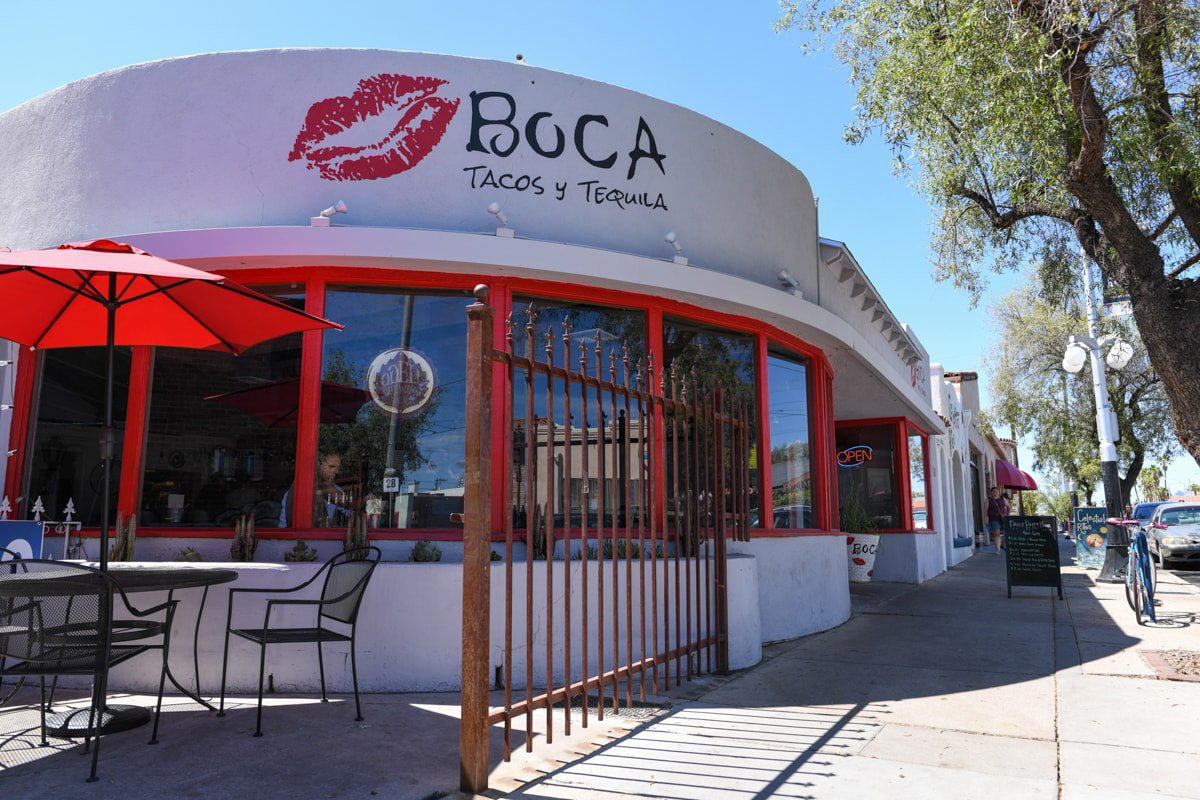
Tucson holds a designation from UNESCO as a Creative City of Gastronomy, a recognition that reflects the depth and continuity of its food traditions, particularly the agricultural heritage of the Sonoran Desert and the centuries-long Mexican and Indigenous culinary history of the region. That designation creates an interesting context for a restaurant like Cafe Desta. The city's food identity is genuinely multi-layered, venues like BOCA by Chef Maria Mazon and AMELIA'S MEXICAN KITCHEN anchor the Mexican and Sonoran side of that story, while Charro Steak & Del Rey and 5 Points Market & Restaurant represent different registers of the city's broader American and regional identity.
What Tucson's UNESCO profile does not automatically generate is depth across all the world cuisines now present in the city. East African food culture is not a footnote in Tucson, it is present, brought by community members who have settled in southern Arizona over the past two to three decades. But it does not yet have the critical mass of representation that would make any single operator one among many. The restaurant operates in a category where the restaurant and the cuisine are, for many diners, the same thing. That is a different kind of responsibility than operating inside a crowded competitive set.
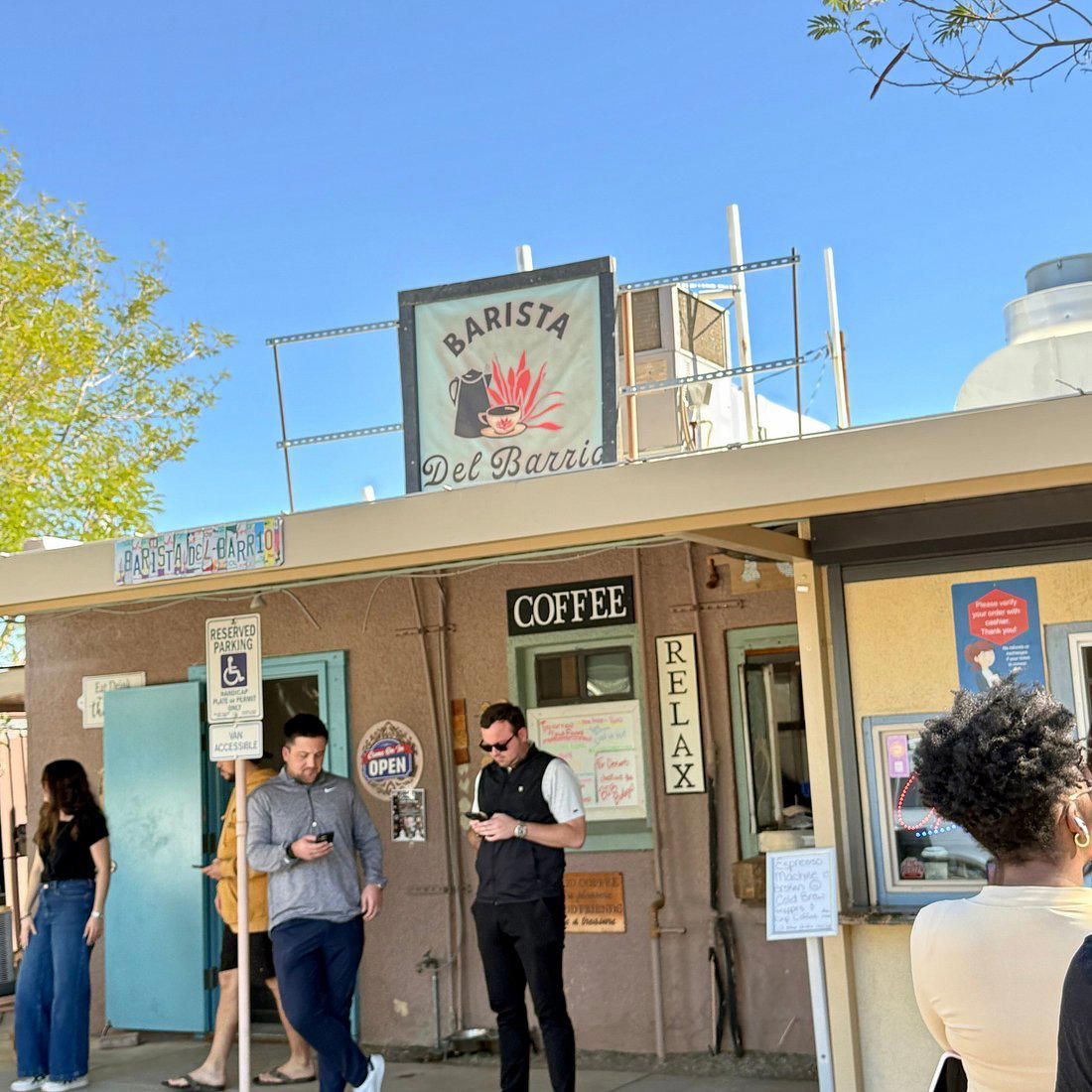
For visitors building a broader picture of Tucson's table, Barista del Barrio rounds out the South Side's independent food culture.
Where It Sits Relative to the Wider American Table
Ethiopian and Eritrean cuisine occupies an interesting position in the American fine dining conversation. It does not appear regularly at the level of, say, Le Bernardin in New York City, The French Laundry in Napa, or Providence in Los Angeles, where the Michelin framework and tasting menu format dominate. Nor does it sit alongside the farm-to-table precision of Blue Hill at Stone Barns in Tarrytown or the progressive technique of Smyth in Chicago. The communal platter tradition does not map easily onto the scoring systems and format conventions that those venues operate within.
That gap in the critical framework does not reflect the depth of the culinary tradition. It reflects a structural bias in how Western food institutions have historically categorized and rewarded non-European food cultures. Venues like Atomix in New York City have demonstrated that non-European fine dining can achieve full critical recognition on its own terms. Ethiopian and Eritrean cuisine in the United States is still working toward that institutional acknowledgment at scale, which makes the operators keeping the tradition present and honest, at addresses like Stone Avenue in Tucson, doing something that matters beyond their immediate neighborhood.
Planning Your Visit
The restaurant is located at 758 S Stone Ave, Tucson, AZ 85701, on the South Side of the city. Given the limited number of East African kitchens operating in Tucson, the restaurant draws a mix of community regulars and first-time visitors, particularly those introduced to the cuisine through Tucson's broader food tourism infrastructure. Arriving with some familiarity with the injera-and-shared-platter format will make the experience more navigable, though the communal structure of the meal is self-explanatory once the platter arrives. The restaurant is open daily from 11 AM to 9 PM, and reservations are recommended.
Booking and Cost Snapshot
Comparable venues nearby, for context on price, style, and recognition.
| Venue | Cuisine | Price | Notes |
|---|---|---|---|
| Cafe DestaThis venue — the venue you are viewing | south of Downtown, Traditional Ethiopian | $$ | Not listed |
| Mama Louisa's Italian Restaurant | Not listed | $$ | Southeast Tucson, Traditional Italian-American Trattoria |
| Guadalajara Fiesta Grill | East Side, Authentic Mexican Grill | $$ | Not listed |
| Reilly Craft Pizza and Drink | Not listed | $$ | Downtown Tucson, Modern Italian Craft Pizza |
| Union Public House | Not listed | $$ | St. Philip’s Plaza, American Gastropub |
| Rosa's Mexican Food | Fort Lowell, Sonoran Mexican | $$ | Not listed |

At a Glance
- Cozy
- Rustic
- Casual Hangout
- Group Dining
- Standalone
Current opening hours
- Monday
- 11 AM–9 PM
- Tuesday
- 11 AM–9 PM
- Wednesday
- 11 AM–9 PM
- Thursday
- 11 AM–9 PM
- Friday
- 11 AM–9 PM
- Saturday
- 11 AM–9 PM
- Sunday
- 11 AM–9 PM
Hours can change for holidays and private events. Last verified .
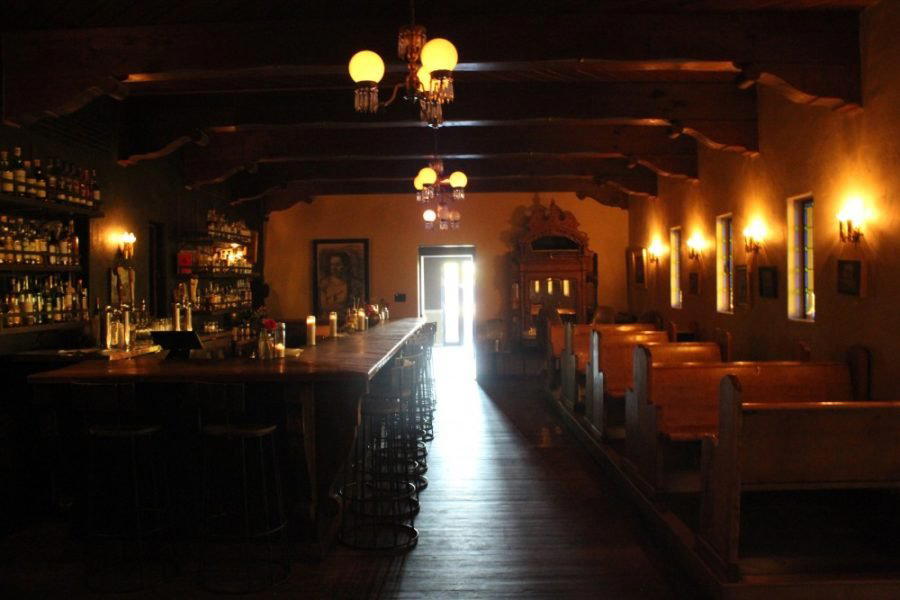
Welcoming casual atmosphere focused on communal Ethiopian dining.