Forbes Meat Company
Forbes Meat Company occupies a South Sixth Avenue address in Tucson that positions it closer to the working-grain of the city than the polished tourist corridor. The bar program draws on craft traditions that have reshaped how American drinking cities think about hospitality, placing it in conversation with serious cocktail programs from Honolulu to New Orleans. For Tucson, it represents a particular bet on what a neighborhood bar can be.
Pearl is the En Primeur Club membership app — saves, bookings, and concierge access live there. Same editors, same standards.
- Address
- 747 S 6th Ave, Tucson, AZ 85701
- Phone
- +1 520 474 2714
- Website
- forbesmeatcompany.com
- Directions
- Get directions
 Saves & bookings on Pearl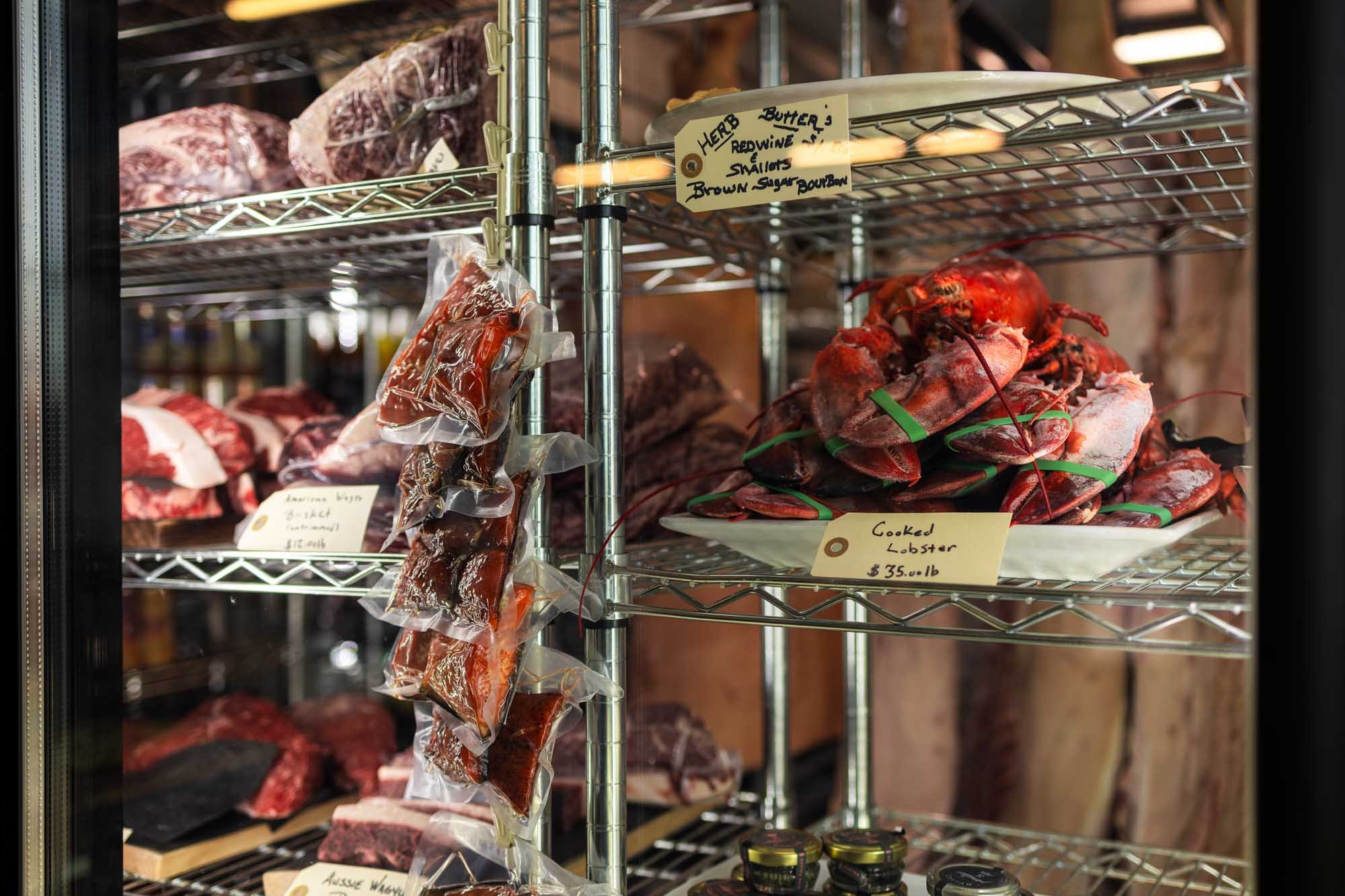
South Sixth and the Bar That Takes Its Neighborhood Seriously
The stretch of South Sixth Avenue that runs through Tucson's near-south side has always operated at a remove from the sanitized hospitality of the downtown convention corridor. Warehouses, independent mechanics, and low-rise commercial blocks give the street its character, and the bars and restaurants that have survived here have done so by serving their immediate community rather than chasing foot traffic. Forbes Meat Company, at 747 S 6th Ave, sits inside that logic. The address alone signals something: this is a neighborhood bar, not a venue oriented toward conference-hotel spillover.
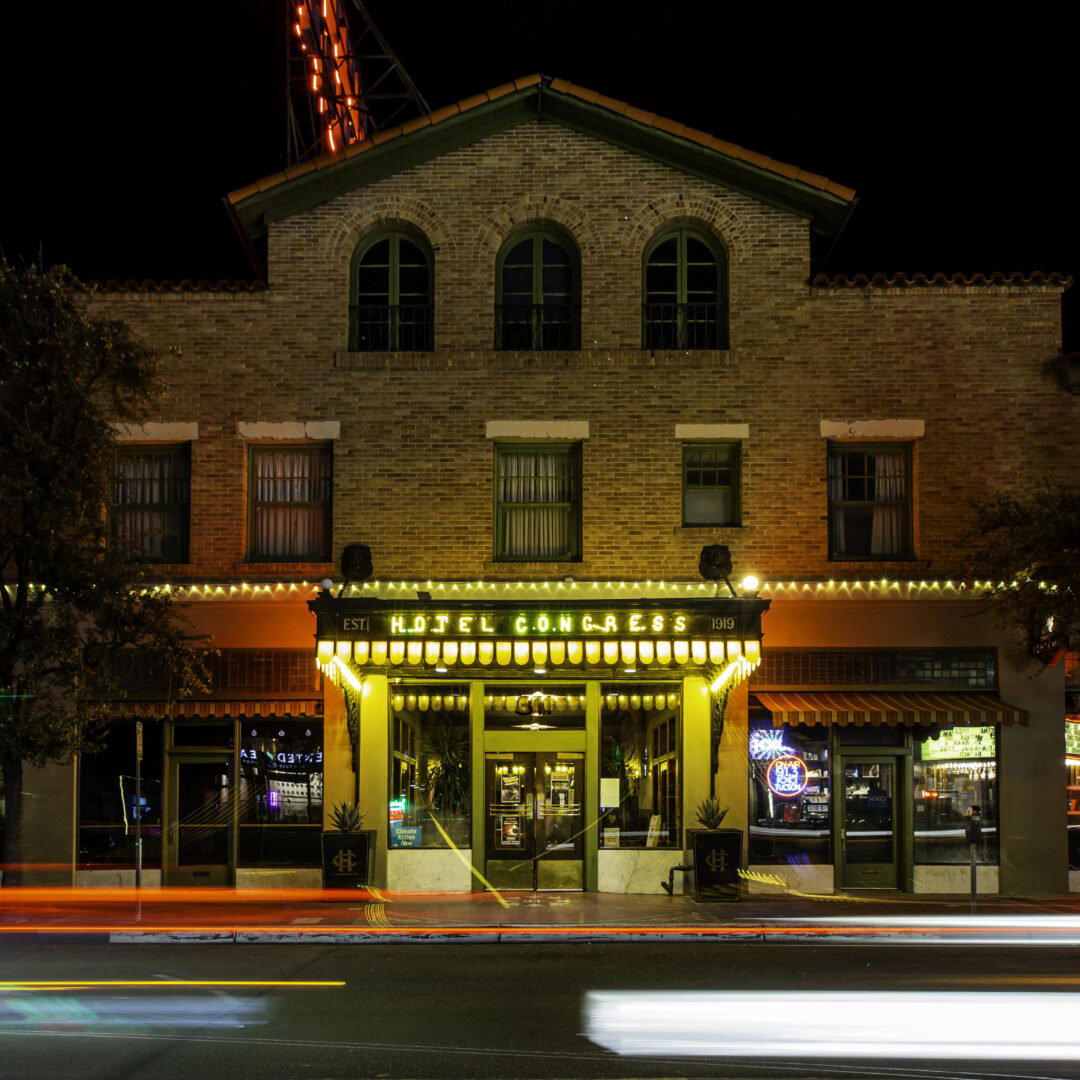
Tucson's drinking culture has been quietly pluralistic for years. The University of Arizona anchors one segment, Barrio Brewing Co serves the craft-beer contingent, and the historic Hotel Congress holds a different kind of civic nostalgia. What has been slower to arrive is the cocktail-focused bar with a genuine point of view on craft, hospitality, and the relationship between the two. That gap is exactly where Forbes Meat Company plants its flag.
The Craft Bar Tradition This Venue Belongs To
Across American cities, a particular bar format has matured over the past fifteen years: the neighborhood-anchored craft program where the person behind the bar is the primary product. Not in the celebrity-chef sense, but in the older sense of bartending as a skilled trade with its own lineage, technique, and code of hospitality. Jewel of the South in New Orleans operates in this tradition, drawing on 19th-century cocktail scholarship. Kumiko in Chicago extends it into Japanese technique and ingredient philosophy. Bar Leather Apron in Honolulu applies the same discipline to a Pacific context. In each case, the bar exists as a practice, not a brand.
Forbes Meat Company, despite its name carrying the weight of its neighborhood's industrial past, belongs to this same lineage. The name itself is worth pausing on: it references a former life for the space, the kind of adaptive reuse that has become a standard move in American hospitality but that, when done with care, anchors a venue in genuine local history rather than manufactured atmosphere. The South Sixth corridor has seen several of these transitions, and strong examples among them carry their previous identity as texture rather than theme.
What the Bartender's Role Means Here
The craft bar tradition depends on what happens when a trained bartender treats the counter as a place of genuine exchange rather than a transactional surface. In markets with strong cocktail cultures, such as San Francisco (where ABV has set a high bar for ingredient-driven programs) or New York (where Superbueno has built a loyal following on precise Latin-inflected cocktails), the bartender functions as host, technician, and curator simultaneously. The physical format tends to support this: a counter that allows conversation, a back bar organized around spirit categories rather than brand placement, and a menu that reflects genuine editorial choices rather than distributor incentives.
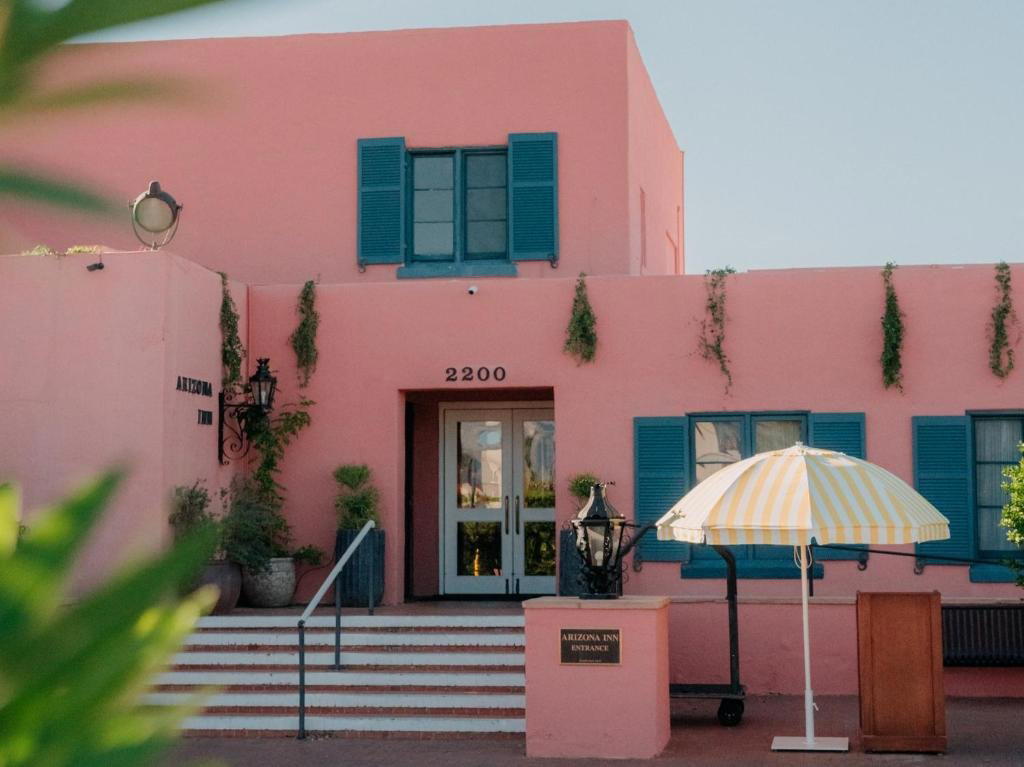
Tucson is a city that has not always been given credit for its hospitality intelligence. Bar Crisol at Exo has demonstrated what a focused, technique-led program looks like in this market, and the Arizona Inn's bar holds a different kind of institutional authority. The bar enters a conversation that is more developed than outside observers typically assume.
In cities with smaller cocktail markets, the person behind the bar carries more weight relative to the institution itself. Regulars develop relationships with specific bartenders, menu decisions get read as personal statements, and the bar's identity stays more fluid and responsive than in a high-volume urban program. This is both a vulnerability and an advantage: the experience can be sharper and more personal than anything a 200-seat venue can replicate.
Tucson as Context for a Serious Bar Program
Tucson received UNESCO Creative City of Gastronomy designation in 2015, the first American city to earn that recognition. That designation was built on the depth of Sonoran food tradition, the heirloom agriculture practiced in the Santa Cruz Valley, and the city's willingness to treat indigenous and borderlands cuisine as foundational rather than peripheral. What it did not fully capture was Tucson's bar culture, which has developed in parallel along similar lines: independent, locally referential, and resistant to the homogenization that has flattened drinking culture in faster-growing Sun Belt cities.
For visitors approaching Tucson through its food identity, the bar program at Forbes Meat Company represents a logical extension of the same values that make the city's restaurant scene worth paying attention to. The South Sixth corridor sits close enough to Barrio Viejo, one of Tucson's oldest surviving residential neighborhoods, to draw on that community energy without being absorbed by tourist traffic. That proximity matters: the leading neighborhood bars in American cities have historically drawn their character from the blocks immediately around them, and South Sixth is a neighborhood with genuine character to draw from.
The city rewards a deliberate approach over the spontaneous walk-in strategy that works better in denser urban grids.
Planning a Visit: What to Know
The bar's South Sixth Avenue location is accessible by car from downtown Tucson in under ten minutes. The neighborhood does not have the density of foot traffic that would make it a natural drop-in stop, so treating this as a destination rather than a casual detour reflects how the venue actually functions. Parking in the surrounding blocks is generally available. The bar is open daily from 8 AM to 9 PM, and walk-ins are welcome.
For comparison, bars operating at a similar craft level in other mid-sized American cities, such as Julep in Houston or The Parlour in Frankfurt, tend to anchor their programming around specific spirit categories or hospitality philosophies that justify the journey. The bar has developed a programmatic identity worth seeking out on site.
The Quick Read
Comparable venues nearby, for context on price, style, and recognition.
| Venue | Cuisine | Price | Notes |
|---|---|---|---|
| Forbes Meat CompanyThis venue — the venue you are viewing | Not listed | $$ | Not listed |
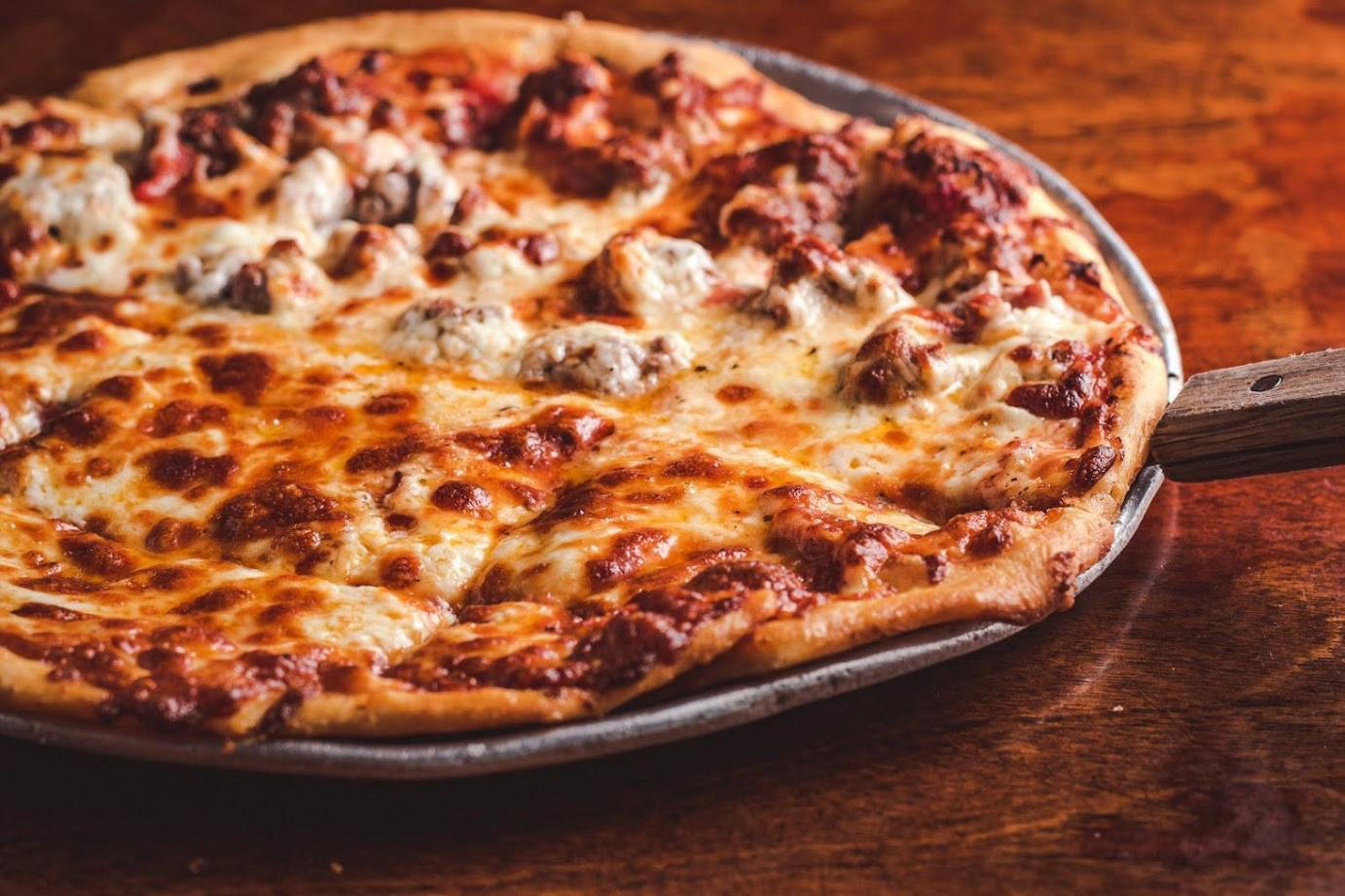
| Fresco Pizzeria & Pastaria | midtown, Bar | $$ | Not listed |
| Owls Club | Not listed | $$ | Armory Park, cocktail_bar |
| Bar Crisol/Exo | Barrio Viejo, mezcaleria | $$ | Not listed |
| Blue Willow Restaurant & Gift Shop | Campbell Avenue, lounge | $$ | Not listed |
| Red Garter Saloon Bar & Grill | Not listed | $$ | Midtown, sports_bar |
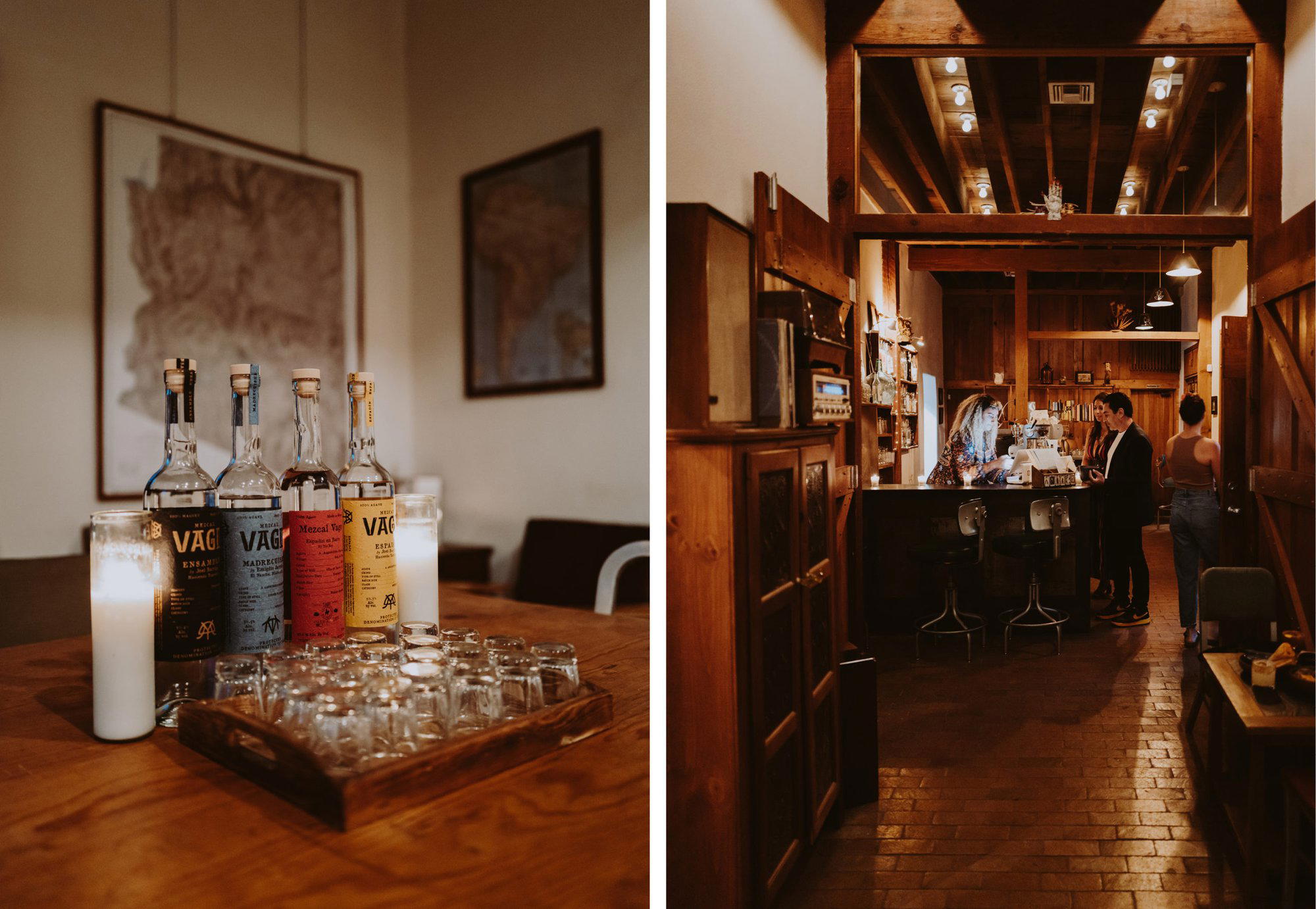
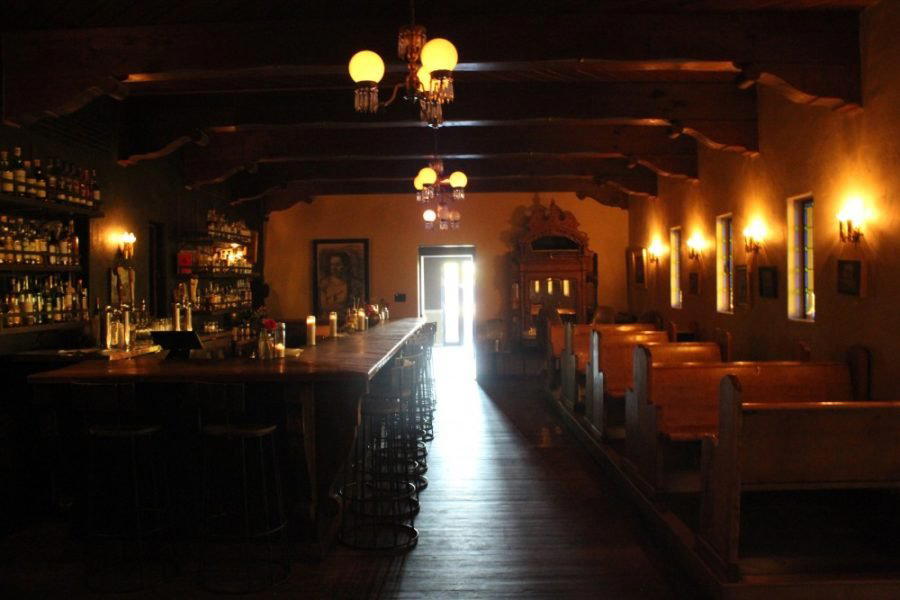
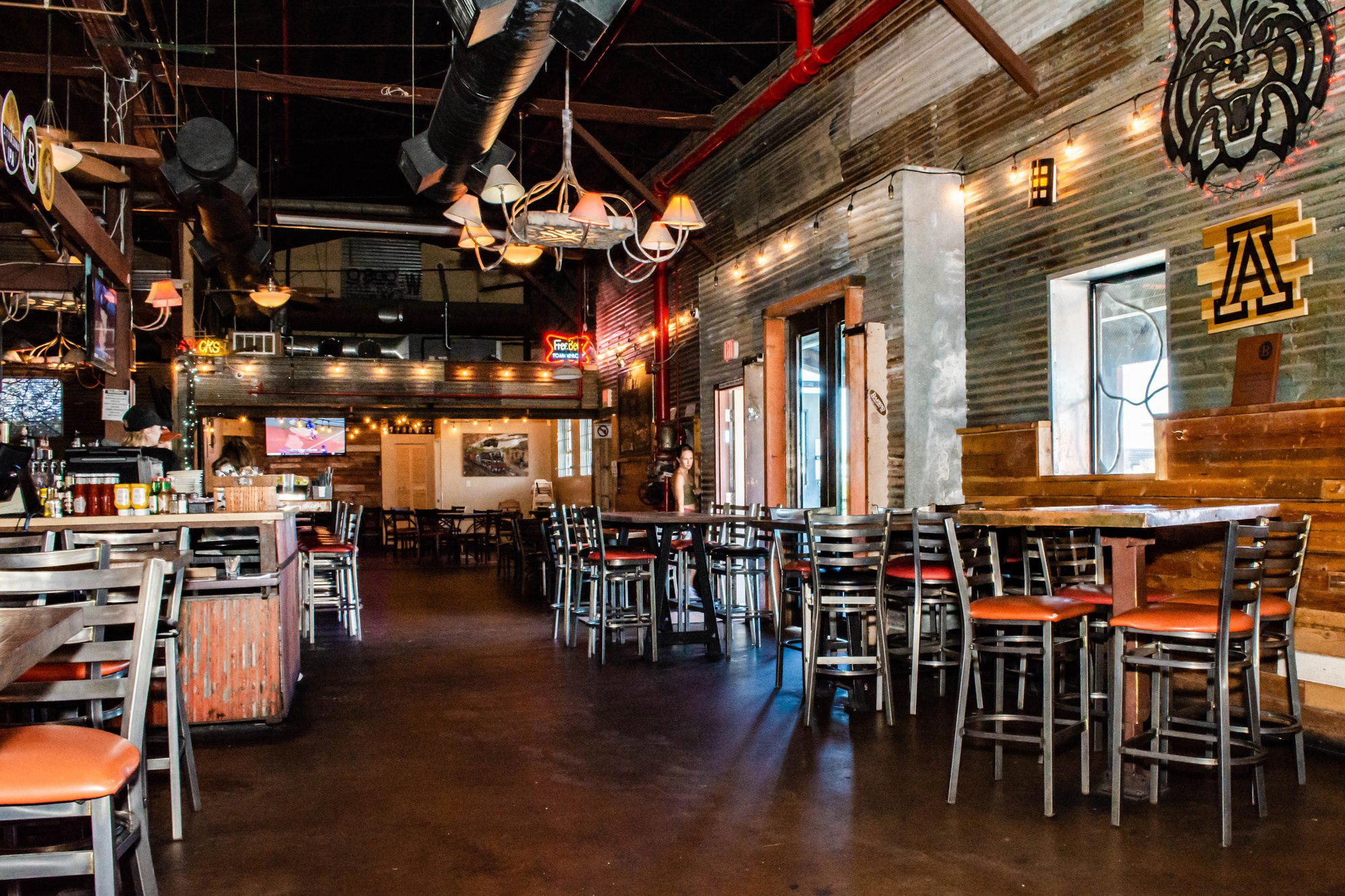
At a Glance
- Rustic
- Industrial
- Casual Hangout
- Group Outing
- Speakeasy
- Historic Building
- Seated Bar
- Communal Tables
- Craft Beer
Current opening hours
- Monday
- 8 AM–9 PM
- Tuesday
- 8 AM–9 PM
- Wednesday
- 8 AM–9 PM
- Thursday
- 8 AM–9 PM
- Friday
- 8 AM–9 PM
- Saturday
- 8 AM–9 PM
- Sunday
- 8 AM–9 PM
Hours can change for holidays and private events. Last verified .
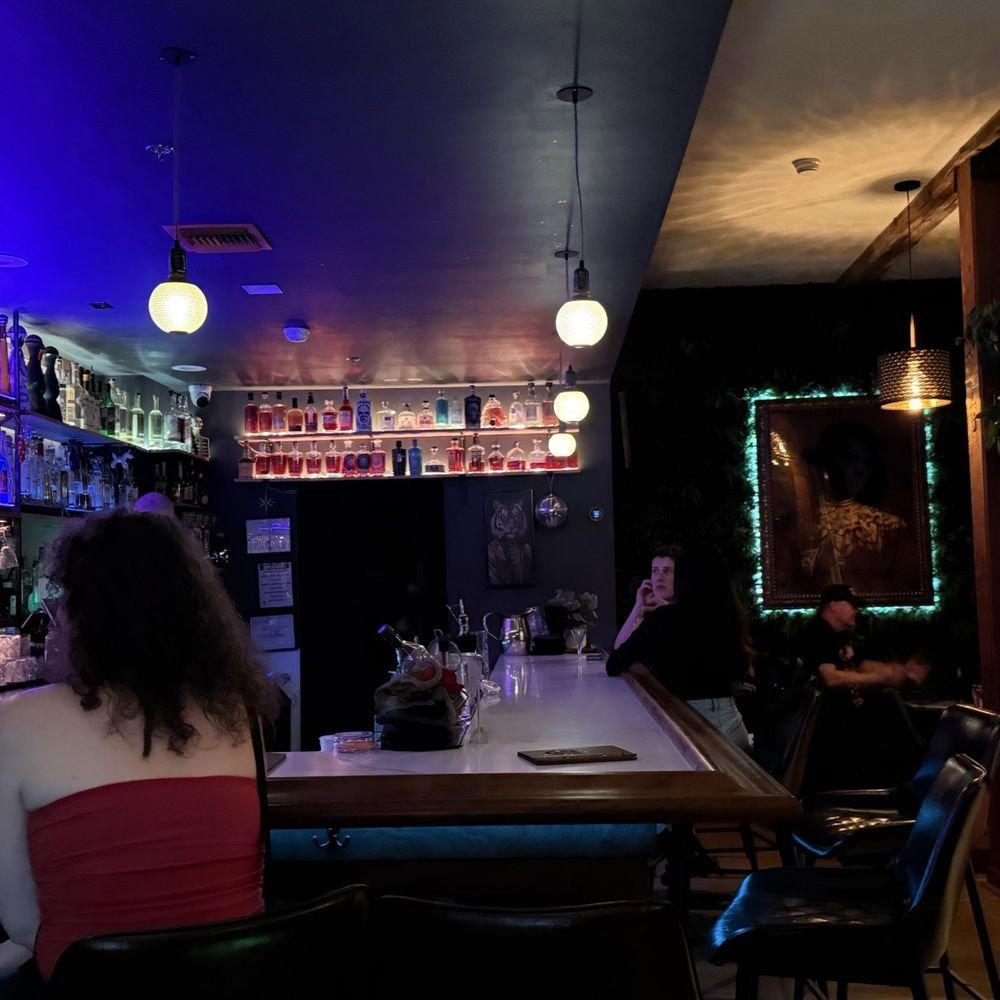
Casual and welcoming with a rustic industrial feel from its butcher shop roots.