Barrio Viejo
Barrio Viejo is one of Tucson's oldest and most character-laden neighborhoods, where adobe architecture, deep Mexican-American roots, and a locally sourced food culture converge. The area offers a concentrated window into the borderlands culinary tradition that defines southern Arizona, sitting apart from the chain-heavy corridors that dominate much of the city's dining scene.
Pearl is the En Primeur Club membership app — saves, bookings, and concierge access live there. Same editors, same standards.
- Address
- Tucson, AZ
- Directions
- Get directions
 Saves & bookings on Pearl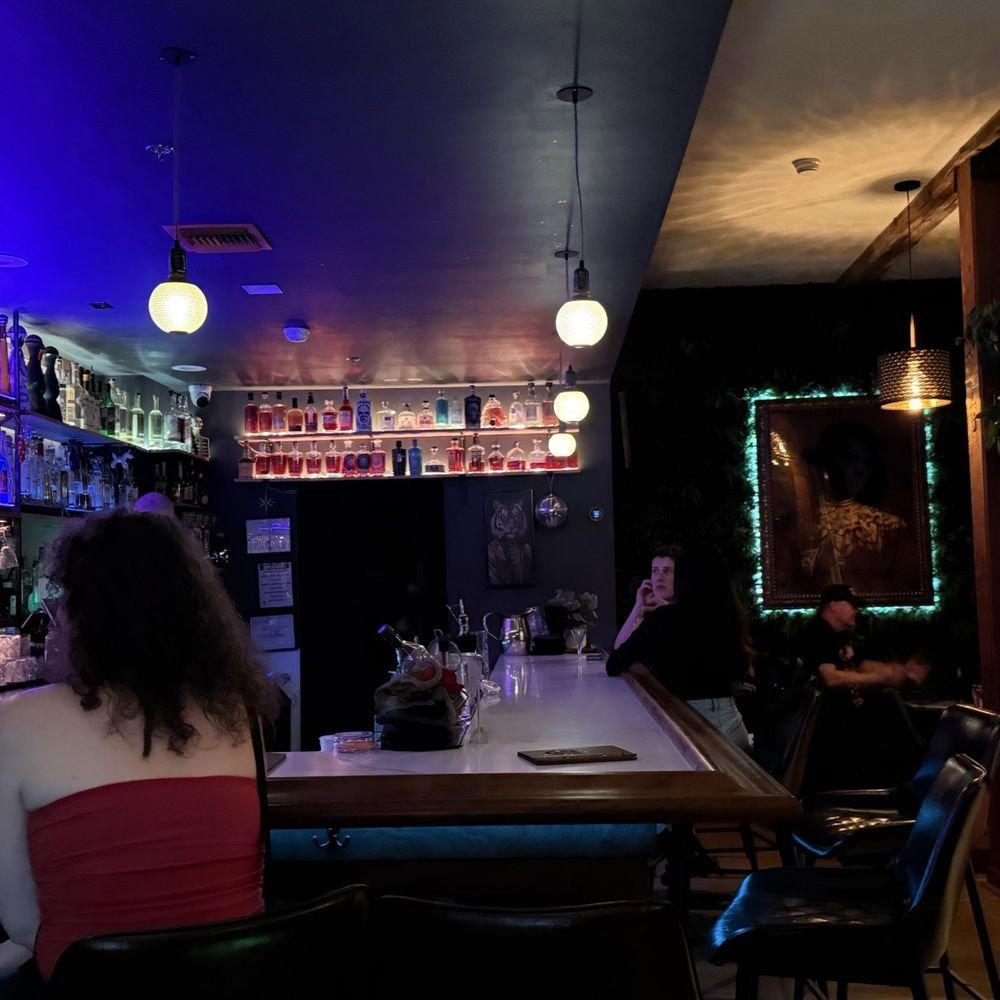
Where Tucson's Borderlands Food Culture Is Most Legible
The approach to Barrio Viejo tells you something before you've eaten anything. Narrow streets lined with century-old adobe row houses, faded murals, and the kind of deep shade that only mature mesquite and palo verde trees provide, this is one of Tucson's oldest intact neighborhoods, and its relationship with food reflects that continuity. The culinary identity here is not manufactured around a trend. It grew out of proximity: to Mexico, to the Sonoran Desert, and to indigenous agricultural traditions that predate the city itself.
Tucson earned a UNESCO Creative City of Gastronomy designation in 2015, the first American city to receive that recognition. That designation was built on precisely the kind of food culture that neighborhoods like Barrio Viejo have preserved, a 4,000-year-old agricultural heritage tied to tepary beans, cholla buds, mesquite flour, and heritage corn varieties that the Tohono O'odham Nation and other indigenous communities have cultivated across this region for generations. What you find in Barrio Viejo and its immediate surroundings is one direct expression of that culinary lineage in the city.
Sourcing as Identity: The Sonoran Pantry in Practice
Southern Arizona's food culture is inseparable from its geography. The Sonoran Desert is not the barren terrain that outsiders often assume, it is among the more biodiverse desert ecosystems on the continent, and it produces ingredients that have no direct parallel elsewhere in the United States. Prickly pear, saguaro fruit, wild chiltepin peppers, and native tepary beans form a regional pantry that the leading local kitchens have drawn from for decades, long before provenance-driven menus became a national restaurant conversation.
In the blocks around the bar, that sourcing tradition is visible at street level. The neighborhood sits close to the Santa Cruz River corridor, where small-scale farming and foraging have fed the community for centuries. Compared to Tucson's newer dining districts, which tend toward a more generic Southwestern fusion, the food culture around the bar maintains a harder link to Sonoran ingredients, chiles grown across the border in Sonora, Mexico; lard-rendered tortillas made in small family operations; and protein preparations that lean on mesquite-fired technique rather than gas-grill convenience.
This is the context in which to assess what you're eating here. When a kitchen in this part of Tucson specifies Sonoran heritage ingredients, it is not menu signaling in the way that the same language might function in a coastal city. It reflects supply chains that have existed in the region for generations and a customer base that will notice the difference.
Barrio Viejo in Tucson's Competitive Dining Map
Tucson's food scene has grown more sophisticated over the past decade, and the city now sustains a range of formats from fast-casual Mexican standbys to the more technically ambitious programs found at places like Bar Crisol/Exo. The bar area occupies a distinct position in that map: it is where the city's oldest culinary traditions are most concentrated, and where the competition is not between restaurants chasing national recognition but between places that have built loyalty over years of consistent, ingredient-honest cooking.
That places the bar in a different competitive tier than, say, the brewpub corridor represented by Barrio Brewing Co or the more eclectic, all-day format of Blue Willow Restaurant & Gift Shop. The neighborhood is not positioning for out-of-town food press. It is feeding a community that has specific expectations about what Sonoran and Mexican-American food should taste like, and that pressure tends to produce more honest cooking than the alternative.
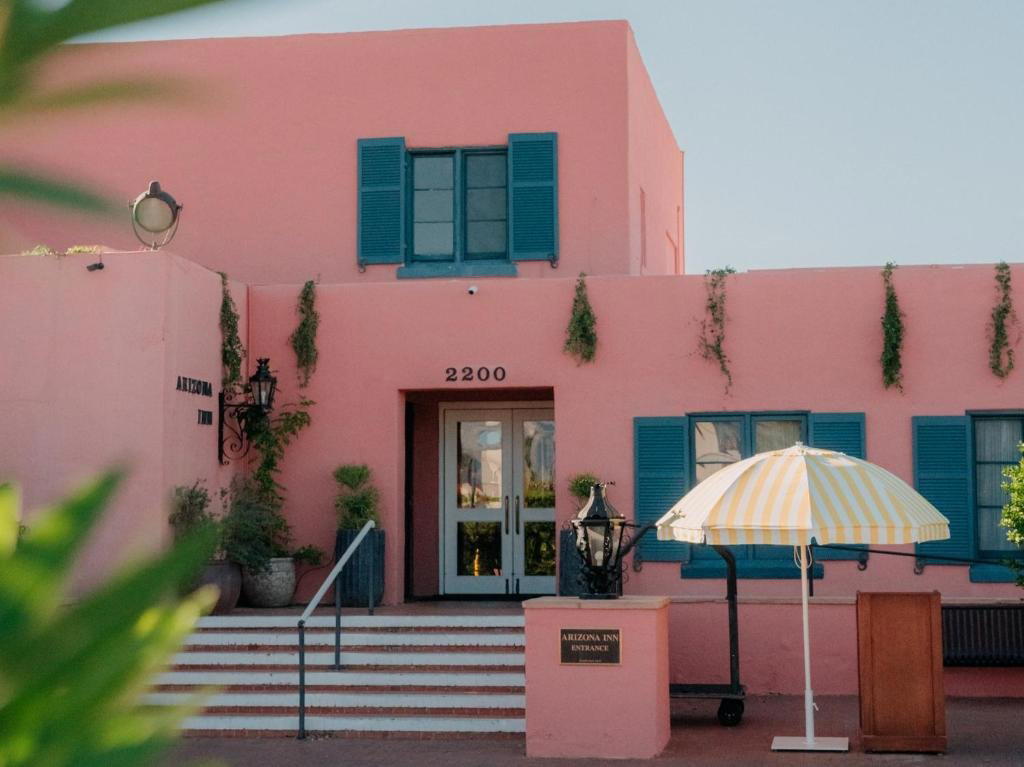
For visitors arriving via the Arizona Inn or other central Tucson stays, the bar is a short drive or rideshare south of the city center and represents one of the higher-return detours available. The density of worthwhile options in a walkable area is higher here than in most of Tucson's newer corridors, and the price-to-substance ratio across the neighborhood skews in the diner's favor.
The Bar and Drinks Context
Tucson's cocktail culture has not reached the critical mass of cities like Houston, where Julep anchors a recognizable spirits tradition, or Chicago, where Kumiko operates at a level of Japanese-influenced technical precision that commands national attention. It is also a different kind of city than Honolulu, where Bar Leather Apron has built a reputation for ingredient-forward work that draws serious drinkers, or New Orleans, where Jewel of the South operates within a historically loaded cocktail tradition.
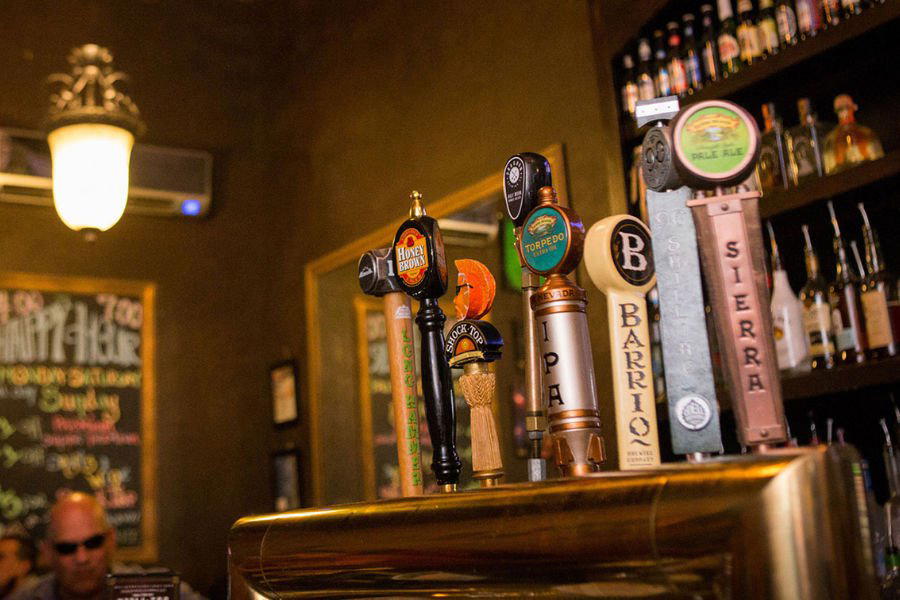
What Tucson does have, particularly in and around the bar, is a drinks culture that takes regional spirits seriously. Sonoran-distilled sotol and bacanora, a mezcal-adjacent agave spirit produced legally only in Sonora, Mexico, appear on local menus with a frequency and context that you will not find outside the borderlands region. This is not a city importing the agave trend from Mexico City or Brooklyn. It is a city that shares a physical and cultural border with the producing region, and that proximity shapes what ends up in the glass. For comparison, Superbueno in New York City and ABV in San Francisco both demonstrate how American bars engage with Mexican and Latin spirits from a distance; the bar offers the closer-range version of that conversation. The Parlour in Frankfurt shows how European bars build programs around sourced ingredients from afar, here, the source is next door.
Planning a Visit
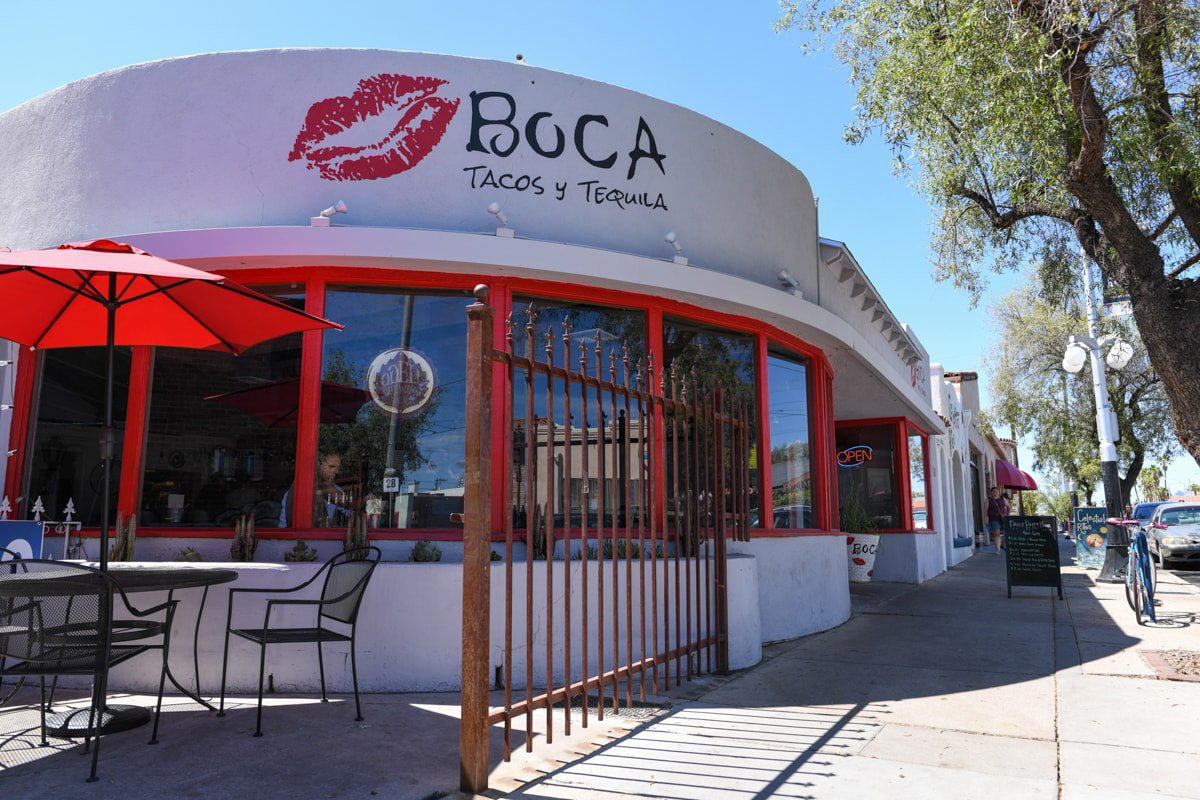
The bar sits in the southern part of central Tucson, walkable from the Mercado San Agustín and accessible from downtown within a short drive. The neighborhood is leading explored on foot, and the concentration of food and drink options means a single evening can cover multiple stops without significant travel. Timing matters in this climate: Tucson's summer heat makes outdoor dining difficult from June through early September, and the cooler months from October through April represent one comfortable window for spending extended time in the neighborhood.
Quick Comparison
Comparable venues nearby, for context on price, style, and recognition.
| Venue | Cuisine | Price | Notes |
|---|---|---|---|
| Barrio ViejoThis venue — the venue you are viewing | mezcaleria | $$ | Not listed |
| Bar Crisol/Exo | mezcaleria | $$ | Barrio Viejo |
| Gentle Ben's | pub | $$ | Main Gate Square / University of Arizona |
| Barrio Brewing Co | beer_bar | $$ | South Central Industrial District |
| Mama Louisa's Italian Restaurant & Catering | lounge | $$ | Corbett |
| Samurai Sombrero | Bar | $$ | East Side |
At a Glance
- Intimate
- Cozy
- Rustic
- Trendy
- Date Night
- Casual Hangout
- Solo
- Historic Building
- Seated Bar
- Lounge Seating
- Mezcal
- Tequila
- Craft Cocktails
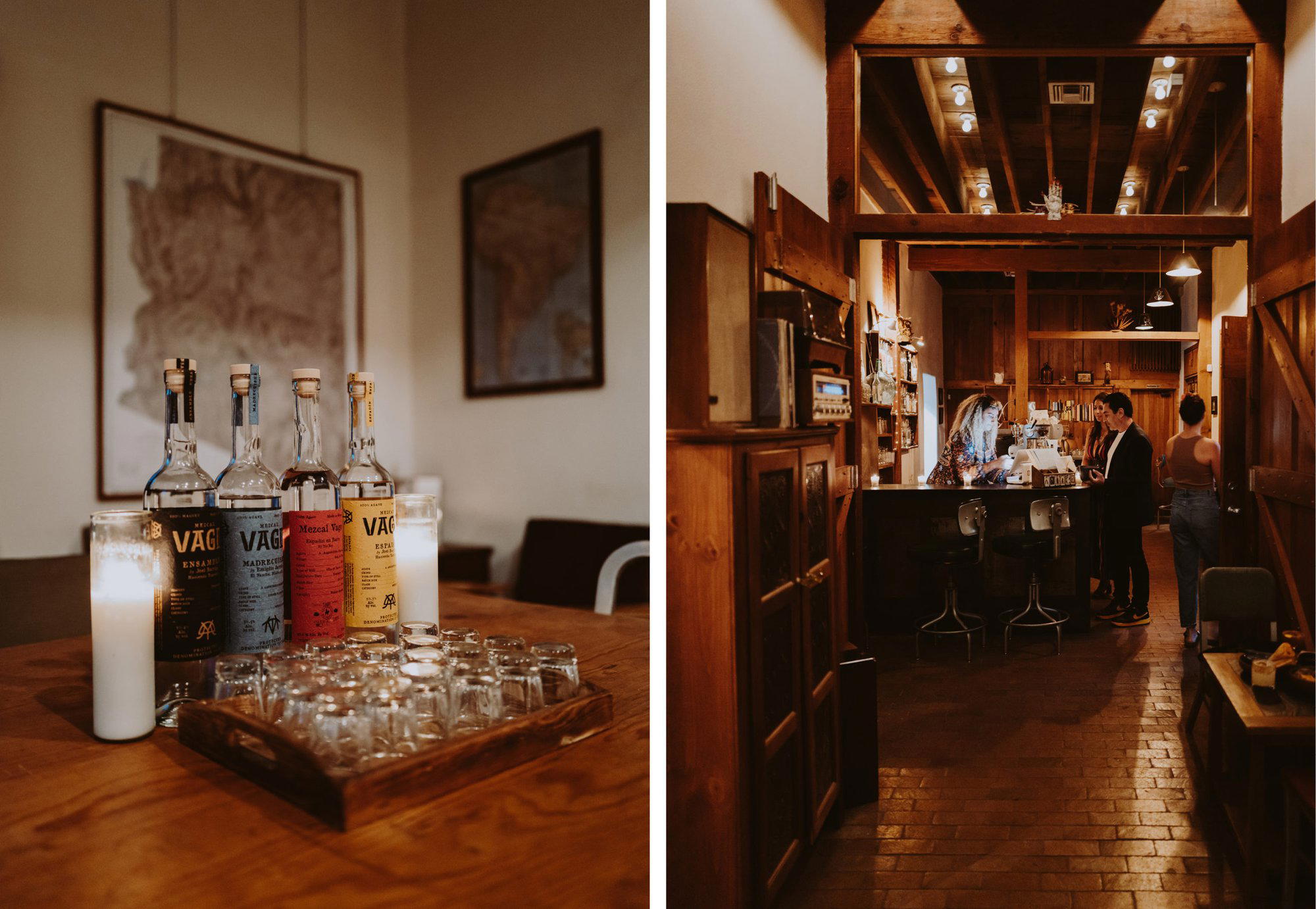
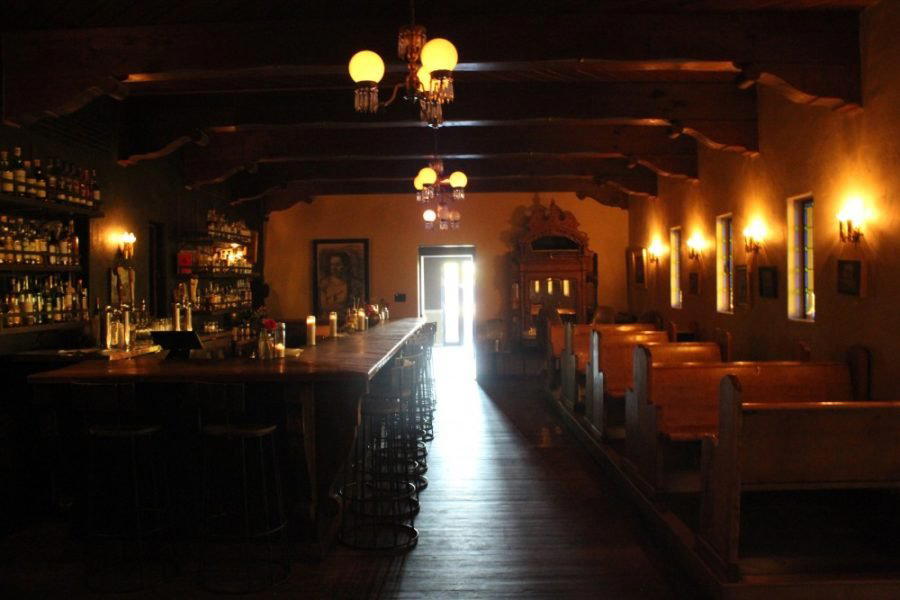
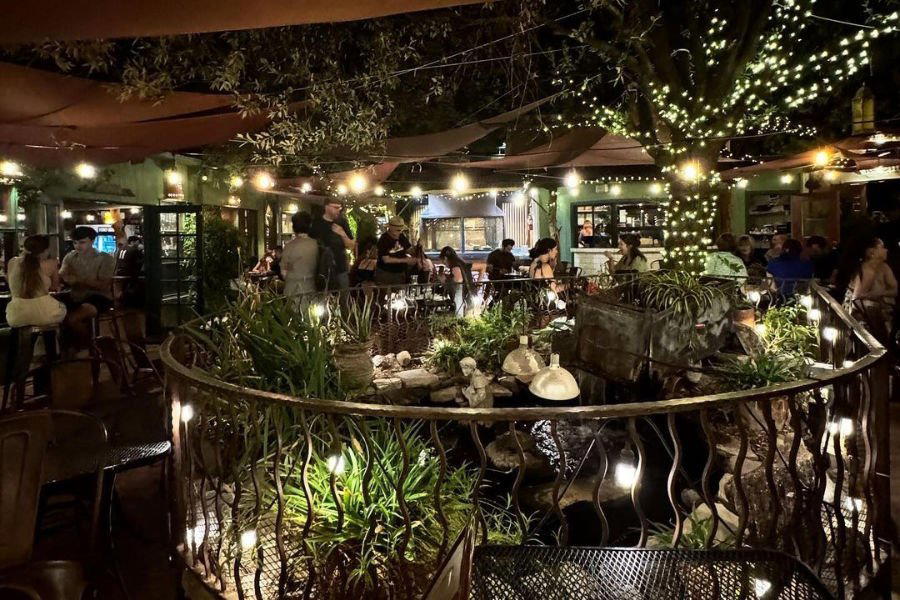
Captivating with low-slung seating, agave-inspired art, maps, vintage typewriters, and a homey historic adobe atmosphere.