Red Rooster Harlem
Red Rooster Harlem on Lenox Avenue has anchored the neighbourhood's dining identity since Marcus Samuelsson opened it in 2010, drawing on the African American culinary tradition that runs through Harlem's history. The kitchen works through Southern American and African-inflected cooking in a room that functions simultaneously as restaurant, bar, and live music venue — a format that has few direct equivalents in New York City.

Pearl is the En Primeur Club membership app — saves, bookings, and concierge access live there. Same editors, same standards.
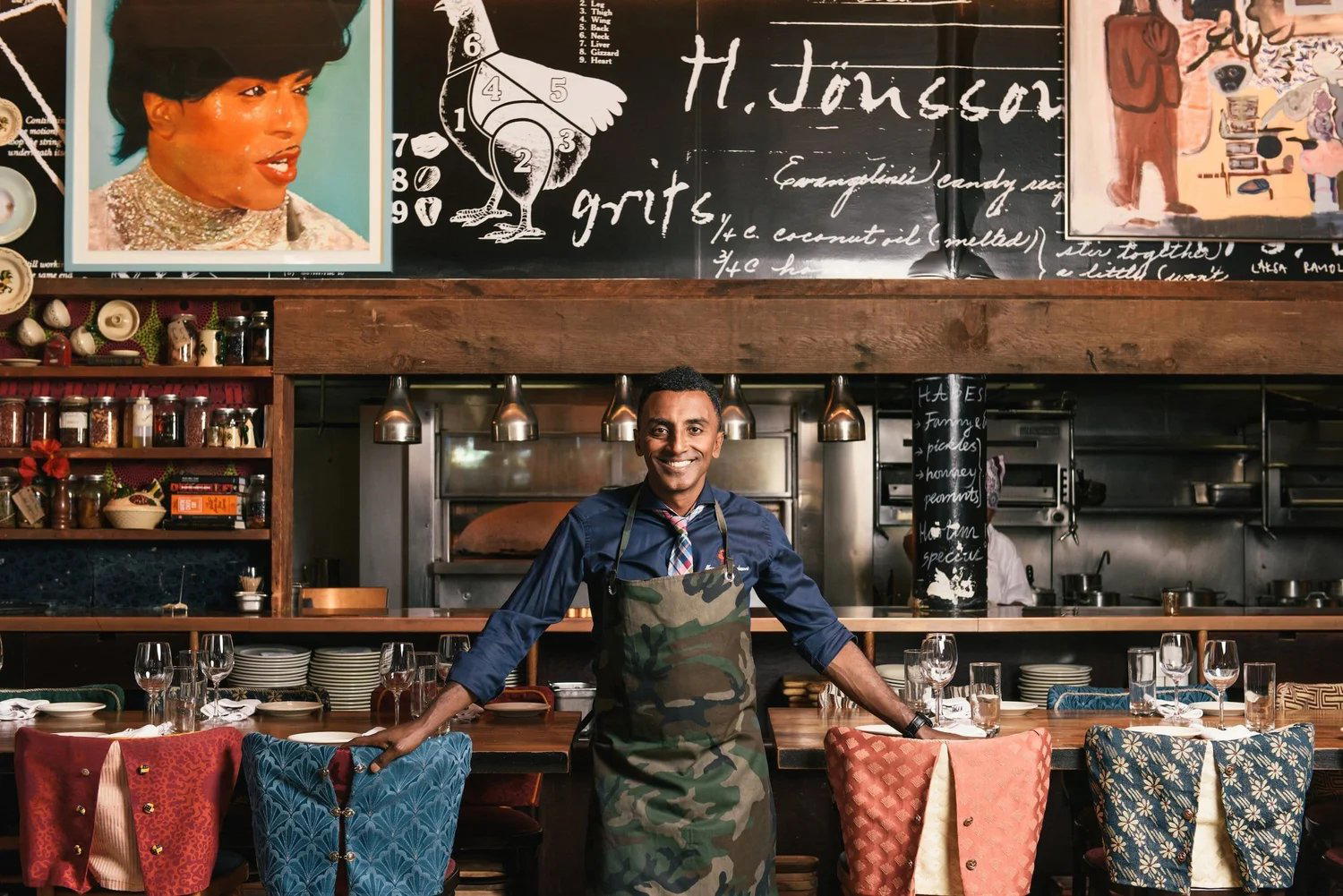
Harlem's Dining Identity, Framed at the Counter
American comfort food has always had a capital, and for much of the twentieth century that capital was Harlem. The neighbourhood's restaurants, supper clubs, and home kitchens produced a culinary tradition — built on Southern migration, West African heritage, and Caribbean crosscurrents — that shaped how the country thinks about fried chicken, cornbread, and Sunday-table cooking. Red Rooster Harlem, which opened on Lenox Avenue in 2010, arrived at a moment when that tradition was being actively reclaimed in the neighbourhood's public life, and it planted itself squarely inside that project. What distinguishes it from the wave of Southern-inspired restaurants that opened across Manhattan in the same period is geography: the address is the argument. A room on 125th Street carries different weight than a reconstruction of the same cuisine in Tribeca.
How the Meal Moves
The structure of eating at Red Rooster follows a pattern that runs through American convivial dining: arrival at the bar, a slow move toward the table, a meal that builds from small communal plates before settling into main courses that reward sharing. This sequencing matters because the kitchen is operating in a tradition where proportion is part of the communication. Generous serving sizes, dishes built for the centre of the table, and a room designed for conversation rather than performance, these are deliberate choices that align the restaurant with a specific cultural register.
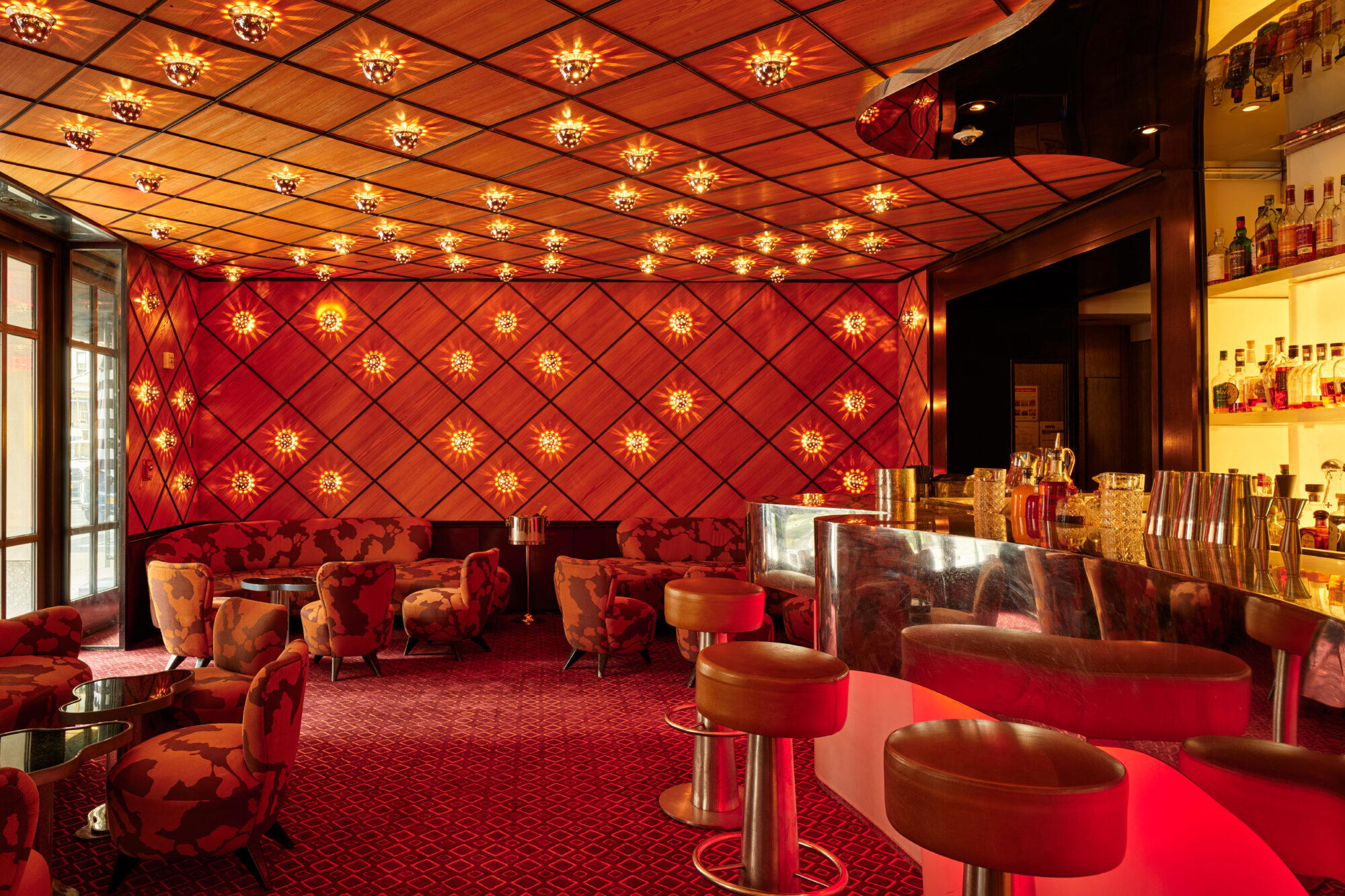
The bar pass, which runs along the ground floor, is where the evening typically begins. New York has moved decisively away from novelty-led cocktail programming toward drinks built on technique and sourcing, and the bar at Red Rooster operates in that direction, anchoring its list in spirits and flavours that connect to the broader culinary throughline of the kitchen. Diners looking for drinks programming with similar depth and seriousness can cross-reference the city's more specialist bar operations: Attaboy NYC on the Lower East Side runs an entirely guest-driven format with no menu, while Amor y Amargo on East Sixth Street is among the city's most focused amaro and bitters-led programs. Angel's Share in the East Village maintains a Japanese-leaning approach that has held for decades. These are different operations, but they share the quality of having a point of view rather than a crowd-pleasing list.
Back at the table, the meal's middle section is where the kitchen's cultural range becomes most readable. Dishes that trace roots through the African diaspora, across the American South, the Caribbean, and the West African coast, appear alongside preparations that are more conventionally American in their construction. This is not fusion in the shallow sense; it is a kitchen working through a heritage that was never geographically narrow to begin with. The corn, the greens, the slow-cooked proteins: these are ingredients that travelled, adapted, and developed distinct regional identities across centuries, and the menu at Red Rooster is structured to let that complexity show rather than flatten it into a single definition of soul food.
The Room as Context
The physical space on Lenox Avenue matters to how the meal reads. Harlem's dining scene has changed significantly since 2010, with a second generation of neighbourhood restaurants now operating at higher price points and with tighter editorial focus. Red Rooster occupies a different position in that spectrum: it is larger, louder, and more programmatically ambitious than the newer wave of smaller spots. Live music, weekend gospel brunch, and a ground-floor bar that functions as a neighbourhood anchor rather than a hotel amenity, these are operational choices that place the restaurant closer to the supper-club tradition than to the contemporary tasting-counter format that dominates New York's upper dining tier.
That format distinction is worth holding onto when thinking about how to sequence a visit. The Rooster is not a quiet dinner destination in the way that, say, a high-end Midtown counter is. The energy level is set deliberately higher, the room is designed to accommodate groups and walk-ins alongside reservations, and the music program is part of the service proposition rather than background ambience. Diners who have spent time at programmatically rich bar environments, places like Superbueno in the East Village, which layers cocktail craft with Latin heritage into a specific cultural argument, will recognise the logic. The room is the editorial statement.
Where Red Rooster Sits in the Wider Scene
American cities have seen a wave of heritage-focused restaurant projects in the last fifteen years, each making a version of the argument that specific regional or cultural food traditions deserve serious institutional presentation. New Orleans, Houston, and Chicago all have operations making this case in their own registers: Jewel of the South in New Orleans works through the city's cocktail and culinary inheritance with formal precision, while Julep in Houston and Kumiko in Chicago each build deeply researched programs around a specific cultural identity. ABV in San Francisco and Allegory in Washington, D.C. take the same premise into different regional vocabularies. Even internationally, places like Bar Leather Apron in Honolulu and The Parlour in Frankfurt demonstrate that the appetite for culturally grounded, serious hospitality extends well beyond American cities.
Red Rooster is the New York entry in that longer argument. Its specific contribution is the Harlem address and the cultural weight that address carries: the restaurant sits above the Apollo Theater's neighbourhood, in a stretch of Lenox Avenue that runs through the centre of African American cultural history in the city. That context is not incidental decoration, it is the premise of the operation.
Planning Your Visit
The restaurant takes reservations through standard online booking platforms, and weekend brunch in particular books ahead given the music programming. Weekday dinners offer more flexibility at the bar, which accepts walk-ins. The meal works well for groups of three to six, given the sharing-plate structure of the earlier courses. For a broader view of where Red Rooster sits in the city's restaurant map, the EP Club New York City guide covers the full range of price tiers and neighbourhoods.
| Venue | Neighbourhood | Format | Leading For |
|---|---|---|---|
| Red Rooster Harlem | Harlem | Restaurant + Bar + Live Music | Heritage American cooking, group dinners, brunch |
| Dirty French | Lower East Side | Brasserie | French-American crossover, late-night dining |
| The Long Island Bar | Cobble Hill, Brooklyn | Bar + Kitchen | Classic American bar food, neighbourhood feel |
| Superbueno | East Village | Bar + Small Plates | Latin-inflected cocktails, creative snacks |
Budget Reality Check
A quick peer list to put this venue’s basics in context.
| Venue | Cuisine | Price | Awards |
|---|---|---|---|
| Red Rooster HarlemThis venue — the venue you are viewing | Not listed | $30–50 | Not listed |
| The Long Island Bar | Not listed | $30–50 | World's 50 Best #64 · Top 500 Bars Best Bars #367 |
| Dirty French | Not listed | Not listed | World's Best Steaks 50 Best #32 · Star Wine List |
| Superbueno | Not listed | $30–50 | World's 50 Best #9 · Top 500 Bars Best Bars #35 |
| Amor y Amargo | Not listed | $20–30 | World's 50 Best #23 |
| Angel's Share | Wine Bar | $20–30 | World's 50 Best #31 · Top 500 Bars Best Bars #200 |
Continue exploring
More in New York City
Bars in New York City
All bars in New York City →
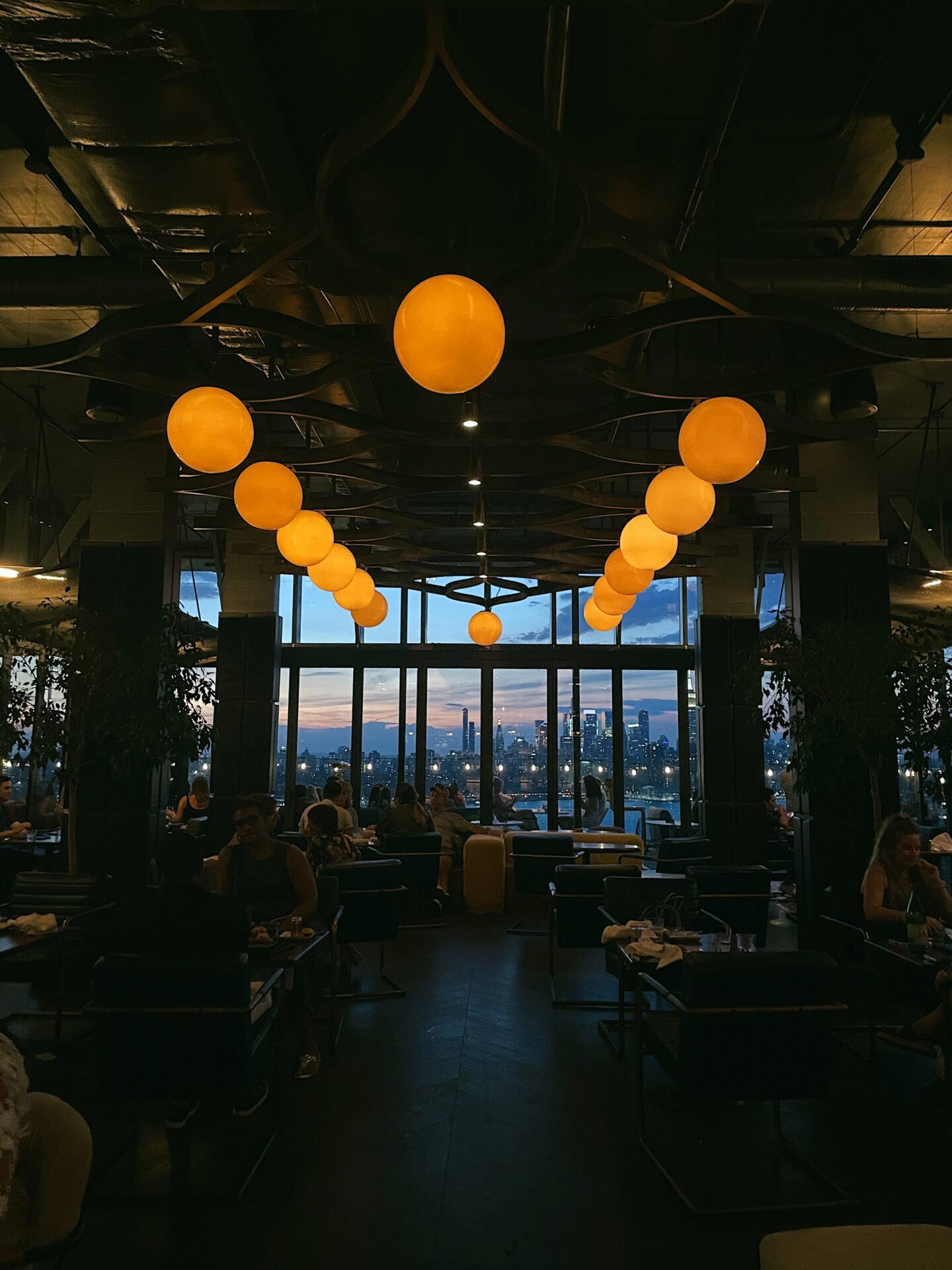
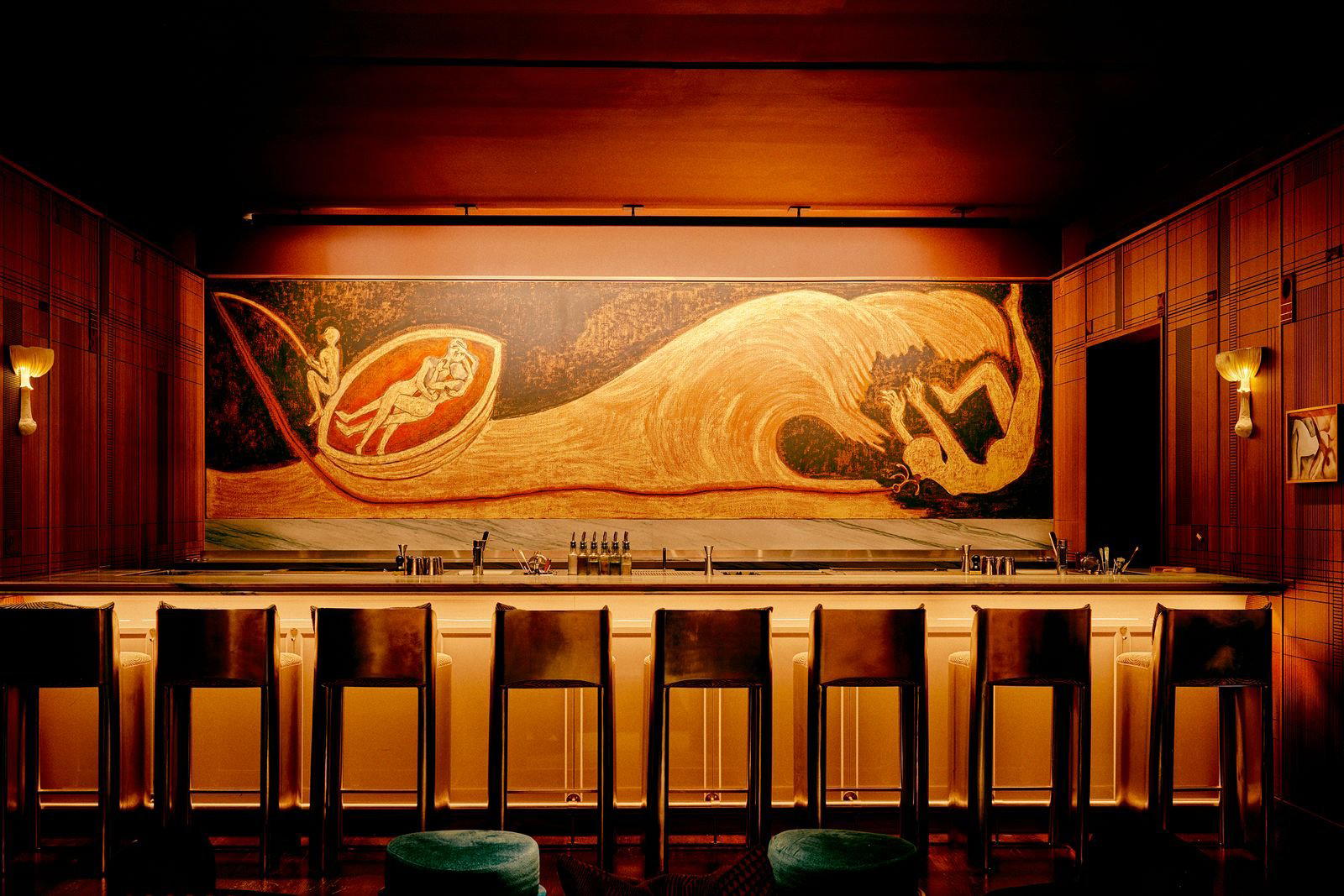
Restaurants in New York City
All restaurants in New York City →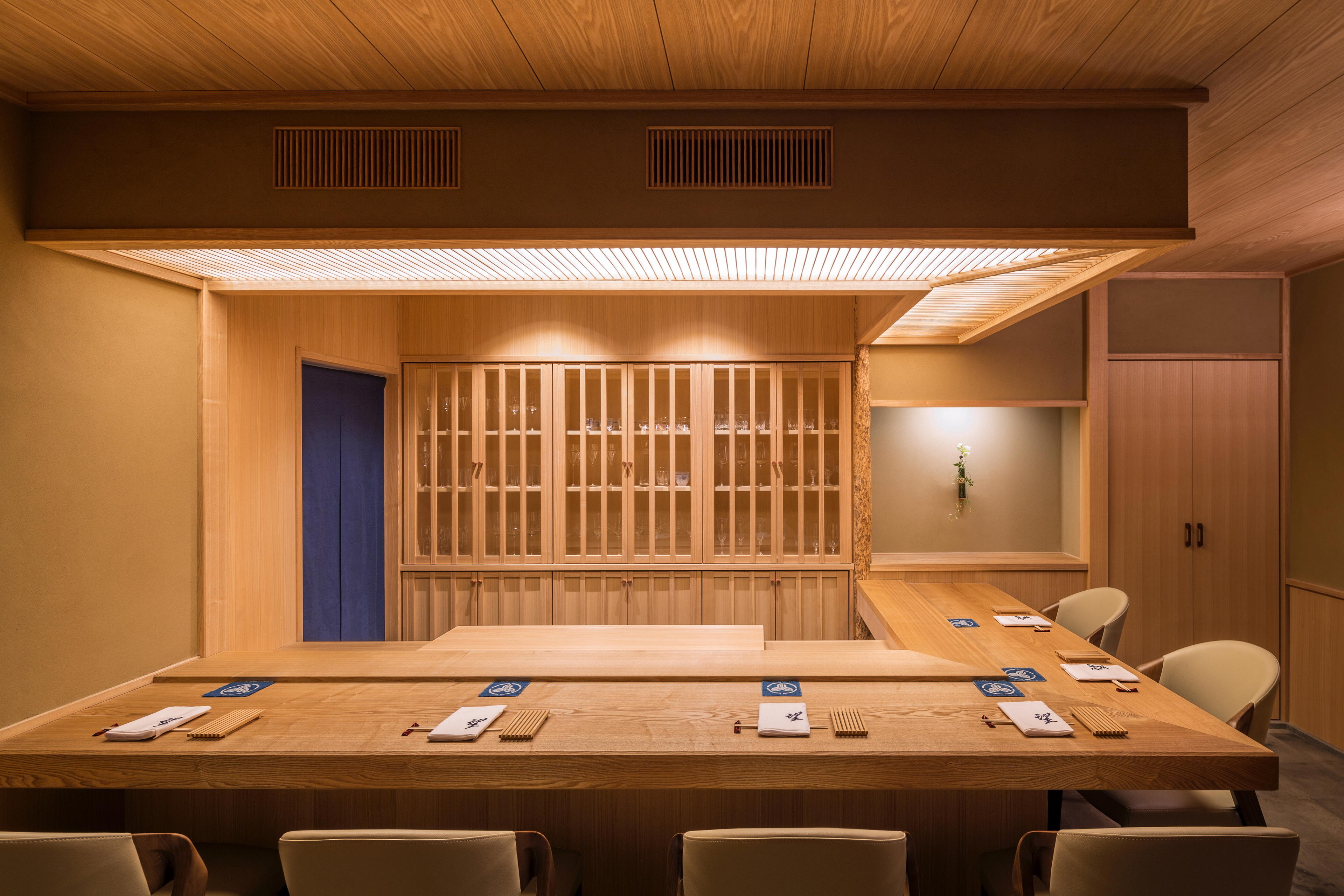
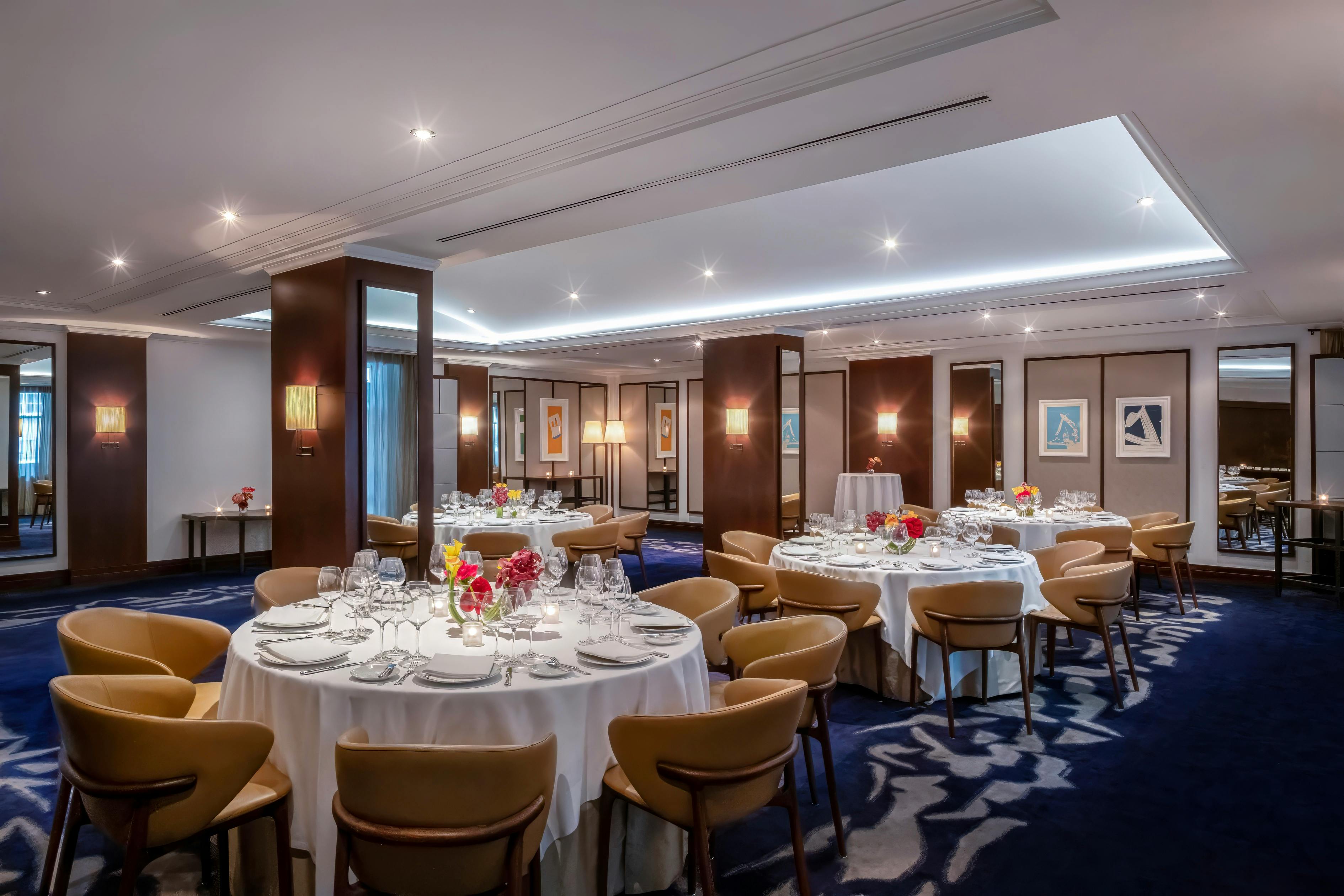


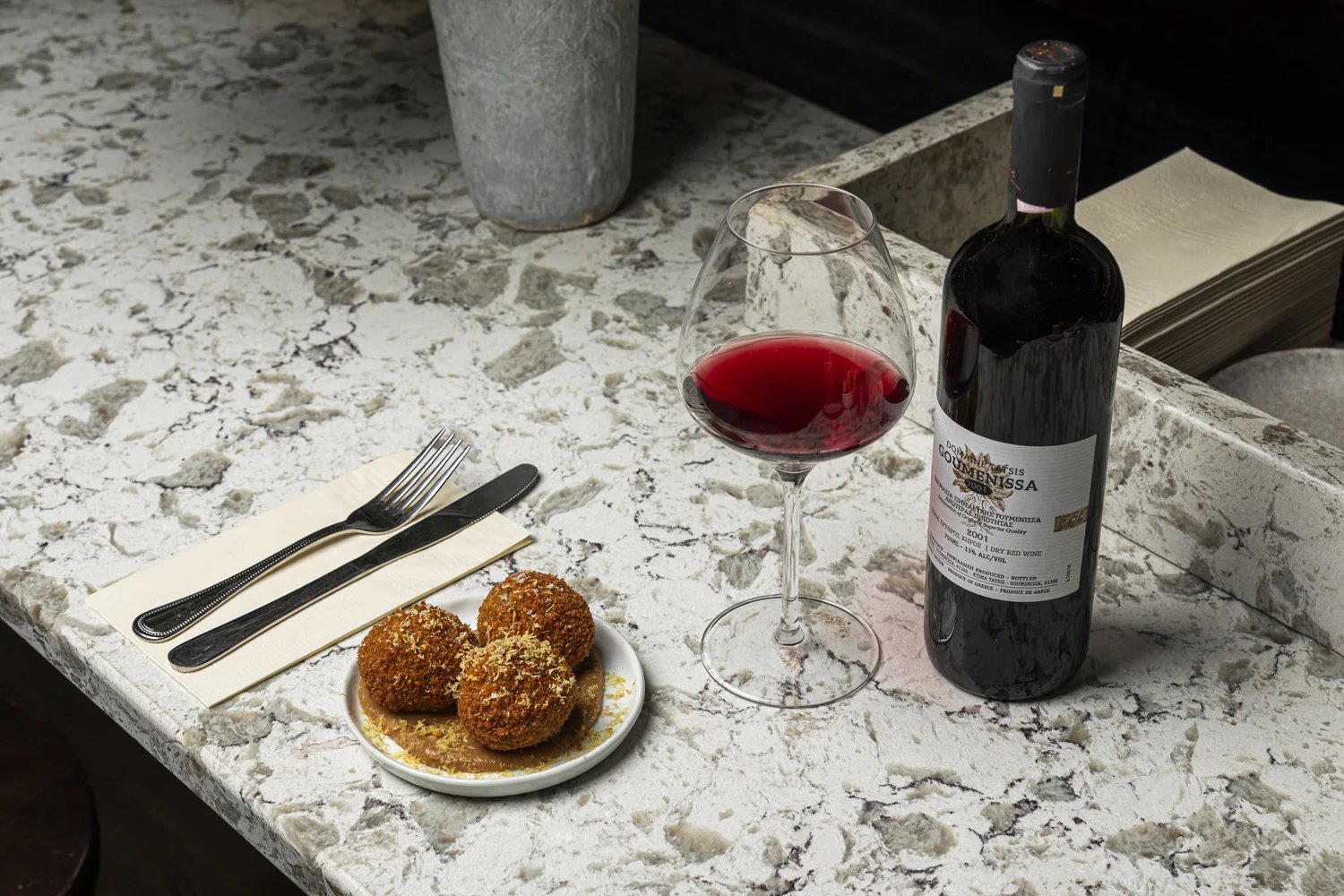


Red Rooster Harlem
The drinks
- Craft cocktails
- Classic cocktails
Details
- Lively
- Well Known
- Energetic
- Sophisticated
- Group Outing
- Celebration
- Special Occasion
- Live Music
- Historic Building
- Seated Bar
- Lounge Seating
- Classic Cocktails
- Craft Cocktails
Current opening hours
- Monday
- 12–11 PM
- Tuesday
- 12–11 PM
- Wednesday
- 12–11 PM
- Thursday
- 12–11 PM
- Friday
- 12 PM–12 AM
- Saturday
- 11 AM–12 AM
- Sunday
- 10 AM–11 PM
Hours can change for holidays and private events. Last verified .
Lively and soulful with colorful decor, packed bar scene, and live music creating an energetic, inclusive atmosphere.