PERILLA korean steakhouse
A Korean steakhouse on Chicago's North Wabash Avenue, PERILLA brings the smoke and ritual of Korean barbecue into a format built for the Loop's evening crowd. The concept sits at the intersection of two durable dining trends: the communal table experience and the high-heat, meat-forward traditions of Seoul's grill houses. It is the kind of address that rewards diners who show up ready to eat rather than to be impressed by décor alone.
 Discover on Pearl
Pearl is the En Primeur Club membership app — saves, bookings, and concierge access live there. Same editors, same standards.
- Address
- 225 N Wabash Ave, Chicago, IL 60601
- Phone
- +1 312 236 9300
- Website
- perillachicago.com
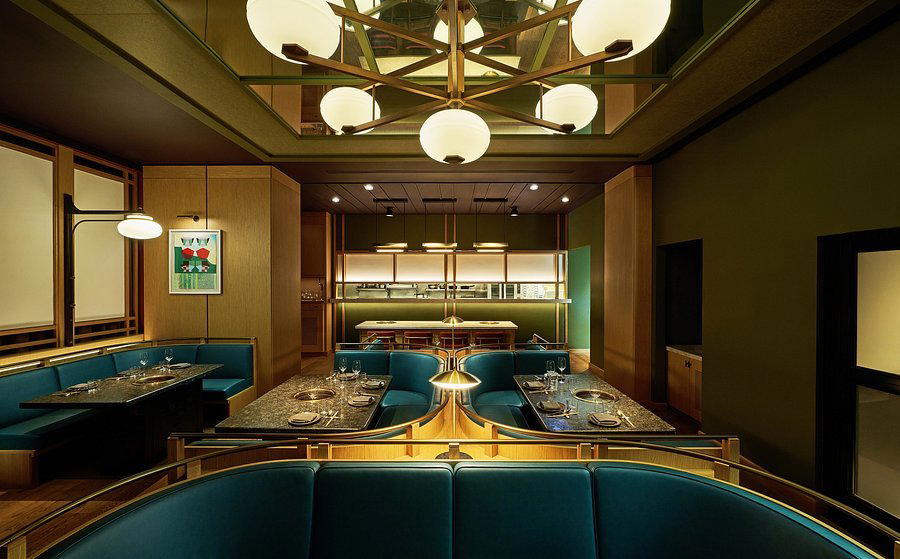
Where the Loop Meets the Grill
Chicago's downtown dining corridor has been reshaping itself for years, moving away from the expense-account steakhouse model that dominated the Loop for decades and toward formats that carry more cultural specificity. Korean steakhouse has emerged as one of the more durable additions to that shift. The format brings something the traditional American chophouse never quite offered: participation. Diners at a Korean barbecue table are not passive recipients of a plate. The fire is on the table, the timing is partly theirs, and the meal expands and contracts based on how much they order and how fast they eat.
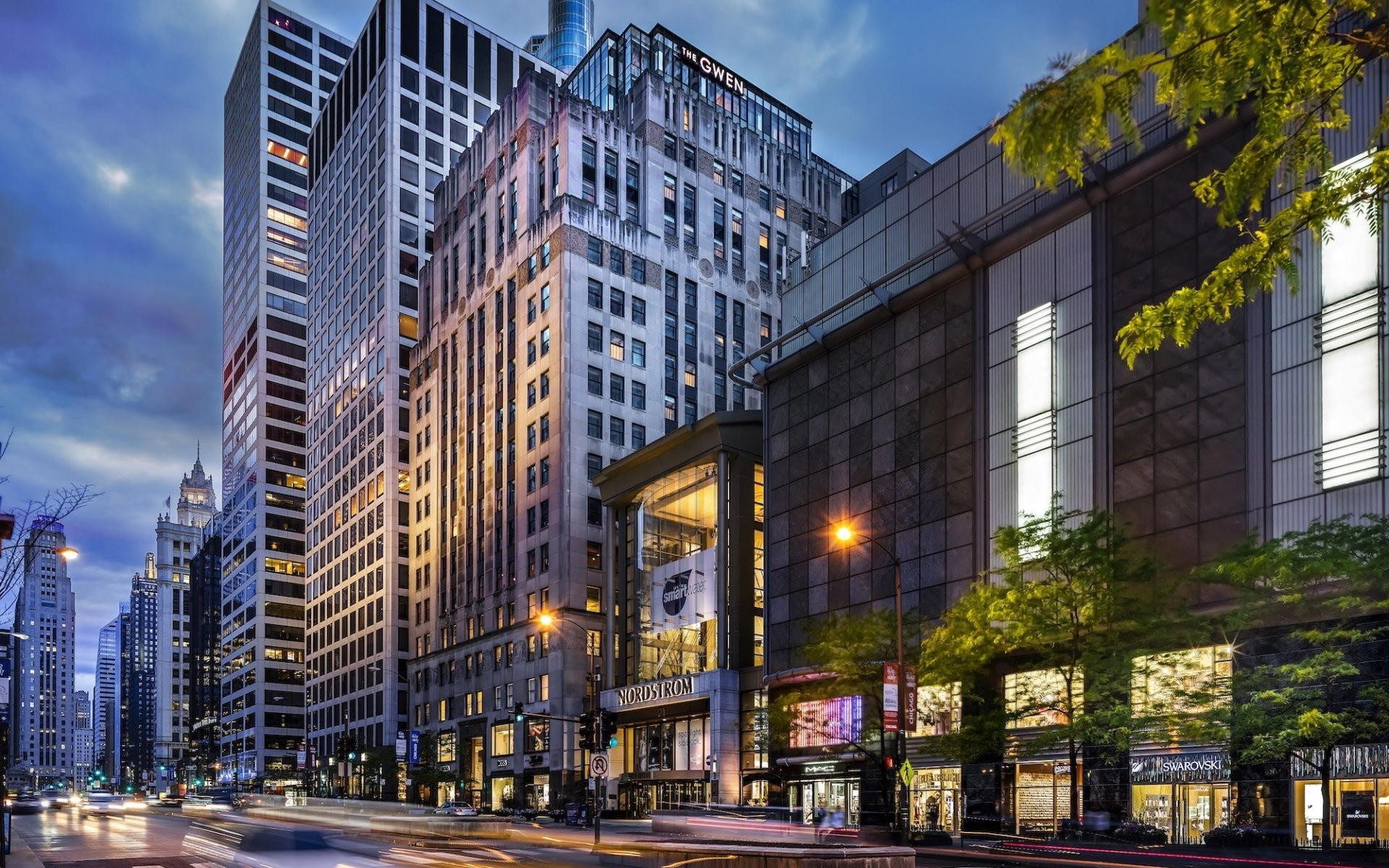
PERILLA, at 225 N Wabash Ave, occupies a Wabash Avenue address that puts it inside the Loop's evening dining orbit, accessible from both Millennium Park and the broader River North corridor. That location matters less as a postcode and more as a signal of the audience the concept is designed for: a downtown crowd that has grown comfortable with global formats and is looking for something with more movement and smoke than a conventional steakhouse provides.
The Architecture of a Korean Steakhouse Meal
Korean barbecue's sensory grammar is largely fixed before any specific kitchen makes its decisions. The smell of charcoal or gas flame hitting marinated meat arrives before the food does. The table fills with banchan, the small side dishes that surround the grill and act as counterweights to the richness of the proteins. Lettuce leaves for wrapping, fermented vegetables for acidity, sauces in ceramic dishes that accumulate over the course of the meal. The sound layer is consistent too: the steady hiss of fat on a hot grate, the background noise of a dining room where multiple tables are cooking simultaneously.
What separates one Korean steakhouse from another is usually the quality of the meat program and the precision of the banchan. In Seoul's premium galbi houses, beef short rib is cut thick, marinated overnight, and served at a temperature that lets the fat render slowly rather than burn. In Chicago's evolving Korean dining scene, the question is how closely a given restaurant tracks that standard versus adapting to local tastes or supply constraints. PERILLA's positioning as a Korean steakhouse in the Loop suggests an audience that skews toward occasion dining rather than everyday neighborhood eating, which in turn tends to demand higher-grade proteins and more attention to the supporting details.
Smoke, Sound, and the Communal Table
The atmospheric case for Korean barbecue is partly about visibility. Grills embedded in tables mean the dining room carries visual heat and movement that a conventional restaurant cannot replicate. At peak service, a well-run Korean steakhouse looks and sounds alive in a way that is distinct from any other format. Tables in mid-meal carry a particular quality of controlled chaos: small dishes arranged around a central fire, tongs moving, conversation happening across smoke.
Chicago has developed a Korean dining presence that extends well beyond the Koreatown cluster on Albany Avenue. The downtown and North Side markets have drawn Korean and Korean-influenced concepts looking for higher check-average customers who treat the format as a special-occasion choice rather than a weekly habit. That shift has pushed several operators to refine their presentations, investing in better exhaust systems, higher-quality table grills, and meat sourcing that can justify a premium price point. The Loop address of PERILLA places it squarely in that premium-occasion segment.
For diners making an evening of it in the downtown area, the city's cocktail program around the Loop and River North runs deep. Kumiko on West Lake Street has built a reputation around Japanese whisky and precision cocktails that make it a natural pre- or post-dinner option. Leading Intentions and Bisous represent Chicago's more experimental cocktail register, while Lemon offers a lighter, more accessible approach. Any of these fits the rhythm of a Korean steakhouse dinner, where the meal itself runs long and a well-chosen drink on either end completes the arc of the evening. For those exploring the broader American cocktail scene, venues like Bar Leather Apron in Honolulu, Jewel of the South in New Orleans, Julep in Houston, Superbueno in New York City, ABV in San Francisco, Allegory in Washington, D.C., and The Parlour in Frankfurt on the Main illustrate how the format continues to evolve across cities and cultures.
Reading the Korean Steakhouse Tier in Chicago
Chicago's Korean barbecue tier divides roughly into neighborhood spots built for regulars and destination addresses built for occasion dining. The neighborhood tier tends to run more casual, with faster table turns and a menu that assumes a certain familiarity with the format. The destination tier slows down, prices up, and invests more in the theatrical elements: lighting, music, the quality of the exhaust system overhead. PERILLA's Wabash address and its positioning as a steakhouse rather than a barbecue joint signals that it is working in the latter register.
The steakhouse framing is meaningful. Korean barbecue and American steakhouse culture have been in dialogue for years, with some operators borrowing dry-aging programs, prime-grade designations, and à la carte pricing structures from the American tradition and grafting them onto a Korean tableside format. The result is a hybrid that tends to appeal to customers who are already comfortable with high-end beef but want more involvement in the meal than a traditional chophouse provides. See our full Chicago restaurants guide for broader context on how the city's dining tiers have shifted.
Know Before You Go
Address: 225 N Wabash Ave, Chicago, IL 60601
Neighbourhood: The Loop / East Loop, within walking distance of Millennium Park and the Chicago Riverwalk
Format: Korean steakhouse with tableside grilling
Reservations: Booking details not confirmed at time of publication; check directly with the venue
Pricing: Price range not confirmed at time of publication; expect a premium-occasion price point based on the format and location
Getting there: Wabash Avenue is served by multiple CTA refined lines (the 'L') at Washington/Wabash and Madison/Wabash stations
A Quick Peer Check
| Venue | Awards |
|---|---|
| PERILLA korean steakhouseThis venue — the venue you are viewing | |
| Kumiko | World's 50 Best |
| Bisous | World's 50 Best |
| The Aviary | World's 50 Best |
| Three Dots & a Dash | World's 50 Best |
| Best Intentions | World's 50 Best |


At a Glance
- Elegant
- Cozy
- Intimate
- Sophisticated
- Date Night
- Special Occasion
- Group Outing
- Standalone
- Booth Seating
- Communal Tables
- Craft Cocktails
- Sake
- Street Scene
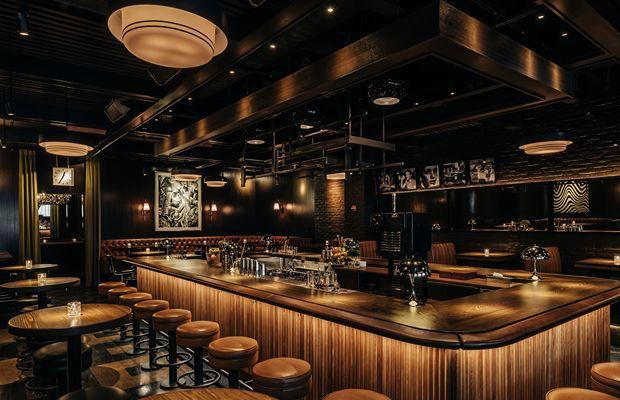
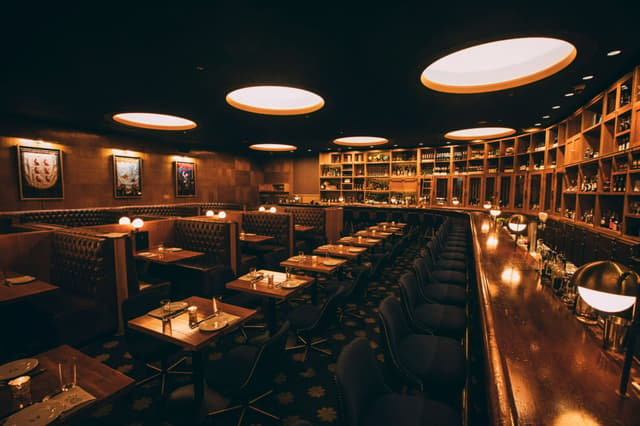
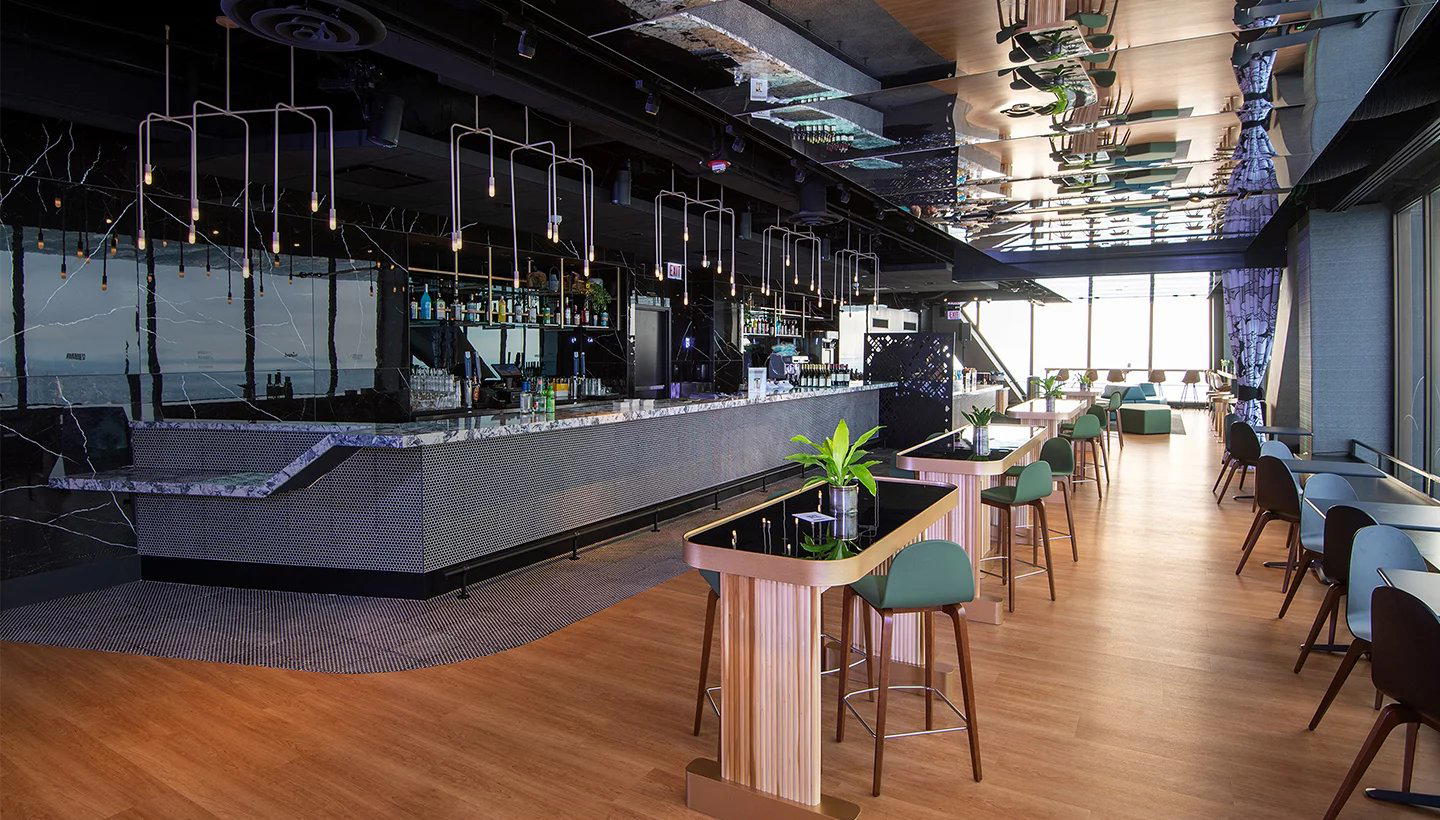
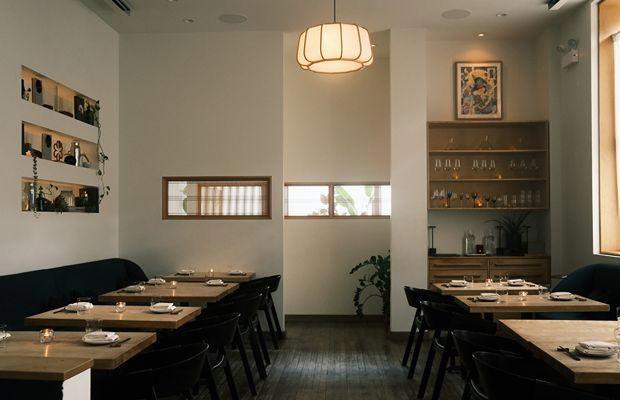
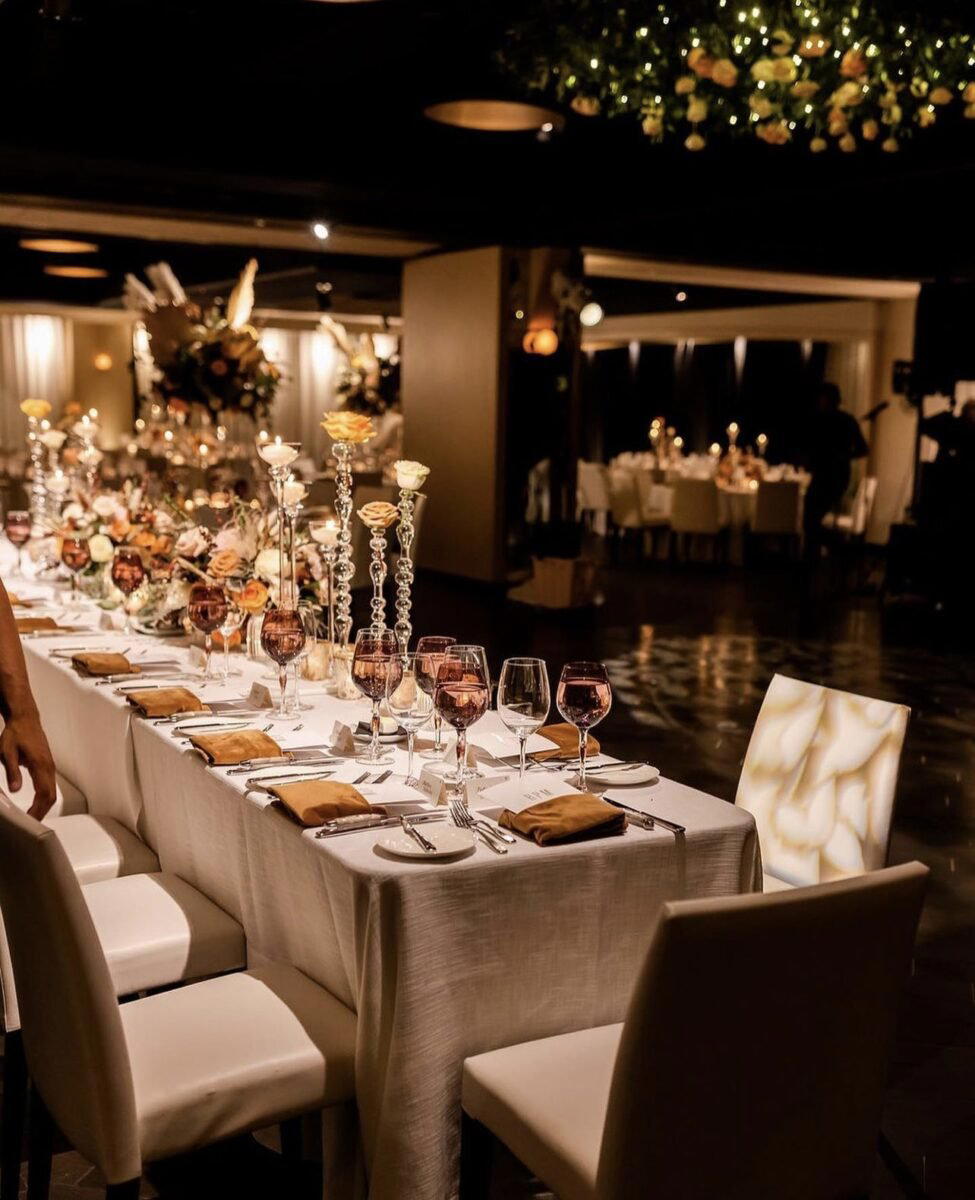
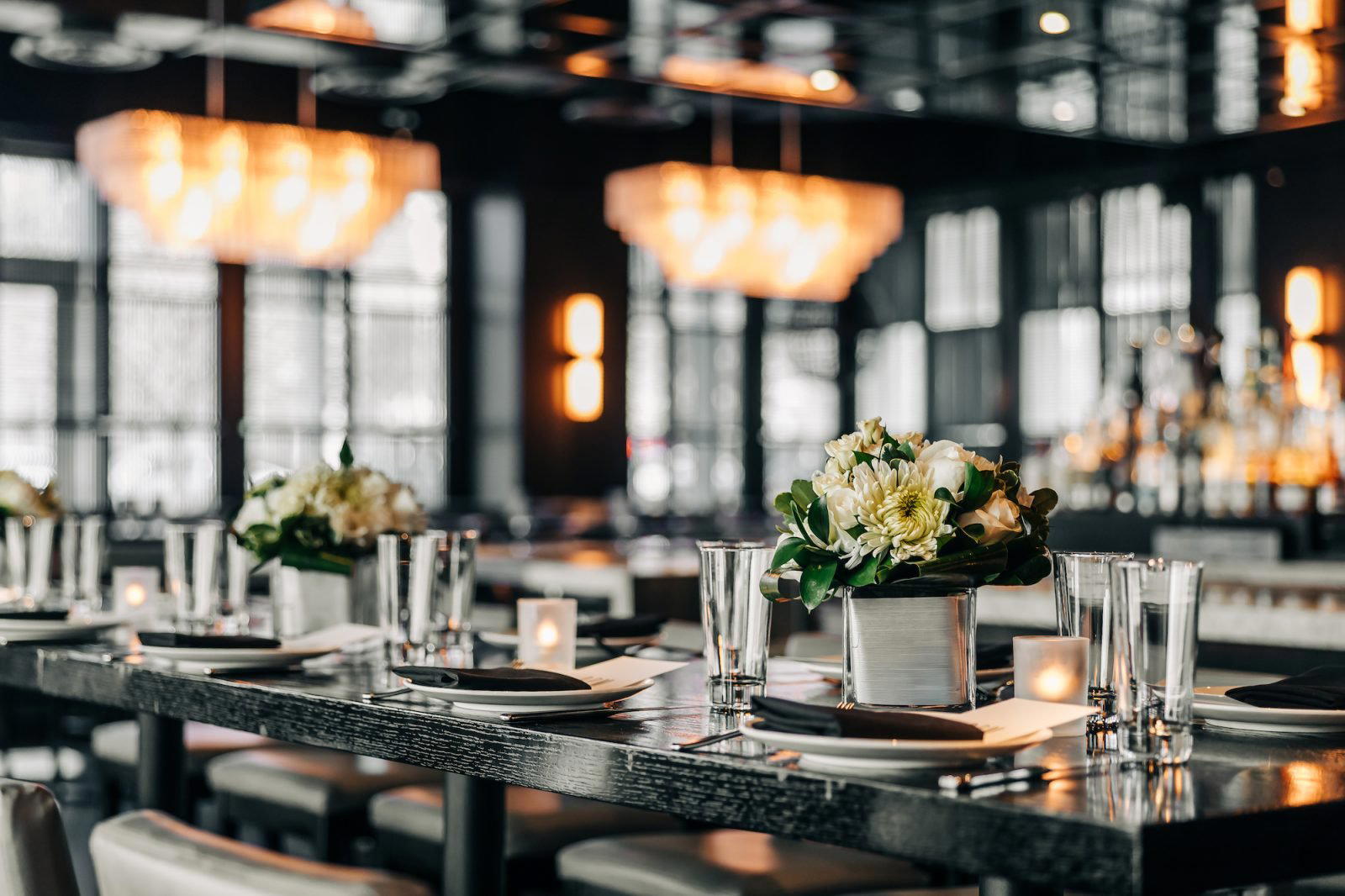
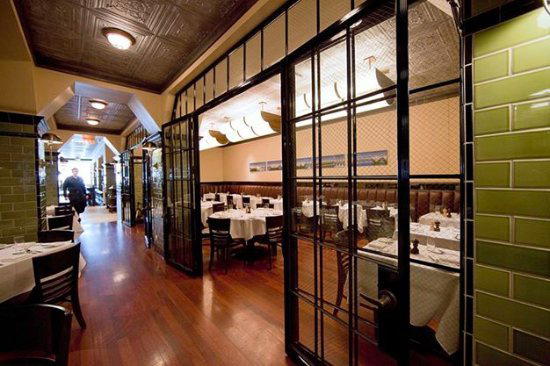
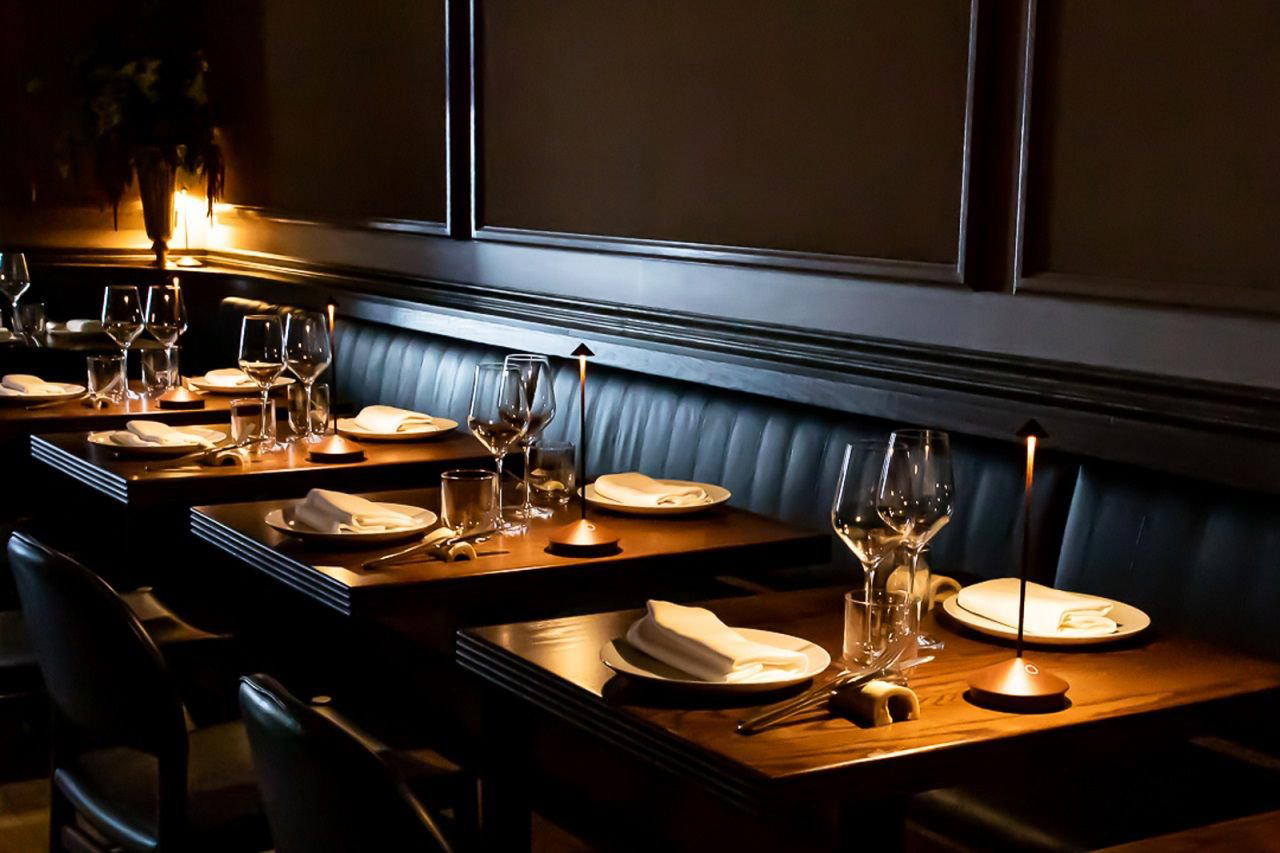
Stylish and cozy setting with moderate noise, ideal for intimate dinners and special occasions.