Parasol's
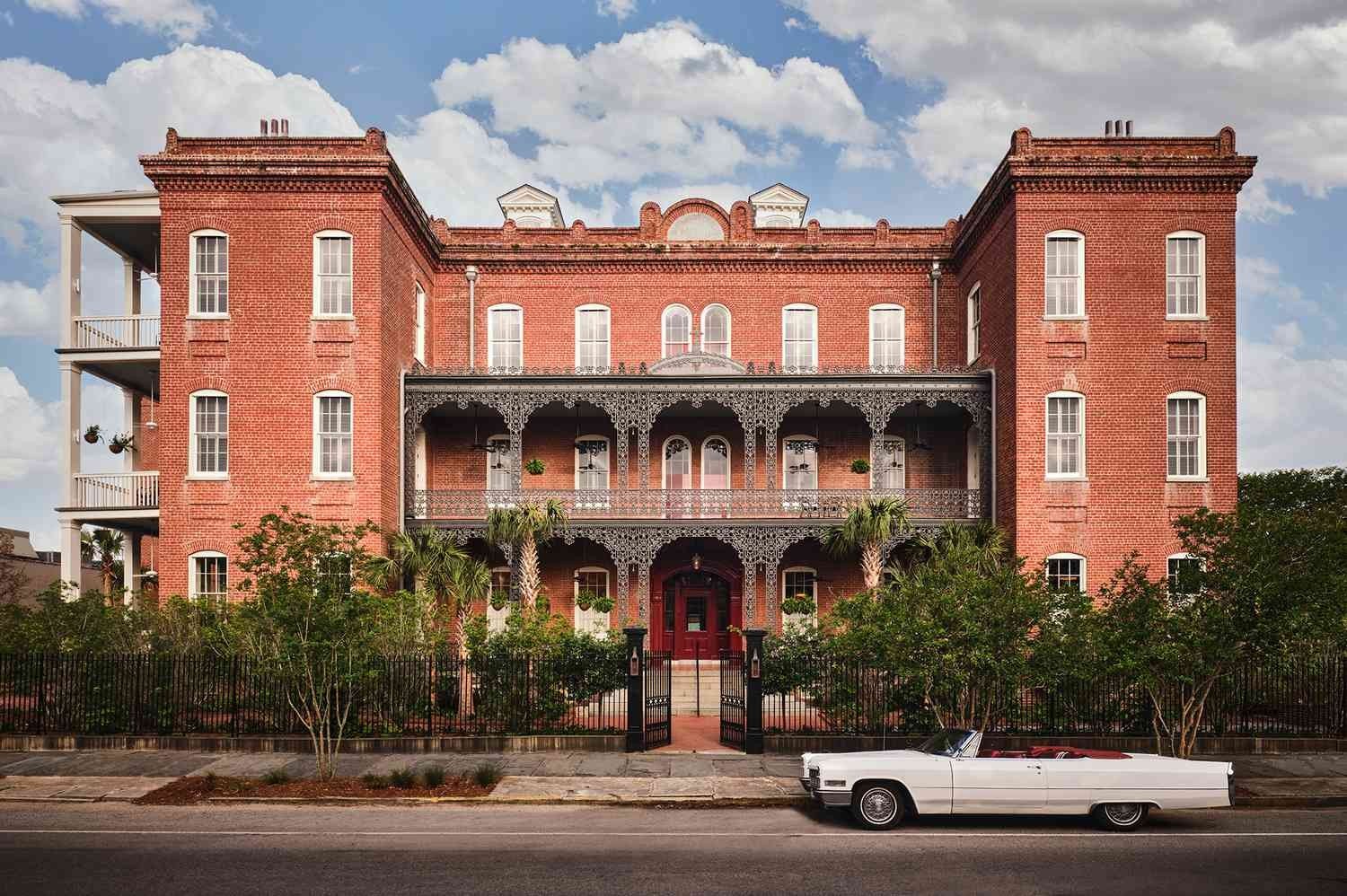
Parasol's at 2533 Constance Street sits deep in the Irish Channel, a neighborhood bar that has anchored its corner of Uptown New Orleans for decades. The physical space — worn wood, dim lighting, and a back patio that absorbs the block's ambient noise — tells you immediately what kind of place this is: unpretentious, local, and resistant to the polish that has overtaken much of the city's bar scene.
Pearl is the En Primeur Club membership app — saves, bookings, and concierge access live there. Same editors, same standards.
- Address
- 2533 Constance St, New Orleans, LA 70130
- Phone
- +1 504 354 9079
- Website
- parasols.gbiz.shop
- Directions
- Get directions
 Saves & bookings on Pearl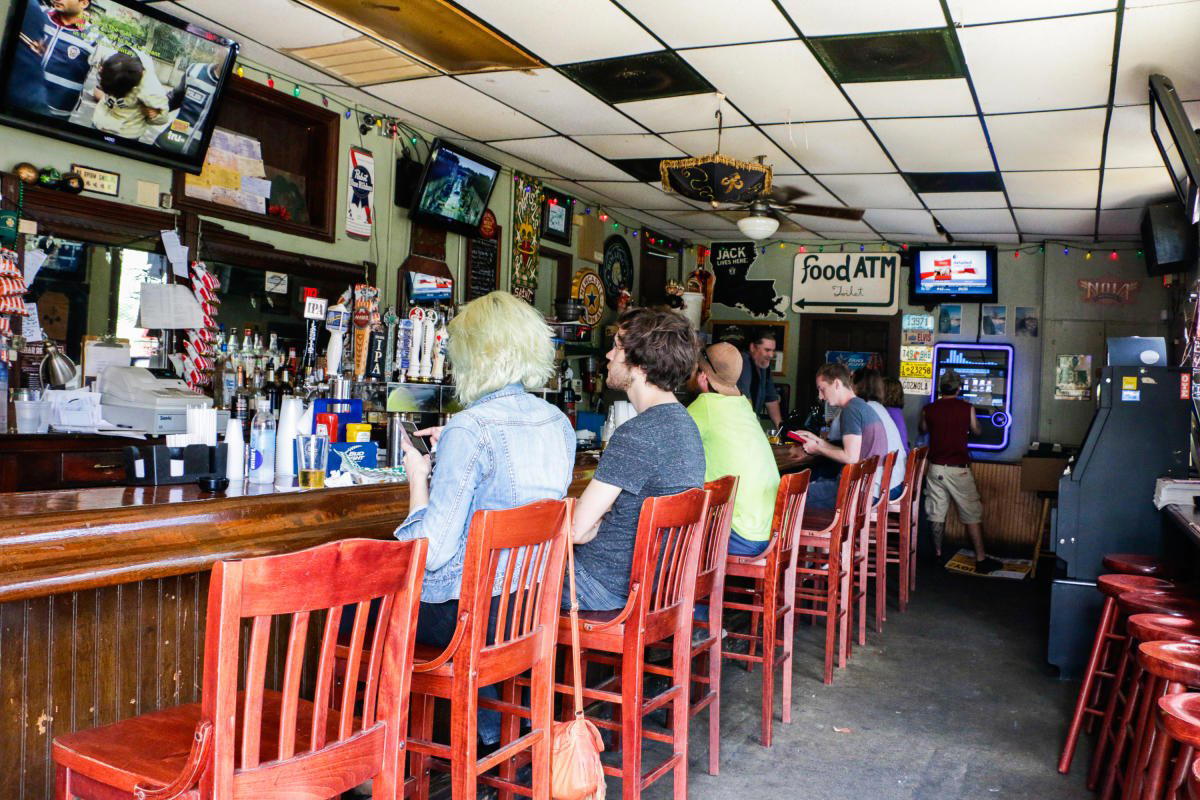
What the Irish Channel Looks Like From the Inside
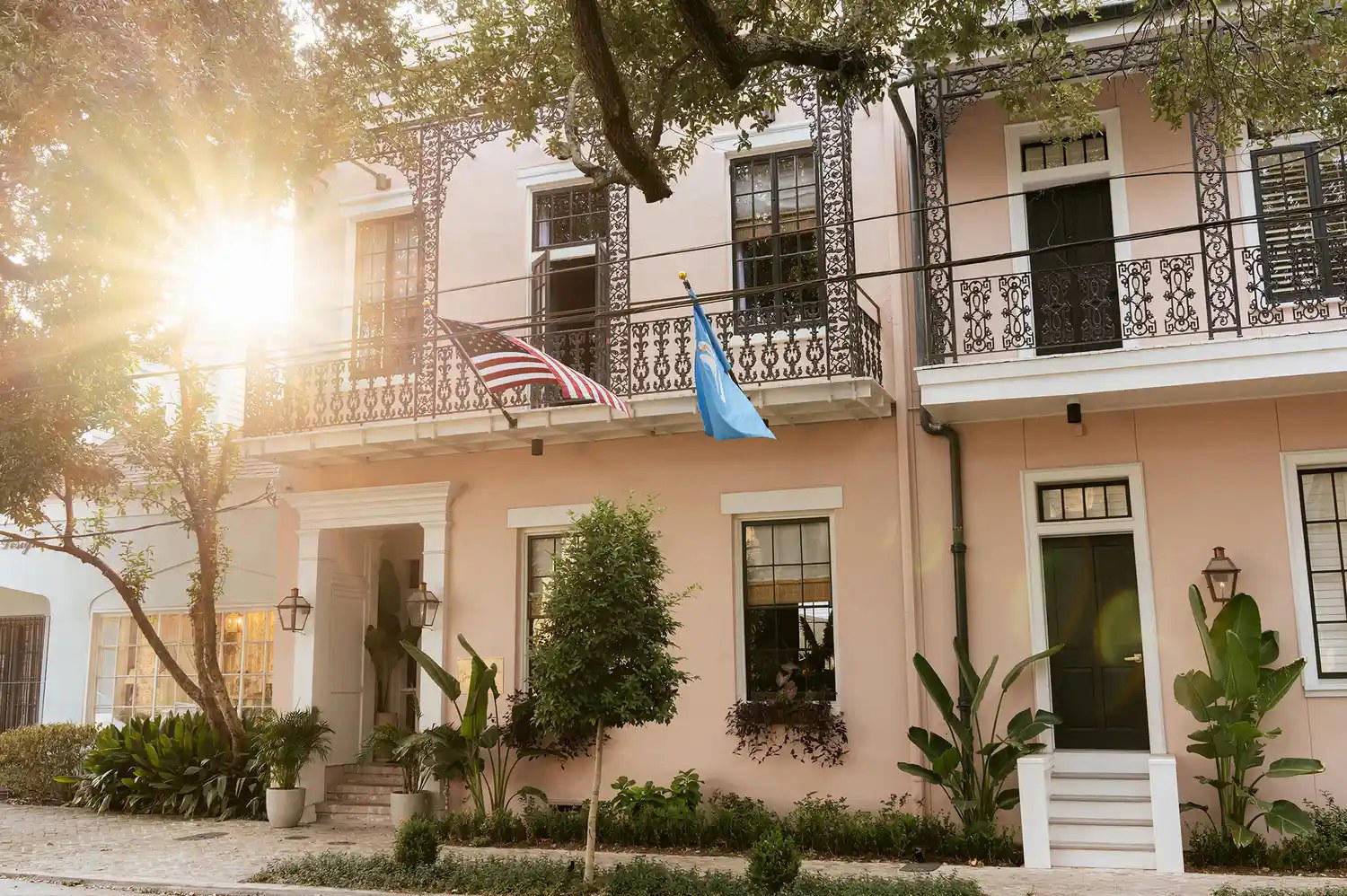
There is a particular type of New Orleans bar that resists categorization as either dive or destination. Parasol's, at 2533 Constance Street in the Irish Channel, belongs to that type. The exterior offers little ceremony: a corner building with the modest signage and functional façade that defines neighborhood drinking in Uptown New Orleans. You are not arriving at a concept. You are arriving at a bar that has been doing the same thing, on the same corner, long enough that the building itself has absorbed the logic of the neighborhood.
The interior follows that same grammar. Wood surfaces worn to the grain, bar stools positioned for conversation rather than Instagram framing, and a lighting level calibrated to comfort rather than drama. The physical container here is deliberately anti-curated, which is itself a design stance. In a city where several newer bars have invested heavily in narrative interiors — Jewel of the South with its antebellum parlor references, Cure with its high-church cocktail bar proportions — Parasol's operates in a completely different register. The space makes no argument about itself. That restraint is the argument.
The Irish Channel and What It Demands of a Bar
The Irish Channel is one of the older residential stretches of New Orleans, running between Magazine Street and the river, south of the Garden District. It is a neighborhood that has gentrified slowly and unevenly, retaining a working-class texture that many comparable urban corridors have lost. A bar on a corner here does not survive by attracting tourists navigating from one curated experience to the next.
Parasol's has that loyalty. It is the kind of bar that appears in discussions of what New Orleans drinking culture actually is, as distinct from what it is packaged to look like on Bourbon Street. The comparison is instructive: the French Quarter bar economy operates on spectacle and volume; the Irish Channel bar economy operates on repetition and trust. Parasol's spatial DNA is built for the latter. The back patio extends the footprint without transforming the character, it is still fundamentally a place to sit, drink, and talk, not a place to be seen doing so.
Po-Boys as Structural Load-Bearing Element
Any account of Parasol's that omits the food is incomplete, because the roast beef po-boy has become the bar's most discussed offering and functions as a draw that operates independently of the drinking occasion. Po-boys are New Orleans's most democratic format: bread from a local bakery, a filling that ranges from fried seafood to roast beef debris, dressed with lettuce, tomato, pickles, and mayonnaise. The roast beef version, when done correctly, involves gravy-soaked meat that makes the bread's structural integrity a minor crisis. Parasol's version circulates in the local conversation about which po-boys in the city carry genuine weight.
This food-bar integration is worth noting as a category point. In many American cities, cocktail programs and bar food have diverged into separate professional tracks, the serious cocktail bars at Bar Leather Apron in Honolulu, Kumiko in Chicago, or ABV in San Francisco treat food as a secondary consideration, if at all. New Orleans bars with serious food credibility occupy a different category entirely, one where the kitchen earns its own following. Parasol's sits in that category.
St. Patrick's Day and the Architecture of Ritual
One temporal dimension that shapes how Parasol's is understood in New Orleans is its St. Patrick's Day parade connection. The Irish Channel has historically been the city's center of Irish-American community life, and the neighborhood's St. Patrick's Day parade, a full civic event with floats, beads, and cabbages thrown to the crowd, has used Parasol's as an organizational anchor. The bar becomes a point of congregation before, during, and after the procession. This is not a marketing event; it is a neighborhood function that the bar participates in because of where it sits and what it has historically represented.
Understanding this seasonal dimension matters for planning. The bar operates at a completely different scale on St. Patrick's Day weekend than on a Tuesday in September. If the Irish Channel parade is the draw, plan well in advance and expect the surrounding blocks to be impassable by mid-afternoon. If a quieter experience is the goal, the weeks on either side of Mardi Gras and St. Patrick's are when the Irish Channel returns to its default register.
Where Parasol's Sits in the New Orleans Bar Conversation
New Orleans has developed a dual bar culture that rarely gets mapped clearly. On one side sit the craft-forward programs: Jewel of the South, Cure, and Beachbum Berry's Latitude 29 each operate with structured menus, trained bar teams, and a clear position in the national cocktail conversation. Bars like Allegory in Washington, D.C., Julep in Houston, Superbueno in New York City, or The Parlour in Frankfurt on the Main belong to the same international craft tier. Parasol's does not. It is not trying to.
On the other side sit the neighborhood bars, places that measure their success in decades of continuous operation, in regulars who know the bartenders by name, and in a physical space that has accumulated rather than been designed. Parasol's is a clear member of that cohort, and within that cohort it carries specific weight because of its location, its food reputation, and its embeddedness in Irish Channel civic life. See our full New Orleans restaurants guide for a broader map of how these different bar tiers fit together across the city's neighborhoods.
For visitors whose New Orleans itinerary already includes the craft cocktail tier, a round at Cure, a tiki session at Beachbum Berry's Latitude 29, Parasol's answers a different question. It answers what the city's bar culture looks like when it is not performing for anyone. That is a distinct and useful thing to know.
Parasol's does not appear to maintain an active online booking system or published website based on currently available information, which is consistent with its walk-in neighborhood bar format. The address at 2533 Constance Street places it in a part of Uptown accessible by Magazine Street transit lines. Rideshare drop-off is direct. Parking on Constance Street is available but limited during high-traffic periods. For a neighborhood bar of this type, the practical advice is simple: show up, eat a po-boy, and allocate more time than you planned to.
Category Peers
| Venue | Cuisine |
|---|---|
| Parasol'sThis venue — the venue you are viewing | This venue |
| Jewel of the South | World's 50 Best |
| Beachbum Berry's Latitude 29 | World's 50 Best |
| Cure | World's 50 Best |
Continue exploring
More in New Orleans
Bars in New Orleans
Browse all →
Restaurants in New Orleans
Browse all →
At a Glance
- Well Known
- Cozy
- Rustic
- Casual Hangout
- Group Outing
- Celebration
- Standalone
- Historic Building
- Seated Bar
- Lounge Seating
- Outdoor Terrace
- Booth Seating
- Classic Cocktails
- Craft Beer
- Frozen
Current opening hours
- Monday
- 11 AM–1 AM
- Tuesday
- 11 AM–1 AM
- Wednesday
- 11 AM–1 AM
- Thursday
- 11 AM–1 AM
- Friday
- 11 AM–2 AM
- Saturday
- 11 AM–2 AM
- Sunday
- 11 AM–1 AM
Hours can change for holidays and private events. Last verified .
Know Before You Go
- Getting there
- 2533 Constance St, New Orleans, LA 70130