NR occupies a quiet stretch of East 75th Street on Manhattan's Upper East Side, a block that invites a certain kind of deliberate dining rather than impulse. The address alone signals something about the crowd: neighbourhood regulars and intentional visitors rather than tourists passing through. Details on format and menu are limited in the public record, which makes advance research worth the effort.
 Discover on Pearl
Pearl is the En Primeur Club membership app — saves, bookings, and concierge access live there. Same editors, same standards.
- Address
- 339 E 75th St, New York, NY 10021
- Phone
- +1 646 226 4874
- Website
- nr-nyc.com
Upper East Side, Off the Radar
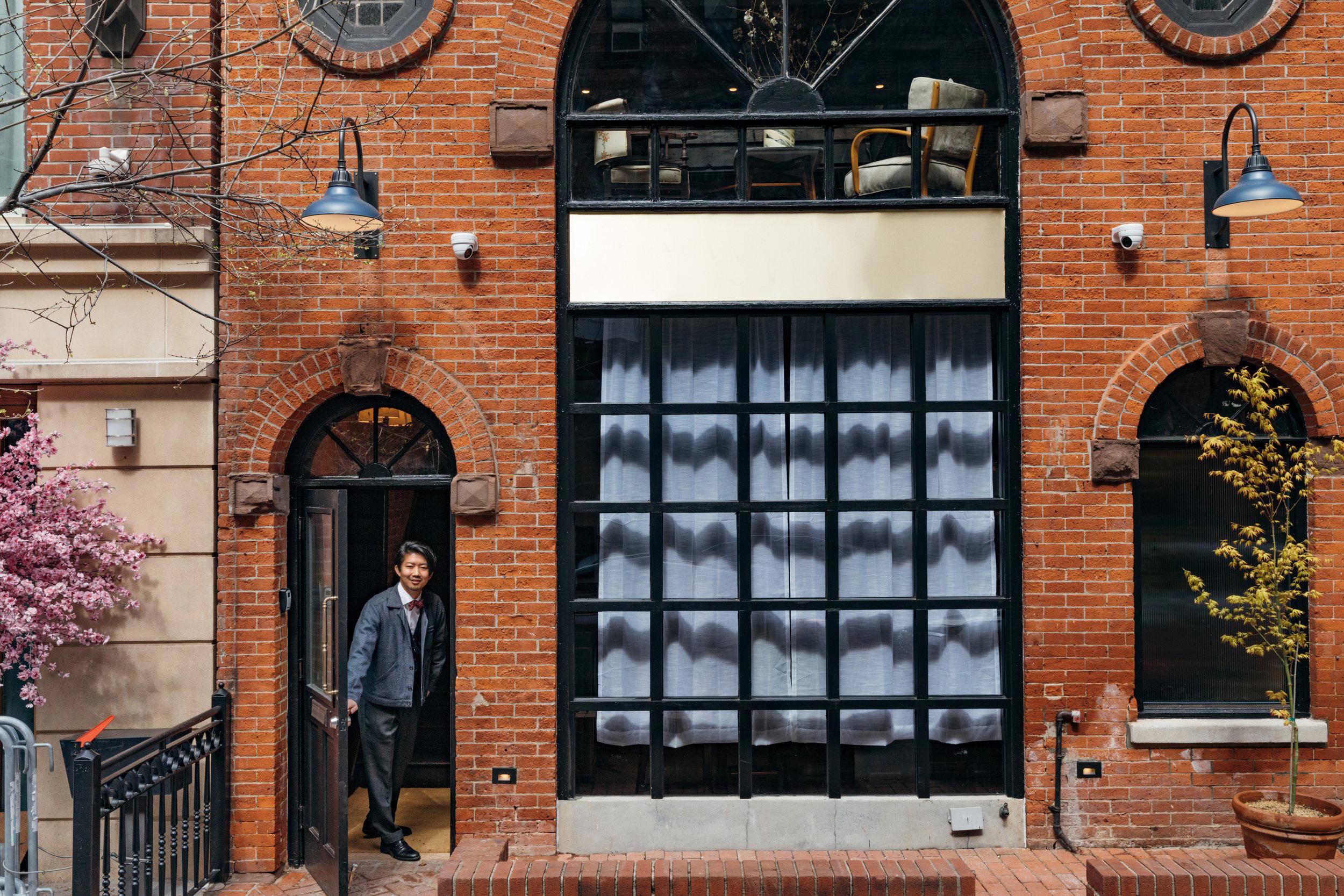
The Upper East Side has never been Manhattan's loudest dining neighbourhood. That distinction has cycled through the Meatpacking District, the Lower East Side, and now various pockets of Brooklyn. What the UES offers instead is a particular kind of density: residential blocks where restaurants survive on returning locals rather than foot traffic, and where a room filling up on a Tuesday means something different than it does in Soho. East 75th Street, where NR sits at number 339, belongs to that quieter register. The buildings are pre-war, the street is narrow, and the dining decision feels considered rather than spontaneous.
That context matters when thinking about what NR represents within New York's broader scene. The city's most discussed restaurants currently compete for attention in a handful of well-documented corridors. A venue on a residential Upper East Side block operates outside those circuits by design, drawing a crowd that has already decided before they arrive. This is not an area where restaurants rely on walk-in curiosity; the ones that persist here do so because they have built consistent trust with the neighbourhood around them.
A City Where Technique Travels
New York's dining culture has long been shaped by the movement of culinary technique across geographies. Chefs trained in France arrive and apply classical method to American product. Japanese precision gets transplanted onto Atlantic seafood. Latin techniques meet local greenmarket produce. The editorial angle that defines the most interesting current work across the city is exactly this intersection: imported method applied to indigenous or locally sourced material, where the tension between the two produces something that could not exist anywhere else.
This dynamic plays out across the city at every price point. At the technically serious end, it shows up in the way Northeastern shellfish is treated with the patience usually reserved for Japanese kaiseki. At the neighbourhood level, it appears in how a small room on a residential block quietly applies precision to ingredients that a more prominent venue might overlook. The Upper East Side has historically hosted a version of this approach in its French-inflected establishments, but the current generation of smaller rooms on streets like East 75th is less obviously categorised by national cuisine tradition and more likely to treat technique as a toolkit applied to whatever the season provides.
The bars that have shaped New York's serious drinking culture follow a parallel logic. Venues like Amor y Amargo built reputations around applying European aperitivo culture to American bitter spirits. Angel's Share brought Japanese bar discipline to the East Village and held it there across decades. Attaboy NYC made a different argument: that technique should serve the guest's instinct rather than a fixed menu. Superbueno applies regional Latin knowledge to a Manhattan cocktail format. The through-line in all of these is the same logic that defines interesting food work: transplanted discipline applied to local or adapted material.
The Neighbourhood as Context
East 75th Street between First and Second Avenues sits in a section of the Upper East Side that retains genuine residential character. The Carnegie Hill and Lenox Hill areas around it have seen some turnover in their restaurant stock over the past decade, with a number of long-running French bistros either closing or changing hands. What has replaced them is a less uniform picture: smaller rooms, more specific formats, and a shift away from the assumption that a neighbourhood this affluent needs a certain type of polished dining room to succeed.
That shift aligns with broader patterns visible across American cities. In Chicago, Kumiko demonstrated that a technically serious program could anchor in a neighbourhood context without relying on a destination address. In San Francisco, ABV built credibility through consistency rather than spectacle. In Washington D.C., Allegory showed that a serious concept could live inside a hotel without being absorbed by it. These examples matter because they describe a pattern: ambitious small rooms succeed when the programme is strong enough to pull traffic rather than wait for it.
Internationally, the same logic applies. Bar Leather Apron in Honolulu, Jewel of the South in New Orleans, Julep in Houston, and The Parlour in Frankfurt on the Main all operate in cities where the headline venues get the attention and the serious smaller rooms require more deliberate seeking. NR's address puts it in that category whether or not it sets out to be there.
What the Address Tells You
In New York, a restaurant's address carries information that goes beyond geography. A venue on East 75th Street is not positioning itself against the Noho or West Village reference set. Its competitive frame is the neighbourhood itself: the question a local asks is not whether to go here or to a celebrated downtown room, but whether this is where they want to spend their Tuesday evening. Sustaining that over time requires a consistency that flashier addresses can sometimes defer through novelty.
The city's dining map rewards exploration of these quieter addresses, and the Upper East Side has several worth knowing.
Planning Your Visit
Address: 339 E 75th St, New York, NY 10021. Timing: Mon: 5-10:30 PM; Tue: 5-10:30 PM; Wed: 5-10:30 PM; Thu: 5-11 PM; Fri: 5 PM-12 AM; Sat: 12 PM-12 AM; Sun: 12-10 PM. Dress code: smart casual. Reservations: walk-in friendly.
Cuisine Context
Comparable venues nearby, for context on price, style, and recognition.
| Venue | Cuisine | Price | Awards | Notes |
|---|---|---|---|---|
| NRThis venue — the venue you are viewing | cocktail_bar | $$$ | , | |
| Banshee | cocktail_bar | $$$ | , | East Village |
| Kimura | Bar | $$$ | , | East Village |
| Bar Blanc | lounge | $$$ | , | West Village |
| Mr. Purple | rooftop_bar | $$$ | , | Lower East Side |
| Taikun Sushi | sake_bar | $$$ | , | Lower East Side |
Continue exploring
More in New York City
Bars in New York City
Browse all →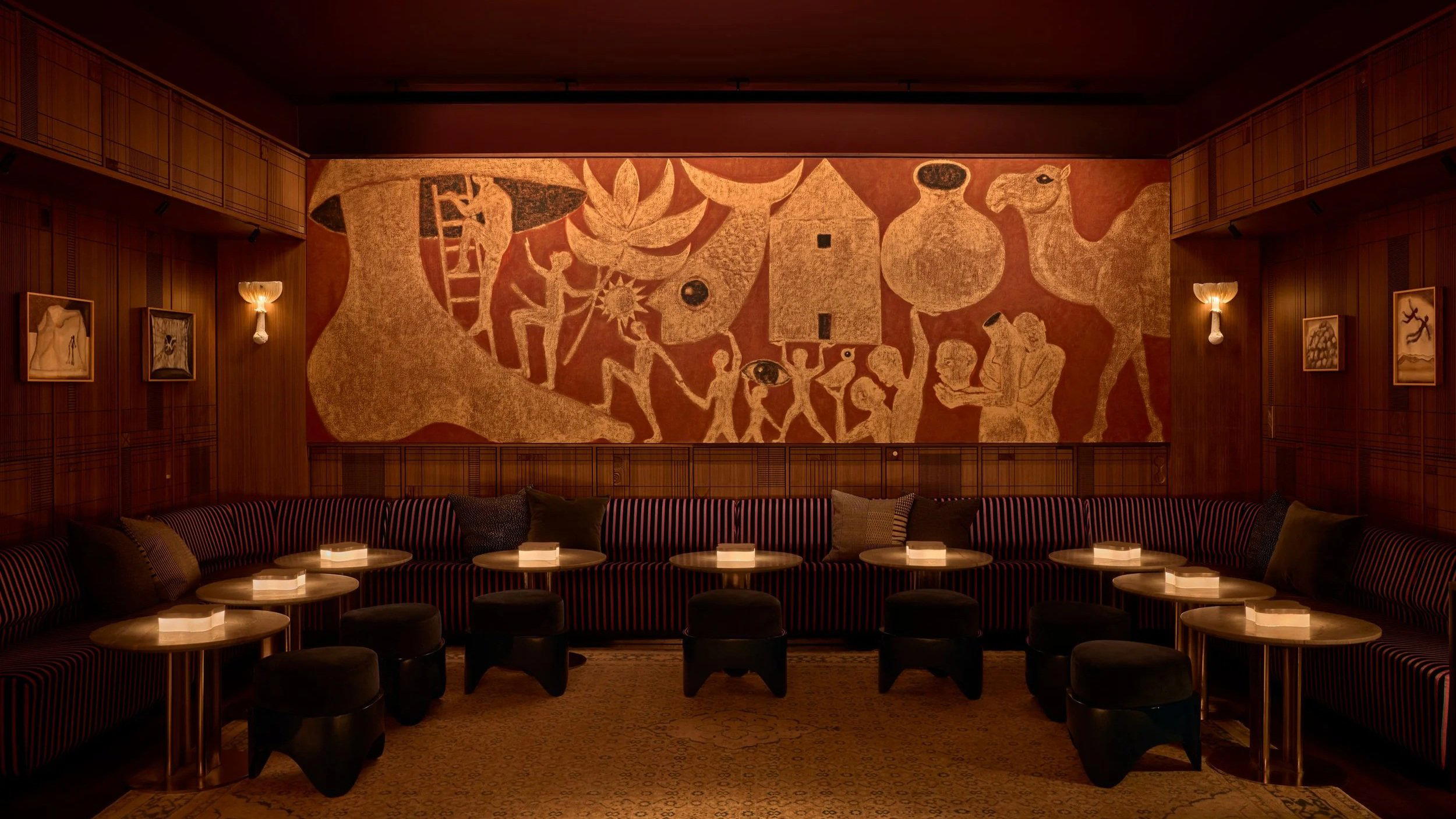
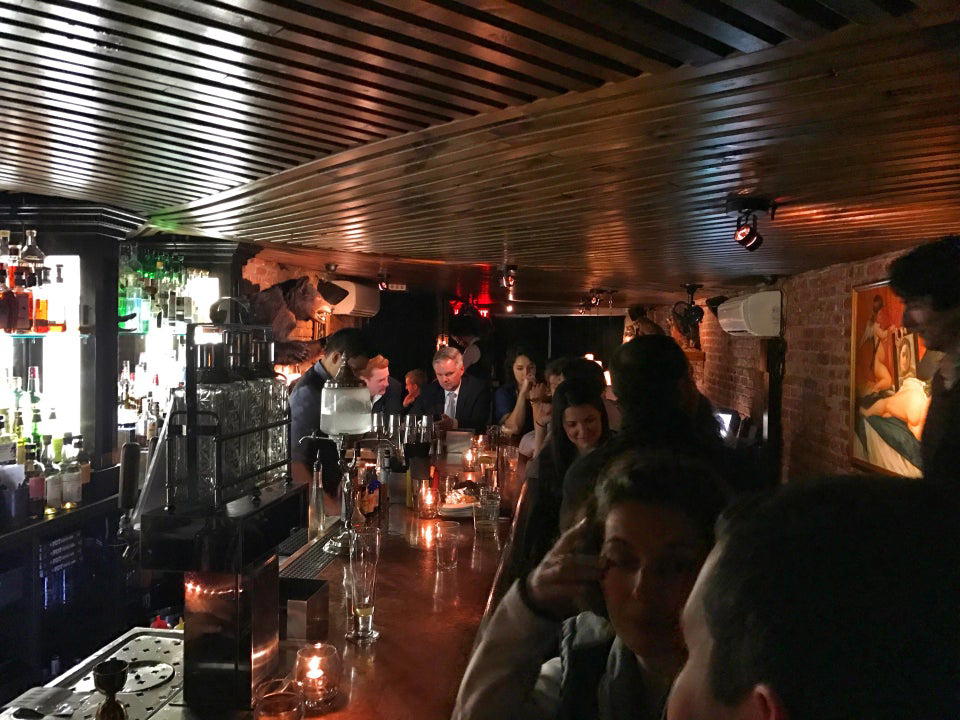
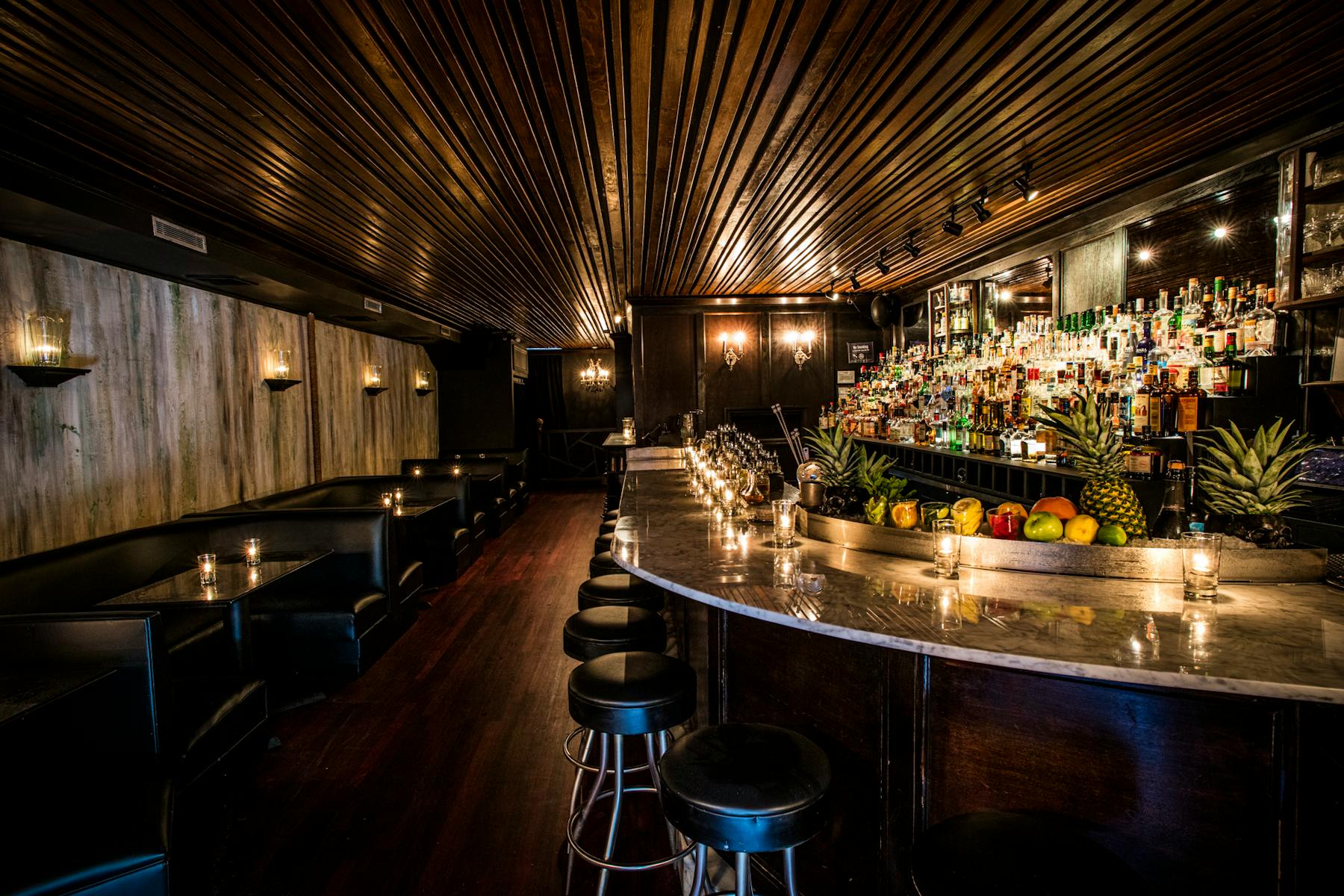
Restaurants in New York City
Browse all →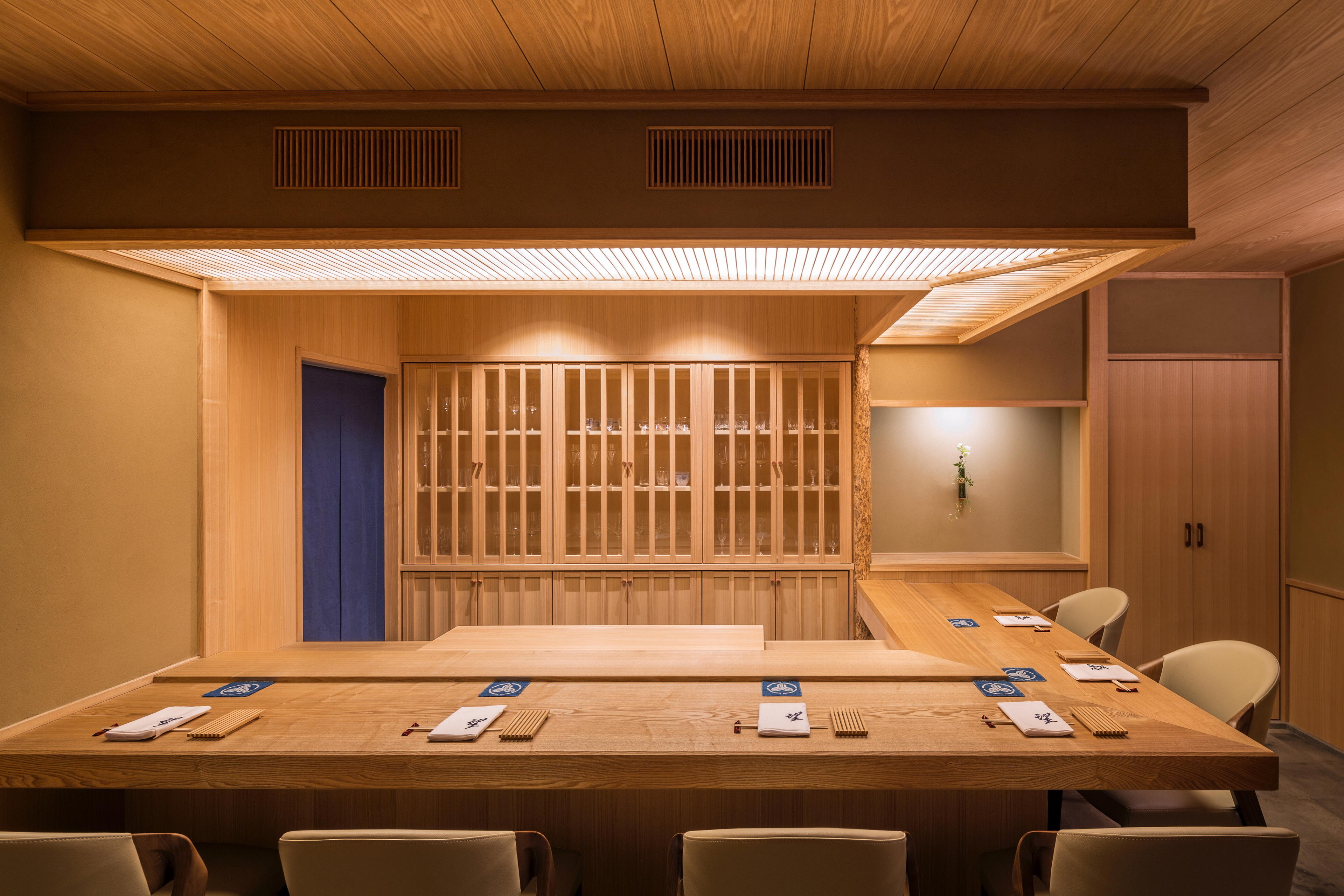
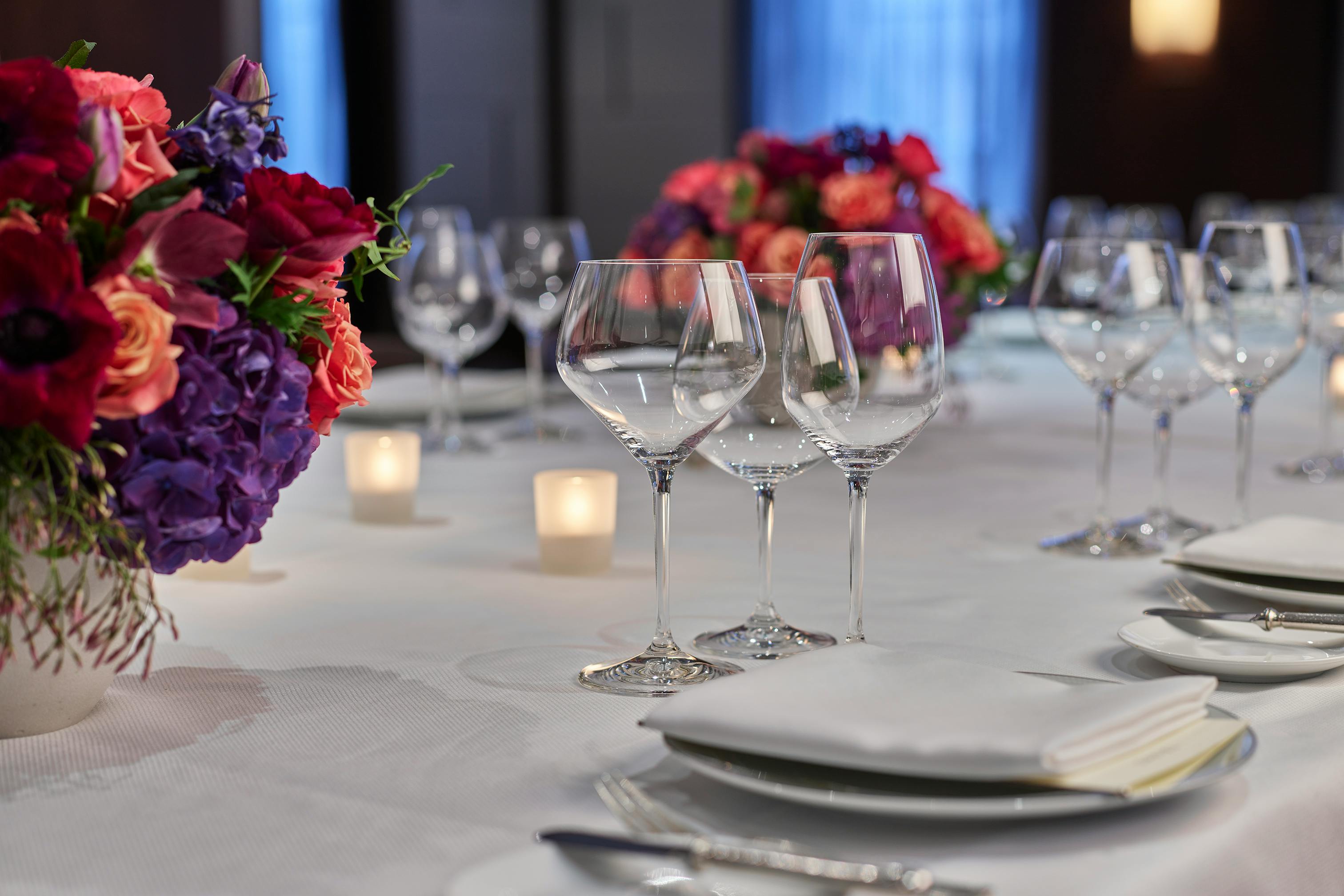
Hotels in New York City
Browse all →


At a Glance
- Romantic
- Intimate
- Cozy
- Elegant
- Sophisticated
- Whimsical
- Date Night
- After Work
- Celebration
- Special Occasion
- Speakeasy
- Standalone
- Design Destination
- Historic Building
- Seated Bar
- Lounge Seating
- Booth Seating
- Outdoor Terrace
- Craft Cocktails
- Classic Cocktails
- Low Abv
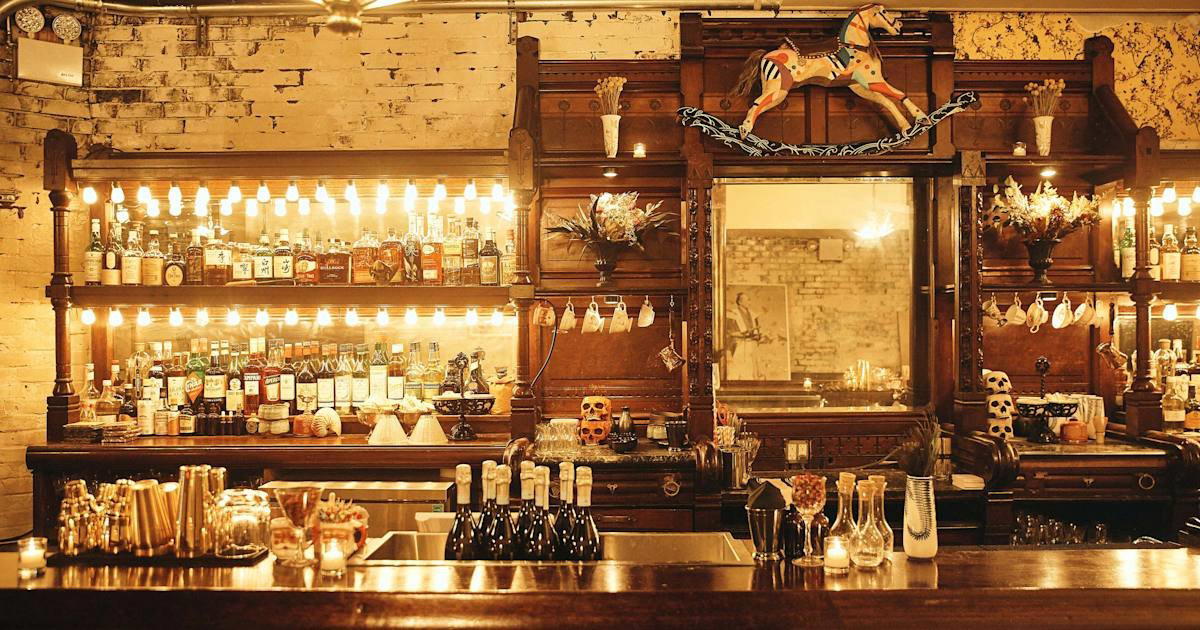
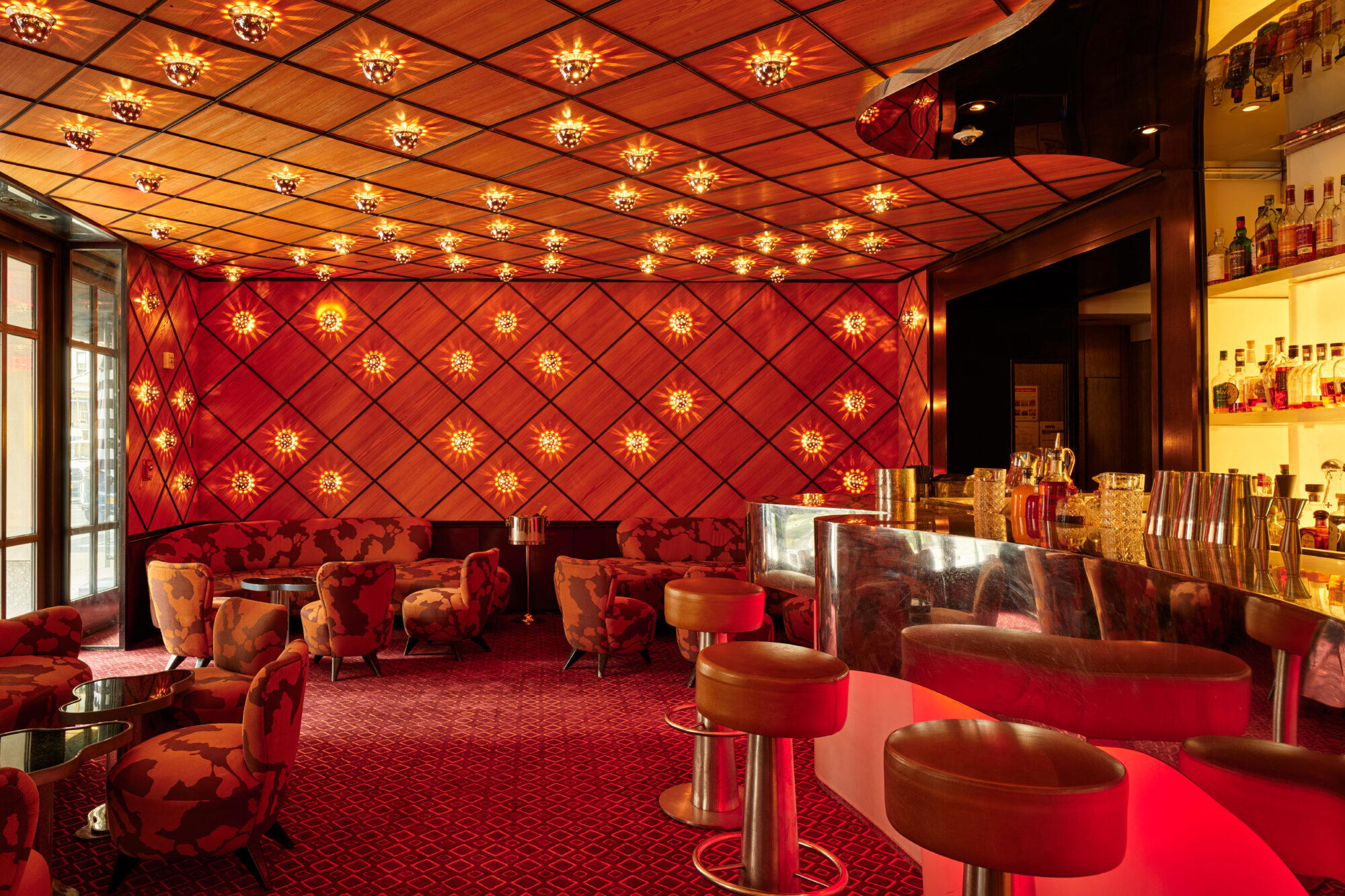
Retro speakeasy atmosphere with dim lighting, small marble tables, cozy wooden banquettes, and a welcoming bar evoking a bygone era while infusing contemporary characteristics; lively jazz music transitions to house beats and Frank Sinatra.