Kimura
On St. Marks Place in the East Village, Kimura occupies a stretch of downtown Manhattan where izakaya culture and serious cocktail bars have coexisted for decades. The address alone situates it inside a neighbourhood with strong opinions about what a bar or restaurant should be. Plan ahead: East Village rooms at this tier fill quickly, and walk-ins are rarely rewarded.
Pearl is the En Primeur Club membership app — saves, bookings, and concierge access live there. Same editors, same standards.
- Address
- 31 St Marks Pl, New York, NY 10003
- Phone
- +1 917 905 1864
- Website
- kimuranyc.com
- Directions
- Get directions
 Saves & bookings on Pearl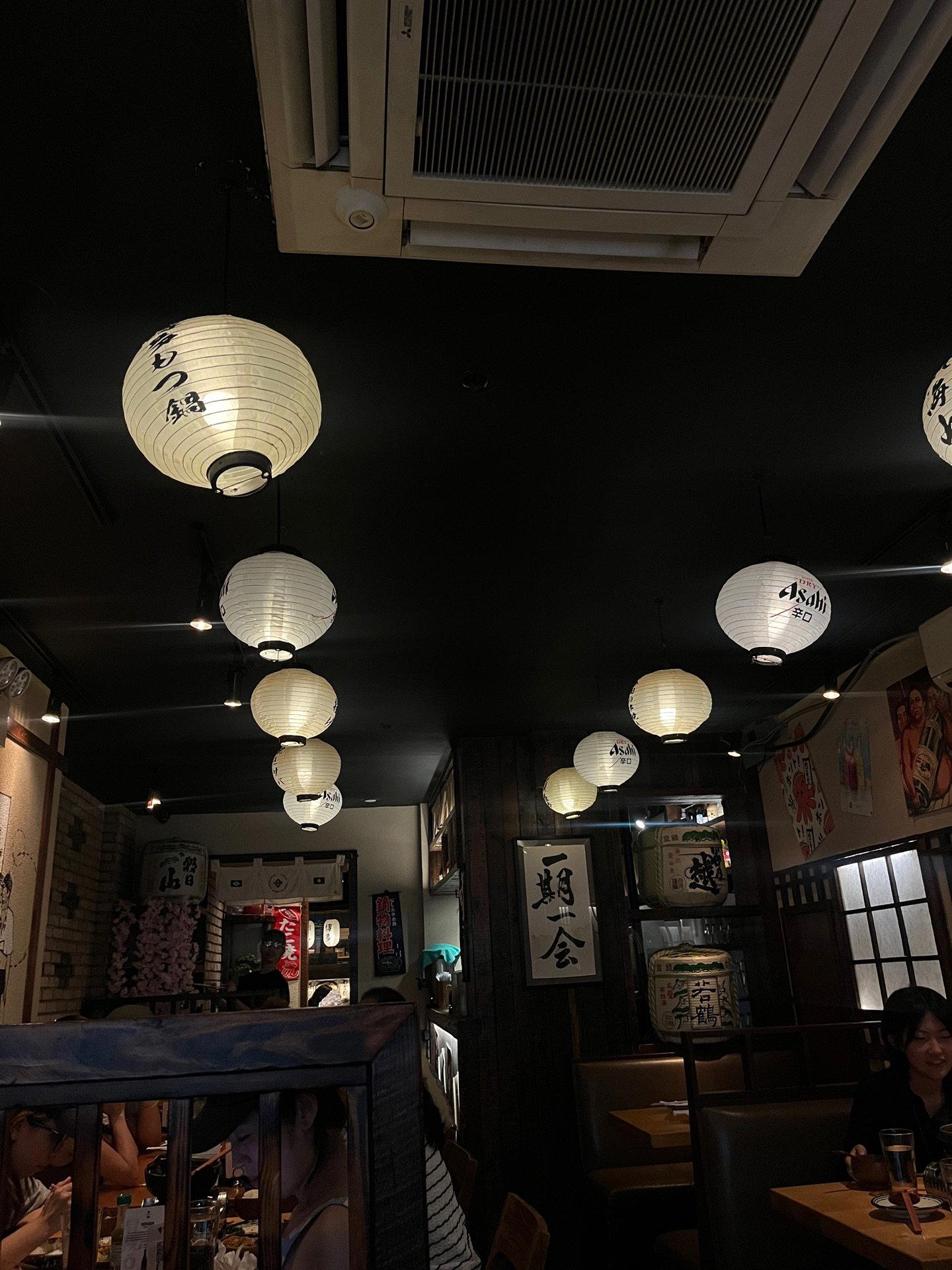
St. Marks Place and the Logic of the East Village
St. Marks Place has operated as one of downtown Manhattan's more reliable barometers for a long time. The block between Second and Third Avenues in particular has cycled through punk record shops, Japanese ramen counters, and cocktail bars without ever losing its particular density of purpose. Kimura, at number 31, sits on a strip where the foot traffic is intentional rather than tourist-adjacent, and where the local expectation for what a venue should deliver is correspondingly higher. This is not a neighbourhood that rewards concept over execution.
The East Village's dining and drinking identity has been shaped by two overlapping forces: the Japanese-inflected food culture that took root along St. Marks in the 1980s and never entirely left, and the cocktail bar generation that emerged from the broader New York craft movement in the 2000s. Venues that operate in this neighbourhood tend to inherit both of those pressures simultaneously. The result is a block where specificity matters more than breadth, and where rooms that try to be everything to everyone rarely last. Kimura's address places it squarely inside that competitive logic.
What the Booking Experience Tells You
In New York's current market, the friction involved in securing a reservation has become its own signal. A venue that fills weeks ahead, requires a credit card to hold a table, or operates a waitlist structure is communicating something real about demand relative to capacity. The East Village has a cluster of rooms where the booking window is genuinely tight, and navigating that cluster requires knowing where Kimura sits within it.
For venues at this address and tier, the general pattern holds: weekend evenings book first, counter seats tend to move faster than tables if the format includes both, and midweek slots in the earlier part of the evening remain the most accessible entry point. If Kimura operates a phone or online reservation system, checking availability on a Tuesday or Wednesday evening for a 6pm or 6:30pm slot is the most reliable approach before assuming the room is inaccessible. The East Village rewards the visitor who treats it as a planning exercise rather than a spontaneous stop.
For context on how similarly positioned bars in other cities handle their booking curves, the model at Bar Leather Apron in Honolulu and the reservation discipline at Kumiko in Chicago offer useful reference points: both run tight-capacity formats where advance contact is the standard, not the exception.
The East Village and adjacent Lower East Side now contain several of New York's more demanding cocktail and dining addresses. Attaboy NYC, which runs a no-menu, bartender-led format on Eldridge Street, has set a template for low-signage, high-expectation rooms in the area. Angel's Share, further east on Stuyvesant Street, has maintained its reputation for Japanese-influenced precision cocktails since the 1990s, operating through an entrance that requires knowing where to look. Amor y Amargo on East 6th Street has built its identity entirely around bittersweet spirits and a format that refuses to widen its scope to please a broader audience.
These venues share a structural quality: they have defined a lane and stayed in it. The East Village tends to reward that kind of commitment. Superbueno, a few blocks away, operates a different register entirely, with a louder, more social energy, but even that room has a clear point of view. Kimura's position on St.
The same pattern of well-defined, category-specific rooms plays out in other American cities. Jewel of the South in New Orleans, Julep in Houston, and ABV in San Francisco each demonstrate how a clearly defined format and a narrow, well-executed menu can build sustained credibility in a competitive market. Internationally, The Parlour in Frankfurt on the Main and Allegory in Washington, D.C. show the same principle operating across different cultural contexts. The rooms that endure tend to know exactly what they are.
Arriving at 31 St. Marks
The physical approach to a St. Marks Place address is worth factoring into the experience. The block is active at most hours, particularly Thursday through Saturday, and the street-level signage on this stretch varies from prominent to deliberately minimal. Venues that lean toward the minimal end are making a statement about their intended audience. Arriving at 31 St. Marks during a busy Friday evening means moving through foot traffic that is navigating the same block with different intentions, and finding the right door can require a moment of deliberate attention.
Nearest subway access is the 6 train at Astor Place or the L at First or Third Avenues, all within a few minutes' walk. The East Village does not have abundant late-night parking, and the standard recommendation for any evening visit to this part of downtown Manhattan is to arrive by transit and plan to leave the same way. For a broader map of how Kimura fits into the wider downtown drinking and dining picture, the full New York City restaurants and bars guide covers the relevant neighbourhoods in more depth.
Before You Go: What to Know
East Village operates on a set of informal norms that apply across most of its better rooms. Reservations, where available, are the correct approach. Walk-in success depends heavily on timing: a solo seat at a counter or bar leading is more accessible than a table for four. The neighbourhood's rooms tend to be small, which means that the energy inside shifts noticeably depending on occupancy, and a half-full room on a Tuesday evening is a different experience from a Saturday at capacity.
For first-time visitors to this part of New York, the practical advice is to confirm hours and reservation availability directly with the venue before the trip. The East Village has enough strong alternatives within a five-minute walk that any evening here can be rerouted productively, but arriving without a plan at a room that is fully committed for the evening is a preventable outcome.
Continue exploring
More in New York City
Bars in New York City
Browse all →
Restaurants in New York City
Browse all →
Hotels in New York City
Browse all →




At a Glance
- Trendy
- Modern
- Casual Hangout
Current opening hours
- Monday
- 12–10 PM
- Tuesday
- 12–10 PM
- Wednesday
- 12–10 PM
- Thursday
- 12–10 PM
- Friday
- 12–10 PM
- Saturday
- 12–10 PM
- Sunday
- 12–10 PM
Hours can change for holidays and private events. Last verified .
Know Before You Go
- Getting there
- 31 St Marks Pl, New York, NY 10003