Milieu Fermentation
Milieu Fermentation operates at 2101 N Ursula St in Aurora's medical district corridor, bringing a fermentation-focused approach to a neighborhood better known for its hospital campuses than its dining scene. The address places it within easy reach of Aurora's emerging food corridor, where craft-led concepts are beginning to fill gaps left by chain-heavy development. Details on booking and hours are best confirmed directly with the venue.

Pearl is the En Primeur Club membership app — saves, bookings, and concierge access live there. Same editors, same standards.
- Address
- 2101 N Ursula St #10, Aurora, CO 80045
- Phone
- (303) 955-1035
- Hours
- Mon 3–7 PMTue–Wed 3–9 PMThu–Sat 12–9 PMSun 12–7 PM
- Website
- milieufc.com
- Directions
- Get directions
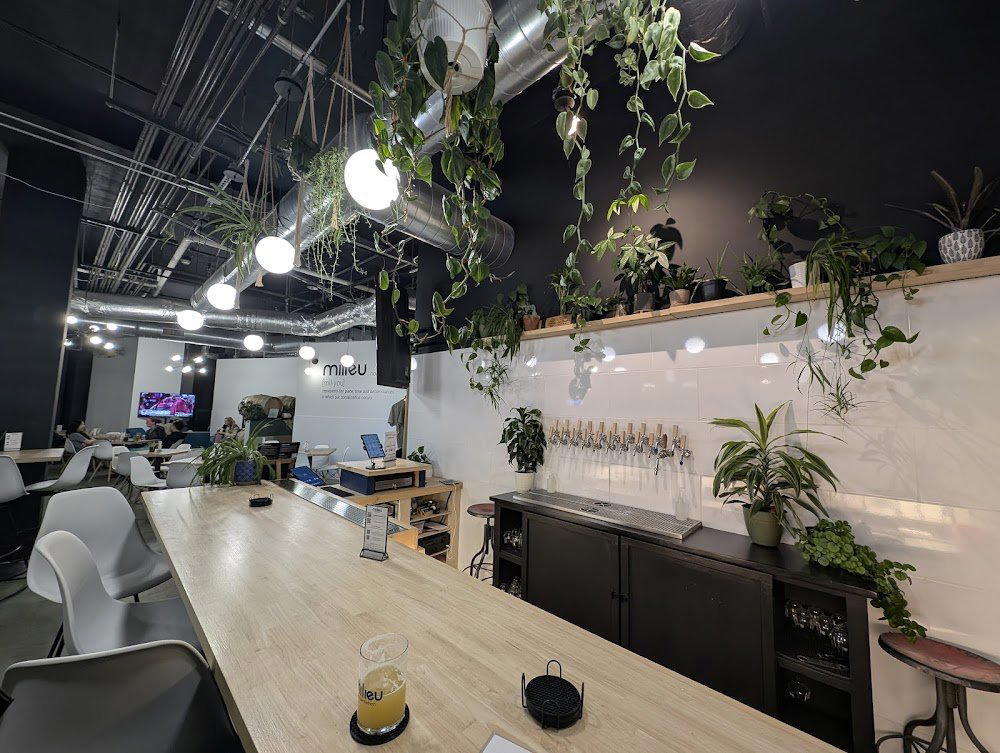
Fermentation as a Framework, Not a Trend
Aurora's dining identity has long been defined by its immigrant communities rather than its independent craft operators. The stretch of the metro east of Denver carries one of Colorado's most culturally layered food scenes, with Korean, Ethiopian, Vietnamese, and Mexican kitchens doing the kind of cooking that feeds neighborhoods rather than headlines. Against that backdrop, a fermentation-focused operation at 2101 N Ursula Street lands in interesting territory. Fermentation is one of the oldest food preservation traditions in nearly every cuisine that shapes this part of Aurora, from the kimchi and doenjang of Korean households to the injera and tej of Ethiopian tables. A venue that positions fermentation as its organizing logic is, whether intentionally or not, speaking to something that runs through the area's culinary inheritance.
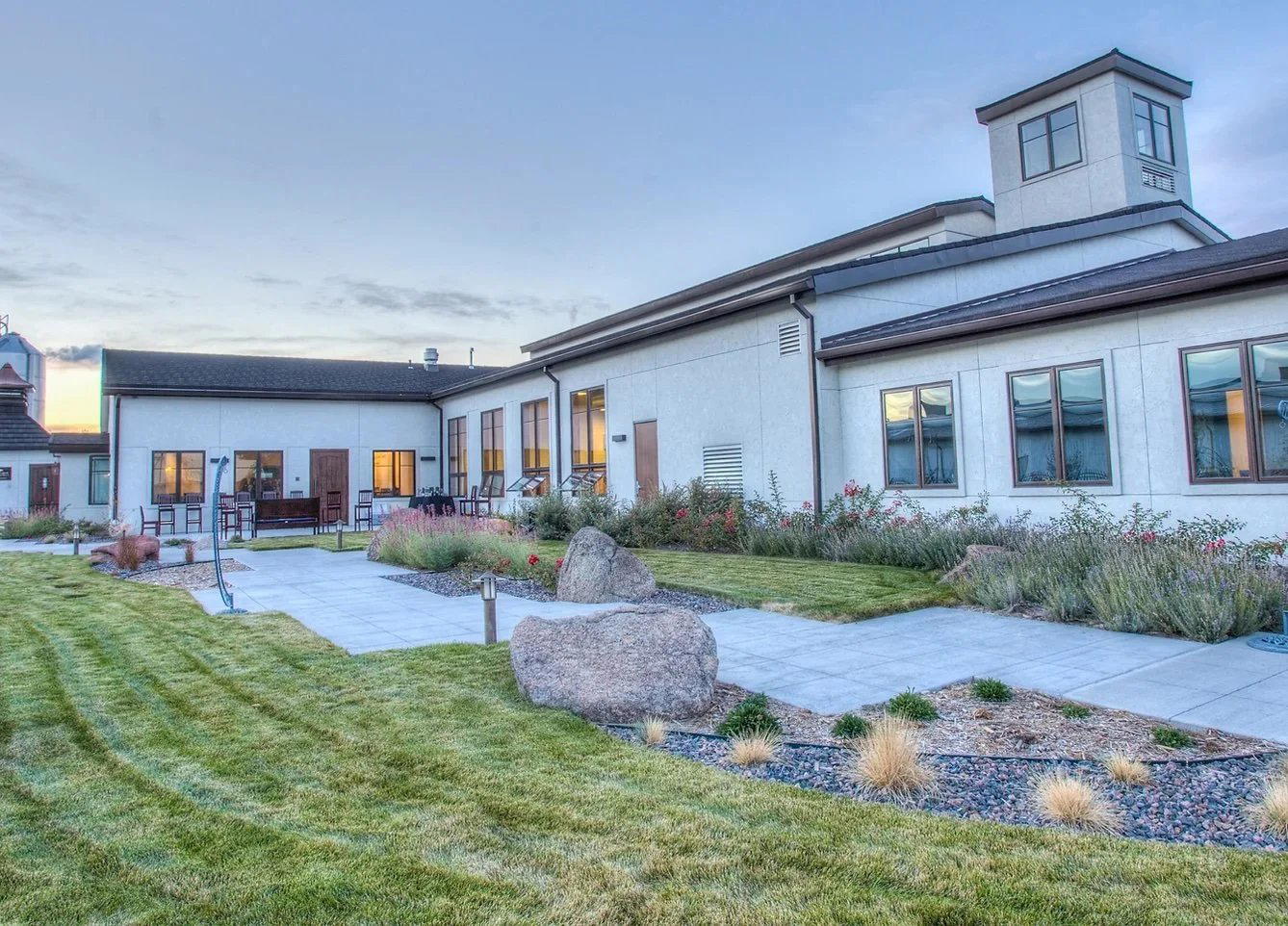
Milieu Fermentation occupies a suite address in the N Ursula corridor, a stretch more associated with the Anschutz Medical Campus than with any established restaurant row. That placement matters. Venues that open in proximity to medical districts often calibrate toward health-conscious formats, and fermentation sits squarely at the intersection of craft food culture and wellness-driven eating. Across the United States, the past decade has seen fermentation move from a back-of-house technique to a front-of-menu identity, with operations in cities like Chicago, New York, and San Francisco building entire concepts around sourdough, koji, miso, vinegar, and cultured dairy. Aurora's version of that conversation is quieter, less documented, and for that reason worth attention.
Where This Fits in Aurora's Food Corridor
The Aurora District carries enough dining depth to support serious exploration. Daebak Korean Restaurant anchors the Korean end of the corridor, while Cheluna Brewing Company represents the craft beverage side of the neighborhood's independent scene. Annette has drawn regional attention for its approach to seasonal Colorado cooking, and Coffee Story by Barakah Brews signals the area's growing appetite for specialty beverage culture. Milieu Fermentation arrives into a neighborhood that is consolidating rather than establishing, which means it enters a context with defined expectations rather than a blank slate.
The fermentation category itself splits in several directions. Some operators focus on beverage production: kombucha, kefir, natural wine, and craft vinegar. Others center on preserved and cultured foods, building menus around sourdough, miso, lacto-fermented vegetables, and aged cheeses. A third cohort treats fermentation as a production philosophy applied across a broader menu. That kind of commitment, when it holds, tends to produce more consistent results than operations that treat fermentation as an accent.
The Cultural Roots of Fermentation Practice
Across the cuisines that define Aurora's food community, fermentation is not a trend. It is infrastructure. Korean cuisine depends on fermented pastes and vegetables at a structural level: gochujang, doenjang, and kimchi are not garnishes but foundations. Ethiopian cooking relies on fermented teff batter for injera, the bread that doubles as utensil and plate. Vietnamese cooking uses fermented shrimp paste and fish sauce as seasoning backbones. Mexican regional cooking employs fermented corn, agave, and chile preparations that predate colonial contact by centuries.
When a venue explicitly names fermentation in its identity in a neighborhood shaped by these traditions, it implicitly enters a conversation with all of them. The most interesting fermentation-focused operations in the United States have recognized this debt and worked with it rather than around it. Kumiko in Chicago draws on Japanese fermentation traditions in its beverage program, while Jewel of the South in New Orleans reflects the fermentation history embedded in Louisiana's culinary culture. Superbueno in New York City works within Latin fermentation traditions. The question Milieu Fermentation will answer over time is where it positions itself within Aurora's specific fermentation inheritance.
A Note on the Broader Colorado Context
Colorado's craft food and beverage scene has matured considerably over the past decade, though Denver tends to absorb most of the critical attention. The fermentation conversation in the state has largely been led by its natural wine importers, sourdough bakeries, and craft breweries, with ABV in San Francisco offering a reference point for how beverage-forward fermentation concepts have succeeded in West Coast markets. Aurora's position as Colorado's third-largest city, with a population that skews younger and more diverse than many mountain-state metros, creates conditions for fermentation-focused concepts that speak beyond the farmers market demographic.
Nationally, fermentation venues have found their most stable footing when they combine accessibility with depth, offering entry points for curious newcomers alongside enough technical sophistication to sustain repeat visits. Bar Leather Apron in Honolulu demonstrates how craft-led precision can work in a market that values both approachability and craft credentials. Julep in Houston and The Parlour in Frankfurt show how a defined identity can anchor a venue in cities where the independent scene competes with high volume operators. Aurora's market dynamics are different, but the underlying logic applies: a clear concept with cultural grounding tends to outlast trend-driven formats.
Planning Your Visit
Milieu Fermentation is located at 2101 N Ursula St, Suite 10, Aurora, CO 80045, in a commercial corridor adjacent to the Anschutz Medical Campus. Given the venue's position in an emerging rather than established dining cluster, it is worth contacting the venue directly to confirm current hours, format, and any reservation requirements before visiting. Fermentation-focused operations sometimes operate on limited schedules tied to production cycles rather than conventional restaurant hours, and format details can shift as a concept develops. For a broader picture of what the neighborhood offers, our full Aurora District restaurants guide covers the area's range from Korean barbecue to craft beverage operators.
Cost Snapshot
| Venue | Price |
|---|---|
| Milieu FermentationThis venue — the venue you are viewing | $20–30 |
| KPOT Korean BBQ & Hot Pot | $20–30 |
| Daebak Korean Restaurant | $10–20 |
| Cheluna Brewing Company | $20–30 |
Continue exploring
More in Aurora
Bars in Aurora
Browse all →
Restaurants in Aurora
Browse all →
Hotels in Aurora
Browse all →


Details
- Modern
- Cozy
- Trendy
- Casual Hangout
- Group Outing
- Standalone
- Seated Bar
- Lounge Seating
- Craft Beer
Current opening hours
- Monday
- 3–7 PM
- Tuesday
- 3–9 PM
- Wednesday
- 3–9 PM
- Thursday
- 12–9 PM
- Friday
- 12–9 PM
- Saturday
- 12–9 PM
- Sunday
- 12–7 PM
Hours can change for holidays and private events. Last verified .
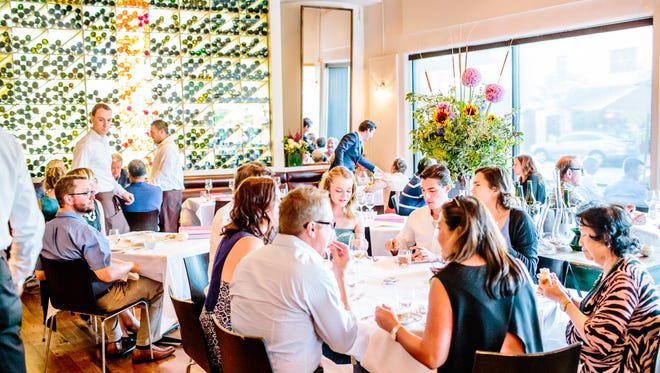
Bright white walls filled with greenery and plants, cozy seating, clean modern vibe, welcoming community atmosphere.