Daebak Korean Restaurant
Daebak Korean Restaurant sits on South Parker Road in Aurora, anchoring a stretch of the district where Korean cooking draws a consistent local following. The format fits the corridor's working-rhythm pace: direct, generous, and built around communal eating traditions that translate well across the table. For Korean food in Aurora, it occupies a reliable position in a category with growing competition.
Pearl is the En Primeur Club membership app — saves, bookings, and concierge access live there. Same editors, same standards.
- Address
- 2648 S Parker Rd Unit 11, Aurora, CO 80014
- Phone
- +1 720 328 9328
- Website
- instagram.com
- Directions
- Get directions
 Saves & bookings on Pearl
South Parker Road and the Korean Dining Corridor
Strip-mall dining in Aurora's South Parker Road corridor operates on a logic that rewards the repeat visitor over the first-timer. The signage is modest, the parking lots are shared, and the draw is almost entirely word-of-mouth. The area has developed a recognizable cluster of independent ethnic restaurants that function as anchors for specific communities and curious diners alike, and Korean cooking has found a durable foothold in this part of Aurora.
Korean cuisine in American suburbs has gone through a meaningful shift over the past decade. What was once a category largely confined to specific urban enclaves, Koreatown corridors in Los Angeles, Flushing in New York, the H Mart-adjacent stretches of New Jersey, has dispersed into secondary cities and suburban corridors with genuine appetite. Aurora is part of that pattern. The South Parker Road zone carries a mix of cuisines that reflects the district's demographic layering, and Korean cooking sits alongside it naturally rather than as an outlier.
The Physical Register: What the Space Communicates
Strip-unit Korean restaurants across the United States tend to share a visual grammar: fluorescent or warm overhead lighting, tabletop grills or hot pot setups, laminated menus with photography, and an ambient noise level that rises with the size of the group at the next table. That grammar is not accidental, it is the physical expression of a cuisine tradition that centers communal preparation, extended table time, and dishes that arrive in sequence rather than simultaneously. The atmosphere at a Korean barbecue-adjacent restaurant is, by design, one of sustained engagement rather than a quick-turn cover model.
At Daebak, the unit-11 address within a multi-tenant complex positions it as a neighborhood fixture rather than a destination restaurant. The surrounding Aurora District carries its own food character, venues like Annette and Cheluna Brewing Company establish a broader fabric of casual-to-mid dining and drinking options that serve the district's mixed residential and commercial base. Within that fabric, a Korean restaurant occupies a specific functional role: it draws regulars who return for specific dishes, and it attracts the kind of group dining that other formats in the corridor don't easily accommodate.
Korean Cooking as a Communal Architecture
Understanding the atmosphere of any Korean restaurant requires understanding the cuisine's structural logic. Korean meals are organized around shared plates, banchan arriving in small ceramic dishes, proteins prepared at or near the table, broths maintained at temperature throughout the meal. The physical environment of the restaurant is not separate from the food; it is designed to support a style of eating where the table becomes a kind of kitchen extension. This is why the ambient qualities of Korean dining spaces, the ventilation systems overhead, the built-in grills, the stacking of small plates, carry functional weight that purely decorative design does not.
In the broader American Korean dining scene, the format has split between high-volume chain operations like KPOT Korean BBQ and Hot Pot (which operates on a buffet-meets-tableside model designed for throughput) and smaller independent restaurants that maintain a tighter, more consistent offer. Daebak sits in the independent tier of that spectrum in Aurora, where the scale is local and the regularity of the crowd tends to reflect genuine neighborhood loyalty rather than novelty-seeking.
The Aurora District Context
Aurora's food scene has become more textured over time, with specialty operators and independent restaurants filling gaps that chain dining leaves open. Coffee Story by Barakah Brews and Dry Dock Brewing Co - South Dock represent the area's capacity to sustain specialty operations with distinct identities. A Korean restaurant in this context does not require the density of a major urban Koreatown to function, it requires a consistent local base and a cuisine tradition deep enough to support repeat visits across different occasions.
The district's dining character is shaped by its residential density and its position as a working city rather than a tourist draw, which means the restaurants that last tend to be the ones that serve the community rather than the ones that perform for visitors.
Drinking at a Korean Table
Korean dining has its own drink culture, and it is worth engaging with it on its own terms. Soju, Korea's dominant spirit, distilled from rice, wheat, or barley, is the standard pairing for Korean barbecue and grilled meats, consumed in small glasses and shared around the table in a specific social ritual. Makgeolli, a lightly fermented rice wine with a cloudy appearance and mild sweetness, offers a lower-alcohol alternative that pairs particularly well with fried or heavily seasoned dishes. Korean beer (Hite, Cass, OB) operates as a neutral, crowd-pleasing base for the table. The soju-and-beer combination, known colloquially as somaek, is the vernacular drink of Korean social dining and worth ordering if the table is open to it. Elsewhere in the American cocktail scene, venues like Kumiko in Chicago, Bar Leather Apron in Honolulu, Jewel of the South in New Orleans, Julep in Houston, Superbueno in New York City, ABV in San Francisco, and The Parlour in Frankfurt on the Main demonstrate how drink programs can anchor a dining experience, the Korean table has its own version of that logic, built around communal ritual rather than individual craft.
Planning a Visit
Daebak Korean Restaurant is located at 2648 S Parker Rd Unit 11, Aurora, CO 80014, accessible by car along South Parker Road, with shared parking typical of the multi-unit commercial format. For current hours, menu details, and any booking arrangements, visiting in person or calling ahead is advisable. It is walk-in friendly. Group visits of four or more may benefit from arriving early in service to secure adequate table space for the full spread of shared dishes that the format encourages.
Cuisine Context
Comparable venues nearby, for context on price, style, and recognition.
| Venue | Cuisine | Price | Notes |
|---|---|---|---|
| Daebak Korean RestaurantThis venue — the venue you are viewing | lounge | $$ | Not listed |
| Launch Pad Brewery | beer_bar | $$ | Aurora District |
| Annette | cocktail_bar | $$$ | Aurora District |
| Milieu Fermentation | beer_bar | $$ | Aurora District |
| La Cueva Restaurant | lounge | $$ | Aurora District |
| Shin Myung Gwan Korean BBQ | pub | $$ | Aurora District |
Continue exploring
More in Aurora
Bars in Aurora
Browse all →
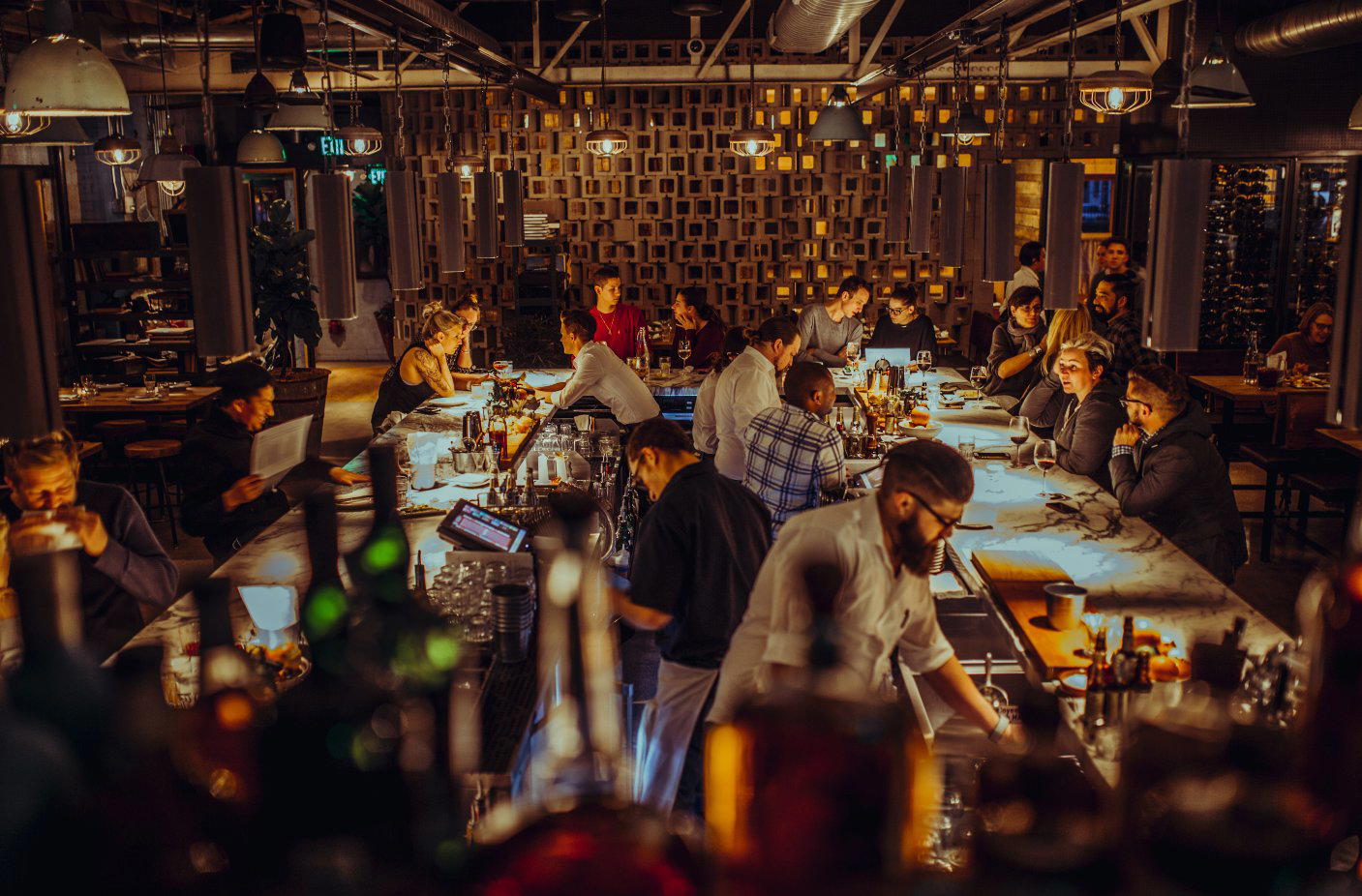
Restaurants in Aurora
Browse all →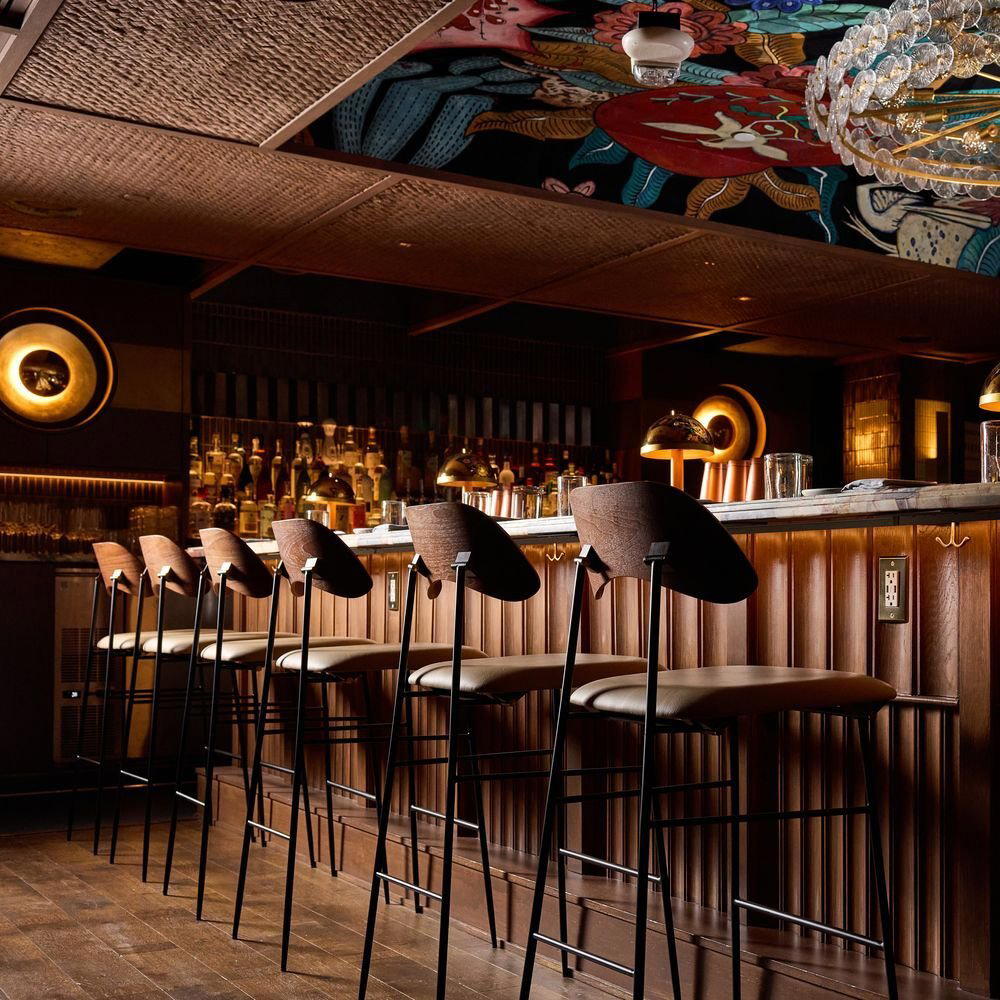
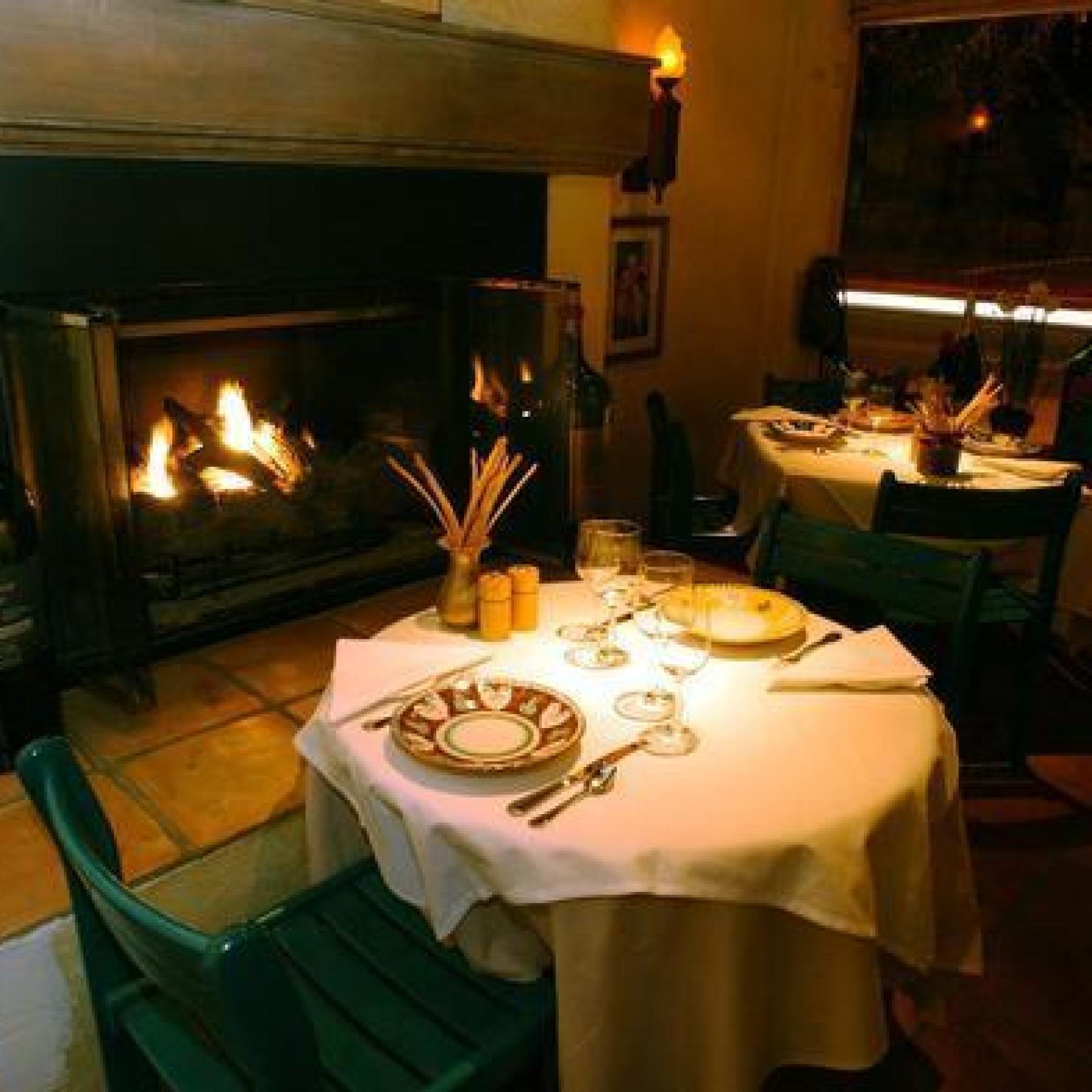
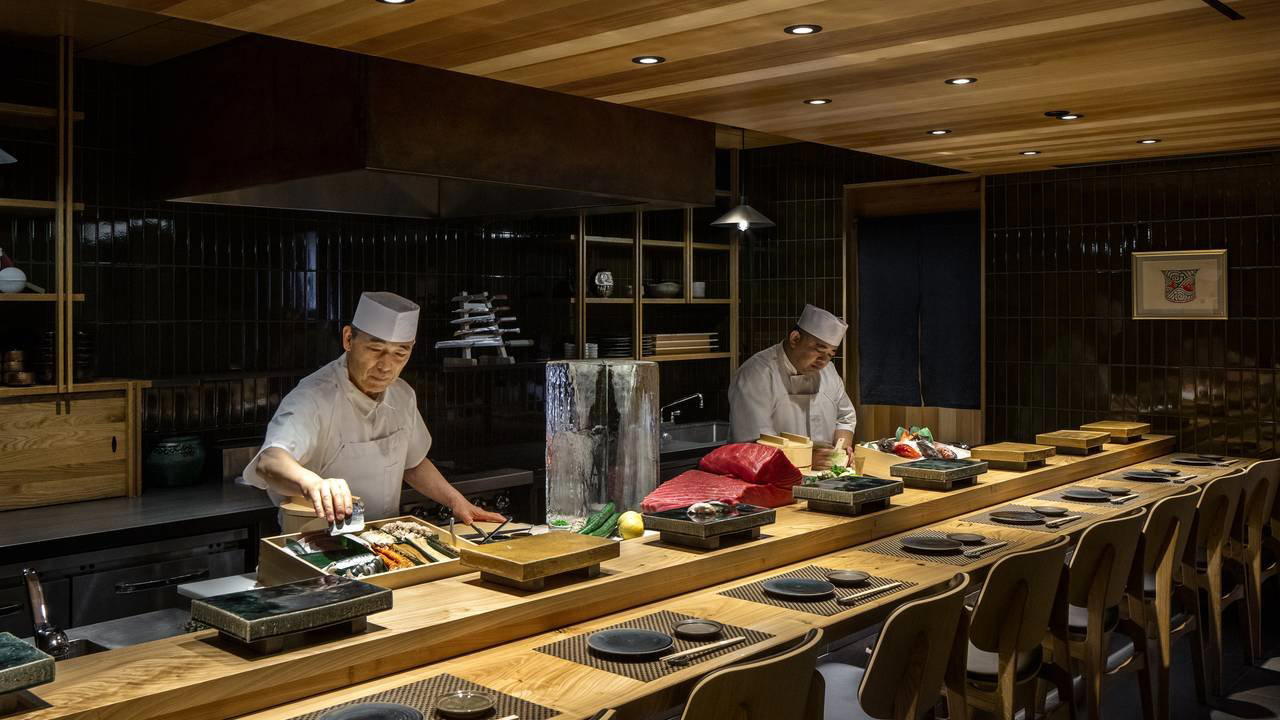
Hotels in Aurora
Browse all →
Wineries in Aurora
Browse all →
At a Glance
- Lively
- Trendy
- Late Night
- Casual Hangout
- Group Outing
- Communal Tables
- Classic Cocktails
Current opening hours
- Monday
- 11 AM–10 PM
- Tuesday
- 11 AM–10 PM
- Wednesday
- Closed
- Thursday
- 11 AM–10 PM
- Friday
- 11 AM–10 PM
- Saturday
- 11 AM–10 PM
- Sunday
- 11 AM–10 PM
Hours can change for holidays and private events. Last verified .
Casual and energetic atmosphere with grill-friendly Korean comfort food and karaoke.