Yuan Wonton

James Beard Award Best Chef: Mountain
Our verdict
Yuan Wonton operates on Fairfax Street in Denver's Park Hill neighborhood, occupying a modest address that sits at some distance from the city's more scrutinized dining corridors. The format centers on wontons, a dumpling tradition with deep regional roots across Chinese cuisine, placing it in a different competitive register than the contemporary tasting-menu rooms that dominate Denver's award conversation.

Pearl is the En Primeur Club membership app, where members save venues, book tables and use the concierge.
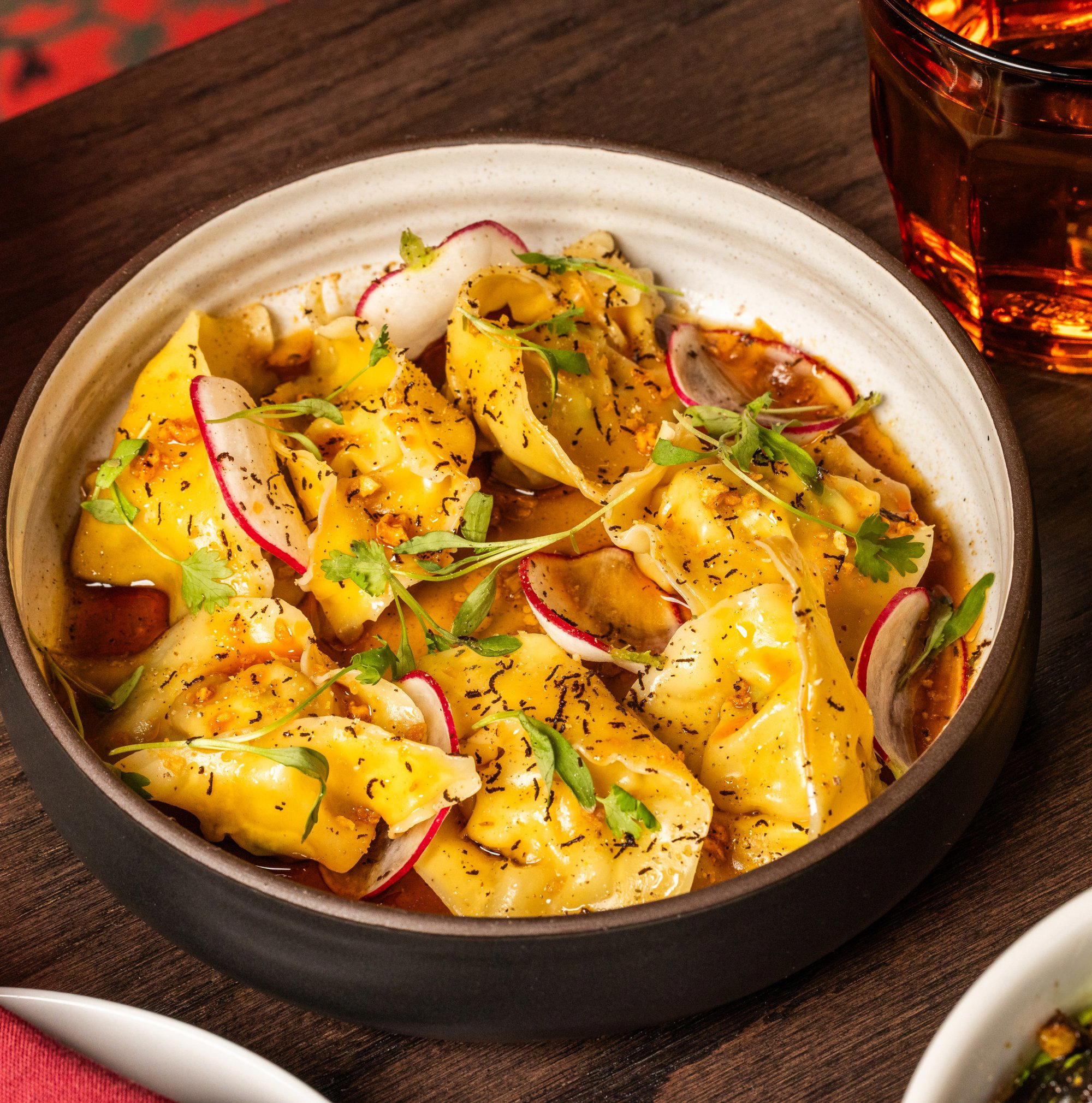
The menu
What to order
- Chili-garlic wontons
- Pork and chive potstickers
- Chinese eggplant dumplings
Park Hill and the Case for the Neighborhood Spot
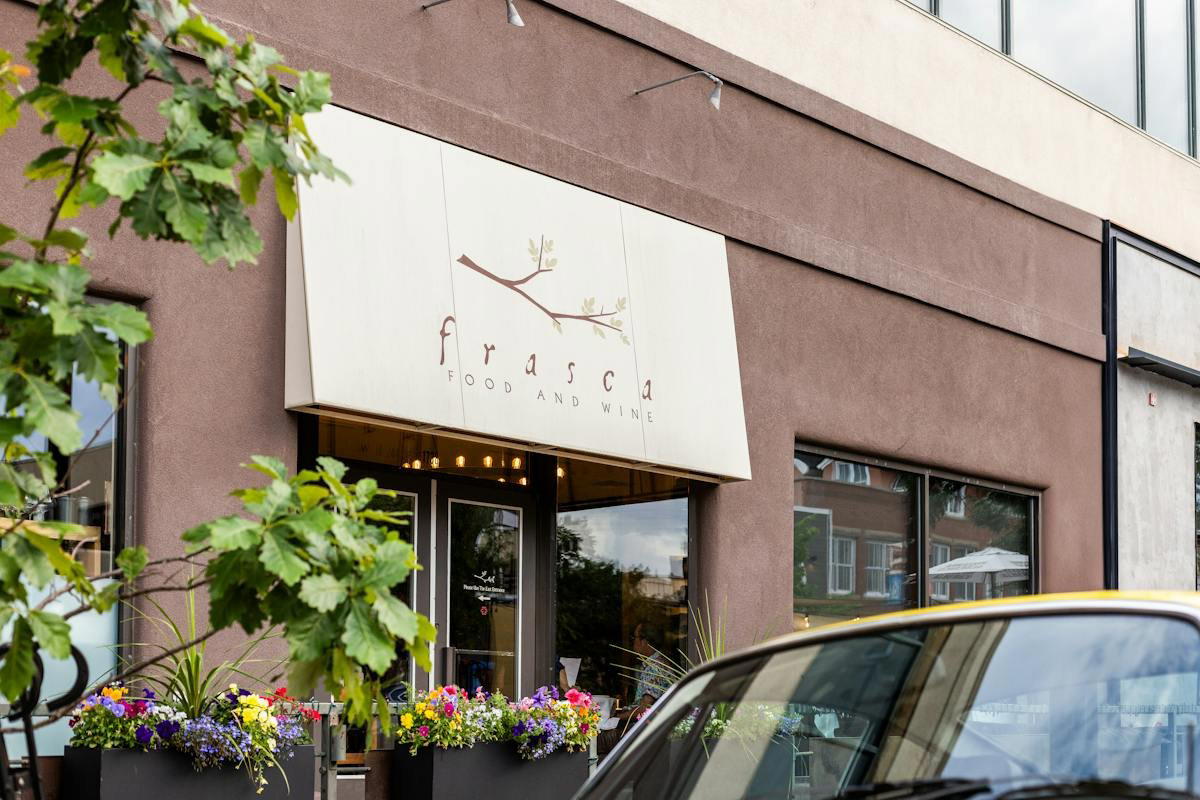
Denver's dining conversation tends to concentrate on a handful of corridors: the RiNo warehouse blocks, the Highlands strip, the downtown hotel dining rooms. Park Hill, the residential neighborhood anchoring the city's northeast quadrant, rarely features in that conversation at the same volume. Yuan Wonton, at 2878 Fairfax Street, sits inside that quieter register. The address is a residential block rather than a retail strip, which shapes the physical experience before you've ordered anything. Arriving feels less like accessing a destination and more like visiting a place that already existed, independent of whether you showed up or not.
That spatial character matters in a city where newer openings frequently perform their own significance through design. Denver's current tier of serious restaurants, places like Brutø and Beckon, occupy spaces where the interior architecture carries deliberate weight: exposed material, controlled lighting, counter arrangements built to direct attention. Yuan Wonton operates on different spatial logic entirely.
The Physical Container as Editorial Statement
In American cities over the past decade, the design language of serious casual dining has bifurcated. One branch runs toward the spare and intentional, concrete and reclaimed wood signaling a kind of studied informality. The other branch, rarer and often more durable, belongs to spaces that simply are what they are: rooms built around a function rather than around a projected identity. The latter tends to age better and to attract a regulars economy that the former can struggle to sustain.
Yuan Wonton reads as the second type. The Fairfax Street address is not a converted industrial space or a designed-to-look-unconverted industrial space. It sits in a neighborhood that predates the city's current dining ambition, and the physical scale of the operation appears calibrated to that context. There is no evidence from the available record of an interior concept pursued for its own sake. The room, whatever its precise configuration, functions as background to the food rather than as co-protagonist.
This is not a criticism. Across Chinese cuisine specifically, the spaces that generate the most sustained local loyalty frequently operate with minimal interior intervention. The wonton tradition itself, with its origins in southern Chinese kitchen culture and its proliferation across Hong Kong, Guangzhou, and their diaspora networks, has never required architectural staging. The food is the architecture.
Wontons in Context: A Format With Deep Regional Roots
The wonton is among the more misunderstood formats in Chinese cuisine as it travels westward. In Cantonese tradition, a wonton soup presents thin, almost translucent wrappers around shrimp and pork, served in a clear broth with egg noodles, the whole bowl assembled with a precision that takes years to internalize. In Sichuan preparation, the wonton arrives in chili oil and sesame paste, the fat wrapper carrying heat rather than delicacy. Shanghai and Suzhou versions trend toward larger forms with richer fillings. Each is a distinct argument about what the format is for.
American Chinese restaurants across most of the twentieth century collapsed these distinctions into a single approximation. The last fifteen years have seen that flattening reverse in specific cities and specific kitchens. Denver is not among the most prominent cities in that reversal nationally, but pockets of more specific practice exist, and Yuan Wonton at its Fairfax address appears to occupy that niche rather than the generic one.
For comparison: cities with more established Chinese dining infrastructure, like San Francisco or New York, have seen regional wonton traditions treated with the same sourcing and technique seriousness that Japanese cuisine receives at counters like Atomix in New York or the farm-driven tasting rooms at Blue Hill at Stone Barns. Denver is earlier in that curve. Yuan Wonton on Fairfax represents the neighborhood-scale version of a national trend toward specificity in Chinese-American dining.
Where Yuan Wonton Sits in Denver's Current Scene
Denver's most discussed restaurants in the current period cluster at the upper price tiers. The Wolf's Tailor and Brutø both operate at the $$$$ register, competing with destination tasting rooms nationally in the way that The French Laundry or Alinea define their respective markets. Alma Fonda Fina and Annette operate at accessible price points with strong editorial recognition. Yuan Wonton does not appear in the same award conversation as any of these, which places it in the large middle category of Denver restaurants that sustain on neighborhood regulars and word-of-mouth rather than on Michelin consideration or national press.
That positioning is neither a flaw nor a virtue in itself. It is a description of a competitive tier that most restaurants occupy and that most diners use most of the time. The relevant question for a place like Yuan Wonton is whether it does what it does with enough specificity and consistency to justify the trip over a generic alternative. Based on the address and the format, the answer appears to be yes for the Park Hill resident and worth the detour for the visitor who has already covered the obvious ground on Denver's more-covered corridors.
Planning a Visit
Visiting without a reservation appears to be the most practical approach, with off-peak timing, mid-afternoon or early evening on a weekday, carrying less risk than weekend prime hours.
| Venue | Cuisine | Price Tier | Format | Booking |
|---|---|---|---|---|
| Yuan Wonton | Chinese (wonton-focused) | Not confirmed | Neighborhood casual | Walk-in likely |
| Alma Fonda Fina | Mexican | $$ | Casual sit-down | Reservations available |
| Brutø | Contemporary | $$$$ | Tasting menu | Reservations required |
| Beckon | Contemporary | $$$$ | Counter/tasting | Reservations required |
For broader orientation on Denver's dining scene across all price tiers and neighborhoods, the EP Club Denver restaurants guide maps the full picture.
Frequently asked questions
Where is Yuan Wonton in Denver?
Yuan Wonton is located at 2878 Fairfax St, Denver, CO 80207, Denver.
How does Yuan Wonton compare to other Chinese restaurants in Denver?
Where much of Denver's current dining conversation clusters around high-ticket tasting menus in RiNo or the Highlands, Yuan Wonton occupies a different register entirely, a neighborhood-scale spot in Park Hill built around a single, specific format rather than broad menu coverage. That specificity, a kitchen organized around wontons rather than a generalist Chinese menu, is relatively uncommon across Denver's Chinese restaurant offering.
What should I eat at Yuan Wonton?
The name is the directive. Wontons are the organizing format of this kitchen at 2878 Fairfax St, and the tradition spans meaningfully distinct regional styles, from the thin-skinned Cantonese soup wonton to the heartier Sichuan red-oil preparation. Order around that format rather than treating it as a side note to something else on the menu.
Do I need a reservation for Yuan Wonton?
No confirmed reservation system is associated with this address, which puts Yuan Wonton in line with the walk-in model common to small neighborhood restaurants in Denver's residential corridors. Arriving early or off-peak hours is the practical move for a spot of this scale in Park Hill.
A Tight Comparison
Comparable venues nearby, for context on price, style, and recognition.
| Venue | Cuisine | Price | Awards | Notes |
|---|---|---|---|---|
| Yuan WontonThis venue (the venue you are viewing) | Modern Chinese Dumplings & Wontons | $10–20 | James Beard Award Best Chef: Mountain | Not listed |
| MAKfam | Modern Cantonese-American | $20–30 | Michelin Bib Gourmand · James Beard Award Semi Finalist | Baker, Modern Cantonese-American |
| Temaki Den | Modern Japanese Omakase & Temaki | $50–100 | Michelin Plate | Curtis Park, Modern Japanese Omakase & Temaki |
| Tavernetta | Contemporary Italian | $50–100 | Michelin Bib Gourmand · Star Wine List | LoDo, Contemporary Italian |
| Noisette | French | Not listed | Michelin Plate | Highland, Dining |
| Star Kitchen | Cantonese Dim Sum | $20–30 | Not listed | Athmar Park, Cantonese Dim Sum |
Recognition history
Dated appearances from independent guides and award organizations, with the underlying list record or original source where available.
James Beard Award Best Chef: Mountain
James Beard Award
Full recognition history (4 entries)
James Beard Award Semi Finalist
James Beard Award
James Beard Award Nominee
James Beard Award
James Beard Award Semi Finalist
James Beard Award
Continue exploring
More in Denver
Restaurants in Denver
All restaurants in Denver →
Bars in Denver
All bars in Denver →
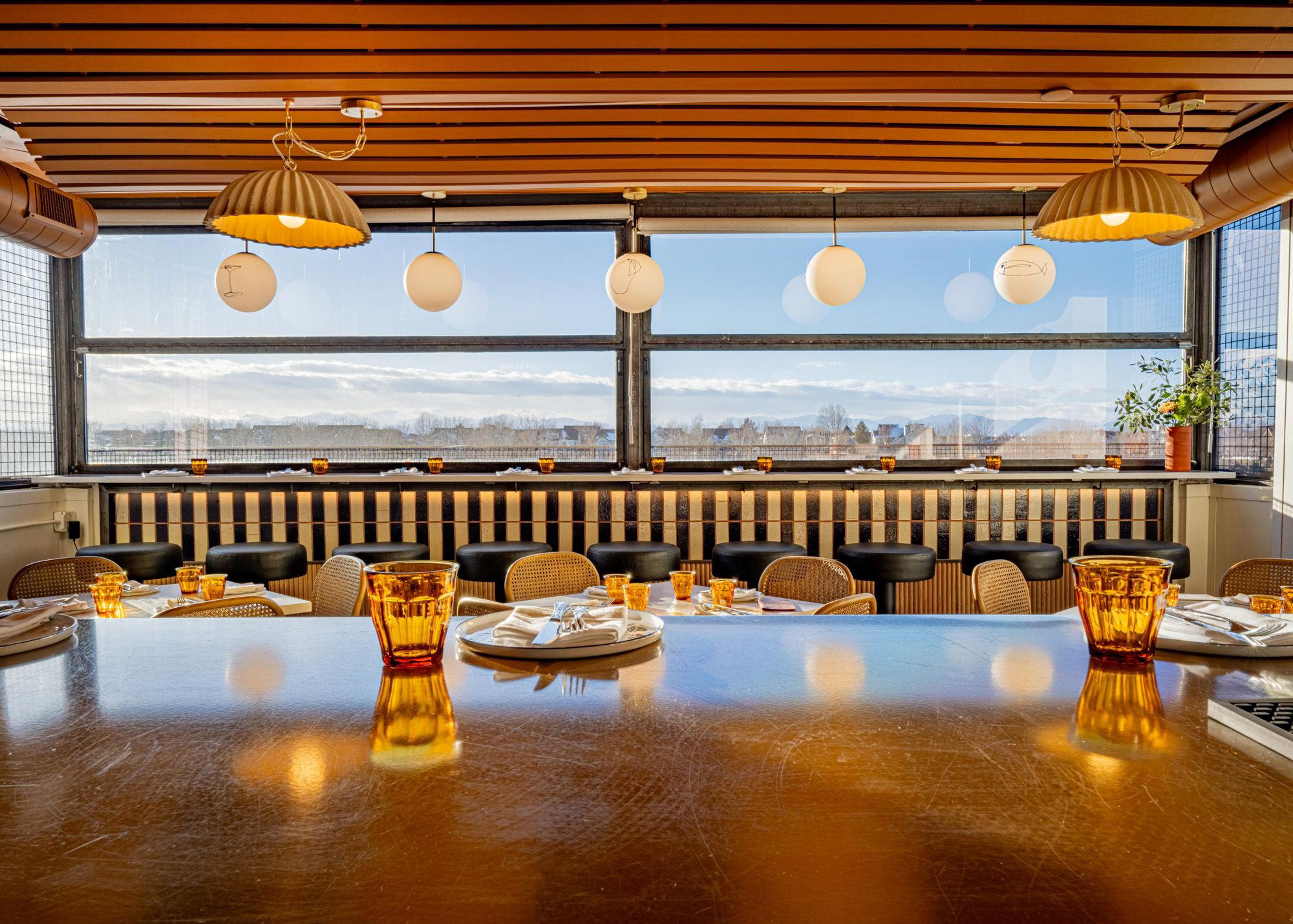
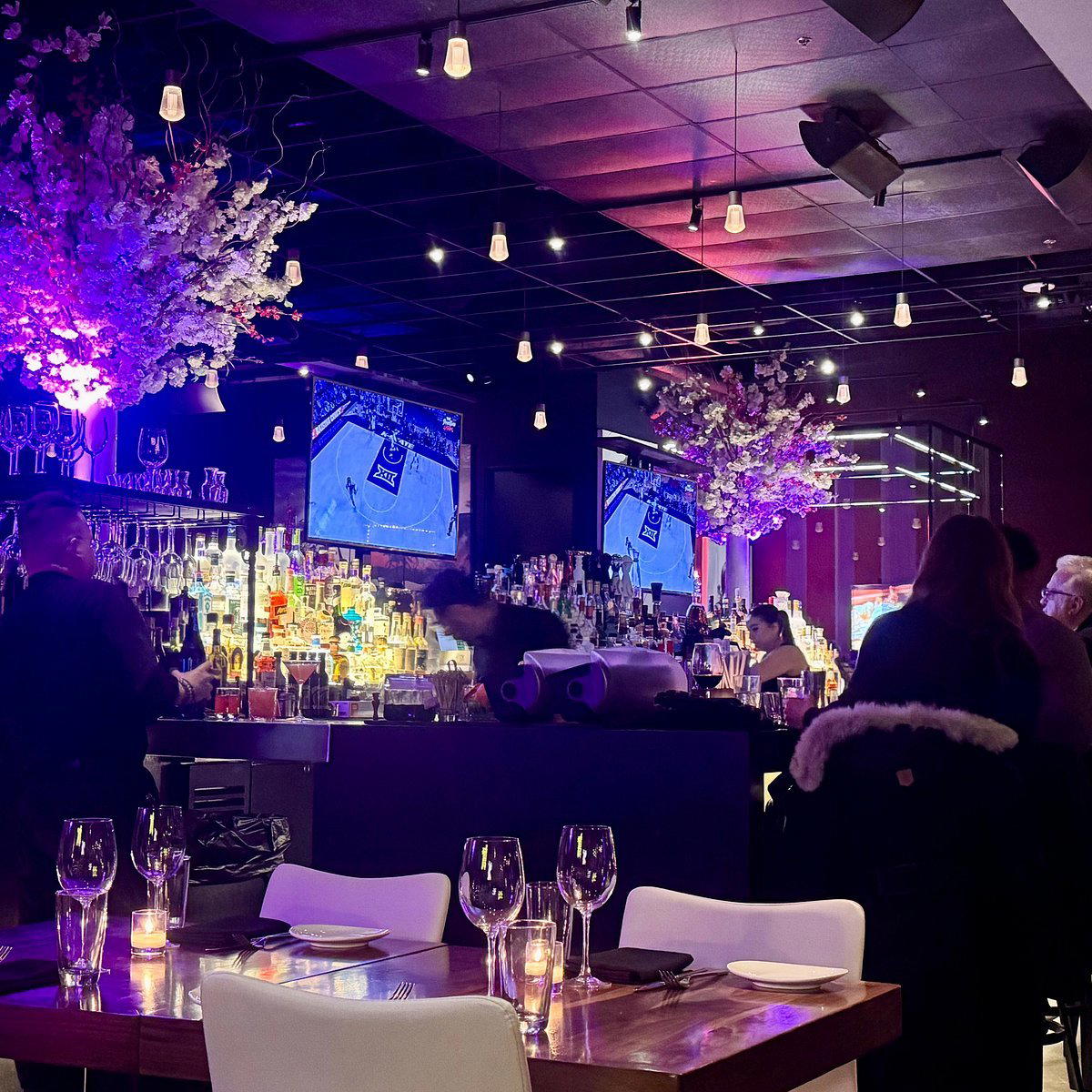



Details
- Trendy
- Modern
- Energetic
- Casual Hangout
- Group Dining
- Open Kitchen
- A La Carte
- Counter Dining
Current opening hours
- Monday
- Closed
- Tuesday
- 11 AM–3 PM
- Wednesday
- 11 AM–3 PM
- Thursday
- 11 AM–3 PM, 4–8 PM
- Friday
- 11 AM–3 PM, 4–6 PM
- Saturday
- Closed
- Sunday
- Closed
Hours can change for holidays and private events. Hours as of .
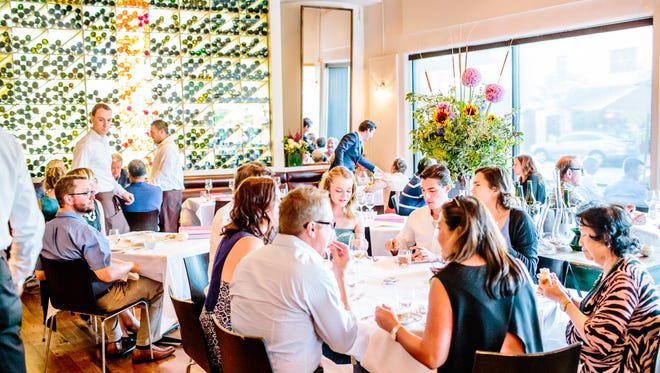
Casual, energetic neighborhood spot with a modern aesthetic reflecting its food truck origins, focused on quality dumpling craftsmanship.