Mare Oyster Bar
Mare Oyster Bar occupies a corner of Boston's North End where the neighborhood's Italian-American identity meets the city's deep oyster culture. The bar format keeps the menu focused and the pace unhurried, with raw shellfish anchoring a progression that moves through cold preparations toward warmer, more composed plates. It sits in a different register than the neighborhood's pasta-forward trattorias, closer in spirit to the city's raw-bar tradition than to any single cuisine category.

Pearl is the En Primeur Club membership app — saves, bookings, and concierge access live there. Same editors, same standards.
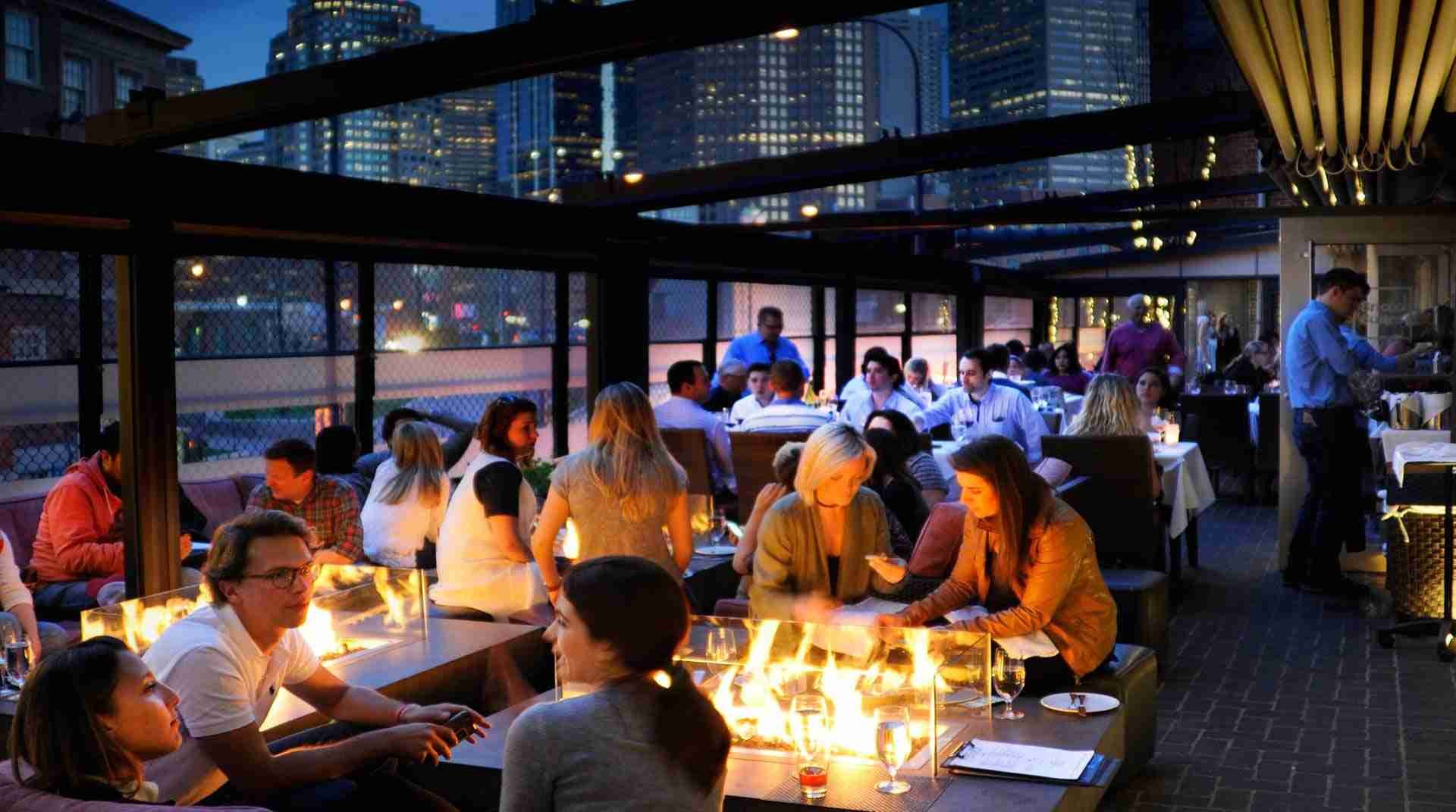
Where the North End Meets the Tide
Hanover Street in Boston's North End runs loud and narrow, the kind of block where restaurant signs compete for attention and the smell of garlic bread drifts out of half a dozen doorways at once. Mare Oyster Bar occupies an address at the intersection of Hanover and Mechanic streets, which places it inside one of the most restaurant-dense corridors in the city while operating in a register that sits at an angle to the neighborhood's dominant Italian-American tradition. The North End is known for its red-sauce institutions and its cannoli lines; Mare trades in a different vernacular, one built on cold shellfish, ice beds, and the particular kind of focused eating that a raw bar demands.
That positioning matters in Boston more than it might in other coastal cities. The city has a serious oyster culture, fed by proximity to some of the most productive cold-water growing regions on the East Coast. Massachusetts bays and the waters off Maine and Cape Cod produce oysters with the kind of mineral salinity and firm texture that make a direct raw bar a genuinely high-stakes proposition. A venue that centers shellfish in this market is competing on ingredient quality above almost everything else, and the North End address gives Mare access to a foot-traffic base that skews toward visitors looking for something beyond the neighborhood's established pasta formats.
The Arc of the Meal
Raw bars in Boston tend to organize around a simple logic: you begin cold and you move toward heat. That progression, when done with discipline, creates a meal with a clear narrative arc rather than a sequence of disconnected plates. The opening act at a place like Mare is almost always the oyster selection itself, which in New England is less a formality than a genuine decision. Oysters from Wellfleet, Duxbury, and Island Creek, among other local growing operations, carry distinct flavor profiles shaped by salinity levels, tidal exposure, and water temperature. A knowledgeable bar will present these differences rather than flatten them into a generic dozen.
From there, the progression typically moves through clams, shrimp, and other cold shellfish before reaching preparations that involve heat: grilled, baked, or pan-finished seafood that gives the meal texture contrast and a sense of arrival. This structure mirrors what the better raw bars in coastal cities have understood for decades: the cold preparations set a register of freshness and restraint, and the warm plates give the meal a satisfying close without abandoning the oceanic theme that the opening established. Boston diners who have eaten at the city's more established seafood destinations, from the Financial District to the waterfront, will recognize this architecture and have developed clear opinions about where each element should land.
The North End Context and the City's Seafood Tier
Boston's seafood dining scene splits, roughly, between high-volume tourist-facing operations near the waterfront and smaller, more intentional formats that serve a mix of neighborhood regulars and informed visitors. The North End sits at an interesting midpoint: it draws significant tourist traffic because of its historic character and density of dining options, but it also maintains a residential identity that sustains year-round business beyond summer peaks. A raw bar on Hanover Street is working both sides of that dynamic simultaneously.
The broader context for understanding Mare's position in the city is Boston's relationship with its own oyster culture. Island Creek Oysters, one of the most recognized growing operations in the country, is based in Duxbury, roughly 35 miles south of the city, and has shaped how Boston restaurants think about sourcing and provenance. The expectation, in a market this close to the source, is that a serious raw bar will know exactly where its shellfish comes from and will communicate that clearly. For visitors more accustomed to generic seafood menus, this level of specificity can reframe what a dozen oysters means as a dining experience.
For a broader look at where Mare fits within Boston's overall dining and bar scene, the full Boston restaurants guide maps the city's key neighborhoods and the venues that define each. Nearby, Equal Measure and Asta represent the city's more cocktail-forward programming, while Abe & Louie's and Baleia operate in adjacent format categories that round out the neighborhood's options for a longer evening.
Across other American cities, the raw-bar and seafood-focused bar format has found its own distinct expressions: Jewel of the South in New Orleans anchors a tradition of Southern hospitality and craft cocktails alongside food, while Kumiko in Chicago and ABV in San Francisco show how bar programs in different coastal cities build identity around beverage specificity. Further afield, Bar Leather Apron in Honolulu, Julep in Houston, Superbueno in New York City, and The Parlour in Frankfurt on the Main each illustrate how focused formats succeed when they commit fully to their editorial point of view.
Planning a Visit
Mare sits at 223 Hanover Street, with a secondary Mechanic Street entrance, in the heart of the North End. The neighborhood is walkable from Government Center and Haymarket MBTA stations, making it direct to reach without a car. Hanover Street parking is difficult on weekend evenings, which is the predictable peak period for the block. Visitors arriving early in the evening, particularly on weeknights, will find the atmosphere more settled and the bar pace more conducive to working through a proper sequence of shellfish preparations. The North End also rewards a pre-dinner or post-dinner walk: the neighborhood's narrow streets hold enough bakeries, cafes, and specialty shops to constitute an itinerary in themselves.
| Venue | Cuisine | Price | Awards | Notes |
|---|---|---|---|---|
| Mare Oyster BarThis venue (the venue you are viewing) | Not listed | $30–50 | Not listed | Not listed |
| Equal Measure | Not listed | $30–50 | World's 50 Best #81 · James Beard Award Semi Finalist | Not listed |
| Blossom Bar | Not listed | $30–50 | Star Wine List | Cocktail bar (referenced as alum) |
| NAMU Distilling Company | Not listed | $20–30 | Star Wine List | Korean-American distillery and snacks (soju, gin, makgeolli-based spirits, anju) |
| Swingers | Activity-bar with Detroit-style pizza | $30–50 | Star Wine List | Not listed |
| My Girl | Not listed | Not listed | Not listed | Cocktail lounge / small bites |
Continue exploring
More in Boston
Bars in Boston
All bars in Boston →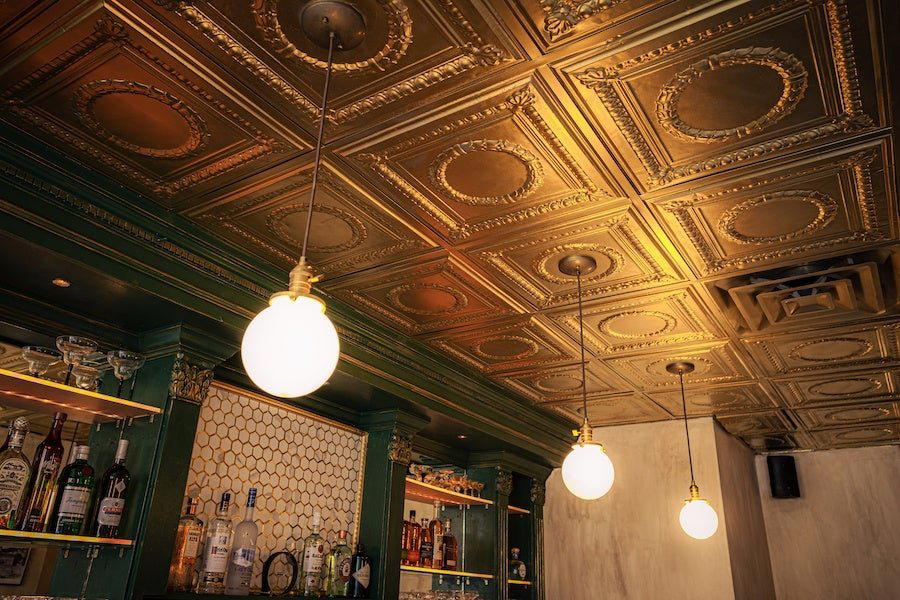
Restaurants in Boston
All restaurants in Boston →
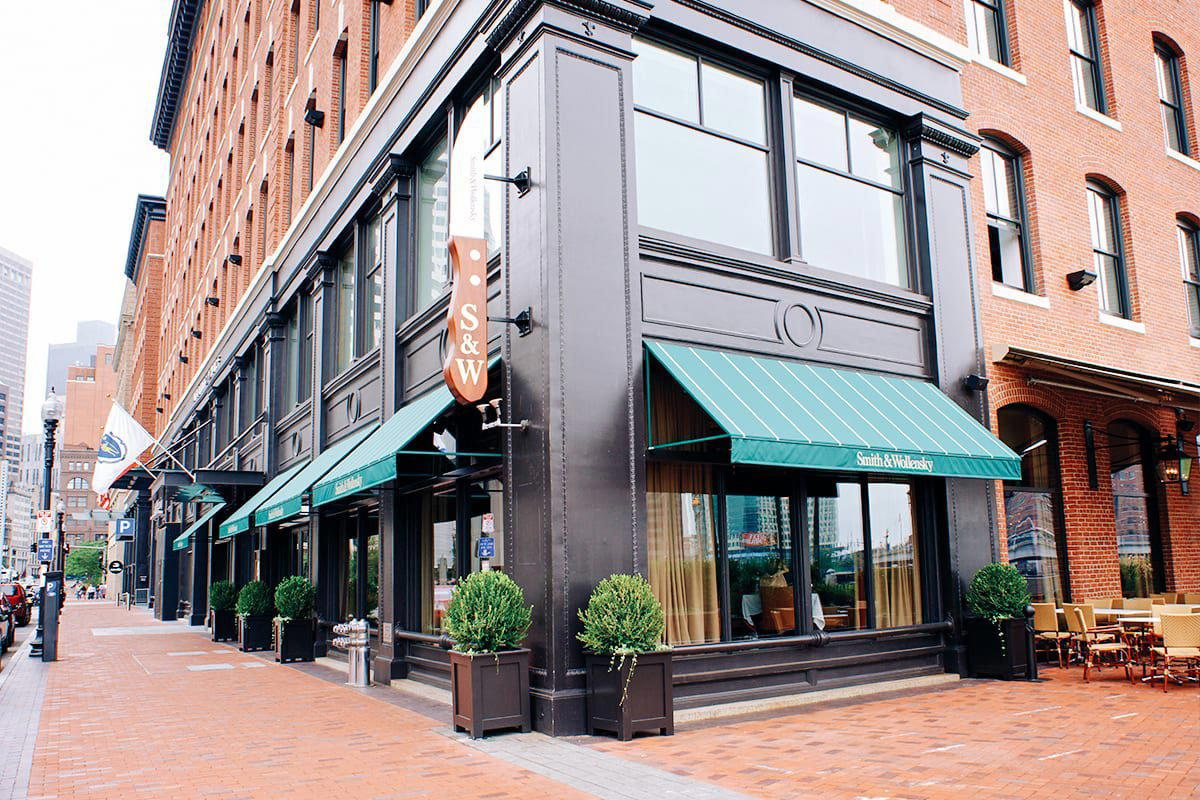

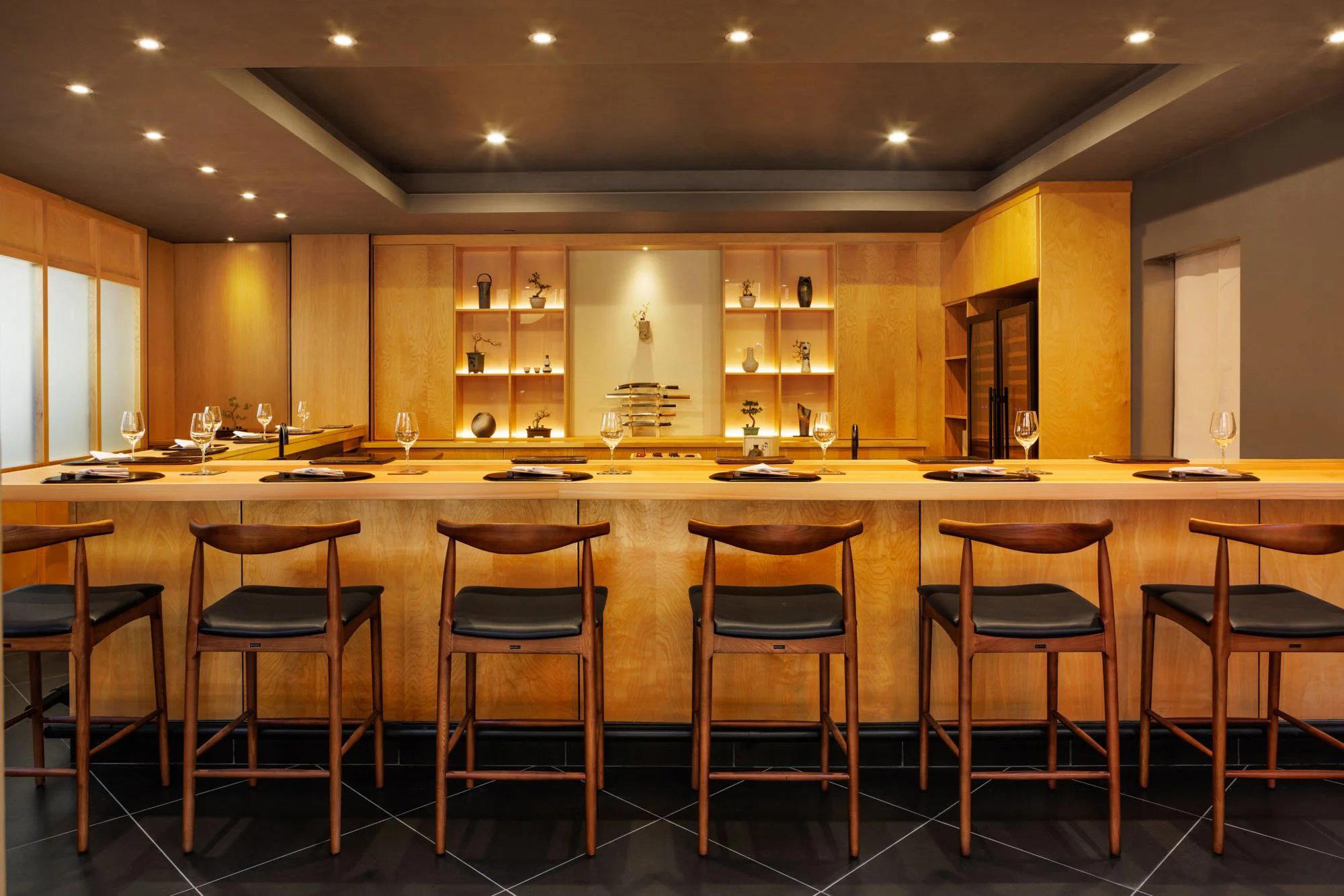



Mare Oyster Bar
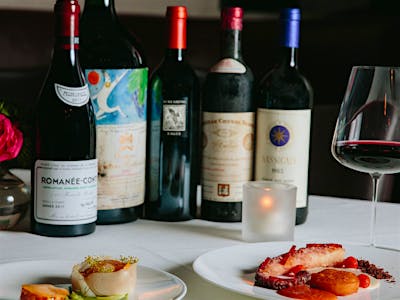
The wine
- Wine program
- Curated wine list
- Craft cocktails
- Classic cocktails
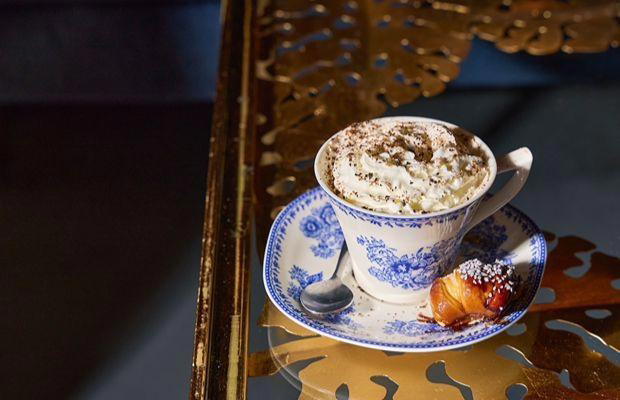
Signature drinks: Nutella Martini, Mare Negroni, Espresso Martini.
Details
- Elegant
- Romantic
- Cozy
- Sophisticated
- Date Night
- Special Occasion
- Standalone
- Lounge Seating
- Booth Seating
- Classic Cocktails
- Craft Cocktails
Current opening hours
- Monday
- 5–11 PM
- Tuesday
- 5–11 PM
- Wednesday
- 5–11 PM
- Thursday
- 5–11 PM
- Friday
- 5–11 PM
- Saturday
- 5 PM–12 AM
- Sunday
- 5 PM–12 AM
Hours can change for holidays and private events. Last verified .
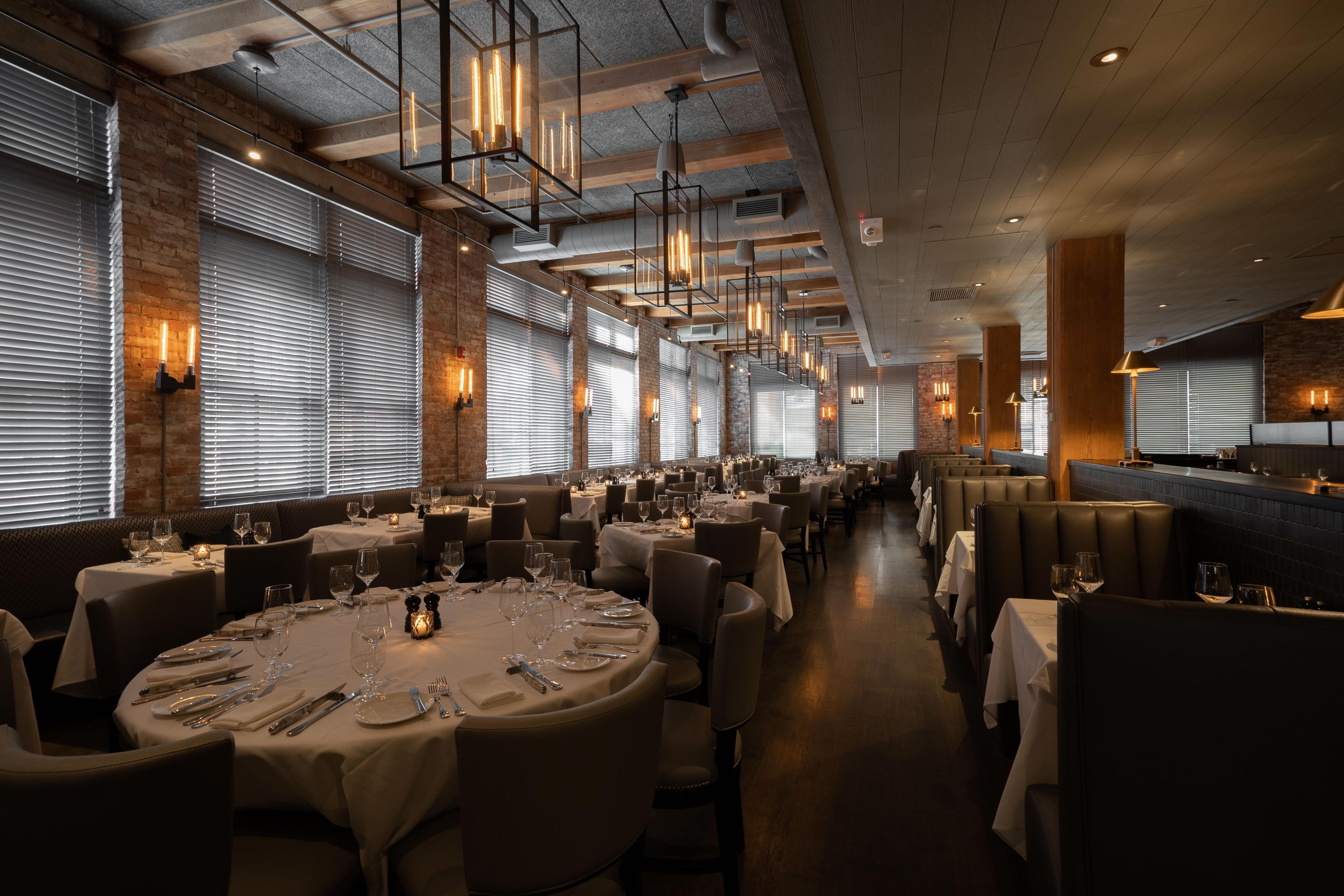
Sleek and elegant with cozy exterior lounge area, well-suited for romantic vibes and intimate dining.