Troquet on South

Wine Spectator 2026 Best of Award of Excellence winner. Cuisine: French / American. Wine strengths: France, California, Bordeaux, Burgundy, Rhône.
Pearl is the En Primeur Club membership app — saves, bookings, and concierge access live there. Same editors, same standards.
- Address
- 107 South St, Boston, MA 02111
- Phone
- (617) 695-9463
- Website
- troquetboston.com
- Directions
- Get directions
 Saves & bookings on Pearl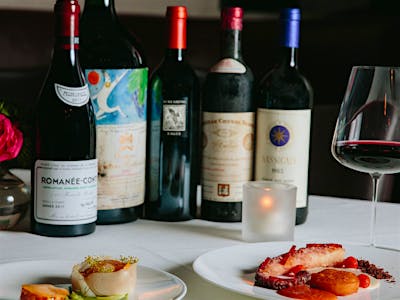
The Room as Argument
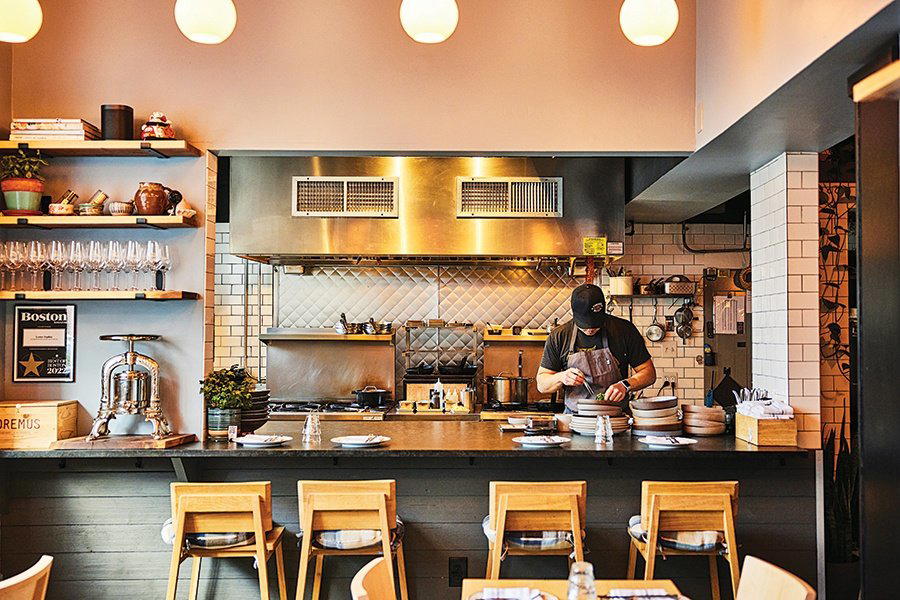
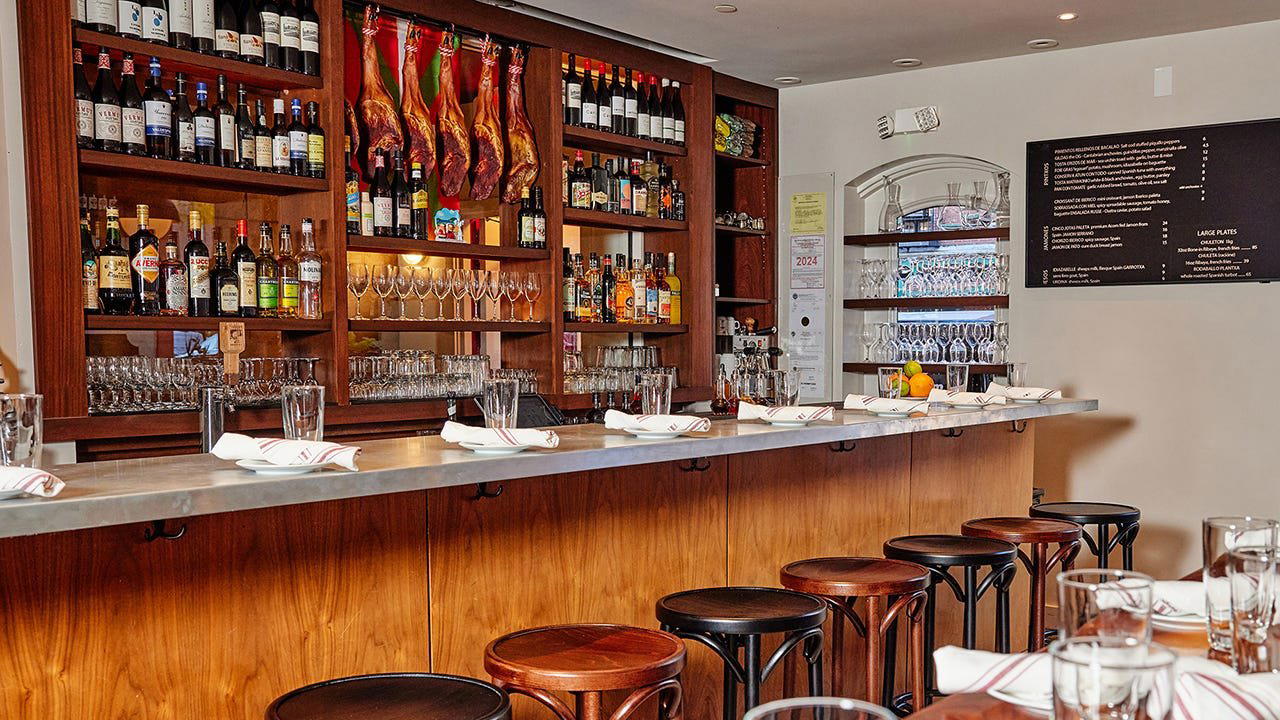
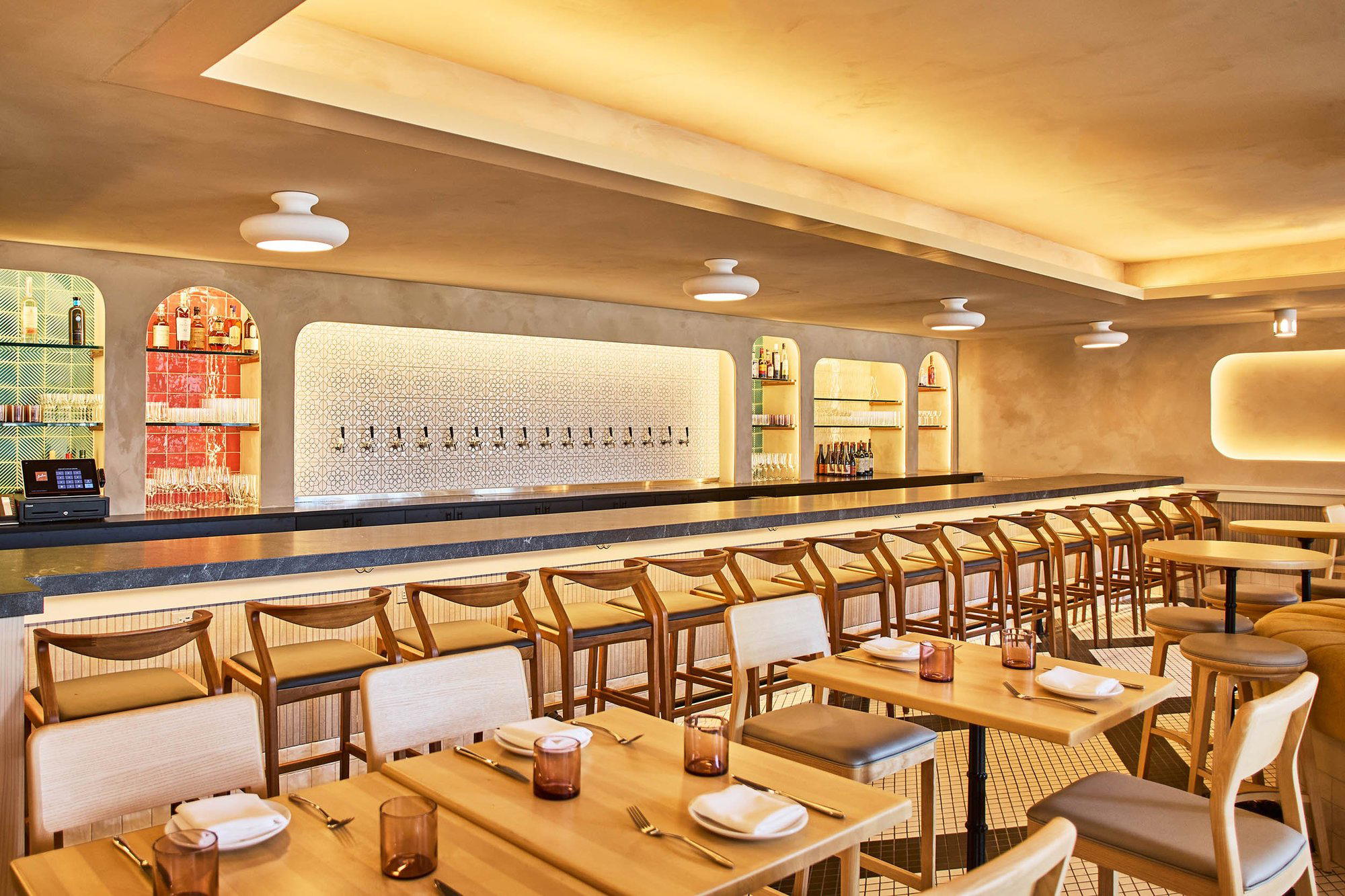
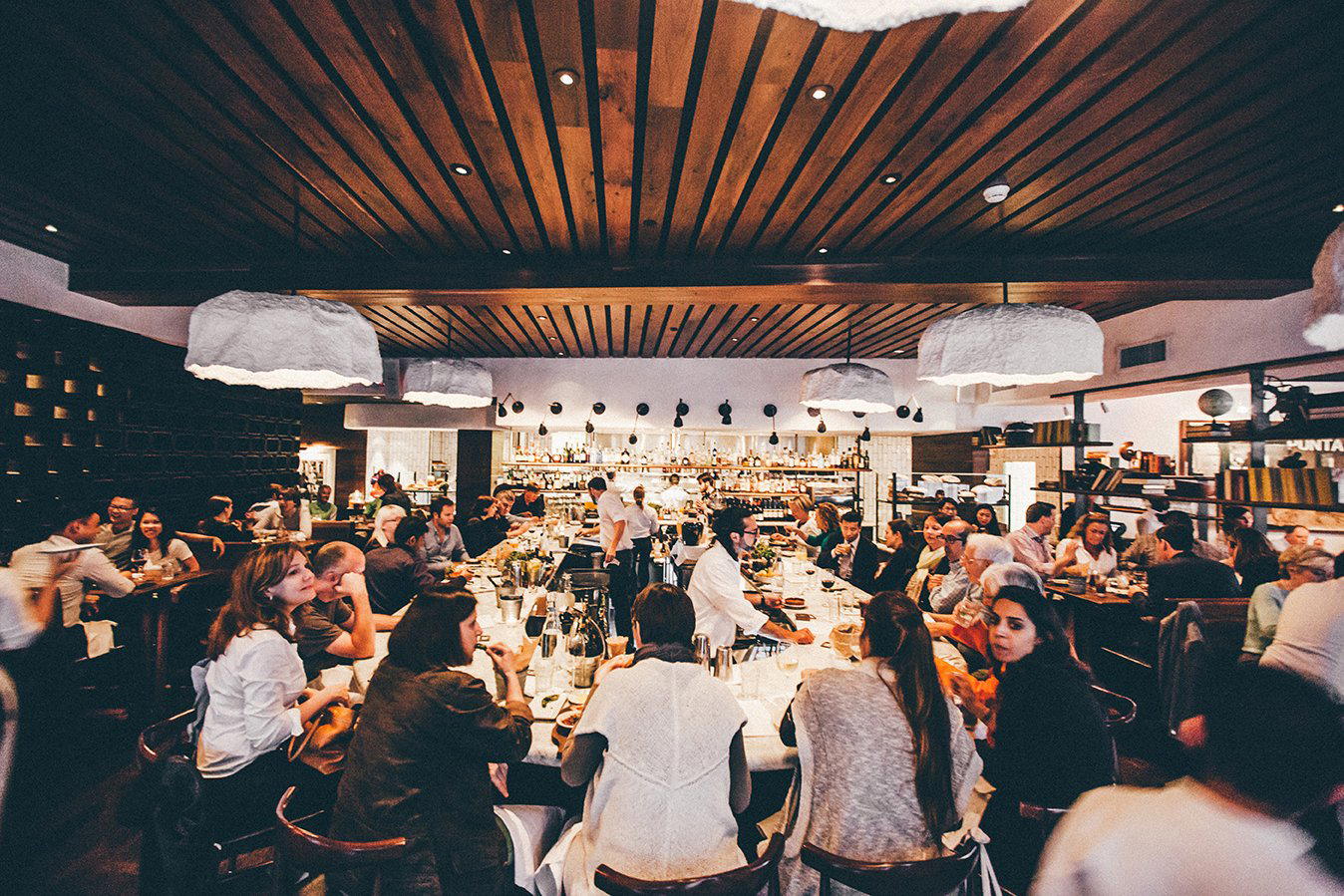
Troquet on South is a bar at 107 South St in Boston. The louder end of the neighbourhood runs toward exposed brick and open kitchens that treat cooking as performance. The quieter end, where Troquet on South sits, at 107 South St, makes a different argument: that the container matters as much as the contents, and that a well-proportioned, low-distraction room is itself a statement about what the evening should feel like.
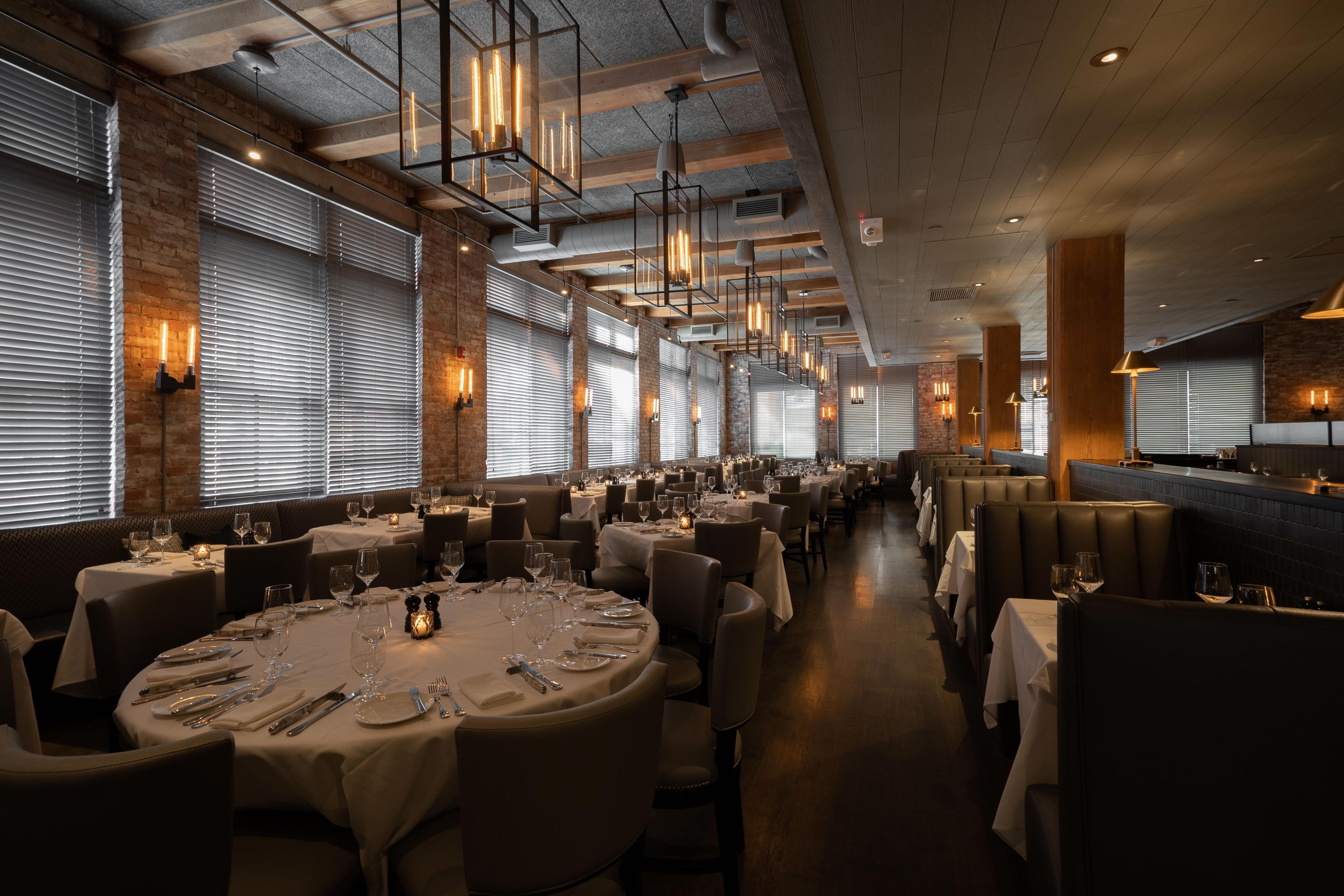
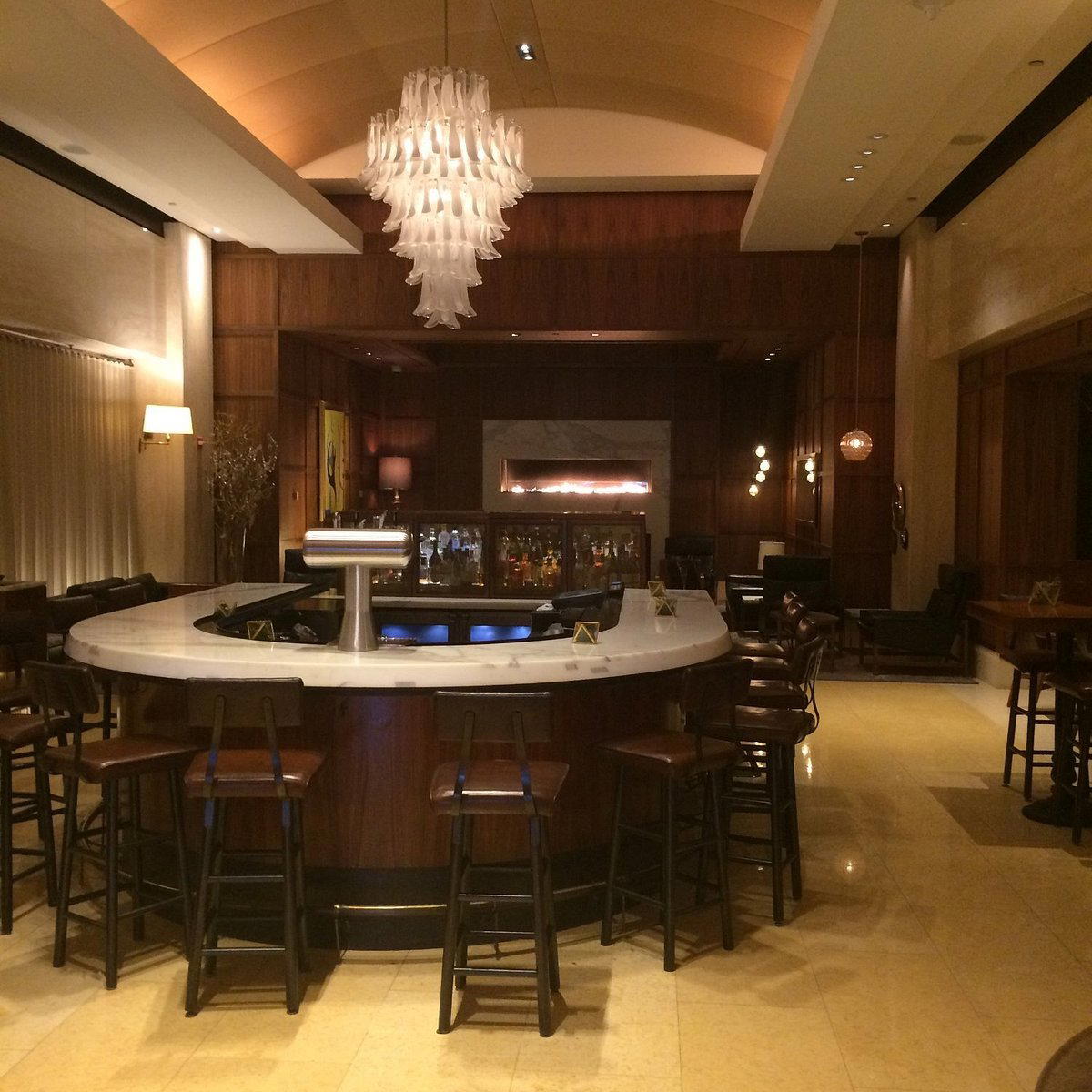
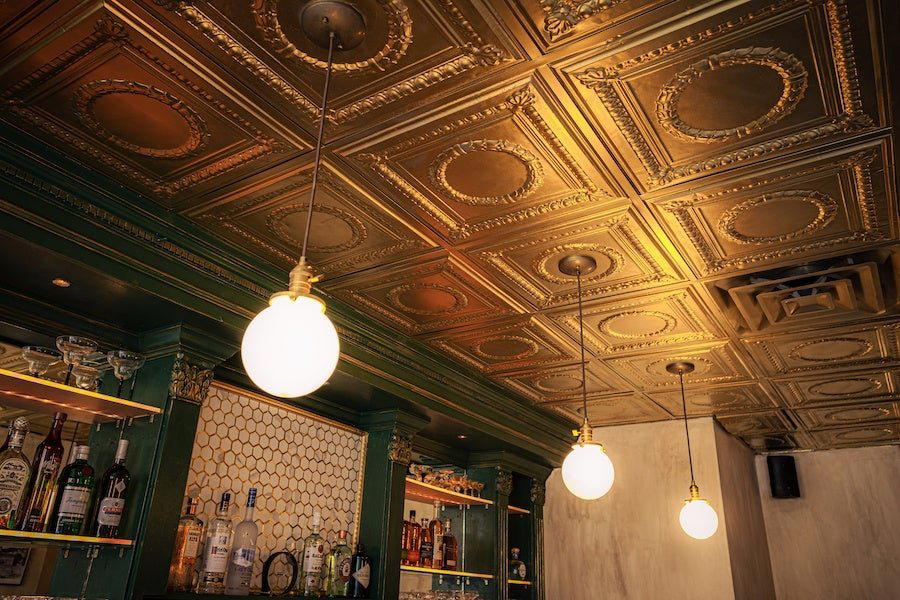
What the physical space at Troquet communicates, even before a glass is poured, is an intention toward restraint. Seating arrangements that prioritise acoustic comfort over maximum covers, lighting that reads as warm rather than theatrical, surfaces that don't compete with the table, these are design decisions with a point of view. In a city where the dining room as entertainment spectacle has become a default mode, rooms built around conversation and concentration represent a deliberate counter-position.
That counter-position matters for the wine program. Troquet built its early reputation in Boston on the premise that wine and food should be addressed with equal seriousness, and the room architecture supports that premise. A dining environment engineered for distraction tends to produce distracted drinking. A room that slows you down produces the opposite.
Where Troquet Sits in Boston's Dining Hierarchy
Boston's upscale dining tier has split in a familiar direction. On one side: high-production tasting menus and chef-driven destination restaurants that operate as cultural events as much as meals. On the other: smaller, more focused rooms where the proposition is depth over drama. Troquet on South belongs to the second category, and within that category it occupies a position that rewards guests who arrive with specific intentions rather than vague curiosity.
For a useful comparison within the city, Equal Measure represents Boston's more programmatic approach to drinks, structured, technically precise, with a format built around cocktail craft as the primary draw. Asta operates at the more experimental end of the city's fine dining conversation. Troquet occupies different territory: it is a wine-forward dining room in the French bistro tradition, where the glass and the plate are treated as a single proposition rather than parallel tracks.
That positioning places it in a comparable set that extends beyond Boston. Wine-focused dining rooms that take their cue from the French model, where the list is the menu's equal partner, are a consistent feature of serious American restaurant cities. Kumiko in Chicago applies a comparable philosophy through a Japanese lens. Jewel of the South in New Orleans anchors its program in historical American cocktail tradition with comparable seriousness of intent. The common thread is that the drink program is not an afterthought to the kitchen, it is part of the argument the room is making.
The South End Context
The South End neighbourhood that surrounds Troquet has become one of Boston's most consistent dining districts, with a density of independent restaurants that distinguishes it from the more hotel-and-chain-heavy waterfront. The street-level character of South St and its immediate surrounds is residential enough that restaurants feel embedded rather than transplanted, a quality that affects how dining rooms read from the outside and how guests arrive, on foot rather than by taxi from a convention hotel.
That pedestrian quality shapes the early-evening experience. The approach to a room like Troquet, through a residential block, past brownstones, without the visual noise of a hotel lobby or a tourist-facing strip, conditions the guest before the door opens. It is the kind of arrival that signals a neighbourhood restaurant operating at a higher register, rather than a destination restaurant performing its ambitions from the curb.
For guests building a longer South End evening, Baleia and Abe and Louie's represent adjacent options at different points on the formality spectrum.
The Wine-Forward Dining Model
The French-inflected wine bistro format that Troquet references has a specific set of expectations attached to it. The list should skew toward France without ignoring the rest of the world. Pairings should be offered with knowledge rather than enthusiasm. Glassware and service temperature should be taken seriously as variables rather than formalities. And the kitchen should produce food that is genuinely wine-friendly, which is a harder discipline than it sounds, requiring restraint with sweetness and acid management that challenges chefs trained primarily to please without accompaniment.
This format has proved durable across American dining cities precisely because it is not trend-dependent. While the tasting-menu model has cycled through phases of expansion and contraction, and while the cocktail-bar dining model has matured into a distinct category, the wine-forward bistro has remained a consistent reference point for guests who want depth of selection and kitchen seriousness without the formality of a full tasting sequence.
Nationally, venues like ABV in San Francisco have shown how the drinks-as-primary proposition can anchor a serious hospitality format. In different registers, Bar Leather Apron in Honolulu, Julep in Houston, and Superbueno in New York City each illustrate how a clearly defined drinks philosophy organises the rest of the guest experience. The Parlour in Frankfurt applies a comparable rigour in a European context. Troquet's version of this is rooted in wine rather than cocktails, but the underlying logic, lead with the glass, let the room and kitchen follow, is consistent.
Recognition history
Dated appearances from independent guides and award organizations, with the underlying list record or original source where available.
Wine Spectator Best of Award of Excellence
Wine Spectator
At a Glance
- Elegant
- Sophisticated
- Cozy
- Romantic
- Intimate
- Date Night
- Special Occasion
- Casual Hangout
- Historic Building
Current opening hours
- Monday
- Closed
- Tuesday
- 11:30 AM–11 PM
- Wednesday
- 11:30 AM–11 PM
- Thursday
- 11:30 AM–12 AM
- Friday
- 11:30 AM–12 AM
- Saturday
- 4 PM–12 AM
- Sunday
- Closed
Hours can change for holidays and private events. Last verified .
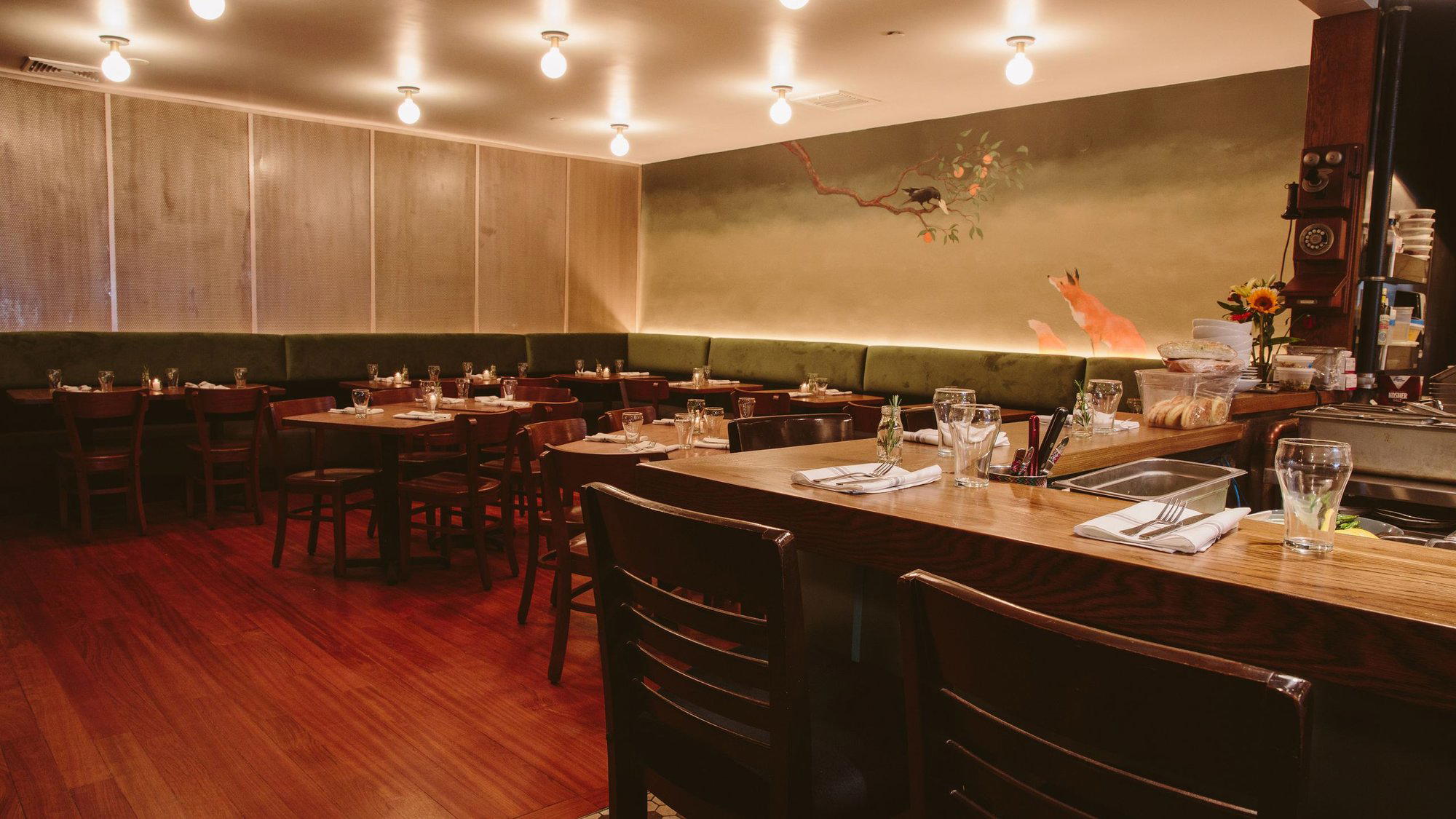
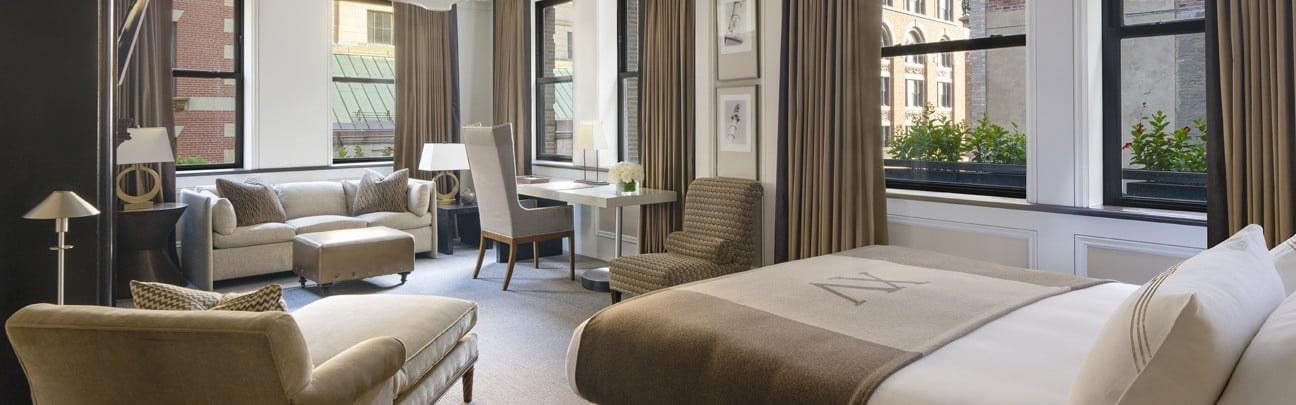
Understated elegance with shabby chic aesthetic, refined lighting fostering sophisticated and romantic atmosphere.