Maneki Restaurant
Maneki Restaurant has occupied the same address in Seattle's International District since 1904, making it the city's oldest Japanese restaurant by a considerable margin. Where much of the neighbourhood has turned over repeatedly, Maneki has held its corner of 6th Avenue South across more than a century of Seattle dining history. The result is a room that carries genuine weight, not nostalgia dressed up, but continuity that the city's newer Japanese openings simply cannot replicate.
 Discover on Pearl
Pearl is the En Primeur Club membership app — saves, bookings, and concierge access live there. Same editors, same standards.
- Address
- 304 6th Ave S, Seattle, WA 98104
- Phone
- +1 503 662 2814
- Website
- manekiseattle.com
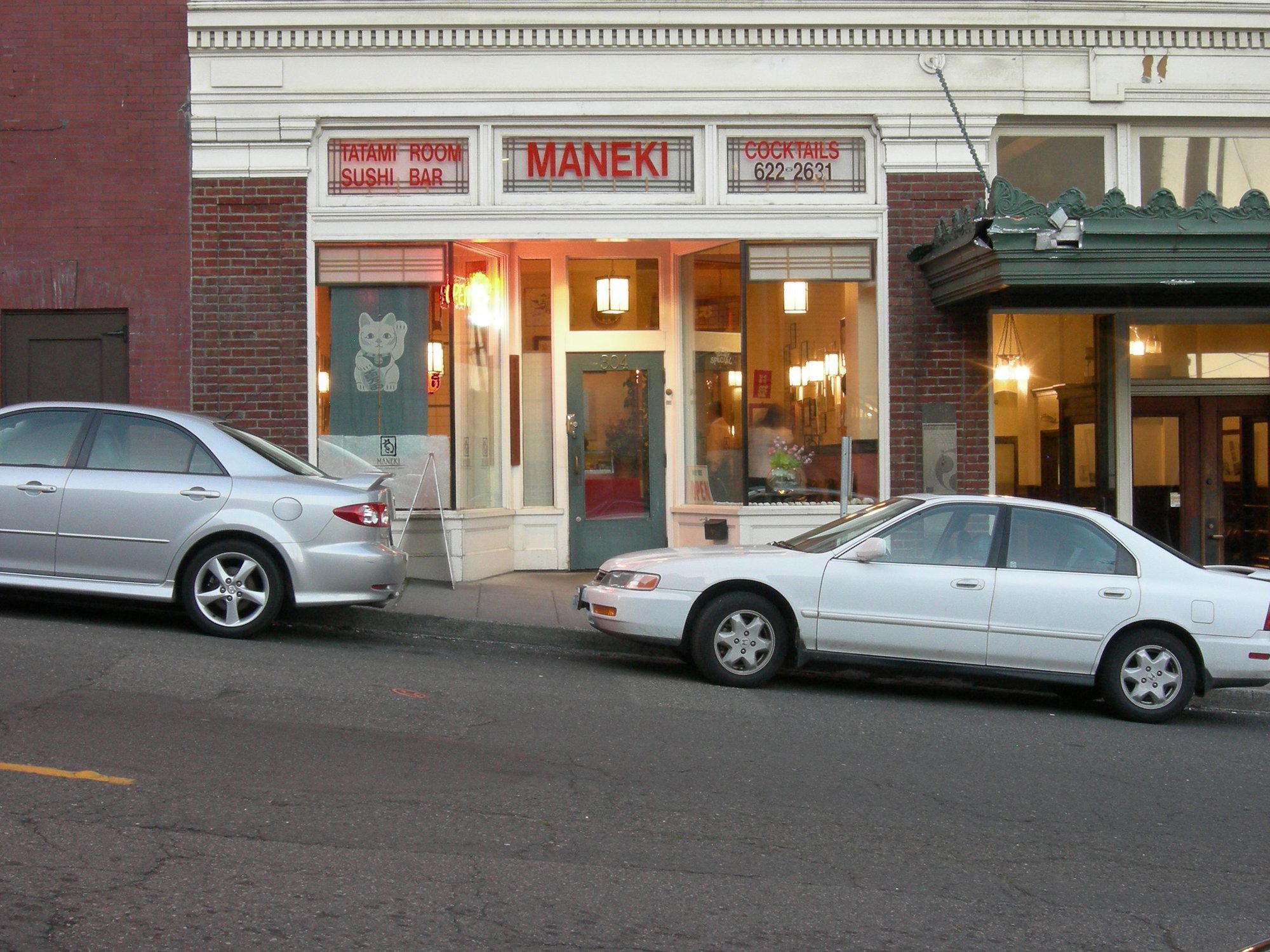
Japantown's Oldest Table
Walk south on 6th Avenue through Seattle's International District and the block around Maneki Restaurant carries a different weight than the surrounding streets. The neighborhood's Japantown pocket, once the social and commercial center of Seattle's Japanese-American community before the upheaval of wartime incarceration, now functions as a layered district where old institutions and newer businesses occupy the same short blocks. Maneki sits at that intersection literally and historically, at 304 6th Ave S, in a part of the city where the dining choices are shaped less by trend cycles than by community continuity.
That context matters for understanding what Maneki is and what category it belongs to. Japanese restaurants in American cities have fractured into distinct tiers over the past two decades: high-cost omakase counters oriented toward an affluent dining-out audience, fast-casual ramen and izakaya chains, and a smaller cohort of older neighborhood houses that predate the current premium wave entirely. Maneki belongs to that third group, and in Seattle's specific case, it occupies a position that no newer opening has replicated. Opening in 1904, it is widely recognized as Seattle's oldest Japanese restaurant, a credential that places it in a genuinely small national peer set.
What the International District Tells You About the Restaurant
The International District is not a monolithic dining quarter. Its blocks contain Vietnamese, Chinese, Filipino, and Japanese businesses layered across different immigration eras, and the dining character shifts street by street. The Japantown section around 6th Avenue S represents a concentrated institutional memory that the broader neighborhood does not always share. Restaurants here have functioned as community anchors through periods when the surrounding population had limited access to mainstream civic life, which shaped their format and their relationship with regulars in ways that purely commercial venues do not replicate.
For a visitor arriving from Capitol Hill or South Lake Union, the shift in register is noticeable. The International District does not perform its history for newcomers in the way that some heritage districts do. Maneki is a working restaurant, not a museum piece, and the neighborhood treats it accordingly. Getting there from central Seattle is direct on foot from Pioneer Square or by the First Hill Streetcar, which makes the location accessible without requiring a car, though the surrounding blocks are also navigable from the ID/Chinatown light rail station. For visitors pairing dinner here with Seattle's broader bar and cocktail circuit, Canon and Roquette are both within range for a post-dinner drink, and The Doctor's Office operates nearby as well.
The Format and What It Implies
Japanese restaurants that have operated continuously for over a century in American cities carry a particular format logic. They typically predate the omakase premium wave and the izakaya casualization trend alike, which means their menus tend toward an older model of Japanese-American dining: a broader range of dishes meant to serve a community rather than a single tasting sequence or a drinking-first format. That breadth, which can read as unfocused to diners trained on specialist counters, is actually the historical record of what Japanese restaurants in America needed to be before the current era of category segmentation.
Maneki's longevity across different eras of Seattle's development, including periods of neighborhood decline and the displacement of the Japanese-American community during World War II, is itself a form of institutional credibility that no award tier fully captures. The restaurant has been recognized in local and regional editorial coverage as a Seattle institution, a designation that in this case is grounded in a specific and verifiable history rather than vague tradition-invoking language.
Placing Maneki in a Broader Pacific Context
Seattle's position as a Pacific-facing city gives its Japanese dining scene a different baseline than most American metros. The city has maintained Japanese food culture at multiple price points and formats across a longer timeline than cities further from the Pacific Rim trade routes. Within that context, older houses like Maneki represent one pole of the range, while the premium omakase tier that has arrived more recently represents another. Neither invalidates the other, but they serve different purposes and different audiences.
For EP Club readers who move between cities, the comparison point is less a direct peer restaurant than a category: the long-established community anchor that predates the current premium wave and whose value lies in continuity and neighborhood embeddedness rather than in tasting-menu credentials. That same dynamic appears in other American cities with deep Japanese or Asian-American community histories. Across the Pacific, analogous institutions carry similar weight, and the pattern of long-running community anchors holding their ground against newer specialist formats is visible in multiple dining cities. For those who also track bar programs across the US, the broader Pacific-facing dining culture that informs venues like Maneki has shaped cocktail programs at places like Bar Leather Apron in Honolulu and Kumiko in Chicago, both of which draw on Japanese technique in different formats. Jewel of the South in New Orleans, Julep in Houston, Superbueno in New York City, ABV in San Francisco, and The Parlour in Frankfurt on the Main each illustrate how long-established local identity shapes format in their respective cities.
Back in Seattle, 2963 4th Ave S offers a point of comparison for how the south end of the city is developing its own distinct bar and dining character, separate from the Capitol Hill concentration. Our full Seattle restaurants guide maps the broader range of the city's dining options across neighborhoods and price points.
Know Before You Go
- Address: 304 6th Ave S, Seattle, WA 98104
- Neighborhood: International District / Japantown, Seattle
- Getting There: Walkable from Pioneer Square; accessible via the ID/Chinatown light rail station and the First Hill Streetcar
- Historical Note: Operating since 1904, recognized as Seattle's oldest Japanese restaurant
- Booking: Check directly with the restaurant for current reservation availability
- Pairing Nearby: Canon, Roquette, and The Doctor's Office are within range for drinks before or after dinner
Comparison Snapshot
| Venue | Awards |
|---|---|
| Maneki RestaurantThis venue — the venue you are viewing | |
| Canon | World's 50 Best |
| Bar Miriam | |
| Rob Roy | |
| Roquette | World's 50 Best |
| The Doctor's Office | World's 50 Best |
Continue exploring
More in Seattle
Bars in Seattle
Browse all →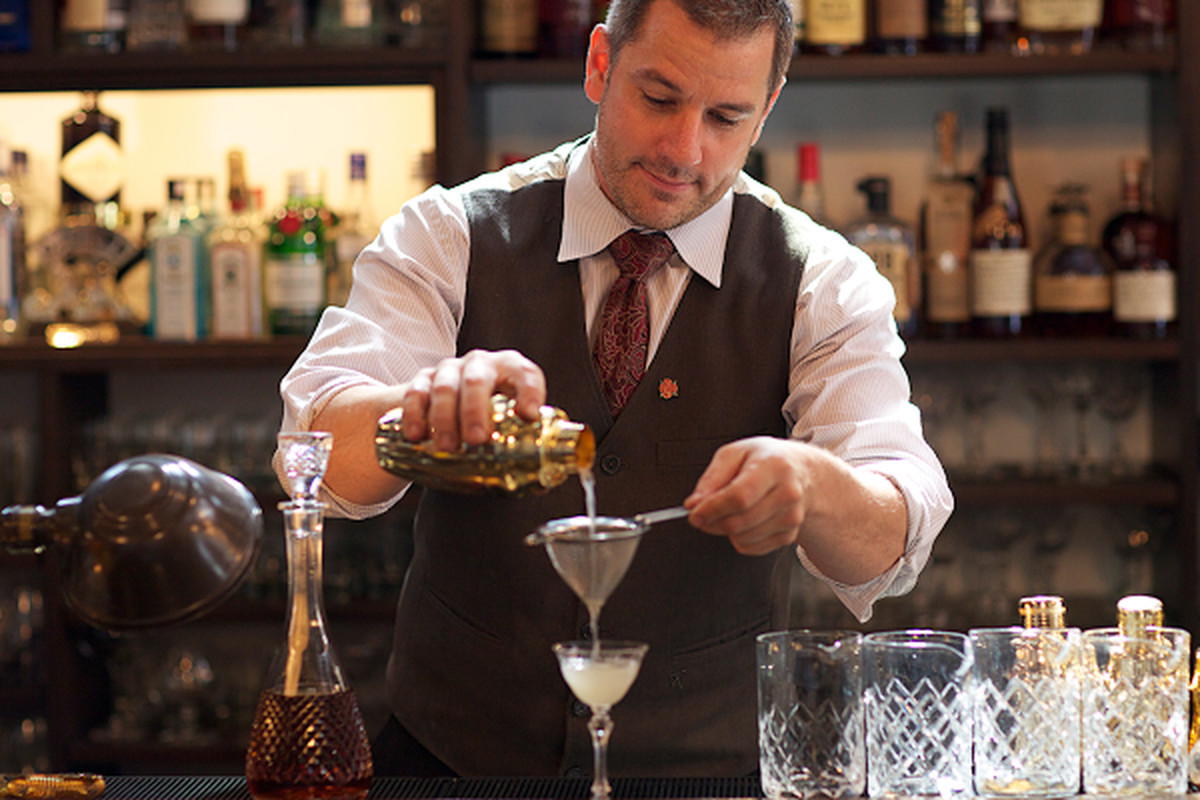
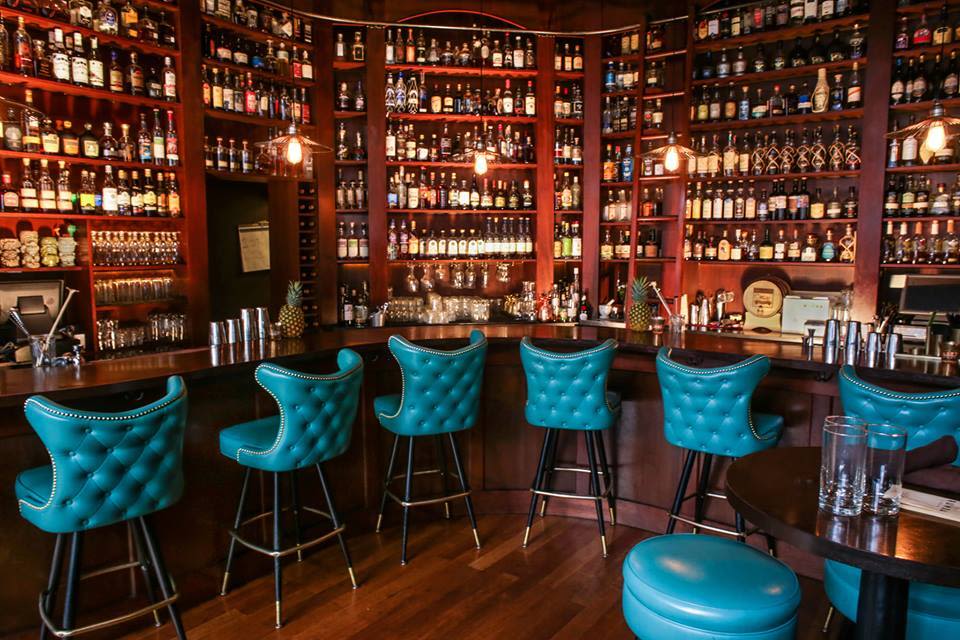
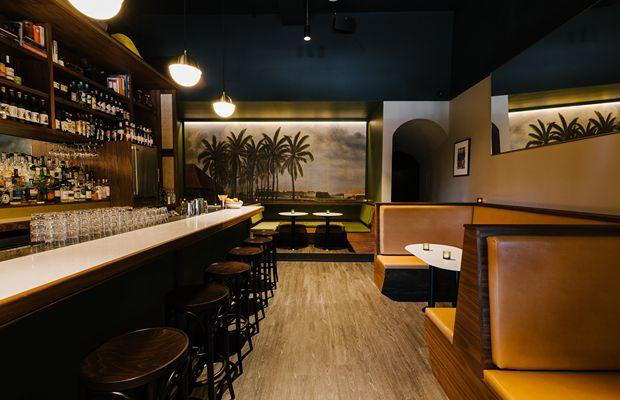
Restaurants in Seattle
Browse all →
Hotels in Seattle
Browse all →
At a Glance
- Classic
- Cozy
- Iconic
- Intimate
- Casual Hangout
- Date Night
- Historic Building
- Seated Bar
- Booth Seating
- Private Rooms
- Sake
Homey and comforting historic haunt with a cozy, old-school bar atmosphere.