
Maldita Barra occupies a corner of Carrer del Rosselló in the Eixample, operating across three registers — cafeteria, restaurant, and wine bar — in a format that mirrors how Barcelona increasingly treats daytime and evening drinking and eating as a single, continuous conversation. The hybrid model places it squarely in the city's growing cohort of neighbourhood spots that resist single-category classification.
Pearl is the En Primeur Club membership app — saves, bookings, and concierge access live there. Same editors, same standards.
- Address
- Carrer del Rosselló, 242, Eixample, 08008 Barcelona, Spain
- Phone
- +34 634 16 25 91
- Website
- malditabarra.com
- Directions
- Get directions
 Saves & bookings on Pearl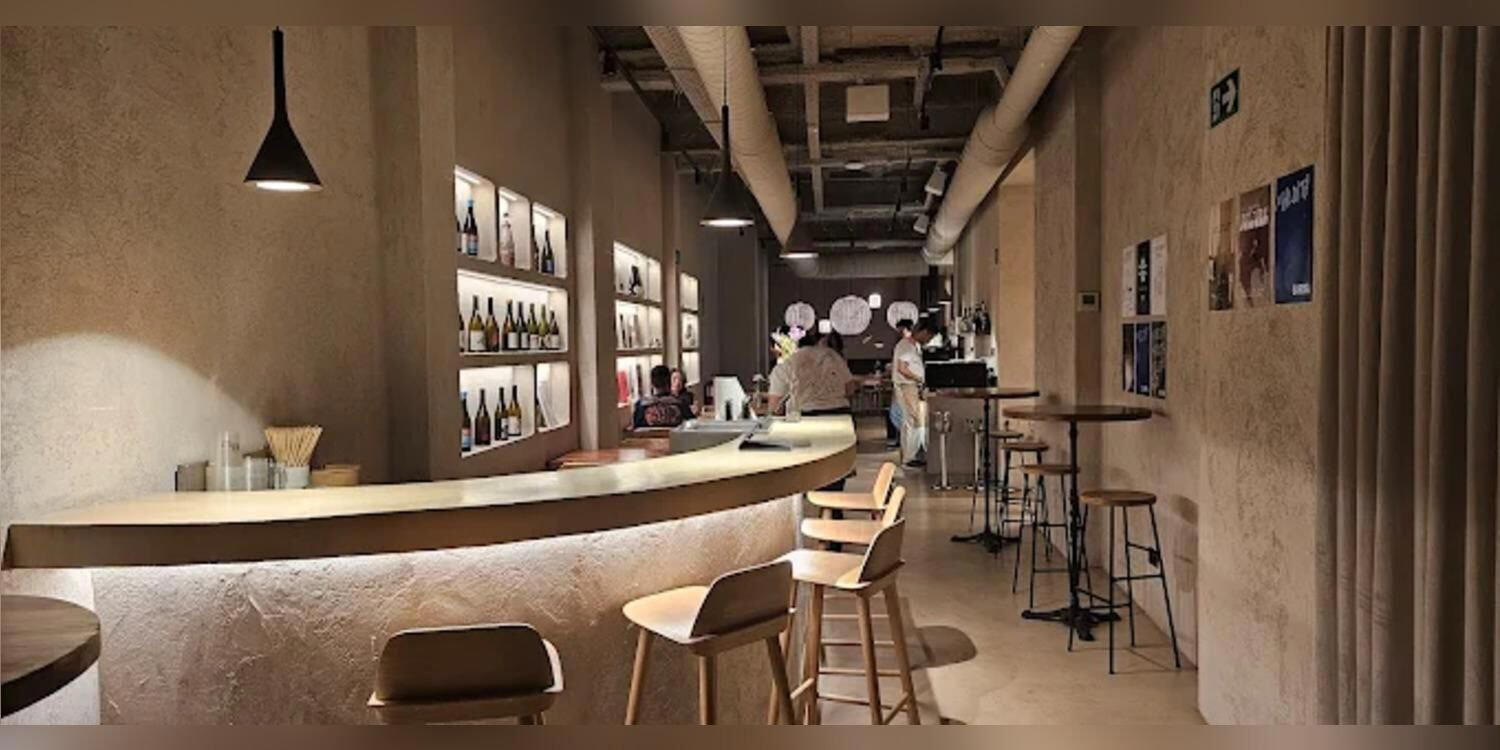
Three Formats, One Address: How Eixample's All-Day Spaces Eat and Drink
Carrer del Rosselló cuts through the Eixample grid with the kind of understated confidence that defines the district at its most residential. The street is far enough from the tourist-facing blocks around Passeig de Gràcia to feel like it belongs to the neighbourhood, close enough to benefit from the area's density of foot traffic and its habit of rewarding the attentive visitor. Maldita Barra sits along this stretch, operating as cafeteria, restaurant, and wine bar within a single address — a format that has become one of the more defining structural choices in Barcelona's mid-tier eating and drinking scene over the past several years.
The all-day hybrid is not a new invention in Spain. The café-bar-comedor model has deep roots in Catalan and broader Iberian food culture, where the boundaries between drinking, snacking, and eating a full meal have never carried the same rigidity that northern European hospitality traditions imposed. What Maldita Barra represents is a contemporary articulation of that tradition: a space that takes the cultural logic of the old neighbourhood bar and runs it through a wine-bar sensibility, resulting in somewhere that functions as a morning coffee stop, a lunch room, and an evening drinking destination without the awkward pivot that plagues more format-conscious venues.
Eixample's Drinking Scene and Where a Wine Bar Fits
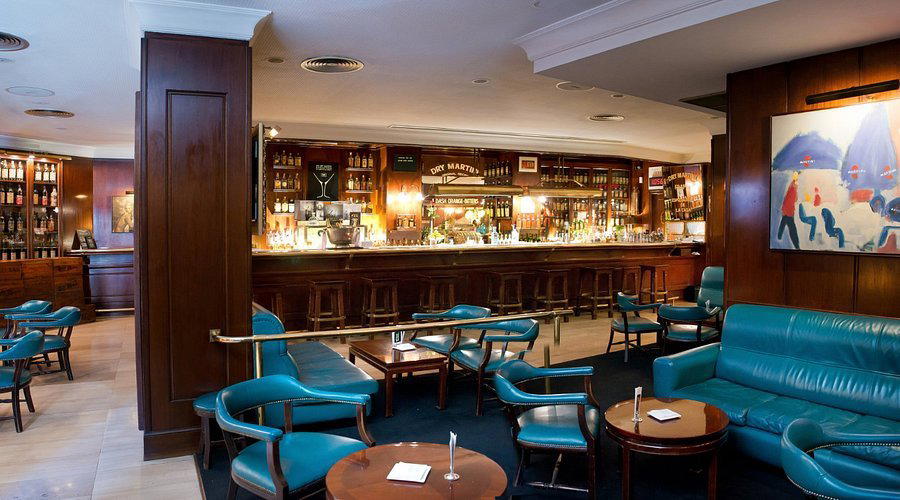
Barcelona's cocktail bar scene has developed a recognisable architecture over the past decade. At one end, classic institutions like Boadas and Dry Martini hold their positions as reference points for the city's long relationship with European-style bartending — places where technique and tradition carry equal weight. At the other, newer operations like Dr. Stravinsky and Foco represent a more programmatic, internationally connected approach to cocktail construction. The wine bar occupies a different position in this architecture, less defined by technique performance and more by selection, producer knowledge, and the implicit promise that what ends up in the glass reflects editorial decisions made long before service starts.
In that context, Maldita Barra aligns with a cohort of Barcelona wine bars that treat the list as the primary product and the room as the frame. The Eixample, with its relatively high density of locally-owned neighbourhood spots and its population of residents who eat and drink out with frequency and some discernment, has proven a reliable setting for this type of operation. The area supports venues that do not need to explain themselves to tourists but still benefit from the district's accessibility, well-connected by metro, walkable from the Gràcia border and from the more saturated Raval and Gothic quarter further south.
The Cultural Logic of the Cafeteria-Restaurant-Wine Bar
Spain's food culture has always generated formats that resist easy export. The cafeteria, in Spanish usage, a counter-led space serving coffee, pastry, and simple hot food across most of the day, sits at a different register from the French café or the Italian bar, even as it shares certain surface characteristics. Layering a restaurant function on top of that, and then adding a curated wine program, is not a design decision so much as a cultural one: it assumes that the guest's relationship with a venue is not bounded by a single occasion type.
This mirrors what has happened across Spain's second-tier cities and in specific neighbourhoods of Madrid and Barcelona, where the all-day venue has become a practical and philosophical statement about how people actually use the spaces where they eat and drink. Angelita in Madrid represents a similar layering of wine seriousness over a more casual café infrastructure. In smaller cities and island contexts, venues like Bar Sal Gorda in Seville, Bar Gallardo in Granada, and La Margarete in Ciutadella reflect the same cultural logic applied to different scales and settings. Even further afield, the instinct toward hybrid formats appears in places like Garito Cafe in Palma De Mallorca, Garden Bar in Calvia, and, at a significant remove, in the structural thinking behind Bar Leather Apron in Honolulu, which similarly refuses to be reduced to a single category.
The point is not that these venues are equivalent in style or output, they are not, but that the impulse behind multi-format operations like Maldita Barra reflects a broad shift in how hospitality spaces understand their relationship to the hours of the day and to the varied occasions a single loyal guest might bring through the door across a week.
Getting There and Practical Notes
Maldita Barra's address on Carrer del Rosselló, 242 puts it in the upper Eixample Dreta, the right-hand portion of the grid district. The nearest metro access is via Diagonal (lines 3 and 5) or Verdaguer (lines 4 and 5), both within comfortable walking distance. The surrounding blocks are residential-commercial in character, with the density of neighbourhood bars and restaurants that makes this part of the Eixample useful for planning an evening that moves across several stops rather than committing to one place. For those building a Barcelona itinerary around eating and drinking seriously, the full picture is in our full Barcelona restaurants guide.
Given the three-format structure, the timing of a visit to Maldita Barra matters more than it would at a venue with a single mode of operation. The cafeteria register makes mornings viable in a way that a pure wine bar would not. The restaurant function gives midday and early evening visits a different weight. By later evening, the wine bar identity comes forward. This flexibility is the point: the venue is designed to absorb different occasions rather than require the guest to arrive at the right moment for a single narrow experience.
Peers You’d Cross-Shop
| Venue | Cuisine |
|---|---|
| Maldita Barra / Cafeteria • Restaurant • Wine BarThis venue — the venue you are viewing | This venue |
Recognition history
Dated appearances from independent guides and award organizations, with the underlying list record or original source where available.
Macarfi 7.5 Food Rating
Macarfi
Continue exploring
More in Barcelona
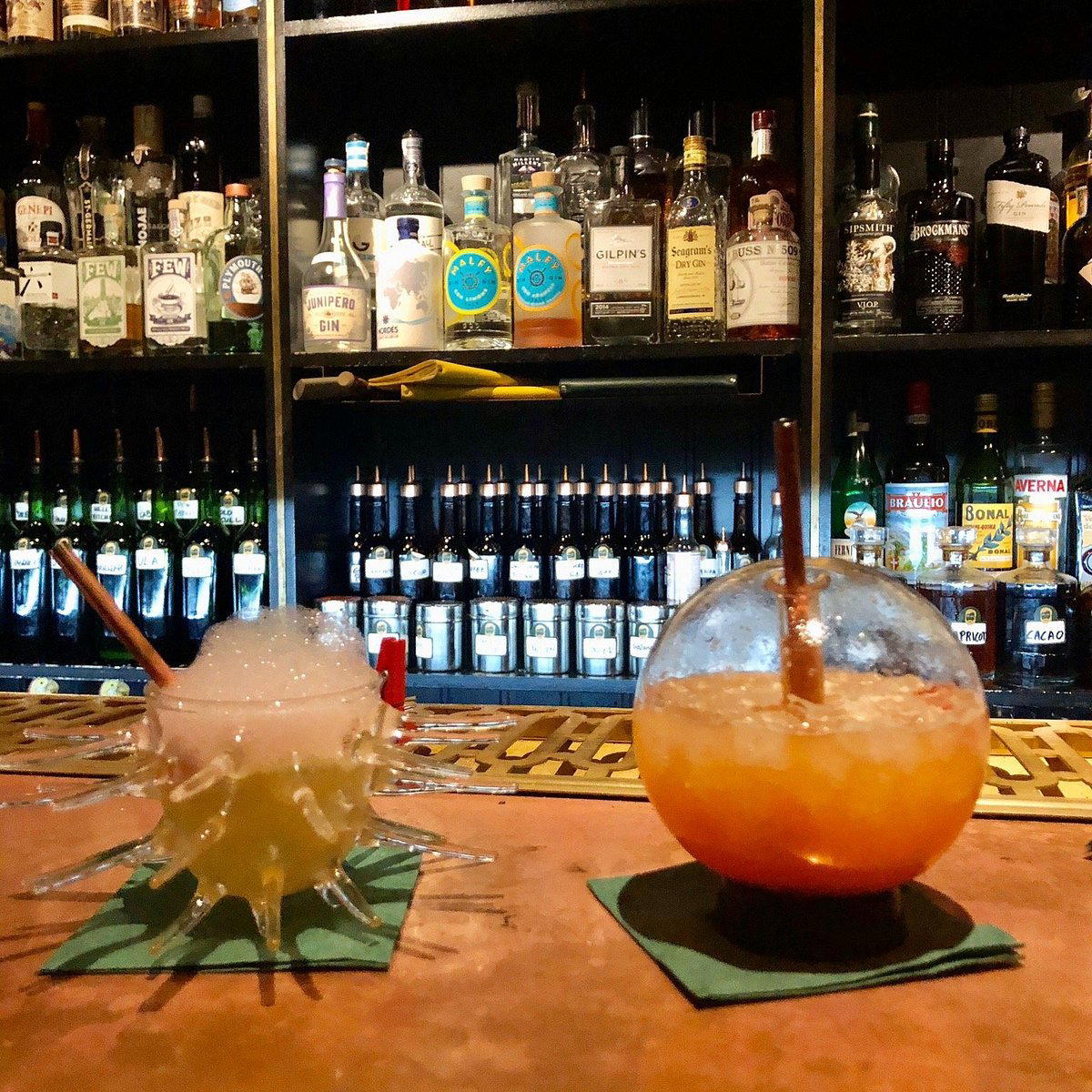
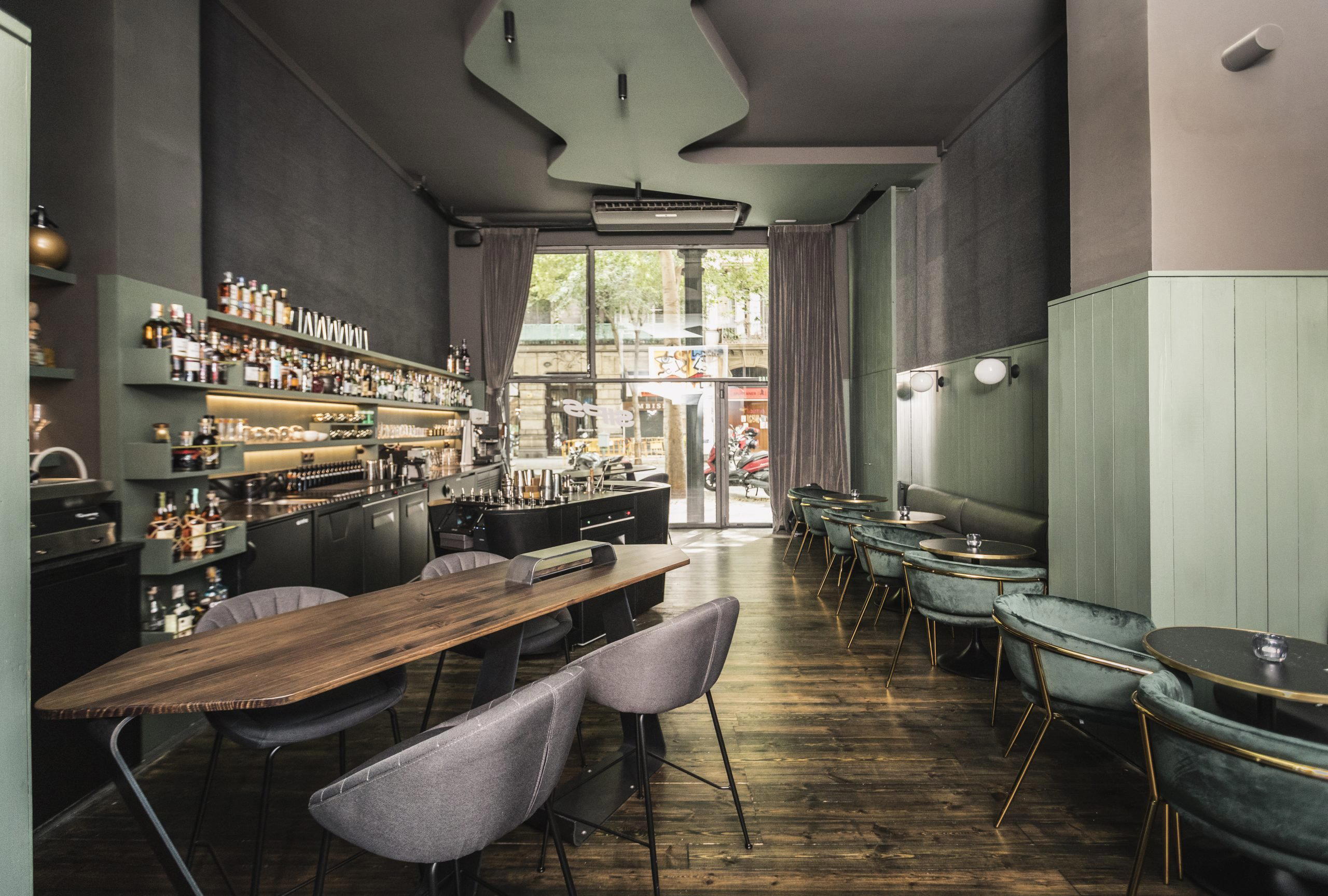
Bars in Barcelona
Browse all →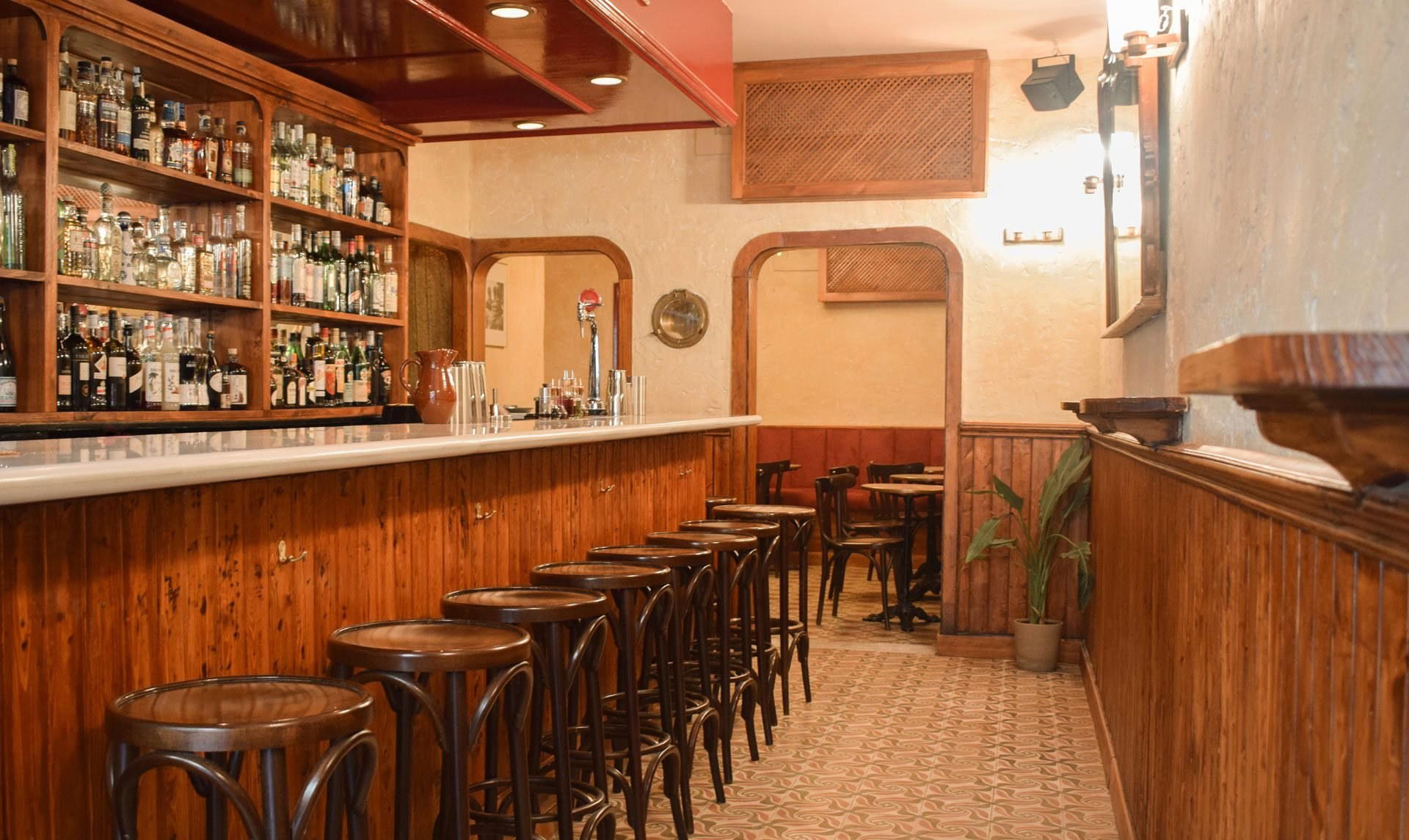
Restaurants in Barcelona
Browse all →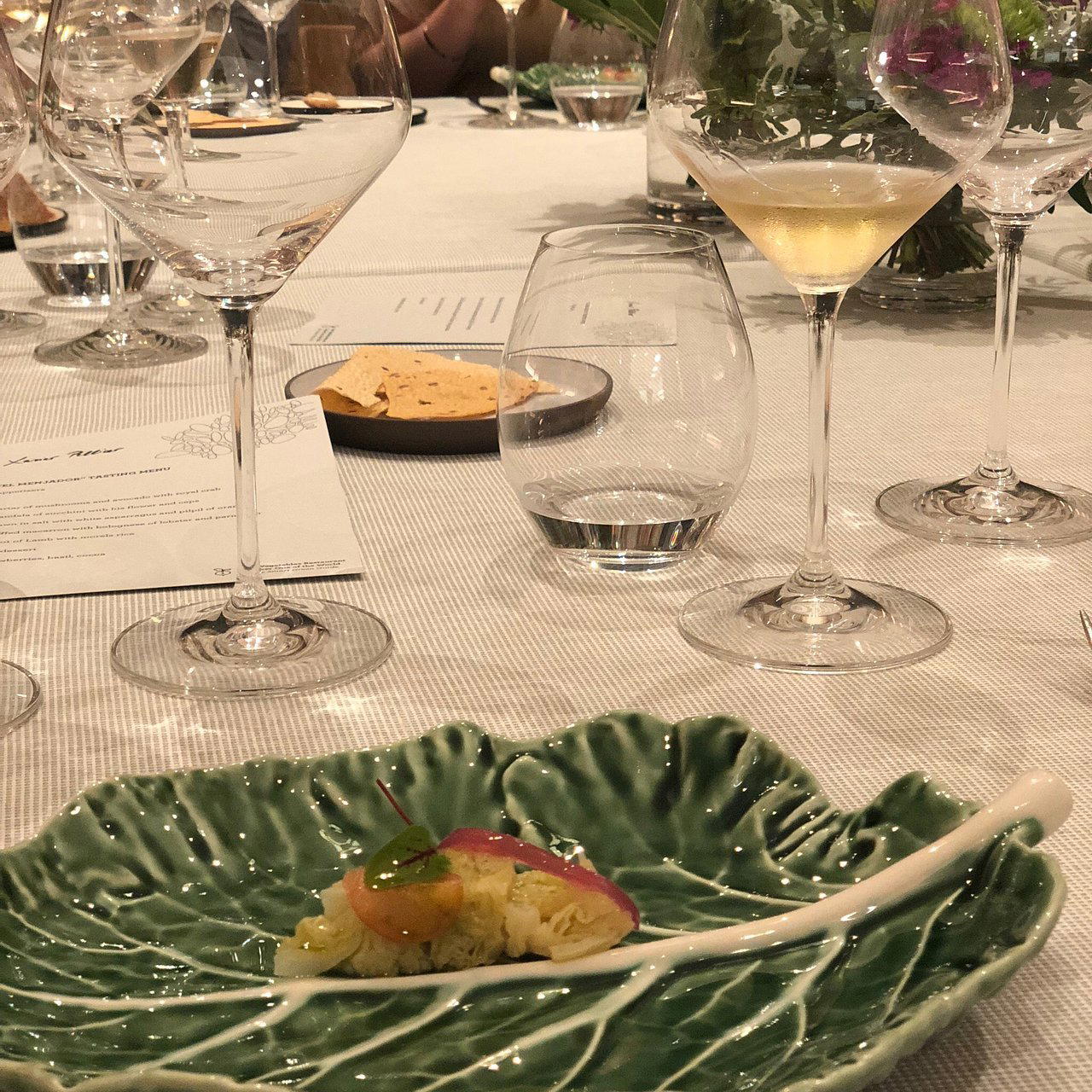
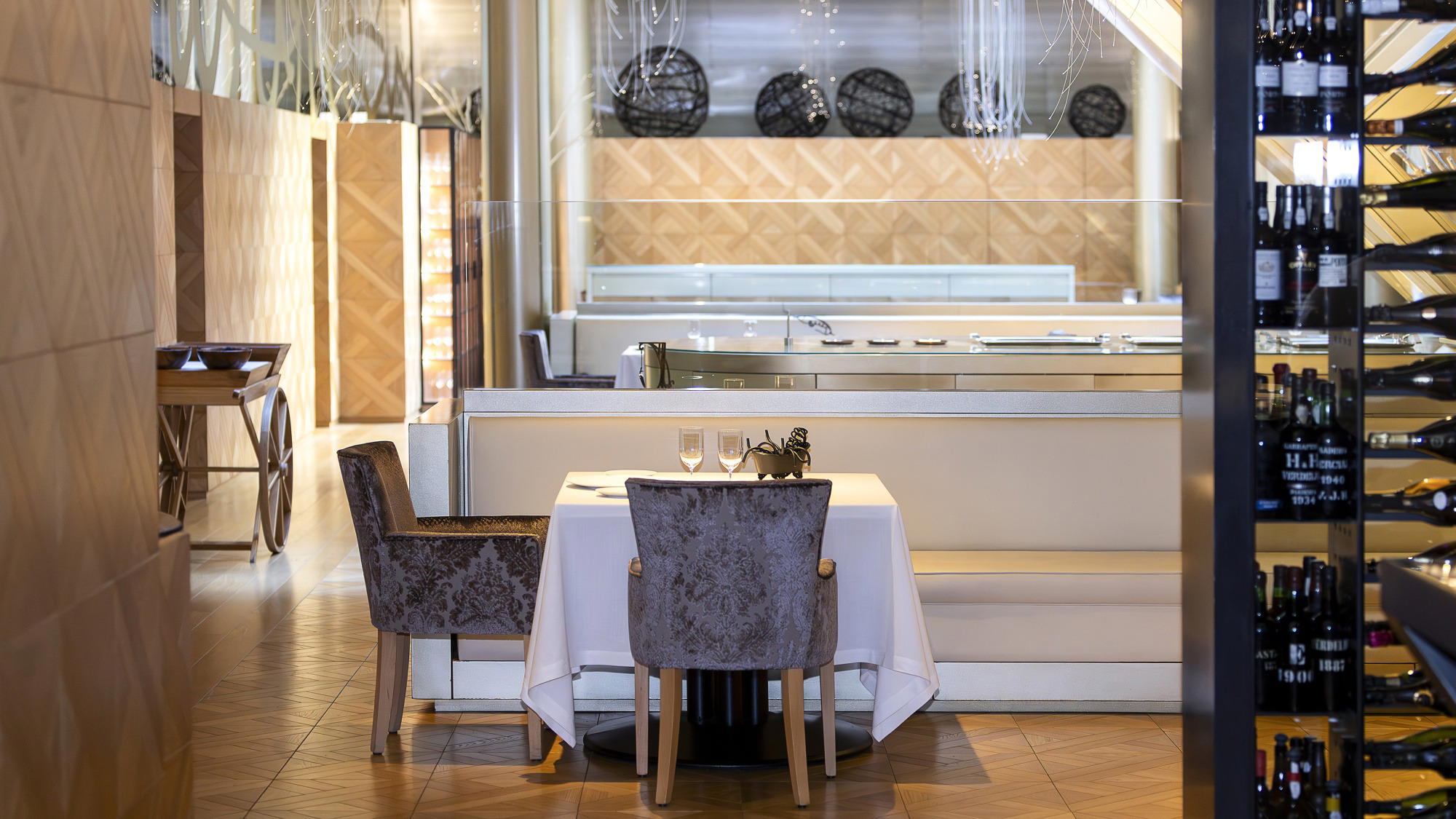
Hotels in Barcelona
Browse all →

At a Glance
- Modern
- Cozy
- Trendy
- Date Night
- Casual Hangout
- Brunch
- Design Destination
- Seated Bar
- Classic Cocktails
- Natural Wine
Current opening hours
- Monday
- 12–7 PM
- Tuesday
- 9:30 AM–12 AM
- Wednesday
- 9:30 AM–12 AM
- Thursday
- 9:30 AM–12:30 AM
- Friday
- 9:30 AM–12:30 AM
- Saturday
- 9:30 AM–12:30 AM
- Sunday
- 10 AM–5:30 PM
Hours can change for holidays and private events. Last verified .
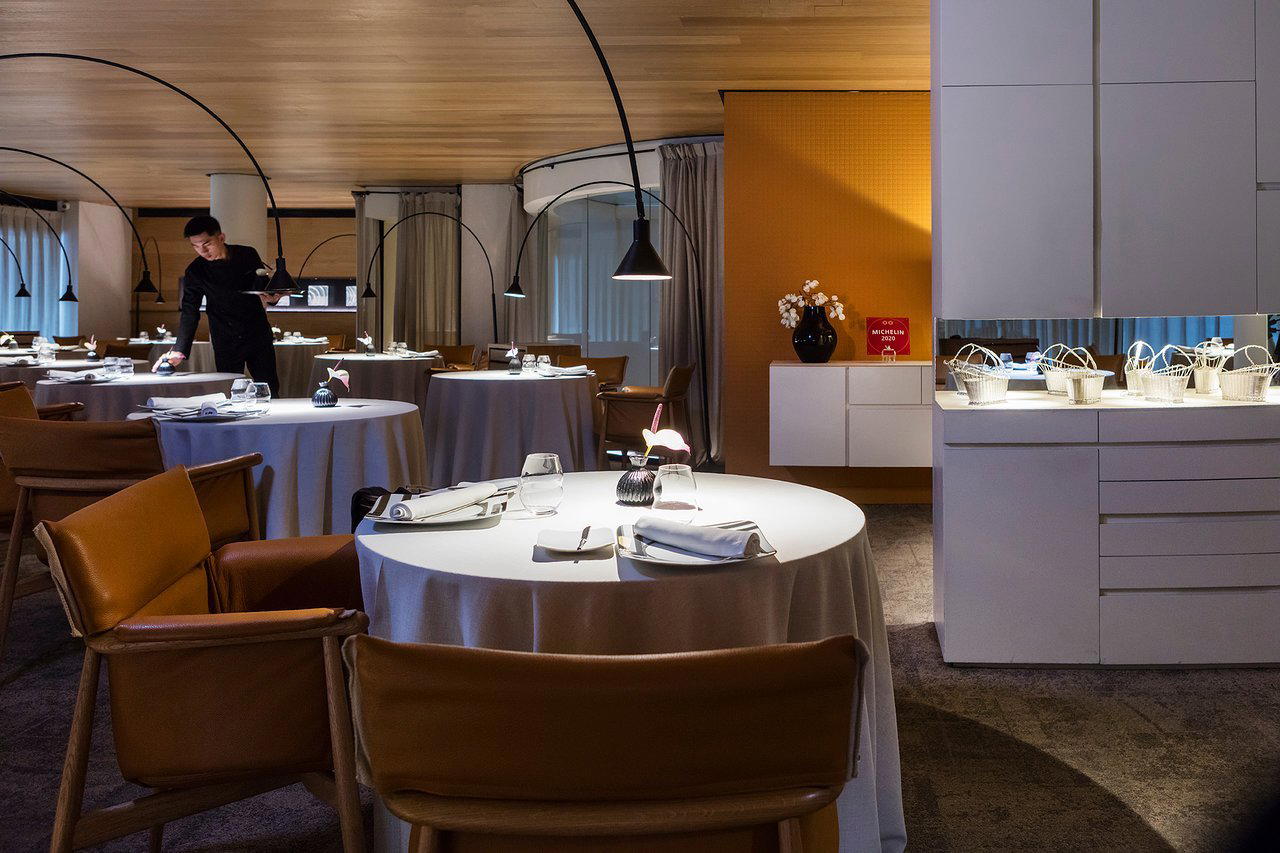
Modern and warm ambiance with good music and appealing interior design.
Know Before You Go
- Getting there
- Carrer del Rosselló, 242, Eixample, 08008 Barcelona, Spain