On a narrow street in Ciutat Vella, Cañete has held its place as one of Barcelona's most serious tapas bars for years, drawing a crowd that ranges from market workers to off-duty chefs. The format is traditional, long bar, rotating plates, strong vermouth, but the execution sits several notches above the tourist-facing competition in the Gothic Quarter nearby.
Pearl is the En Primeur Club membership app — saves, bookings, and concierge access live there. Same editors, same standards.
- Address
- Carrer de la Unió, 17, Ciutat Vella, 08001 Barcelona, Spain
- Phone
- +34 932 70 34 58
- Website
- barcanete.com
- Directions
- Get directions
 Saves & bookings on Pearl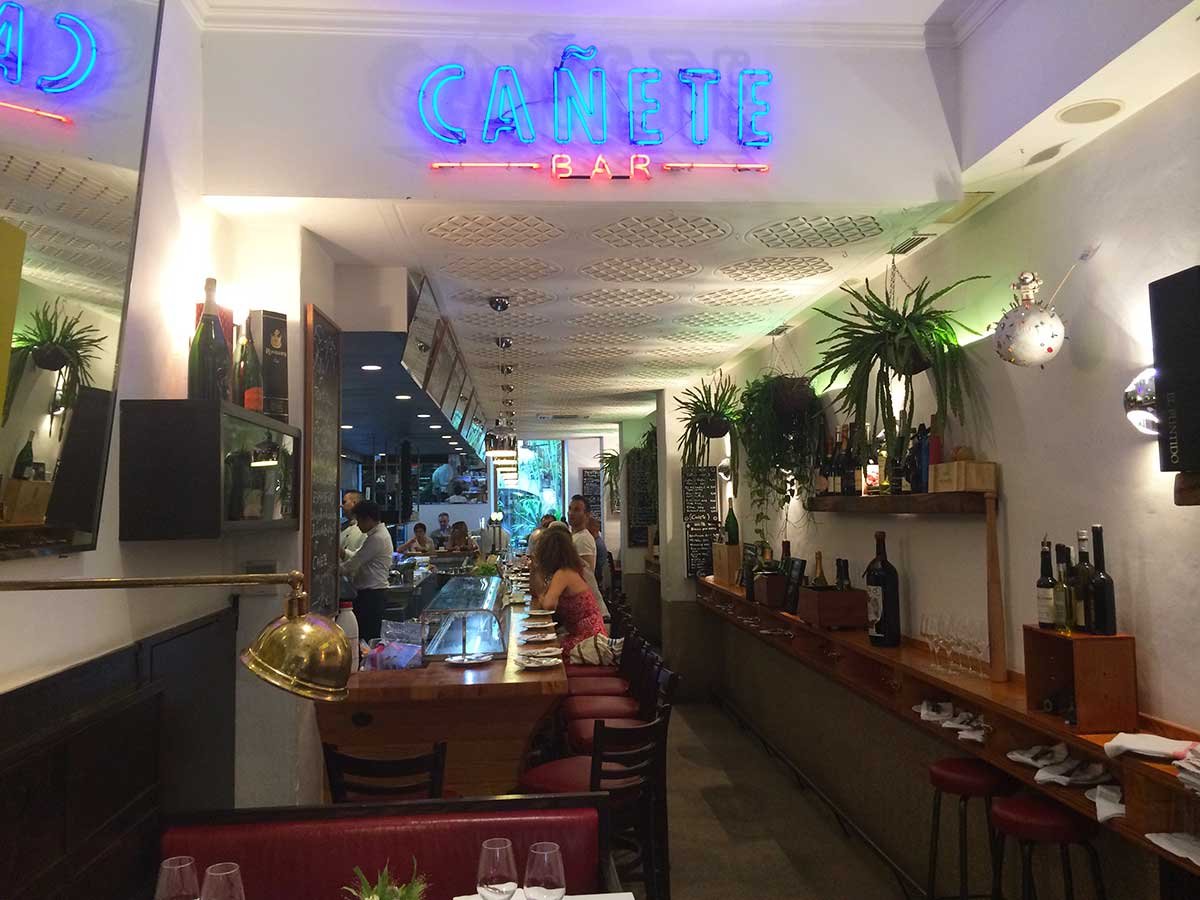
The Bar Counter as Theatre
In Barcelona's Ciutat Vella, where the Gothic Quarter bleeds into El Raval, there is a category of bar that operates on entirely different terms from the pintxos-and-sangria circuit that lines the more photographed streets nearby. Cañete is a bar in Barcelona's Ciutat Vella, at Carrer de la Unió, 17. Cañete, on Carrer de la Unió, belongs to that category. The room announces itself before you've ordered anything: a long, dark bar counter, the sound of plates moving quickly between kitchen and service, and the kind of ambient noise that comes from a room that has found its rhythm. This is not a quiet dinner setting. It is a working bar in the old sense, and the atmosphere reflects that without apology.
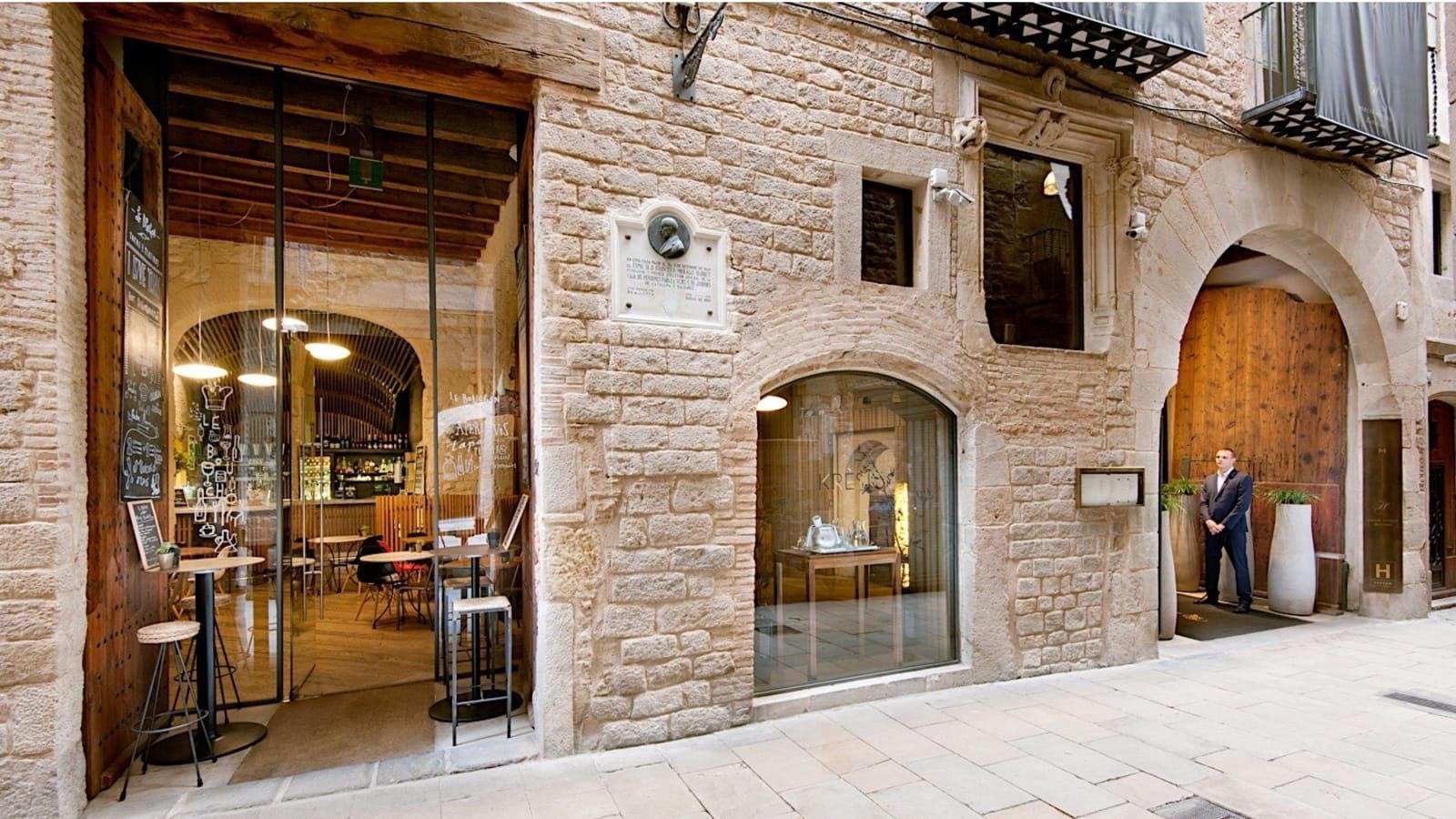
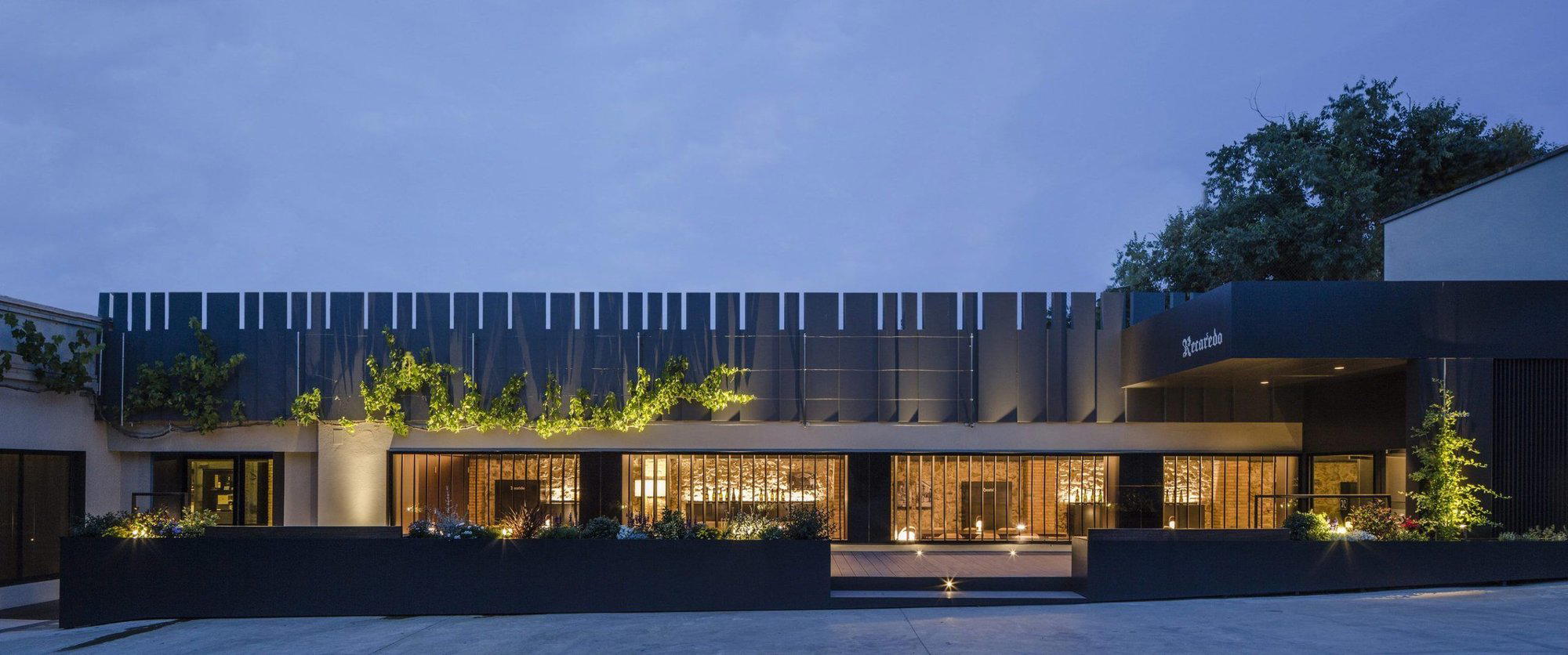
Carrer de la Unió, 17, sits in a pocket of Ciutat Vella that has largely resisted the area's more aggressive touristification. The street is narrow, as most are in this part of the city, and the bar's frontage is modest. What matters is what happens once you're inside, where the physical arrangement of the space tells you exactly what the priorities are: the bar is long and central, the kitchen is close enough that you can follow the movement of dishes, and the seating arrangements put you in proximity to other diners in a way that makes isolation impossible and conversation likely.
Where Cañete Sits in Barcelona's Tapas Conversation
Barcelona's tapas scene has fractured in recent years into several distinct tiers. At one end, there are the tourist-facing operations in the Barri Gòtic and along La Barceloneta, where volume is the business model and the food is designed for first-time visitors rather than return customers. At the other end, a smaller set of bars, mostly found in Eixample, Gràcia, and the quieter parts of Ciutat Vella, operate with a different logic: sourcing that changes with the market, a kitchen that takes the bar snack seriously as a form, and a crowd that is there because the food is the point.
Cañete sits firmly in this second category. The comparison set is not the tapas bars visible from Las Ramblas but the more considered operations that Barcelonins use as their own reference points. For cocktail drinkers making a night of Raval and the old city, the broader neighbourhood picture includes bars like Boadas, Barcelona's oldest cocktail bar, which operates just a few minutes away, and Dr. Stravinsky, which represents the city's more experimental technical cocktail direction. Cañete is neither of those things, its identity is rooted in food and wine rather than spirits, but understanding its position in the neighbourhood requires knowing the full map.
The Sensory Logic of the Room
The experience at Cañete is structured around the bar counter in a way that makes the physical act of eating in the space inseparable from what you're eating. Spanish bar culture, particularly in Catalonia, has always understood that the counter is a social instrument as much as a functional one. You face the kitchen, or close to it. You watch what other people are ordering. You hear the decisions being made two seats along and you adjust accordingly. This is how the leading tapas eating works: iteratively, with attention paid to what's moving quickly and what's arriving at the tables rather than the bar.
The sound profile of the room at service is consistent with this format: it is loud in the way that serious restaurants often are when they are full, but not chaotic. The noise has a directionality to it, conversation, the kitchen, the movement of glassware, rather than the undifferentiated volume of a bar that is simply overcrowded. The light is warm rather than theatrical. These are not small details. The sensory environment of a bar counter operation determines whether the eating feels pressured or pleasurable, and Cañete's room is calibrated toward the latter.
Vermouth, Wine, and the Case Against Rushing
Catalan bar culture has seen a significant vermouth revival over the past decade, and Cañete operates within that tradition. The aperitivo hour, the vermut, is taken seriously here, and the wine list reflects a kitchen-first sensibility: Spanish references that work with the food rather than competing with it for attention. This is the model that distinguishes bars with genuine culinary ambition from those that treat the drink list as an afterthought.
The broader Spanish bar scene, for comparison, shows that this approach is not distinctive to Barcelona. Angelita in Madrid has built a similar case for wine-forward bar drinking in the Spanish capital, while Bar Sal Gorda in Seville and Bar Gallardo in Granada represent the southern Spanish version of the same sensibility. The format varies by city but the underlying logic, that a bar which takes its food seriously will also take its wine seriously, holds across all of them.
For those extending the evening beyond Cañete, Barcelona's cocktail circuit offers contrast. Dry Martini in Eixample remains a reference point for classic European bar technique, and Foco represents a newer generation of Barcelona bar programming. Further afield, La Margarete in Ciutadella, Garden Bar in Calvia, and Garito Cafe in Palma de Mallorca show how the Balearic bar scene extends the same Mediterranean drinking culture into the islands. For something further afield entirely, Bar Leather Apron in Honolulu applies a similar food-and-drink seriousness in a different context.
Cuisine Lens
Comparable venues nearby, for context on price, style, and recognition.
| Venue | Cuisine | Price | Notes |
|---|---|---|---|
| CañeteThis venue — the venue you are viewing | Bar | $$$ | Not listed |
| Denassus | wine_bar | $$$ | el Poble Sec |
| Collage Cocktail Bar | cocktail_bar | $$$ | Sant Pere, Santa Caterina i la Ribera |
| Punch Room at Edition Barcelona | speakeasy | $$$ | Sant Pere, Santa Caterina i la Ribera |
| Moog | dive_bar | $$ | el Raval |
| Matos Bar de Vins & Enoteca | wine_bar | $$ | Sant Gervasi - Galvany |
Continue exploring
More in Barcelona
Bars in Barcelona
Browse all →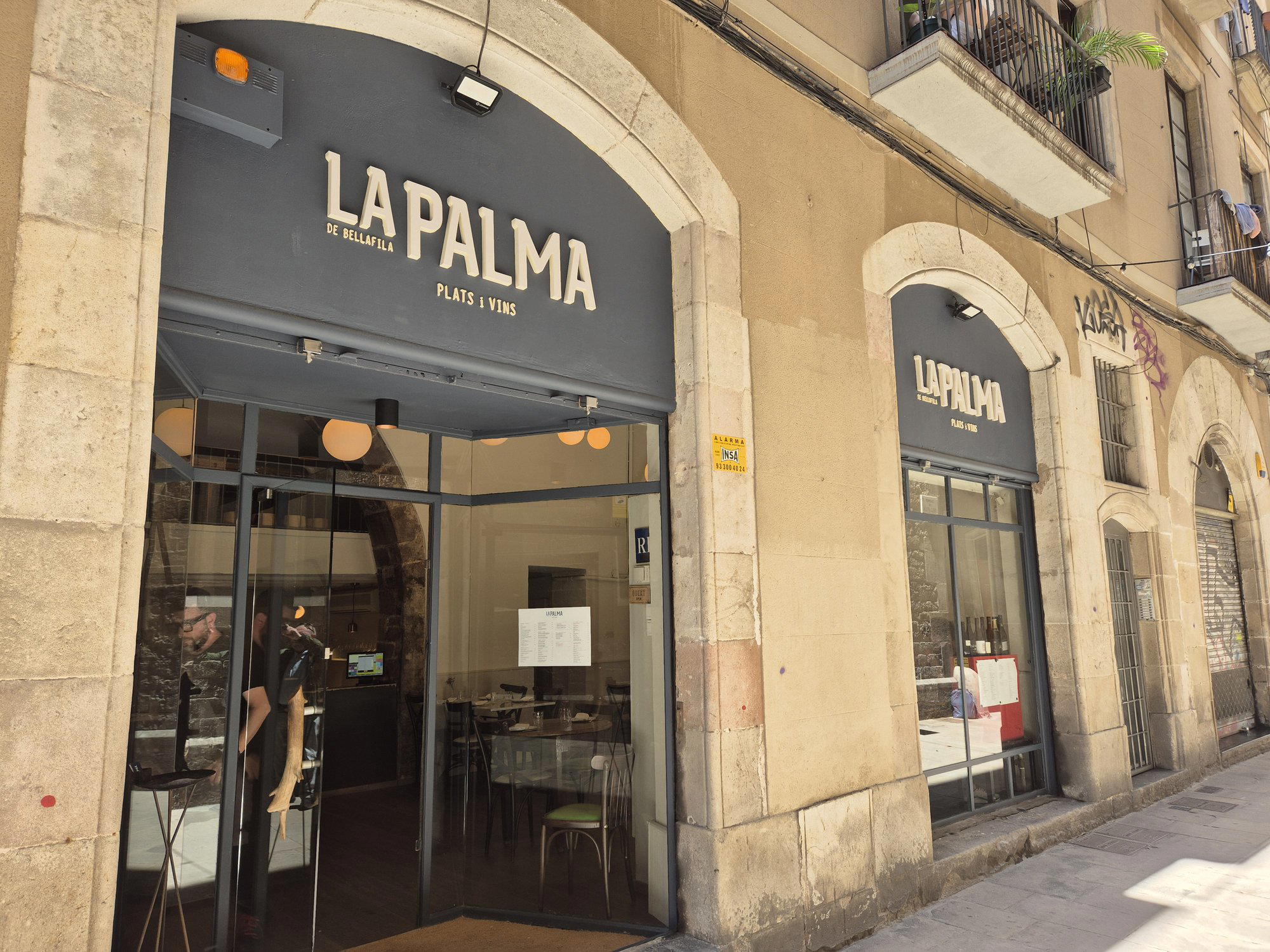
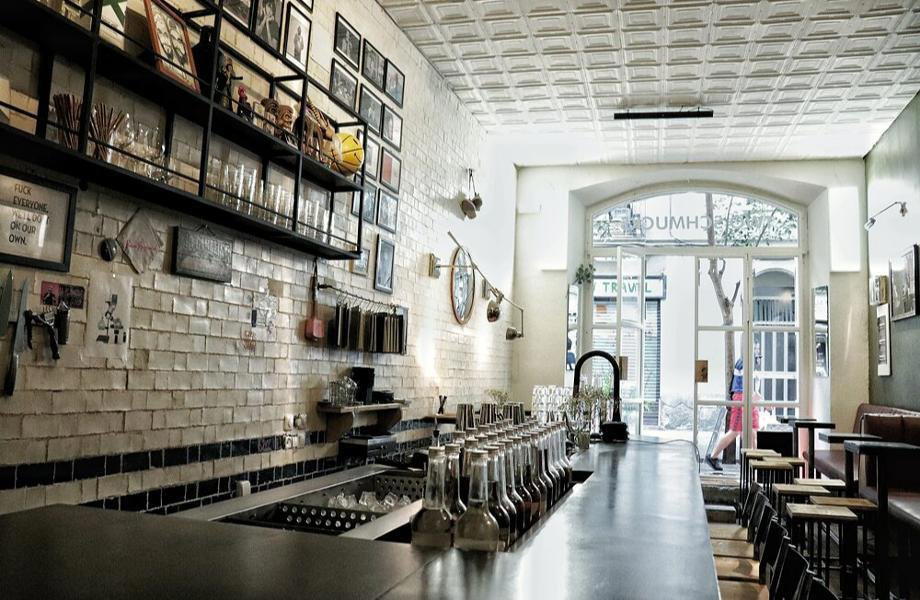
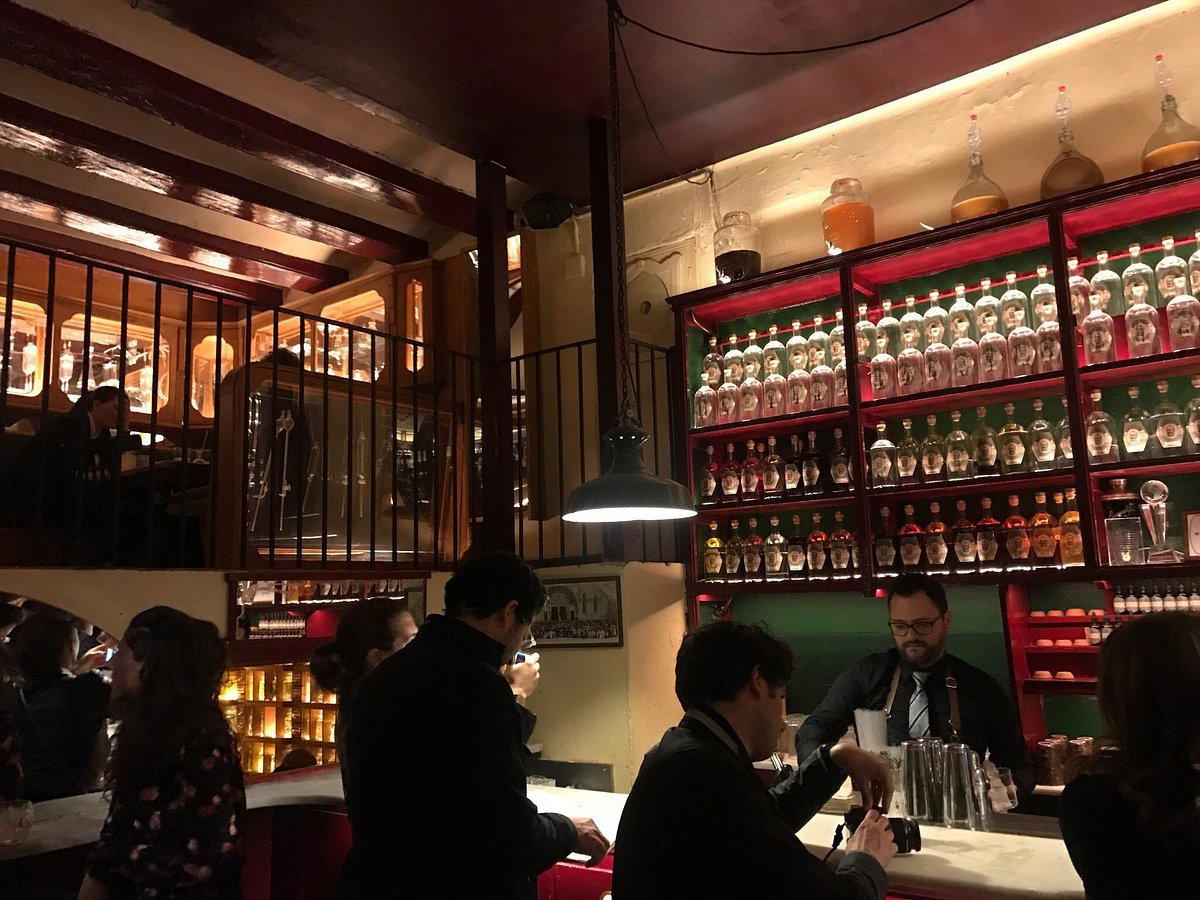
Restaurants in Barcelona
Browse all →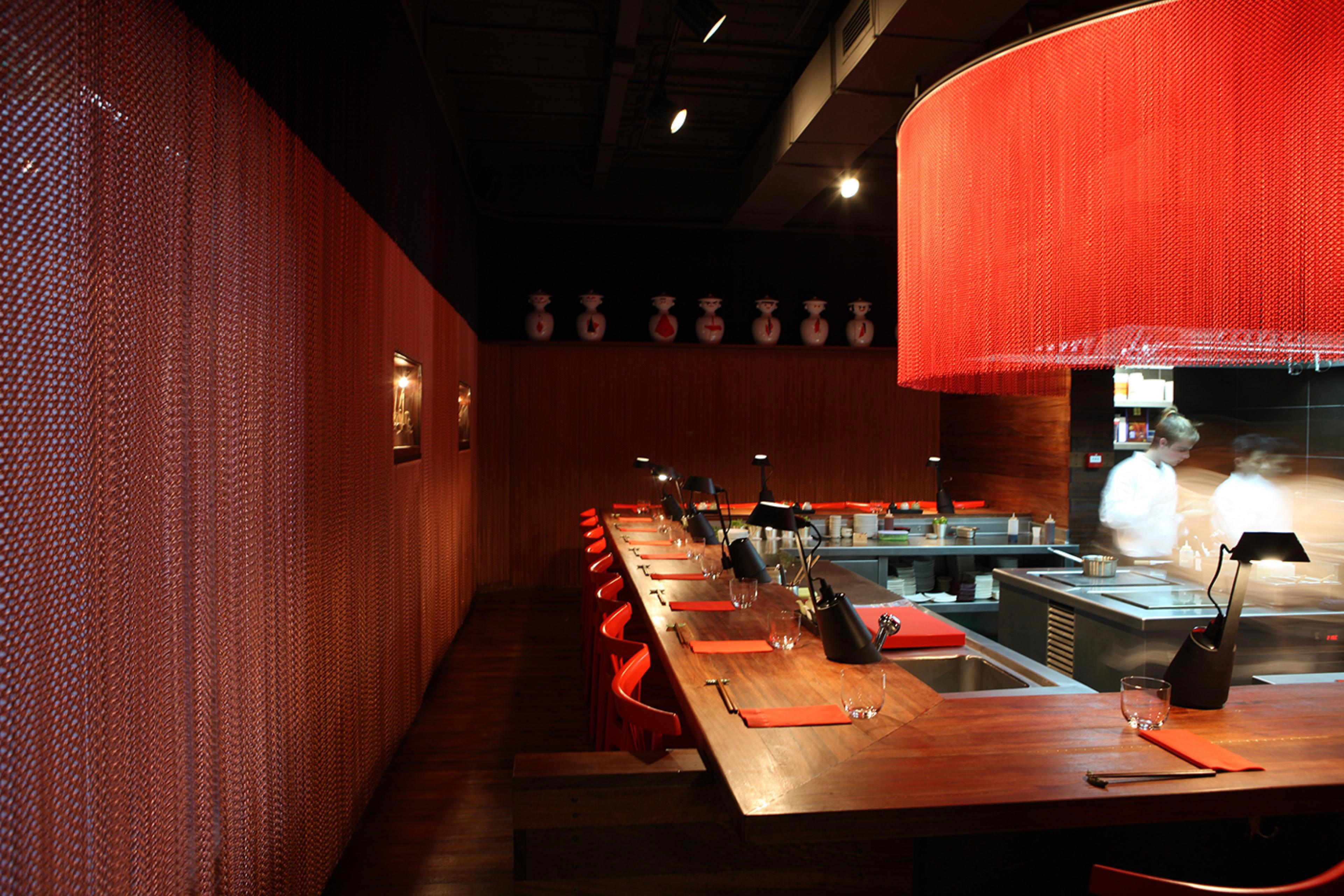
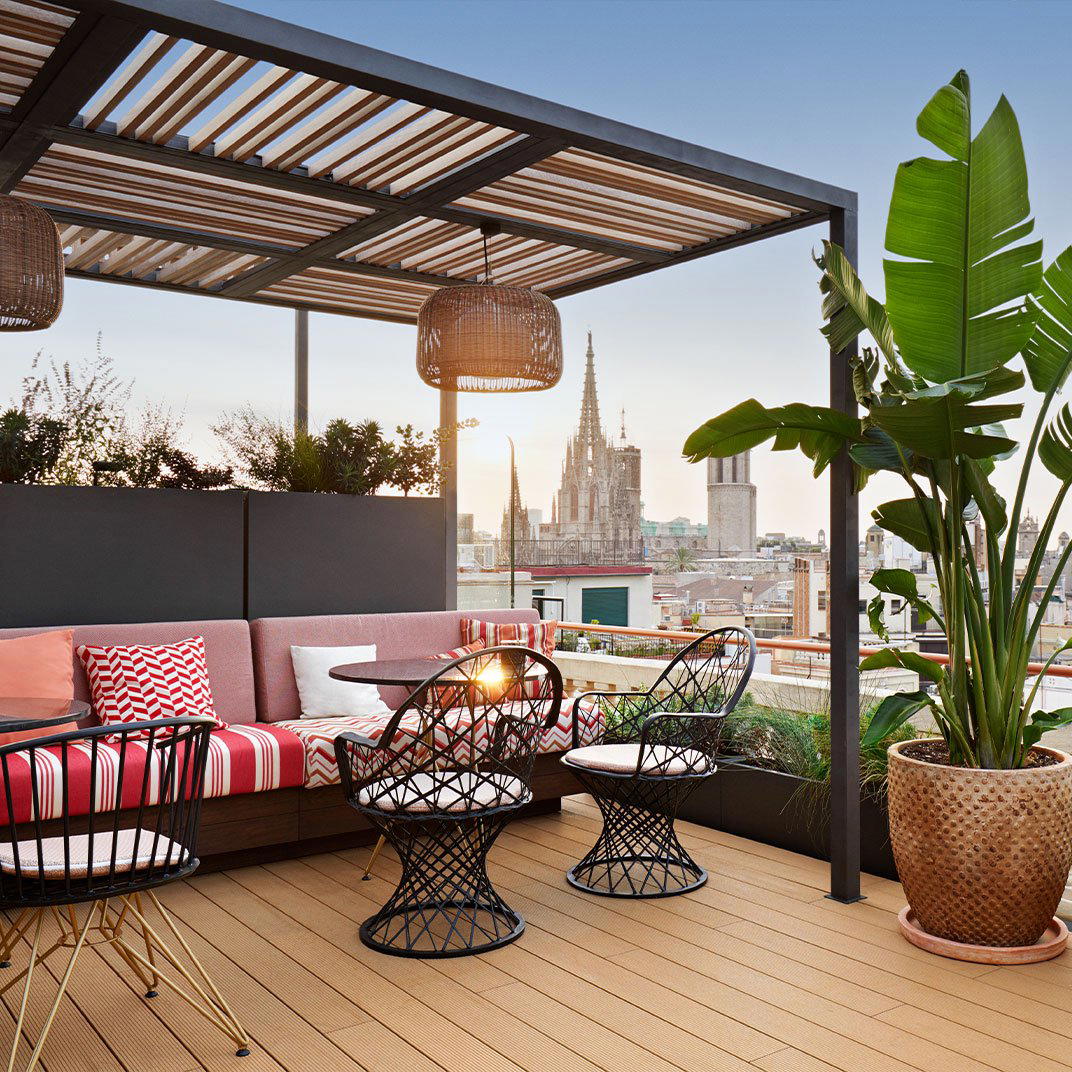
Hotels in Barcelona
Browse all →
At a Glance
- Lively
- Classic
- Cozy
- Date Night
- Group Outing
- Casual Hangout
- Standalone
- Seated Bar
- Communal Tables
Current opening hours
- Monday
- 1 PM–12 AM
- Tuesday
- 1 PM–12 AM
- Wednesday
- 1 PM–12 AM
- Thursday
- 1 PM–12 AM
- Friday
- 1 PM–12 AM
- Saturday
- 1 PM–12 AM
- Sunday
- Closed
Hours can change for holidays and private events. Last verified .
Lively and cozy atmosphere blending traditional Spanish tavern charm with contemporary energy, featuring pale wood interiors and hanging greenery.