
Sala Apolo has anchored Barcelona's live music and nightlife scene from its address on Carrer Nou de la Rambla since the 1940s, evolving from a dance hall into one of the city's most consistent venues for concerts, club nights, and the kind of crowd that returns on instinct rather than occasion. The Sants-Montjuïc address places it a short walk from the Parallel theatre strip, putting it in a neighbourhood that has long operated outside the more tourist-heavy Eixample circuits.
Pearl is the En Primeur Club membership app — saves, bookings, and concierge access live there. Same editors, same standards.
- Address
- Carrer Nou de la Rambla, 113, Sants-Montjuïc, 08004 Barcelona, Spain
- Phone
- +34 934 41 40 01
- Website
- sala-apolo.com
- Directions
- Get directions
 Saves & bookings on Pearl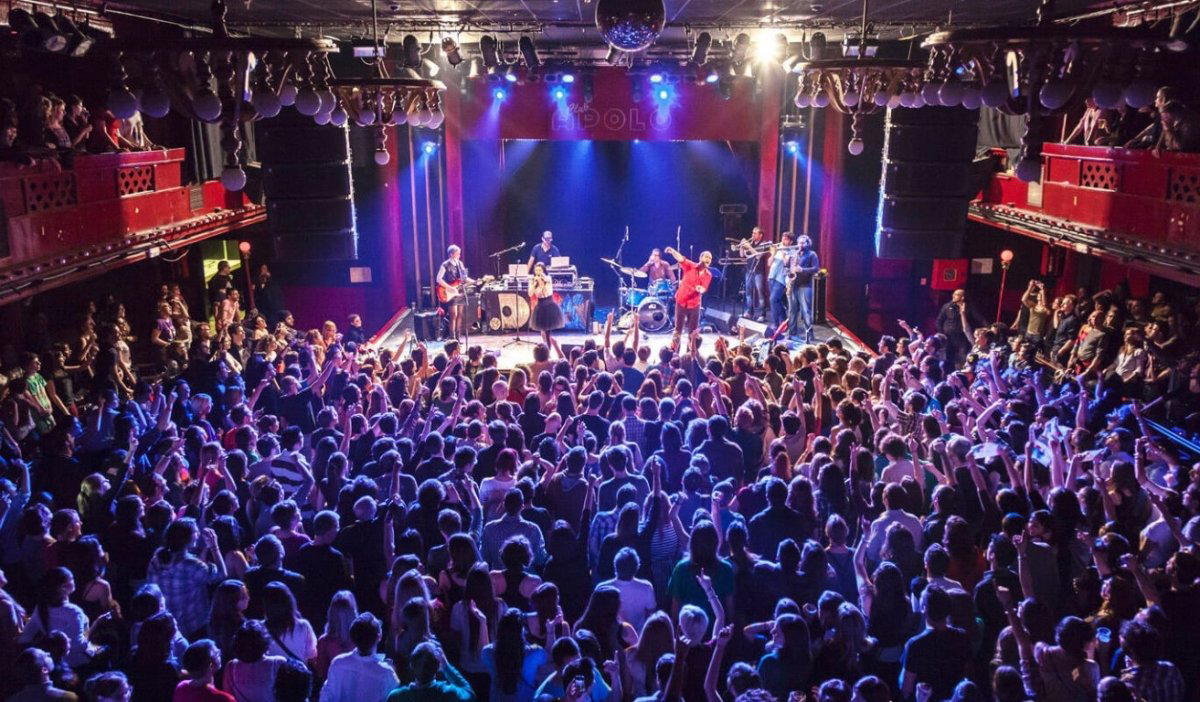
The Room That Keeps Drawing People Back
There is a particular kind of venue that earns its place in a city not through awards cycles or seasonal reinvention, but through accumulated nights. Sala Apolo, at Carrer Nou de la Rambla 113 in the Sants-Montjuïc district, belongs to that category. The building dates to the 1940s, when it functioned as a neighbourhood dance hall, and much of the original interior has survived: curved balconies, worn timber, a floor that carries decades of weight. The architecture is not preserved as a design statement — it simply never left. That distinction matters when you are trying to understand why certain regulars treat the place as a fixture rather than a destination.
Barcelona's nightlife geography divides into several distinct circuits. The Eixample draws an international crowd through its more polished cocktail bars and hotel-adjacent venues. The Born and Raval corridors hold a younger, more local mix. The Parallel strip, running through Sants-Montjuïc, operates at a different register: less curated, more functional, with a tradition rooted in working-class entertainment and theatre culture that predates the city's post-Olympic tourism expansion. Sala Apolo sits inside that tradition rather than reacting to it. For comparisons across Barcelona's bar and nightlife circuit, see our full Barcelona restaurants guide.
What the Returning Crowd Is Actually Paying For
The regulars' perspective at a venue like this is rarely about a single event. Sala Apolo runs two distinct programmes under one roof: the main hall hosts concerts and larger club nights, while the smaller La [2] room downstairs runs the long-running Nasty Mondays and Crappy Tuesdays formats, indie and alternative club nights that have maintained consistent attendance for well over a decade. The longevity of those weekly formats is a signal. Club nights that run on off-peak weeknights and still fill a room year after year are drawing people who made a specific decision to be there, not people who simply ended up somewhere.
That distinction shapes the crowd dynamic in ways that newer venues find difficult to replicate. There is no novelty premium at Sala Apolo. The room looks the same as it did several years ago. The people who return are returning for the programme, the sound, and a specific social texture that has accumulated over time. In the broader context of Spanish nightlife, this pattern appears in a handful of cities: Angelita in Madrid holds a similar position in that city's bar culture, and venues like Garito Cafe in Palma De Mallorca demonstrate how coastal cities sustain long-term venue loyalty through consistent programming rather than reinvention.
Barcelona's Live Music Venues: Where Apolo Sits
The city has a layered live music infrastructure. At the larger end, Palau Sant Jordi and the Palau de la Música Catalana handle the institutional and classical programming. In the mid-tier, venues like Razzmatazz (a multi-room complex in Poblenou) and Apolo compete for touring acts and DJ bookings across a similar price bracket. What separates Apolo from Razzmatazz is primarily scale and atmosphere: Razzmatazz operates five rooms and leans toward an international clubbing model, while Apolo's main hall retains the proportions of the original dance hall, which means the distance between the stage and the back of the room remains close enough that sight lines from most positions are workable.
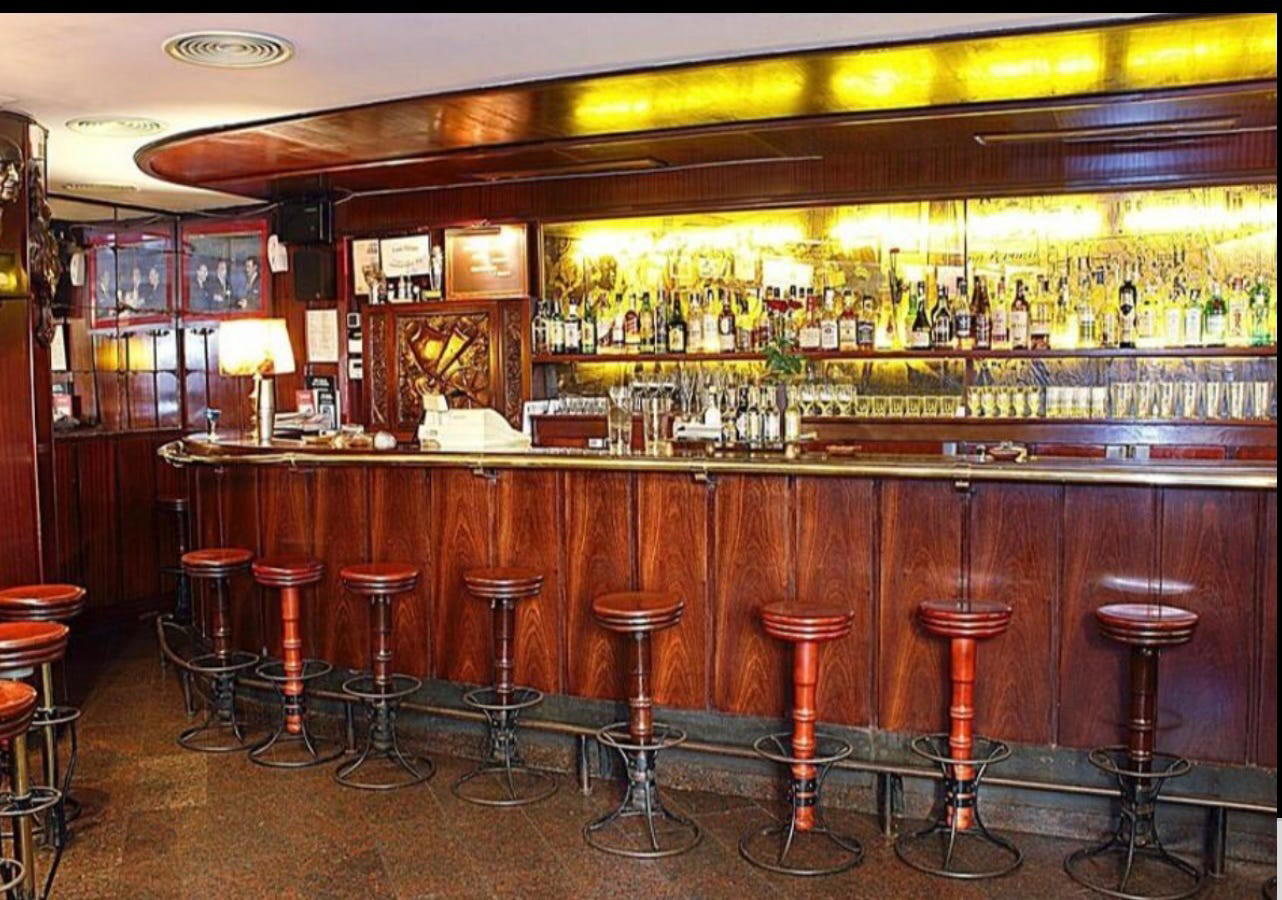
For cocktail-forward pre-night venues in the city, Barcelona's bar circuit has produced a different tier. Boadas represents the older, more formal end of the Catalan cocktail tradition, operating from a triangular bar near the Ramblas since 1933. Dry Martini holds a similar institutional position in the Eixample, while Dr. Stravinsky and Foco represent a more recent technical approach to the city's cocktail programming. Apolo's own bar operation sits closer to the functional end of that spectrum — drinks are served efficiently to a crowd that is primarily there for music, not cocktail craft.
Timing and the Off-Peak Logic
The week-night programming model is deliberate. Monday and Tuesday club nights are counterintuitive by most venue logic, but they have created a self-selecting audience: people who plan ahead, who are not simply filling a Friday with the nearest available option. That audience tends to have a higher baseline familiarity with the venue, which shifts the social dynamic inside the room. Weekend programming at Apolo shifts toward touring acts and higher-capacity club events, drawing a broader mix including visitors who have researched the venue specifically.
Seasonally, the autumn and spring months tend to produce the most concentrated concert programming, when touring schedules align with Barcelona's conference and festival calendar. Summer sees the city's nightlife partially migrate outdoors, which affects indoor venue attendance across the board. For visitors planning a night at Apolo specifically for a concert, checking the programme in the September-to-November or March-to-May windows typically yields a denser schedule of international acts.
Across Spain's wider nightlife geography, the model of a heritage venue sustaining itself through consistent programming rather than renovation is not unusual: Bar Sal Gorda in Seville, Bar Gallardo in Granada, La Margarete in Ciutadella, and Garden Bar in Calvia each represent versions of this pattern in their respective cities. The thread connecting them is audience loyalty built over time rather than through design cycles. Even internationally, venues like Bar Leather Apron in Honolulu demonstrate how a consistent, clearly defined programme builds a durable clientele across very different markets.
Know Before You Go
Address: Carrer Nou de la Rambla, 113, Sants-Montjuïc, 08004 Barcelona, Spain
District: Sants-Montjuïc, close to the Parallel strip and Poble Sec
Getting There: Metro Paral·lel (Lines 2 and 3) is the most direct approach; the venue is a short walk from the exit
Programme Format: Main hall for concerts and weekend club nights; smaller downstairs room (La [2]) for weeknight club formats including Nasty Mondays and Crappy Tuesdays
Booking: Concert tickets typically available through standard Spanish ticketing platforms; club nights may operate door entry, check the venue's event calendar before travelling
Timing Note: Weeknight club nights run late even by Barcelona standards; doors typically open after midnight for club formats
Price Range: Varies by event; weeknight club nights are generally at the lower end of Barcelona's venue pricing
Nearby-ish Comparables
| Venue | Cuisine |
|---|---|
| Sala ApoloThis venue — the venue you are viewing | This venue |
Recognition history
Dated appearances from independent guides and award organizations, with the underlying list record or original source where available.
International Nightlife Association World's 100 Best Clubs #34
International Nightlife Association
International Nightlife Association World's 100 Best Clubs #34
International Nightlife Association
Continue exploring
More in Barcelona
Bars in Barcelona
Browse all →
Restaurants in Barcelona
Browse all →
Hotels in Barcelona
Browse all →
At a Glance
- Lively
- Energetic
- Well Known
- Late Night
- Group Outing
- Celebration
- Live Music
- Historic Building
- Standing Room
- Lounge Seating
- Classic Cocktails
Current opening hours
- Monday
- Closed
- Tuesday
- 12–5 AM
- Wednesday
- 12–5 AM
- Thursday
- 12–5 AM
- Friday
- 12–5 AM
- Saturday
- 12–5 AM
- Sunday
- 5 PM–5 AM
Hours can change for holidays and private events. Last verified .
Lively and energetic atmosphere with infectious energy from live performances and DJ sets in a multi-level historic space.
Know Before You Go
- Getting there
- Carrer Nou de la Rambla, 113, Sants-Montjuïc, 08004 Barcelona, Spain