Maki Kosaka
Maki Kosaka occupies a specific position in Chelsea's dining fabric: a Japanese restaurant at 55 West 19th Street that draws a deliberate, repeat crowd rather than a tourist-facing one. The address places it within walking distance of the Flatiron's more conspicuous dining corridor, yet the room operates at a quieter register. For New York diners who track Japanese restaurant lineages carefully, it is a known quantity.
Pearl is the En Primeur Club membership app — saves, bookings, and concierge access live there. Same editors, same standards.
- Address
- 55 W 19th St, New York, NY 10011
- Phone
- +1 917 261 5538
- Website
- makikosaka.com
- Directions
- Get directions
 Saves & bookings on Pearl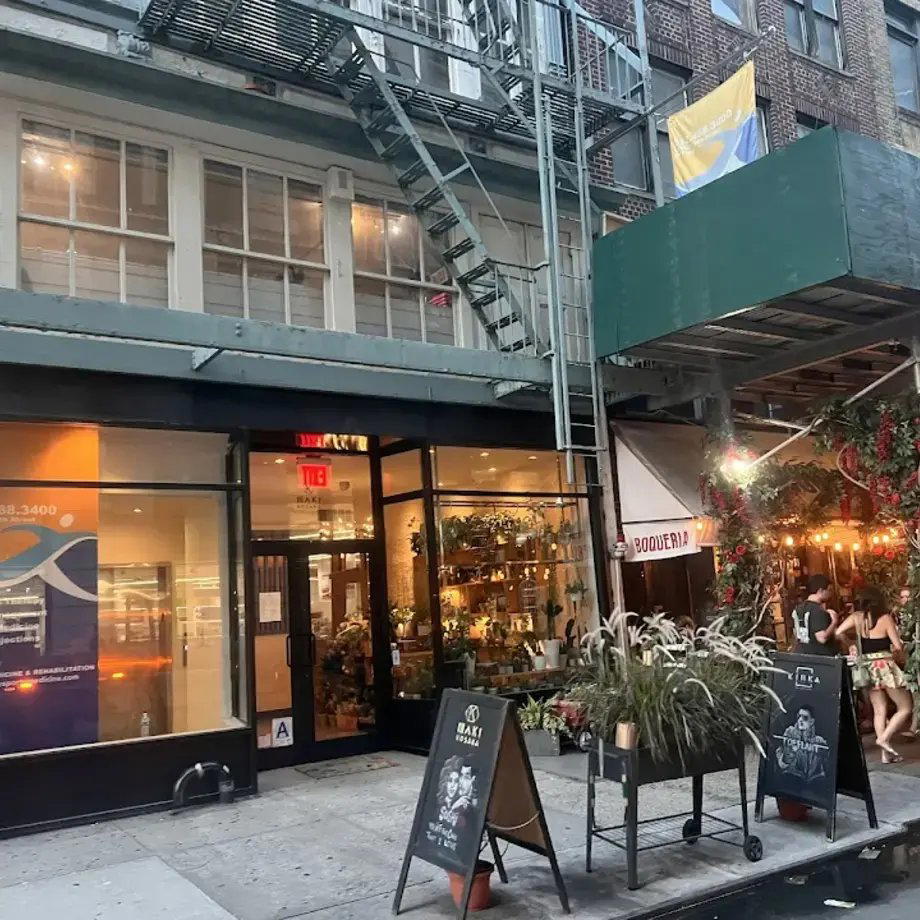
Chelsea's Quiet Corner of Japanese Precision
New York's Japanese restaurant tier has stratified sharply over the past decade. At the leading sit the omakase-only counters with three-month waitlists and per-head spends that rival a night in a good hotel. Below them, a second tier of more accessible but still technically serious Japanese restaurants has grown steadily, particularly in neighborhoods where the dining room format favors regulars over walk-ins. Chelsea sits at the edge of this pattern. The neighborhood's gallery-adjacent character attracts a specific kind of diner: attentive, familiar with the category, and less drawn to spectacle than to consistency.
Maki Kosaka, at 55 West 19th Street, occupies that second tier and serves that kind of diner. The address is well-positioned relative to the broader Flatiron-to-Chelsea corridor, a stretch that now contains some of New York's more considered mid-range and upper-mid-range dining, from French bistros to Japanese specialists. What distinguishes Maki Kosaka within that corridor is the register it operates at: lower in volume, higher in focus, the kind of room where the food is doing the work rather than the room design or the PR cycle.
The Sensory Register of a Room Built for Attention
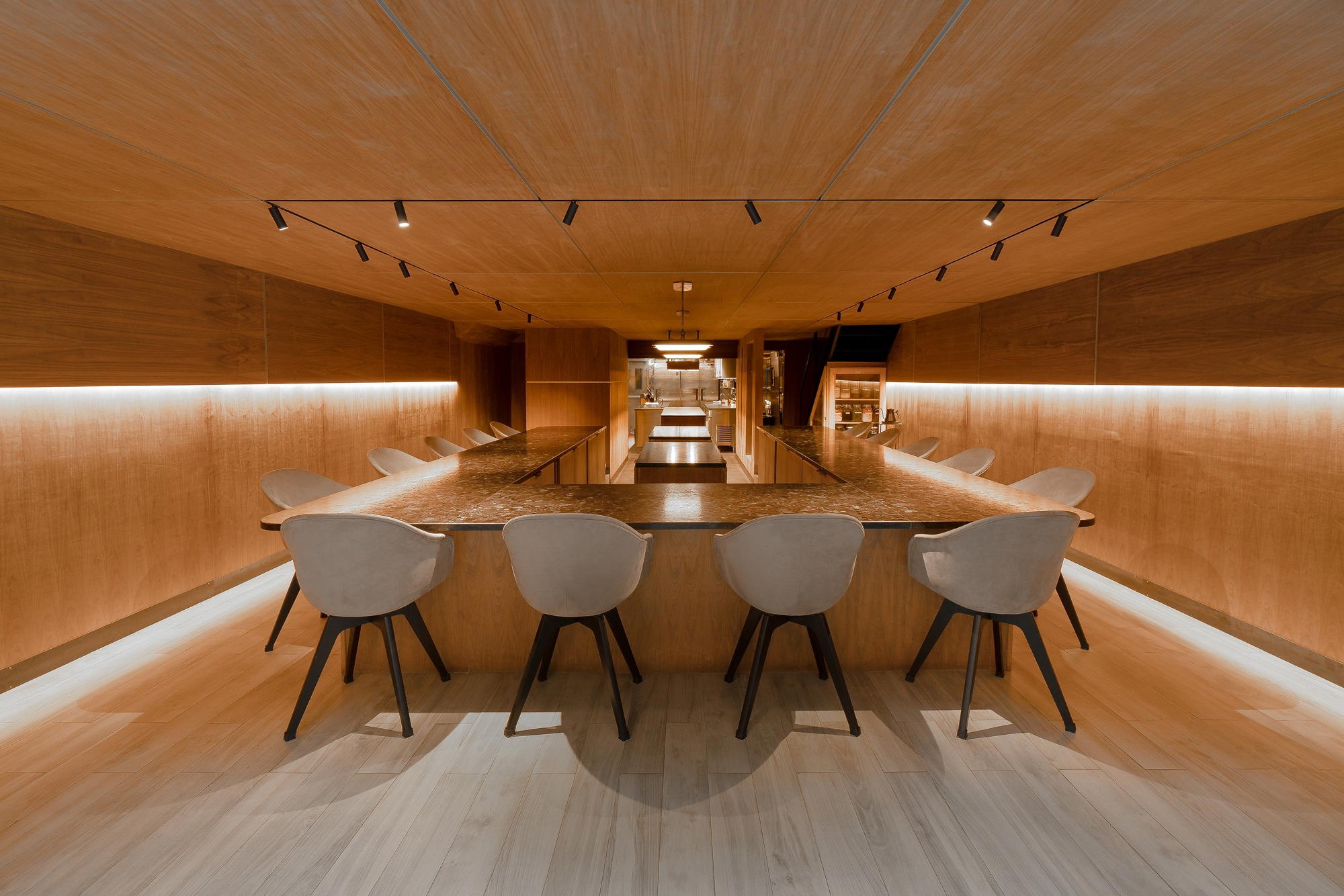
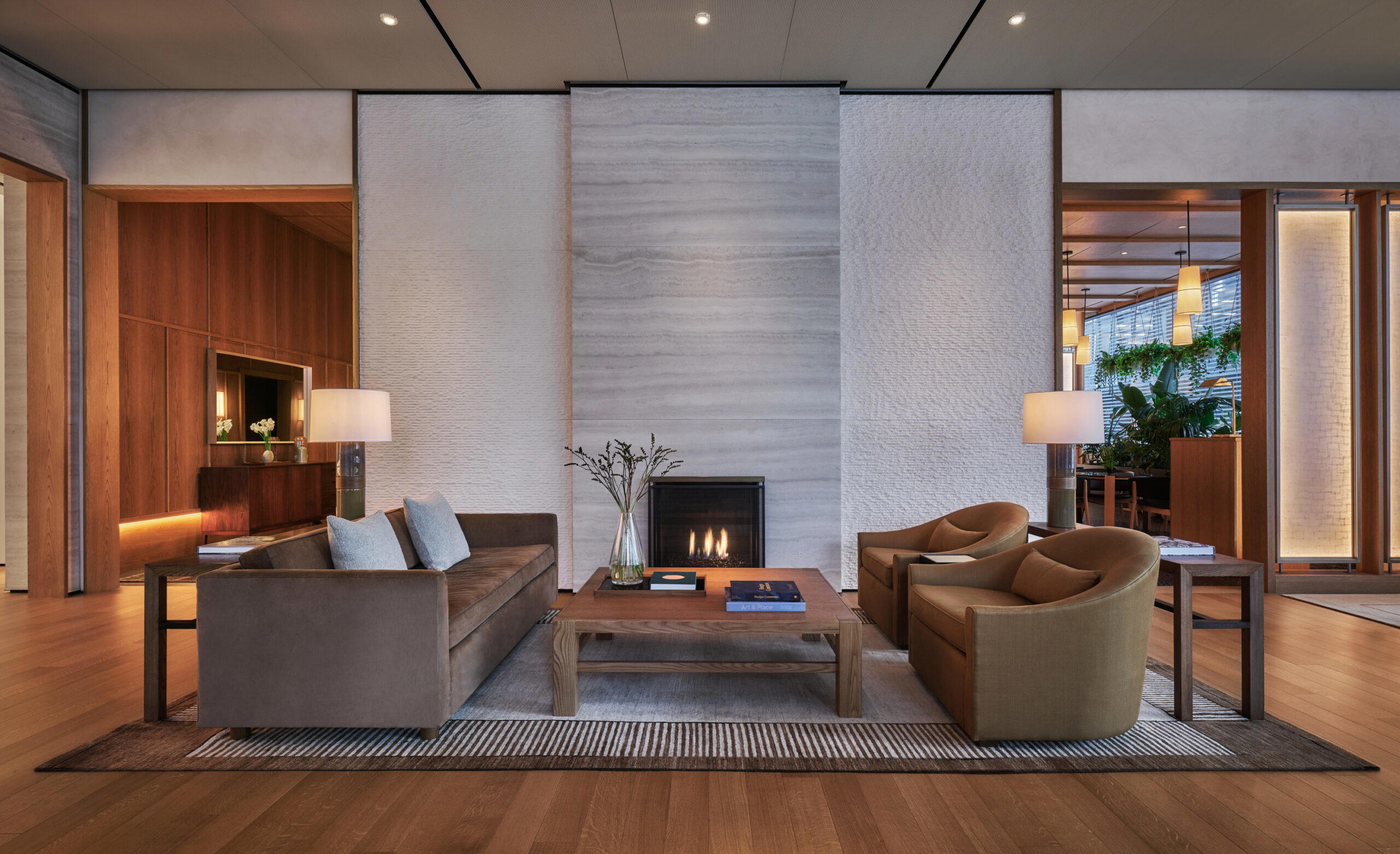
Japanese restaurant culture in New York has produced two dominant formats. The first is the high-theater omakase counter, where the chef's movements are choreographed and the lighting is calibrated to make lacquerware glow. The second is the izakaya-adjacent format, louder, more convivial, built for groups and bottles of Sapporo. Maki Kosaka does not fit neatly into either. The room at 55 West 19th reads closer to a focused neighborhood restaurant with serious intentions: the kind of space where the ambient noise stays low enough to sustain a conversation and the pacing of service reflects a kitchen working methodically rather than urgently.
That sensory register matters more than it might seem. In a city where dining rooms increasingly compete on decibel level and visual stimulation, a room that functions at lower intensity becomes its own signal. It signals a different relationship between kitchen and guest, one where the meal is the event rather than the backdrop. For the Chelsea crowd that keeps Maki Kosaka in rotation, that quieter contract is likely part of the draw.
Where Maki Kosaka Fits in the New York Japanese Scene
New York's Japanese restaurant scene is large enough to require a map. At the very leading, counters with formal Michelin recognition and deep reservation queues set the benchmark for technical ambition. At the accessible end, ramen shops and izakayas handle volume and informality. Maki Kosaka sits between those poles, in a segment that values craft without demanding the ritual formality of omakase. This is a segment with genuine competition: other Japanese specialists in the Flatiron-Chelsea zone draw similar audiences and similar critical attention.
What separates the better restaurants in this tier is not any single dish but a kind of accumulated consistency: the way the kitchen handles the fundamentals across a full menu, the steadiness of the sourcing, the willingness to let technique speak without theatrical framing. Based on its reputation and address within this corridor, Maki Kosaka appears to operate on those terms. It is the kind of restaurant that earns its following through repetition rather than spectacle, which in New York's dining culture is not a small thing. For additional context on where it sits relative to the city's broader dining scene, see our full New York City restaurants guide.
Drinking at Maki Kosaka and Around Chelsea
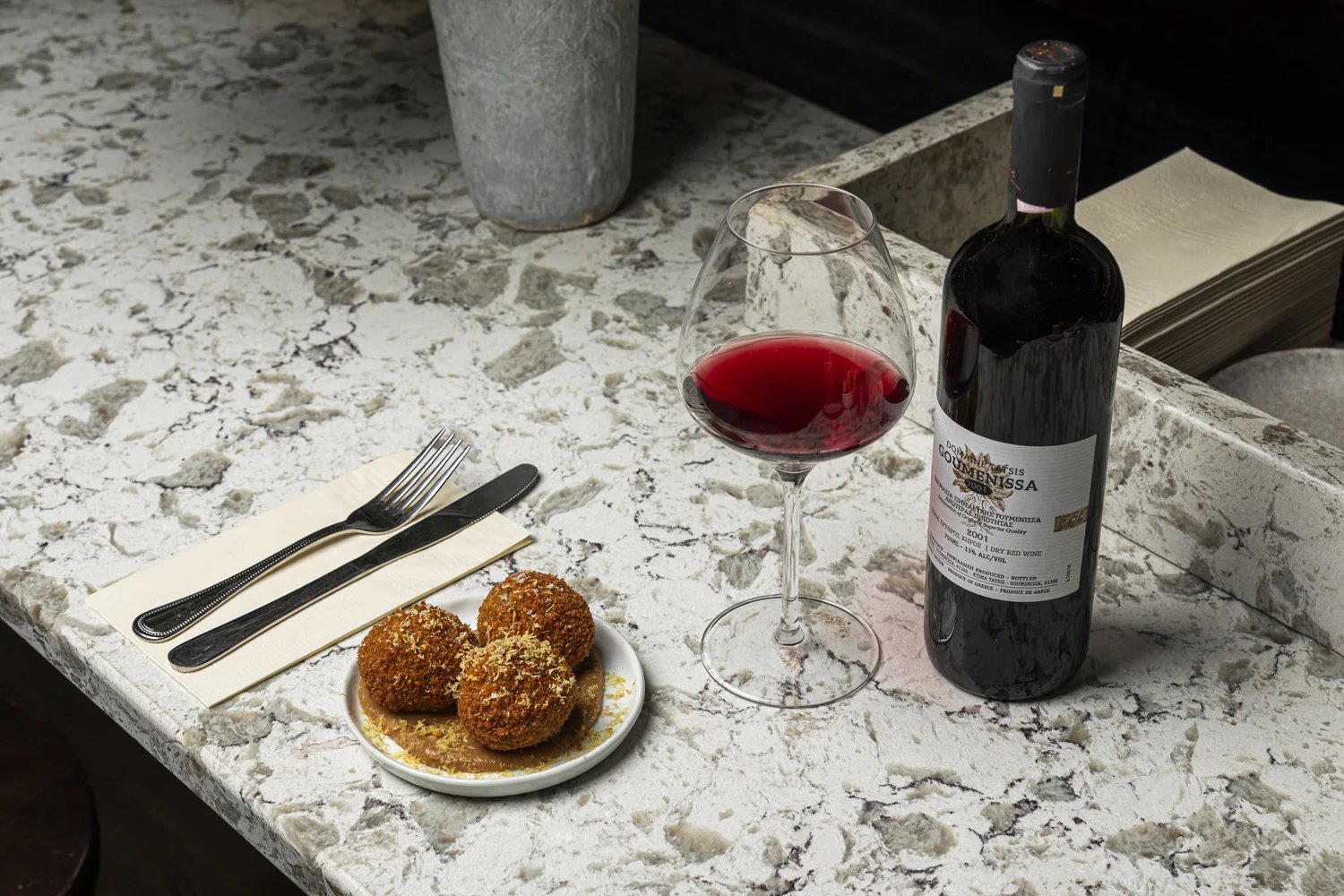
Japanese restaurants at this tier in New York typically carry sake programs that reward specific ordering rather than defaulting to the house pour, alongside a whisky list that reflects Japan's regional distillery output more carefully than most Western bars manage. The broader Chelsea and Flatiron neighborhood gives diners good options for before or after. Amor y Amargo, the bitters-focused bar with a rigorous amaro and spirits program, is within the same corridor and appeals to the same diner who takes their drink as seriously as their food. Attaboy NYC on the Lower East Side extends the evening for those willing to move downtown. Angel's Share in the East Village remains the reference point for Japanese-inflected cocktail craft in New York, a useful comparison for anyone calibrating how Japanese drinking culture has translated into the city's bar scene.
Further afield, the pattern of serious cocktail bars attached to or adjacent to strong Japanese and Asian restaurant cultures repeats itself in other American cities. Kumiko in Chicago is the clearest analogue: a bar with Japanese technique and precision at its center, operating in a similar mid-tier-serious register. Bar Leather Apron in Honolulu brings comparable rigor to a market with deep Japanese cultural roots. Superbueno in New York takes a different cultural direction entirely but shares the same commitment to a specific, technically grounded program. For those building a broader itinerary, Jewel of the South in New Orleans, Julep in Houston, ABV in San Francisco, Allegory in Washington, D.C., and The Parlour in Frankfurt on the Main all represent the same seriousness of purpose applied to different regional contexts.
Know Before You Go
- Address: 55 West 19th Street, New York, NY 10011
- Neighborhood: Chelsea, between Fifth and Sixth Avenues, close to the Flatiron dining corridor
- Booking: Check current availability through the restaurant's own channels; reservation platforms such as Resy and OpenTable typically list this category of New York restaurant
- Timing: Midweek evenings tend to offer more availability than Friday and Saturday across Chelsea's serious dining tier; lunch service, where offered, is almost always easier to book
- Getting there: Closest subway access is via the F/M lines at 23rd Street or the 1/2/3 lines at 18th Street; the walk from either is under ten minutes
- Price context: Chelsea's mid-to-upper-mid Japanese restaurants typically run in the range of a focused dinner for two at moderate to moderately high spend; confirm current pricing directly
Continue exploring
More in New York City
Bars in New York City
Browse all →
Restaurants in New York City
Browse all →
Hotels in New York City
Browse all →





At a Glance
- Minimalist
- Modern
- Elegant
- Intimate
- Date Night
- Casual Hangout
- Design Destination
- Seated Bar
- Counter Only
Current opening hours
- Monday
- 5–9:30 PM
- Tuesday
- 5–9:30 PM
- Wednesday
- 5–9:30 PM
- Thursday
- 5–9:30 PM
- Friday
- 5–9:30 PM
- Saturday
- 12–2:30 PM, 5–9:30 PM
- Sunday
- 2–9:30 PM
Hours can change for holidays and private events. Last verified .
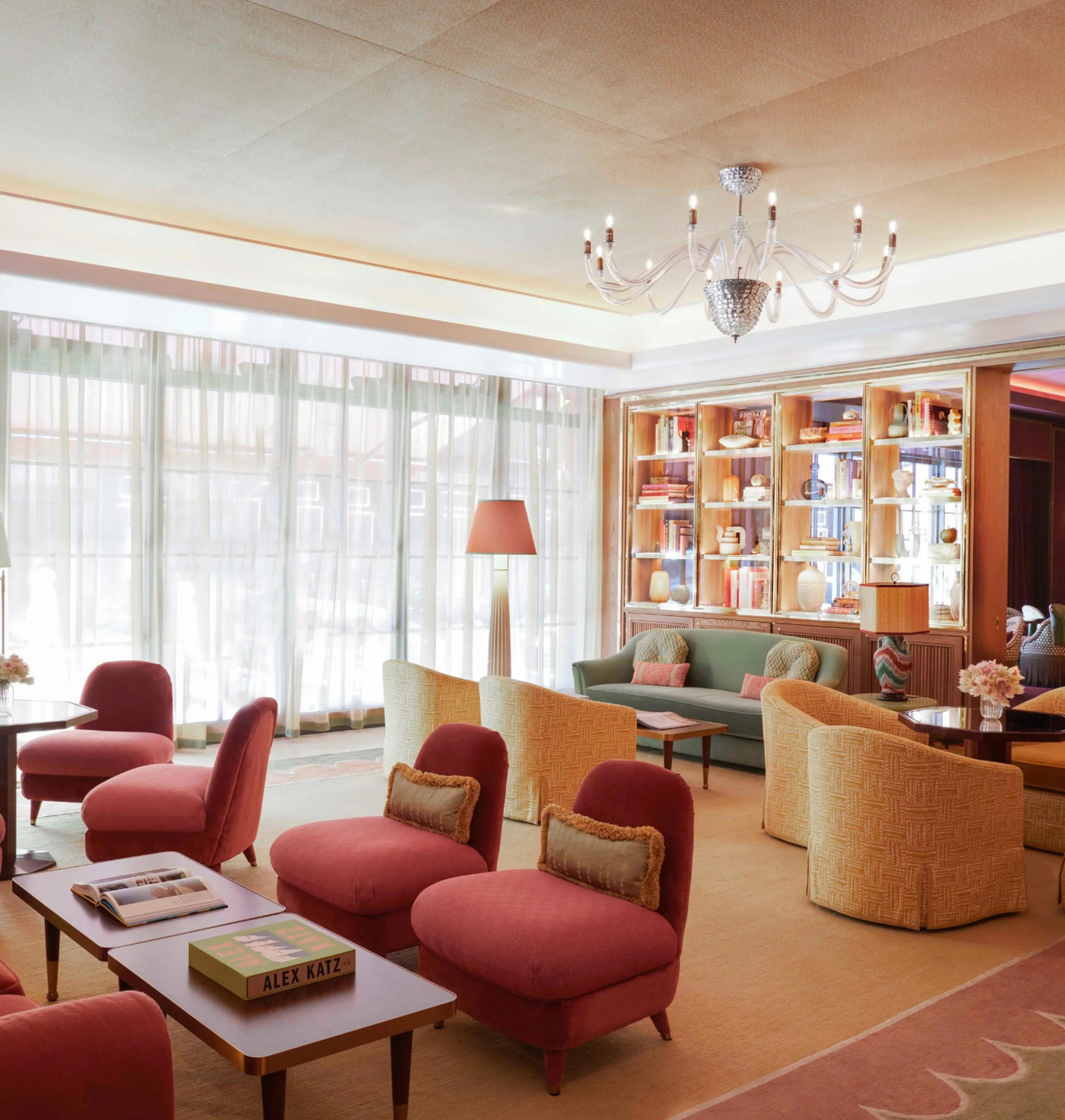
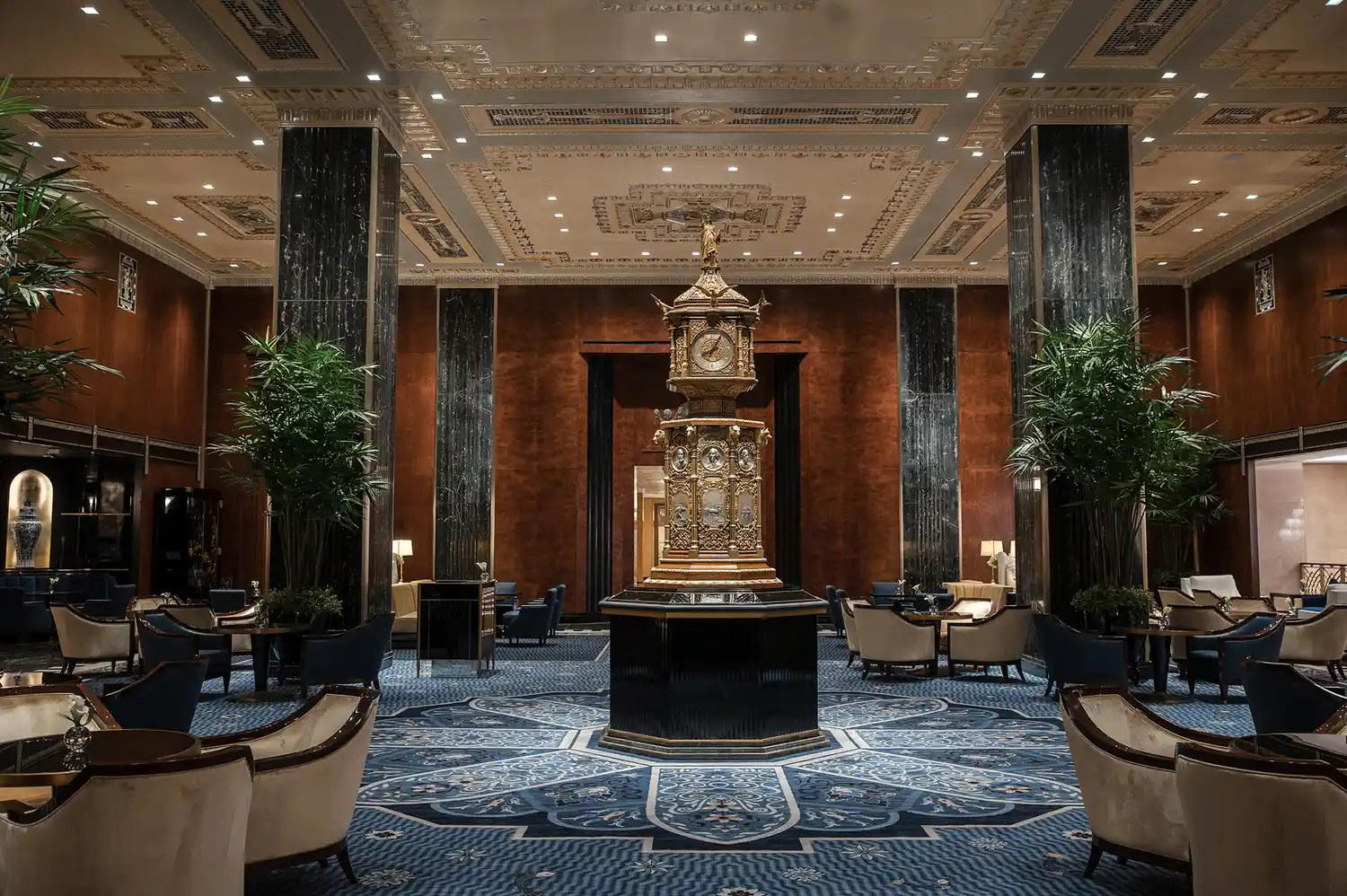
Minimalist Japanese contemporary with comfortable seating around a circular sushi bar, conveying a modern yet spartan Tokyo sushi bar atmosphere.
Know Before You Go
- Getting there
- 55 W 19th St, New York, NY 10011