Kumiko




Kumiko <strong>places Chicago’s cocktail culture in</strong> a quieter register: <strong>Japanese-influenced</strong> technique, American bar grammar, and hospitality measured in details rather than spectacle. Its West <strong>Lake Street</strong> address, 2025 <strong>James Beard Outstanding Bar</strong> recognition, and repeated <strong>North America</strong>’s 50 Best Bars placements put it in a national peer set, while the mood remains disciplined, low-lit, and deliberately composed.
 Discover on Pearl
Pearl is the En Primeur Club membership app — saves, bookings, and concierge access live there. Same editors, same standards.
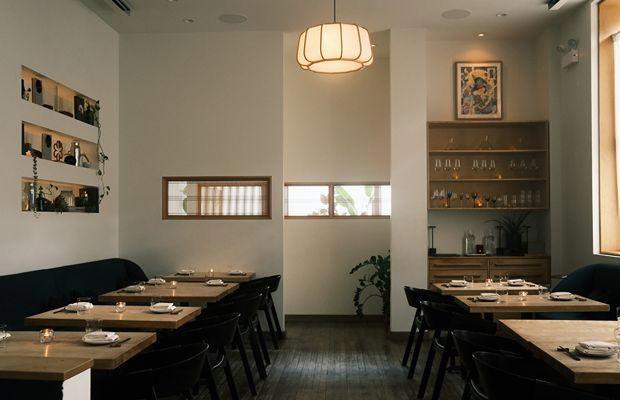
A quieter register for Chicago drinking
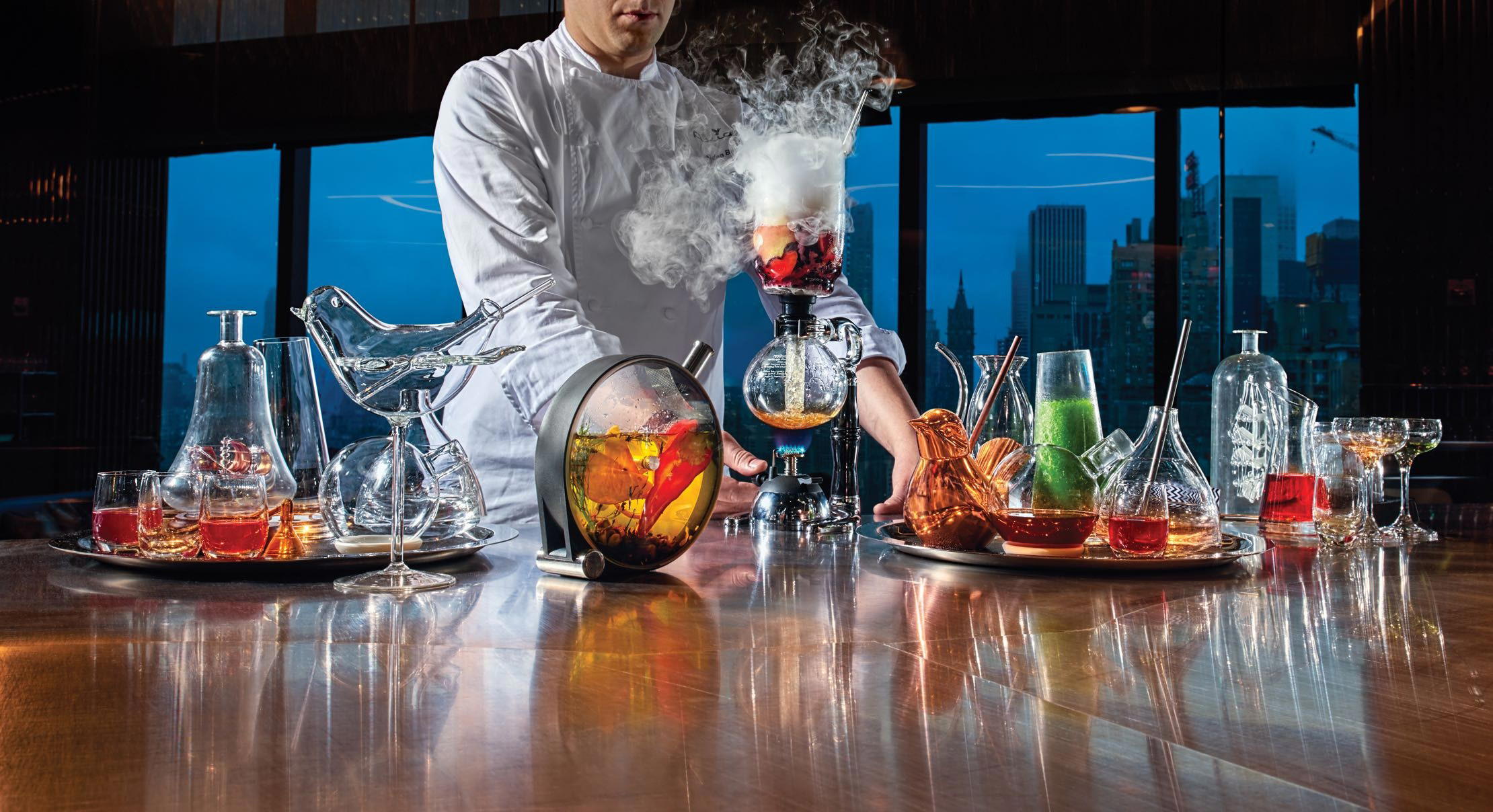
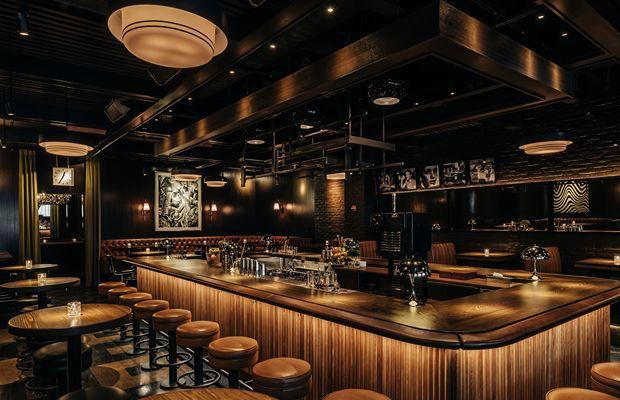
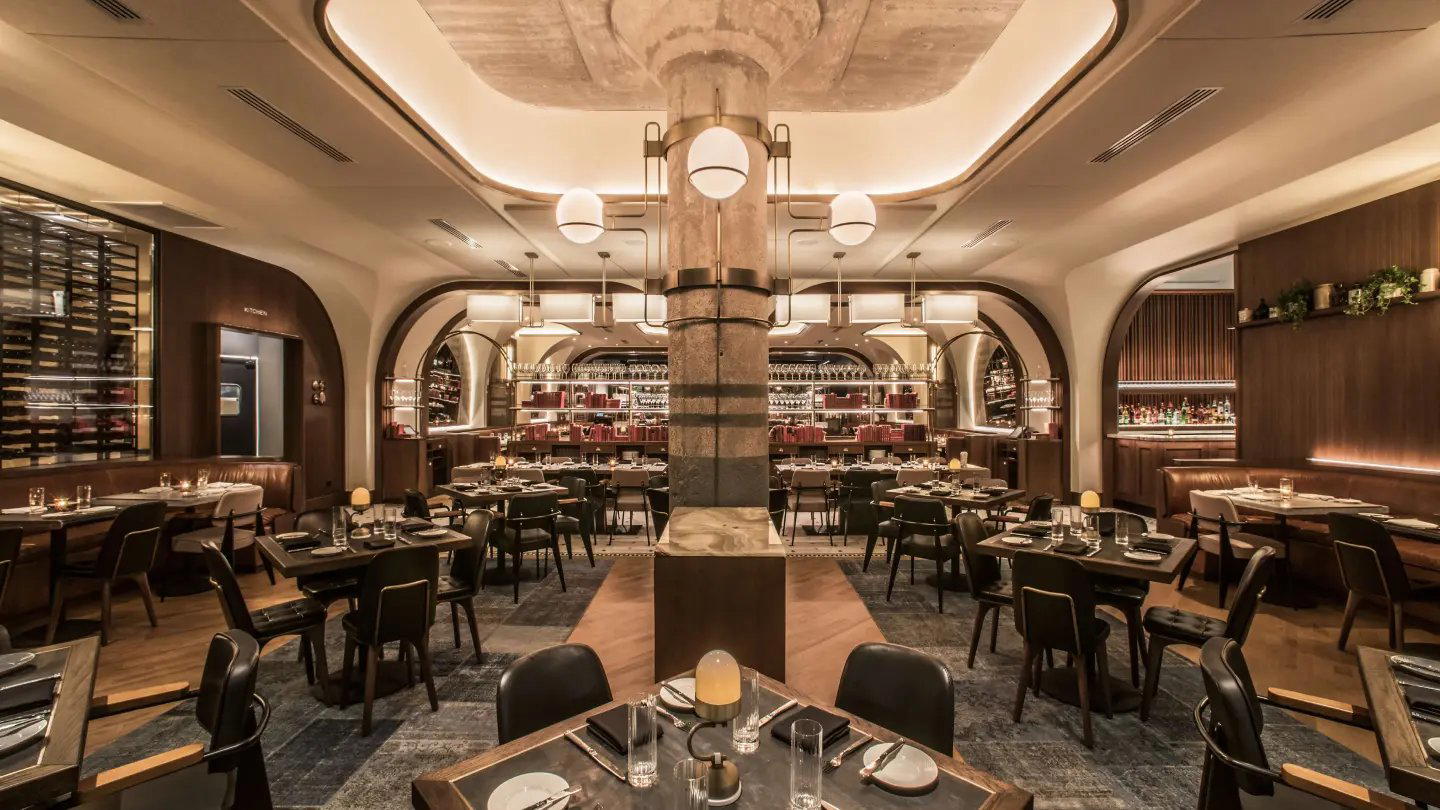
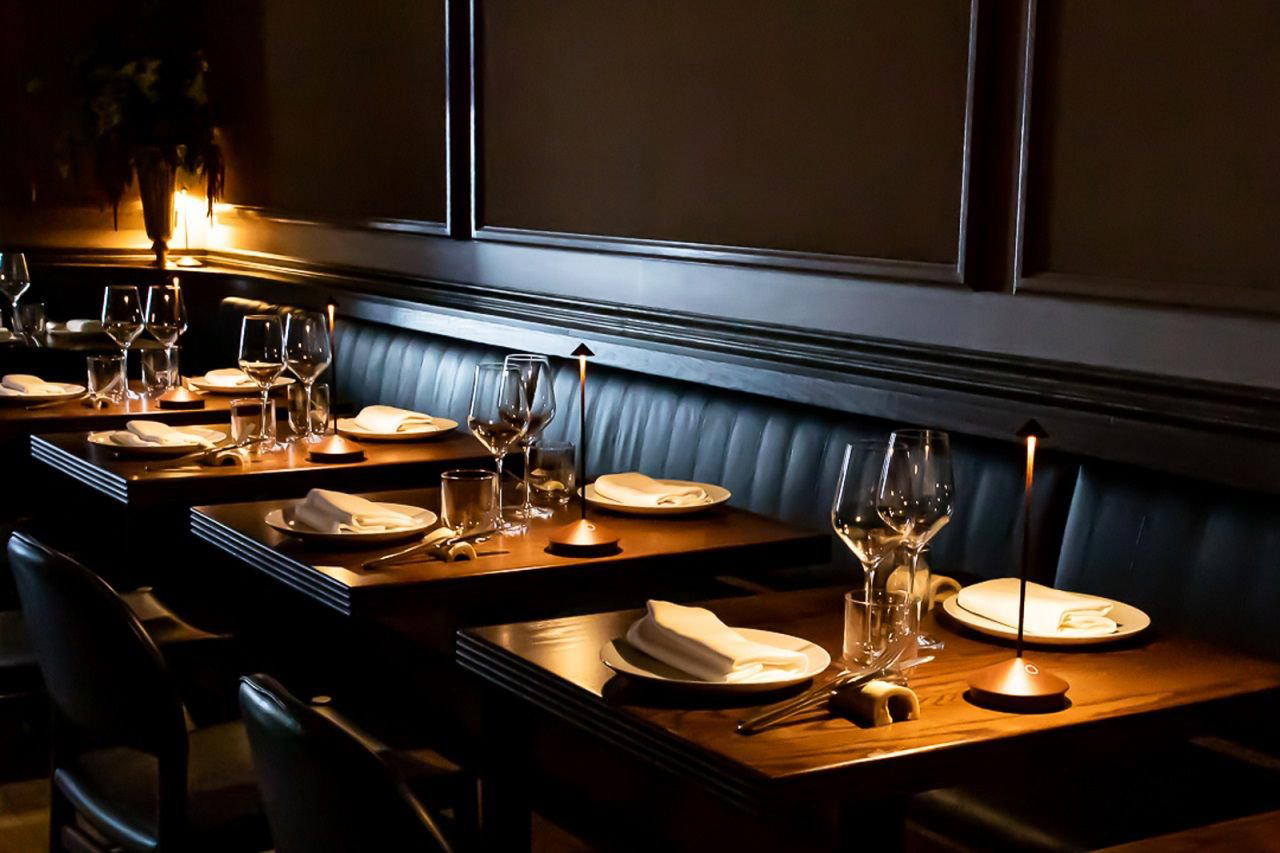
On West Lake Street, the room signals restraint before the first glass arrives. Light wood, cream tones, exposed brick, and spare greenery create a bar that reads as deliberate rather than theatrical. Chicago has plenty of louder drinking rooms, from neighborhood taverns to late-night cocktail dens, but the modern high-recognition bar category has shifted toward precision: clearer menus, tighter service rhythms, and drinks that make technique legible without turning the counter into a laboratory. Kumiko belongs to that category, and its reputation rests on how Japanese and American cocktail influences are organized into a coherent, seasonal program.
The address matters. The West Loop and Fulton Market area have become Chicago’s densest zone for ambitious dining and drinking, with restaurants, wine rooms, and cocktail bars competing for the same dinner-to-late-evening audience. Within that context, a bar open Wednesday through Sunday from 18:00 to 23:30 is not trying to be an all-day neighborhood utility. It occupies the after-work, pre-dinner, post-dinner, and destination-drinks window, the stretch when serious cocktail rooms have to decide whether they are social, technical, or hospitality-led. Here the answer is all three, but in a controlled order: atmosphere first, drink architecture second, service as the frame that makes both feel composed.
The cocktail programme as cultural translation
Japanese-influenced cocktail bars in the United States are often misunderstood as simply cleaner, quieter versions of American bars. The stronger examples work because they translate technique, seasonality, and service rituals into a local setting without treating Japanese references as decoration. The bar’s name refers to kumiko, the Japanese woodworking technique that forms intricate patterns from thin grooved pieces, and that metaphor is useful for understanding the drinks: multiple small decisions are meant to interlock rather than announce themselves separately.
The available record points to seasonal, Japanese-inspired menus, a refined approach to food and drink, and a collection that includes shochu, Japanese whisky, and nihonshu alongside cocktails built from Japanese and American ingredients. That mix places the programme in a more specific peer set than the broad “craft cocktail” label. It is not merely a whisky bar, not simply a sake bar, and not a classic American cocktail room with a few yuzu accents. The editorial point is the balancing act: Japanese spirits and fermentation traditions appear beside the structure of American cocktail culture, with seasonality acting as the organizing principle.
Owner Julia Momosé is the key credential in the public record, but the broader story is not a founder biography. It is the rise of bartender-led rooms where creative authorship matters as much as kitchen authorship does in restaurants. In Chicago, that distinction carries weight. The city’s dining scene has long rewarded chefs who build systems around tasting menus, hearth cooking, tasting counters, and neighborhood hospitality. Cocktail rooms now compete on similar terms: identifiable point of view, technical consistency, and service language that can survive beyond a single famous drink.
A useful comparison is New York’s shift from password-era speakeasy theatre to more transparent, technique-forward bars. Superbueno in New York City operates in a different cultural register, with Latin American references and a more overtly kinetic room, yet it shares the same modern expectation that a bar programme must express a thesis. Bar Leather Apron in Honolulu is another useful point of comparison for the way Japanese bartending influence can be filtered through a non-Japanese American city rather than copied as an imported style. Julep in Houston, by contrast, shows how a regionally rooted American bar can build authority through research, spirits depth, and cultural specificity. Chicago’s version at 630 W Lake St is quieter, but it participates in the same national conversation.
Awards show the peer set, not just the trophy shelf
The trust signals are unusually dense for a single Chicago cocktail address. The bar was recognized with the 2025 James Beard Award for Outstanding Bar, after being named a 2025 semifinalist in that category. It also appears on the World’s 50 Best Bars extended list at #97 in 2025 and #82 in 2023, and on North America’s 50 Best Bars at #10 in 2025, #19 in 2024, #8 in 2023, and #5 in 2022. Top 500 Bars placed it at #101 in 2025, and EP Club lists it as a Pearl Recommended Bar for 2025. Those citations matter because they locate the room outside Chicago-only praise and inside a continental and global awards circuit.
Awards in the bar world can flatten differences if treated as simple hierarchy. The more useful reading is comparative. North America’s 50 Best Bars tends to reward rooms with a defined identity, sustained execution, and enough visibility to matter beyond a local regulars’ circuit. The James Beard Outstanding Bar award, one of the major American hospitality honors, carries a different kind of authority because it is rooted in the national restaurant and bar industry rather than a single nightlife ranking. Taken together, the recognitions suggest consistency across audiences: critics, industry voters, and destination drinkers are responding to the same disciplined proposition.
The Michter’s Art of Hospitality Award 2026 recognition is also telling. In cocktail culture, hospitality awards often reveal more than drink awards because they test the entire experience: pacing, welcome, menu guidance, table maintenance, and the room’s ability to make technique feel accessible. The public record connects this service culture to omotenashi, the Japanese concept of intentional care without expectation of return. Used carefully, that detail explains why the bar’s calmness reads as active rather than empty. The room is not sparse because nothing is happening; it is sparse because attention is being directed toward the guest’s sequence through the evening.
Where it sits in Chicago's bar map
Chicago drinking does not have a single center. Logan Square carries a strong neighborhood-bar and industry-drinks identity, the Loop has commuter and hotel traffic, River North leans into volume and spectacle, and the West Loop/Fulton Market area blends destination dining with polished cocktail rooms. That geography helps explain why a high-recognition bar in this part of the city can function as a planned stop rather than a casual stumble-in. The surrounding dining density means guests often use the evening as a progression: dinner nearby, a focused cocktail room afterward, or a drink before a reservation.
For a sharper read on the city’s range, compare it with Leading Intentions, where the pleasure is closer to neighborhood looseness and barroom energy. Bisous sits in a more polished cocktail-lounge lane, while Lemon and Meadowlark show how Chicago continues to produce bars with distinct aesthetic and menu positions rather than one homogenized cocktail template. The point is not that one model replaces another. The city is strong because these formats coexist: tavern warmth, design-led rooms, cocktail laboratories, and hospitality-first bars with serious awards behind them.
Visitors planning a wider itinerary should treat the bar as part of a broader Chicago eating and drinking circuit rather than an isolated trophy stop. Our full Chicago restaurants guide is the useful companion for dinner planning, while Our full Chicago bars guide maps the city’s drinking styles more directly. For those building a full weekend, Our full Chicago hotels guide, Our full Chicago wineries guide, and Our full Chicago experiences guide help place the bar within the city’s larger hospitality circuit.
Food, spirits, and the case for staying longer
The public record is clear that food and drinks are treated with equal seriousness, though the available database does not provide specific dishes. That absence should not be filled with invented plate descriptions. What can be said is that the bar’s format points to a Japanese-inspired seasonal menu intended to sit beside the cocktails rather than trail them as snacks. In high-level cocktail rooms, this distinction is significant. Food can either extend the logic of the drinks, or it can exist as a late-night afterthought. The recognition attached to this address suggests the former: a complete hospitality format in which drink, food, and service are judged together.
The spirits emphasis also matters. Shochu, Japanese whisky, and nihonshu require a different kind of menu literacy from the guest and a different kind of guidance from the staff. A bar can list these categories without making them usable; a serious programme turns them into choices that fit mood, pacing, and food. That is where service becomes part of the drink programme rather than an accessory to it. If the bartender or server is explaining why a rice-based spirit, a Japanese whisky, or sake-adjacent element belongs in a particular sequence, the evening becomes more than ordering a famous house cocktail by name.
For drinkers accustomed to American whiskey, gin, tequila, or classic stirred drinks, the reward is not novelty for its own sake. It is a calibrated expansion of the frame. Japanese bartending influence often prizes temperature, dilution, glassware, and gesture, while American cocktail culture brings speed, category range, and a stronger habit of menu storytelling. The room’s strongest argument lies in the seam between those habits: a drink can be technically careful without being stiff, and a service style can be formal without becoming cold.
Planning the evening
The bar is listed at 630 W Lake St, Chicago, IL 60661, with service Wednesday through Sunday from 18:00 to 23:30. The database record includes a 4.5 Google rating from 595 reviews, which is a useful public-demand signal when read alongside the awards rather than in place of them. No booking method, dress code, price range, phone number, seat count, or current website is available in the supplied venue record, so those details should be checked directly through current official channels before making firm plans. Given the award profile and limited weekly operating window, a planned reservation strategy is more sensible than treating it as a casual late-evening fallback.
Timing depends on the kind of night being built. Early evening suits a quieter read of the room and leaves space for dinner afterward in the West Loop. Later slots make more sense after a restaurant reservation, when the bar’s composed style can reset the tempo rather than extend a loud dining room. Wednesday and Thursday are generally better bets in Chicago for guests seeking a calmer cocktail room than Friday or Saturday, though specific availability should not be assumed without checking current booking channels.
The dress code is not listed, but the setting and recognition profile point toward smart city casual rather than sports-bar informality. That does not mean formalwear; it means dressing for a room where details matter. The more important etiquette is pacing. A bar with a seasonal menu, Japanese spirits, and hospitality awards rewards guests who are willing to have a short conversation about preference, strength, and flavor direction instead of ordering by social media memory.
What to know before choosing it
This is the right Chicago bar for drinkers who care about architecture in a cocktail: base spirit, temperature, dilution, aroma, glassware, and how a drink fits into a sequence. It is less suitable for a large, loud group looking for a casual round with minimal conversation. That distinction is not snobbery; it is format matching. The city has many rooms for volume and looseness. This one is built around concentration, and the guest experience improves when the evening is allowed to move at that speed.
The strongest reason to go is the combination of creative authority and service discipline. Many bars can produce an excellent drink; fewer can sustain a room where the menu, spirits list, food, interiors, and hospitality language all point in the same direction. The awards record confirms the national standing, but the more useful signal is coherence. In a city where dining often gets the critical oxygen, this bar gives Chicago cocktail culture a room that can hold its own in conversations with New York, Honolulu, Houston, and other serious American drinking cities.
Comparable Spots, Quickly
A quick peer reference to anchor this venue in its category.
| Venue | Cuisine | Price | Awards | Notes |
|---|---|---|---|---|
| Kumiko | World's 50 Best | This venue | ||
| Bisous | World's 50 Best | |||
| The Aviary | World's 50 Best | |||
| Three Dots & a Dash | World's 50 Best | |||
| Best Intentions | World's 50 Best | |||
| Lemon | World's 50 Best |
At a Glance
- Elegant
- Intimate
- Sophisticated
- Modern
- Date Night
- Special Occasion
- Celebration
- Group Outing
- Design Destination
- Standalone
- Seated Bar
- Counter Only
- Lounge Seating
- Craft Cocktails
- Sake
- Zero Proof
- Classic Cocktails
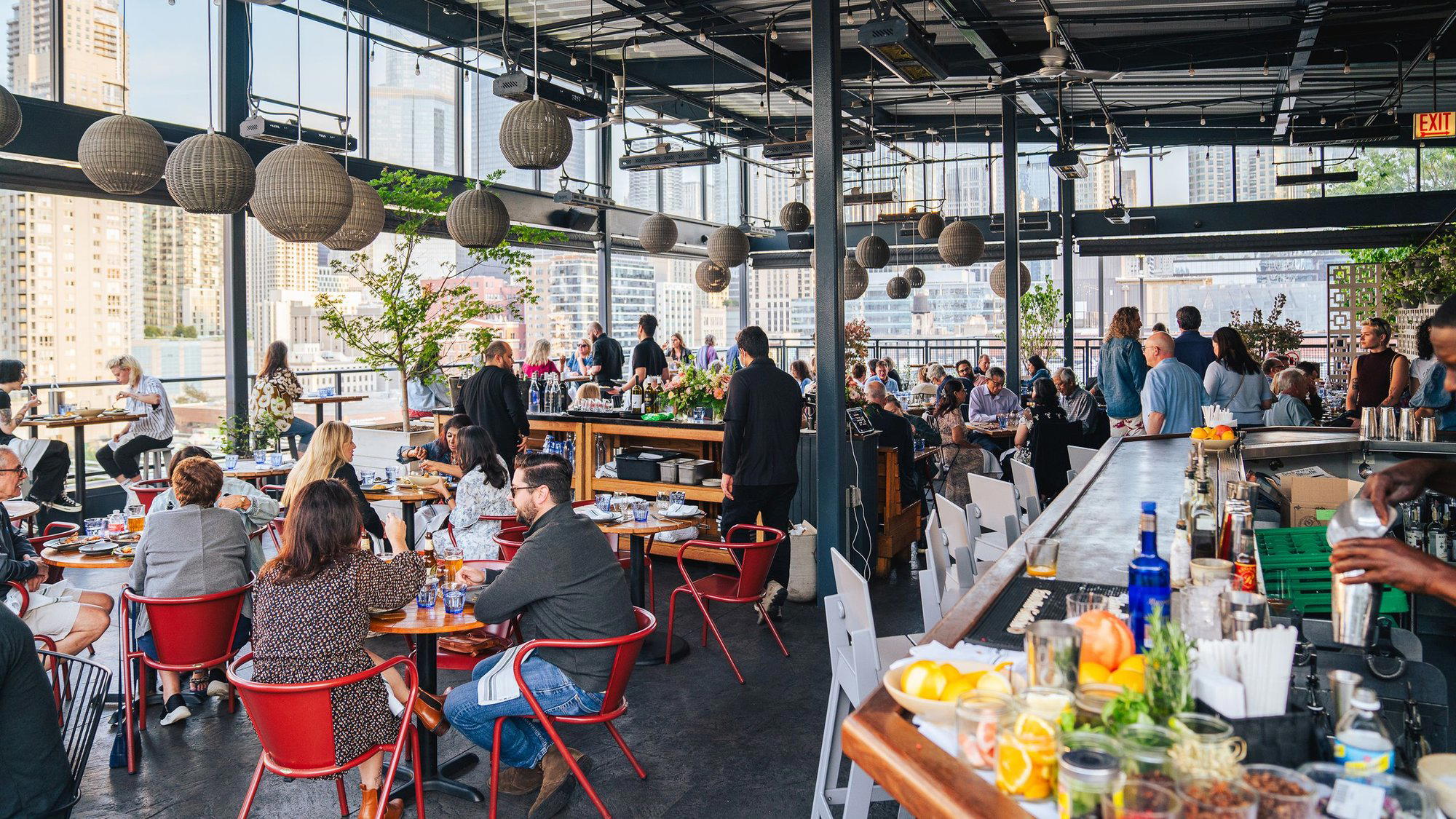
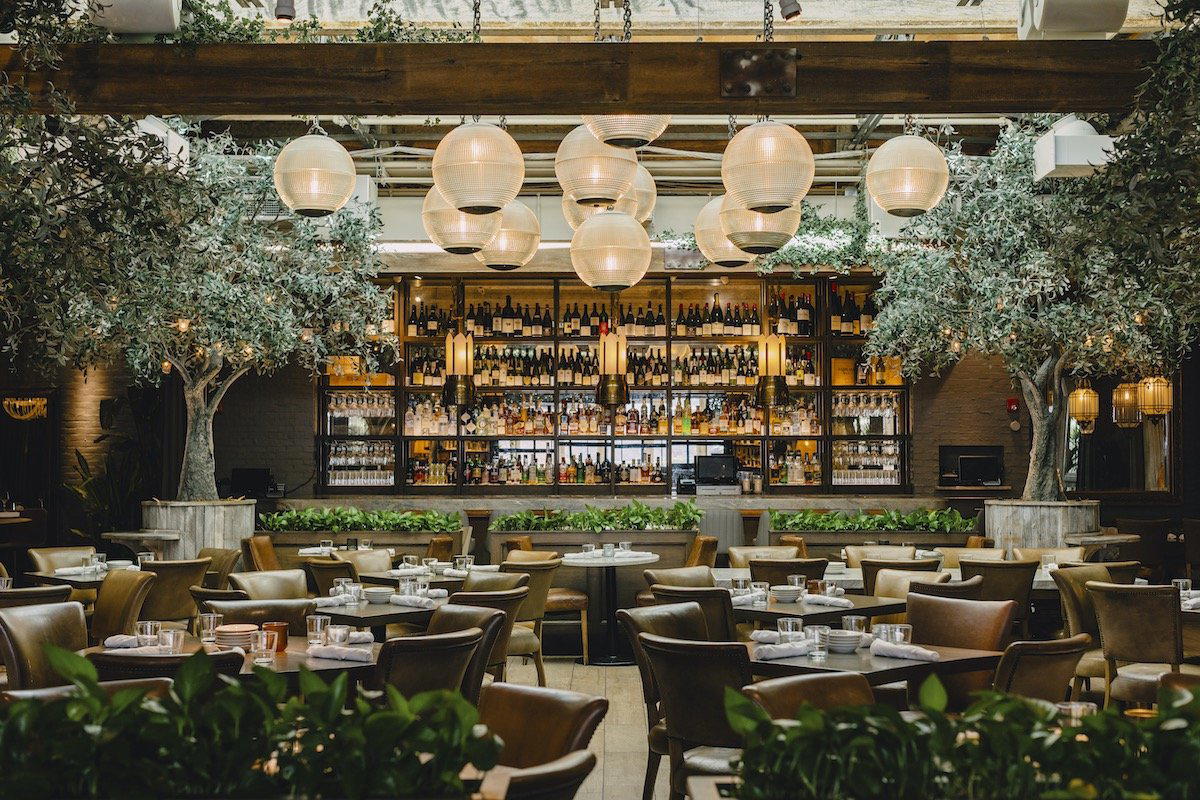
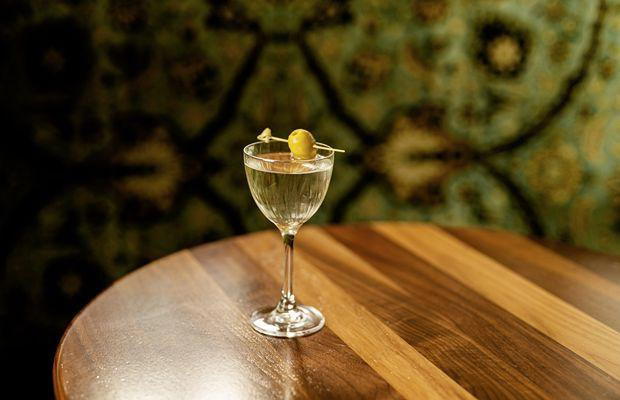
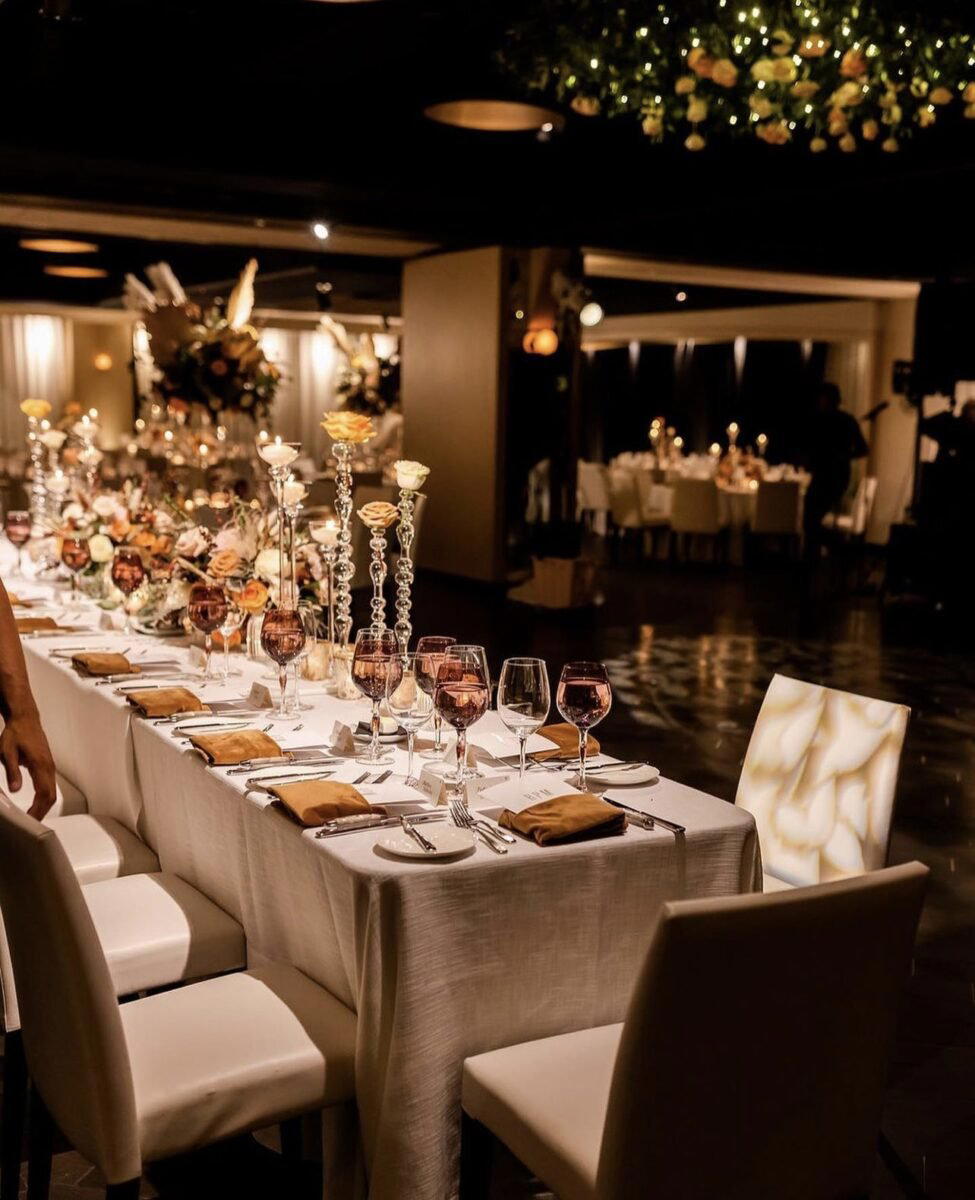
Elegant and intentional with dim, atmospheric lighting that creates intimacy without obscuring menus; Japanese teahouse-inspired modern design with intricately carved wood details and a measured, unhurried pace.