Kenzoku Mazesoba
Kenzoku Mazesoba sits at 506 Park Dr in Boston's Fenway-Kenmore corridor, serving mazesoba, the broth-free ramen variant that has quietly built a devoted local following. The format rewards repeat visits: a tight bowl-focused menu, a neighborhood crowd that treats the place as a weeknight fixture, and a price point that keeps regulars coming back without ceremony.
Pearl is the En Primeur Club membership app — saves, bookings, and concierge access live there. Same editors, same standards.
- Address
- 506 Park Dr, Boston, MA 02215
- Phone
- +1 617 608 3572
- Website
- kenzoku-mazesoba.sbs
- Directions
- Get directions
 Saves & bookings on Pearl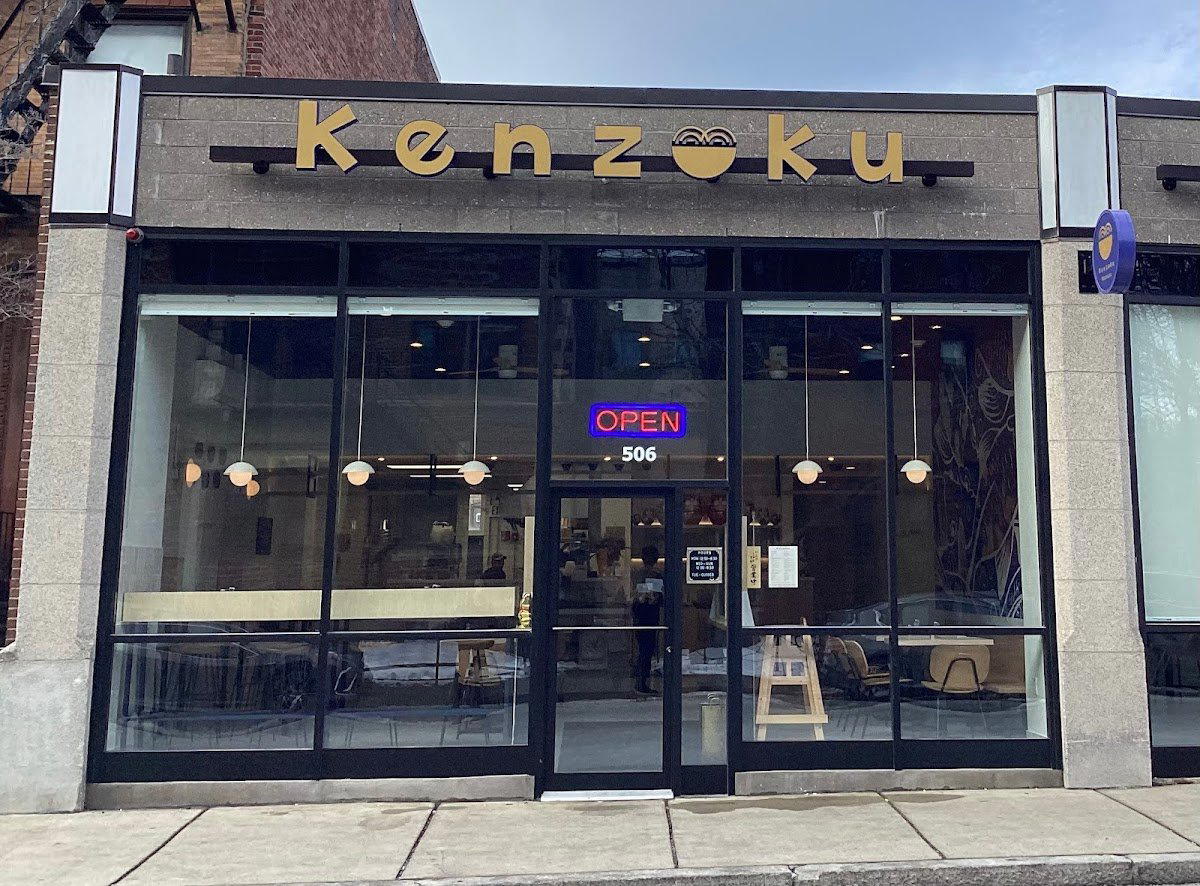
A Broth-Free Ramen Format That Finds Its Footing in Fenway
Boston's ramen scene has expanded steadily over the past decade, but it has done so unevenly. Tonkotsu and shoyu shops clustered around the Seaport and downtown corridors, leaving the Fenway-Kenmore stretch, a neighborhood defined by students, hospital workers, and longtime residents rather than tourist foot traffic, underserved by operators willing to take risks on formats beyond the familiar. Mazesoba, the broth-free ramen variant that originated in Nagoya and spread through Tokyo's Fuunji-led boom in the 2010s, represents exactly that kind of risk. It requires a diner to be already curious, already willing to mix rather than sip, already comfortable with a bowl that looks dry until it isn't. Kenzoku Mazesoba, at 506 Park Dr, has built its local identity around that format and around a neighborhood that, it turns out, was ready for it.
The address places Kenzoku squarely in the residential-commercial band that runs between the Fenway park blocks and the Longwood medical cluster, not a dining destination in the way that the South End or Cambridge are, but a neighborhood with genuine density of hungry, budget-aware regulars. That context matters. Spots that survive in Fenway-Kenmore typically do so because the immediate community adopts them, not because visitors seek them out. Kenzoku's position in that ecosystem is less about novelty and more about reliability: a consistent format, a familiar address, a place that functions as a weeknight anchor.
What Mazesoba Actually Is, and Why the Format Works Here
Mazesoba translates loosely as "mixed noodles," and the bowl arrives without broth. Instead, tare, fat, and toppings sit over thick, alkaline noodles that the diner folds and works together before eating. The result is intensely concentrated, flavors that broth-based ramen distributes across a liquid are here compressed into the noodle coating itself. A raw egg yolk is standard in most preparations, cut through during the mixing process, enriching the pull of the noodles against the seasoned fat underneath. Minced meat, negi, nori, and a vinegar-forward finishing note are common across the format's established iterations.
The style suits a small operator in a neighborhood like Fenway because it demands less infrastructure than full broth programs. There are no 18-hour pork stocks, no dual-boiler setups, no soup temperature windows to manage through a long service. That structural simplicity allows a focused kitchen to deliver consistent results at accessible price points, which is precisely what a student-and-worker neighborhood requires. It also means the menu can stay tight without feeling thin, since the format itself carries enough variation through toppings and fat ratios to sustain regular visits without boredom.
For comparison, the mazesoba format has been picked up by Japanese-American operators in other cities as a lower-barrier entry into the ramen category. In Boston specifically, the broth-free approach positions Kenzoku in a distinct niche relative to the shoyu and tonkotsu houses that dominate the broader scene, a differentiation that is structural, not merely stylistic.
The Neighborhood Watering Hole Dynamic
The Fenway-Kenmore neighborhood has a particular social rhythm. Game nights spike the block dramatically, but between those peaks the area runs on the steady traffic of Northeastern and Boston University students, medical workers on rotating schedules, and residents who have lived within a half-mile radius for years. The venues that last in this environment are the ones that absorb both spikes and quiet Tuesdays with equal composure, places with a format simple enough to scale down without becoming bleak.
Kenzoku operates in that register. A mazesoba-focused menu, by design, is a short menu. Short menus, when executed with consistency, build the kind of familiarity that turns first-time visitors into regulars: you know what you're getting, you know how to order, and the bowl rewards the muscle memory of mixing. That feedback loop, format, repetition, ownership, is how a neighborhood spot earns its standing, and it is distinct from the experience at destination restaurants where the novelty of a single visit is the point.
Boston has a number of venues that occupy this watering-hole role with particular authority. In the cocktail category, Equal Measure has held that position in the South End, while Abe & Louie's operates at a different price tier and formality level entirely. Asta and Baleia represent the more ambitious end of the city's independent dining scene. Kenzoku occupies none of those niches, it is, more specifically, a bowl shop that has become part of the daily infrastructure of its block.
Placing Kenzoku in a Wider Category Context
The mazesoba format has attracted serious operators across the United States. In cities with more developed Japanese-American dining scenes, the category has earned critical attention alongside the broth-based programs it complements. Venues like Kumiko in Chicago have demonstrated how Japanese culinary traditions, approached with rigor and without anglicizing the format, can anchor a serious restaurant identity in an American market. The same logic applies to broth-free noodle programs: the format is credible, the precedent exists, and American diners in cities with strong Japanese food culture have proved willing to engage with it on its own terms.
Boston's Japanese dining scene remains thinner than Chicago's or New York's, which makes Kenzoku's presence at 506 Park Dr more significant in relative terms than the address alone would suggest. In cities with a mature ramen market, a mazesoba specialist would be one of several options. In Boston's Fenway corridor, it holds something closer to a first-mover position in its sub-format.
For readers building a picture of the Boston dining scene more broadly, those planning itineraries with cocktail stops might also reference Bar Leather Apron in Honolulu, Jewel of the South in New Orleans, Julep in Houston, Superbueno in New York City, ABV in San Francisco, and The Parlour in Frankfurt on the Main for editorial context on what strong neighborhood beverage programs look like in other markets.
Planning a Visit
Kenzoku Mazesoba is at 506 Park Dr, Boston, MA 02215, in the Fenway-Kenmore neighborhood. The address is accessible from the Fenway Green Line stop, a short walk along Park Drive. It is a casual bar with a price tier of $2 and walk-in-friendly service. The format is counter-casual, the kind of operation where arriving without a reservation is likely standard practice, though peak game-day windows around Fenway Park may affect wait times.
Recognition Snapshot
Comparable venues nearby, for context on price, style, and recognition.
| Venue | Cuisine | Price | Notes |
|---|---|---|---|
| Kenzoku MazesobaThis venue — the venue you are viewing | sake_bar | $$ | Not listed |
| the Girl Next Door | cocktail_bar | $$ | Seaport District |
| Eventide Fenway | cocktail_bar | $$ | West Fens |
| Beyond Proof | cocktail_bar | $$ | Jamaica Plain |
| Row 34 - Seaport | Boston | beer_bar | $$$ | Fort Point |
Continue exploring
More in Boston
Bars in Boston
Browse all →
Restaurants in Boston
Browse all →
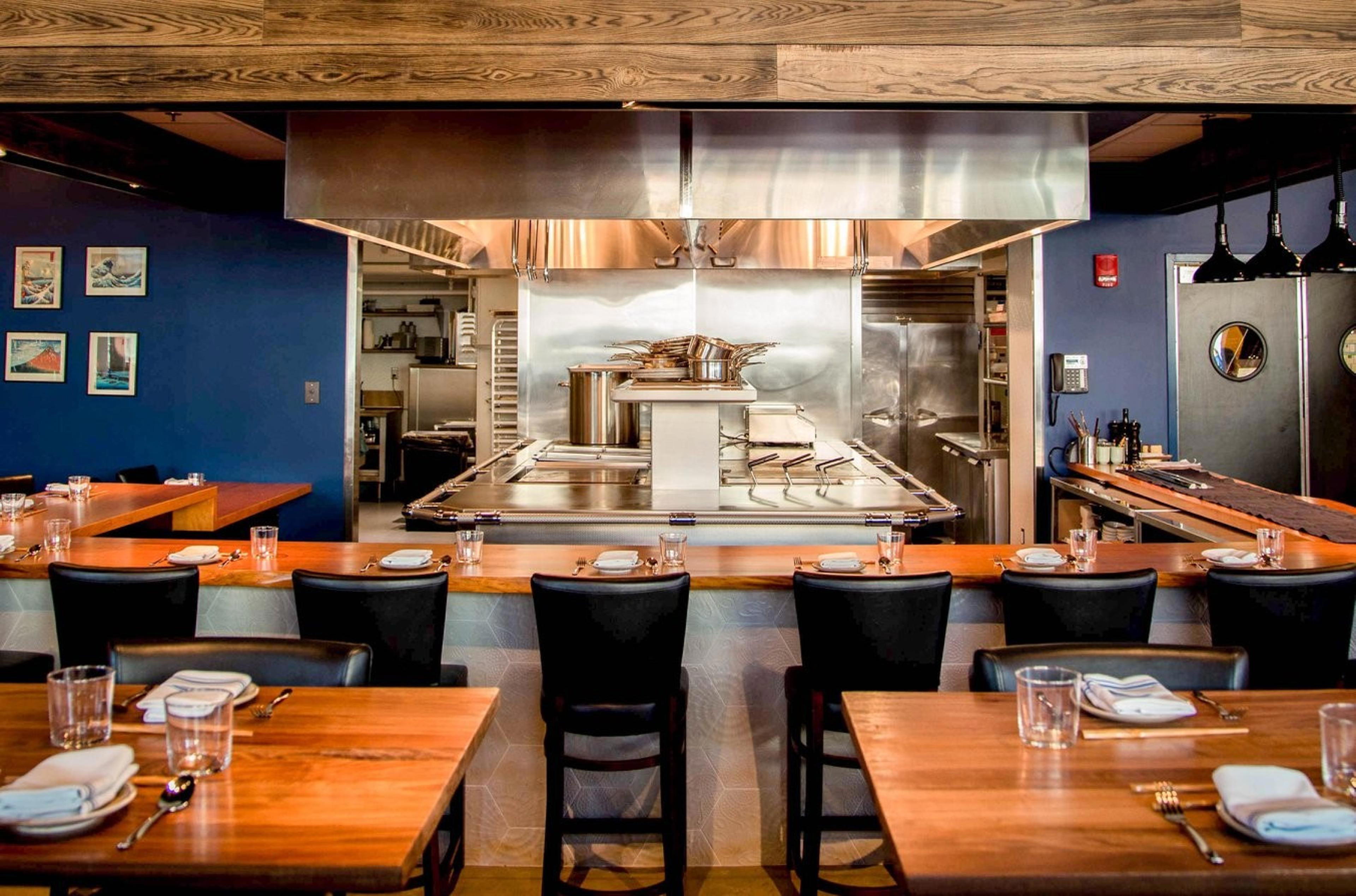
Hotels in Boston
Browse all →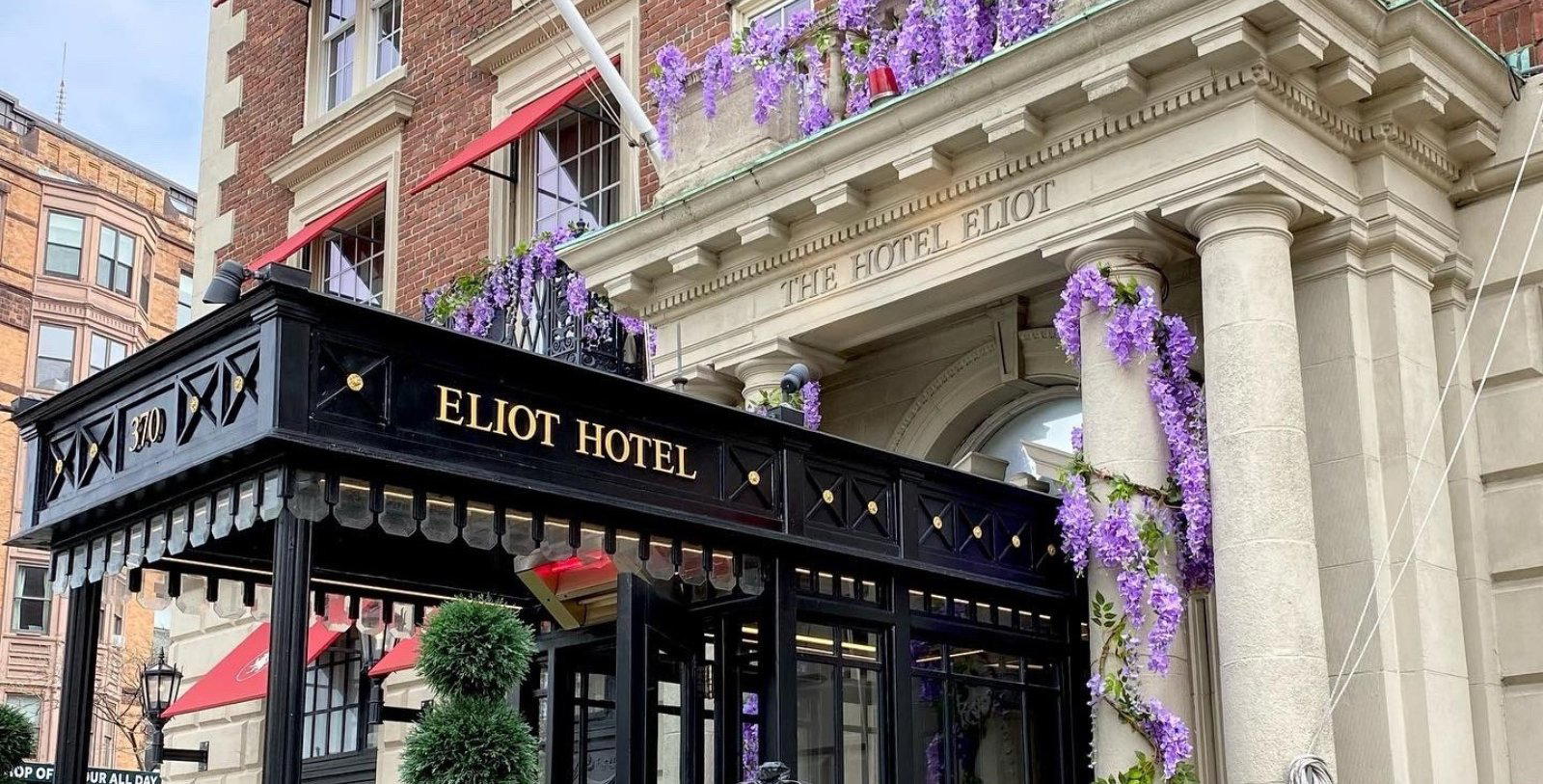
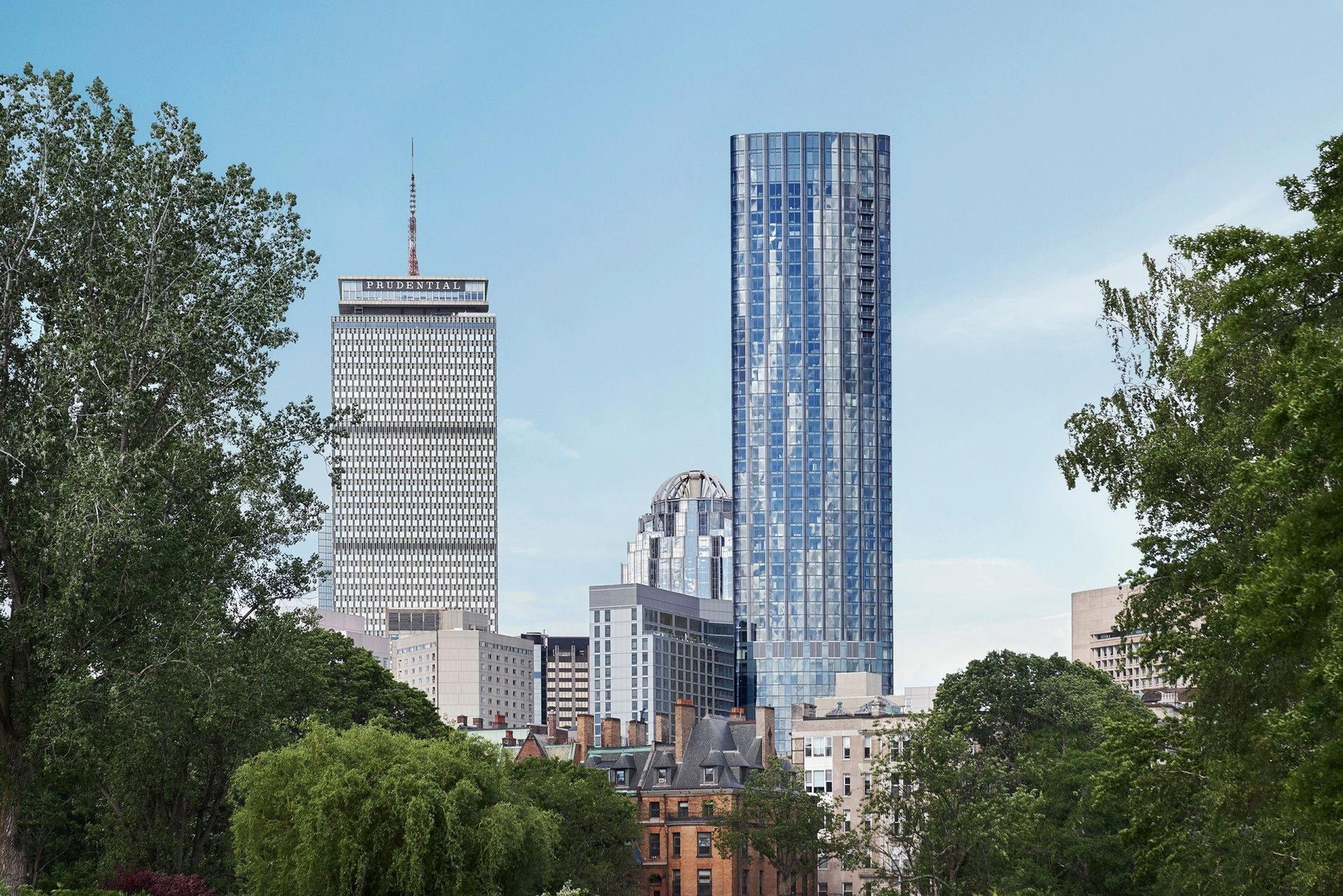
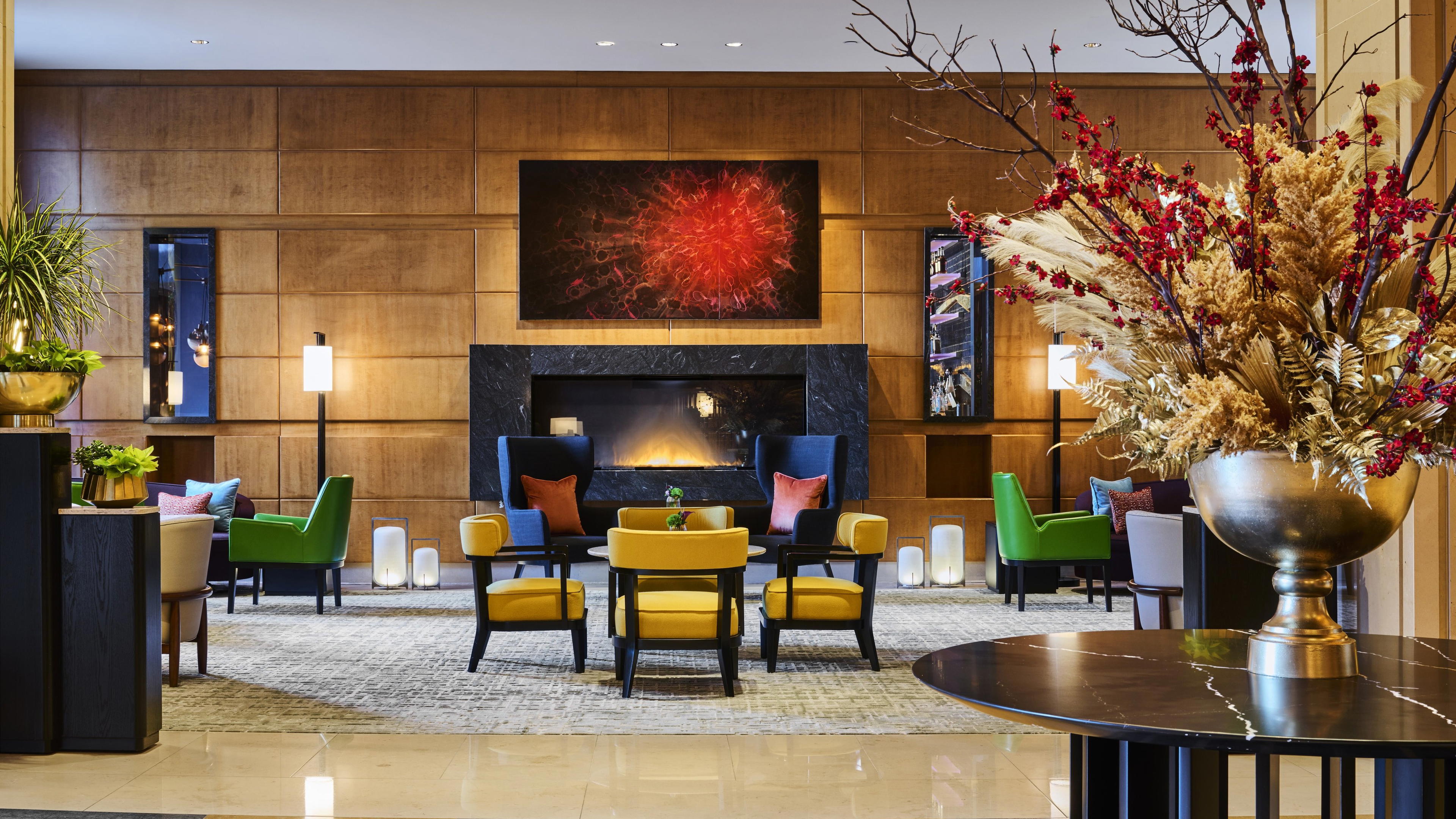
Wineries in Boston
Browse all →
At a Glance
- Modern
- Trendy
- Casual Hangout
- After Work
- Standalone
- Counter Only
- Seated Bar
- Sake
Current opening hours
- Monday
- 12–8:30 PM
- Tuesday
- Closed
- Wednesday
- 12–8:30 PM
- Thursday
- 12–8:30 PM
- Friday
- 12–8:30 PM
- Saturday
- 12–8:30 PM
- Sunday
- 12–8:30 PM
Hours can change for holidays and private events. Last verified .
Modern, casual Japanese noodle shop with a lively atmosphere focused on authentic ramen preparation.