Kelly's Korner
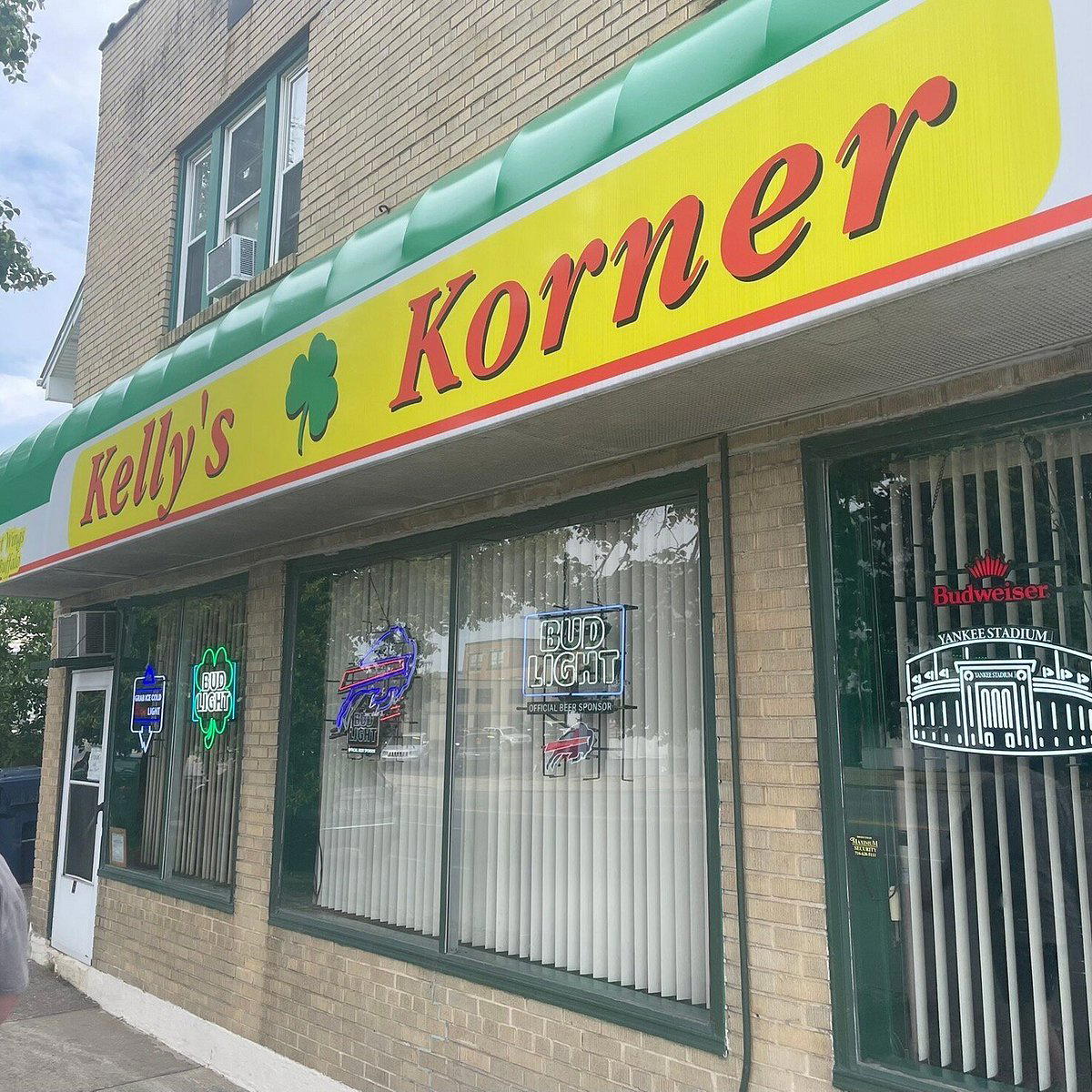
A Delaware Avenue fixture in Buffalo's North neighborhood, Kelly's Korner occupies a modest address that punches above its footprint in local recognition. Positioned among a tier of independently operated Buffalo bars with neighborhood-first loyalties, it represents the kind of place that rewards repeat visits over first impressions. For context on how it fits the broader scene, see our full Buffalo guide.

Pearl is the En Primeur Club membership app — saves, bookings, and concierge access live there. Same editors, same standards.
Delaware Avenue and the Neighborhood Bar That Earns Its Corner
On Delaware Avenue, where Buffalo's residential grid starts to assert itself north of the downtown corridor, the corner bar remains one of the city's most durable institutions. These are not concept-driven rooms engineered for Instagram or tasting menus designed to travel well in press coverage. They are, instead, rooms shaped by repetition: the same stools filled by the same regulars over years, the same drafts pulled with the same practiced efficiency, the same unspoken social contract between staff and guest. Kelly's Korner, at 2526 Delaware Ave, sits squarely inside that tradition.
Buffalo's independent bar culture has survived decades of economic pressure that hollowed out comparable neighborhoods in other Rust Belt cities. What remains is a tier of locally operated rooms where the competitive advantage is not the cocktail program or the chef's credentials but the accumulated social capital of a place that knows its people.
The Physical Reality of a Corner Address
Corner placement on a city grid carries specific urban logic: two points of entry, sightlines down two streets, a natural gathering function for foot traffic from multiple directions. The Delaware Avenue corridor in this section of Buffalo runs through a zone of mixed residential density, with the bar occupying the kind of address that anchors a block rather than decorating it. Walking toward Kelly's Korner from either direction on Delaware, the proportions are those of a building designed to serve a neighborhood rather than attract a destination diner.
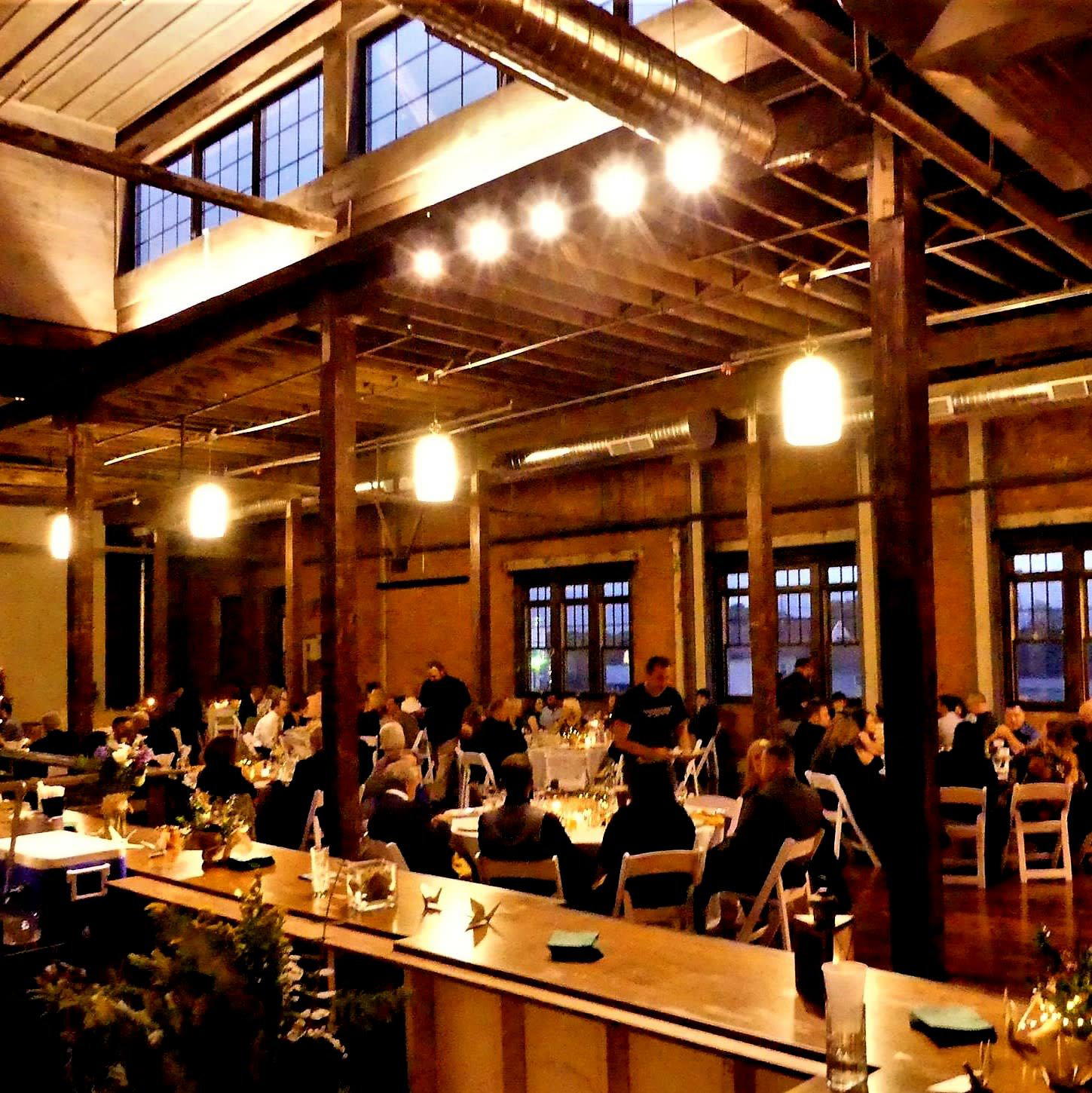
Inside, the room reads as a working bar rather than a styled one. The distinction matters. Bars that are designed to look like neighborhood bars often betray themselves in the details: the lighting calibrated for photographs, the reclaimed wood sourced from a salvage aesthetic rather than actual use, the menu written with self-consciousness. Rooms that simply are neighborhood bars have a different quality of wear, a different relationship between furniture and floor, a different acoustic signature when the room is full versus half-empty.
Sourcing, Sustainability, and the Ethics of the Local Bar
The sustainability conversation in American hospitality has, for the past decade, concentrated almost entirely on fine dining: tasting menus with named farms, cocktail programs built around house-fermented ingredients, restaurant groups publishing annual environmental impact reports. That framing overlooks a different kind of sustainability argument, one that neighborhood bars like Kelly's Korner embody structurally rather than by marketing choice.
A bar with a stable local customer base, a fixed address, and decades of operation generates far less waste per transaction than a high-turnover destination restaurant cycling through trend-driven menus and seasonal concepts. The supply chain for a neighborhood bar is typically short: regional distributors, local draft accounts, food sourcing that follows established relationships rather than speculative sourcing programs. There are no elaborate tasting menus producing excess mise en place, no single-use packaging for a delivery operation, no aggressive promotional cycles requiring printed materials and digital spend.
Buffalo itself has a strong tradition of this kind of embedded commercial sustainability. The city's bar culture did not globalize or brand-extend; it stayed local, stayed accountable to a neighborhood constituency, and built durability through repetition rather than expansion. Bars like Betty's and Allen St Hardware Cafe represent adjacent points on that same spectrum, each operating within a community-accountability model that larger commercial operators cannot easily replicate.
For comparison, look at what the cocktail-forward bar tier in other American cities has built: Kumiko in Chicago, Jewel of the South in New Orleans, and ABV in San Francisco have all developed sustainability frameworks tied to their ingredient sourcing and waste reduction programs. These are deliberate, documented, and part of their public identity. The neighborhood bar operates on a different axis: its sustainability is structural, embedded in the economics of serving the same people in the same room over time, with no growth imperative pushing it toward waste-generating scale.
Where Kelly's Korner Sits in the Buffalo Bar Tier
Buffalo's bar scene is not monolithic. It splits, broadly, between the craft-forward rooms concentrated in the Elmwood Village and Allentown corridors, the legacy tavern tier that includes Old First Ward institutions, and the neighborhood bar layer distributed across residential corridors like Delaware Avenue. Kelly's Korner belongs to the third category, which is also the city's largest and least documented.
The Anchor Bar occupies a specific position in Buffalo's hospitality identity as the attributed origin point of Buffalo wings, a credential that makes it a different kind of institution from a neighborhood local. Kelly's Korner does not carry that kind of documented origin story. What it carries instead is the quieter credential of sustained operation in a specific place for a specific community, which in Buffalo's bar culture counts for more than it might in cities where hospitality turnover is faster and loyalty is thinner.
Internationally, the analog for this kind of bar varies by city. The Parlour in Frankfurt operates with a similar commitment to a fixed local constituency, as does Bar Leather Apron in Honolulu within its own market context. The common thread across these rooms is accountability to a returning audience rather than a perpetual-tourist one. Julep in Houston and Superbueno in New York City operate in higher-concept registers but share the underlying commitment to community-first programming over destination positioning.
Planning a Visit: What to Know Before You Go
Kelly's Korner is located at 2526 Delaware Ave, Buffalo, NY 14216, on the North side of the city. Delaware Avenue is accessible by car with street parking typical of a residential commercial corridor; the nearest public transit options follow Delaware's main bus line.
For visitors building a broader Buffalo bar itinerary, the Delaware Avenue address works as a northern anchor point. The Elmwood Village bars, including Allen St Hardware Cafe, are within reasonable distance. A complete guide to the city's hospitality options, mapped by neighborhood and category, is available through our full Buffalo restaurants and bars guide.
At a Glance
A small set of peers for context, based on recorded venue fields.
| Venue | Price |
|---|---|
| Kelly's KornerThis venue — the venue you are viewing | $10–20 |
| Giacobbi's Cucina Citta | $20–30 |
| Ulrich's 1868 Tavern | $20–30 |
| Colter Bay | $20–30 |
Continue exploring
More in Buffalo
Bars in Buffalo
All bars in Buffalo →
Restaurants in Buffalo
All restaurants in Buffalo →

Details
- Lively
- Cozy
- Rustic
- Casual Hangout
- After Work
- Group Outing
- Standalone
- Seated Bar
Current opening hours
- Monday
- 11:30 AM–4 AM
- Tuesday
- 11:30 AM–4 AM
- Wednesday
- 11:30 AM–4 AM
- Thursday
- 11:30 AM–4 AM
- Friday
- 11:30 AM–4 AM
- Saturday
- 11:30 AM–4 AM
- Sunday
- 12 PM–4 AM
Hours can change for holidays and private events. Last verified .
Down-to-earth neighborhood tavern with a lively atmosphere, music, and friendly welcoming staff.