Kater Blau occupies a converted riverside space on Holzmarktstraße in Friedrichshain, where Berlin's open-air club culture meets the Spree's industrial waterfront. The venue draws a crowd that arrives after midnight and stays through the weekend, operating in the tradition of Berlin's multi-room, multi-format nightlife spaces. It sits firmly within the city's post-Wall club scene, where outdoor terraces and indoor floors coexist across a single sprawling address.
Pearl is the En Primeur Club membership app — saves, bookings, and concierge access live there. Same editors, same standards.
- Address
- Holzmarktstraße 25, 10243 Berlin, Germany
- Phone
- +49 30 51052134
- Website
- katerblau.de
- Directions
- Get directions
 Saves & bookings on Pearl
Where the Spree Meets the Dancefloor
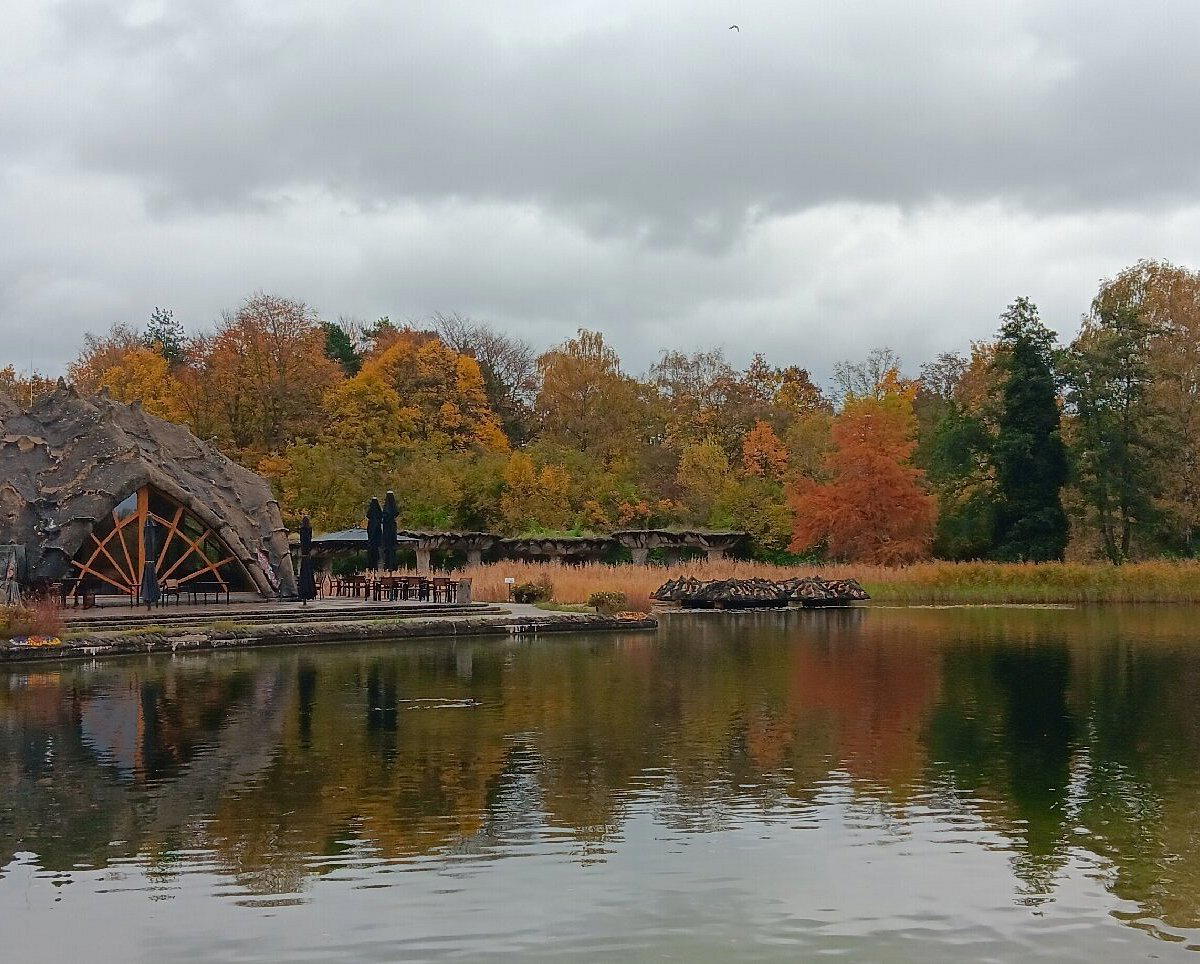
Kater Blau is a bar at Holzmarktstraße 25, 10243 Berlin, Germany, known for its casual dress code, walk-in-friendly policy,584 reviews. The address at number 25 sits along the Spree's south bank in Friedrichshain, a stretch of river frontage that Berlin has spent three decades converting from post-industrial vacancy into the engine room of European club culture. The waterfront here is not polished, it is deliberately raw, and Kater Blau inhabits that rawness with conviction. Wooden decking, open-air terraces, and a building envelope that reads more as repurposed warehouse than designed venue all signal where you are in the city's cultural hierarchy: this is not a cocktail bar that happens to have music, nor a club that gestures at atmosphere. It is something harder to categorize and more interesting for it.
The Friedrichshain Waterfront and How Berlin's Club Zones Work
Berlin's nightlife geography has become more stratified over the past decade. Mitte and Prenzlauer Berg have gentrified past the point where late-night culture can afford the rents. Kreuzberg holds its ground but is under pressure. The Spree corridor between Friedrichshain and the former East has emerged as the stretch most resistant to that pressure, partly because of its scale and partly because venues like Kater Blau occupy plots that are difficult to redevelop quickly. The Holzmarkt cooperative project, of which Kater Blau is a part, represents a deliberate counter-model to property speculation: a community-structured lease arrangement that has given the site unusual longevity by Berlin standards. That context matters for visitors trying to understand why this particular address has held its position while others around it have closed or transformed.
For comparison, Buck & Breck operates at the opposite end of the Berlin nightlife register: a sixteen-seat intimate bar in Mitte where reservations are required and the program is cocktail-led and controlled. Velvet and Lebensstern similarly sit within the city's more structured bar tier. The bar is not competing in that space. Its comparable set is the city's open-format, high-capacity waterfront venues, and within that comparable set it has demonstrated more consistency than most.
Format: Indoor-Outdoor, Multi-Room, Long-Duration
The format at the bar is built for sessions that begin on Friday evening and conclude Sunday morning, with programming that moves across indoor rooms and outdoor terraces depending on the hour and the weather. This is a distinctly Berlin model that has been exported in diluted form to cities across Europe but remains most coherent here, where the regulatory environment and the audience's expectations still allow it to function at full scale. The outdoor terrace facing the Spree operates as its own social space, separate from the pressure of the dancefloor, and gives the venue a different texture depending on which part of the site you occupy at any given moment.
This multi-zone format also means that summer and winter visits are substantially different experiences. The spring-to-autumn window, roughly April through October, activates the full outdoor dimension of the site and is when the venue operates at its most expansive. Winter visits compress activity indoors and shift the atmosphere accordingly. Planning around this seasonal distinction is the single most useful logistical decision a first-time visitor can make.
Berlin's Club Culture in European Context
Berlin's position in European club culture is documented thoroughly enough that it requires no inflation here. The city's approach to nightlife as a legitimate cultural form, protected in some cases by law (the 2021 reclassification of clubs as cultural venues under Berlin state law is the clearest signal), has created conditions that don't exist in equivalent form in London, Paris, or Amsterdam. Venues operating in that framework, the bar among them, benefit from a civic legitimacy that changes the relationship between the city and its late-night economy. That reclassification also carries practical implications: noise ordinances, planning applications, and operating licenses are all affected, and the Holzmarkt site's cooperative structure has positioned it well within that framework.
For travelers whose interest in nightlife extends across Germany, it is worth noting how differently Berlin operates from other German cities. Le Lion Bar de Paris in Hamburg represents a craft-cocktail approach that prioritizes precision and a curated guest experience. Goldene Bar in Munich sits inside an institutional cultural venue and draws a design-conscious crowd. The Parlour in Frankfurt operates in that city's finance-adjacent after-work register. Bar Trattoria Celentano in Cologne, Uerige in Dusseldorf, and Kieler Brauerei am Alten Markt in Kiel each operate within their city's local drinking traditions. None of these are in the same category as the bar, which tells you something about how distinctly Berlin's club culture functions within its own national context.
Who Goes and When
The bar draws an international crowd that is nevertheless less tourist-dominated than some of the city's highest-profile venues. The Holzmarktstraße address is not immediately walkable from the major hotel concentrations around Alexanderplatz or Mitte, which filters the audience toward people who have made a deliberate decision to be there rather than wandering in from adjacent streets. The crowd skews toward late-twenties and thirties, with a significant proportion of repeat visitors who treat the venue as a regular rather than a one-time destination.
Arriving before midnight on a weekend risks finding the space underactivated. The venue's format rewards patience: the outdoor terrace fills progressively, the indoor rooms shift character as the night moves forward, and the full texture of the space only becomes legible in the early hours. For visitors operating on a compressed schedule, this is a relevant planning consideration. Stagger Lee in Schöneberg offers an earlier and more structured evening if the late-start format doesn't fit the itinerary.
Planning Your Visit
The bar is located at Holzmarktstraße 25 in Friedrichshain, reachable by U-Bahn to Jannowitzbrücke (U8) or S-Bahn to the same station, a short walk along the river. The venue's seasonal schedule is handled on site, with warmer months opening up the outdoor areas and winter programming staying more compact. Entry policies and queue management vary by event and night, so checking the venue's current programming in advance of a visit is advisable. Given the cooperative structure of the Holzmarkt site, the venue occasionally hosts daytime events and markets that offer a different access point for visitors who want to see the space outside of its nightlife context.
For those whose itinerary extends to Honolulu, Bar Leather Apron operates in an entirely different register but shares a commitment to deliberate, format-conscious programming that travelers who appreciate the bar's intentionality tend to recognize.
Peers Worth Knowing
Comparable venues nearby, for context on price, style, and recognition.
| Venue | Cuisine | Price | Notes |
|---|---|---|---|
| Kater BlauThis venue — the venue you are viewing | lounge | $$ | Not listed |
| Marietta Café-Bar | cocktail_bar | $$ | Prenzlauer Berg |
| Dr Maury Wine Bar | wine_bar | $$ | Prenzlauer Berg |
| Viniculture | wine_bar | $$ | Charlottenburg |
| Mauerwinzer | wine_bar | $$ | Scheunenviertel |
| YAAM | Bar | $$ | Friedrichshain |
Continue exploring
More in Berlin
Bars in Berlin
Browse all →
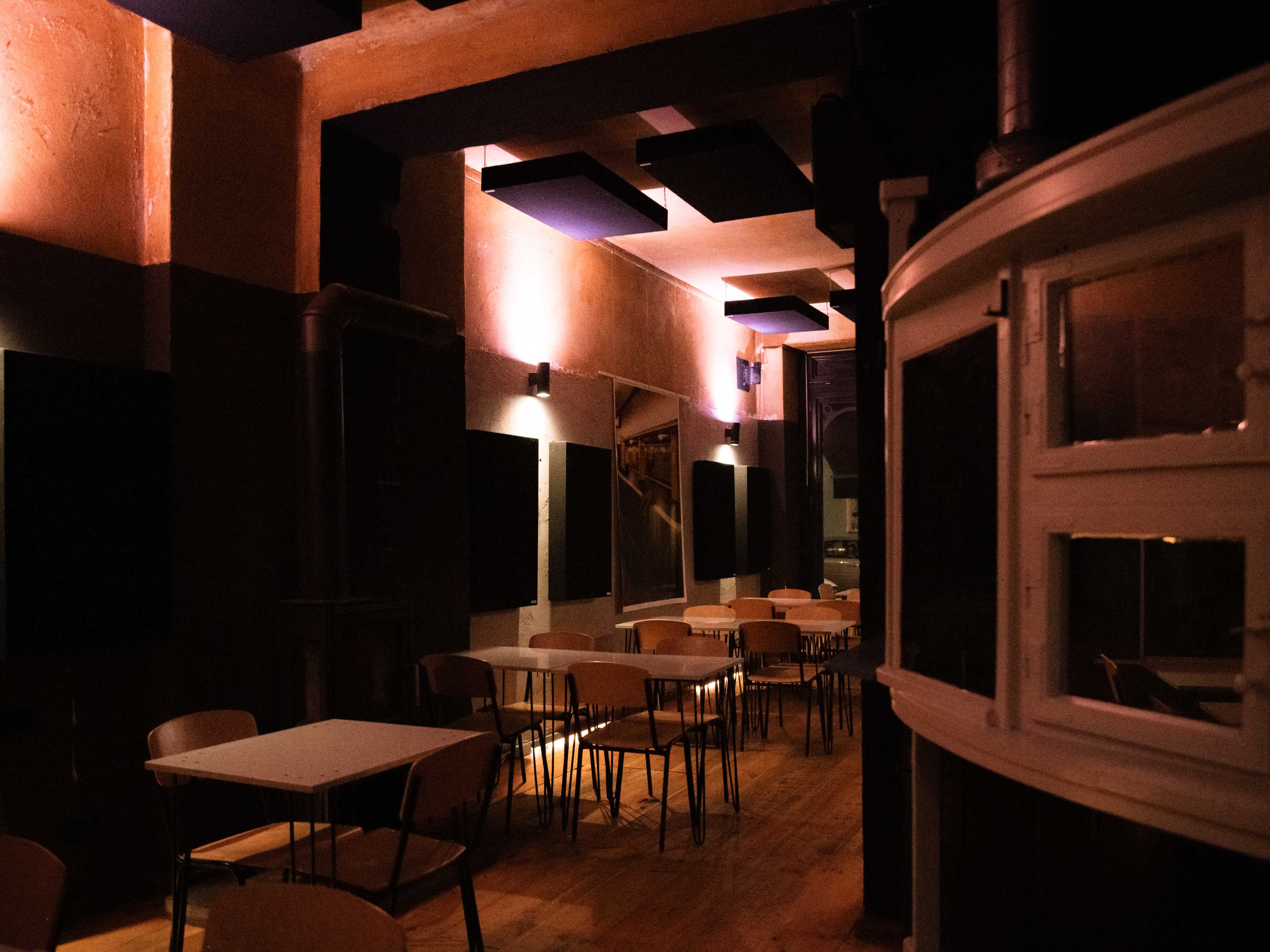
Restaurants in Berlin
Browse all →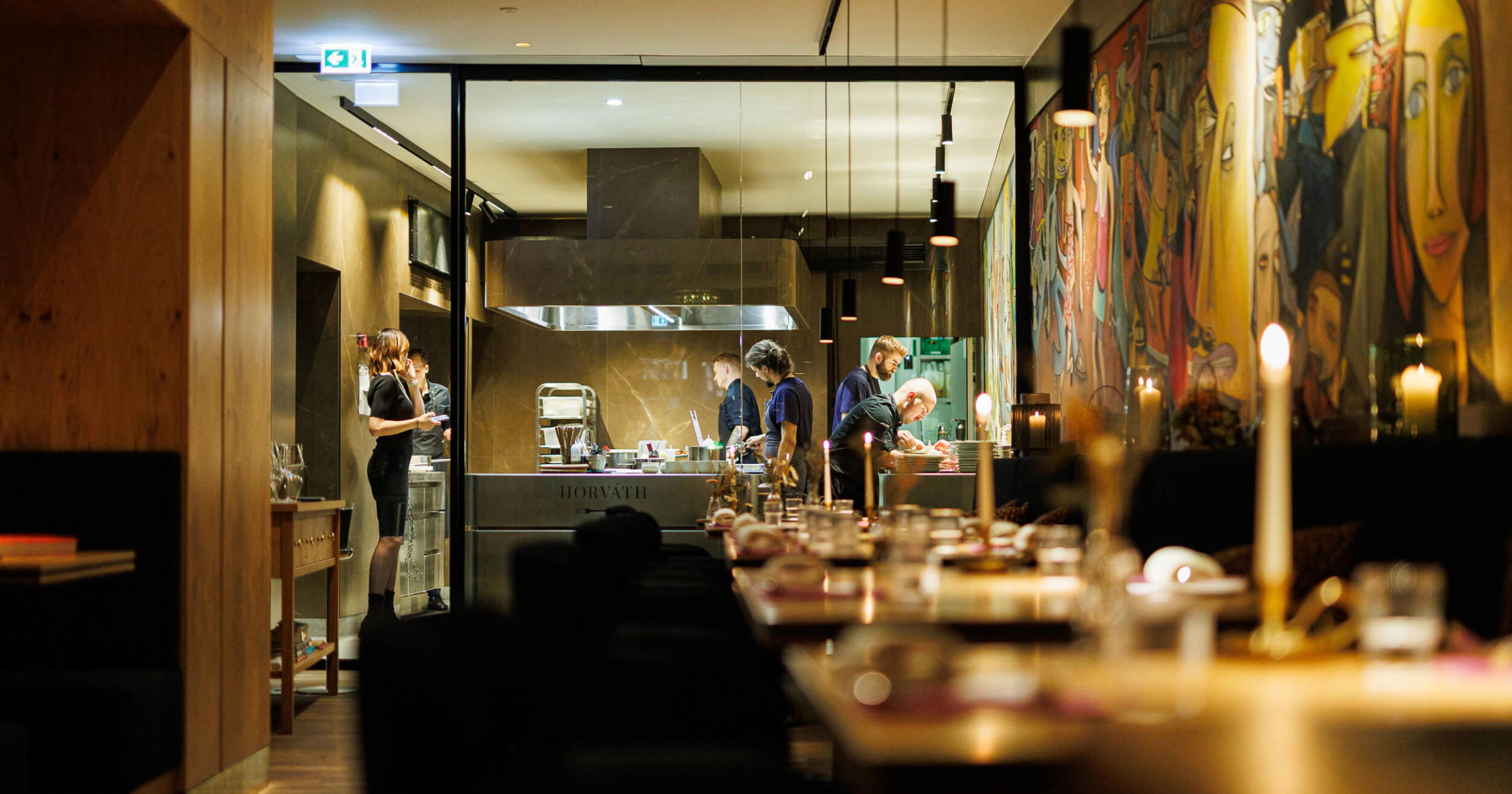
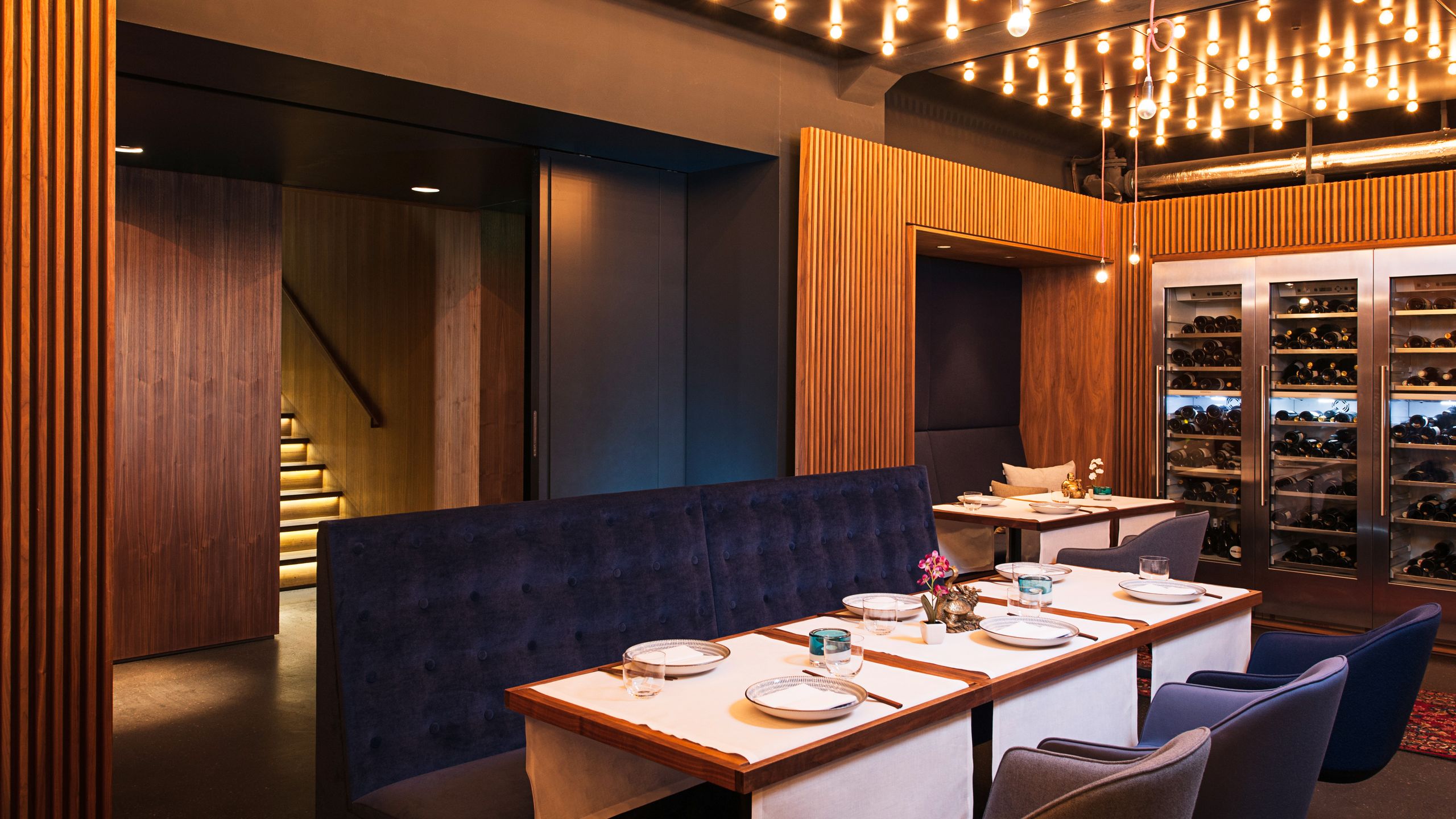
Hotels in Berlin
Browse all →
Wineries in Berlin
Browse all →
At a Glance
- Lively
- Trendy
- Bohemian
- Energetic
- Industrial
- Late Night
- Group Outing
- Waterfront
- Live Music
- Terrace
- Outdoor Terrace
- Standing Room
- Classic Cocktails
- Waterfront
- Street Scene
Eclectic, grungy bohemian vibe with graffiti-covered walls, wooden shacks, circus tents, colorful lighting, and riverside views creating a lively, immersive festival atmosphere.