
Star Wine List
Viniculture on Grolmanstraße has spent years building one of Berlin's most serious low-intervention wine programs, establishing itself as a reference point for natural and minimal-sulphite bottles in the city. Founded on a vision of making grower wines accessible across Germany, it occupies a position in Charlottenburg that places it apart from the bar-led drinking culture found elsewhere in Berlin.

Pearl is the En Primeur Club membership app — saves, bookings, and concierge access live there. Same editors, same standards.
- Address
- Grolmanstraße 44-45, 10623 Berlin, Germany
- Phone
- +49 30 8838174
- Hours
- Mon–Fri 12–7 PMSat 11 AM–7 PMSun Closed
- Website
- viniculture.de
- Directions
- Get directions
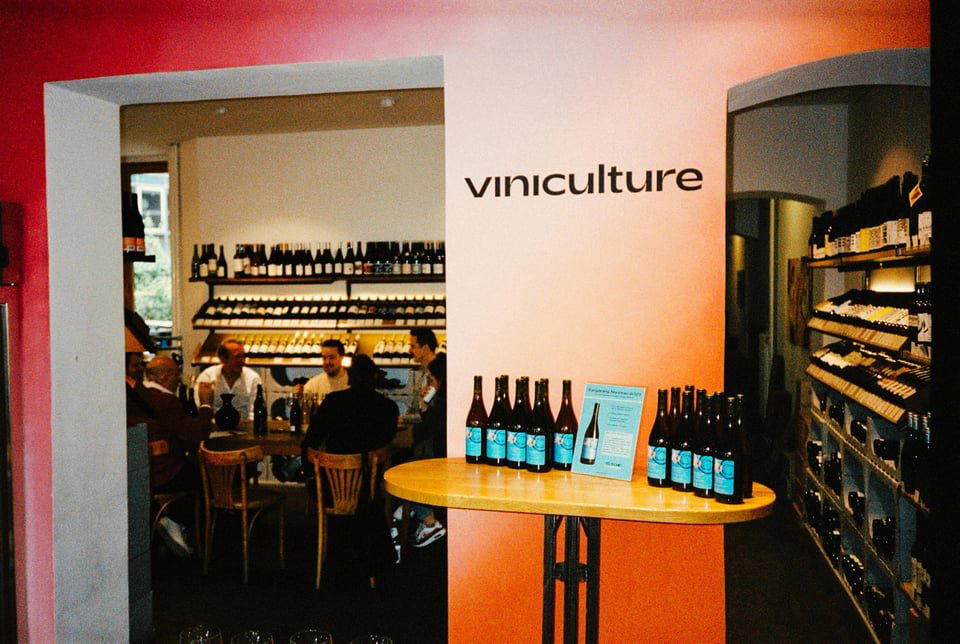
A Different Kind of Wine Destination in Charlottenburg
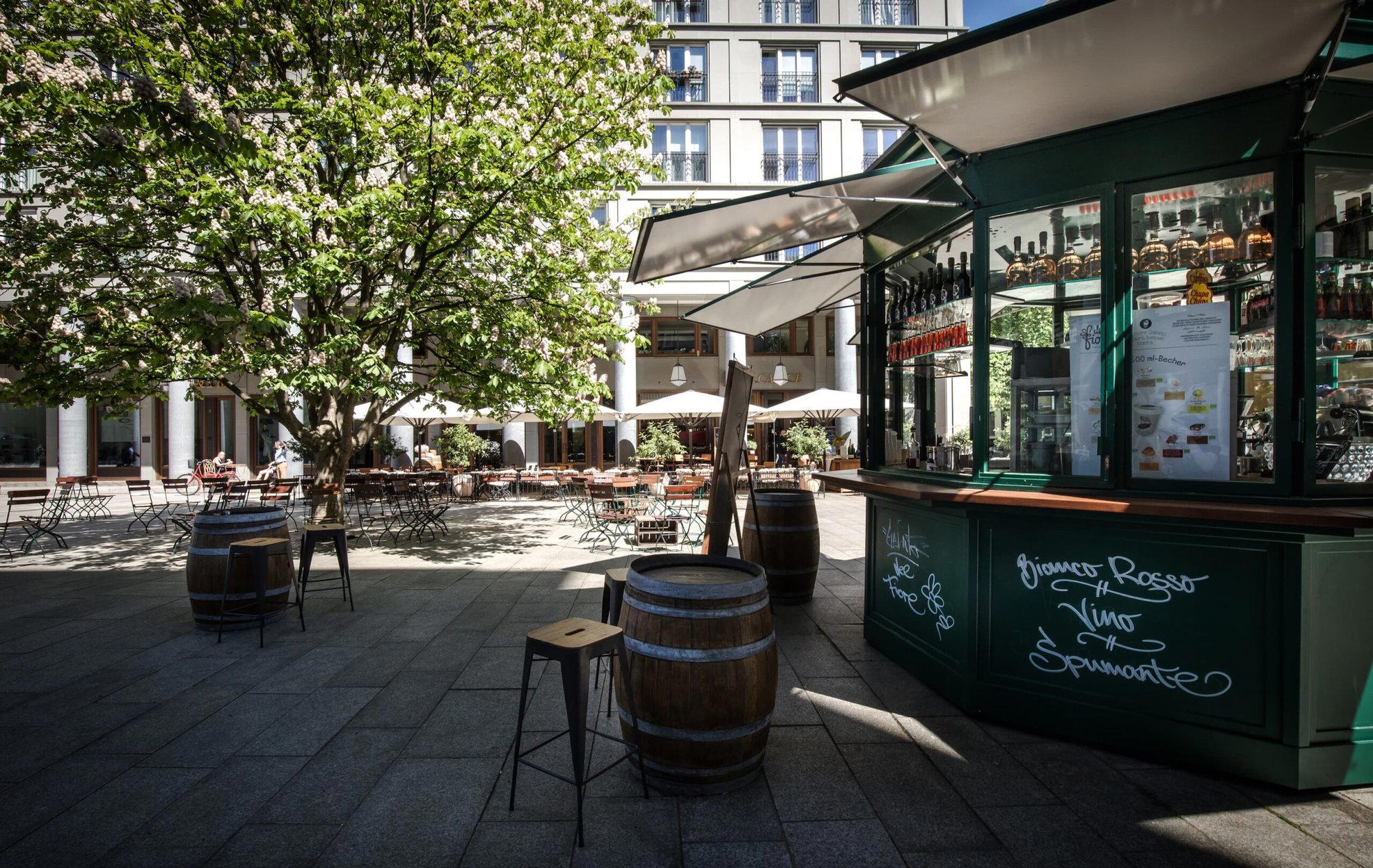
Grolmanstraße sits in the quieter, more considered part of Charlottenburg, away from the high-volume hospitality of Ku'damm and the bar-density of Mitte. The street has a residential cadence to it, which makes the arrival at Viniculture feel deliberate rather than incidental. This is not a space you wander into. You come because you know, or because someone who knows sent you here. That dynamic shapes the atmosphere inside more than any design decision: the clientele is mostly composed of people with a genuine interest in what is on the shelf, and the conversations that follow reflect it.
Berlin's wine culture has matured considerably over the past decade. The city that was once synonymous with beer halls and late-night spirits has developed a coherent, producer-focused wine scene, with a cluster of serious shops and wine bars concentrated in Mitte, Prenzlauer Berg, and Charlottenburg. Within that scene, the distinction between a bottle shop with pour-by-glass capability and a full wine bar has blurred. Viniculture occupies the serious end of that spectrum, functioning as both a retail and drinking destination, with the editorial point of view of a specialist rather than the neutral stance of a cellar merchant.
The Low-Intervention Wine Movement in Context
Natural and low-intervention wines have moved from a niche preference to a mainstream conversation across European cities over the last fifteen years. Berlin arrived at this conversation earlier than most German cities. The demand for minimal-sulphite, organically farmed, and biodynamically produced bottles found a receptive audience here in the mid-2000s, partly because Berlin's independent retail culture was already oriented toward producer stories and provenance over brand recognition. Viniculture positioned itself within that shift from an early stage. Former owner Holger Schwarz built the business on a specific editorial commitment: that low-intervention wine deserved a dedicated platform, and that Berlin was the right city to prove the model before extending it across Germany.
That origin matters because it explains the selection logic. A shop built around a philosophical position rather than margin calculus will stock bottles from small producers with limited allocations, including growers who decline to certify organically despite practicing accordingly, and winemakers whose methods are more interesting than their PR. The result is a list that rewards customers who ask questions.
The Physical Space and What It Communicates
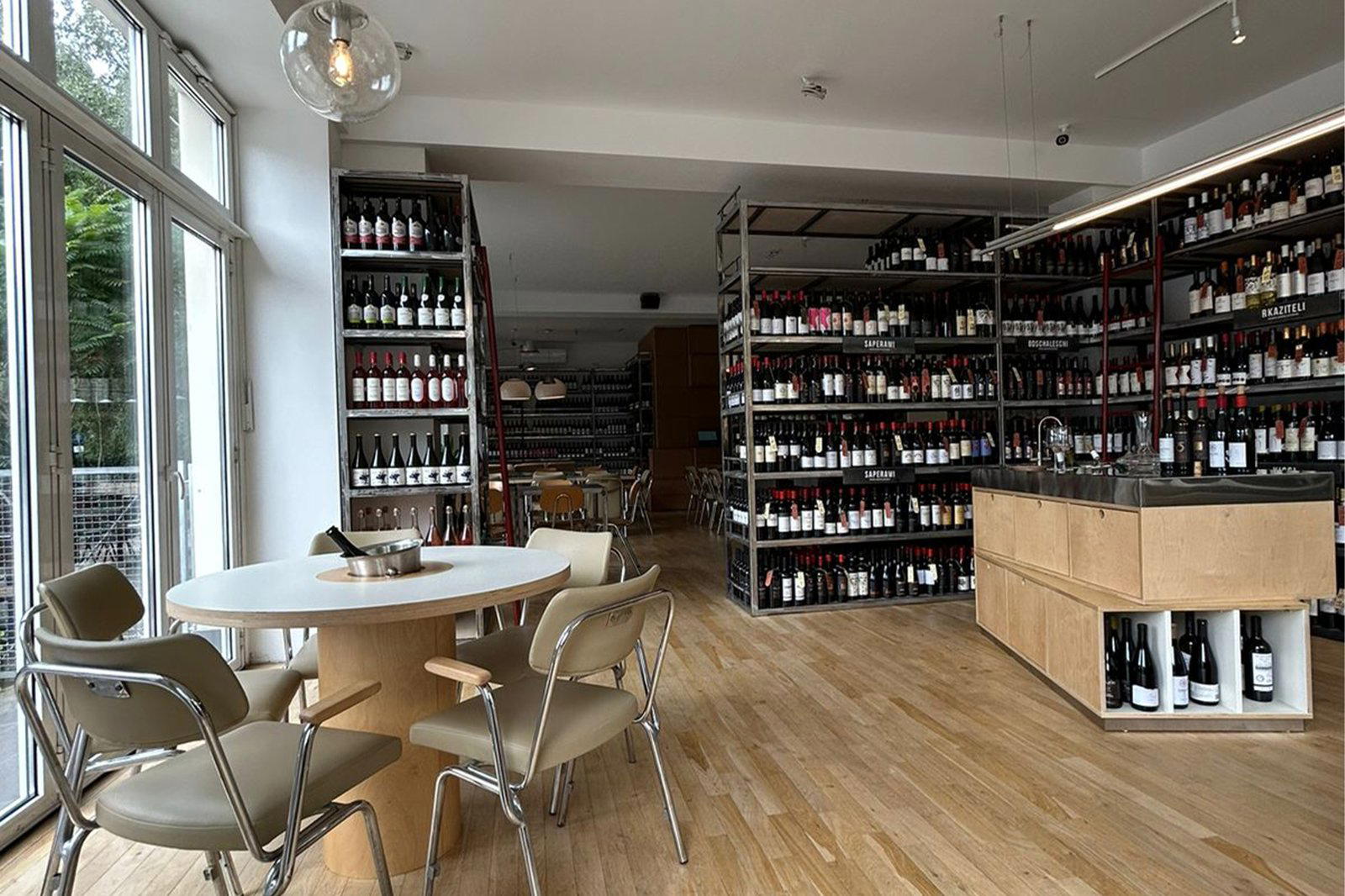
Wine shops with strong editorial positions tend to look one of two ways: deliberately austere, with product forward and nothing to distract from the label, or warmly curated, with the feel of a considered private collection. Viniculture reads closer to the latter. The Grolmanstraße address, at numbers 44-45, occupies a double address that suggests more floor space than the standard Berlin corner shop. The shelving arrangement in spaces like this communicates curatorial intent as much as practical storage. Producers are grouped in ways that reward browsing, and the natural light in this part of Charlottenburg means that afternoon visits have a particular atmosphere.
For comparison, Berlin's cocktail bars in the same general bracket, including Buck & Breck, Lebensstern, Stagger Lee, and Velvet, operate in a format defined by the bar counter and the cocktail as the primary product. Viniculture's format is different: the wine and the producer are the program, and the physical space is arranged to serve that priority. There is no performance here in the theatrical sense. The room earns its atmosphere through the quality of what is on the shelf and the knowledge that accompanies it.
Where Viniculture Sits in the German Wine Retail Scene
Across German cities, the specialist independent wine shop occupies a defined but pressured position. Premium hotel bars and cocktail venues, such as Goldene Bar in Munich, Le Lion Bar de Paris in Hamburg, and The Parlour in Frankfurt on the Main, address a different segment of the premium drinks market. So do destination brewery and beer formats like Uerige in Dusseldorf, Kieler Brauerei am Alten Markt in Kiel, and Bar Trattoria Celentano in Cologne. Even internationally, formats like Bar Leather Apron in Honolulu show how specialist drink programs build loyal followings through curation depth rather than volume. Viniculture's position in this wider picture is as a category specialist: a shop that built its reputation within a particular philosophy of production, then extended that reputation across Germany through retail infrastructure.
That cross-city reach is notable. Most independent Berlin wine shops with a strong point of view remain Berlin-specific. Viniculture's expansion beyond the city suggests a model that resonated commercially as well as critically, which is the harder test for any specialist format.
Planning a Visit
For visitors to Berlin with a serious interest in natural wine, the Charlottenburg address is worth building into an itinerary alongside a broader look at the city's drinking culture. The full Berlin restaurants and bars guide covers the wider range of options across neighbourhoods. For Viniculture specifically, the shop format means that walk-in visits are possible, though dedicated browsing sessions are better suited to quieter midweek periods when the selection can be explored without the weekend retail pressure that affects most specialist wine shops in central Berlin. Given that the stock includes allocated bottles from small producers, the most interesting finds tend to move quickly. Visiting with a clear sense of the styles and regions you want to explore will make the conversation with the staff more productive. The Grolmanstraße address is accessible from Savignyplatz S-Bahn station, which is the natural hub for this part of Charlottenburg.
Cuisine and Awards Snapshot
Comparable venues nearby, for context on price, style, and recognition.
| Venue | Cuisine | Price | Awards | Notes |
|---|---|---|---|---|
| VinicultureThis venue — the venue you are viewing | wine_bar | $20–30 | Star Wine List | Not listed |
| Strandbad Mitte | beer_bar | $10–20 | Star Wine List | Mitte |
| Edel & Faul | wine_bar | Not listed | Star Wine List | Scheunenviertel |
| Dr Maury Wine Bar | wine_bar | $20–30 | Star Wine List · Falstaff Wine Bar - 85 Falstaff Points | Prenzlauer Berg |
| Hackbarth’s | pub | $10–20 | Not listed | Mitte |
| Warschauer Straße | pub | $10–20 | Not listed | Friedrichshain |
Recognition history
Dated appearances from independent guides and award organizations, with the underlying list record or original source where available.
Star Wine List
Star Wine List
Continue exploring
More in Berlin
Bars in Berlin
Browse all →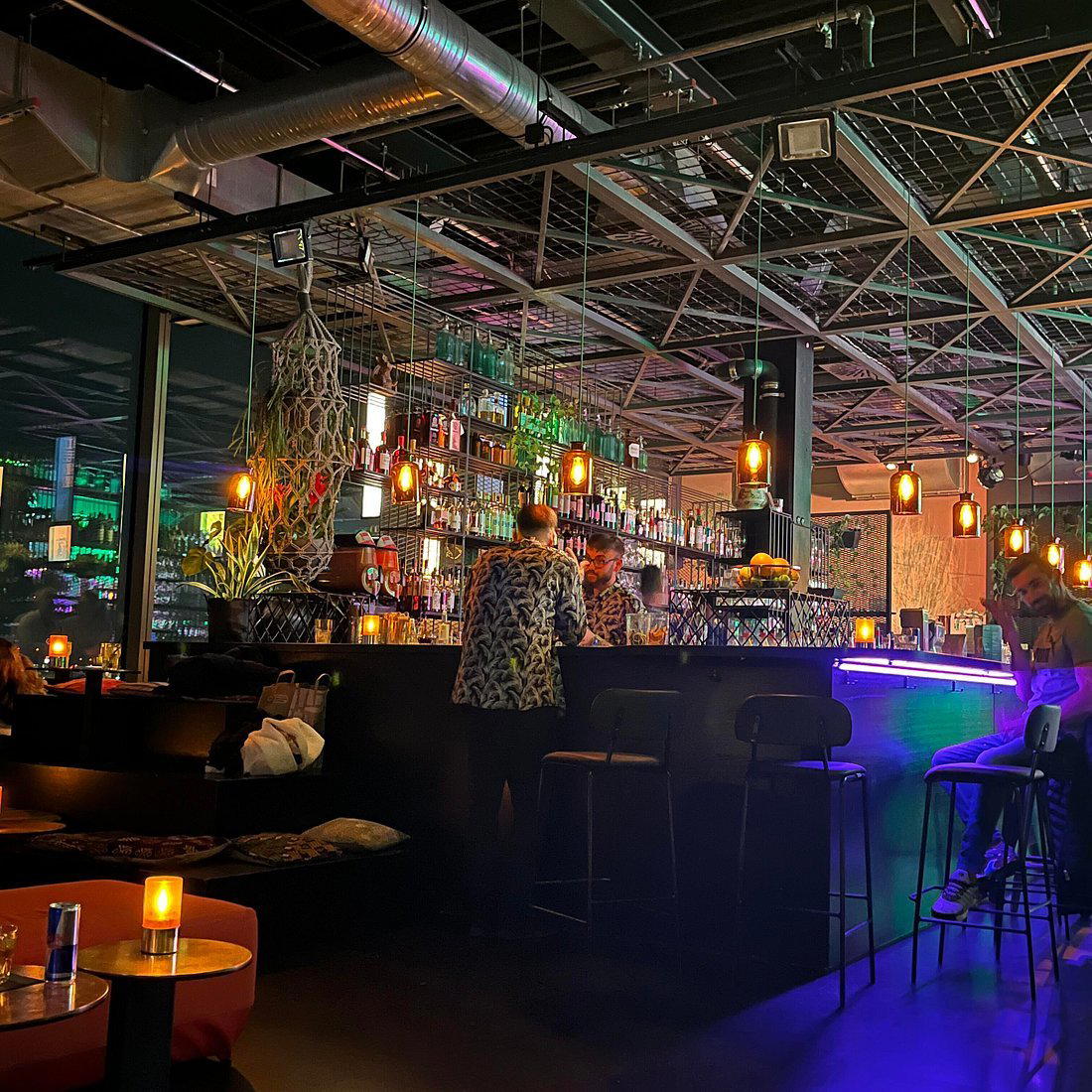
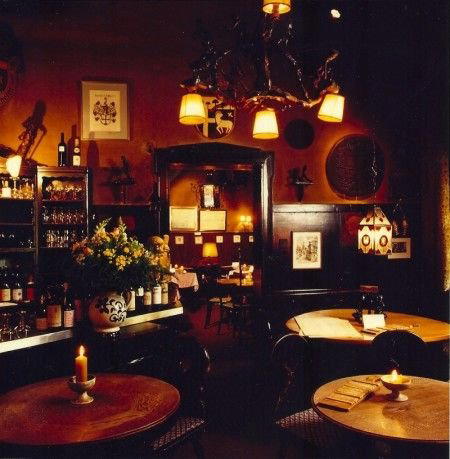
Restaurants in Berlin
Browse all →
Hotels in Berlin
Browse all →

Details
- Cozy
- Intimate
- Casual Hangout
- Solo
- Standalone
- Seated Bar
- Communal Tables
- Outdoor Terrace
- Natural Wine
Current opening hours
- Monday
- 12–7 PM
- Tuesday
- 12–7 PM
- Wednesday
- 12–7 PM
- Thursday
- 12–7 PM
- Friday
- 12–7 PM
- Saturday
- 11 AM–7 PM
- Sunday
- Closed
Hours can change for holidays and private events. Last verified .
Cozy and intimate shop atmosphere with knowledgeable staff, small indoor tables, and outdoor seating in warmer weather.