Karo Fisch on Feldstraße 32 sits in Hamburg's Karolinenviertel, a neighbourhood where the city's older port-adjacent identity meets its current bar and dining culture. The address positions it within a dense cluster of independent drinking venues, where bottle curation and format distinction matter more than scale. Visitors looking for Hamburg's bar character in concentrated form will find Karoviertel a reliable starting point.
 Discover on Pearl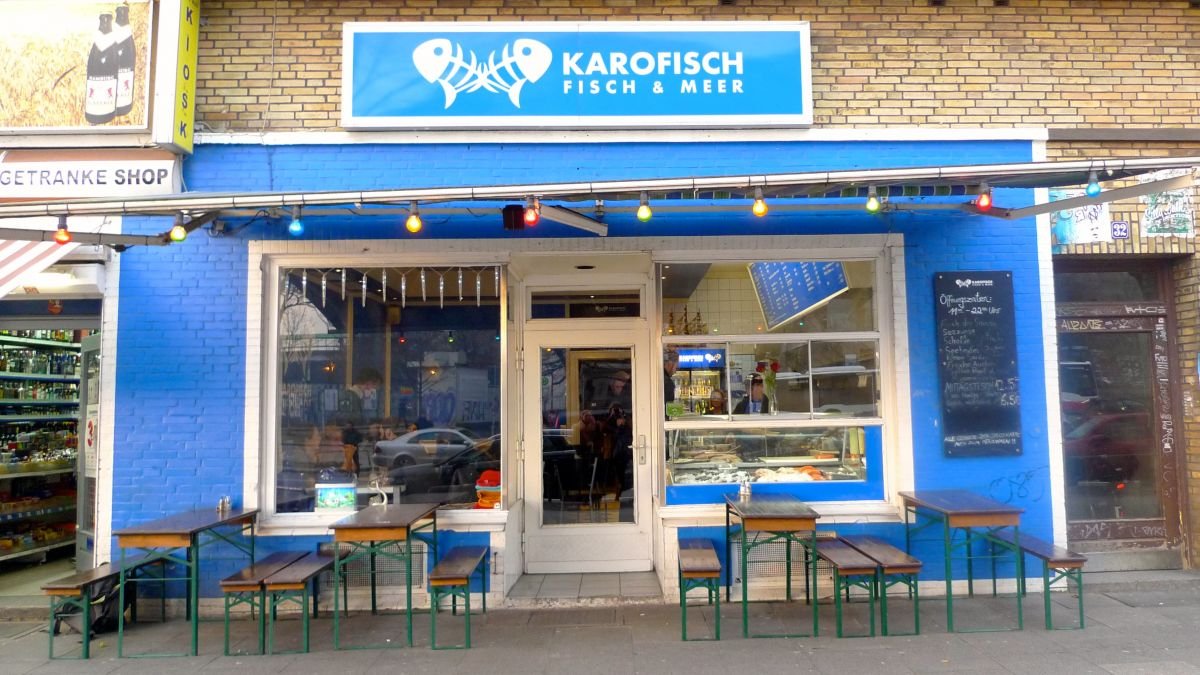
Karoviertel and the Architecture of Hamburg's Bar Scene
Hamburg's drinking culture has never resolved itself into a single district. The Reeperbahn corridor handles volume and spectacle; Eppendorf trends wine-forward and neighbourhood-quiet; but Karolinenviertel, the grid of streets running west of the Alster toward Feldstraße U-Bahn, occupies a different register entirely. The bars here are smaller, more opinionated in their curation, and less interested in foot traffic than in the specific guest who already knows to come. Karo Fisch, at Feldstraße 32, sits inside that logic.
The name reads like a relic of the district's fish-trade past, and Karolinenviertel does carry that layered urban history: mid-century industrial buildings converted block by block, a neighbourhood that kept its working-class grain through successive waves of gentrification without fully surrendering to either. That context shapes what a bar here is expected to be. Not a destination that imports its identity from elsewhere, but something that grows from the address.
The shortlist, unlocked.
Hard-to-book tables, cellar releases, and concierge-planned trips.
Get Exclusive Access →The Spirits Collection as Editorial Statement
In Hamburg's bar tier, the back bar is increasingly the argument. The movement away from cocktail theatrics toward bottle depth has been visible across the city's more considered venues for the better part of a decade. Le Lion Bar de Paris built its reputation in part on one of the most serious gin libraries in Northern Europe. Die Bank, occupying a former banking hall near Jungfernstieg, anchors its program in classical cocktail discipline. The logic in both cases is the same: the collection precedes the drink, and the drink is only as interesting as the ingredients behind it.
Karo Fisch sits within this current. The Karoviertel address keeps it away from the premium hotel-bar circuit, which in Hamburg tends to concentrate around HafenCity and the Alster waterfront. That separation from the luxury-hotel ecosystem is not a disadvantage. It positions a bar to build a guest relationship based on program rather than setting, where return visits are earned through what is poured rather than where the room is located.
The German bar scene more broadly has shifted its reference points over the past fifteen years. Programmes at venues like Buck & Breck in Berlin, which operates a single-counter format with a spirits list weighted toward rarity, or Goldene Bar in Munich, with its art-house adjacency and considered bottle selection, have moved the expectation for what a serious bar looks like in a German city. Hamburg's independent bar tier in Karolinenviertel answers that expectation at street level, without the institutional framing.
Reading the Room: Format, Atmosphere, and the Feldstraße Address
The physical environment around Feldstraße 32 gives a reliable reading of what Karo Fisch is not. It is not a late-night volume venue. The surrounding blocks mix record shops, small galleries, and restaurants with no particular tourist logic, which means the bar's guest composition skews local and intentional. The approach from Feldstraße U-Bahn station is direct, a few minutes on foot through streets that still carry the district's industrial skeleton in their building stock.
Hamburg's Karoviertel bars tend to run informal in dress expectation and atmosphere without becoming careless about what they serve. The register is closer to Buddels, the neighbourhood beer specialist that keeps its format tight and its focus narrow, than to the event-bar model that dominates other parts of the city. That format alignment matters: it tells a visitor what the experience asks of them, which is attention rather than occasion.
For comparison across Hamburg's drinking geography, Gröninger Privatbrauerei Hamburg operates at the heritage-brewery end of the spectrum, with volume and history as its primary signals. Karo Fisch occupies a different coordinate entirely: smaller in footprint, more specific in program, and calibrated for the guest who reads a back bar before they read a menu.
Hamburg in the Context of German Bar Culture
Germany's bar culture has historically been weighted toward beer, and Hamburg is no exception. The city's port identity produced a drinking culture built around practicality and endurance rather than refinement. But the past decade has seen a distinct tier emerge in Hamburg's independent bars: venues more interested in spirits depth, provenance, and technique than in volume throughput. This mirrors what has happened in Frankfurt, where The Parlour has built a following on bottle range and format discipline, and in Cologne, where Bar Trattoria Celentano combines Italian drinking culture with a Northern European attention to program.
Further north, the bar culture in Kiel runs along different lines. Kieler Brauerei am Alten Markt represents the regional brewery-pub model that dominates smaller Northern German cities. Hamburg, by contrast, is large enough to sustain a genuine independent bar tier alongside the brewery and beer-hall tradition. Karo Fisch is part of that tier.
The international comparison is also instructive. Bar Leather Apron in Honolulu demonstrates how a bar in an unexpected geography can build a program on spirits depth and earn recognition beyond its immediate market. In Düsseldorf, Uerige shows how a venue's identity can become inseparable from a single product category and a specific address. Both cases illustrate the principle that applies in Karolinenviertel: specificity of program, held consistently, is what produces a bar worth tracking.
Planning Your Visit
Karo Fisch is on Feldstraße 32 in Hamburg's Karolinenviertel, reachable directly from Feldstraße U-Bahn station on the U3 line. The neighbourhood runs leading on foot; the district's compact grid makes moving between bars direct, and several of Hamburg's other considered independent venues sit within a short walk. For visitors building a Hamburg bar itinerary, Karolinenviertel rewards an evening rather than a single stop. Contact and booking details are not currently listed in the EP Club database; checking directly with the venue before visiting is advisable, particularly for weekends when Karolinenviertel bars draw stronger local demand. For broader context on where Karo Fisch sits in Hamburg's drinking and dining geography, see our full Hamburg restaurants guide.
The shortlist, unlocked.
Hard-to-book tables, cellar releases, and concierge-planned trips.
Get Exclusive Access →Frequently Asked Questions
Cost Snapshot
A compact peer set to orient you in the local landscape.
| Venue | Price | Awards | Notes |
|---|---|---|---|
| Karo Fisch | This venue | ||
| Le Lion Bar de Paris | World's 50 Best | ||
| Buddels | |||
| kiosque. | |||
| Koer Kulinarik & Bar | |||
| Vineyard Weinhandel |
Need a Table?
Our members enjoy priority alerts and concierge-led booking support for the world's most difficult bars and lounges.
Get Exclusive AccessThe shortlist, unlocked.
Hard-to-book tables, cellar releases, and concierge-planned trips.
Get Exclusive Access →