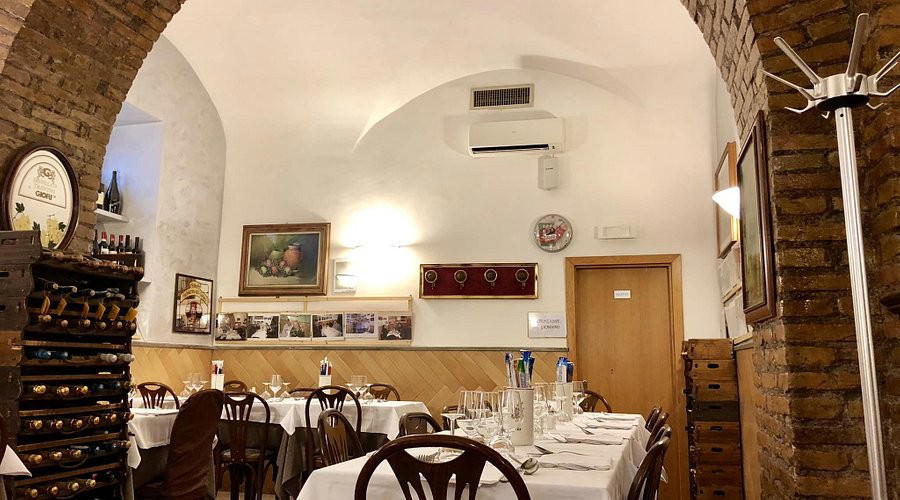
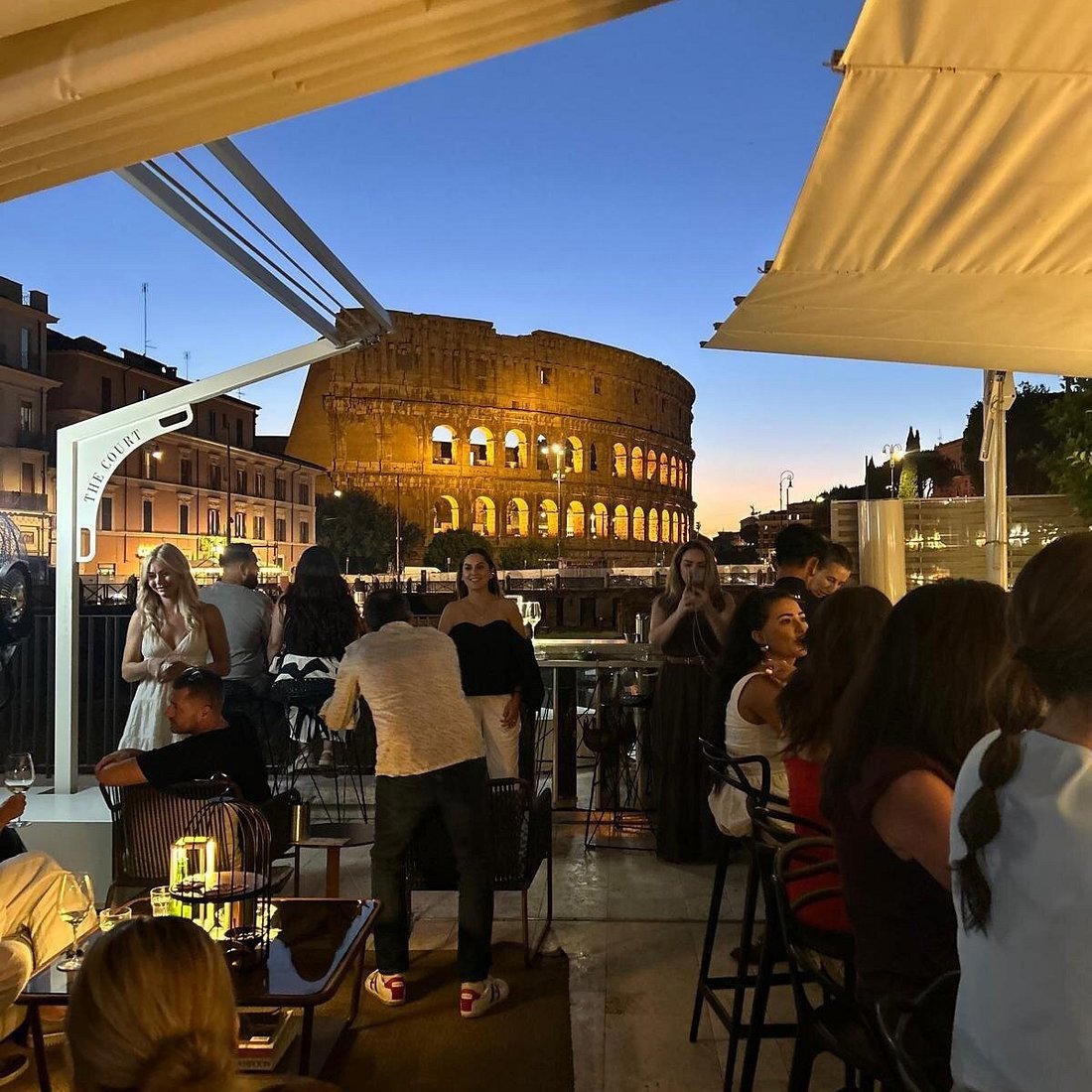
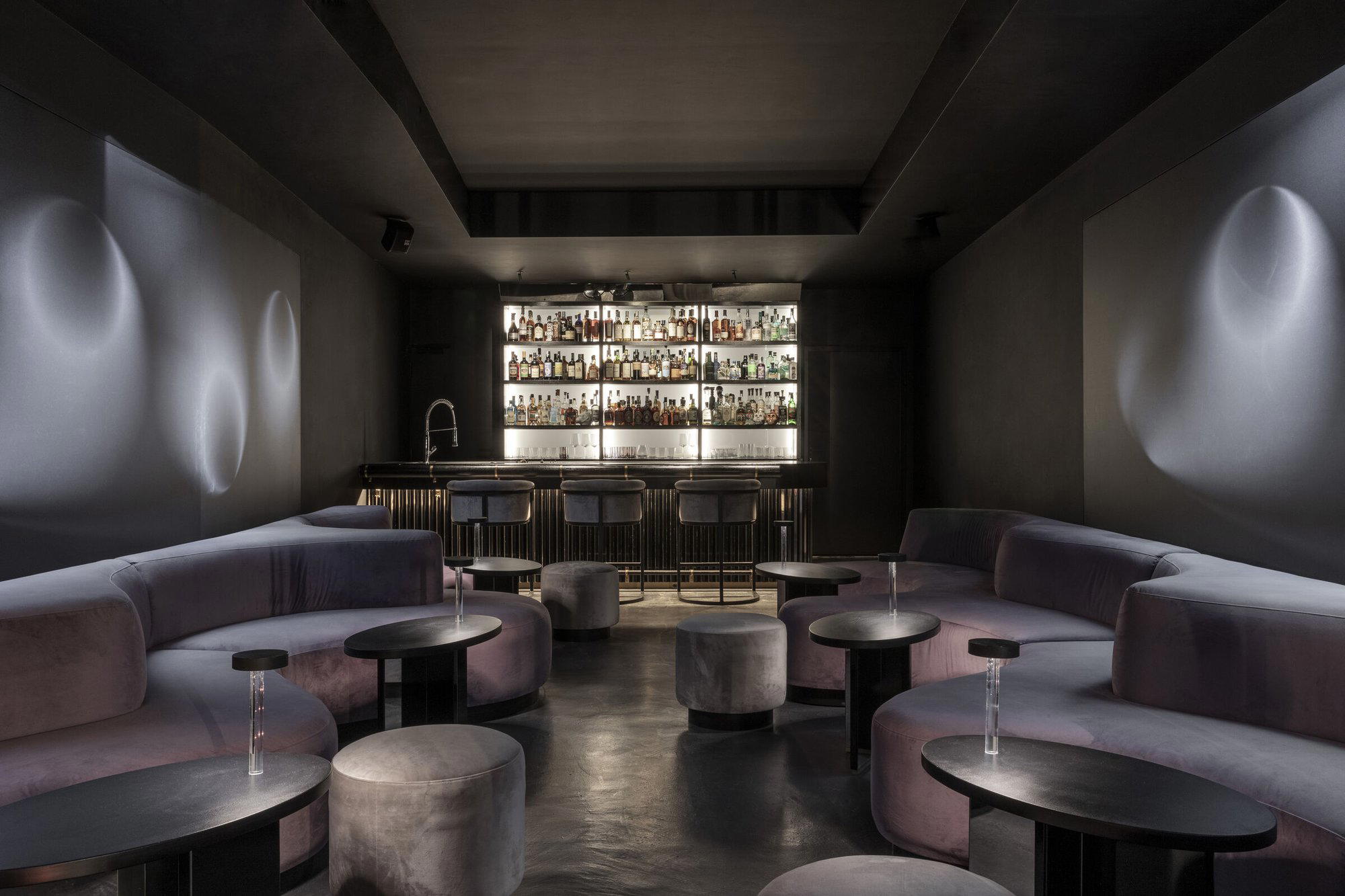
Rome's broader bar scene has bifurcated considerably over the past decade. At one end sit technically ambitious cocktail programmes Drink Kong in Pigneto and Jerry Thomas Speakeasy in Campo de' Fiori represent that tier, with formal menus, house-made ingredients, and international recognition. At the other end sits the neighbourhood wine bar and aperitivo counter, which operates on different measures of success entirely: regularity of faces, depth of the wine list, the quality of the stuzzichini on the counter. Io sono un autarchico belongs firmly in the second category. In a city that has an abundance of the first and an increasing scarcity of the second done well, that positioning is not a limitation.
What Draws the Regulars
The pull of a place like this is almost impossible to separate from the piazza it sits on. Madonna dei Monti is one of the few functioning social squares left in central Rome, a space that residents actually use rather than pass through. The bar extends that function indoors, or rather, it dissolves the boundary between indoor and outdoor entirely during the warmer months, when tables spread across the flagstones and the square effectively becomes the seating plan. This is the format that defines neighbourhood drinking culture in Rome: the bar as threshold, the street as room.
Wine is the primary language here. The Italian natural and low-intervention wine movement found an early home in Monti, partly because the neighbourhood's aesthetic aligned with the category's rejection of formula, and partly because the customer base proved willing to pay attention to what was in the glass. Bars of this type typically rotate producers with some regularity, favouring smaller operations from Lazio, Campania, and the central Italian appellations over the export-facing labels that dominate tourist-area wine lists. That approach suits an audience that returns weekly rather than once.
For comparison, Freni e Frizioni in Trastevere occupies a similar neighbourhood-anchor role but at higher volume and with a younger, more transient crowd. Boeme sits closer to the cocktail-bar tier.
The Aperitivo Hour and What It Signals
Aperitivo culture in Rome functions differently from Milan's more codified version. There is no fixed buffet contract, no universal price point that guarantees accompaniments. What a Roman bar offers alongside a drink is a marker of its orientation: toward tourists expecting free food, toward drinkers who want something to keep them anchored while the next bottle is opened, or toward the neighbourhood audience that has already eaten and simply wants to extend the evening. The counter snacks at a place like Io sono un autarchico serve the third function. They are present without being the headline.
This distinguishes the bar from the more theatrically abundant aperitivo operations elsewhere in the city, and it signals something about the likely customer: someone who is not making an economic calculation about the value of the drink relative to the food, but who is there primarily for the wine, the square, and the company. That is a particular kind of bar experience, and Rome's Monti neighbourhood remains one of the few places in central Italy where it survives without being curated into something self-conscious.
For those tracking similar formats across Italy, Enoteca Storica Faccioli in Bologna and Al Covino in Venice occupy comparable territory, neighbourhood wine counters that operate on depth of list and regularity of crowd rather than programmatic design. L'Antiquario in Naples tilts more toward cocktail craft but shares the anti-spectacle ethos. Further afield, Gucci Giardino in Florence and 1930 in Milan demonstrate how differently the premium bar format plays out in other Italian cities, while Lost and Found in Nicosia and Bar Leather Apron in Honolulu show the range of what serious neighbourhood drinking looks like globally.
Planning a Visit
The address, Piazza della Madonna dei Monti 9/10, is findable on foot from the Cavour metro station in under ten minutes, or a short walk from the Roman Forum exit on Via Sacra. The square itself serves as orientation. Evening, particularly the hour before dinner, is when the piazza and the bar function at their most characteristic, the crowd is local, the pace is unhurried, and the dynamic that defines the neighbourhood is easiest to read. No booking infrastructure appears to be in place for a bar of this type, which is consistent with the format: the experience is walk-in, contingent on the square and the evening rather than a reserved slot. For a fuller picture of Rome's drinking and dining options across neighbourhoods and price tiers, the EP Club Rome guide maps the broader scene.