Bessou
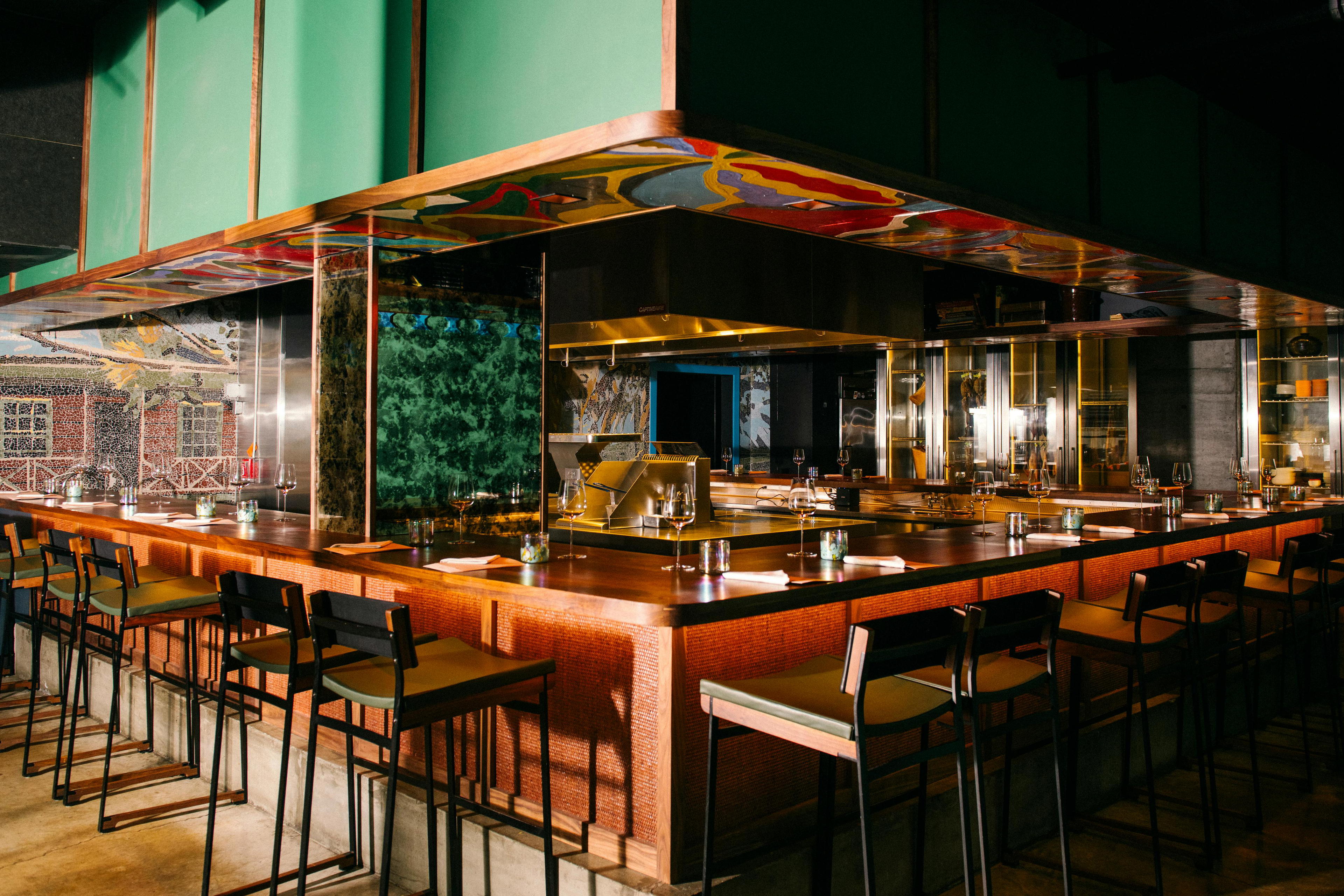
Bessou sits at 25 11th Ave in Manhattan's Far West Side, occupying a stretch of the city where the cocktail conversation is quieter and more deliberate than in the East Village or Lower East Side. The drinks programme draws on Japanese-inflected sensibilities, placing it in a growing cohort of New York bars that treat technique and restraint as equal partners. Book ahead; this neighbourhood rewards those who plan.
Pearl is the En Primeur Club membership app — saves, bookings, and concierge access live there. Same editors, same standards.
- Address
- 25 11th Ave, New York, NY 10011
- Website
- bessou.nyc
- Directions
- Get directions
 Saves & bookings on Pearl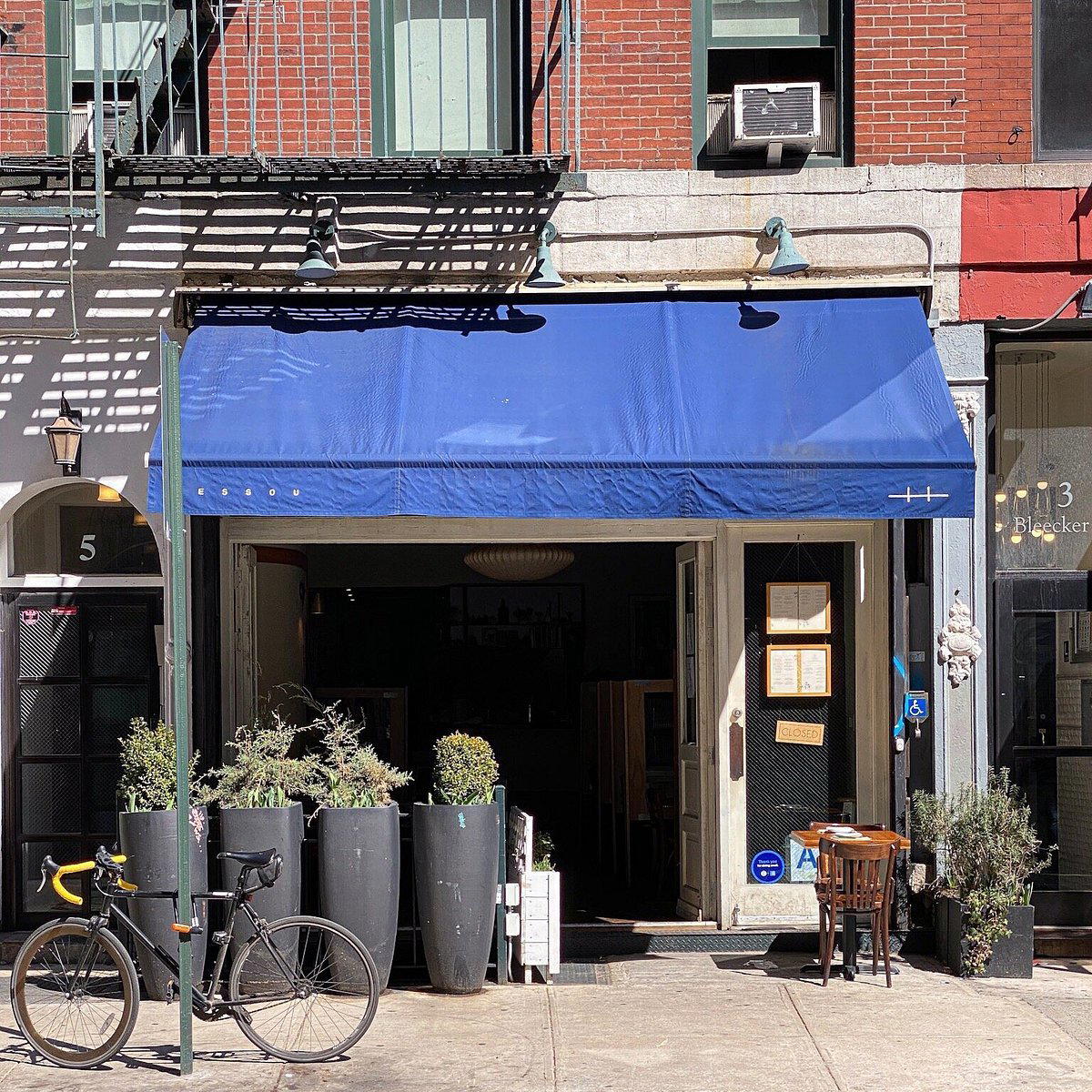
The Far West Side, and Why It Changes the Drink in Your Glass
There is a version of New York cocktail culture that performs for the room — the fog machine, the theatrical pour, the server who explains too much. Then there is the quieter register, the one that has been gaining ground in the city's less saturated corridors, where the drink itself carries the full weight of the experience. Bessou, at 25 11th Ave in Manhattan, sits closer to that second tradition. The Far West Side address is not incidental: neighbourhoods with lower ambient noise — commercially and culturally, tend to attract programmes built on precision rather than spectacle, and the stretch of 11th Avenue running through the West 20s has that character in abundance.
New York's cocktail scene has been sorting itself along these lines for the better part of a decade. The post-speakeasy moment, which peaked somewhere around 2012 and produced a wave of hidden-door theatrics that now feels dated, gave way to a more transparent, technique-forward era. Bars that belong to this newer cohort tend to signal their seriousness through restraint: shorter menus, longer lead times on sourcing, a preference for clarification and fermentation over garnish. Understanding where Bessou sits within that arc matters more than any individual drink on the list.
Japanese Influence in the New York Glass
The Japanese-inflected cocktail bar is no longer a novelty in American cities, but it remains a distinct and disciplined format. What defines it, when done with care, is a set of inherited priorities: balance over boldness, texture as a flavour consideration, the suppression of ego in favour of the ingredient. Kumiko in Chicago has mapped this approach extensively, building one of the most studied programmes in the Midwest around Japanese spirits and technique. On the West Coast, Bar Leather Apron in Honolulu operates within a similar discipline, with an emphasis on high-craft construction and deliberate pacing. Bessou enters this conversation from the New York angle, where the reference points are different but the underlying philosophy, technique in service of the drink, not the drinker's Instagram feed, is consistent.
In New York specifically, the bars that have sustained recognition over time tend to share a few characteristics: a defined point of view that does not shift with trends, a room that rewards attention rather than demanding it, and a programme that gives the returning guest something to discover. Angel's Share, which has operated in the East Village since the early 1990s, established the template for Japanese-influenced craft cocktails in this city before the category had a name. Bessou is working in a tradition with real depth behind it.
New York's premium cocktail tier is genuinely crowded, which means the relevant question is not whether a bar is good but where it sits in the competitive map. At the more approachable end of the craft spectrum, Attaboy NYC operates a no-menu format on the Lower East Side that puts the entire creative burden on the bartender reading the guest. Amor y Amargo has carved a specific niche around amari and bitter spirits, making it more of a specialist programme than a broad cocktail bar. Superbueno pulls from a different tradition entirely, with Latin-inflected flavours and a louder, more social energy.
Bessou does not compete with any of these on their own terms. The Far West Side address alone signals a different intention. Where Attaboy trades on spontaneity and Amor y Amargo on category depth, Bessou's register is more considered, a bar that asks for a certain kind of attention from the guest. That is not a hierarchy. It is a description of format, and format matters when you are choosing how to spend a New York evening.
For readers tracking this approach across American cities, Jewel of the South in New Orleans and Julep in Houston both operate with similarly disciplined programmes rooted in specific local or historical traditions. ABV in San Francisco and Allegory in Washington, D.C. represent the more conceptually ambitious end of the American craft bar spectrum. Internationally, The Parlour in Frankfurt on the Main demonstrates how the technique-first ethos translates across markets. Bessou belongs in this broader conversation about what a serious cocktail programme looks like when it is not trying to be the loudest thing in the room.
What the Programme Signals
When a bar operates in a city as competitive as New York, on a stretch of avenue that does not generate foot traffic the way Midtown or the West Village does, the drinks programme has to carry the full weight of the destination decision. Guests who find their way to 25 11th Ave are not stumbling in; they have made a deliberate choice. That shifts the dynamic at the bar. The bartender can assume a degree of engagement from the guest. The menu can be more considered, less explanatory. The pacing can slow down in ways that a higher-turnover venue in a denser neighbourhood cannot afford.
This is the structural advantage of the off-grid address in New York cocktail culture: it pre-selects for a certain kind of guest and allows the programme to respond accordingly. The bars that have understood this, and there are not many, tend to develop loyal return audiences rather than one-time visitors chasing novelty.
Planning Your Visit
The following comparison covers logistics across a selection of New York cocktail bars at a similar tier, to help calibrate your planning.
| Venue | Neighbourhood | Format | Booking |
|---|---|---|---|
| Bessou | Far West Side (11th Ave) | Craft cocktail bar | Confirm directly |
| Attaboy NYC | Lower East Side | No-menu, bartender-led | Walk-in |
| Amor y Amargo | East Village | Amaro specialist | Walk-in |
| Angel's Share | East Village | Japanese-influenced craft | Walk-in, limited capacity |
| Superbueno | Hell's Kitchen | Latin-inflected cocktail bar | Walk-in / reservations |
For a broader view of where Bessou sits within the city's drinking and dining options, see our full New York City restaurants guide.
Reputation First
A short peer table to compare basics side-by-side.
| Venue | Awards |
|---|---|
| BessouThis venue — the venue you are viewing | Not listed |
| The Long Island Bar | World's 50 Best |
| Superbueno | World's 50 Best |
| Amor y Amargo | World's 50 Best |
| Angel's Share | World's 50 Best |
Continue exploring
More in New York City
Bars in New York City
Browse all →

Restaurants in New York City
Browse all →
Hotels in New York City
Browse all →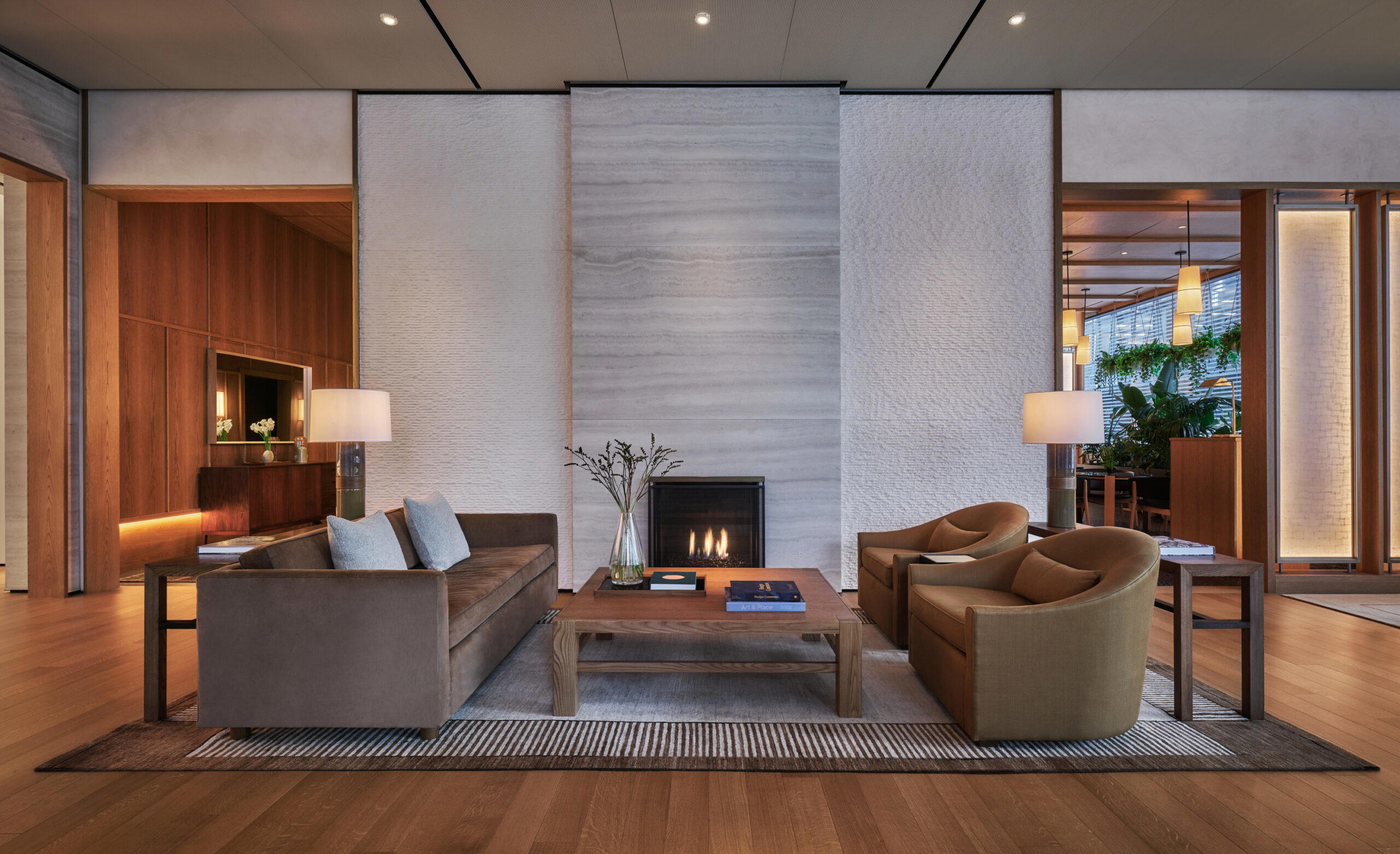







At a Glance
- Cozy
- Modern
- Trendy
- Casual Hangout
- Group Outing
- Date Night
- Standalone
- Design Destination
- Seated Bar
- Lounge Seating
- Sake
- Conventional Wine
Current opening hours
- Monday
- 11 AM–8 PM
- Tuesday
- 11 AM–8 PM
- Wednesday
- 11 AM–8 PM
- Thursday
- 11 AM–8 PM
- Friday
- 11 AM–8 PM
- Saturday
- 11 AM–8 PM
- Sunday
- 11 AM–8 PM
Hours can change for holidays and private events. Last verified .
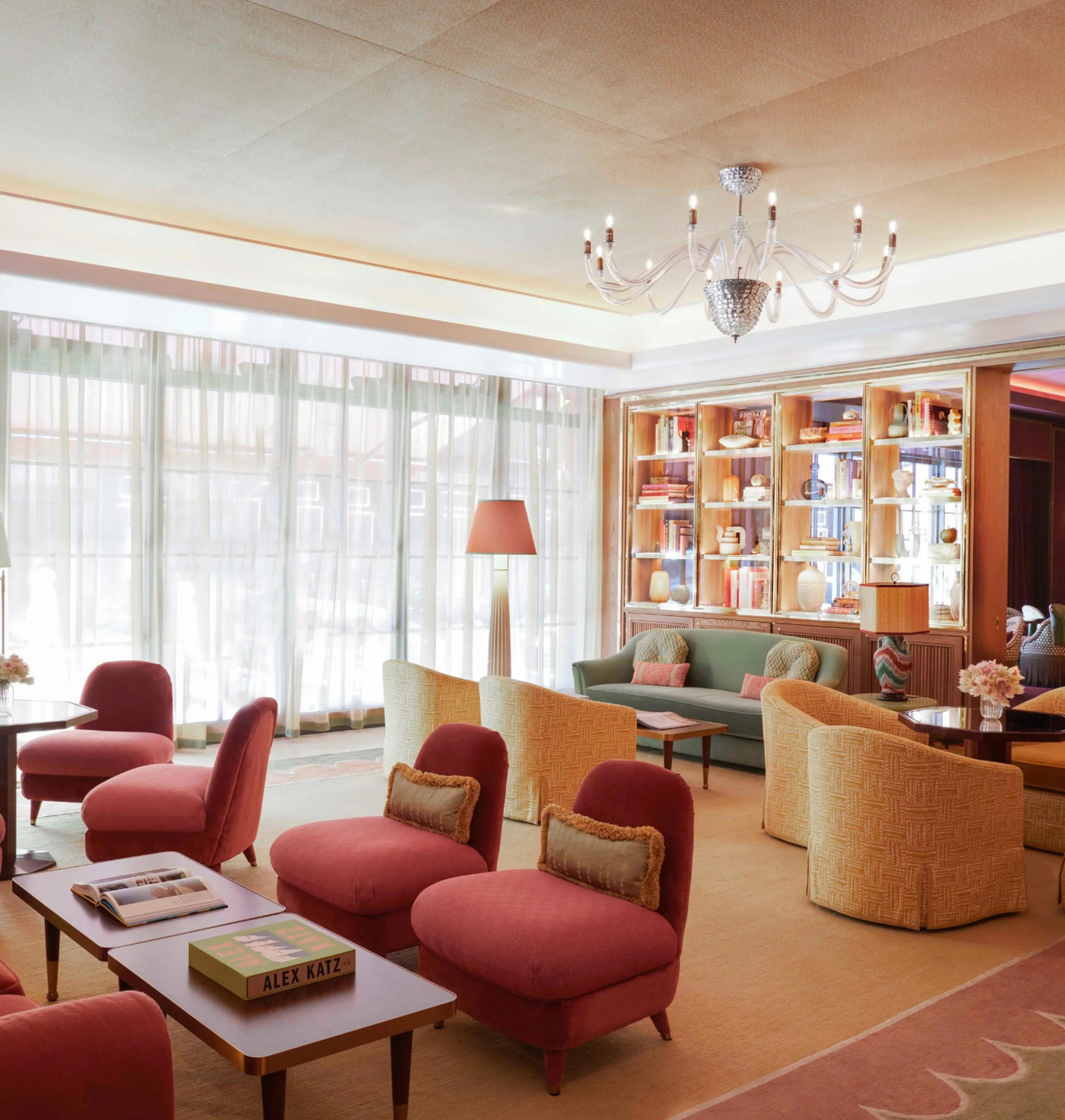
Inviting and warm neighborhood atmosphere with a modern aesthetic that evokes a Japanese vacation home (bessou), attracting creative types including artists and musicians.
Know Before You Go
- Getting there
- 25 11th Ave, New York, NY 10011