NBetween
On a West Chelsea block that has cycled through gallery pop-ups and late-night spots, NBetween at 443 W 15th St occupies the kind of address that rewards neighbourhood familiarity. The bar sits in one of Manhattan's more layered drinking corridors, where the High Line crowd meets the Meatpacking holdovers, and operates within a city that has moved firmly past single-concept novelty toward programs with genuine editorial depth.

Pearl is the En Primeur Club membership app, where members save venues, book tables and use the concierge.

West Chelsea After Dark: What the Meatpacking Edge Tells You About New York Nightlife
The block of West 15th Street where NBetween sits has been absorbing the overflow of the Meatpacking District's evolution for the better part of two decades. As the District itself shifted from wholesale meat trade to fashion flagship to hospitality corridor, the streets immediately adjacent developed a quieter, more local-facing character. That adjacency matters: venues here draw from Chelsea's residential density as much as from tourist traffic, which tends to produce more considered programming and a different kind of regular.
NBetween, at 443 West 15th Street, occupies that in-between geography literally and, by reputation, temperamentally. The address places it at the precise seam where Chelsea's gallery district meets the northern edge of the Meatpacking strip, a position that shapes the crowd it draws and the mood it sustains across the evening.
The Physical Register: Light, Space, and the Architecture of a Good Bar
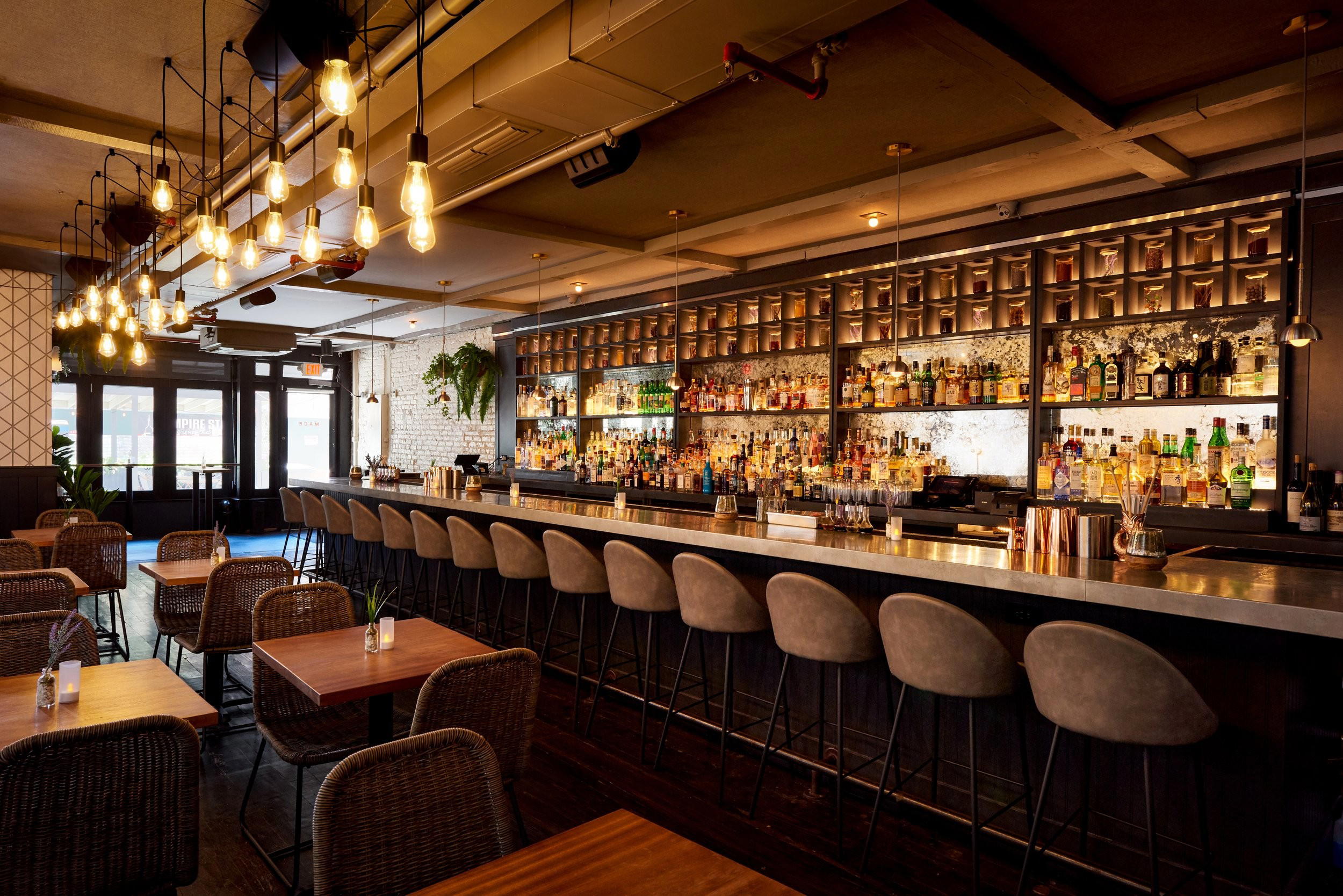
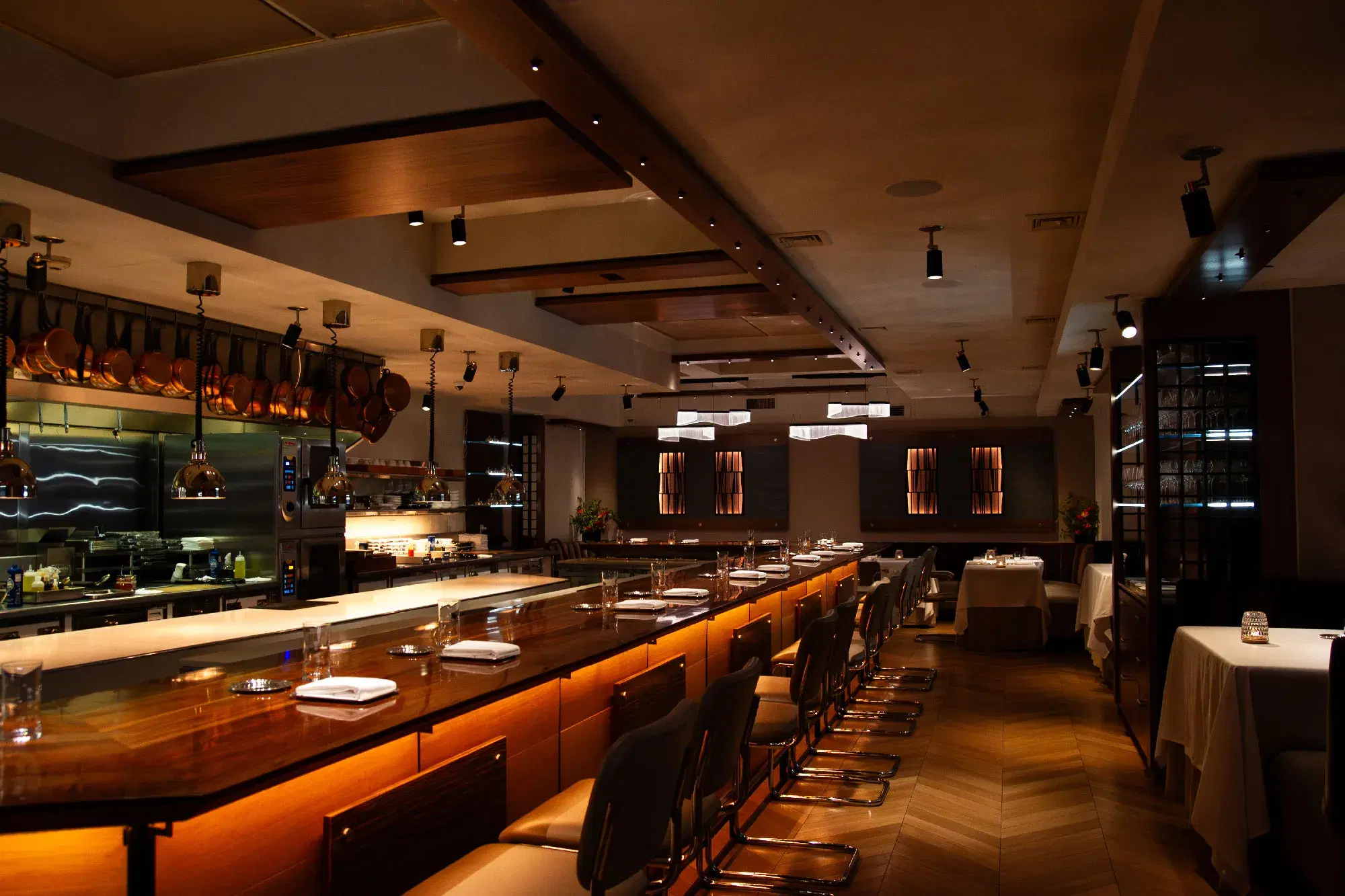
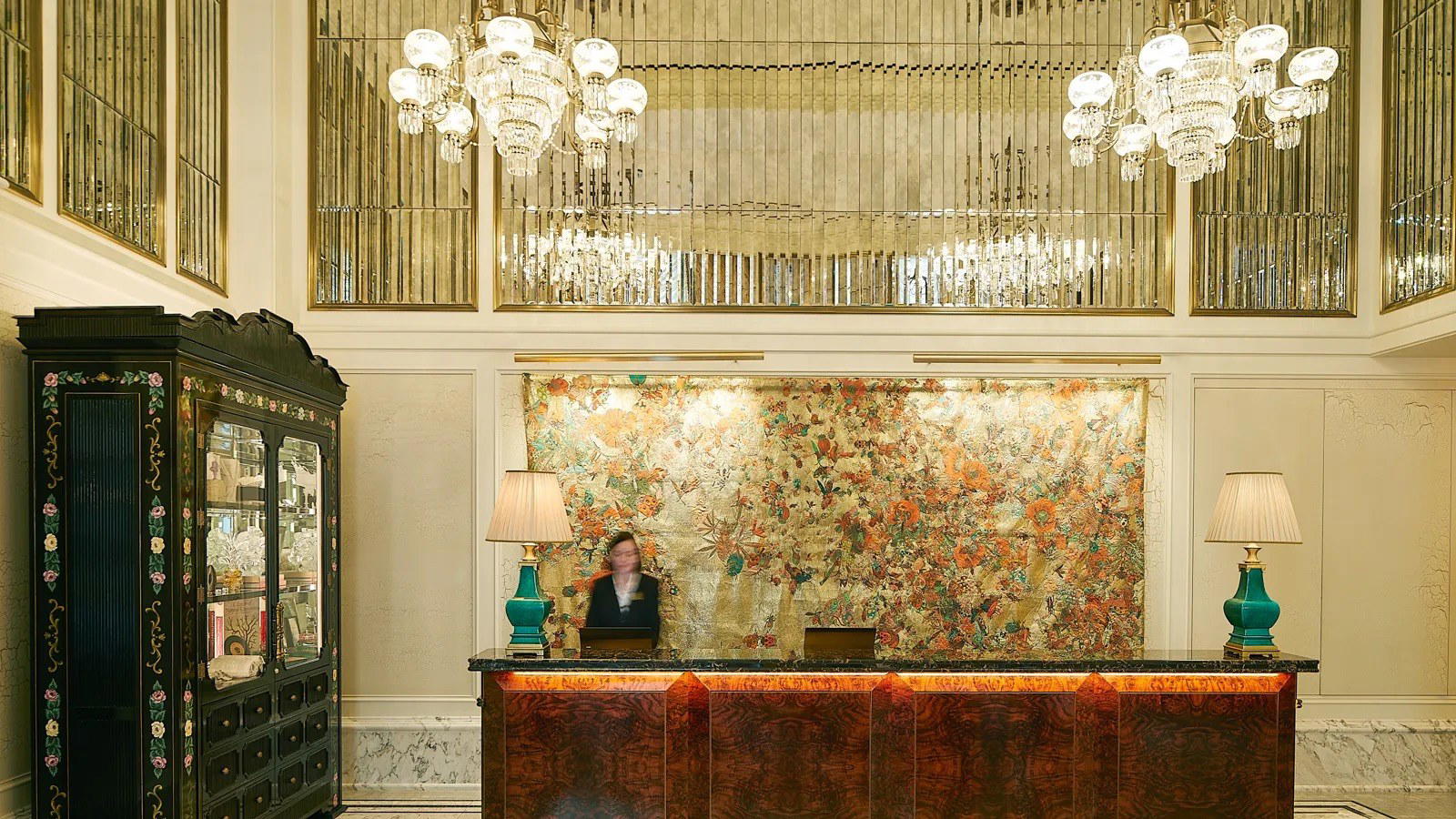
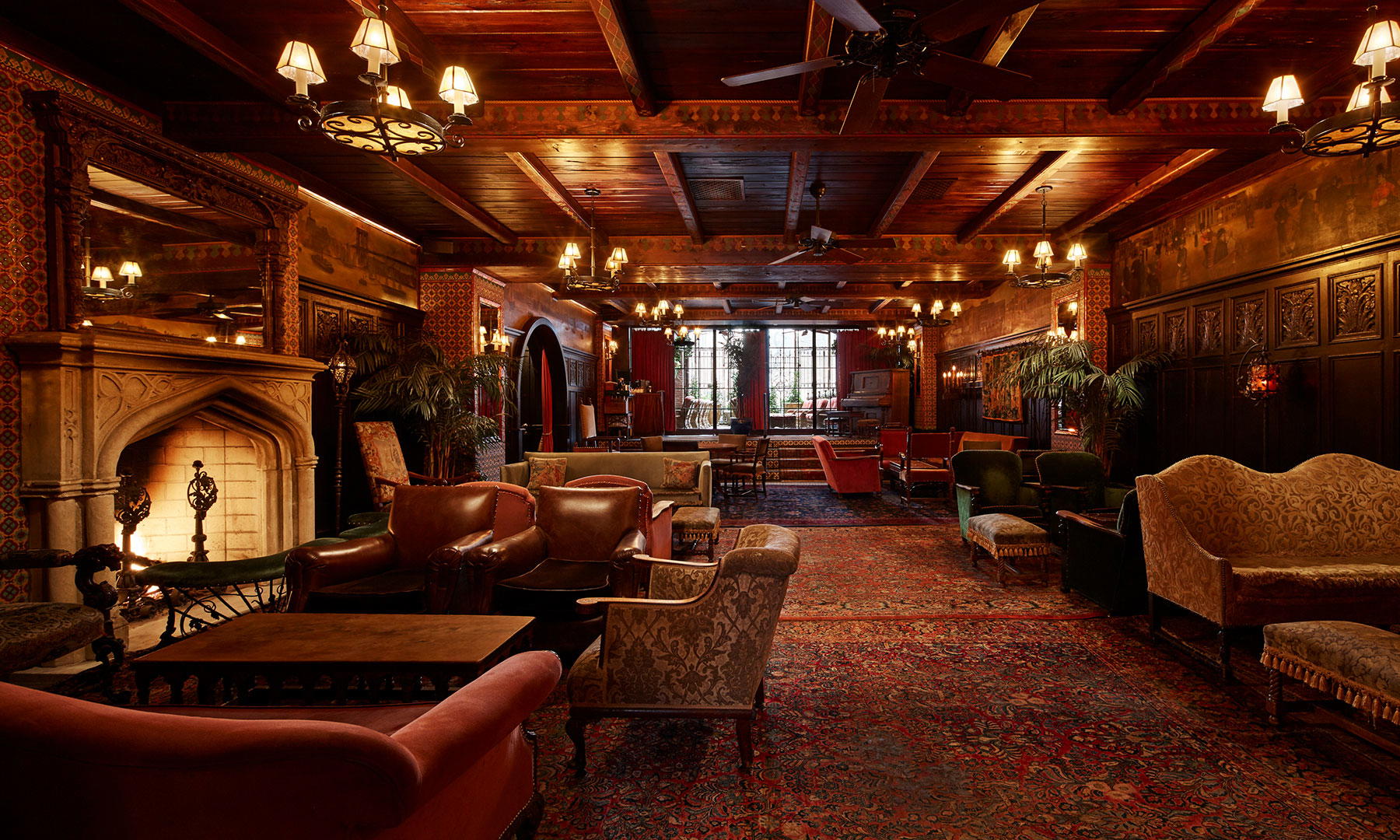
West Chelsea's bar rooms tend to skew in two directions: industrial-raw, leaning into the neighborhood's warehouse bones, or sharply designed, reflecting the gallery money that moved in after. The spaces that hold up over time usually find a middle register, one where the lighting does real work and the seating allows for conversations that don't require shouting.
The name NBetween is not incidental. Bars that occupy threshold positions, between neighborhoods, between formats, between the early dinner crowd and the late night, often develop a specific kind of atmospheric coherence. They are not destination bars in the pure sense, nor are they purely local haunts; they work for people who know exactly what they want from a Wednesday night or a pre-theatre drink before heading to something else. That positional identity, when it holds, tends to produce rooms that feel neither overdesigned nor neglected, calibrated instead to a particular hour and a particular kind of ease.
In New York's current cocktail scene, atmosphere has become as much a differentiator as the drinks program itself. The city has moved well past the era when a hidden entrance or a taxidermied wall constituted a bar's entire personality. What remains competitive now is the quality of the room at its worst hour, and the ability of the physical space to carry an evening without theatrical assistance. Venues like Attaboy NYC and Amor y Amargo have built sustained reputations partly on the strength of their rooms and their ability to feel consistent across different times of night.
The West Chelsea Cocktail Context
New York's bar scene has stratified considerably. At the leading are programs with James Beard nominations and 50 Best recognition; below that sits a wide mid-tier of technically capable bars with specific identity (bitters-forward, agave-focused, wine-adjacent); and below that are neighborhood workhorses. The interesting competitive action happens in the middle band, where concept clarity and physical environment do as much work as the drinks themselves.
Chelsea and the Meatpacking adjacency play to a crowd with genuine range: gallery professionals, creative industry workers, hotel guests from the nearby boutique properties, and long-term residents who have watched the neighborhood transform several times over. Bars serving this crowd work leading when they read the room accurately, which means neither dumbing down the program nor performing complexity for its own sake.
For reference on how other cities handle this mid-tier challenge, Kumiko in Chicago and ABV in San Francisco have both developed strong reputations by building technically serious programs inside rooms that remain genuinely accessible. Closer to home, Superbueno has carved a distinct identity in the downtown Manhattan scene through a similar balance of concept and approachability.
Positioning Within New York's Broader Bar Conversation
The bars that have built lasting reputations in New York share a particular trait: they commit to a position and hold it across seasons. Angel's Share has held its East Village position for decades by maintaining format discipline. Bars that drift, chasing trends or broadening their concept to capture more foot traffic, tend to lose the specific crowd that made them work in the first place.
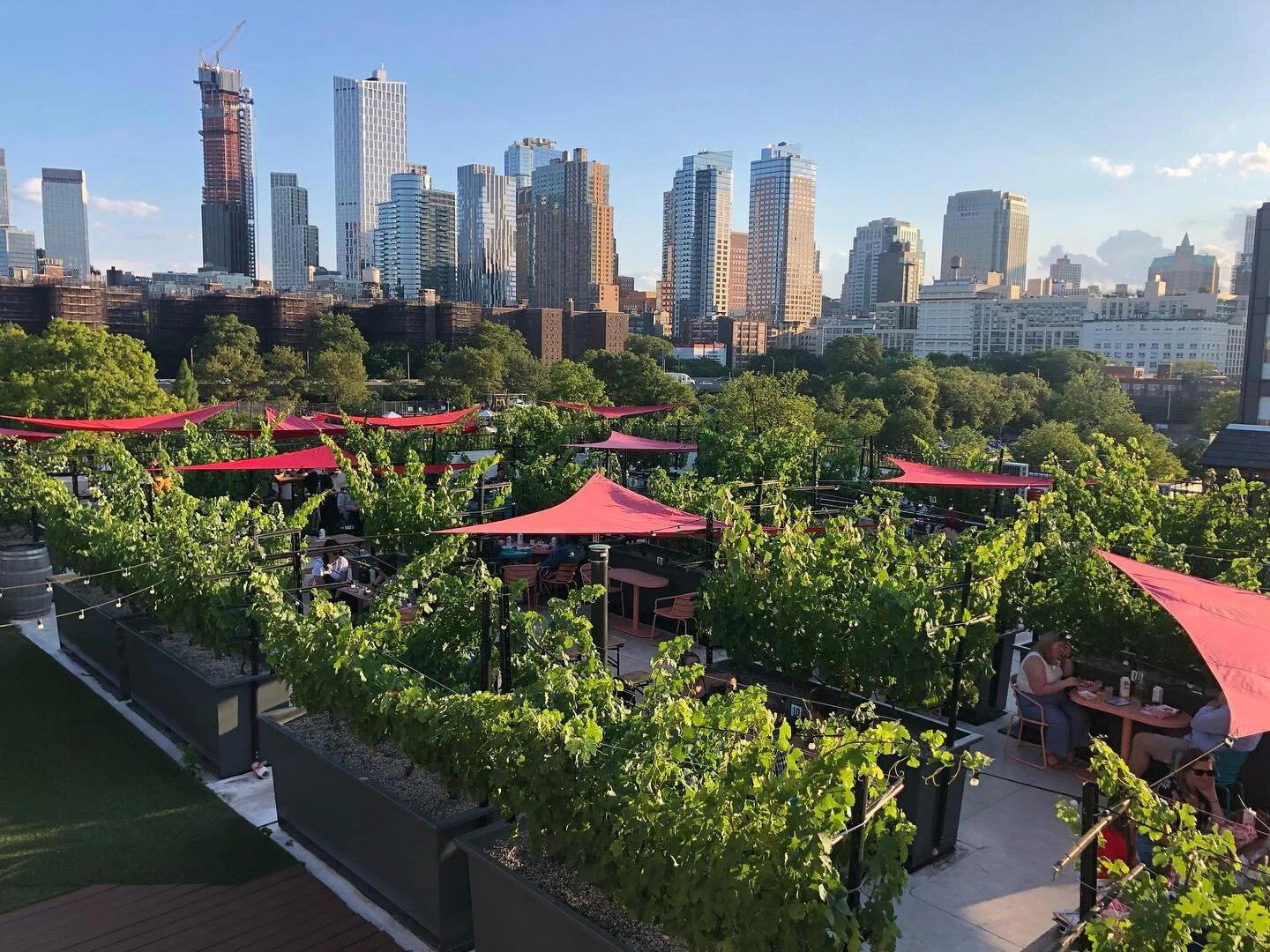
NBetween's West 15th address puts it within reasonable reach of the High Line's southern terminus and a short walk from the gallery cluster on West 20th through 26th Streets, which creates a natural audience of people arriving after experiencing something and looking for somewhere to continue the conversation. That kind of crowd, arriving with context and looking for a room that can hold it, places different demands on atmosphere than a purely destination-driven bar. The lighting has to work for conversation. The seating has to allow for groups that expand and contract. The noise floor has to stay manageable.
Comparable bars in other cities that have solved this problem well include Jewel of the South in New Orleans, which draws a post-dinner and post-performance crowd from the surrounding cultural district, and Allegory in Washington, D.C., which serves a similarly context-laden audience from the adjacent arts programming. In Honolulu, Bar Leather Apron has built a reputation on exactly this kind of deliberate atmospheric calibration. And Julep in Houston shows how a well-defined room identity can anchor a bar's reputation across the city's competitive dining-and-drinking corridor. Internationally, The Parlour in Frankfurt on the Main demonstrates how physical atmosphere alone can carry a bar into a different tier of recognition.
Planning Your Visit
NBetween is located at Address: 443 West 15th Street, New York, NY 10011, in the West Chelsea neighborhood between 9th and 10th Avenues. The A, C, and E trains stop at 14th Street (two blocks south), and the 1, 2, and 3 trains stop at 14th Street and 8th Avenue, making it direct to reach from most Manhattan neighborhoods. Booking: Website and phone details are not publicly listed at time of publication; contact directly through available channels or walk in. Timing: As with most West Chelsea bars, the room fills on weekday evenings after gallery hours and on weekends from early evening. Arriving before 8pm on weekdays typically gives more flexibility on seating.
For a fuller picture of what New York's drinking and dining scene offers across neighborhoods, see our full New York City restaurants guide.
Pricing, Compared
| Venue | Cuisine | Price | Awards |
|---|---|---|---|
| NBetweenThis venue (the venue you are viewing) | Not listed | Not listed | Not listed |
| The Long Island Bar | Not listed | $30–50 | World's 50 Best #64 · Top 500 Bars Best Bars #367 |
| Dirty French | Not listed | Not listed | World's Best Steaks 50 Best #32 · Star Wine List |
| Superbueno | Not listed | $30–50 | World's 50 Best #61 · Top 500 Bars Best Bars #54 |
| Amor y Amargo | Not listed | $20–30 | World's 50 Best #23 |
| Angel's Share | Wine Bar | $20–30 | World's 50 Best #31 · Top 500 Bars Best Bars #280 |
Continue exploring
More in New York City
Bars in New York City
All bars in New York City →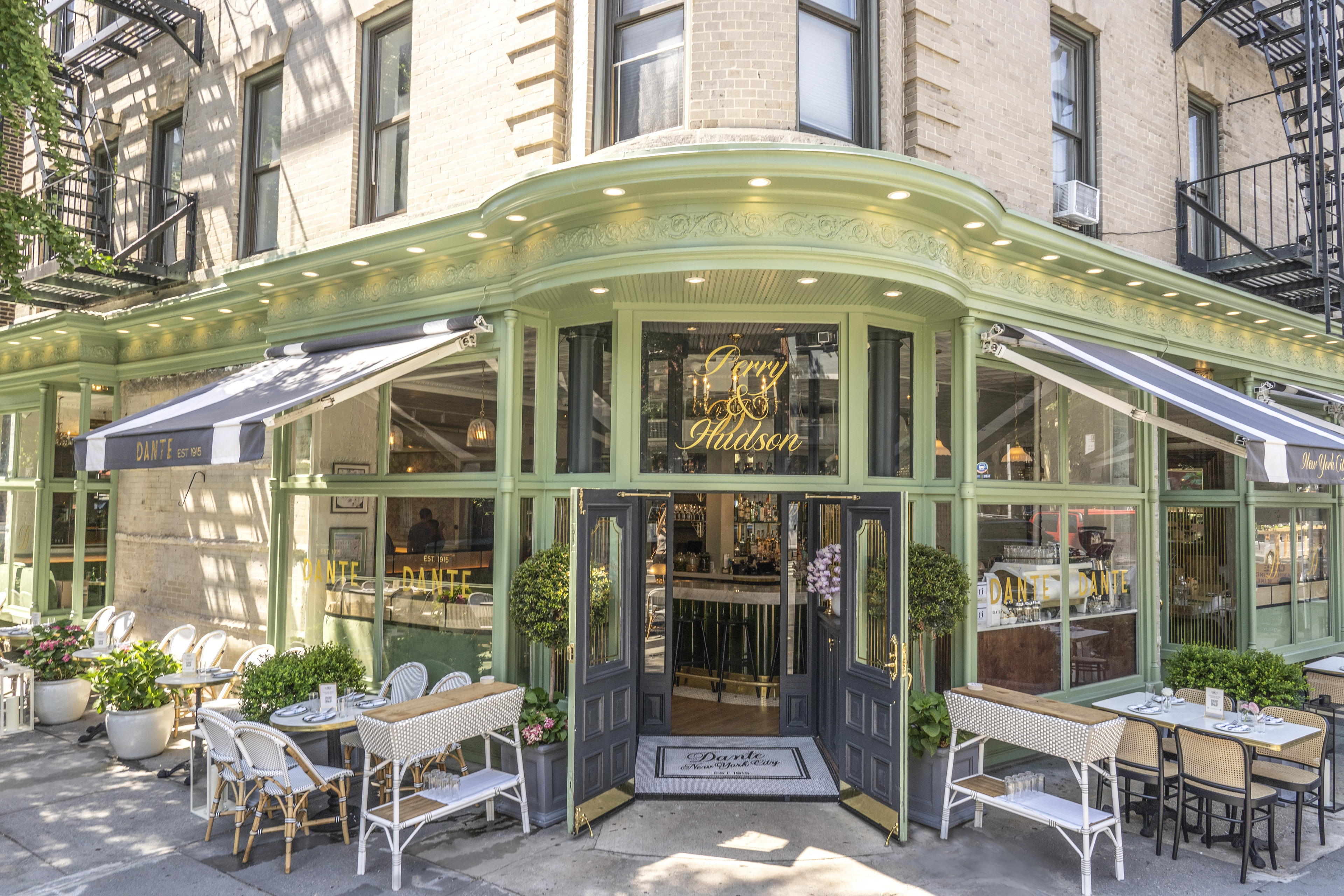
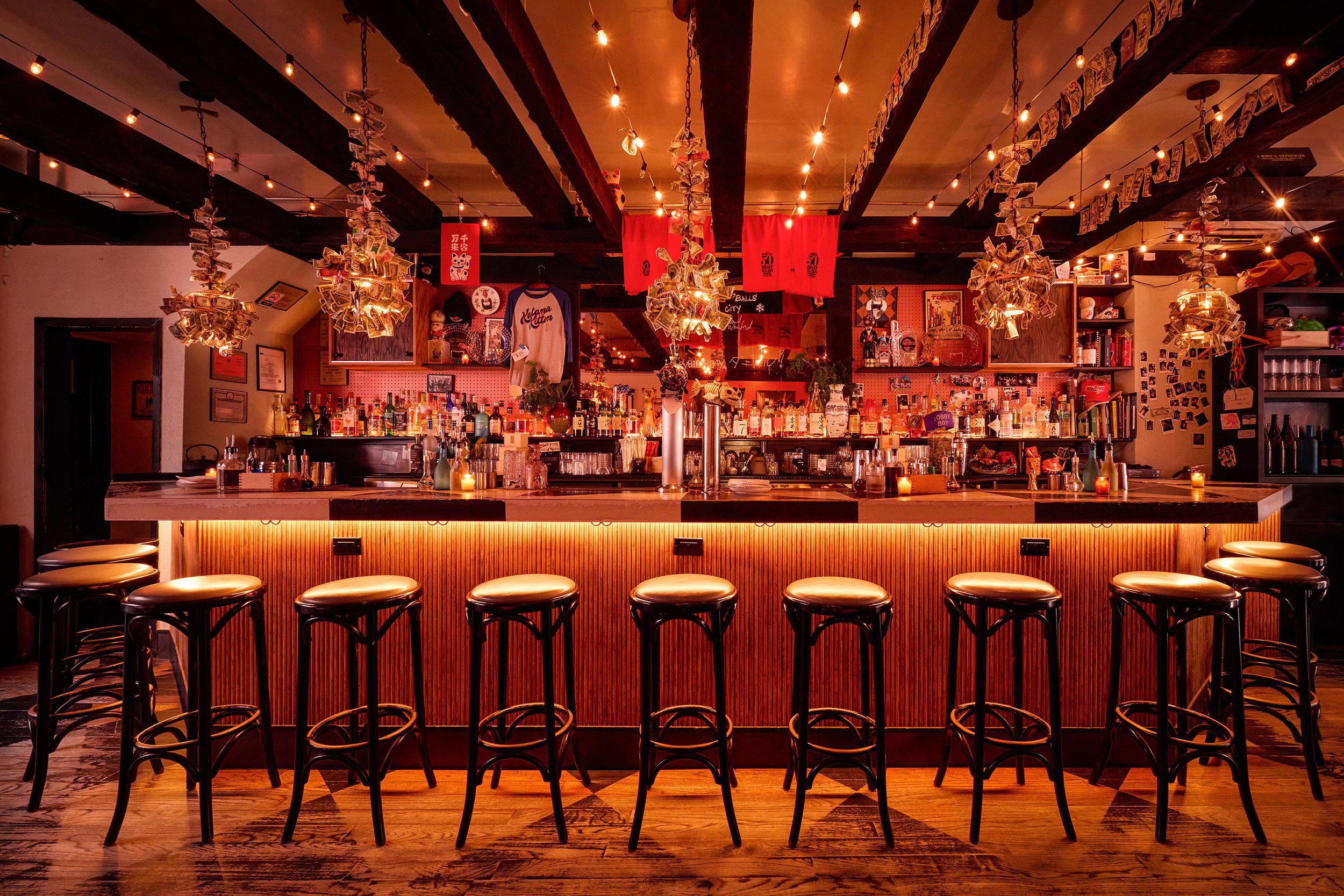
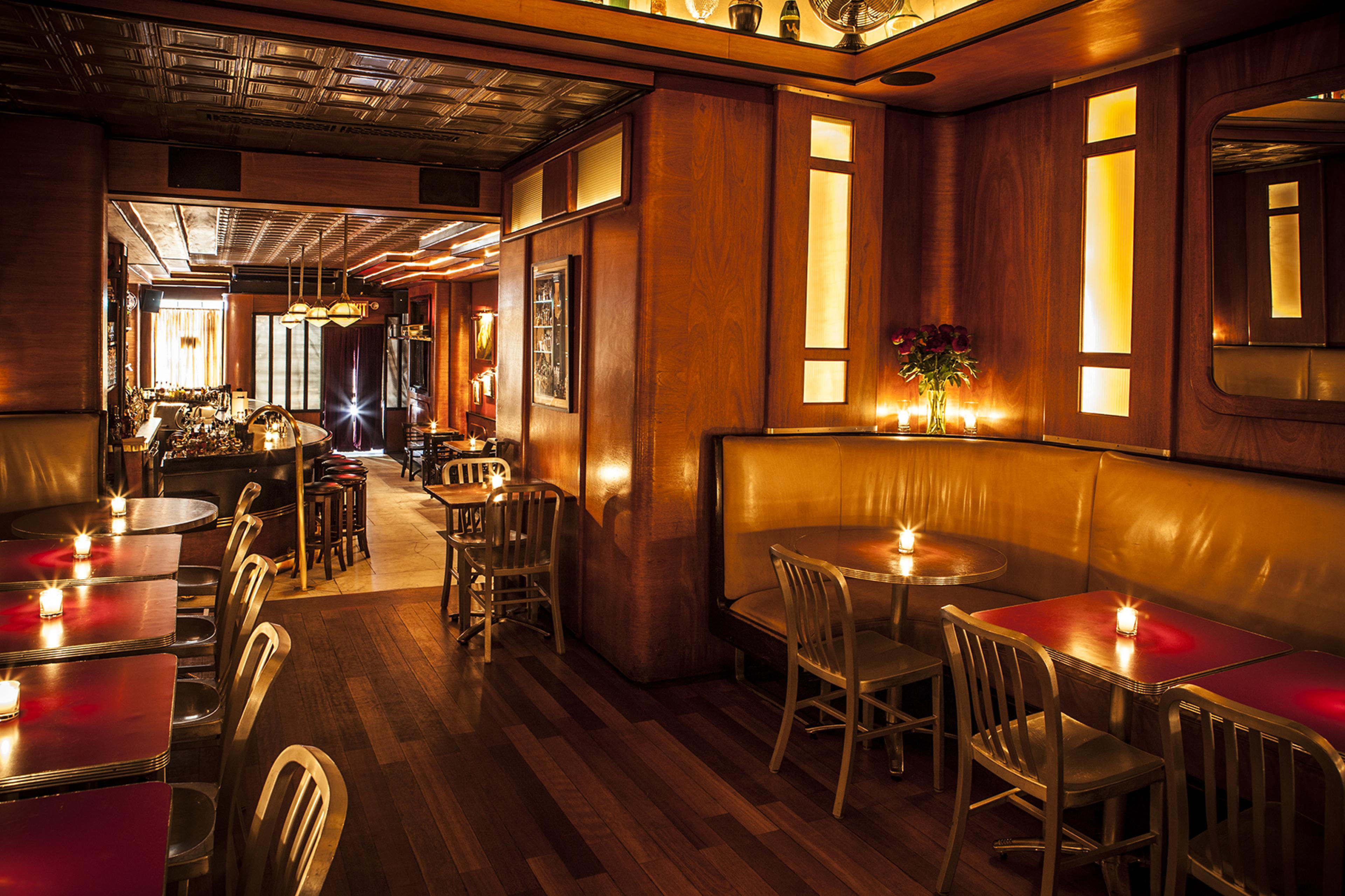
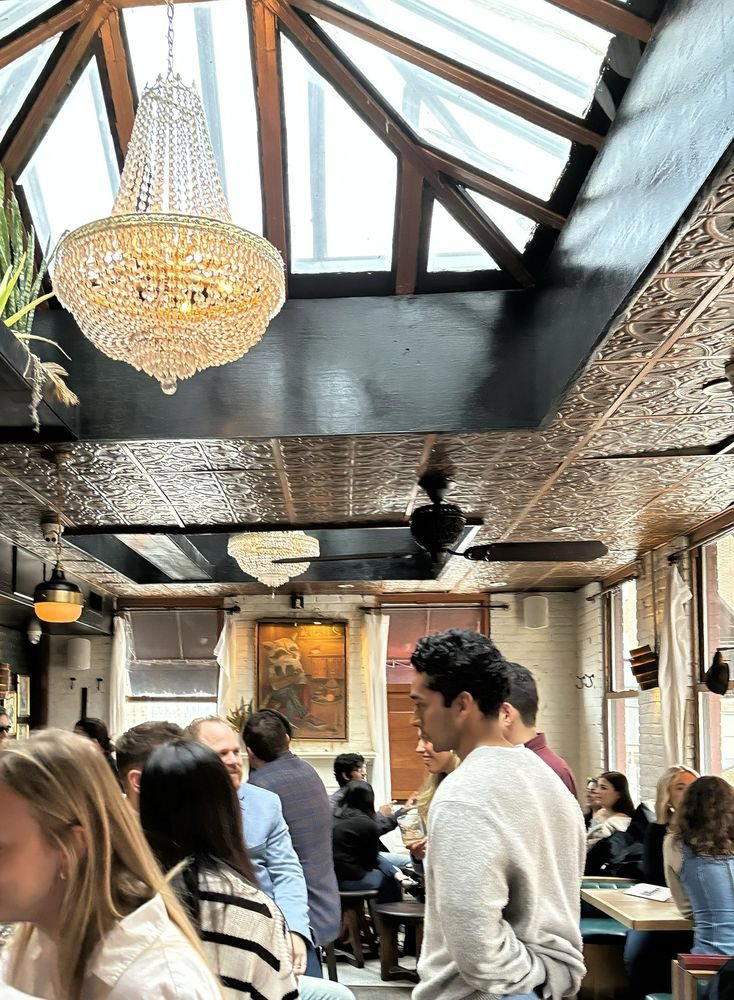
Restaurants in New York City
All restaurants in New York City →
Details
- Trendy
- Lively
- Modern
- Date Night
- Casual Hangout
- Speakeasy
- Seated Bar
- Craft Cocktails
Current opening hours
- Monday
- 4–11 PM
- Tuesday
- 4–11 PM
- Wednesday
- 4–11 PM
- Thursday
- 4 PM–12 AM
- Friday
- 4 PM–12 AM
- Saturday
- 2 PM–12 AM
- Sunday
- 2–11 PM
Hours can change for holidays and private events. Hours as of .
lively